

We may earn a commission when you buy through links on this page, at no extra cost to you. Learn more.
The answer to “what wine goes with figs” is a dry Provençal rosé or fruit-forward Cinsault for fresh figs, a textured white Rhône for honeyed dishes, and Pedro Ximénez Sherry or Tawny Port for very sweet dried figs. Figs have enough sweetness and earthy depth to work with several wine families, but the best bottle changes with the fruit’s ripeness and the other ingredients on the plate. Match the wine to the whole dish rather than treating every fig preparation as dessert.
Fresh figs are juicy and softly sweet; dried figs are denser, chewier, and more concentrated. Cheese, cured meat, herbs, vinegar, and roasting can shift the balance again. Use the pairings below as practical starting points, then adjust for the dish’s sweetness, acidity, salt, and richness.
Best Wines for the Main Fig Flavors
For a versatile first choice, pour a dry rosé from Bandol or Provence, or a red Cinsault with bright berry fruit. Choose Roussanne or a textured white Rhône when the figs taste honeyed, and reserve Pedro Ximénez Sherry or Tawny Port for dried figs and rich blue cheese.
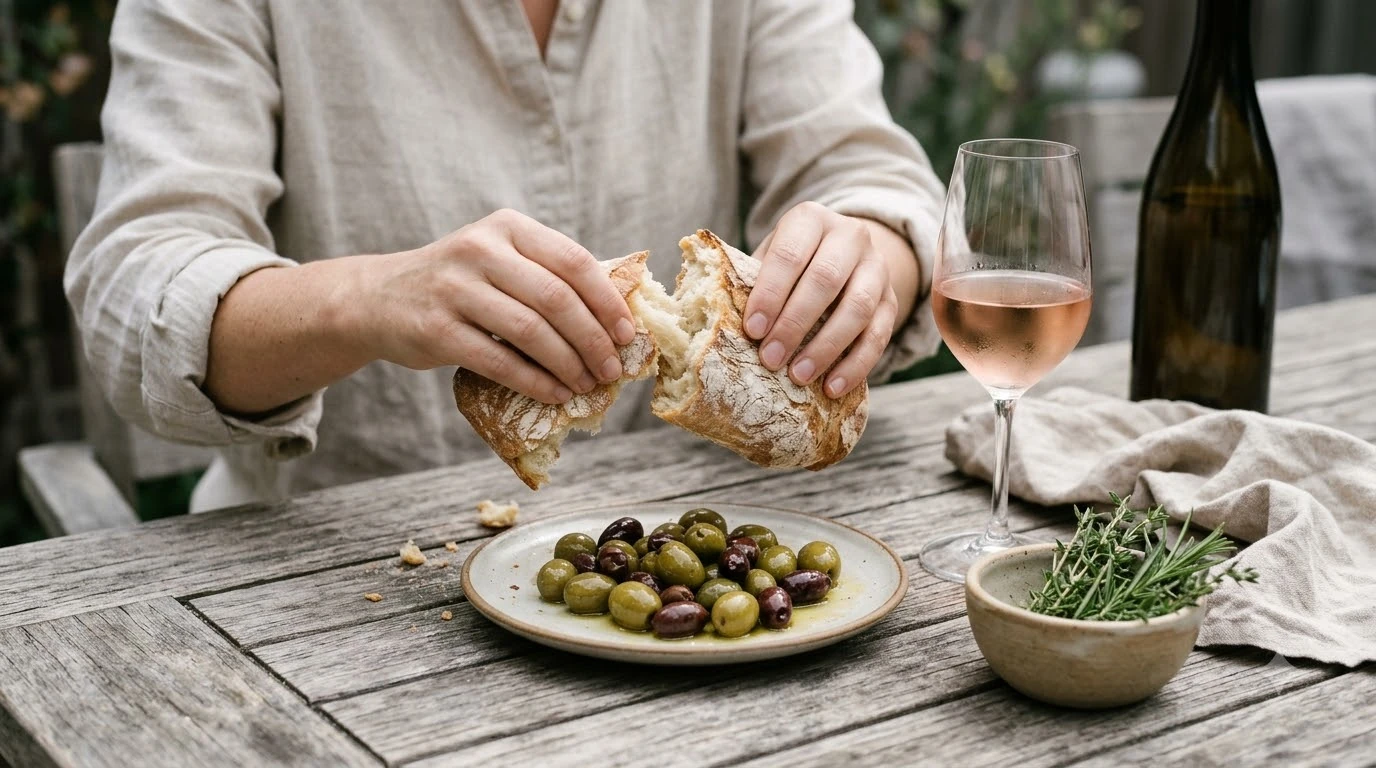
Figs can taste jammy, honeyed, raisiny, or earthy, and those impressions point toward different wine profiles. Wine Enthusiast’s fig-pairing article connects the jammy quality of fresh fruit with Cinsault, ripe honey notes with Roussanne, dried-fruit character with Pedro Ximénez, and earthy notes with Nebbiolo. These are flavor matches rather than rigid rules: Cinsault brings red-berry freshness, Roussanne can echo apricot and flowers, and PX contributes dried fruit, nuts, and coffee.
Start by asking what role the figs play. A bowl of ripe figs eaten plain needs a wine that will not bury their perfume, so a dry rosé or light-bodied red is safer than a powerful Cabernet Sauvignon. Figs wrapped in salty prosciutto can handle more savory character, while a fig tart with honey or pastry needs a wine at least as sweet as the dessert. For a party platter of fresh figs, almonds, and mild cheese, choose dry rosé or a medium-bodied white; for fig compote with blue cheese, change direction to a sweet fortified wine.
Fresh Figs With Rosé, Cinsault, and White Rhône
Fresh figs generally favor wines with lifted fruit, moderate weight, and enough acidity to keep the pairing lively. Dry rosé, Cinsault, Vermentino, and white Rhône blends are reliable choices for late-summer salads, crostini, and grilled fruit.

Fresh figs vary by cultivar, and that variation can guide the bottle. California Figs describes fresh Mission figs as deep and earthy, Brown Turkey as full-flavored, Emerald as light, Sierra as fresh and sweet, and Tiger as fruity with raspberry and citrus notes. Its variety guide lists Mission and Brown Turkey from mid-May through November, and Emerald, Sierra, and Tiger from mid-June through November. A dark Mission fig can support a more savory red than a delicate Tiger fig, while the light sweetness of Sierra points toward an aromatic white such as Riesling.
A Bandol rosé brings a savory edge that works with ripe figs, olive oil, herbs, and salty ingredients. Other dry rosés from Provence, the Rhône, or Languedoc can serve the same role. For a fig-and-anchovy spread, Decanter also names rosés from Corsica and Lebanon, and suggests Cinsault when a red is preferred. With goat cheese and toasted bread, this dry, savory rosé approach is more adaptable than a sweet pink wine. For whites, choose Vermentino or a textured white Rhône rather than a very lean style: Vermentino brings citrus and herbal notes, while Roussanne can echo the honey, apricot, and floral character of ripe figs. Lemon juice or vinaigrette calls for equal or higher acidity in the wine.
Dried Figs With Sherry, Port, and Earthy Reds
Dried figs are sweeter, chewier, and more concentrated than fresh figs, so they can stand up to wines with deeper fruit and greater intensity. Pedro Ximénez Sherry and Tawny Port are especially natural matches, while Nebbiolo can work when the dish is savory rather than dessert-like.
Drying removes water and concentrates the fruit’s sugars and flavors, giving dried figs a raisin-like or prune-like character, sometimes with nutty or coffee-like notes. Pedro Ximénez, often shortened to PX, is a very sweet Sherry style with dried-fruit, nut, and coffee flavors that echo those qualities. Pour a small glass beside dried figs stuffed with walnuts, a dark chocolate-and-fig bite, or salty blue cheese. The wine’s sweetness should meet or exceed the sweetness of the food; a dry wine beside a sweet fig dessert can taste thin or bitter by comparison.
Tawny Port offers another route, with developed nut, caramel, and dried-fruit notes that suit fig preserves, roasted nuts, aged cheese, and desserts with toasted pastry. For savory food, Nebbiolo brings earthy, tar-like, dried-flower, and red-fruit aromas that can echo the subtle earthy character of figs. Try it with a warm grain salad of dried figs, mushrooms, toasted hazelnuts, and herbs, or pork with a restrained fig pan sauce. Madeira is a further option for baked fig desserts with custard or warm spice; Decanter has suggested it with fig clafoutis because the wine can show dried-fruit notes. Keep the intensity proportionate: a simple dried fig needs a less concentrated pour than a layered tart with pastry and cream.
Figs With Blue Cheese, Goat Cheese, and Prosciutto
Cheese and cured meat make figs taste more like a savory appetizer than a dessert. Salty blue cheese, creamy goat cheese, and prosciutto each call for a slightly different wine, with sweetness especially useful for intense blue cheeses.
Blue cheese is a classic partner for figs because salt, pungency, and creamy texture contrast with the fruit’s sweetness. For Roquefort, Stilton, or Gorgonzola Piccante, pour Pedro Ximénez Sherry, Tawny Port, Madeira, or a late-harvest dessert wine. A milder blue such as Fourme d’Ambert or Cashel Blue can work with a low-tannin red such as Gamay. Decanter notes that spicy blues pair well with figs and dried fruit, and recommends wines with similar characteristics. Salt in the cheese can also soften the impression of tannin. For a deeper look at the cheese-led choice, see what wine goes with blue cheese.
Goat cheese is fresher and tangier than blue cheese. With fresh figs and young goat cheese, choose dry rosé, Vermentino, or Sauvignon Blanc with enough acidity to match the cheese; a soft sheep’s-milk cheese with almonds can point toward nutty Amontillado Sherry. Prosciutto and other cured meats add salt and savory depth, making dry rosé or a light red more useful than a very sweet wine. Try fresh figs with prosciutto, arugula, and Parmesan alongside Provençal rosé, or serve fig crostini with chilled Cinsault. If a board includes blue cheese as well as ham, offer two options: dry rosé for the meat and goat cheese, and a small pour of PX for blue cheese and dried fruit. Sparkling wine can refresh the palate between bites of rich cheese, but choose a style dry enough for the savory food.
Roasted Figs, Salads, and Main Courses
Cooking makes figs softer and can intensify their sweetness, so roasted or grilled figs often need a wine with more body than raw fruit. Herbs, vinegar, anchovies, meat, and cheese remain decisive: each can shift the pairing toward a different grape or wine style.
Roasting concentrates fig flavor and adds caramelized edges. With thyme, rosemary, olive oil, and a little balsamic vinegar, try dry rosé, Cinsault, or medium-bodied Pinot Noir. Grilled figs alongside pork tenderloin or roast chicken work with a textured white Rhône or supple Pinot Noir. Pork has enough flavor to meet the fruit without demanding a highly tannic red, while chicken leaves room for aromatic whites. If beef and a dense reduction dominate, use a more structured red and let fig appear as a sweet-savory accent; the broader pairing logic for what wine goes with beef brisket helps when the meat is the main event.
Salads with figs are usually about acidity and texture. Bitter greens, toasted nuts, goat cheese, and vinaigrette make dry rosé or Sauvignon Blanc a practical match, provided the wine has enough acidity for the dressing. A salad with blue cheese and dried figs may be better with sweet Sherry than crisp white wine. For a vegetarian main course, grilled eggplant with figs, tomato, herbs, and cheese can take a medium-bodied red or lively rosé; the structure is similar to the tomato-and-cheese layers in what wine goes with eggplant parmesan.
A Provençal fig anchoïade shows how fruit can bridge sweet and savory flavors. Decanter’s fig anchoïade recipe combines three large ripe figs or five smaller ones with five anchovies, two garlic cloves, thyme, red wine vinegar, almonds, and olive oil, then serves the spread on toasted country bread. The anchovies add salt and savory intensity while figs soften their impact, so the suggested matches include Bandol rosé, other Provence rosés, white Rhône, Vermentino, white Port with tonic, and Cinsault. For more ingredient-led ideas, see this Wine Pairing overview.
Portions, Serving Temperatures, and Simple Pairing Adjustments
Good serving decisions help a fig pairing taste balanced before the first bite. Chill whites and rosés enough to keep their freshness, serve reds slightly cooler than a warm room, and use smaller pours for intensely sweet fortified wines.
Use these ranges as a starting point: light rosé and crisp whites around 45–50°F, fuller whites such as textured white Rhône around 50–55°F, lighter reds such as Cinsault around 55–60°F, and sweet dessert wines around 43–50°F. Very cold wine can seem muted, while warm wine can make alcohol and sweetness feel heavier.
| Wine style | Fig pairing | Serving temperature | What it contributes |
|---|---|---|---|
| Dry Provence or Bandol rosé | Fresh figs, prosciutto, goat cheese | 45–50°F | Fresh acidity and savory red fruit |
| Vermentino or Sauvignon Blanc | Fresh figs, herbs, green salads | 45–50°F | Citrus lift and herbal notes |
| Roussanne or white Rhône | Honeyed figs, roast chicken, creamy cheese | 50–55°F | Texture with stone-fruit and floral notes |
| Cinsault or light Pinot Noir | Fresh or grilled figs, pork, mushrooms | 55–60°F | Red fruit without heavy tannin |
| Pedro Ximénez Sherry | Dried figs, blue cheese, fig desserts | 43–50°F | Concentrated sweetness and dried-fruit depth |
A standard wine pour is about 5 ounces, and a 750-milliliter bottle provides roughly five such glasses. With PX, Tawny Port, or another intensely sweet fortified wine, a smaller tasting pour can be more comfortable beside salty cheese or dessert, especially when guests are also drinking a dry table wine. Remember the core rules: a sweet dish needs wine at least as sweet; acidic food needs equal or higher acidity; salt and fat soften tannin; and chili heat feels stronger beside higher alcohol or firm tannin.
Tip: Taste one fig with the main cheese or sauce before opening the bottle. Fresh goat cheese points toward dry rosé or Vermentino; pungent blue cheese points toward PX Sherry or Tawny Port.
Once opened, refrigerate still wines and generally aim to finish them within 3–5 days; sparkling wines usually hold for 1–3 days with a proper stopper. Store unopened bottles on their sides in a cool place near 55°F. For a gathering, set out one dry rosé and one sweet fortified wine rather than asking a single bottle to cover every combination of fruit, cheese, and cured meat.
Frequently Asked Questions
These quick answers cover a few details that can make a fig pairing easier to plan. They focus on season, preparation, and alternatives that are easy to overlook when selecting a bottle.
Are fresh figs available all year?
Fresh figs are not a year-round pantry fruit: their delicate texture means the usable window is short, and they are best bought close to the day you plan to serve them. Dried figs are much easier to keep on hand because they are available throughout the year.
Should figs be peeled before serving with wine?
Most ripe fresh figs can be served whole or cut into wedges with the skin on. The skin is edible, and leaving it in place helps the fruit hold its shape on a cheese board or crostini. Trim the stem, and remove the skin only when a recipe specifically calls for a smoother purée or filling.
Can sparkling wine pair with figs?
Yes. A Brut rosé can work with fresh figs, soft cheese, and salty appetizers because its bubbles refresh the palate. For a sweet fig dessert, choose a sweeter style such as Demi-Sec rather than Brut Nature; the sweetness should meet the dessert.
Which nuts work best with figs and wine?
Almonds, walnuts, and hazelnuts are dependable choices. Almonds are particularly natural with nutty Sherry styles such as Amontillado, while walnuts add a savory, slightly bitter counterpoint to sweet figs and blue cheese. For a warm garnish, toast blanched almonds for 15–20 minutes at 170°C until lightly golden.
Can fig jam use the same wine pairing as fresh figs?
Fig jam is usually more concentrated and sweeter than fresh fruit, so it often needs a wine with more fruit intensity or sweetness. With a cheese board, try Tawny Port or a sweet Sherry; with a savory sandwich, a dry rosé may still work if the jam is used sparingly. A thin spread behaves differently from a thick layer, so the amount of jam matters.
For most fresh-fig dishes, begin with a dry Provençal rosé, Cinsault, or a textured white Rhône; for dried figs and strong blue cheese, reach for Pedro Ximénez or Tawny Port. Match the wine to the preparation and its strongest companion ingredient, and the fruit’s sweet, earthy character will remain at the center of the pairing.
More in Food & Wine Pairing
 Risotto With White Wine Recipe: Make a Creamy Dinner at HomeUpdated Nov 20, 2026
 Wassail With Wine Recipe for a Festive Spiced Holiday DrinkUpdated Nov 20, 2026
 Spritz Veneziano Recipe: Make a Classic Venetian Aperitivo at HomeUpdated Nov 20, 2026
 Summer Wine Punch Recipe for Easy Homemade EntertainingUpdated Nov 20, 2026
 Bishop Recipe: How to Make a Bright, Citrus-Forward Red Wine CocktailUpdated Nov 20, 2026
 Wine Cupcakes Recipe: Bake Rich Chocolate Cupcakes at HomeUpdated Nov 20, 2026