


We may earn a commission when you buy through links on this page, at no extra cost to you. Learn more.
What wine goes with key lime pie? Moscato d’Asti, late-harvest Riesling, and sparkling brut rosé are excellent choices, depending on how sweet and tart you like your pairing. Key lime pie combines sharp citrus acidity, sweet condensed milk, a buttery graham cracker crust, and often whipped cream or meringue. The best wine either matches the dessert’s sweetness while retaining refreshing acidity or provides a crisp sparkling contrast that keeps each bite enjoyable.
Key lime pie is one of the more challenging American desserts to pair with wine because its sweet and sour flavors are equally important. A wine that is too dry can taste harsh beside the filling, while an overly rich dessert wine can make the combination feel heavy. Understanding sweetness, acidity, bubbles, and serving temperature makes it much easier to choose a bottle that complements the pie rather than competing with it.
Best Wines to Serve With Key Lime Pie
The strongest pairings combine enough sweetness to stand up to the condensed milk with enough acidity to match the lime juice. Moscato d’Asti and late-harvest Riesling are excellent starting points, while sparkling brut rosé offers a contrasting option for people who prefer a less sweet finish.
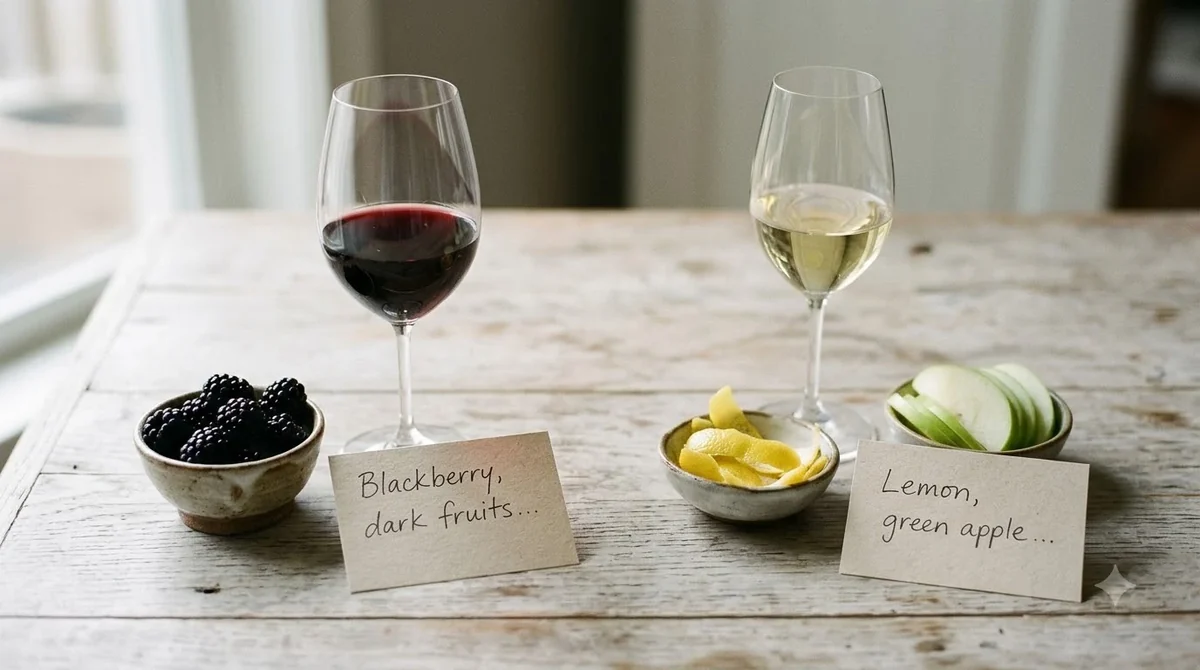
Moscato d’Asti is particularly appealing because its gentle bubbles, aromatic grape flavors, and moderate sweetness complement the creamy filling. Its relatively low alcohol also makes it a comfortable choice after a substantial meal. Look for a bottle that tastes distinctly sweet rather than simply fruity or floral. The wine should retain enough freshness to keep the lime flavor lively.
Late-harvest Riesling is another dependable choice. Grapes harvested later in the season can develop concentrated natural sugars, while Riesling typically retains the high acidity needed to balance a citrus dessert. German Riesling in a sweeter Prädikat style, including Auslese, can offer a particularly useful combination of honeyed fruit, peach, citrus, and refreshing acidity.
For a more refreshing and less conventionally sweet pairing, consider sparkling brut rosé. Wine Enthusiast recommends this style with Key lime pie, highlighting its acidity, red-berry flavors, and ability to contrast with the dessert’s creamy richness. The recommendation works especially well when the pie is moderately sweet and the drinker enjoys a drier finish. The specific recommendation appears in Wine Enthusiast’s guide to pairing wine with pie.
Other possibilities include demi-sec Champagne, sweet Chenin Blanc, and high-quality ice wine. Each offers a different balance of sugar, acidity, and texture. The important distinction is that sweetness alone does not guarantee a successful pairing. A wine must also retain enough freshness to stand alongside the lime.
For a simple starting point, use these recommendations:
- Best overall sweet pairing: Late-harvest Riesling.
- Best lightly sparkling option: Moscato d’Asti.
- Best dry sparkling contrast: Brut rosé.
- Best concentrated dessert wine: Ice wine.
- Best traditional celebratory option: Demi-sec Champagne.
If the pie is especially tart, prioritize acidity. If it has a thick layer of sweetened whipped cream, a wine with a little more residual sugar may provide a better balance. These small differences can make the pairing feel considerably more harmonious.
Why Sweetness and Acidity Matter So Much
Key lime pie requires two complementary wine characteristics: sweetness to match its sugar and acidity to stand up to its citrus filling. Getting both elements right prevents the wine from tasting sour, flat, or excessively sugary beside the dessert.
The filling typically combines sweetened condensed milk, egg yolks, and Key lime juice. The condensed milk supplies concentrated sweetness, while the lime juice contributes the distinctive sharpness. According to the Florida Keys tourism authority, these ingredients are central to the traditional dessert, which is also characterized by a smooth, creamy texture.
The first rule of dessert pairing is that the wine should generally taste at least as sweet as the food. When a very sweet dessert is served with a dry wine, the wine’s fruit can seem muted and its acidity can become unpleasantly sharp. A Brut Champagne or dry Sauvignon Blanc may taste refreshing by itself but can seem thin beside a particularly sugary slice of pie.
Acidity is equally important. Lime juice gives Key lime pie a pronounced citrus character, so a low-acid wine can taste dull next to it. A sweet Riesling is useful because its natural acidity helps preserve freshness even when the wine contains noticeable residual sugar.
Think of the pairing as a balance between three elements:
- Sweetness: The wine needs enough sugar to avoid tasting sour against the condensed milk.
- Acidity: Bright acidity keeps the combination refreshing and complements the lime.
- Body: A light or medium-bodied wine usually suits the pie better than a heavy, intensely alcoholic bottle.
The crust adds another consideration. Graham crackers and butter create a slightly toasted, sweet, and rich foundation. Wines with honey, orchard fruit, floral aromas, or subtle biscuit-like notes can connect with these flavors without overwhelming the citrus.
There is also a difference between perceived sweetness and actual residual sugar. A highly aromatic wine can smell sweet because of its peach, orange blossom, or tropical fruit aromas without containing much sugar. For a particularly sweet pie, choose a wine whose actual sweetness can keep pace with the dessert.
For a broader explanation of how sweetness, acidity, tannin, and texture interact, explore our Wine Pairing resource.
Moscato d’Asti, Riesling, and Other Sweet White Wines
Sweet white wines are natural partners for Key lime pie because they can combine fruit-forward flavors with enough residual sugar to complement the filling. Moscato d’Asti and late-harvest Riesling are especially useful, while ice wine offers a more concentrated alternative for smaller dessert portions.
Moscato d’Asti
Moscato d’Asti is a lightly sparkling Italian wine made from the Moscato Bianco grape, also known as Muscat Blanc à Petits Grains. It is typically around 5% to 6% alcohol by volume, although individual bottles vary. Its gentle effervescence, aromatic character, and sweet fruit profile make it a pleasant match for a chilled citrus dessert.
Expect aromas and flavors of fresh grapes, peach, orange blossom, and sometimes citrus zest. These characteristics complement the lime without introducing the heavier flavors associated with fortified wines. Its relatively low alcohol is another advantage because alcohol warmth is rarely needed alongside a delicate, cold dessert.
Serve Moscato d’Asti at approximately 43–48°F. This temperature keeps the wine refreshing while allowing its aromatic character to remain expressive. Avoid serving it so cold that the fruit and floral notes become difficult to appreciate.
Late-Harvest Riesling
Late-harvest Riesling is one of the most versatile options for this dessert. The grape naturally retains high acidity, and later harvesting can concentrate its sugars and fruit flavors. The result is a wine that can taste sweet and generous without losing its refreshing character.
Look for flavors of lemon, lime, green apple, peach, apricot, and honey. These notes work particularly well with the citrus custard and graham cracker base. A German Auslese Riesling can be an excellent choice when the pie is particularly sweet or generously topped with whipped cream.
Riesling also offers flexibility. A sweeter style suits a traditional condensed-milk filling, while a less sweet but still noticeably off-dry example can work with a pie that has an especially tart lime profile. Avoid very dry Riesling if the dessert is heavily sweetened.
Ice Wine and Sweet Chenin Blanc
Ice wine provides a more concentrated pairing. It is produced from grapes that freeze naturally on the vine, concentrating sugars and flavors in the resulting juice. Depending on the grape and region, the wine can show intense peach, apricot, honey, citrus, and tropical fruit characteristics.
Its richness means that a small pour is generally sufficient. Ice wine can be especially effective with a strongly flavored Key lime filling, but the bottle should retain enough acidity to prevent the combination from becoming cloying.
Sweet Chenin Blanc is another option worth considering. Chenin Blanc can retain lively acidity and develop flavors of apple, pear, quince, honey, and citrus. A sweeter example from the Loire Valley or South Africa can complement the creamy filling while maintaining a clean finish.
Comparing the Main Wine Choices
The following table summarizes practical serving guidelines and the characteristics that make each style suitable. Alcohol levels are typical approximate ranges rather than fixed requirements for every producer.
| Wine style | Typical ABV | Sweetness | Serving temperature | Pairing advantage |
|---|---|---|---|---|
| Moscato d’Asti | 5–6% | Sweet | 43–48°F | Gentle bubbles and floral fruit |
| Late-harvest Riesling | 8–12% | Medium-sweet to sweet | 45–50°F | Sweetness with high acidity |
| Ice wine | 7–12% | Very sweet | 43–48°F | Concentrated fruit and freshness |
| Demi-sec Champagne | 12–12.5% | Sweet | 40–50°F | Bubbles and a fuller sparkling profile |
| Brut rosé | 11–12.5% | Dry | 40–50°F | Crisp acidity and red-berry contrast |
| Sweet Chenin Blanc | 9–13% | Medium-sweet to sweet | 45–50°F | Apple, honey, and citrus flavors |
These styles are not interchangeable. Moscato d’Asti is an approachable everyday choice, Riesling provides a more structured sweet-and-acidic combination, and ice wine is generally more concentrated. Sparkling brut rosé offers a contrasting approach rather than matching the dessert’s sweetness directly.
Sparkling Wine and Rosé Pairings
Sparkling wine can be an excellent partner for Key lime pie because bubbles and acidity provide contrast to the rich filling. Brut rosé offers a refreshing dry alternative, while demi-sec Champagne and other sweeter sparkling wines provide a closer match to the dessert’s sugar.
Wine Enthusiast specifically identifies sparkling brut rosé as a pairing for Key lime pie. Its reasoning centers on the combination of citrus acidity, red-berry flavors, and the wine’s ability to cut through the richness of the dessert. This makes it a useful option for diners who prefer a crisp, dry finish rather than a sweet dessert wine.
However, sweetness deserves attention. Brut rosé is dry, so it is not automatically the safest match for every recipe. A very sugary filling can make the wine taste sharper and less fruity. The pairing is most convincing when the pie is moderately sweet, the lime acidity is prominent, and the drinker enjoys a noticeable contrast.
Brut Rosé
Brut rosé typically combines fresh red-fruit flavors with citrus, mineral, or pastry-like characteristics. Depending on the producer and grape varieties, it may show strawberry, raspberry, red currant, lemon, and subtle floral notes.
These flavors create an interesting contrast with the pie’s buttery crust and creamy filling. The acidity refreshes the palate after each bite, while the bubbles make the overall combination feel lighter.
For a more traditional sparkling pairing, choose a bottle with sufficient fruit concentration and freshness. Champagne made with Pinot Noir and Chardonnay can offer more texture than a particularly delicate sparkling wine, making it useful with a richer filling.
Demi-Sec Champagne
Demi-sec Champagne is a better option when the dessert is noticeably sweet. Its dosage gives the wine a sweeter profile than Brut, while the traditional Champagne production method contributes fine bubbles and layers of flavor.
Expect possible notes of apple, pear, lemon, brioche, and citrus peel. These flavors can complement the graham cracker crust while the acidity balances the filling. Serve the wine between 40°F and 50°F, depending on its structure and the style of the bottle.
Prosecco and Other Sparkling Alternatives
Prosecco is made primarily from Glera grapes and typically uses the tank method for its secondary fermentation. Its flavors commonly include pear, green apple, citrus, and white flowers. Most Prosecco is relatively dry, although sweeter classifications are available.
For Key lime pie, a sweeter sparkling style is usually more suitable than a very dry bottle. Extra Dry Prosecco is actually slightly sweeter than Brut, despite the confusing name. However, the exact sweetness level may still fall short of a very sweet dessert.
The sparkling wine sweetness classifications, from driest to sweetest, are Brut Nature, Extra Brut, Brut, Extra Dry, Dry, Demi-Sec, and Doux. This order is useful when comparing bottles, although the actual residual sugar within each category can vary.
Champagne and Cava undergo their second fermentation in the bottle, while Prosecco is generally produced using the tank method. These production differences influence texture and flavor, but the most important consideration for dessert remains the balance between sweetness and acidity.
Tip: If you are serving a very sweet Key lime pie, choose Moscato d’Asti or a sweeter sparkling wine rather than assuming every bottle of Champagne or Prosecco will work. For a less sweet, sharply tart pie, sparkling brut rosé can provide a refreshing contrast.
Choosing Wine for Whipped Cream, Meringue, and Different Crusts
The topping and crust can change the ideal wine pairing because they influence the dessert’s sweetness, richness, and texture. A traditional graham cracker crust with whipped cream calls for a slightly different approach from a meringue-topped pie or a variation with chocolate or nuts.
Whipped Cream Topping
Whipped cream adds dairy richness and a soft texture without necessarily making the pie dramatically sweeter. It can make a high-acid wine seem especially refreshing because the acidity contrasts with the creamy mouthfeel.
Late-harvest Riesling is an excellent choice for this version. Its combination of residual sugar and bright acidity complements the filling while keeping the overall pairing balanced. Moscato d’Asti is another good option, particularly when the cream is lightly sweetened.
If the whipped cream contains additional sugar or vanilla, a sweeter wine may be preferable. Look for flavors of peach, honey, and citrus rather than a wine dominated by heavy oak or alcohol.
Meringue Topping
Meringue introduces additional sweetness and a lighter, sometimes toasted texture. A pie with a tall meringue topping may need a sweeter wine than one served with unsweetened whipped cream.
Sweet Riesling and Moscato d’Asti are particularly suitable. Their fruit character complements the sugary topping, while their acidity keeps the combination from becoming too rich. A demi-sec sparkling wine can also provide a pleasing contrast between soft meringue and lively bubbles.
If the meringue has been lightly browned, wines with honey, baked apple, and subtle pastry notes can create an appealing flavor connection. Avoid heavily oaked whites, which may add more weight than the delicate dessert needs.
Graham Cracker and Alternative Crusts
The classic graham cracker crust contributes butter, toasted grain, and a mild caramel-like sweetness. These flavors are easy to complement with Riesling, Moscato, or demi-sec Champagne.
A nut-based crust changes the pairing slightly. Almonds, pecans, and hazelnuts add roasted flavors and additional richness. A fuller sweet white wine with honeyed or nutty notes can work better than a particularly light sparkling wine.
Chocolate crusts introduce bitterness and a more intense flavor. A sweeter wine with concentrated fruit can help balance the cocoa, but the citrus filling should remain the dominant consideration. Avoid automatically reaching for a heavy red wine simply because chocolate is present.
Fruit garnishes also matter. Fresh raspberries can make a brut rosé pairing more convincing, while coconut or mango additions may favor aromatic sweet whites. The more ingredients a pie contains, the more useful it becomes to identify its dominant flavor before selecting the bottle.
For comparison, different pie fillings require different wine characteristics. Our guides to what wine goes with apple pie and what wine goes with pecan pie explain why warm spices, nuts, and caramelized flavors often call for different wine styles.
Wines to Avoid and How to Serve the Pairing
Very dry wines, heavily tannic reds, and high-alcohol fortified wines are generally less successful with traditional Key lime pie. Serving the right wine at the right temperature and pouring an appropriate amount also makes a noticeable difference.
Dry Sauvignon Blanc may initially seem like an obvious choice because it has citrus aromas and high acidity. However, a dry version can taste sour beside the condensed milk filling. It works better with savory lime-based dishes than with a particularly sweet dessert.
Cabernet Sauvignon is another style to avoid. Its high tannin and pronounced structure can clash with the pie’s delicate creaminess. The same concern applies to many powerful Syrah wines, especially those with noticeable alcohol and firm tannins.
Port and other heavy fortified wines can also overwhelm the dessert. Their concentrated sweetness and fuller body are often better suited to chocolate, dried fruit, or nut-based desserts than to a bright citrus custard.
High alcohol is another concern. Alcohol can make an already sharp citrus dessert seem more aggressive, particularly when combined with a wine that has little residual sugar. A lighter sparkling wine or aromatic white generally makes a more comfortable pairing.
Serving Temperatures
Temperature affects how sweet, acidic, and aromatic a wine seems. A wine served too warm may taste heavier and more alcoholic, while one served too cold can lose much of its aromatic expression.
- Moscato d’Asti: Approximately 43–48°F.
- Late-harvest Riesling: Approximately 45–50°F.
- Ice wine: Approximately 43–48°F.
- Sparkling brut rosé: Approximately 40–50°F.
- Demi-sec Champagne: Approximately 40–50°F.
Keep the pie refrigerated until serving. Key lime pie is generally best served chilled because its creamy filling tastes refreshing and retains its structure. Pour the wine shortly before bringing out the dessert so the bubbles and aromas remain fresh.
Pour Sizes and Bottle Planning
A standard 750 ml bottle provides approximately five traditional 5 oz wine servings. However, dessert pairings often benefit from smaller pours because the wine is sweet and the pie is rich.
For a dessert course, a 2–3 oz serving of concentrated ice wine or late-harvest Riesling may be sufficient. Moscato d’Asti and sparkling wines can be served in slightly larger portions if they are the main accompaniment rather than a small tasting pour.
If the bottle has been opened, store it in the refrigerator. Still wines generally retain their best quality for approximately 3–5 days after opening, while sparkling wines are best consumed within approximately 1–3 days when properly sealed with a sparkling-wine stopper.
For a dinner party, place the bottle in an ice bucket before dessert and bring it to the table alongside the chilled pie. This simple preparation makes it easier to serve the wine at an appropriate temperature without interrupting the meal.
For another traditional pie pairing with a very different flavor profile, see our guide to what wine goes with cottage pie, where savory meat, vegetables, and potato topping call for a different approach.
Frequently Asked Questions
Is Key lime pie traditionally made with green or yellow limes?
Traditional Key lime pie uses small Key limes, which turn yellow when ripe. The Florida Keys tourism authority identifies the natural filling as yellowish rather than bright green. Artificial coloring is not necessary for an authentic-looking pie.
Can you serve Key lime pie with wine at a summer picnic?
Yes. Moscato d’Asti and sparkling rosé are particularly convenient choices for warm-weather gatherings because they are refreshing when properly chilled. Keep both the pie and the wine refrigerated until serving, and avoid leaving the dairy-based dessert sitting outside for extended periods.
Does Key lime pie have to be baked before chilling?
Not every traditional preparation uses baking. The acidity of Key lime juice reacts with the condensed milk and egg ingredients, helping the filling thicken. Modern recipes commonly bake the filling briefly, particularly when using eggs, and then refrigerate the pie until set.
Can nonalcoholic sparkling drinks replace wine with Key lime pie?
Yes. A nonalcoholic sparkling white grape drink or a lightly sweetened sparkling apple beverage can provide fruitiness and bubbles. Choose a version with noticeable sweetness and fresh acidity rather than a completely dry sparkling water, especially when serving a sweet pie.
Is Key lime pie the official state pie of Florida?
Yes. Florida designated Key lime pie as its official state pie in 2006. The dessert is closely associated with the Florida Keys, although its exact inventor and creation date remain subjects of historical debate.
For most traditional Key lime pies, late-harvest Riesling and Moscato d’Asti are the safest choices because they combine sweetness with refreshing acidity. Sparkling brut rosé is an excellent alternative when you prefer a drier, more contrasting pairing. Serve the wine chilled, consider the sweetness of the topping, and choose a style that lets the lime remain the star of the dessert.
More in Food & Wine Pairing
 Risotto With White Wine Recipe: Make a Creamy Dinner at HomeUpdated Nov 20, 2026
 Wassail With Wine Recipe for a Festive Spiced Holiday DrinkUpdated Nov 20, 2026
 Spritz Veneziano Recipe: Make a Classic Venetian Aperitivo at HomeUpdated Nov 20, 2026
 Summer Wine Punch Recipe for Easy Homemade EntertainingUpdated Nov 20, 2026
 Bishop Recipe: How to Make a Bright, Citrus-Forward Red Wine CocktailUpdated Nov 20, 2026
 Wine Cupcakes Recipe: Bake Rich Chocolate Cupcakes at HomeUpdated Nov 20, 2026