


We may earn a commission when you buy through links on this page, at no extra cost to you. Learn more.
What wine goes with apple pie? Late-harvest Riesling is one of the best choices because its natural sweetness, bright acidity, and orchard-fruit flavors complement baked apples, cinnamon, and buttery pastry. Sauternes offers a richer alternative, while Moscato d’Asti provides a lighter, gently sparkling option. For caramelized apple pie or a slice served with vanilla ice cream, a sweet Tawny Port can also make an excellent match.
Apple pie combines several flavors and textures that make wine pairing particularly interesting. The filling brings fruit sweetness and acidity, cinnamon and nutmeg contribute warm spice, and the crust adds buttery richness. Some recipes introduce brown sugar, caramel, raisins, or a crumb topping, changing the balance even further. The best wine should complement these ingredients without becoming sour, excessively alcoholic, or overpoweringly sweet. Understanding a few simple pairing principles makes it easier to choose a bottle for Thanksgiving, Christmas, or an ordinary evening dessert.
Late-Harvest Riesling Is the Best All-Around Choice
Late-harvest Riesling is an excellent all-purpose pairing for apple pie because its sweetness matches the filling while its lively acidity balances the buttery crust. Its apple, pear, peach, and honey characteristics also complement the baked fruit and cinnamon.
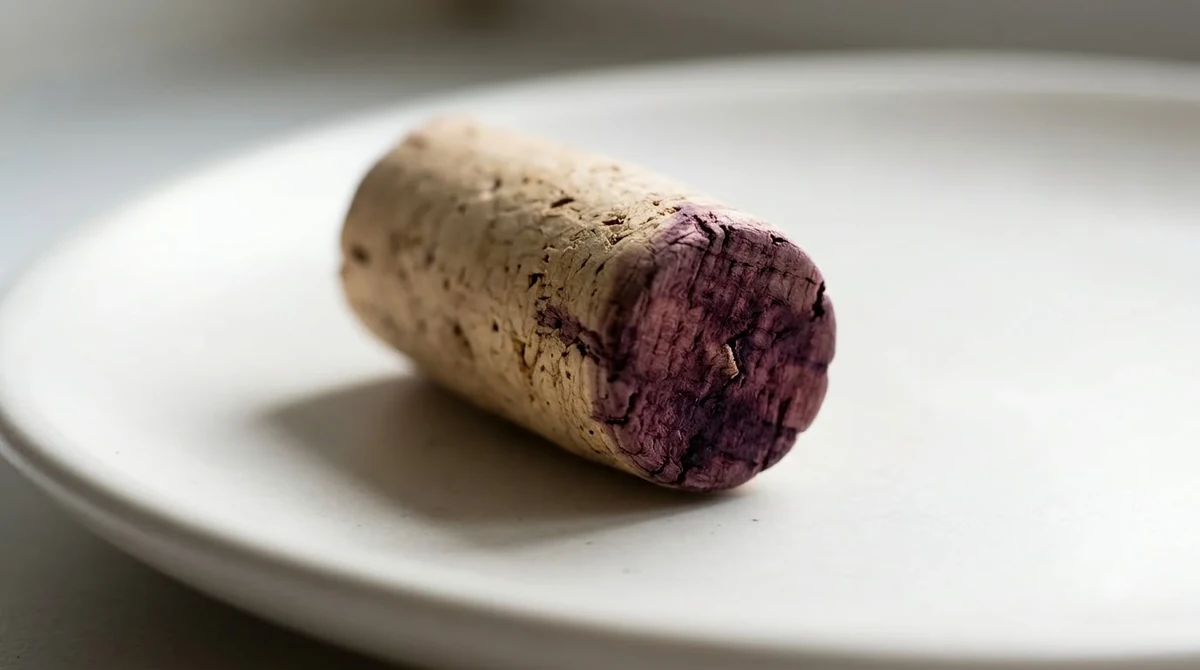
Riesling is particularly useful because the grape naturally maintains high acidity as it ripens. This characteristic allows winemakers to produce wines with considerable residual sugar without losing the refreshing quality that makes the variety attractive. According to the Wine and Spirit Education Trust, German Riesling can range from completely dry to richly sweet, depending on harvesting decisions and fermentation methods. Its naturally high acidity remains an important feature in both styles.
For apple pie, look for an off-dry or sweet Riesling rather than a bone-dry example. A late-harvest bottling can provide ripe orchard-fruit flavors, honey, and sometimes hints of ginger or citrus. These characteristics complement cinnamon and nutmeg without making the wine taste disconnected from the dessert.
German Riesling from the Mosel is a particularly useful place to begin exploring. The region’s wines can offer expressive fruit, refreshing acidity, and moderate alcohol. Washington State and New York’s Finger Lakes also produce Rieslings that can work beautifully with baked apple desserts.
Understanding German Riesling Labels
German wine terminology can help identify different styles, although the classification describes grape ripeness at harvest rather than guaranteeing the sweetness of the finished wine.
- Kabinett: Made from relatively early-harvested grapes, these wines often show green apple, floral, and citrus notes. Some examples have residual sugar but taste relatively dry because of their high acidity.
- Spätlese: Made from later-harvested grapes, these wines typically show riper fruit, including peach and other stone-fruit characteristics. Sweet examples are particularly suitable for apple pie.
- Auslese: Made from selected, riper grapes, these wines can offer concentrated fruit flavors, including mango and pineapple. Sweeter examples are good choices for richer pies.
- Beerenauslese: A concentrated dessert-wine category associated with individually selected, very ripe, often botrytis-affected grapes.
- Trockenbeerenauslese: An intensely concentrated sweet wine made from selected, shriveled botrytis-affected grapes.
For a straightforward apple pie pairing, a sweet Spätlese or Auslese is often a practical starting point. The more concentrated Beerenauslese and Trockenbeerenauslese styles are better suited to occasions where a small pour of luxurious dessert wine is part of the experience.
There is one important distinction: the word Spätlese does not automatically mean sweet. Some German producers ferment their wines until they are dry. Look for a sweetness indication or a suitable producer description when selecting a bottle.
For additional background on the grape’s production and labeling, the WSET explanation of German Riesling provides useful information about its different ripeness categories and sweetness levels.
Sauternes Adds Richness to Cinnamon and Caramel
Sauternes is an excellent choice for traditional apple pie, especially recipes featuring tart Granny Smith apples, caramelized sugar, or a generously buttered crust. Its honeyed sweetness, concentrated fruit flavors, and full body complement the warm spices and rich pastry.
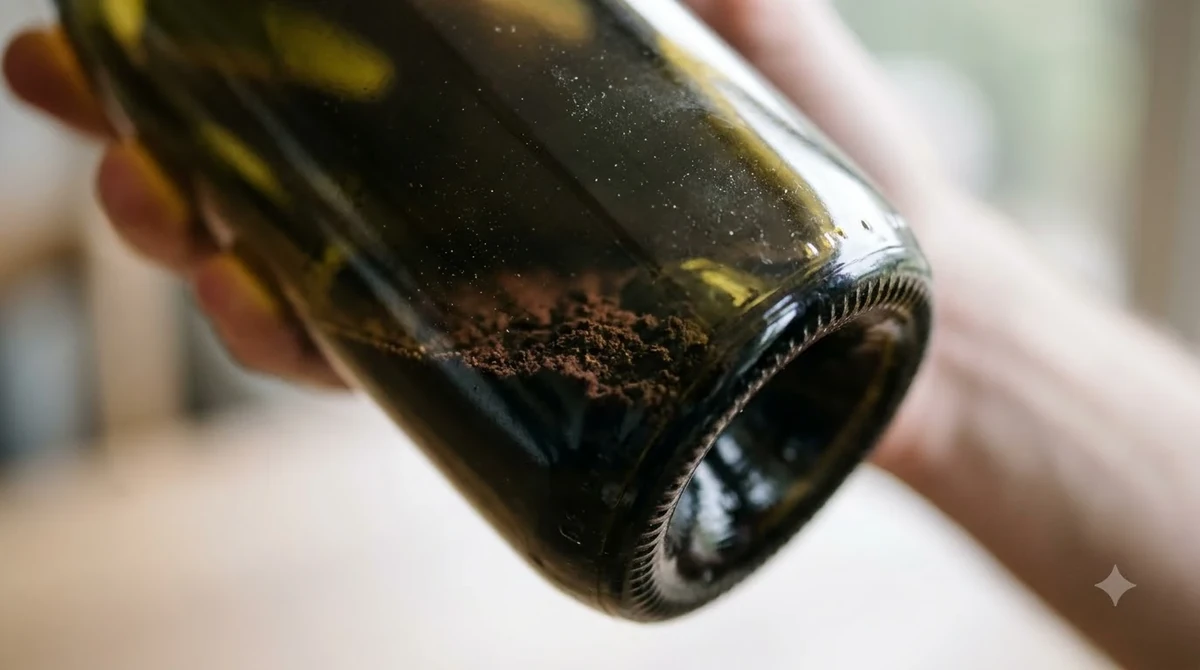
Produced in Bordeaux, France, Sauternes is a sweet white wine associated with the influence of Botrytis cinerea, commonly known as noble rot. This beneficial fungus concentrates sugars and flavors in grapes under suitable growing conditions. The resulting wines can develop complex notes of honey, apricot, marmalade, ripe peach, and dried fruit.
These flavors create several connections with apple pie. Honey and ripe fruit complement the filling, while the wine’s sweetness balances tart apples. Its fuller texture also stands up to a buttery pastry crust without disappearing beside the dessert.
Wine Enthusiast specifically identifies Sauternes as a match for apple pie, highlighting the combination of sweetness, aromatic spice, and buttery pastry. The pairing is particularly successful with Granny Smith apples because their sharper acidity provides contrast against the wine’s richness.
When to Choose Sauternes
Choose Sauternes when the pie has a particularly rich or concentrated filling. Recipes featuring brown sugar, a thick layer of cinnamon apples, caramel sauce, or a deep golden crust can benefit from the wine’s substantial flavor.
It is also a strong option for special holiday meals. Its honeyed character makes it feel appropriate for Thanksgiving and Christmas desserts, especially when served alongside whipped cream or a small portion of lightly sweetened mascarpone.
However, Sauternes can be more powerful than necessary for a simple apple tart or lightly sweetened pie. A lighter Riesling or Moscato d’Asti may offer better balance in those situations.
Serve Sauternes chilled rather than ice-cold so its aromas remain expressive. A temperature around 45–50°F works well for many dessert-style white wines. Use a smaller dessert-wine pour rather than filling a standard wine glass.
Moscato, Chenin Blanc, and Sweet Sparkling Wines Offer Lighter Pairings
Lightly sweet aromatic wines are ideal when apple pie is served without heavy toppings or when you want a refreshing contrast to the pastry. Moscato d’Asti, sweet Chenin Blanc, and demi-sec sparkling wine provide different combinations of fruit, sweetness, and texture.
Moscato d’Asti is a particularly approachable option. Produced from Muscat grapes in Italy’s Piedmont region, it is lightly sparkling and typically offers peach, orange blossom, pear, and citrus aromas. Its gentle sweetness complements baked apples, while its bubbles make the pastry feel less heavy.
Moscato d’Asti is especially appealing with a classic homemade pie featuring cinnamon, white sugar, and a relatively thin crust. Its aromatic fruit profile brings freshness rather than the concentrated honeyed character of Sauternes.
Sweet Chenin Blanc provides another interesting alternative. Look for a sweet Vouvray from the Loire Valley in France. Chenin Blanc can offer quince, pear, apple, honey, and floral notes that naturally connect with baked fruit desserts. Its acidity helps keep the combination balanced.
A demi-sec sparkling wine is worth considering for celebrations. The term indicates a sweeter style of sparkling wine than Brut. Its bubbles refresh the palate, and its fruit flavors complement the pie without requiring a particularly rich wine.
Be careful not to confuse Extra Dry with Brut or Demi-Sec. Despite its name, Extra Dry sparkling wine is generally sweeter than Brut, while Demi-Sec is sweeter still. For a sweet dessert, the latter is usually the safer starting point.
Comparing the Lighter Options
| Wine | Main Flavor Characteristics | Best Apple Pie Style | Serving Temperature |
|---|---|---|---|
| Late-harvest Riesling | Apple, pear, honey, citrus | Traditional cinnamon apple pie | 45–50°F |
| Moscato d’Asti | Peach, orange blossom, pear | Lightly sweet homemade pie | 40–45°F |
| Sweet Vouvray | Quince, apple, honey | Apple tart and crumble | 45–50°F |
| Demi-Sec Sparkling | Citrus, orchard fruit, bubbles | Apple pie with whipped cream | 40–50°F |
| Sauternes | Honey, apricot, marmalade | Rich, caramelized apple pie | 45–50°F |
| Tawny Port | Caramel, dried fruit, nuts | Brown sugar apple pie | 55–60°F |
The temperatures in this table are practical serving targets rather than rigid requirements. The best choice depends on the wine’s sweetness, body, and style. For additional guidance on pairing food with wine, explore our Wine Pairing principles.
Tawny Port and Other Fortified Wines Suit Rich Apple Desserts
Tawny Port is a good match for apple pie with caramel, brown sugar, toasted nuts, or a particularly rich crust. Its flavors of dried fruit, nuts, and caramel complement the darker, more concentrated flavors that develop during baking.
Port is a fortified wine from Portugal’s Douro Valley. Fortification involves adding grape spirit during fermentation, preserving natural grape sweetness and increasing the finished wine’s alcohol content. Tawny Port develops a characteristic oxidative style during aging, producing flavors that can include toasted nuts, caramel, dried figs, and spice.
These flavors work especially well with an apple pie made with brown sugar instead of white sugar. The darker sweetness of the filling echoes the nutty, caramelized character of the wine. A crumb topping containing walnuts or pecans can strengthen the connection further.
However, Tawny Port is more substantial than Moscato or Riesling. A very delicate apple tart may be overwhelmed by its richness. Reserve it for a dense filling or a slice served with caramel sauce, toasted nuts, or vanilla ice cream.
Ruby Port Versus Tawny Port
Ruby Port offers a different style. Its fruit-forward character emphasizes red and dark fruit rather than the developed nutty flavors associated with Tawny Port.
A younger Ruby Port can work with apple pie containing dried cranberries, raisins, or other dark-fruit additions. It is less natural with a straightforward cinnamon apple filling than a sweet Riesling, but it can be interesting when the recipe contains several fruit components.
Madeira is another fortified option worth considering. Depending on its grape variety and sweetness level, Madeira can display dried fruit, caramel, roasted nuts, and spice. A sweeter example can complement apple desserts with a strong caramel component.
For a richer holiday dessert, try a small glass of Tawny Port with a slice of apple pie topped with toasted pecans. If you are also serving a separate nut-based dessert, our article on what wine goes with pecan pie explains why nutty fortified wines are such useful companions for that style of pastry.
Choose Wine According to the Apple Pie Recipe
Not every apple pie has the same flavor profile. The type of apples, amount of sugar, pastry, and toppings can change which wine works best. Matching the wine to the dominant ingredient is more reliable than choosing a bottle based only on the name of the dessert.
Classic Cinnamon Apple Pie
A traditional apple pie with cinnamon, sugar, and a flaky butter crust works best with late-harvest Riesling. Its orchard-fruit flavors echo the filling, while its acidity refreshes the palate between bites.
Sweet Vouvray is another strong option, particularly if the pie has a pronounced baked-apple and quince character. Both wines bring enough sweetness to complement the filling without relying on the heavy, oxidative flavors of fortified wine.
Caramel Apple Pie
Caramel apple pie benefits from a richer wine. Sauternes provides honeyed sweetness and concentrated fruit, while Tawny Port contributes nutty, caramelized flavors.
If the recipe contains salted caramel, the salt can soften the perception of sweetness and make the wine seem more balanced. A dessert wine with sufficient richness will complement the caramel rather than tasting thin beside it.
Apple Crumble and Dutch Apple Pie
Apple crumble often has a crumbly topping made with butter, flour, brown sugar, and sometimes oats. Its toasted, buttery character makes sweet Chenin Blanc a particularly appealing choice.
A late-harvest Riesling also works well because its acidity offsets the richness of the topping. For a crumble with walnuts or pecans, Tawny Port becomes more attractive because its nutty aromas echo the toasted ingredients.
Apple Pie with Cheddar Cheese
Some American apple pie traditions include a slice of sharp cheddar cheese. This changes the pairing considerably because the cheese introduces salt, fat, and savory flavors.
A sweet Riesling can handle this combination particularly well. Its acidity cuts through the cheese’s richness, while the wine’s fruit and sweetness complement the apple filling. A sweet Chenin Blanc is another useful alternative.
Apple Pie with Vanilla Ice Cream
Vanilla ice cream makes apple pie creamier and sweeter. The wine needs enough sweetness to remain balanced, especially if the ice cream contains a substantial amount of added sugar.
Late-harvest Riesling is a dependable choice, while Sauternes works well with a particularly rich serving. Moscato d’Asti is appealing if you prefer a lighter, more refreshing pairing. Avoid assuming that a dry white wine will become a better match simply because the ice cream is cold.
For more dessert comparisons, our guide to what wine goes with key lime pie explains how the much sharper acidity of citrus desserts changes the selection process.
Serving Temperature, Pour Size, and Pairing Mistakes
Serving temperature can make a noticeable difference to the way a dessert wine tastes alongside apple pie. Sweet white wines generally benefit from chilling, while fortified wines are better served slightly warmer to preserve their aromatic complexity.
For most sweet Rieslings and Sauternes, aim for approximately 45–50°F. Moscato d’Asti and sweet sparkling wines can be served colder, around 40–45°F, while Tawny Port is more expressive at approximately 55–60°F.
These temperatures provide a useful starting point. Very cold wine can suppress aromas, while overly warm wine can make alcohol and sweetness seem more pronounced. Take the wine out of the refrigerator briefly if its flavors seem muted.
Use Appropriate Pour Sizes
Dessert wine is typically served in smaller portions than ordinary table wine. A 2–3-ounce pour is generally sufficient for a concentrated sweet or fortified wine, allowing guests to enjoy the pairing without overwhelming the dessert.
A standard 750 ml bottle contains approximately 25.4 fluid ounces. This is enough for around eight to twelve dessert-wine portions of 2–3 ounces, depending on the serving size.
If you are serving several wines, start with the lighter options before moving to richer, more concentrated styles. For example, pour Moscato d’Asti first, follow with late-harvest Riesling, and finish with Sauternes or Tawny Port.
Avoid These Common Pairing Mistakes
- Choosing a dry wine: A bone-dry Sauvignon Blanc or Chardonnay can taste sharp and sour beside sweet apple pie.
- Ignoring acidity: A wine that is sweet but lacks freshness can make a buttery dessert seem heavy.
- Serving a very tannic red: Cabernet Sauvignon has high tannin and can taste harsh alongside sugary fruit filling.
- Choosing too much alcohol: Strong alcoholic warmth can become distracting beside delicate pastry and fruit.
- Ignoring toppings: Caramel, ice cream, cheddar, and toasted nuts can change the ideal wine style.
- Serving every wine at the same temperature: Sparkling Moscato and Tawny Port have different serving requirements.
Tip: The most important dessert-pairing rule is to choose a wine that is at least as sweet as the apple pie. If the pie tastes sweeter than the wine, the wine can seem sour, thin, or bitter. Start with a sweet Riesling, then adjust the wine’s body and flavor to match the recipe’s toppings and richness.
Frequently Asked Questions
Can you drink red wine with apple pie?
Yes, but choose a sweet red rather than a conventional dry red. Brachetto d’Acqui is a lightly sparkling red from Piedmont, Italy, with floral and red-berry characteristics. Its sweetness and relatively gentle structure make it more suitable for fruit desserts than heavily tannic Cabernet Sauvignon.
Does apple pie pair with Champagne?
Yes, although the sweetness level matters. Demi-Sec Champagne is generally a better choice than Brut for a sweet dessert because it has more residual sugar. Champagne’s traditional bottle-fermented production also contributes fine bubbles and a distinctive texture.
Is Icewine a good match for apple pie?
Yes. German Eiswein and Canadian Icewine are made from grapes harvested while naturally frozen on the vine. German production requires temperatures below minus 7°C during harvesting, and pressing frozen grapes concentrates the juice. Their intense fruit sweetness and acidity can complement baked apples and cinnamon particularly well.
Can you pair apple pie with Chardonnay?
Chardonnay can work with a lightly sweetened apple tart or a savory apple dessert, particularly if the wine has developed buttery or baked-spice characteristics through oak aging and malolactic fermentation. However, a conventional dry Chardonnay is generally less suitable for a sugary traditional apple pie than a sweet Riesling or Sauternes.
Should you open a dessert wine before serving apple pie?
Most sweet white wines and sparkling dessert wines do not require decanting. Vintage Port is a notable exception because older bottles can develop sediment during extended bottle aging. If serving a mature Vintage Port, careful decanting helps separate the clear wine from that sediment.
Late-harvest Riesling is the easiest place to start if you want one wine that complements most traditional apple pies. Choose Sauternes for a richer, honeyed pairing, Moscato d’Asti for something lighter, or Tawny Port for caramelized and nut-filled variations. With the right balance of sweetness, acidity, and body, a thoughtfully chosen wine can make a simple slice of apple pie feel like a special occasion.
More in Food & Wine Pairing
 Risotto With White Wine Recipe: Make a Creamy Dinner at HomeUpdated Nov 20, 2026
 Wassail With Wine Recipe for a Festive Spiced Holiday DrinkUpdated Nov 20, 2026
 Spritz Veneziano Recipe: Make a Classic Venetian Aperitivo at HomeUpdated Nov 20, 2026
 Summer Wine Punch Recipe for Easy Homemade EntertainingUpdated Nov 20, 2026
 Bishop Recipe: How to Make a Bright, Citrus-Forward Red Wine CocktailUpdated Nov 20, 2026
 Wine Cupcakes Recipe: Bake Rich Chocolate Cupcakes at HomeUpdated Nov 20, 2026