


We may earn a commission when you buy through links on this page, at no extra cost to you. Learn more.
What wine goes with goulash? Hungarian Kékfrankos, also known as Blaufränkisch, is an excellent choice because its lively acidity, dark cherry fruit, and peppery character complement paprika-seasoned beef. For a fuller beef stew, try Egri Bikavér, Merlot, Rioja, or Syrah. The best bottle depends on whether your goulash is a thin Hungarian soup, a thick paprika stew, or an American-style ground beef and pasta dish.
Goulash is a hearty meal with several competing flavors: browned beef, softened onions, paprika, broth, herbs, and sometimes tomatoes, potatoes, or sour cream. A successful wine pairing needs enough flavor to stand alongside the dish without introducing excessive tannin, alcohol, or heaviness. Hungarian reds offer a natural starting point, but several familiar wines from Spain, Italy, France, and the United States can work just as well. Understanding the recipe is the easiest way to choose a bottle that complements dinner.
Why Paprika, Beef, and Rich Sauce Matter
Goulash combines savory meat, sweet and sometimes smoky paprika, softened onions, and a concentrated cooking liquid. The best wine generally has moderate tannin, refreshing acidity, and enough fruit to complement the seasoning without overpowering the dish.
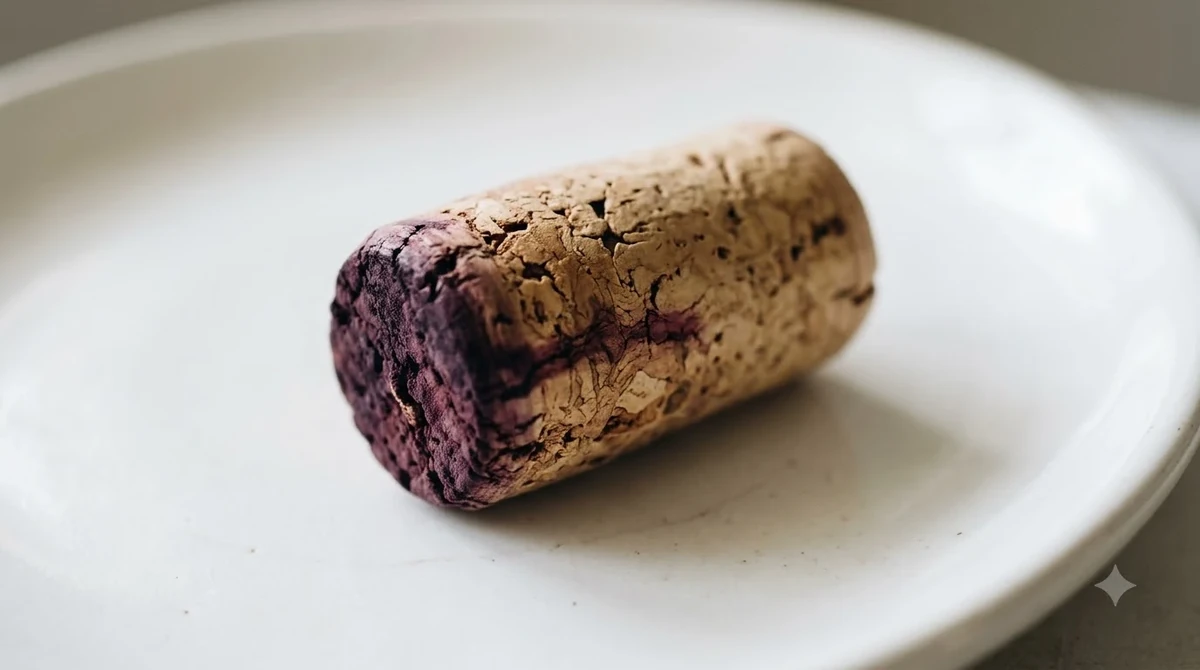
Beef contributes richness and savory depth, while long cooking breaks down connective tissue and concentrates the sauce. This makes goulash different from a quickly grilled steak. A wine with aggressive tannins can make the combination seem dry or bitter, particularly when the sauce contains concentrated meat juices, browned onions, and tomato.
Paprika is another important consideration. Sweet Hungarian paprika contributes red-pepper flavor, gentle sweetness, color, and sometimes a smoky impression. Hot paprika introduces more noticeable heat, changing which wines are suitable. A fruity red with restrained tannin is usually a safer starting point than a heavily extracted Cabernet Sauvignon.
Acidity is particularly useful because it refreshes the palate between bites of rich beef and sauce. Wines with lively acidity can also make the dish feel less heavy. Kékfrankos, Pinot Noir, and several Spanish reds provide this combination of fruit and freshness.
The accompaniments matter, too. A bowl of goulash soup with potatoes and carrots has a different texture from a thick stew served over buttered noodles. Sour cream adds richness and tang, while pickled vegetables introduce additional acidity. Consider the entire plate rather than choosing wine based on beef alone.
Hungarian cuisine regularly combines paprika, slow-cooked fats, sour cream, and rich broths. The Budapest restaurant Gettó Gulyás explains how acidity and wine structure influence its traditional Hungarian food pairings in its Hungarian wine and food pairing recommendations. These principles provide a useful starting point for understanding why Hungarian wines work naturally with Hungarian food.
Kékfrankos Is the Best Starting Point for Traditional Goulash
Kékfrankos, called Blaufränkisch in Austria and Lemberger in Germany, is an especially appealing choice for paprika-rich goulash. Its cherry and plum flavors, peppery character, refreshing acidity, and moderate tannin complement beef without making the combination excessively heavy.
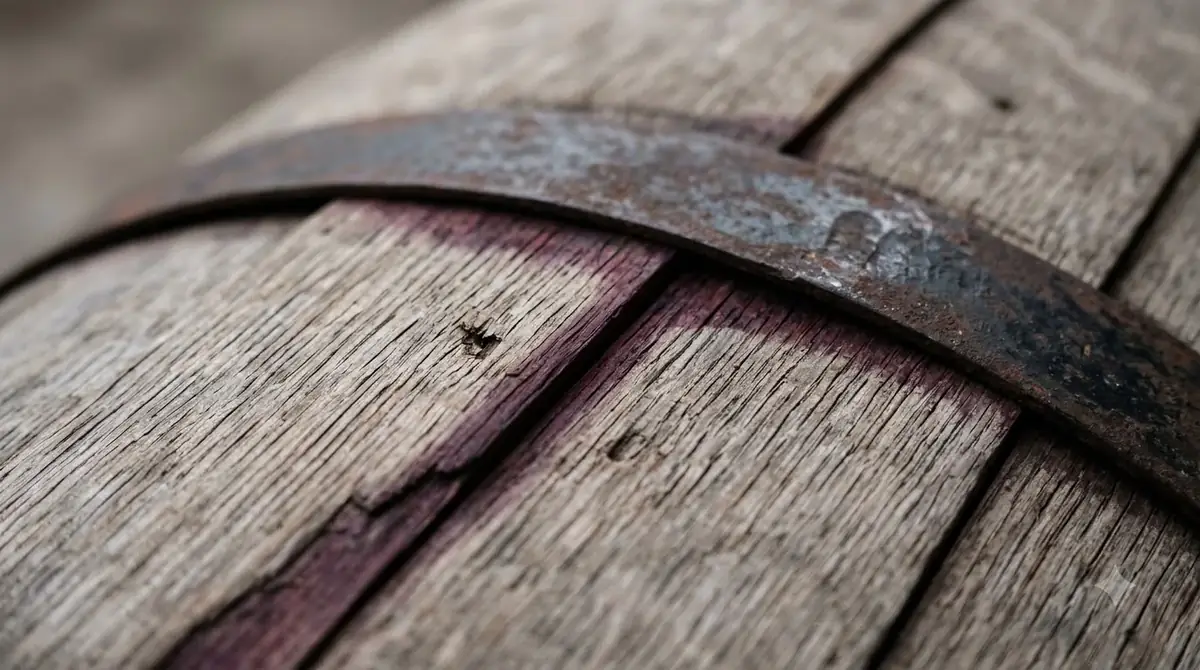
Look for bottles from Hungary, particularly those associated with Sopron or other established Kékfrankos-growing areas. The grape’s bright fruit can complement sweet paprika, while its savory character works alongside onions, browned meat, and herbs. Its acidity also helps balance the richness of a slow-cooked sauce.
Kékfrankos is particularly useful when the recipe contains a noticeable amount of paprika but does not rely heavily on hot chili. It provides enough structure for beef while retaining a relatively fresh profile. Compared with a powerful Cabernet Sauvignon, it generally makes a less forceful pairing.
Another Hungarian option is Egri Bikavér, traditionally translated as Bull’s Blood. This red blend comes from Eger and is recommended with substantial dishes such as pörkölt, a slow-cooked meat stew. Its combination of savory depth, fruit, and structure can work particularly well with thick beef goulash.
Egri Bikavér is not a single-grape wine, so individual bottles can vary considerably. Some expressions are medium-bodied and approachable, while others have firmer tannins and more concentrated fruit. For goulash, favor a balanced example rather than one dominated by oak or unusually strong tannins.
For a lighter interpretation, consider Pinot Noir from Eger. Its red-fruit character and lower-to-medium tannin make it appropriate for brothier goulash, especially when potatoes and vegetables contribute more volume than concentrated meat sauce.
Other Red Wines That Complement Beef Goulash
You do not need to find a Hungarian bottle to serve good wine with goulash. Merlot, Rioja, Syrah, and selected Italian reds can all complement the dish, provided their tannin, alcohol, and fruit concentration suit the recipe.
Merlot for softer, richer stews
Merlot is a practical choice for thick beef goulash with onions, carrots, and a generous sauce. Its softer, medium tannins and flavors of plum, blackberry, and dark cherry complement slow-cooked beef without introducing the pronounced drying sensation associated with more tannic reds.
Choose a fruit-forward Merlot with moderate oak influence. Excessive oak can introduce strong vanilla, toast, and baking-spice flavors that compete with the paprika. A balanced bottle from Bordeaux, Washington State, California, or another established Merlot-producing area is a sensible option.
Rioja for savory depth
Tempranillo-based Rioja is another reliable choice. Its dark and red fruit, savory character, and spice notes can complement browned beef and paprika. Rioja Crianza is a useful style to explore because it often combines approachable fruit with some oak development without the extended aging character of more mature bottlings.
Rioja Reserva can work with a particularly rich stew, especially when the recipe contains mushrooms, roasted peppers, or a concentrated onion base. Look for a balanced example with rounded tannins rather than an overly powerful bottle.
Syrah for peppery paprika flavors
Syrah brings blackberry, dark plum, pepper, and savory notes that can connect naturally with paprika and browned meat. A medium-bodied example from the Northern Rhône or a restrained Australian Shiraz can complement a deeply flavored beef stew.
However, Syrah varies considerably by region and producer. Some Australian Shiraz wines are high in alcohol and intensely concentrated. Those styles may overwhelm goulash, particularly if the recipe contains hot paprika or chili paste. A fresher, moderately alcoholic expression is a better choice.
Primitivo and Grenache-based blends
Primitivo from Puglia offers ripe blackberry and plum flavors, sometimes accompanied by Mediterranean herbs. Its fruit-forward character works with sweet paprika and slow-cooked beef, particularly when the sauce contains tomato.
Grenache-based blends from southern France provide another option. Grenache, Mourvèdre, and Carignan can combine ripe fruit with savory spice and enough body for a thick stew. Choose an expression with balanced alcohol and restrained tannin rather than an exceptionally powerful blend.
| Wine | Typical tannin | Acidity | Best goulash style |
|---|---|---|---|
| Kékfrankos | Medium | High | Traditional paprika beef |
| Egri Bikavér | Medium | Medium to high | Thick beef stew |
| Merlot | Medium, softer | Medium | Rich onion-based stew |
| Pinot Noir | Low to medium | High | Brothy goulash soup |
| Cabernet Sauvignon | High | Medium | Meaty, less-spicy versions |
| Syrah | Medium-plus to high | Medium | Deeply flavored paprika stew |
| Tempranillo | Medium | Medium | Beef and tomato goulash |
| Primitivo | Medium | Medium | Ripe, tomato-rich stew |
These are general grape-style characteristics rather than fixed specifications for every bottle. Growing conditions, ripeness, winemaking, and oak aging can change the final wine considerably. The useful principle is to match the wine’s weight and flavor intensity to the finished dish.
Can White Wine Work With Goulash?
Red wine is usually the first choice for traditional beef goulash, but white wine can work with lighter, brothier recipes. Dry Furmint, Riesling, and selected fuller-bodied whites are worth considering when the dish contains plenty of vegetables and less concentrated meat sauce.
Dry Furmint from Tokaj is particularly interesting. Hungarian wine lists frequently pair it with dishes that benefit from its acidity and mineral character. Although it is more commonly associated with other Hungarian foods, a dry expression can provide a refreshing contrast to a lighter bowl of goulash soup.
Riesling is another possibility, especially if the recipe contains noticeable chili heat. Its naturally high acidity and fruit character can balance seasoning, while a slightly off-dry version can soften the perception of hot spice. Avoid very sweet examples with a savory beef stew unless the recipe has a specific sweet component that justifies the combination.
Chardonnay is less predictable. An unoaked or lightly oaked example may work with a mild, creamy goulash, but heavily oaked Chardonnay can feel too rich beside a dish that already contains beef fat and concentrated sauce. Its medium acidity also makes it less refreshing than Furmint or Riesling.
For a traditional, thick paprika stew, a white wine may lack the flavor intensity needed to stand alongside the beef. For a thinner soup with potatoes, carrots, and broth, however, the lighter texture creates more room for white wine. The distinction between soup and stew is important.
Adjust the Wine to Paprika Heat, Sour Cream, and Side Dishes
The amount of heat, fat, and acidity in goulash can change the ideal wine more than the choice of beef itself. Sweet paprika, hot paprika, sour cream, tomatoes, and pickled accompaniments each influence how a wine tastes alongside the meal.
Sweet paprika versus hot paprika
Sweet paprika is generally easier to pair with dry red wine because it contributes flavor without introducing substantial chili heat. Kékfrankos, Merlot, and Tempranillo are useful options for this preparation.
Hot paprika and chili paste require more care. Alcohol and tannin can intensify the sensation of heat, making a powerful Syrah or high-alcohol Cabernet Sauvignon uncomfortable beside a spicy stew. Choose a lighter-bodied red with moderate alcohol and restrained tannins instead.
A slightly off-dry Riesling can also be useful with genuinely spicy goulash. Its small amount of residual sugar can soften the perception of chili, while acidity keeps the pairing fresh. Keep the sweetness modest so that the wine does not taste disconnected from the savory beef.
Sour cream and creamy toppings
Sour cream adds fat and acidity to goulash, changing both the texture and the overall flavor. A softer red such as Merlot or Zweigelt can complement the creamy texture without introducing too much tannin.
If sour cream is served separately, taste a spoonful of the stew with and without the topping before choosing your wine. The version with sour cream may favor a fresher, less structured red than the plain preparation.
Tomatoes, mushrooms, and vegetables
Tomato-based goulash benefits from wines with good acidity. Tempranillo, Kékfrankos, and Primitivo can work because their fruit complements cooked tomato and their structure suits beef.
Mushrooms add earthy, savory flavors. Pinot Noir and medium-bodied Merlot are useful options because they have enough fruit and moderate tannin to complement mushrooms without overwhelming them. Carrots and roasted peppers can make the dish taste sweeter, favoring wines with ripe fruit rather than austere, sharply structured profiles.
Choosing wine for common side dishes
Potatoes, buttered noodles, and dumplings make goulash more substantial without necessarily changing the basic pairing. The important factor is the amount of sauce and fat accompanying them.
Pickled cucumbers and other tart vegetables introduce additional acidity. They can make a wine with softer acidity seem less balanced, so a fresher Kékfrankos or Pinot Noir is often preferable. If you are serving several beef dishes at the same meal, the principles used for what wine goes with beef brisket can also help you select a versatile red.
Tip: Taste the wine with a complete forkful or spoonful of goulash, including sauce and any sour cream or vegetables. A wine that tastes excellent with plain beef may become noticeably more bitter, acidic, or alcoholic when the full dish is included.
Serving Temperature and Pouring Tips for Goulash
Serving temperature makes a noticeable difference with goulash because the dish is warm, rich, and heavily seasoned. Light reds should generally be served at 55–60 F, while fuller reds are best at 60–65 F.
Many people serve red wine too warm, especially in rooms where the temperature is considerably higher than a wine cellar. Excessive warmth can make alcohol seem more prominent and soften the wine’s refreshing acidity. A short period in the refrigerator can bring the bottle closer to the desired temperature.
For Kékfrankos, Pinot Noir, and lighter-bodied reds, aim for approximately 55–60 F. Fuller Merlot, Rioja, and Syrah can be served around 60–65 F. These temperatures preserve fruit expression while allowing the wine to complement the warm paprika sauce.
Decanting is optional for most approachable bottles. A young, full-bodied red can benefit from 30–60 minutes of aeration before serving, especially if it has firm tannins or a concentrated structure. Lighter reds generally need less time, and older bottles should be handled more carefully.
Use a standard wineglass and pour approximately 5 ounces per serving. A 750 ml bottle provides about five standard glasses, making one bottle suitable for a small dinner shared by two or three people.
Keep any remaining wine refrigerated after opening. Still wines generally retain their best character for approximately 3–5 days when properly stored, although delicate aromas can fade earlier. Remove the bottle from the refrigerator before serving again so that the wine can approach its preferred drinking temperature.
Choosing a Bottle for Different Goulash Recipes
The easiest way to make a confident selection is to identify the style of goulash before shopping. Traditional Hungarian soup, thick beef stew, creamy variations, and American-style goulash have different levels of richness and seasoning.
Traditional Hungarian gulyás
Traditional gulyás is closer to a soup than the thick beef stew commonly called goulash in the United States. It typically contains beef, paprika, potatoes, and vegetables in a flavorful broth. Choose Kékfrankos, a lighter Egri Bikavér, or Pinot Noir. Their acidity and moderate weight complement the broth without overwhelming it.
Thick Hungarian beef stew
A thick, concentrated paprika stew can handle more substantial wines. Egri Bikavér, Merlot, and balanced Rioja are strong choices. If the sauce has been reduced for several hours and contains plenty of browned beef and onions, a medium-bodied or fuller red will have enough flavor to remain present throughout the meal.
American-style goulash
American goulash commonly uses ground beef, elbow macaroni, tomato sauce, onions, and seasonings. It is different from traditional Hungarian gulyás, and its tomato-forward flavor makes acidity especially important.
Try Merlot, Tempranillo, or Primitivo. Their fruit complements the tomato sauce, while their moderate structure suits the ground beef. A very tannic Cabernet Sauvignon may be unnecessarily aggressive, particularly when the recipe includes a large quantity of tomato.
Slow-cooked beef and mushroom goulash
When mushrooms contribute substantial earthy flavor, choose Pinot Noir or Merlot. Both can complement mushrooms and browned beef without making the meal feel excessively heavy. A restrained Syrah is another possibility if black pepper and smoked paprika are prominent.
Vegetarian goulash
Vegetarian versions built around mushrooms, peppers, beans, or potatoes need a different approach. A medium-bodied red may still work, but dry Sauvignon Blanc or Furmint can be particularly appealing when the recipe is vegetable-forward and includes tomato or fresh herbs.
If the meal includes several different preparations, consider serving a versatile red such as Kékfrankos. It can bridge a range of savory flavors without requiring a separate wine for every plate. The same general approach to balancing acidity, seasoning, and texture applies to other dishes, including what wine goes with eggplant parmesan and what wine goes with blue cheese.
For a broader explanation of how sweetness, acidity, tannin, and food texture interact, the principles in this Wine Pairing resource provide a useful foundation for choosing bottles beyond goulash.
Frequently Asked Questions
Is Blaufränkisch the same grape as Kékfrankos?
Yes. Kékfrankos is the Hungarian name for Blaufränkisch, a grape also known as Lemberger in Germany. The name on the label varies by country, but the grape is the same variety. Hungarian examples are especially relevant when pairing with traditional Hungarian cooking.
What wine did Hungarian cooks traditionally drink with goulash?
Hungary has several regional wine traditions, so there is no single historic bottle associated with every goulash recipe. Kékfrankos and regional red blends are natural candidates because of their connection to Hungarian food and wine culture. Local preferences also vary between regions and households.
Can sparkling wine be served with beef goulash?
Yes, although it is not the conventional choice. A dry sparkling rosé can provide freshness alongside a lighter, less heavily seasoned preparation. Serve sparkling wine around 40–50 F and choose a style with enough flavor to stand alongside the paprika and beef.
Does goulash traditionally contain red wine?
Not every traditional Hungarian goulash recipe contains wine. The characteristic flavor comes primarily from beef, onions, paprika, and other seasonings. Some modern recipes add red wine during cooking, particularly thicker beef stew variations, but it is not an essential ingredient in every preparation.
Can you use the same wine in goulash and drink it with dinner?
Yes. A dry red with moderate tannin and balanced acidity can work both as a cooking ingredient and as a table wine. Avoid using a bottle with obvious spoilage or excessive sweetness. The wine’s flavor will concentrate during reduction, so a balanced dry wine is generally the more versatile choice.
For traditional Hungarian goulash, start with Kékfrankos or Egri Bikavér; for thicker beef stew, explore Merlot, Rioja, or Syrah. Match the wine to the paprika heat, sauce richness, and side dishes, then serve it at the appropriate temperature. A balanced bottle with fresh acidity and moderate tannin will usually make the most satisfying partner for a bowl of goulash.
More in Food & Wine Pairing
 Risotto With White Wine Recipe: Make a Creamy Dinner at HomeUpdated Nov 20, 2026
 Wassail With Wine Recipe for a Festive Spiced Holiday DrinkUpdated Nov 20, 2026
 Spritz Veneziano Recipe: Make a Classic Venetian Aperitivo at HomeUpdated Nov 20, 2026
 Summer Wine Punch Recipe for Easy Homemade EntertainingUpdated Nov 20, 2026
 Bishop Recipe: How to Make a Bright, Citrus-Forward Red Wine CocktailUpdated Nov 20, 2026
 Wine Cupcakes Recipe: Bake Rich Chocolate Cupcakes at HomeUpdated Nov 20, 2026