

We may earn a commission when you buy through links on this page, at no extra cost to you. Learn more.
The best spatburgunder food pairing matches this light-to-medium-bodied German Pinot Noir with savory, earthy, and moderately rich dishes like roast duck, pork tenderloin, wild mushroom risotto, and grilled salmon. Its lively medium-high acidity cuts cleanly through fat, while its low-to-medium silky tannins never clash with delicate proteins or mild spices. Because Spätburgunder carries bright red cherry, raspberry, and subtle forest-floor notes, it bridges the gap between lighter white-wine fare and hearty red-wine classics.
German Pinot Noir has quietly become one of the most food-friendly bottles on the dinner table, offering Burgundy-level nuance without heavy alcohol or aggressive oak. Understanding how its bright fruit, earthy undertones, and crisp structure interact with different ingredients makes building a memorable meal straightforward.
What Is Spätburgunder?
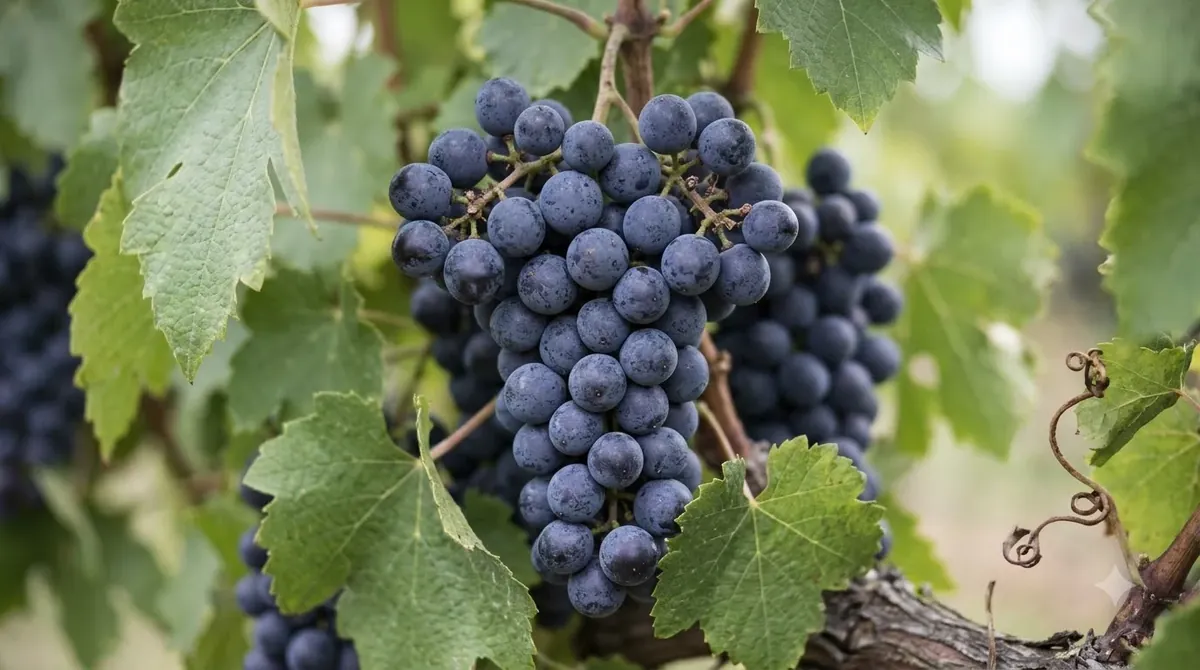
Spätburgunder is the traditional German and Austrian name for Pinot Noir, literally translating to “late Burgundian” because the grape ripens later in the season than earlier varieties like Frühburgunder. As a cool-climate red wine, it delivers vibrant acidity, fine-grained tannins, and an expressive profile of red berries, earth, and gentle baking spice.
Although the grape originated in France’s Burgundy region, German winemakers have cultivated it for centuries, particularly along sunny river valleys and sheltered hillsides. Today, Germany ranks as the third-largest producer of Pinot Noir in the world, behind only France and the United States. The name reflects both its Burgundian heritage and its distinct adaptation to northern European growing conditions.
Historically, many German bottles were light, pale, and occasionally off-dry, designed for casual local consumption. Over the past few decades, however, a new generation of growers shifted focus toward lower vineyard yields, drier fermentations, and careful French oak aging. Reviewers at Wine Enthusiast note that modern Spätburgunder balances elegance and muscle, combining pure cherry and raspberry fruit with earthy minerality and serious aging potential.
If you are exploring different Wine by Type, Spätburgunder sits comfortably in the light-to-medium red category. It offers far more grip and savory complexity than a simple chillable red, yet it remains noticeably lighter on its feet than warm-climate Cabernet Sauvignon or Syrah.
Flavor Profile and Wine Styles
On the palate, dry Spätburgunder typically shows a core of tart red cherry, wild strawberry, and raspberry layered with subtle notes of clove, white pepper, dried herbs, and damp forest floor. Depending on the vineyard site and winemaking approach, bottles range from crisp, translucent, stainless-steel reds to structured, oak-aged single-vineyard releases.
Entry-level and village wines labeled Gutswein or Ortswein emphasize freshness and crunchy red fruit. Fermented mostly in stainless steel or large, neutral wooden casks, these bottles generally sit around 12.5 to 13 percent ABV and showcase snappy acidity with minimal tannic grip. They feel energetic and thirst-quenching, making them effortless partners for weeknight cooking.
At the top tier, single-vineyard classifications such as Erste Lage (Premier Cru) and Grosses Gewächs (Grand Cru) bring deeper concentration and savory complexity. Aged in smaller French barriques, these wines develop darker fruit tones like black cherry alongside smoky minerality, toasted spice, and velvet-textured tannins. Alcohol levels in these fuller expressions can reach 13.5 to 14 percent ABV, giving them the weight needed to stand alongside richer braised meats and game birds.
Germany also produces a pale rosé style called Weissherbst made exclusively from Spätburgunder grapes, which offers crisp strawberry and citrus notes for warm-weather dining. Still, when sommeliers discuss classic dinner pairings, they are almost always referring to dry red Spätburgunder labeled Trocken.
Where Spätburgunder Grows
Spätburgunder thrives in Germany’s warmer southern and western wine regions, where steep slopes, heat-retaining soils, and river reflections help the thin-skinned grape reach full ripeness. Baden, Pfalz, Ahr, and Rheinhessen represent the primary hubs, each imparting a distinct regional signature to the glass.
Baden is Germany’s warmest and southernmost wine region, stretching along the Rhine River across from Alsace. Vineyards on the volcanic soils of the Kaiserstuhl produce the richest, fullest-bodied Spätburgunder styles in the country, brimming with ripe dark cherry, plum, and warm spice. Farther north, the Pfalz benefits from a sunny, sheltered microclimate near the Haardt Mountains, yielding structured, aromatic reds that balance generous berry fruit with firm acidity.
The tiny Ahr valley, located south of Cologne, is famous for steep, terraced slate and greywacke vineyards where red grapes dominate production. Despite its northerly latitude, the dark slate absorbs daytime heat and radiates it back at night, producing intensely mineral, smoky, and finely structured Pinot Noir. Meanwhile, Rheinhessen and Franken rely heavily on limestone soils, crafting taut, earthy, and spice-driven wines with crystalline acidity.
How to Serve Spätburgunder
Serve Spätburgunder slightly below room temperature, ideally between 57°F and 61°F (14°C to 16°C), in a large-bowled Burgundy glass. Keeping the wine cool preserves its bright natural acidity and delicate floral aromatics, while a wide bowl allows oxygen to release its earthy and spicy layers.
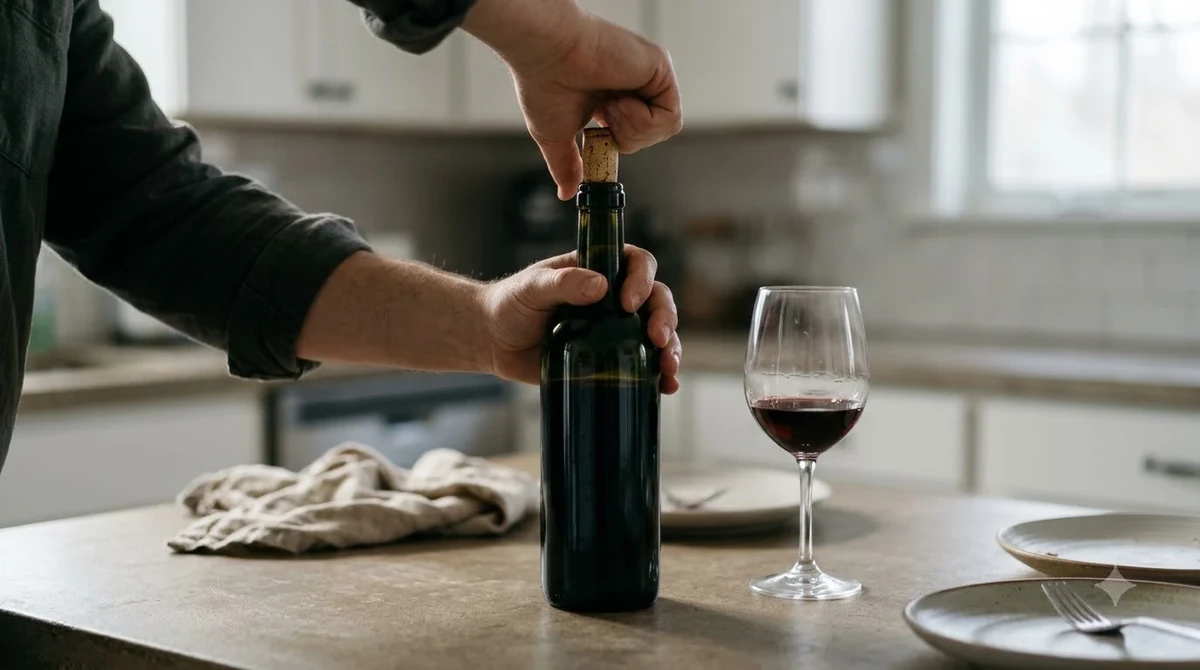
Serving red wine too warm is one of the fastest ways to flatten its appeal. Above 68°F, the alcohol becomes more noticeable and the crisp red fruit can taste dull or jammy. If your bottle has been resting in a warm kitchen or pantry, place it in the refrigerator for 15 to 20 minutes before pulling the cork.
Decanting depends on the age and structure of the bottle. Light, unoaked village wines can be poured straight from the bottle and enjoyed immediately over the course of an evening. Fuller-bodied, barrel-aged single-vineyard wines—especially young releases from limestone or slate sites—benefit from 30 to 60 minutes in a decanter to soften their youthful tannins and open up their savory aromatics.
Tip: Look for the word Trocken on the front or back label if you want a completely dry wine for savory meals, as a small percentage of entry-level German reds retain subtle residual sweetness.
Best Spätburgunder Food Pairings
The secret to successful spatburgunder food pairing lies in matching the wine’s medium weight and brisk acidity with savory, umami-rich ingredients rather than heavy, sugary sauces. Because its tannins are fine-grained rather than astringent, the wine complements roasted poultry, pork, fatty fish, and mushroom-driven vegetarian dishes without overpowering them.
Poultry and Game Birds: Roast duck with crispy skin is a benchmark match. The wine’s lively acidity slices straight through the rich duck fat, while its cherry and clove notes echo fruit glazes or pan reductions. Herb-roasted chicken, Thanksgiving turkey, and pan-seared quail also pair effortlessly, especially when served with savory pan juices or roasted root vegetables.
Pork and Traditional German Fare: Pork tenderloin, grilled pork chops, and glazed ham share a natural affinity with red-fruited Pinot Noir. According to Wine Folly, German Pinot Noir is remarkably versatile at the table because its higher acidity prevents it from tasting flabby alongside rich dishes like traditional Bavarian spaetzle, bratwurst, or pork schnitzel. The wine refreshes the palate between bites of crispy breading or savory sausage.
Earthy Vegetables and Seafood: Wild mushrooms—such as chanterelles, morels, and cremini—mirror the forest-floor and umami compounds naturally present in Spätburgunder. Mushroom risotto, lentil stews, and roasted beets make outstanding meatless pairings. Among seafood options, cedar-plank salmon, seared tuna, and trout hold up well because the wine’s low tannin avoids creating a metallic aftertaste with fish oils.
| Food Category | Best Dish Examples | Why the Pairing Works | Ideal Spätburgunder Style |
|---|---|---|---|
| Poultry & Game | Roast duck breast, herb roast chicken, turkey | High acidity cuts through poultry fat while red fruit complements crispy, browned skin | Village (Ortswein) or barrel-aged Baden bottle |
| Pork & Sausages | Pork tenderloin, schnitzel, bratwurst with spaetzle | Bright berry flavors balance savory saltiness and cleanse the palate after fried or rich bites | Crisp, unoaked or neutral-oak Pfalz or Rheinhessen |
| Earthy Vegetarian | Wild mushroom risotto, roasted beets, lentil ragù | Forest-floor and clove aromas echo earthy umami flavors without heavy tannic clash | Limestone-grown Rheinhessen or Franken |
| Rich Seafood | Grilled salmon, seared ahi tuna, smoked trout | Low-to-medium tannins prevent metallic bitterness while medium body matches oily fish | Light, cool-climate Ahr or tank-fermented style |
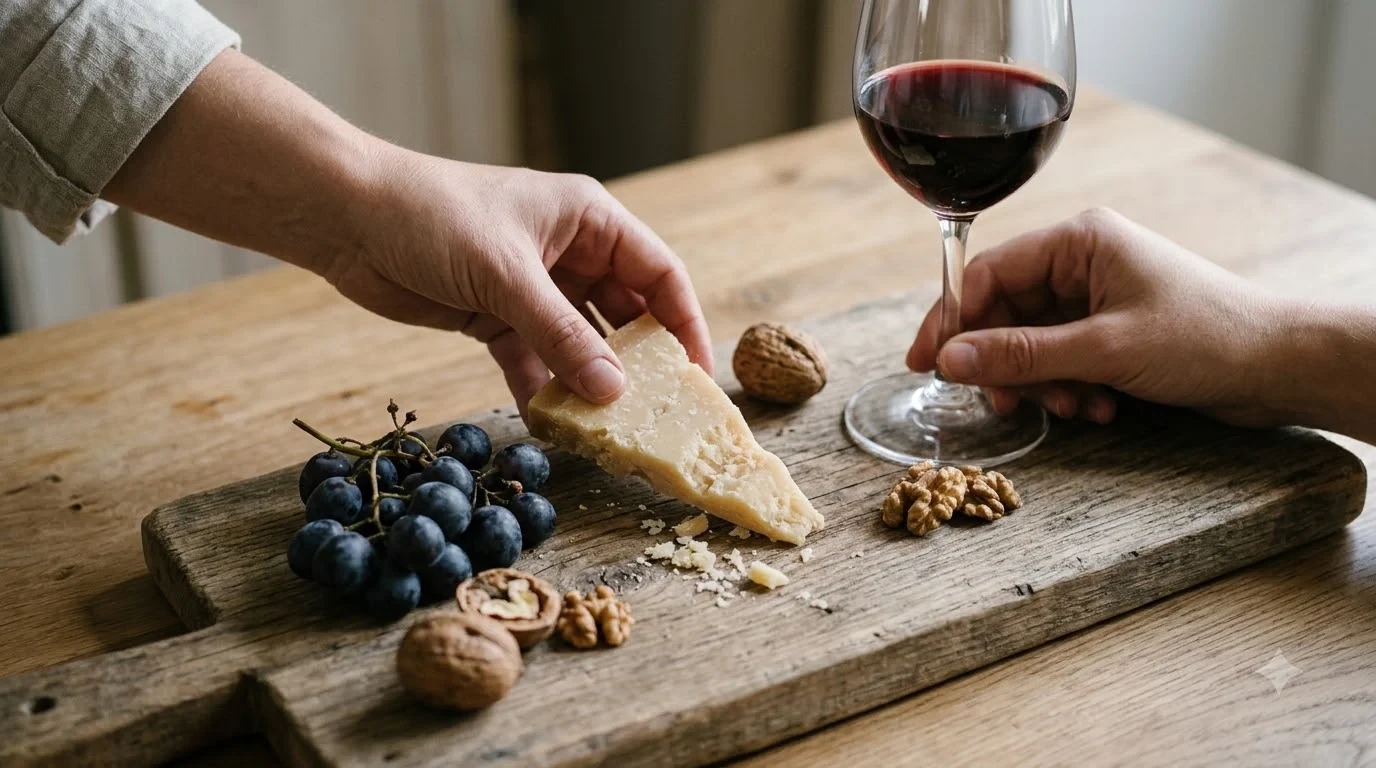
| Cheese & Charcuterie | Gruyère, Comté, Brie, smoked ham, pâté | Nutty aged cheeses soften tannins; crisp fruit brightens creamy textures and cured meats | Dry Trocken village blend |
If you enjoy this versatile style of red wine pairing, you may also appreciate exploring blaufrankisch food pairing for peppery, dark-fruited Central European reds, or carignan food pairing when cooking rustic Mediterranean stews. For warm-weather meals where white wine fits better, grenache blanc food pairing offers similar textural richness and acidity.
Foods to Avoid with Spätburgunder
While Spätburgunder handles a wide range of flavors, certain extremes on the plate can strip away its delicate fruit or emphasize bitterness. Being mindful of intense heat, heavy sweetness, and sharp raw ingredients will keep both the food and the wine tasting balanced.
Fiery Chili Heat: Dishes loaded with habanero, ghost pepper, or heavy cayenne amplify the sensation of alcohol in red wine, making even a 13 percent ABV bottle taste hot and astringent. Mild warmth from black pepper, paprika, or gentle ginger works well, so save fiery curries and spicy wings for off-dry white wines instead.
Sweet Desserts and Sugary Glazes: Very sweet foods—such as chocolate cake, fruit tarts, or barbecue sauces packed with brown sugar—make dry Spätburgunder taste thin, sour, and overly acidic by contrast. Keep sauces savory, herbal, or lightly tangy rather than overtly sweet.
Raw Shellfish and Bitter Greens: Delicate raw oysters, ceviche, and salads dominated by bitter radicchio or raw arugula can clash with red wine tannins, producing a metallic or harsh finish. Save raw seafood for crisp white or sparkling wines, and cook bitter greens down with olive oil and garlic if serving them alongside red wine.
How to Choose a Bottle for Dinner
Choosing the right Spätburgunder comes down to matching the weight of your meal with the wine’s regional origin and quality tier. German wine labels provide clear clues about body, dryness, and oak influence once you know what to scan for.
Start by checking the dryness level and regional origin. Look for Trocken on the label to ensure a dry finish suited for savory entrees. For lighter dishes like salmon, mushroom pasta, or roast chicken, choose an entry-level Gutswein or village Ortswein from Ahr, Franken, or Rheinhessen. These bottles prioritize bright cherry fruit, lively acidity, and minimal oak.
When serving richer main courses like roast duck, braised beef short ribs, or wild game, step up to an oak-aged wine from Baden or Pfalz, or look for terms like Alte Reben (old vines) and Grosses Gewächs (often abbreviated as GG). Old-vine and Grand Cru bottlings deliver deeper concentration, velvety tannins, and savory spice that easily anchor a centerpiece dinner.
Frequently Asked Questions
Is Spätburgunder the same grape as Pinot Noir?
Yes, Spätburgunder is genetically the exact same grape variety as French Pinot Noir. In Germany and Austria, it is called Spätburgunder, which translates to “late Burgundian” in reference to its Burgundian roots and late ripening cycle. Cool-climate German growing conditions often give it slightly brighter acidity and earthier red-berry notes than New World Pinot Noir.
Can you pair Spätburgunder with fish?
Yes, Spätburgunder is one of the best red wines to serve with meaty, oily fish like grilled salmon, seared tuna, and trout. Because it has low-to-medium silky tannins and vibrant acidity, it avoids the unpleasant metallic taste that heavy red wines create when paired with fish oils. Serve it slightly chilled around 57°F for the cleanest match.
Is Spätburgunder sweet or dry?
The vast majority of modern Spätburgunder exported to the United States is completely dry. To be certain when shopping, check the label for the German word “Trocken,” which legally designates a dry wine. While a few traditional producers still make lightly off-dry styles, serious dinner bottles are fermented dry.
What cheese pairs best with Spätburgunder?
Nutty, semi-hard Alpine cheeses like Gruyère, Comté, and aged Gouda are classic companions for Spätburgunder. Soft, bloomy-rind cheeses such as Brie and Camembert also work wonderfully, as the wine’s crisp acidity cuts through their creamy richness. Avoid intensely salty blue cheeses, which can overwhelm the wine’s delicate red fruit.
With its lively acidity, supple tannins, and expressive red-berry and earthy notes, Spätburgunder earns a permanent spot in any dinner rotation. Whether you pour a crisp, lightly chilled bottle alongside Tuesday night salmon or open a barrel-aged single-vineyard release for weekend roast duck, this versatile German Pinot Noir brings effortless balance to the table.
More in Wine Types & Grapes
 Zinfandel Sugar Content: Dry Red vs. White Zinfandel GramsUpdated Nov 21, 2026
 Best Zinfandel Substitute Options for Sipping and CookingUpdated Nov 21, 2026
 Zweigelt Food Pairing: Best Dishes, Cheeses, and Serving TipsUpdated Nov 21, 2026
 Zinfandel Tannins Explained: How Structure Shapes Every BottleUpdated Nov 21, 2026
 Zinfandel Sweetness Level: Dry Red vs. Sweet White Zin ExplainedUpdated Nov 21, 2026
 Xinomavro Food Pairing: Best Dishes, Styles, and Serving TipsUpdated Nov 21, 2026