

We may earn a commission when you buy through links on this page, at no extra cost to you. Learn more.
The best answer to what wine goes with dumplings is Riesling, especially a dry or off-dry bottle with lively acidity; Champagne or another crisp sparkling wine is excellent with pan-fried dumplings and vinegar dipping sauce. For pork, shrimp, chicken, vegetables, or beef, choose a wine that complements the filling without overpowering the wrapper. The sauce matters just as much: chili, garlic, soy, sesame oil, and rice vinegar can change the best match.
Dumplings bring several textures and flavors together: a tender or crisp wrapper, a savory filling, and a dip that may be salty, sour, sweet, or hot. That variety suits several wine styles, provided you match the bottle to the strongest flavor on the plate. These suggestions cover Chinese jiaozi, Japanese gyoza, Korean mandu, and other savory dumplings.
Best All-Purpose Wines for a Dumpling Spread
For a mixed platter of pork, shrimp, and vegetable dumplings, start with Riesling or a fresh sparkling wine. Their acidity refreshes the palate between bites, while moderate body keeps the wine from overwhelming delicate wrappers, ginger, scallion, or seafood.
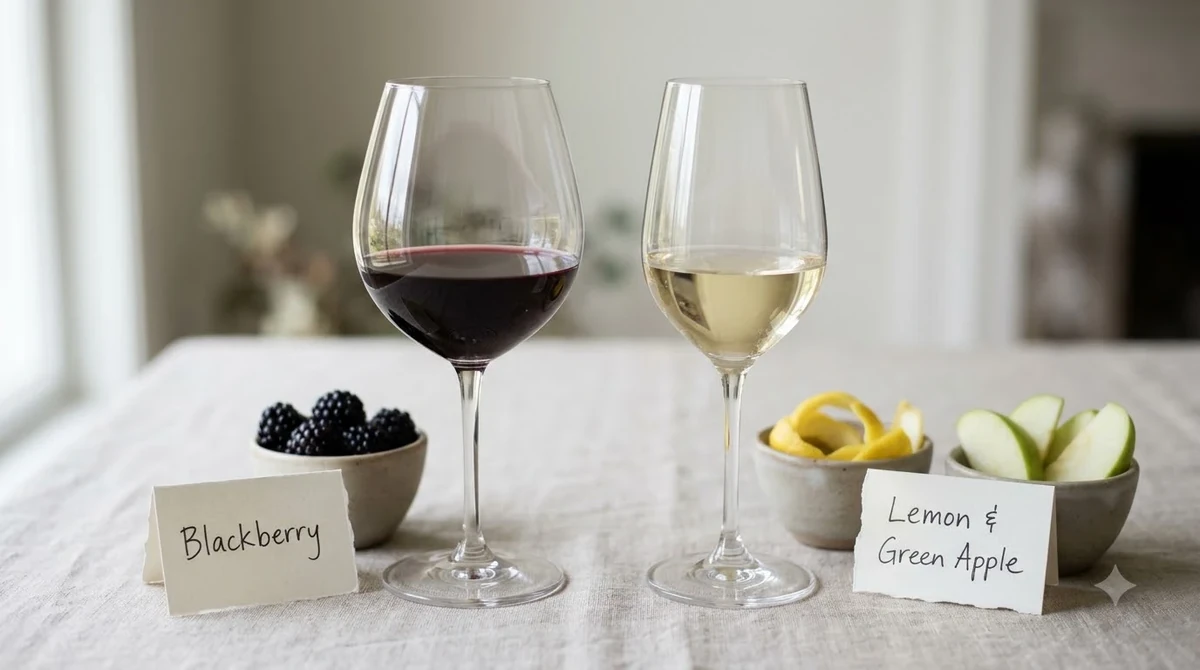
Riesling is the most flexible single-bottle option. A dry style suits mild pork and cabbage, shrimp, chicken, and mushroom fillings; an off-dry Kabinett-style Riesling is often more comfortable beside ginger, chili oil, or a little sweetness in the dipping sauce. Its acidity cuts through sesame oil and pork fat, while a touch of residual sugar can soften the sensation of chili heat. Avoid a very sweet bottle with a savory platter unless the sauce itself is notably sweet.
Brut sparkling wine is another strong all-rounder, especially with pan-fried pot stickers, rich pork fillings, or vinegar. Champagne, Cava, and other traditional-method sparkling wines bring brisk acidity and bubbles that refresh after oily, crisp-edged bites. A dry Prosecco can work with mild fillings, although its softer profile may be less incisive beside sharp vinegar. Decanter’s dumpling pairing advice likewise recommends Champagne for fried dumplings or vinegar and cautions against heavy, tannic reds.
Dry rosé is a middle ground when the platter includes pork, vegetables, and lightly spiced chicken. Choose a fresh, fruit-forward style rather than one with pronounced oak or high alcohol. A restrained Pinot Noir also works with mushrooms or browned pork, but whites and sparkling wines are safer for a varied platter because their acidity and low tannin handle more sauces.
Choose Wine by the Dumpling Filling
The filling gives the clearest clue to the wine. Mild seafood and vegetables favor light, high-acid whites, while richer pork or beef can take more texture and fruit; strong lamb, garlic, or kimchi calls for a wine with enough flavor to stand beside it.
Pork and cabbage: Pair boiled or steamed pork-and-cabbage jiaozi with dry Riesling, unoaked Chardonnay, or a lightly oaked white Burgundy. A Mâcon Chardonnay has enough body for pork without the weight of a heavily oaked style. Riesling’s acidity refreshes the palate after fatty bites; garlic and chives call for aromatic Riesling or Gewürztraminer.
Shrimp, fish, chicken, and vegetables: Crisp whites such as Albariño, Sauvignon Blanc, dry Riesling, and Pinot Gris suit shrimp har gow, fish wontons, chicken with mushrooms, tofu with greens, or egg with chives. Their acidity complements seafood and ginger, and keeps green vegetables tasting fresh. A saline Manzanilla Sherry can suit simple shrimp dumplings. Avoid strongly tannic red wine with oily fish or delicate seafood.
Beef, lamb, and assertive fillings: Choose a supple red rather than a high-tannin Cabernet Sauvignon. Pinot Noir, Gamay, or Barbera can accompany beef dumplings; fruit-forward Grenache can suit lamb with cumin or warm spices. Medium-bodied Merlot is another option when the filling is rich and the sauce is not hot. A full-bodied Syrah may overpower a delicate wrapper and amplify chili heat. For a broader meat-pairing comparison, see what wine goes with beef brisket. For kimchi, garlic, or strong chives, off-dry Riesling, Gewürztraminer, or sparkling rosé is usually more adaptable than a structured red.
Match the Wine to Steamed, Boiled, or Fried Dumplings
Cooking method changes texture and richness, even when the filling stays the same. Steamed and boiled dumplings usually favor delicate whites, while pan-fried and deep-fried versions can support sparkling wine, rosé, or a light red with fresh acidity.

Steamed and boiled dumplings: Soft wrappers and clear, gentle flavors call for Riesling, Albariño, Pinot Gris, or Chardonnay with restrained oak. Steamed shrimp har gow is good with a crisp white or dry sparkling wine. For xiaolongbao, choose refreshing acidity with moderate intensity: the pork filling and broth are rich, but the wrapper is delicate. Boiled jiaozi usually suit dry Riesling or unoaked Chardonnay. A clear chicken broth needs a lighter wine than a deeply seasoned beef broth.
Pan-fried gyoza and pot stickers: Browned surfaces and cooking oil make these dumplings richer, so Brut Champagne, Cava, or another crisp sparkling wine is an excellent match. Dry rosé also works with pork and cabbage gyoza. Japanese gyoza commonly combines pork, cabbage, garlic, ginger, and sesame oil with soy sauce and rice vinegar, making high-acid whites and sparkling wines more adaptable than structured reds. Light Pinot Noir or Gamay can suit mushroom or browned pork when chili is minimal.
Deep-fried dumplings and pastries: Choose a wine with enough freshness to meet the crisp coating. Sparkling wine is a reliable first choice; zesty Sauvignon Blanc or dry rosé can work with shrimp and vegetable fillings. For fried Indian snacks such as samosa-style parcels, consider cumin, coriander, fennel, and garam masala as well as the oil. Aromatic Riesling or Gewürztraminer is often more comfortable than a dry, high-alcohol wine when the filling is hot with chili.
Let the Dipping Sauce Set the Final Pairing
A dumpling sauce can matter more than the filling because a little chili oil, black vinegar, or sweet soy changes the balance of each bite. Taste the sauce with a small piece of dumpling before choosing the glass; let the strongest element—heat, sharp acidity, salt, or sweetness—guide the pairing.
Soy, sesame, and vinegar: Salty soy and nutty sesame are generally friendly to refreshing whites and sparkling wines. Riesling, Pinot Gris, and Brut sparkling wine have enough acidity to keep the combination lively. Salt in soy sauce and fat in pork can soften tannin, but that does not make a big red the safest choice with delicate wrappers or seafood. Acidic food needs a wine with equal or higher acidity, which makes sparkling wine and high-acid Riesling strong choices with rice vinegar or black vinegar. Champagne is particularly suitable beside fried dumplings served with vinegar. If the dip is very sharp, skip a soft, low-acid Chardonnay.
Chili oil, Sichuan pepper, and garlic: Chili heat is amplified by alcohol and tannin, so avoid high-alcohol Cabernet Sauvignon, Syrah, and other structured reds. A slightly off-dry Riesling is a smart choice because its fruit and modest sweetness can soften the perception of heat while its acidity keeps the pairing lively. Gewürztraminer can suit aromatic chili sauces, although a very perfumed style may compete with garlic and Sichuan pepper.
Sweet or rich sauces: Wine should be at least as sweet as the food it accompanies. Hoisin or sugar-seasoned sauce can make a bone-dry wine taste sour and thin, so choose off-dry Riesling, a fruity rosé with a touch of sweetness, or a gently sweet sparkling wine. For cheese-filled dumplings, consider the principles in what wine goes with blue cheese: salty, intense cheese often needs fruit and enough sweetness to balance its force. If the meal has a tomato-and-cheese filling, the ideas in what wine goes with eggplant parmesan can help you think about acidity, herbs, and richness.
Tip: Keep one small bowl of sauce on the side for each flavor profile. Try a dumpling plain first, then with its dip; choose the wine that works with the strongest version of the bite rather than only the filling.
Pairings for Popular Dumpling Styles Around the World
Dumplings differ by country, wrapper, seasoning, and filling, so the name alone is not enough to select a wine. Use these familiar styles as a starting point, then adjust for the sauce and level of spice.
Chinese jiaozi, pot stickers, and soup dumplings: Pork-and-cabbage jiaozi work with dry or off-dry Riesling, unoaked Chardonnay, or Pinot Gris. Boiled shuijiao tend to suit lighter whites, while pan-fried guotie can take Champagne or Cava. Xiaolongbao contain hot, savory broth, so choose refreshing acidity with moderate intensity. Wontons in clear soup are more delicate and often suit Sauvignon Blanc or Pinot Gris; wontons tossed with chili oil need the added fruit of off-dry Riesling. Decanter notes that delicate pork-and-cabbage, shrimp, and mushroom fillings are easier to pair than strong garlic-chive, beef-tomato, or lamb-carrot versions.
Japanese gyoza and Korean mandu: Pork, cabbage, garlic, ginger, and sesame oil make classic gyoza a good match for Riesling, sparkling wine, or dry rosé. A crisp sparkling wine is particularly useful when one side has a golden crust and the dip contains rice vinegar. Korean mandu may contain pork, beef, shrimp, vegetables, or kimchi. For mild steamed mandu, pour Riesling or Grüner Veltliner; for kimchi mandu or pan-fried gun mandu, choose off-dry Riesling, sparkling rosé, or a dry rosé with lively acidity. Keep alcohol moderate when gochujang or chili paste is prominent.
Indian pastries and sweet dumplings: Fried samosas and kachori often feature cumin, coriander, fennel, and garam masala. Aromatic Riesling or Gewürztraminer can suit these spices, especially when the filling is hot; dry sparkling wine is useful with crisp pastry. A fruit-forward rosé is flexible with mild potato or lentil fillings. Fruit-filled dessert dumplings need a wine at least as sweet as the filling, so a late-harvest Riesling or another sweet white is a better match than a dry table wine. There is no need to force one bottle to match every dumpling on a large table. If the spread includes shrimp har gow, spicy Sichuan chaoshou, and sweet dessert dumplings, serve a crisp white or sparkling wine with the savory courses and a sweeter wine with dessert. For one bottle with a mixed savory platter, Riesling is generally the most adaptable choice. Wine Enthusiast’s Sichuan chaoshou recipe and pairing uses pork, ginger, soy, sesame oil, chili oil, and garlic, and suggests dry Riesling for the ginger and savory sauce.
Serve the Wine at the Right Temperature and Build a Balanced Spread
Temperature influences how fresh, sweet, and structured a wine seems beside food. Chill whites, rosé, and sparkling wines enough to preserve freshness, while serving light reds slightly cool so their fruit stays lively beside a hot plate of dumplings.
Use these practical targets: sparkling wine at 40–50°F, light whites and rosé at 45–50°F, fuller whites at 50–55°F, light reds at 55–60°F, and sweet whites at 43–50°F. A very cold wine can seem muted, while a warm, high-alcohol red can intensify chili heat and feel heavy beside a delicate wrapper.
| Dumpling style or filling | Good wine match | Serving temperature | Why it works |
|---|---|---|---|
| Steamed shrimp har gow | Albariño or dry Riesling | 45–50°F | Fresh acidity suits seafood and ginger |
| Pork and cabbage jiaozi | Dry or off-dry Riesling | 45–50°F | Acidity refreshes after savory pork |
| Pan-fried gyoza | Brut Champagne or Cava | 40–50°F | Bubbles and acidity meet the crisp, oily edge |
| Spicy chili-oil chaoshou | Off-dry Riesling | 43–50°F | Fruit and a little sweetness soften the heat |
| Mushroom or beef dumplings | Pinot Noir or Gamay | 55–60°F | Fresh fruit and modest tannin suit savory filling |
| Fruit-filled dessert dumplings | Sweet Riesling or another sweet white | 43–50°F | Wine sweetness stays in balance with dessert |
For a casual dinner, set out two wines rather than trying to find one bottle for every flavor: a dry Riesling or sparkling wine for savory dumplings, and a sweet white if dessert dumplings are on the menu. A standard 750 ml bottle provides about five 5-ounce pours, a useful planning measure for a tasting-style meal. Smaller pours also make it easier to compare two styles with the same filling and sauce.
Plan the order from delicate to intense. Start with steamed shrimp or vegetable dumplings and a crisp white, then move to richer pork or pan-fried gyoza with sparkling wine or rosé. Serve strongly spiced or garlic-heavy dumplings later, and keep chili oil separate so guests can choose their own heat level. Keep whites and sparkling bottles chilled, and take a light red from the refrigerator briefly before pouring. Beef filling alone is no reason to choose a tannic wine.
Frequently Asked Questions
Is Riesling always sweet?
No. Riesling is made in dry, off-dry, and sweet styles. Wine Enthusiast’s pairing for Sichuan chaoshou features a dry Riesling from Columbia Valley, Washington, showing that the grape is not limited to sweet wines.
Can I serve red wine with dumplings?
Yes. Pinot Noir, Gamay, and Barbera work with mushroom, beef, or richly seasoned pork dumplings. For a meat-heavy feast with assertive seasoning, a lightly chilled sparkling red such as Lambrusco is another option.
What wine works with frozen dumplings?
The freezer does not change the pairing: match wine to filling, cooking method, and sauce after cooking. Wine Enthusiast’s chaoshou recipe suggests freezing homemade dumplings on parchment before storage; they can be kept frozen for up to 3 months.
Should dumplings be paired with the dipping sauce or the filling?
Consider both, but let whichever tastes stronger guide the choice. In Wine Enthusiast’s chaoshou recipe, the sauce combines 3 tablespoons of light soy sauce, 1½ tablespoons of sugar, ¼ cup of chili oil, 1 tablespoon of sesame oil, and 3 garlic cloves.
What wine should I pour with dumplings and hot pot?
For a shared hot-pot meal, choose a versatile sparkling wine, Riesling, or Gewürztraminer rather than pairing each bite separately. Asti Spumante is another aromatic, gently sweet option for diners who prefer a softer style.
For most dumpling dinners, start with Riesling; choose Brut sparkling wine when the wrappers are fried or the sauce leans on vinegar. Then fine-tune the bottle to the filling and seasoning, keeping tannin and alcohol in check when chili, garlic, or delicate seafood is on the plate. The best match is the one that keeps both the dumplings and the wine tasting clear and balanced.
More in Food & Wine Pairing
 Risotto With White Wine Recipe: Make a Creamy Dinner at HomeUpdated Nov 20, 2026
 Wassail With Wine Recipe for a Festive Spiced Holiday DrinkUpdated Nov 20, 2026
 Spritz Veneziano Recipe: Make a Classic Venetian Aperitivo at HomeUpdated Nov 20, 2026
 Summer Wine Punch Recipe for Easy Homemade EntertainingUpdated Nov 20, 2026
 Bishop Recipe: How to Make a Bright, Citrus-Forward Red Wine CocktailUpdated Nov 20, 2026
 Wine Cupcakes Recipe: Bake Rich Chocolate Cupcakes at HomeUpdated Nov 20, 2026