


We may earn a commission when you buy through links on this page, at no extra cost to you. Learn more.
What wine goes with eggs? Dry sparkling wine, Sauvignon Blanc, and unoaked Chardonnay are excellent choices because their refreshing acidity balances the richness of egg yolks and butter. The best bottle depends on how the eggs are prepared and which ingredients accompany them. Eggs Benedict, scrambled eggs, mushroom omelets, and bacon quiche each offer different pairing opportunities, including a few lighter red wines.
Eggs are a breakfast staple, but they can be surprisingly interesting to pair with wine. Their creamy texture, delicate flavor, and sometimes sulfurous aromas require a little more thought than a typical meat or vegetable dish. The good news is that you do not have to limit yourself to one type of wine. A crisp white, a refreshing sparkling wine, or even a lightly chilled red can work beautifully when you consider the complete plate rather than the egg alone.
Why Eggs Need Fresh, Balanced Wines
Egg dishes generally pair best with wines that have refreshing acidity, moderate alcohol, and restrained tannins. Rich yolks and butter can coat the palate, making a crisp wine particularly useful for restoring freshness between bites. Delicate egg flavors also benefit from wines that complement rather than overpower them.
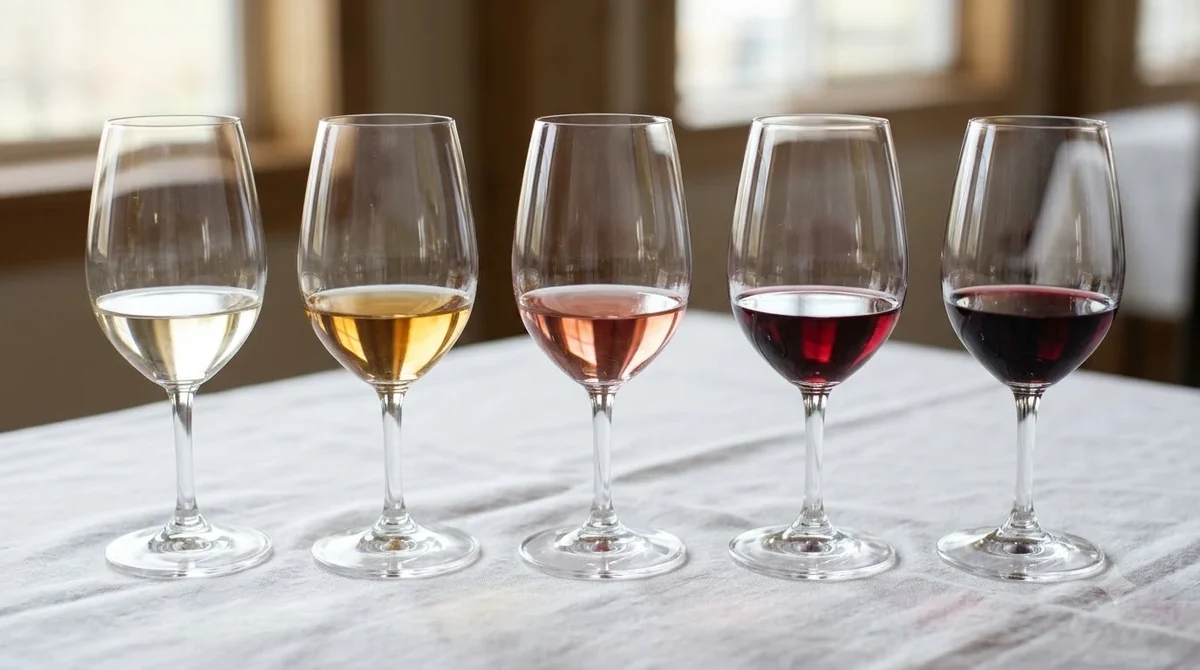
Egg yolks contain fat and have a soft, coating texture. When served with butter, cream, cheese, or hollandaise, that richness becomes even more pronounced. A high-acid white such as Sauvignon Blanc or Riesling can provide a refreshing contrast. Dry sparkling wine adds carbonation to the equation, making it especially appealing alongside buttery breakfast dishes.
Another consideration is the distinctive flavor of cooked eggs. Some egg preparations contain sulfur compounds that can make certain wines seem metallic or unpleasant. Heavily tannic reds are particularly risky with simple egg dishes because their structure can overwhelm the delicate protein and create an unbalanced impression. Cabernet Sauvignon and powerful Syrah are generally better saved for more substantial meals.
However, this does not mean that every red wine is unsuitable. Pinot Noir has relatively low to medium tannins and bright acidity, while Gamay offers a juicy, lighter-bodied alternative. Both can work when mushrooms, bacon, sausage, or other flavorful ingredients accompany the eggs.
The most useful starting point is to identify the richest and most prominent ingredient on the plate. If butter and yolk dominate, choose an acidic white or sparkling wine. If smoky bacon or earthy mushrooms take center stage, a light red may become more appealing.
Sparkling Wine for Eggs Benedict and Buttery Eggs
Dry sparkling wine is one of the most versatile choices for egg dishes, particularly eggs Benedict, fried eggs, and soft scrambled eggs. Its lively acidity and bubbles refresh the palate after bites of butter, yolk, and rich sauces, while its relatively delicate flavors allow the food to remain the focus.
Eggs Benedict is a particularly convincing example. The traditional preparation combines poached eggs, Canadian bacon, an English muffin, and hollandaise sauce. Hollandaise is made from egg yolks and butter, with lemon juice adding acidity. The result is rich, creamy, salty, and slightly tangy, making a refreshing sparkling wine a natural companion.
Brut Champagne, Cava, and Crémant are all worth considering. Champagne and Cava use bottle fermentation to develop their bubbles, often producing additional complexity and subtle bread-like aromas. These characteristics can complement toasted English muffins and the savory flavors of breakfast meats.
Prosecco offers another approachable option. Made primarily from Glera grapes, it is generally produced using the tank method and typically contains around 11–12% alcohol by volume. Its fresh fruit character and lively bubbles work well with lighter brunch preparations, including fried eggs, breakfast potatoes, and simple omelets.
For another perspective on matching sparkling wine with hollandaise, see Fiona Beckett’s recommendations for eggs Benedict, which discuss Blanc de Blancs, Crémant, Cava, and other sparkling options.
Understanding Sparkling Wine Sweetness
When choosing sparkling wine for savory eggs, Brut is a dependable starting point. The sweetness classifications are useful because bottles labeled Extra Dry are actually sweeter than Brut. The common order, from driest to sweetest, is:
- Brut Nature: Very little residual sugar.
- Extra Brut: Extremely dry.
- Brut: Dry and versatile.
- Extra Dry: Slightly sweeter than Brut.
- Dry: Noticeably sweeter than Extra Dry.
- Demi-Sec: Medium-sweet.
- Doux: Sweet.
For traditional eggs Benedict, Brut Champagne or Brut Cava offers a balanced combination of freshness and dryness. Extra Dry Prosecco can also be pleasant when the meal includes sweeter breakfast ingredients or fruit.
For a practical alternative to Champagne, consider a traditional-method Crémant from France or a Spanish Cava. Both can provide refreshing acidity and persistent bubbles without requiring a particularly elaborate pairing.
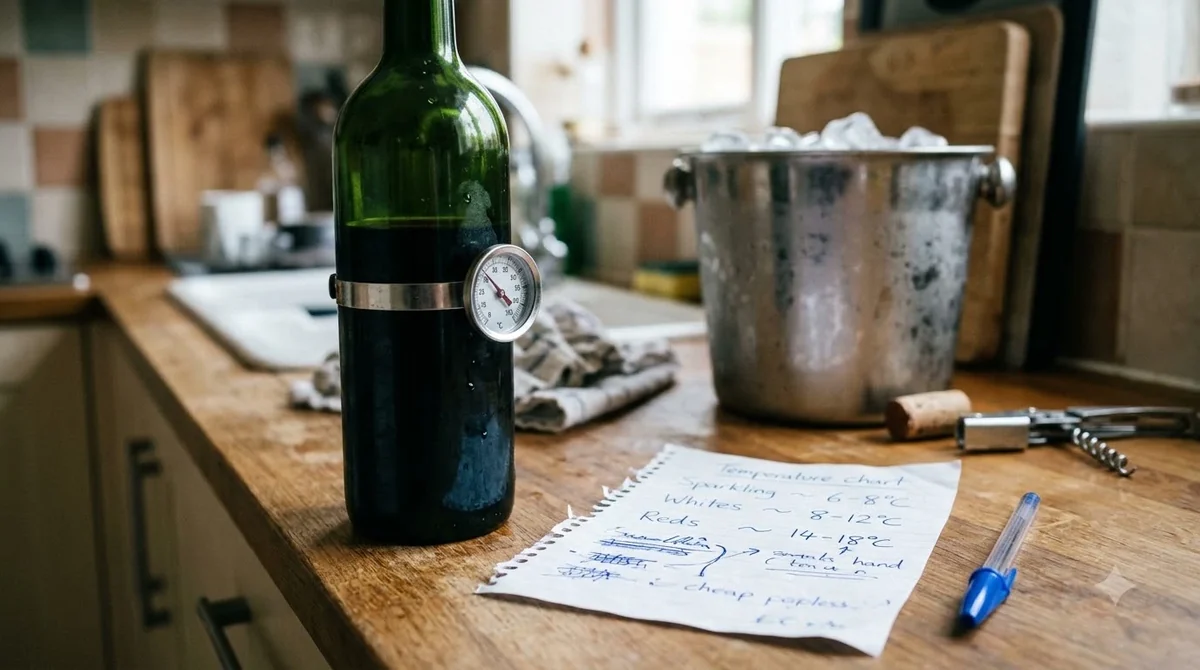
Tip: Serve sparkling wine at 40–50°F. Chill the bottle before brunch so its acidity and bubbles remain refreshing alongside hollandaise, buttered toast, and fried potatoes.
White Wine for Scrambled Eggs, Fried Eggs, and Omelets
White wine is usually the safest starting point for simple egg preparations. Sauvignon Blanc, unoaked Chardonnay, and dry Riesling provide different combinations of acidity, fruit, and texture that work particularly well with scrambled eggs, fried eggs, and herb omelets.
Sauvignon Blanc is an especially good choice when fresh herbs are involved. Its citrus, grassy, and herbal characteristics complement parsley, chives, dill, and green onions. A simple omelet with fresh herbs and a little goat cheese is an excellent match for a crisp Sauvignon Blanc from New Zealand, France, or California.
Its naturally high acidity also helps balance butter and cream. For soft scrambled eggs prepared with butter, choose a relatively restrained Sauvignon Blanc rather than an intensely aromatic or heavily concentrated example. The objective is to refresh the palate without overwhelming the subtle egg flavor.
Chardonnay for Creamy Egg Dishes
Chardonnay is another strong option, especially when the eggs are prepared with cream, cheese, or butter. Unoaked Chardonnay offers apple, citrus, and mineral characteristics without adding pronounced vanilla or toasted-oak flavors. Chablis, from Burgundy in France, is a useful example of a fresher Chardonnay style.
A lightly textured Chardonnay can complement creamy scrambled eggs and cheese omelets because it has enough body to match their richness. However, heavily oaked Chardonnay may become too powerful alongside plain eggs. If the dish is simple, choose a fresher expression with moderate alcohol and balanced acidity.
Riesling for Versatility
Dry Riesling is another excellent match. It typically has high acidity, refreshing citrus flavors, and aromatic characteristics that complement eggs prepared with herbs, vegetables, or smoked fish. Alsatian Riesling is particularly interesting alongside quiche because it can combine substantial texture with bright acidity.
For eggs with a little spice, an off-dry Riesling can be more suitable than a completely dry white. Its touch of residual sugar can soften the perception of chili heat while its acidity keeps the combination refreshing.
For everyday breakfast plates, these three white wines provide useful options:
- Sauvignon Blanc: Best for herb omelets, fried eggs with fresh greens, and simple scrambled eggs.
- Unoaked Chardonnay: Best for creamy scrambled eggs, cheese omelets, and buttery preparations.
- Dry Riesling: Best for smoked salmon, vegetable omelets, and egg dishes with aromatic herbs.
Wine Enthusiast also explores the relationship between egg preparations and wine styles in its article on the best wines to pair with eggs, including traditional-method sparkling wine, Sauvignon Blanc, and Grillo.
Red Wine for Eggs with Bacon, Sausage, and Mushrooms
Red wine can work with eggs when other ingredients bring enough flavor to balance the combination. Pinot Noir and Gamay are particularly useful because they generally have lighter bodies, relatively low tannins, and refreshing acidity compared with powerful reds such as Cabernet Sauvignon.
Consider a breakfast plate with two fried eggs, crispy bacon, and roasted mushrooms. The bacon contributes salt, smoke, and fat, while the mushrooms add earthy flavors. These ingredients become more prominent than the delicate taste of the eggs themselves, allowing a light red wine to make sense.
Pinot Noir is a natural option. Its red-fruit character, acidity, and relatively gentle tannins work with mushrooms and savory breakfast meats. Burgundy, Oregon, and California produce different styles, but a lighter, fruit-focused example is generally the most useful choice for this combination.
Gamay, particularly Beaujolais, is another excellent possibility. Its juicy red-fruit flavors and approachable tannins make it suitable for mushroom omelets, bacon, and sausage. A slight chill helps preserve its refreshing character, particularly during a relaxed brunch.
Salt and fat can soften the perception of tannin, which explains why a small amount of bacon or sausage can make a light red more successful than it would be with plain eggs. Nevertheless, the wine should remain relatively delicate. A heavily extracted red with substantial tannins is likely to overpower the food.
Matching Wine to Different Breakfast Meats
Different meats call for slightly different approaches. Crispy bacon has pronounced salt and smoke, while breakfast sausage can include fennel, black pepper, sage, and other seasonings. Ham is generally less smoky but can be noticeably salty.
For bacon and fried eggs, try Brut sparkling wine or chilled Gamay. The sparkling option refreshes the palate, while Gamay offers fruit and enough acidity to balance the savory flavors. For ham and eggs, Pinot Noir is a useful choice, especially when mushrooms or roasted vegetables are included.
Sausage omelets can work with Pinot Noir or a dry rosé. If the sausage is heavily seasoned with chili, however, an off-dry Riesling may be a better choice. Alcohol and tannin can amplify chili heat, so avoid powerful red wines with spicy breakfast meats.
If you enjoy exploring more substantial savory combinations, the same principles apply to what wine goes with beef brisket, where fat, smoke, salt, and the dominant seasoning also influence the best bottle.
Wine Pairings for Quiche, Frittata, and Egg Casseroles
Quiche and frittata generally pair best with medium-bodied white wines that have enough acidity to balance eggs, cream, cheese, and vegetables. Chardonnay, Riesling, and sparkling wine are all reliable choices, while lighter reds can work with mushroom-heavy or bacon-rich preparations.
Quiche has a richer structure than a simple fried egg because its filling often includes cream, cheese, and pastry. The buttery crust adds another layer of richness, while ingredients such as bacon, onions, spinach, and mushrooms contribute additional flavors.
For Quiche Lorraine, consider Alsatian Riesling. The region’s aromatic dry whites can provide enough acidity to balance cream and smoky bacon while offering sufficient body for the custard-like filling. A crisp Chardonnay is another practical choice, especially if the quiche includes Gruyère or another flavorful cheese.
Vegetable frittatas offer more flexibility. A preparation with asparagus, zucchini, spinach, or fresh herbs pairs naturally with Sauvignon Blanc. If the frittata includes roasted mushrooms or caramelized onions, Pinot Noir or Gamay may be more appealing because their fruit and earthy characteristics complement those ingredients.
Choosing Wine by the Main Filling
The following guide makes it easier to select a bottle for common egg-based dishes.
| Egg Dish | Recommended Wine | Serving Temperature |
|---|---|---|
| Soft scrambled eggs | Unoaked Chardonnay | 45–50°F |
| Herb omelet | Sauvignon Blanc | 45–50°F |
| Eggs Benedict | Brut Champagne or Cava | 40–50°F |
| Bacon and fried eggs | Brut sparkling wine | 40–50°F |
| Mushroom omelet | Pinot Noir or Gamay | 55–60°F |
| Quiche Lorraine | Alsatian Riesling | 45–50°F |
| Spinach frittata | Sauvignon Blanc | 45–50°F |
| Cheese omelet | Chardonnay | 45–50°F |
| Spicy shakshuka | Off-dry Riesling | 45–50°F |
These temperatures are practical serving targets rather than strict rules. Light whites and rosé generally work best at 45–50°F, while full-bodied whites benefit from slightly warmer temperatures of 50–55°F. Light reds should be served cooler than full-bodied reds, with 55–60°F a useful range for Pinot Noir and Gamay.
When planning a larger brunch, sparkling wine is also an effective choice because it can accompany several dishes without requiring a separate bottle for every preparation. A Brut Cava or Champagne can move comfortably between quiche, fried eggs, cheese, and savory pastries.
For additional ideas about balancing richness, acidity, and seasoning, the Wine Pairing fundamentals can help you make choices beyond breakfast and brunch.
Wine for Deviled Eggs, Shakshuka, and Other Flavored Preparations
Egg dishes with strong sauces, spices, mayonnaise, or seafood require a different approach from plain scrambled eggs. Match the wine to the dominant seasoning and supporting ingredients, paying particular attention to acidity, salt, and chili heat.
Deviled eggs are a good example. Their filling commonly includes mayonnaise, mustard, vinegar, and paprika, producing a creamy, tangy, and slightly spicy flavor profile. Brut sparkling wine works particularly well because its acidity and bubbles refresh the palate after the mayonnaise-rich filling.
Dry Riesling is another possibility, especially when mustard and fresh herbs are prominent. Its aromatic profile can complement the seasoning without adding excessive weight. A crisp Sauvignon Blanc may also work when the preparation includes dill, chives, or other green herbs.
Shakshuka and Spiced Eggs
Shakshuka combines eggs with a sauce made from tomatoes, peppers, onions, and spices. Depending on the recipe, cumin, paprika, garlic, and chili can create a much more intense flavor profile than a simple breakfast omelet.
Tomatoes contribute acidity, while chili can make high-alcohol wines taste hotter. A dry rosé is a practical option when the dish is moderately seasoned. Its fruit and acidity complement the tomato-based sauce without introducing heavy tannins.
An off-dry Riesling can be even better when chili heat is noticeable. The small amount of residual sugar helps balance spice, while the wine’s natural acidity keeps the overall pairing lively. Avoid high-alcohol Cabernet Sauvignon or strongly tannic Syrah, which can make spicy food feel more aggressive.
Eggs with Smoked Salmon and Seafood
Smoked salmon and scrambled eggs call for wines with freshness and enough aromatic character to complement the fish. Brut sparkling wine, Sauvignon Blanc, and dry Riesling are all suitable choices.
For a smoked salmon omelet with dill, Sauvignon Blanc is a particularly appealing match. Its herbal and citrus notes echo the seasoning, while its acidity balances the richness of the eggs. Brut sparkling wine is a good alternative if the plate includes toast, cream cheese, or other rich accompaniments.
Remember that fish preparations vary considerably. Delicate white fish and smoked salmon are not interchangeable with oily fish such as mackerel, which can clash with tannic reds. Keeping the pairing focused on fresh whites and sparkling wines is a reliable strategy for seafood-based egg dishes.
If the meal includes a separate cheese course, consider how the cheese changes the wine choice. A strong blue cheese, for example, may call for a sweet wine rather than the dry white that accompanied the eggs. The principles behind what wine goes with blue cheese can help when planning that transition.
Frequently Asked Questions
Can you drink red wine with boiled eggs?
Yes, although a light red is generally a better option than a powerful one. Gamay and Pinot Noir are reasonable choices for hard-boiled eggs served with mushrooms, cured meat, or a savory salad. Plain boiled eggs are more challenging because they have little seasoning to balance the structure of a red wine.
Does egg yolk affect the flavor of wine?
Yes. Egg yolk has a rich, coating texture that can reduce the perception of freshness in a wine, particularly one with low acidity. Cooked eggs also contain sulfur compounds that may interact unpleasantly with certain wine aromas. This is one reason fresh, high-acid whites and sparkling wines are popular choices.
Is Pinot Grigio a good wine for eggs?
Pinot Grigio can be a good match for simple egg dishes, particularly fried eggs with toast or lightly seasoned omelets. Its generally restrained fruit and refreshing character allow delicate flavors to remain noticeable. Choose a crisp, dry example rather than a particularly rich or heavily textured style.
What wine goes with eggs and avocado toast?
Dry sparkling wine, Sauvignon Blanc, and crisp Pinot Grigio are useful choices for avocado toast with eggs. Avocado contributes a creamy texture, while toppings such as lemon, herbs, tomatoes, and chili introduce additional flavors. A wine with fresh acidity helps balance the richness and complements the brighter ingredients.
How much wine should you pour with an egg brunch?
A standard wine serving is 5 ounces, and a 750 ml bottle provides approximately five standard glasses. For a brunch with several guests, one bottle per five standard pours is a useful planning calculation. If serving sparkling wine, open bottles shortly before pouring to preserve their carbonation.
The best wine for eggs is usually a fresh, balanced bottle that complements the richest ingredient on the plate. Start with Brut sparkling wine for eggs Benedict, Sauvignon Blanc for herb omelets, Chardonnay for creamy scrambled eggs, and Pinot Noir or Gamay for mushroom and bacon preparations. Once you understand how acidity, tannin, and food texture interact, pairing wine with breakfast becomes much easier and more enjoyable.
More in Food & Wine Pairing
 Risotto With White Wine Recipe: Make a Creamy Dinner at HomeUpdated Nov 20, 2026
 Wassail With Wine Recipe for a Festive Spiced Holiday DrinkUpdated Nov 20, 2026
 Spritz Veneziano Recipe: Make a Classic Venetian Aperitivo at HomeUpdated Nov 20, 2026
 Summer Wine Punch Recipe for Easy Homemade EntertainingUpdated Nov 20, 2026
 Bishop Recipe: How to Make a Bright, Citrus-Forward Red Wine CocktailUpdated Nov 20, 2026
 Wine Cupcakes Recipe: Bake Rich Chocolate Cupcakes at HomeUpdated Nov 20, 2026