


We may earn a commission when you buy through links on this page, at no extra cost to you. Learn more.
What wine goes with easter ham? Off-dry Riesling is the best all-around choice because its refreshing acidity balances salty pork while its gentle sweetness complements honey, brown sugar, and fruit glazes. Pinot Noir is an excellent red alternative, particularly with smoked or savory ham, while dry rosé and sparkling wine offer versatile options for Easter brunch. The best bottle depends on the glaze, the ham’s saltiness, and the side dishes served alongside it.
Easter ham is a traditional centerpiece for many American holiday meals, but its combination of salt, fat, smoke, and sweetness can make wine selection less straightforward than choosing a bottle for an ordinary roast. A honey-glazed spiral ham calls for a different approach than a savory smoked ham with mustard and herbs. Fortunately, a few dependable wine styles cover nearly every preparation. Understanding how sweetness, acidity, tannin, and body interact with the food makes it easier to choose a bottle that works for the entire table.
Why Riesling Is the Best Overall Wine for Easter Ham
Off-dry Riesling is the safest overall pairing for Easter ham because it combines noticeable fruit, high acidity, and a small amount of sweetness. These characteristics complement cured pork without making the combination feel heavy.
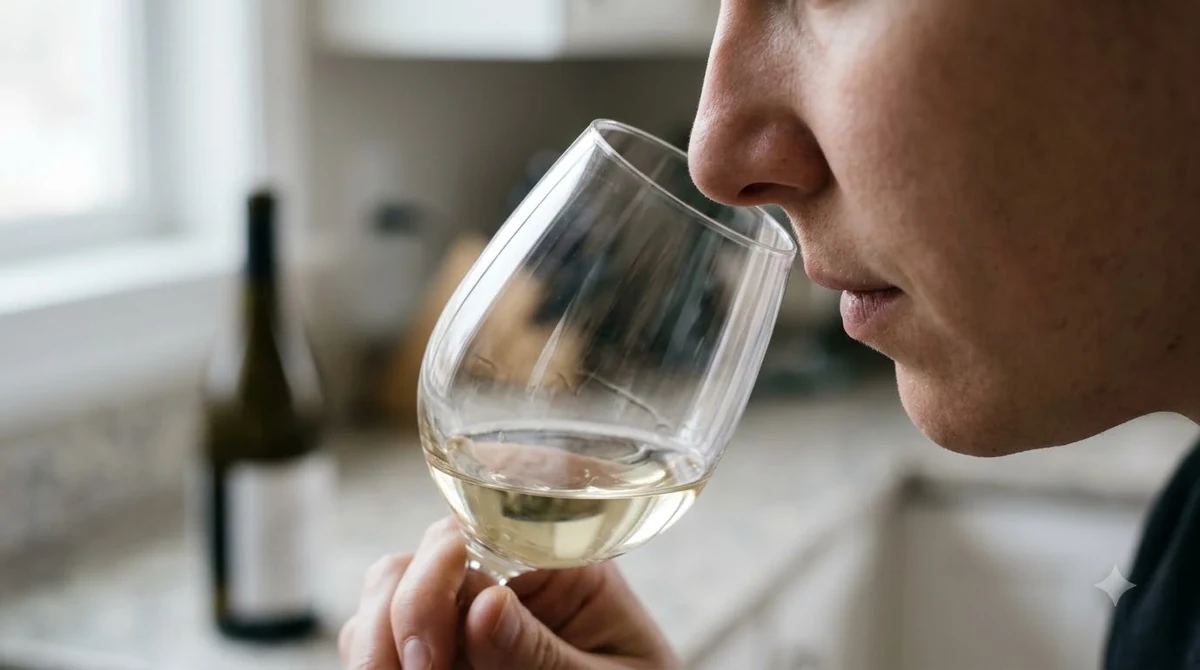
Ham is naturally salty because curing involves salt, and many holiday recipes add another layer of sweetness through honey, maple syrup, brown sugar, or fruit preserves. Riesling handles these competing flavors particularly well. Its acidity refreshes the palate after fatty bites, while its fruit character complements the savory meat and sweet coating.
Look for an off-dry Riesling rather than automatically choosing the driest bottle available. Off-dry means the wine retains a little perceptible sweetness without tasting like dessert wine. This distinction matters because a very dry wine can taste sharper and less fruity beside a sugary glaze. The wine should be at least as sweet as the food it accompanies, especially when the ham has a substantial honey or brown-sugar coating.
German Riesling is a particularly useful starting point. Wines from the Mosel region often combine expressive apple, peach, citrus, and floral notes with lively acidity. Washington State also produces Rieslings that can offer generous fruit and balanced freshness. Both regions provide styles worth considering for an Easter meal.
Riesling is also practical when the menu includes several side dishes. Its acidity works with creamy potatoes, while its fruit character can complement glazed carrots, roasted vegetables, and fruit-based sauces. A bottle with moderate sweetness is often flexible enough to accompany the ham and several supporting dishes without requiring a different wine for every plate.
Total Wine’s wine and ham pairing recommendations identify Riesling as a particularly suitable choice because its acidity and touch of sweetness complement the meat’s richness and the flavors of a glaze.
If you are deciding between a dry and off-dry bottle, consider the glaze before looking at the wine’s region. A lightly seasoned ham may work with dry Riesling, but a heavily honeyed spiral ham usually benefits from the extra sweetness of an off-dry version.
Best Wines for Honey, Brown Sugar, and Fruit Glazes
Sweet Easter ham needs wine with enough sweetness and fruit to match its coating. Off-dry Riesling, Chenin Blanc, and slightly sweet sparkling rosé are particularly dependable choices.
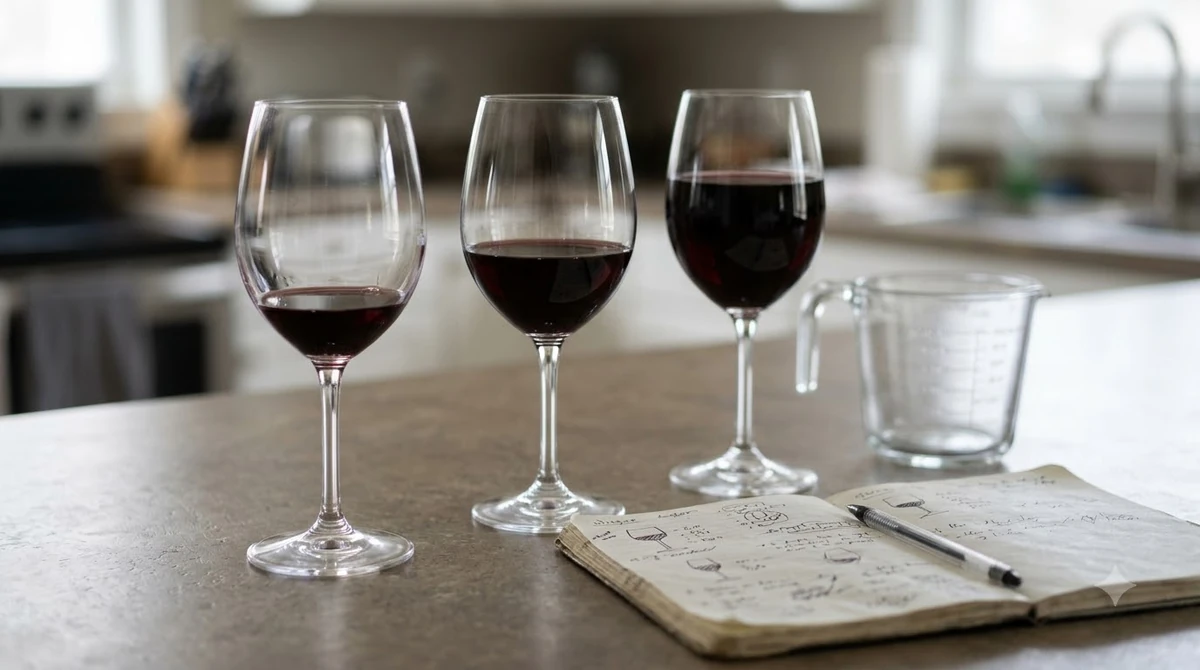
Honey-glazed ham is one of the easiest preparations to pair with Riesling. Honey contributes floral sweetness, while the pork brings salt and savory depth. Riesling’s combination of fruit and acidity connects these flavors without making the meal feel overly rich. A wine with green apple, peach, or citrus character can also provide a refreshing contrast to the glaze.
Brown-sugar ham has a slightly different flavor profile. The sugar caramelizes during baking, creating deeper flavors that can include toasted sugar, molasses, and warm spice. Off-dry Riesling remains a reliable option, but Gewürztraminer can also work particularly well when the recipe includes cloves, cinnamon, or aromatic spices. Its expressive floral and spice notes complement the seasoning.
Chenin Blanc offers another useful alternative. Depending on its production style, it can range from crisp and dry to noticeably sweet. A slightly sweet Chenin Blanc has enough acidity to balance salty pork while matching a honey or fruit glaze. French Vouvray is one familiar place to look for this style.
Choosing wine for different Easter glazes
Pineapple-glazed ham introduces bright tropical fruit flavors and noticeable sweetness. Riesling and Chenin Blanc both work because their acidity complements the fruit rather than competing with it. Sparkling rosé is another attractive option, especially for a festive brunch.
Maple-glazed ham has a richer, darker sweetness. A fruity Riesling can still work, while a ripe Zinfandel may appeal to guests who prefer red wine. Choose a fruit-forward style without excessive tannin or aggressive oak. The goal is to complement the caramelized maple flavors without overwhelming the pork.
For mustard and honey glazes, consider the balance of sweetness and sharpness. Mustard adds acidity and spice, so a fresh Riesling or Chenin Blanc can work particularly well. If the recipe contains plenty of mustard but relatively little sugar, a dry rosé becomes a reasonable alternative.
| Ham preparation | Recommended wine | Why it works |
|---|---|---|
| Honey-glazed | Off-dry Riesling | Matches sweetness and balances salt |
| Brown-sugar glazed | Riesling or Gewürztraminer | Complements caramel and spice |
| Maple-glazed | Riesling or Zinfandel | Matches rich sweetness and fruit flavors |
| Pineapple-glazed | Chenin Blanc or sparkling rosé | Provides freshness against sweet fruit |
| Clove-studded | Gewürztraminer or Zinfandel | Complements aromatic seasoning |
| Smoked and savory | Pinot Noir or dry rosé | Balances smoke with fruit and acidity |
| Country ham | Riesling or sparkling wine | Refreshes the palate after salty bites |
These are starting points rather than rigid rules. The amount of glaze matters just as much as its ingredients. A thin brush of honey does not require the same sweetness in a wine as a thick, sticky coating applied throughout baking.
Tip: Taste a small piece of ham with the glaze before opening the wine. If the glaze tastes distinctly sweet, choose a wine with some sweetness of its own. If the pork remains mostly savory, dry rosé or Pinot Noir may be the better match.
For more specific recommendations, see our guide to what wine goes with honey baked ham, which focuses on the distinctive sweetness and texture of honey-coated pork.
Best Red Wines for Smoked and Savory Easter Ham
Red wine can pair beautifully with Easter ham, provided it has fresh fruit, moderate body, and relatively low tannin. Pinot Noir and Beaujolais are two of the most reliable options.
Pinot Noir is particularly suitable because it typically has high acidity and low-to-medium tannin. Its red cherry, raspberry, and cranberry flavors complement pork without overpowering its natural character. The wine’s freshness also helps balance the richness of fatty ham.
Smoked ham benefits from Pinot Noir’s combination of fruit and savory character. Smoke creates a deeper flavor than a simple baked preparation, and Pinot Noir can complement that character while remaining relatively light. Oregon Pinot Noir is a useful option, as are examples from California’s cooler coastal growing areas.
Beaujolais offers another excellent choice. Made from Gamay, this French red is generally bright, fruity, and relatively low in tannin. Its fresh red-fruit flavors make it especially appealing with smoked ham, roasted pork, and savory preparations that include herbs or mustard.
Beaujolais-Villages is a practical starting point, while wines from the region’s cru villages can offer more structure and complexity. The style is generally easier to serve slightly chilled than a full-bodied red, making it useful for an Easter lunch that begins in the afternoon.
When Zinfandel makes sense
Zinfandel can work with ham when the preparation has concentrated, savory flavors. Its ripe blackberry, raspberry, and spice notes can complement smoked pork, caramelized edges, and brown-sugar glazes. However, the style varies considerably between producers.
Choose a fruit-forward example with moderate tannin rather than an especially powerful, heavily extracted wine. High alcohol can make chili heat feel more intense, so Zinfandel is less suitable when the ham has a strongly spicy coating. It is better suited to savory preparations with black pepper, herbs, and gentle sweetness.
Merlot is another possible red choice. It generally has medium, softer tannins than Cabernet Sauvignon, and its plum and cherry flavors can complement roasted pork. Select a balanced style rather than a heavily oaked example.
Cabernet Sauvignon is usually less successful with traditional Easter ham. Its high tannin can become harsh alongside salty meat, particularly when the ham is sweetly glazed. If guests strongly prefer Cabernet, serve it with a separate beef dish or another component that can better accommodate its structure.
Wine enthusiasts who want to compare seasonal red-wine options can also explore what wine goes with Christmas ham, since many of the same smoked, glazed, and savory preparations appear at both holiday meals.
Why Rosé and Sparkling Wine Work So Well at Easter
Dry rosé and sparkling wine are excellent choices for Easter because they offer freshness, acidity, and flexibility across a meal with several dishes. They are especially useful when guests have different preferences for red and white wine.
Dry rosé combines some of the fruit character associated with red wine with the refreshing acidity of many white wines. Its strawberry, raspberry, watermelon, and citrus notes complement ham without adding excessive sweetness. A dry Provençal-style rosé is a particularly appealing choice for a spring holiday meal.
Rosé is especially successful with savory smoked ham. Its acidity refreshes the palate, while its fruit complements the smoky flavor. It also works with vegetable sides, salads, roasted potatoes, and lighter brunch dishes.
For a sweeter glaze, sparkling rosé is another possibility. Look for a style with enough residual sugar to match the ham. A completely dry sparkling rosé may taste sharper beside a very sweet coating, while a slightly sweeter version can create a more balanced combination.
Choosing sparkling wine for the holiday table
Champagne, Cava, Crémant, and Prosecco all have a place at Easter. Their bubbles create a refreshing contrast with salty, fatty foods, making sparkling wine particularly useful for a buffet or a meal with several courses.
Champagne and Cava undergo their second fermentation in the bottle, which contributes to their characteristic texture and complexity. Prosecco is made primarily from Glera grapes and typically uses the tank method, creating a fresh, fruit-forward sparkling style. Its usual alcohol content is around 11–12% ABV.
Crémant offers another French sparkling option outside the Champagne appellation. Depending on the region and grape varieties, it can show citrus, apple, pear, and subtle pastry notes. A dry example works well with savory ham and appetizers.
Pay attention to the sweetness terminology on sparkling wine labels. The common scale progresses from Brut Nature and Extra Brut through Brut, Extra Dry, Dry, Demi-Sec, and Doux. The names can be confusing: Extra Dry is sweeter than Brut, despite sounding drier.
For a typical honey-glazed ham, Brut or Extra Dry sparkling wine may work depending on the glaze’s sweetness. Demi-Sec is a better candidate when the ham is particularly sweet. For a savory smoked preparation, Brut Cava or Champagne can be a refreshing match.
Vivino’s Easter wine pairing recommendations include Cava, Prosecco, Crémant, and Champagne as sparkling options for holiday brunch. These styles are also useful before dinner, when guests arrive and begin with cheese, appetizers, or small savory bites.
How Easter Side Dishes Change the Wine Pairing
The ham is the main attraction, but side dishes can influence which wine works best across the entire meal. Consider the sweetness, acidity, fat, and seasoning of the supporting dishes before selecting a bottle.
Scalloped potatoes and creamy mashed potatoes contain fat and starch, which can make a wine with bright acidity particularly appealing. Riesling and dry sparkling wine are good choices because they refresh the palate. Chardonnay can also work, especially when the potatoes have a rich cream or cheese sauce.
Roasted carrots, sweet potatoes, and glazed vegetables introduce additional sweetness. If several sweet sides accompany a honey-glazed ham, an off-dry Riesling becomes an even more practical choice. The wine’s sweetness can connect the flavors across the plate.
Green beans, asparagus, and fresh spring salads often bring a more vegetal or herbal character. Sauvignon Blanc is useful with these dishes because of its high acidity and fresh citrus and herb notes. However, a very sharp vinaigrette can make a delicate wine taste less balanced. Select a wine with enough acidity to match the dressing.
Pairing wine with common Easter accompaniments
Deviled eggs can be challenging because their creamy filling and mustard seasoning have strong flavors. Brut sparkling wine is a useful choice, while dry rosé can work when the filling is not excessively rich.
Macaroni and cheese generally benefits from a wine with enough acidity to balance its creamy texture. Chardonnay can work with a richer baked version, while Riesling is a good alternative when the dish sits beside sweet ham.
Fruit salads and pineapple-based side dishes reinforce the case for Riesling or Chenin Blanc. If dessert follows immediately after the main course, consider keeping a sweeter white wine available. A dessert wine should be at least as sweet as the dessert so that it does not taste thin or sour.
For a menu featuring several different preparations, dry rosé and sparkling wine are particularly convenient. They can accompany appetizers, savory ham, salads, and many vegetable dishes without becoming overly dominant.
For additional ideas on matching individual dishes and wine styles, see our Wine Pairing resource.
Serving Temperatures, Portions, and Planning for Easter Dinner
Serving temperature can change how a wine tastes alongside ham. Keep white, rosé, and sparkling wines properly chilled, while serving lighter reds slightly cool rather than at warm room temperature.
Riesling is best served around 45–50°F. This temperature preserves its refreshing acidity and fruit while keeping the wine lively. A bottle that becomes excessively cold may seem less expressive, so remove it from the refrigerator briefly if necessary.
Dry rosé and light white wines also work well around 45–50°F. Full-bodied Chardonnay is better served slightly warmer, around 50–55°F, allowing its texture and aromas to become more noticeable.
Pinot Noir and Beaujolais should generally be served around 55–60°F. Cooling these reds slightly emphasizes their fresh fruit and acidity without suppressing their aromas. Full-bodied reds can be served around 60–65°F, although powerful tannic examples are still not ideal for sweet or salty ham.
Sparkling wine should be served around 40–50°F. This keeps the bubbles lively and provides a refreshing contrast with rich foods. Demi-Sec and other sweet sparkling wines also benefit from a chilled serving temperature.
How much wine should you buy?
A standard wine bottle contains 750 milliliters and provides approximately five glasses when each serving is 5 ounces. For a dinner lasting several hours, one bottle for every two guests is a reasonable starting point if most adults will drink wine.
For example, a gathering of 10 adults would need approximately five bottles for one glass per person per course equivalent to five glasses per bottle. If guests will have several pours throughout dinner, plan for additional bottles. A mixture of two whites, two reds, and one sparkling wine offers variety without requiring an excessively large selection.
For a smaller Easter brunch, two or three different styles may be sufficient. One off-dry Riesling, one Pinot Noir, and one sparkling wine cover a broad range of preferences and preparations.
Opening and storing wine
Most Easter pairings do not require lengthy decanting. Young, full-bodied reds can benefit from 30–60 minutes of air, but Pinot Noir and Beaujolais are often ready shortly after opening. Sparkling wine should be opened shortly before serving to preserve its bubbles.
If wine remains after dinner, refrigerate opened bottles promptly. Sparkling wine generally keeps for 1–3 days with an appropriate sparkling-wine stopper, while still wines usually remain enjoyable for 3–5 days depending on the wine and storage conditions. Fortified wines can last several weeks after opening, and bag-in-box wines generally keep for 4–6 weeks once opened.
Unopened bottles should be stored away from direct sunlight and significant temperature changes. A storage temperature near 55°F is a useful target, and bottles with natural corks are generally best kept on their sides.
Frequently Asked Questions
What is the single best wine for Easter ham?
Off-dry Riesling is the most versatile choice for traditional Easter ham. Its combination of acidity and residual sugar works with both the saltiness of cured pork and the sweetness of common glazes. A German Kabinett Riesling is one style worth exploring for this purpose.
Should Easter ham be paired with wine from a particular region?
No particular region is required, but Germany’s Mosel region is a useful starting point for Riesling. Oregon’s Willamette Valley is another recognized source of Pinot Noir, while France’s Loire Valley offers Chenin Blanc and Vouvray styles. The wine’s sweetness, acidity, and body matter more than its country of origin.
Does rosé Champagne work with Easter ham?
Yes. Rosé Champagne can complement ham through its bubbles, acidity, and red-fruit character. It is particularly suitable for a festive brunch that includes smoked ham, soft cheeses, and savory appetizers.
Can Easter ham be paired with nonalcoholic wine?
Yes. Nonalcoholic sparkling wines and dealcoholized Riesling-style wines can provide fruit and refreshing acidity. For sweet-glazed ham, choose a version with noticeable sweetness rather than a very dry alternative. Serving it chilled can also help maintain a refreshing contrast with the meal.
What wine should be served with leftover Easter ham sandwiches?
Leftover ham sandwiches often include mustard, cheese, and bread, making dry rosé or light Pinot Noir useful choices. A crisp sparkling wine also works with salty ham and creamy cheese. If the sandwich includes a sweet fruit chutney, an off-dry Riesling can be a better match.
For most Easter celebrations, off-dry Riesling is the easiest wine to serve with ham, while Pinot Noir, Beaujolais, rosé, and sparkling wine provide excellent alternatives. Match the bottle to the glaze and the side dishes rather than following a simple red-meat-with-red-wine rule. With the right balance of sweetness, acidity, and fruit, the wine can complement the entire holiday meal.
More in Food & Wine Pairing
 Risotto With White Wine Recipe: Make a Creamy Dinner at HomeUpdated Nov 20, 2026
 Wassail With Wine Recipe for a Festive Spiced Holiday DrinkUpdated Nov 20, 2026
 Spritz Veneziano Recipe: Make a Classic Venetian Aperitivo at HomeUpdated Nov 20, 2026
 Summer Wine Punch Recipe for Easy Homemade EntertainingUpdated Nov 20, 2026
 Bishop Recipe: How to Make a Bright, Citrus-Forward Red Wine CocktailUpdated Nov 20, 2026
 Wine Cupcakes Recipe: Bake Rich Chocolate Cupcakes at HomeUpdated Nov 20, 2026