

We may earn a commission when you buy through links on this page, at no extra cost to you. Learn more.
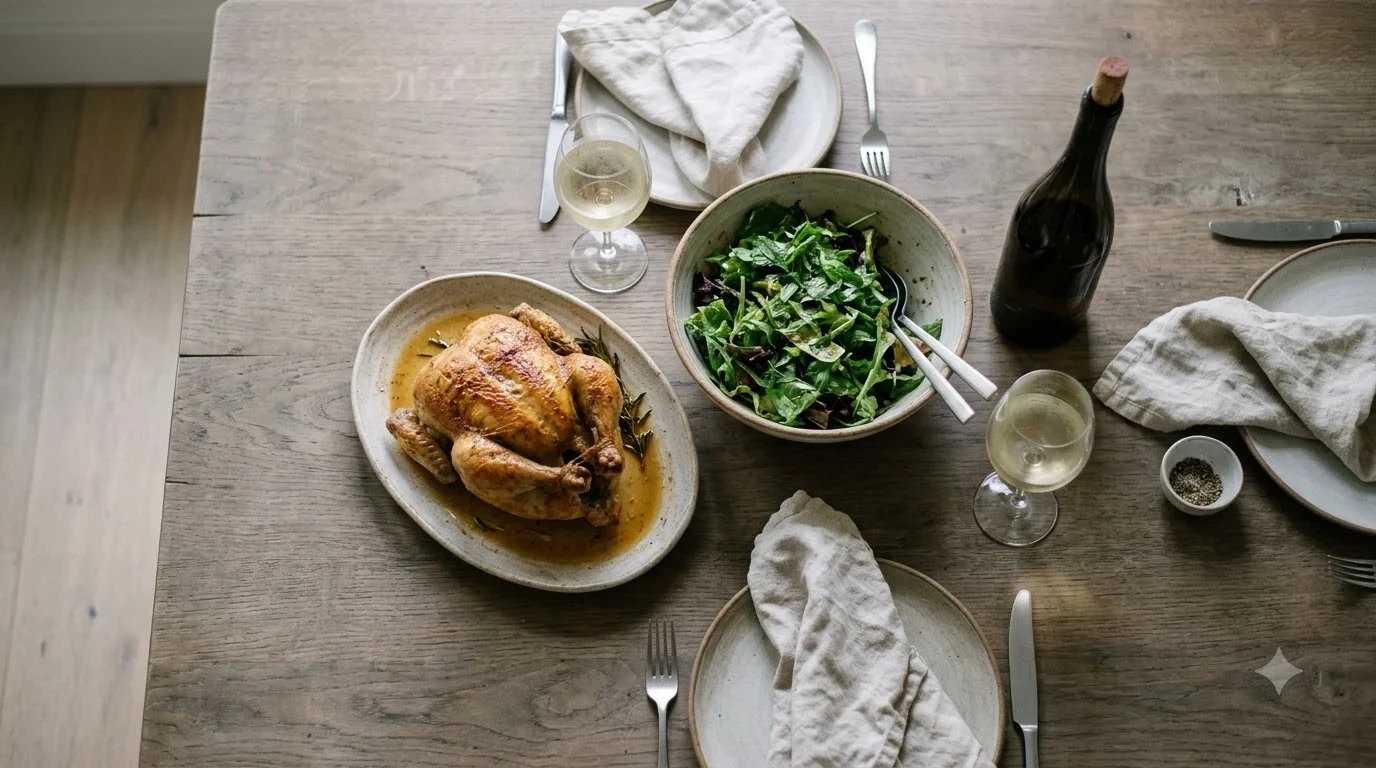
What wine goes with garlic chicken? Sauvignon Blanc is an excellent all-around choice, especially for chicken seasoned with fresh garlic, herbs, and lemon. Chardonnay is better for creamy garlic butter preparations, while Pinot Noir, dry rosé, and sparkling wine offer appealing alternatives for roasted, grilled, and fried versions. The best bottle depends on how strongly the garlic comes through, how the chicken is cooked, and whether the sauce contains butter, cream, citrus, or other seasonings. Matching the wine’s acidity and body to those ingredients produces a more balanced meal than choosing a bottle based on the chicken alone.
Garlic chicken can range from a simple skillet dinner with olive oil and minced garlic to golden roasted chicken covered in garlic butter or a creamy Parmesan sauce. These preparations have different levels of richness, acidity, and aromatic intensity, so they do not all call for the same wine. Fortunately, several familiar grapes make excellent companions. Sauvignon Blanc brings freshness, Chardonnay provides texture, and Pinot Noir offers a lighter red option for people who prefer red wine with dinner.
Best Wines for Garlic Chicken and Why They Work
Sauvignon Blanc is the strongest starting point for most garlic chicken recipes, while Chardonnay is particularly effective with butter and cream. Dry rosé and Pinot Noir provide additional flexibility when the chicken is roasted, grilled, or served with substantial side dishes.
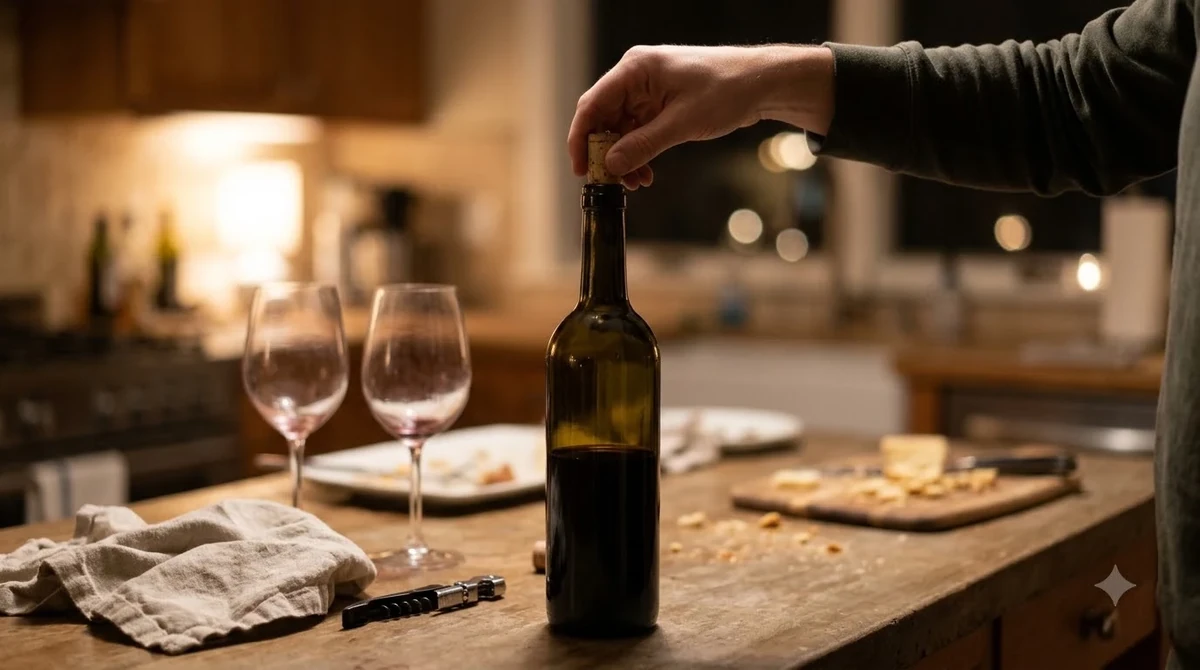
The reason these wines work is that garlic is an aromatic ingredient rather than a source of substantial sweetness or fat. Its intensity can dominate a delicate wine, particularly when it is used raw or added near the end of cooking. A wine with fresh acidity and noticeable fruit can stand alongside garlic without making the entire meal feel heavy.
Sauvignon Blanc: This grape is especially suitable for garlic chicken with parsley, thyme, lemon, or olive oil. Its naturally high acidity and citrus-driven character complement fresh herbs and help refresh the palate between bites. Sauvignon Blanc from Marlborough in New Zealand often has pronounced citrus and herbal notes, while examples from the Loire Valley in France can be more restrained and mineral-driven.
Chardonnay: Choose Chardonnay when the recipe contains butter, cream, roasted garlic, or browned chicken skin. Its medium acidity and fuller texture give it enough presence for a richer preparation. An unoaked or lightly oaked Chardonnay works for straightforward garlic chicken, while a more substantial oak-aged version can complement a creamy sauce.
Dry rosé: A dry rosé from Provence or another Mediterranean region offers refreshing acidity alongside gentle red-fruit flavors. It is particularly useful when garlic chicken is served with tomatoes, roasted vegetables, olives, or Mediterranean herbs. A fuller, darker rosé can also stand up to grilled chicken without introducing the drying tannins of a substantial red wine.
Pinot Noir: This is a good red-wine choice for roasted garlic chicken, mushrooms, and browned skin. Pinot Noir generally has low-to-medium tannin and high acidity, making it less likely to overpower chicken than Cabernet Sauvignon. Its red-cherry and earthy flavors can complement caramelized garlic and savory pan juices.
For another perspective on chicken pairings, Decanter’s chicken and wine pairing advice also highlights Chardonnay, aromatic whites, rosé, and lighter reds as useful options. The common principle is to match the wine to the finished preparation rather than assuming all chicken requires white wine.
For a quick comparison, the following table summarizes the most useful choices.
| Wine | Best Garlic Chicken Style | Main Pairing Benefit | Serving Temperature |
|---|---|---|---|
| Sauvignon Blanc | Lemon and herb garlic chicken | High acidity and fresh citrus | 45–50 F |
| Chardonnay | Garlic butter or creamy chicken | Fuller body and balanced richness | 50–55 F |
| Pinot Noir | Roasted garlic chicken | Soft tannins and bright acidity | 55–60 F |
| Dry rosé | Grilled garlic chicken | Fruit, freshness, and versatility | 45–50 F |
| Dry sparkling wine | Fried garlic chicken | Bubbles and refreshing acidity | 40–50 F |
| Riesling | Garlic chicken with chili | High acidity and optional gentle sweetness | 45–50 F |
These temperatures are practical serving ranges rather than strict requirements. The main objective is to keep whites refreshing, reds from becoming overly warm, and sparkling wines lively. If only one bottle is being served to a mixed group, a dry rosé or Sauvignon Blanc is a particularly adaptable choice.
How Garlic Preparation Changes the Wine Pairing
Raw garlic, sautéed garlic, and roasted garlic have noticeably different flavor intensities. The longer garlic cooks, the softer and sweeter its character generally becomes, which changes how much acidity and aromatic intensity the accompanying wine needs.
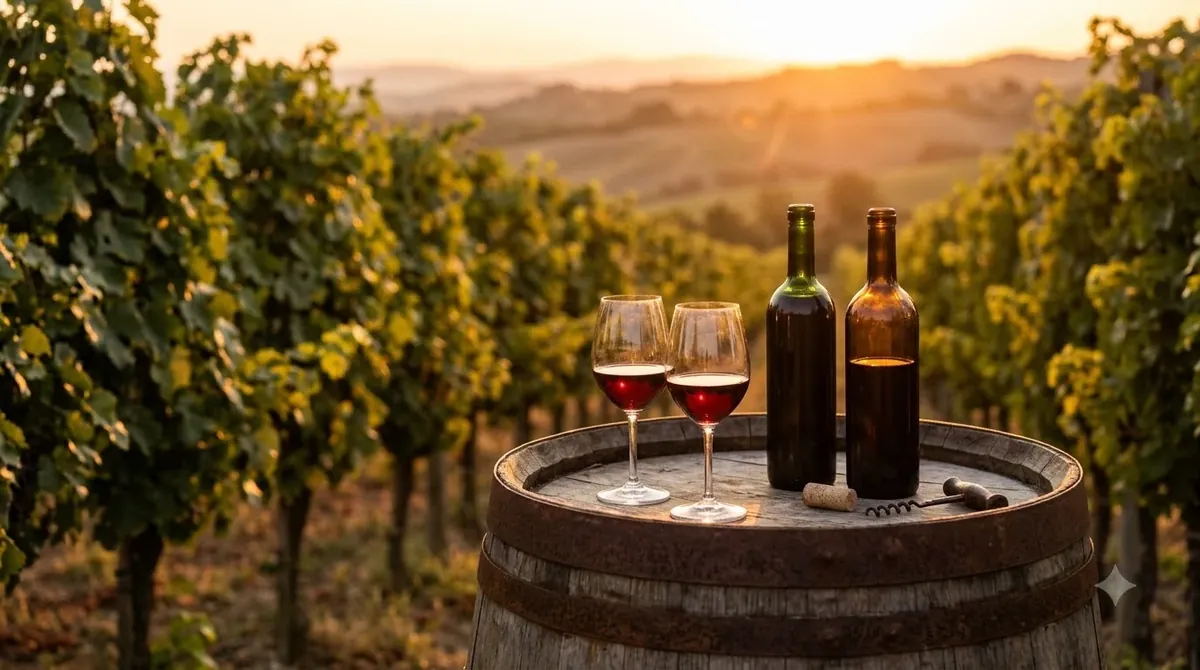
Fresh garlic has a sharp, pungent character that can make a delicate wine seem muted. Roasted garlic, on the other hand, develops a softer, rounder flavor that works with wines offering more body and fruit. This difference is important because a recipe calling for six roasted garlic cloves can have a very different pairing requirement from one finished with a spoonful of freshly minced garlic.
Fresh and raw garlic
Garlic added near the end of cooking or used in a fresh sauce has a pronounced bite. Choose a high-acid white such as Sauvignon Blanc, Vermentino, Picpoul de Pinet, or Chablis. These wines have enough freshness to stand alongside the pungency without adding heavy oak or firm tannins.
Garlic mayonnaise and aioli create another pairing situation. Their combination of raw garlic and oil benefits from acidity and a clean finish. A dry sparkling wine is particularly useful because its bubbles refresh the palate after the rich sauce. Dry rosé is another practical option, especially if the chicken is served cold or at room temperature.
Sautéed garlic
Garlic cooked briefly in olive oil or butter becomes more rounded while retaining much of its savory character. Sauvignon Blanc remains an excellent option, but Pinot Gris and lightly oaked Chardonnay become more attractive as well.
Consider the other ingredients in the pan. If garlic is sautéed with parsley, lemon, and olive oil, a citrus-driven white will be the most natural match. If the recipe uses butter, shallots, and chicken stock, Chardonnay offers a fuller texture that can match the sauce without overwhelming the chicken.
Roasted garlic
Roasting softens garlic and brings out a sweeter, almost nutty flavor. The result works especially well with Chardonnay, Pinot Noir, and fuller dry rosé. These wines have enough flavor to complement the deeper savory notes created by browning.
Roasted garlic chicken served with potatoes or mushrooms can also support a light red from Beaujolais. Gamay, the principal grape of Beaujolais, generally produces juicy wines with relatively low tannin and lively acidity. This combination is particularly appealing during cooler months when the chicken has more substantial roasted accompaniments.
Wine writer Fiona Beckett discusses this distinction in her explanation of garlic and wine pairing, emphasizing that cooking time changes garlic’s intensity and that crisp whites are particularly useful with raw garlic. The practical takeaway is simple: choose brighter wines for sharper garlic and rounder wines for slowly cooked garlic.
Tip: If you are uncertain about the garlic intensity, start with a dry Sauvignon Blanc. It works with fresh garlic, parsley, and lemon, while still having enough flavor for ordinary sautéed garlic chicken. Move toward Chardonnay when butter, cream, or roasted garlic becomes the dominant feature.
Choosing Wine for Garlic Butter and Creamy Chicken
Garlic butter chicken and creamy garlic chicken generally pair best with medium-bodied or fuller-bodied white wines. Chardonnay is the most dependable option because its texture complements the richness of butter, cream, and browned chicken without relying on strong tannins.
Butter coats the palate and gives the dish a smooth, rich texture. A very light wine may disappear beside it, while a heavily tannic red can make the combination feel drying. Chardonnay has enough body to remain noticeable, and its acidity provides contrast to the fat.
Garlic butter chicken
For chicken cooked in butter, garlic, parsley, and a little chicken stock, try a lightly oaked Chardonnay. The wine’s rounded texture complements the butter, while its acidity helps prevent the meal from feeling too heavy.
California Chardonnay can offer ripe apple, citrus, and gentle vanilla flavors. White Burgundy, made from Chardonnay, is another possibility, particularly when you prefer a more restrained style. Choose a bottle with sufficient freshness rather than one dominated by strong oak flavors.
If the butter sauce contains lemon juice, Sauvignon Blanc becomes a stronger competitor. Its high acidity complements the citrus and cuts through the richness. The choice between Chardonnay and Sauvignon Blanc therefore depends on whether butter or lemon is the more noticeable ingredient.
Creamy garlic chicken
Cream sauces need a wine with enough body to match their texture. Chardonnay is a natural choice for chicken with heavy cream, Parmesan, mushrooms, or a garlic cream reduction. A moderately oaked style can complement the savory and slightly nutty flavors of browned cheese.
Viognier is another interesting option. It generally has a fuller body and expressive aromas of peach, apricot, and flowers. Its aromatic character can complement garlic and herbs, although a particularly rich version should be chosen carefully if the sauce is already very heavy.
For creamy chicken with mushrooms, Pinot Noir can work when the sauce includes browned mushrooms, stock, and roasted garlic rather than a large amount of cream. The wine’s fruit and earthy notes provide an attractive connection to the mushrooms. A heavily creamy preparation, however, usually favors Chardonnay.
Garlic Parmesan chicken
Parmesan adds salt, savory depth, and a slightly nutty character. These qualities work well with Chardonnay, especially versions that have some texture from barrel aging or lees contact. A crisp Pinot Gris is a lighter alternative when the cheese is used as a garnish rather than the foundation of a thick sauce.
Salt and fat can also soften the perception of tannin, which means a gentle red wine may work with a sufficiently rich Parmesan preparation. However, Pinot Noir remains a safer choice than a young Cabernet Sauvignon because it has less tannic structure.
If the recipe is especially rich, serve moderate portions and keep the wine cool enough to retain freshness. A Chardonnay served at 50–55 F is a good starting point for this style of meal.
Wine for Lemon, Herb, and Grilled Garlic Chicken
Lemon and fresh herbs make garlic chicken brighter and more aromatic, so high-acid whites and dry rosé are particularly suitable. Sauvignon Blanc is the leading option, while Grüner Veltliner, Vermentino, and dry Riesling offer useful alternatives.
Lemon changes the balance of the entire dish. Its acidity can make a soft, low-acid wine seem flat, even if that same wine would work well with plain roasted chicken. A wine with equal or higher acidity is generally the better choice for a lemon-forward recipe.
Lemon garlic chicken
Sauvignon Blanc is an excellent match for chicken prepared with lemon juice, garlic, parsley, and olive oil. Its citrus aromas echo the lemon, while its fresh acidity complements the sauce. New Zealand Sauvignon Blanc is a recognizable option, but Sauvignon Blanc from Sancerre or other parts of the Loire Valley can offer a more restrained alternative.
Vermentino is another strong choice, particularly for Mediterranean-style chicken with lemon, olives, oregano, and olive oil. It often has citrus, herbal, and sometimes lightly saline characteristics that complement the ingredients without making the combination feel heavy.
For a slightly softer alternative, Pinot Grigio can work with lightly seasoned lemon chicken. Look for a fresh, dry style rather than a wine with excessive weight or sweetness. The goal is to preserve the bright character of the dish.
Herb-roasted chicken
Garlic chicken with rosemary, thyme, sage, or parsley can pair with both aromatic whites and lighter reds. Sauvignon Blanc is a dependable white choice, while Pinot Noir and Gamay provide attractive red alternatives.
Grüner Veltliner from Austria deserves consideration when the recipe includes fresh herbs and black pepper. Its acidity and subtle peppery character can complement seasoning without overpowering the chicken. It is especially useful with roasted vegetables and potatoes.
Dry rosé is also effective when several herbs are used together. A Provence-style rosé typically offers refreshing acidity and delicate fruit, while a fuller rosé can provide more presence for browned chicken skin and savory pan juices.
Grilled garlic chicken
Grilling introduces smoky flavors and browned edges that increase the dish’s intensity. Sauvignon Blanc still works, but dry rosé and Pinot Noir become more appealing when the chicken has noticeable char.
For chicken marinated in garlic, olive oil, oregano, and lemon before grilling, choose a crisp white or rosé. If the marinade includes smoked paprika, black pepper, and roasted peppers, a fruit-forward Pinot Noir or Gamay can provide a more substantial pairing.
Avoid automatically choosing a powerful red simply because the chicken has been grilled. Heavy tannins can overpower lean white meat, particularly when the marinade does not contain enough fat to soften them. A lighter red with fresh acidity usually gives a more balanced result.
Red Wine, Rosé, and Sparkling Wine Alternatives
Garlic chicken does not have to be served with white wine. Pinot Noir, Gamay, dry rosé, and dry sparkling wine can all work, provided their body, acidity, and tannin match the preparation.
The important distinction is the wine’s structure. Chicken is relatively mild, so a powerful red can overwhelm the meat and garlic. Lighter reds have enough fruit and acidity to complement roasted flavors while keeping tannins under control.
Pinot Noir for roasted garlic chicken
Pinot Noir is one of the best red wines for garlic chicken. Its low-to-medium tannin, high acidity, and red-fruit character suit roasted poultry, mushrooms, and savory herbs.
Oregon Pinot Noir and red Burgundy are useful styles to explore. Oregon examples can offer bright cherry and earthy notes, while Burgundy provides another expression of Pinot Noir with varying levels of fruit, freshness, and savory character.
Serve Pinot Noir slightly cool at 55–60 F. This temperature helps preserve its freshness and prevents the alcohol from becoming too noticeable. A 30-minute chill in the refrigerator can help if the bottle has been stored at a warmer room temperature.
Gamay for simple garlic chicken
Gamay from Beaujolais is a particularly flexible option for chicken with roasted garlic, herbs, and potatoes. It generally has juicy fruit, refreshing acidity, and modest tannin, making it approachable alongside relatively lean meat.
Beaujolais-Villages is a useful starting point, while wines from individual Beaujolais cru villages can offer greater depth and structure. Morgon and Fleurie are two examples worth exploring for their different expressions of the grape.
Gamay can also be served slightly chilled. This makes it suitable for summer meals featuring grilled chicken, roasted vegetables, and a fresh green salad.
Dry rosé for mixed preparations
Dry rosé is one of the easiest choices when garlic chicken has several accompanying ingredients. Its acidity and red-fruit character can work with herbs, tomatoes, olives, roasted peppers, and moderately rich sauces.
Provence rosé is particularly appropriate for Mediterranean-style garlic chicken. A darker Tavel rosé from France can offer more body and structure for a richer preparation. Spanish rosado is another option, especially when the dish includes paprika or roasted peppers.
Pay attention to sweetness. A dry rosé is generally more appropriate for savory garlic chicken than a noticeably sweet style. If the chicken includes chili, a slightly fruitier rosé can be more comfortable, but excessive alcohol and tannin should still be avoided.
Sparkling wine for fried garlic chicken
Fried garlic chicken has a crisp coating and more fat than a simple roasted breast. Dry sparkling wine works particularly well because its acidity and bubbles refresh the palate after each bite.
Traditional-method sparkling wines such as Champagne and Cava undergo their second fermentation in the bottle. Their acidity and fine bubbles make them useful with fried chicken, especially when the coating contains garlic, herbs, and salt.
Prosecco is another option, although its production method is different. It is primarily made from Glera and generally uses the tank method. A Brut or Extra Brut style is preferable when the chicken is savory rather than sweet.
Serve sparkling wine at 40–50 F. The cooler temperature keeps the wine refreshing and helps preserve the impression of lively bubbles.
Matching Garlic Chicken Sauces, Sides, and Seasonings
The sauce and side dishes can change the best wine choice even when the chicken recipe remains the same. Butter, lemon, mushrooms, tomatoes, chili, and roasted vegetables each introduce different pairing requirements.
Think about the dominant flavor on the plate rather than treating garlic as the only ingredient. A chicken breast with garlic and lemon is a different pairing from fried chicken with garlic mayonnaise or chicken with a spicy tomato sauce.
Mushrooms and roasted vegetables
Mushrooms introduce earthy, savory flavors that work well with Pinot Noir and Chardonnay. A roasted garlic chicken dinner with mushrooms, carrots, and potatoes can therefore support either a medium-bodied white or a lighter red.
For a white wine, try a Chardonnay with moderate oak influence. For a red, choose Pinot Noir with good acidity and relatively restrained tannin. Avoid very young, heavily tannic reds because the chicken itself may not have enough fat to soften them.
Tomatoes and Mediterranean ingredients
Tomatoes add acidity and sometimes sweetness, depending on how they are prepared. A dry rosé or Sauvignon Blanc can work with garlic chicken served with cherry tomatoes, olives, oregano, and roasted peppers.
If the tomato sauce is particularly tangy, choose a wine with similarly noticeable acidity. Pinot Noir can also work if the dish has roasted vegetables and enough savory depth to support a red.
Chili and spicy garlic chicken
Chili changes the pairing more significantly than garlic alone. Alcohol and tannin can make perceived heat more intense, so a powerful red is rarely the best choice for very spicy chicken.
Riesling is an excellent alternative. A dry or off-dry Riesling has naturally high acidity, and a little residual sweetness can help balance chili heat. German Riesling is particularly useful when the dish contains chili, ginger, garlic, or a slightly sweet glaze.
Gewürztraminer is another possibility for strongly aromatic chicken dishes. Its floral and tropical-fruit character can complement ginger, spices, and garlic. Choose a style with enough freshness to avoid making an already rich sauce feel heavier.
Rice, potatoes, and vegetables
Plain rice does not usually change the wine pairing dramatically. However, garlic rice cooked in butter or chicken stock increases the richness of the meal, making Chardonnay or Pinot Gris more attractive.
Roasted potatoes provide another reason to consider Chardonnay or Pinot Noir. Their browned edges and savory texture complement the roasted character of garlic chicken. Steamed green vegetables and fresh salads, meanwhile, generally favor crisp whites and dry rosé.
If the meal includes several different sides, a versatile dry rosé or Sauvignon Blanc is often the simplest solution. These wines have enough freshness to handle vegetables and enough flavor to remain noticeable alongside seasoned chicken.
For other chicken preparations with different seasoning profiles, the recommendations for what wine goes with butter chicken, what wine goes with BBQ chicken, and what wine goes with chicken curry provide useful comparisons. The Wine Pairing fundamentals also help explain why acidity, body, sweetness, and tannin matter as much as the main ingredient.
Serving Temperature and Practical Pairing Tips
Serving temperature affects how a wine’s acidity, fruit, alcohol, and tannin are perceived. For garlic chicken, whites should remain refreshing, reds should be slightly cool, and sparkling wines should be properly chilled.
Even a well-chosen bottle can seem unbalanced if it is served too warm. Warm Chardonnay can feel heavy beside butter sauce, while warm Pinot Noir may lose some of its refreshing character. Cooling wine to an appropriate temperature helps maintain balance throughout the meal.
Recommended serving temperatures
Use these practical ranges when preparing a garlic chicken dinner:
- Sauvignon Blanc: 45–50 F for fresh acidity and citrus character.
- Chardonnay: 50–55 F to preserve freshness while allowing its texture and aromas to show.
- Pinot Noir: 55–60 F to keep its fruit lively and tannins approachable.
- Gamay: 55–60 F, with a slight chill suitable for lighter preparations.
- Dry rosé: 45–50 F for a refreshing finish.
- Riesling: 45–50 F, particularly for lemony or spicy chicken.
- Sparkling wine: 40–50 F to preserve its refreshing bubbles.
These ranges are especially useful when serving several wines at one dinner. For example, a Sauvignon Blanc can be poured with lemon garlic chicken, followed by a slightly cooler-than-room-temperature Pinot Noir with roasted mushrooms and potatoes.
Choose the wine according to the sauce
When choosing between two bottles, consider the sauce first. Butter and cream usually favor Chardonnay, while lemon and fresh herbs favor Sauvignon Blanc. Roasted garlic and mushrooms make Pinot Noir more attractive, and chili suggests Riesling with some residual sweetness.
It is also useful to consider how the chicken is cooked. Fried chicken has more fat and benefits from sparkling wine. Grilled chicken develops smoky flavors that work with rosé and light reds. Roasted chicken has browned, savory notes that can support Chardonnay or Pinot Noir.
Keep tannin and alcohol in balance
Cabernet Sauvignon, young Syrah, and other strongly tannic reds are generally less suitable for plain garlic chicken. Their drying structure can dominate the mild meat, particularly when the recipe contains little butter or oil.
Merlot is a softer alternative, although its medium tannin can still be more noticeable than the structure of Pinot Noir. If red wine is preferred, choose a lighter-bodied style with fresh acidity rather than an intensely concentrated bottle.
Alcohol matters as well. A high-alcohol wine can make chili heat feel stronger, so avoid pairing spicy garlic chicken with a powerful red. A fresh Riesling or lower-alcohol aromatic white is usually a more comfortable choice.
How much wine to serve
A standard wine pour is approximately 5 ounces. A 750 ml bottle contains about five standard glasses, which is generally sufficient for a small dinner table when wine is served alongside the meal.
If serving two wines, use smaller pours of each so guests can compare the combinations without excessive leftovers. A Sauvignon Blanc and Chardonnay pairing is especially useful for a meal that includes both lemon garlic chicken and creamy garlic potatoes.
After opening, refrigerate leftover still wine and aim to consume it within 3–5 days. A sparkling wine is generally best within 1–3 days when properly sealed and refrigerated. Keeping opened bottles cool helps preserve their freshness and aromatic character.
Frequently Asked Questions
Does garlic make wine taste different?
Yes. Garlic can change how wine’s aromas and flavors are perceived, particularly when used raw or in large quantities. Its pungency can make delicate wines seem less expressive, which is one reason aromatic, high-acid whites are useful with strongly seasoned dishes. Cooked garlic is generally easier to pair because its flavor becomes softer.
Can you cook garlic chicken with the same wine you serve?
Yes. A dry white wine can be used to deglaze the pan after browning chicken and garlic. Sauvignon Blanc, Pinot Grigio, and unoaked Chardonnay are practical choices for this purpose. Avoid using a wine that is noticeably sweet or heavily oaked unless those characteristics are specifically intended for the sauce.
Is organic wine suitable for garlic chicken?
Yes. Organic certification does not determine whether a wine will pair successfully with food. Its grape variety, acidity, body, sweetness, and tannin remain the more important considerations. An organic Sauvignon Blanc can work just as well as another dry Sauvignon Blanc with lemon and garlic chicken.
Does garlic chicken pair with orange wine?
It can. Orange wine is made from white grapes fermented with their skins, which can contribute additional texture, color, and tannin. A fresh, moderately structured example can complement roasted garlic, herbs, and browned chicken skin. Particularly tannic versions are less suitable for a simple, lean chicken breast.
Should you aerate wine before serving garlic chicken?
Most Sauvignon Blanc, Pinot Grigio, and sparkling wines do not require extended aeration. A young, fuller-bodied red such as Pinot Noir may benefit from a short period in the glass, while a young, particularly concentrated red may benefit from approximately 30–60 minutes of decanting. Older delicate wines generally need more careful handling rather than prolonged exposure to air.
For most garlic chicken dinners, Sauvignon Blanc is the easiest starting point, while Chardonnay is the better choice for buttery and creamy preparations. Pinot Noir, dry rosé, Riesling, and sparkling wine provide excellent alternatives depending on the cooking method and seasoning. Match the wine to the sauce, keep serving temperatures appropriate, and the garlic chicken will have a balanced, flavorful companion.
More in Food & Wine Pairing
 Risotto With White Wine Recipe: Make a Creamy Dinner at HomeUpdated Nov 20, 2026
 Wassail With Wine Recipe for a Festive Spiced Holiday DrinkUpdated Nov 20, 2026
 Spritz Veneziano Recipe: Make a Classic Venetian Aperitivo at HomeUpdated Nov 20, 2026
 Summer Wine Punch Recipe for Easy Homemade EntertainingUpdated Nov 20, 2026
 Bishop Recipe: How to Make a Bright, Citrus-Forward Red Wine CocktailUpdated Nov 20, 2026
 Wine Cupcakes Recipe: Bake Rich Chocolate Cupcakes at HomeUpdated Nov 20, 2026