


We may earn a commission when you buy through links on this page, at no extra cost to you. Learn more.
Fortified wine food pairing works best when you match the wine’s sweetness, intensity, and aging character with the food, such as Ruby Port with dark chocolate, Fino Sherry with seafood, and Tawny Port with roasted nuts. Fortified wines include dry, savory, nutty, and sweet styles, so they can accompany appetizers, main courses, cheese boards, and desserts. The most useful starting point is identifying whether your bottle is dry or sweet and whether it tastes fresh and fruity or developed and nutty. Once you understand those differences, choosing a suitable dish becomes much easier.
Port, Sherry, Madeira, and Marsala are often associated with after-dinner drinking, but their food-pairing potential extends well beyond dessert. Some work particularly well with salty appetizers and seafood, while others complement roasted poultry, aged cheeses, chocolate, and caramel desserts. This guide explains how to select the right style, build balanced combinations, and serve fortified wine throughout a meal.
Understand Sweetness, Alcohol, and Flavor Before Pairing
The best fortified wine pairing begins with three characteristics: sweetness, alcohol strength, and flavor intensity. Matching these qualities with the dish helps prevent the wine from overwhelming the food or becoming unpleasantly thin and alcoholic beside it.

Fortified wine is made by adding grape spirit to wine during or after fermentation. Depending on when the spirit is introduced, the finished wine may retain considerable natural grape sugar or become relatively dry. Many familiar examples contain approximately 15-20% alcohol by volume, although Port can reach approximately 19-22% ABV and Madeira commonly falls around 17-18% ABV, according to Wine Enthusiast.
Sweetness is particularly important with dessert. A wine should be at least as sweet as the food accompanying it. Otherwise, a sweet pastry, chocolate filling, or fruit tart can make the wine seem sour, bitter, or excessively alcoholic. A naturally sweet Pedro Ximénez Sherry, for example, can handle rich desserts that would overwhelm a dry Fino.
Alcohol also influences how a pairing feels. High-alcohol wines can make chili heat seem stronger, so heavily spiced dishes are generally difficult partners for powerful fortified wines. Salt and fat, on the other hand, can soften the perception of tannin. This is one reason salty blue cheese works well with structured Vintage Port.
Recognize the main flavor categories
- Fresh fruit: Ruby Port and younger fortified wines work with berries, chocolate, and fruit-based dishes.
- Nutty and oxidative flavors: Tawny Port, Oloroso Sherry, and aged Madeira complement roasted nuts, caramel, and aged cheeses.
- Dry and savory flavors: Fino and Manzanilla Sherry are suitable for olives, seafood, cured meats, and salty appetizers.
- Concentrated sweetness: Pedro Ximénez, sweet Marsala, and rich Madeira work with desserts and strong-flavored cheeses.
Think about intensity as well as sweetness. A delicate seafood appetizer needs a different wine from a slow-roasted duck dish, even if both are served during the same meal. The goal is to let the food and wine contribute equally rather than allowing one to dominate.
Acidity matters, too. A dish with lemon, vinegar, or another strongly acidic ingredient generally needs a wine with equal or greater acidity to avoid making the wine seem flat. For more general principles involving sweetness, acidity, tannin, and texture, see our Wine Pairing guide.
Port Pairings for Cheese, Chocolate, and Savory Meals
Port is one of the most versatile fortified wines for food because its different styles range from fruity and concentrated to nutty and oxidative. Ruby, Tawny, Vintage, and White Port each have distinct pairing strengths.
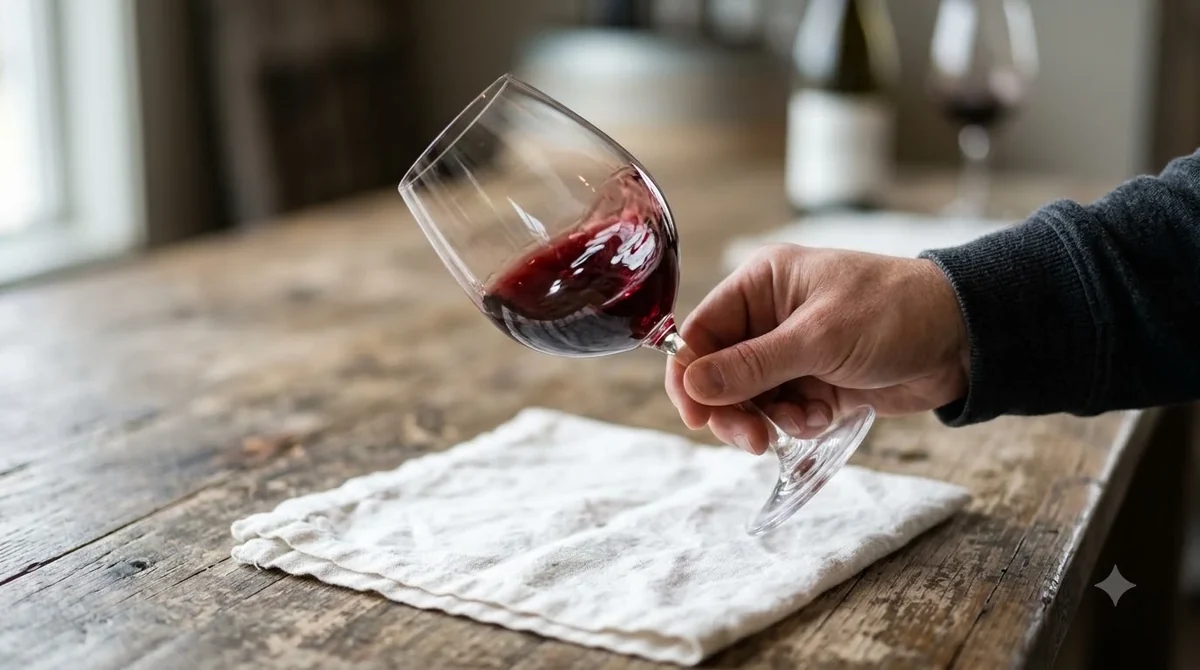
Ruby Port is generally the easiest introduction. Its youthful berry and plum character works with dark chocolate, chocolate mousse, brownies, and ripe berries. Reserve Ruby and Late Bottled Vintage (LBV) Port offer greater concentration for richer desserts. A chocolate cake with pronounced cocoa flavor is a particularly useful starting point.
Tawny Port develops a different personality through extended wood aging. Look for flavors of toasted nuts, caramel, dried figs, raisins, and baking spices. These characteristics make it a natural companion for pecan pie, almond cake, crème brûlée, and roasted walnuts. A 10-year-old Tawny is also a useful match for aged Gouda and other cheeses with nutty flavors.
Vintage Port has greater concentration and often substantial tannin. Rather than automatically choosing the strongest blue cheese, consider the age and condition of the Port. Younger, structured Vintage Port can work with assertive salty cheeses such as Stilton and aged Cheddar. Mature Vintage Port can be more delicate, and Decanter’s pairing guidance recommends considering creamy cheeses and fresh fruit instead of allowing an overpowering cheese to hide the wine’s developed character.
Port pairing reference
| Port style | Typical character | Recommended food |
|---|---|---|
| Ruby | Fresh berry and plum | Dark chocolate, brownies, raspberries |
| Reserve Ruby | Concentrated dark fruit | Chocolate mousse, chocolate cake |
| LBV | Ripe fruit and firm structure | Blue cheese, chocolate tart |
| Vintage | Powerful fruit and tannin | Stilton, aged Cheddar, creamy cheese |
| 10-year Tawny | Caramel, nuts, dried fruit | Pecan pie, almond cake, aged Gouda |
| 20-year Tawny | Complex dried fruit and toasted nuts | Crème brûlée, walnut tart |
| White Port | Citrus, orchard fruit, varying sweetness | Olives, salted almonds, seafood |
White Port deserves particular attention because it is not limited to dessert. Dry White Port makes an excellent aperitif with salted almonds, olives, and savory canapés. It can also be served in a Port and Tonic with tonic water and citrus. Sweeter White Port is better suited to fruit desserts and lighter pastries.
Port can accompany savory food, too. Aged Tawny works particularly well with roasted turkey or goose, especially when the plate includes rich gravy and cranberry sauce. The wine’s dried-fruit character complements the roasted flavors, while its acidity helps balance the richness. A 10-year-old Tawny can even accompany foie gras, where sweetness and acidity provide a useful contrast to the rich texture.
For a broader comparison of red-wine combinations with hearty dishes, explore our Amarone food pairing guide. Although Amarone is not fortified, its concentrated fruit and full body offer another way to approach rich savory meals.
Sherry Pairings for Seafood, Tapas, and Rich Foods
Sherry offers some of the most useful dry fortified wine pairings because its styles range from crisp and saline to deeply nutty and sweet. Fino and Manzanilla suit seafood and salty appetizers, while Amontillado, Oloroso, and Pedro Ximénez offer different possibilities for richer dishes.
Fino and Manzanilla are dry Sherries aged under a protective layer of yeast called flor. This aging contributes delicate savory, almond-like, and sometimes saline characteristics. Serve them with Spanish olives, salted almonds, anchovies, cured ham, grilled shrimp, oysters, and fried seafood.
These wines are especially good with seafood because they do not introduce the heavy tannins found in many red wines. Their savory character complements the briny qualities of shellfish, while their freshness helps balance fried dishes. A plate of fried calamari with Manzanilla or grilled shrimp with Fino makes an approachable appetizer combination.
For a practical introduction to these savory combinations, Decanter’s guide to drinking fortified wines highlights Fino and Manzanilla alongside olives, anchovies, and other salty foods.
Amontillado and Palo Cortado develop through a combination of biological and oxidative aging. Their flavors can include toasted almonds, hazelnuts, dried herbs, and savory spices. These styles are useful with mushroom dishes, roasted poultry, consommé, and aged cheeses. Their complexity also gives them enough character to accompany dishes containing caramelized onions or roasted vegetables.
Oloroso is typically richer and more oxidative, with pronounced nutty, dried-fruit, and spice characteristics. Dry Oloroso works particularly well with roasted chicken, duck, mushrooms, and mature cheeses. Sweeter versions can accompany stronger savory preparations, including dishes with rich sauces.
Pedro Ximénez, often abbreviated as PX, is a very different experience. It is intensely sweet and concentrated, with raisin, fig, date, molasses, and syrup-like flavors. Try it with vanilla ice cream, dark chocolate, blue cheese, or a dessert containing dried fruit. A small pour can provide considerable flavor without requiring a large dessert portion.
Tip: If you are preparing a seafood appetizer followed by a cheese course, consider starting with Manzanilla and moving to an Amontillado or a sweeter PX. This progression moves from dry and savory to richer and sweeter without making the first course feel heavy.
Sherry also demonstrates why fortified wines should not automatically be reserved for the end of dinner. Fino can be poured before the first course, Amontillado can accompany a savory main dish, and PX can finish the meal. Choosing different styles allows one category of wine to serve several purposes.
Madeira and Marsala Pairings for Savory Dishes
Madeira and Marsala are particularly useful at the dinner table because their flavors work in both cooking and direct wine service. Madeira ranges from relatively dry and high-acid to sweet and concentrated, while Marsala comes in dry, semidry, and sweet styles.
Madeira comes from the Portuguese island of Madeira. Its four traditional noble white grape varieties are Sercial, Verdelho, Boal, and Malvasia. Their typical sweetness progression runs from Sercial, the driest, through Verdelho and Boal to Malvasia, the richest and sweetest.
Sercial is a good choice for salty appetizers, olives, salted nuts, and seafood. Its relatively dry character makes it suitable for dishes that would be overwhelmed by a sweeter wine. Verdelho offers additional richness while retaining freshness, making it a useful match for smoked fish, roast poultry, and savory pastries.
Boal and Malvasia are better suited to richer foods and desserts. Their sweetness and developed flavors complement caramelized nuts, dried fruit, chocolate, almond pastries, and crème brûlée. A rich Malvasia Madeira with a small serving of dark chocolate provides a satisfying finish to a meal.
Madeira also has some particularly interesting cheese combinations. Sercial can accompany Comté because the wine’s acidity and nutty character work with the cheese’s savory richness. Decanter also describes Verdelho with roast chicken and Boal with foie gras as useful combinations. Malvasia is a natural partner for traditional Madeiran honey cake.
Marsala comes from western Sicily and is available in three principal sweetness categories: Secco, Semisecco, and Dolce. Secco is dry, Semisecco is semidry, and Dolce is sweet. This distinction matters because a dry Marsala intended for a savory sauce will produce a different pairing from a sweet Marsala served with dessert.
Cooking with Marsala
Dry Marsala is a classic ingredient in Chicken Marsala. Its savory, concentrated character works with browned chicken, mushrooms, butter, and pan drippings. The wine adds depth to the sauce without making the finished dish taste like dessert. Veal Marsala is another traditional preparation.
For direct wine service, dry Marsala can accompany roasted poultry, mushrooms, and aged cheeses. Semisecco offers more flexibility with slightly sweet sauces and savory preparations that contain caramelized ingredients. Dolce is better matched with almond biscuits, dried fruit, chocolate, and pastries.
Madeira is also valuable in the kitchen. It can add complexity to mushroom sauces, pan reductions, gravies, and dressings. Fortified wines retain concentrated flavors during cooking, making Port, Sherry, and Marsala useful ingredients in sauces and other preparations.
When cooking with fortified wine, choose a style that complements the finished dish rather than simply using the sweetest bottle available. A dry Madeira is more appropriate for a savory mushroom sauce than a rich Malvasia intended for dessert. Likewise, dry Marsala is usually the better starting point for traditional Chicken Marsala.
Match Fortified Wine with Meat, Cheese, and Vegetables
Fortified wine can accompany a main course when its sweetness and intensity suit the ingredients. Roasted poultry, game, mushrooms, rich sauces, and strong cheeses offer some of the most dependable opportunities.
Roast turkey is a particularly good partner for aged Tawny Port. Its dried-fruit and nutty flavors complement roasted skin, rich gravy, and cranberry sauce. A 10- or 20-year-old Tawny can provide enough complexity for the different textures and flavors on a holiday plate.
Duck offers another interesting combination. Its rich meat and browned skin can work with Tawny Port, medium-rich Madeira, or an oxidative Sherry. The best choice depends on the preparation. Duck with an orange-based sauce may work with a nutty Madeira, while duck with a rich mushroom sauce can suit Amontillado or Oloroso.
For mushrooms, consider dry Marsala, Madeira, or Amontillado Sherry. Mushrooms have an earthy, savory character that complements the developed flavors of these wines. Mushroom risotto, roasted mushrooms, and mushroom-based sauces are all suitable options.
Cheese requires a little more attention because different varieties respond differently to sweetness, acidity, and tannin. Soft creamy cheeses can work with Ruby Port and rich Madeira, while stronger cheeses generally need more concentrated wines. Aged Cheddar, blue cheese, and mature hard cheeses provide enough flavor and salt to stand alongside structured Port.
Do not assume that every cheese works with every fortified wine. A delicate Brie can be overwhelmed by a powerful Vintage Port, while a strong Stilton may make a light, dry Sherry seem less expressive. Match the intensity of the cheese to the concentration of the wine.
Vegetables can also form part of a successful pairing. Roasted carrots, caramelized onions, baked squash, and mushrooms have concentrated flavors that can complement Tawny Port or oxidative Sherry. Bitter greens and sharply acidic vinaigrettes are more difficult because they can make a sweet or delicate wine seem unbalanced.
Consider the entire preparation rather than focusing on the main ingredient alone. Chicken with mushrooms and cream is different from grilled chicken with lemon, just as roasted carrots with honey differ from steamed carrots with a sharp herb dressing. Sauces, seasoning, and cooking methods can change the best wine choice considerably.
For lighter red-wine alternatives with tomato-based dishes, mushrooms, and poultry, our Barbera food pairing guide provides additional combinations worth considering.
Choose Desserts and Chocolate That Balance Sweetness
Fortified wines are traditional dessert companions because many styles combine concentrated fruit, sweetness, and enough alcohol to stand alongside rich ingredients. The key is selecting a wine that is at least as sweet as the dessert.
Ruby Port is an excellent starting point for chocolate desserts. Its dark berry flavors complement chocolate cake, brownies, chocolate mousse, and desserts containing raspberries or cherries. Reserve Ruby and LBV can be particularly useful with dense chocolate preparations because their greater concentration stands up to the cocoa.
Tawny Port is generally a better match for desserts featuring nuts, caramel, and dried fruit. Pecan pie, walnut tart, almond cake, caramel flan, and crème brûlée all provide suitable flavor connections. The wine’s toasted and nutty notes echo the ingredients without requiring the dessert to contain chocolate.
Madeira offers similar versatility. Boal and Malvasia work with almond pastries, caramel desserts, dried figs, and rich custards. Younger Madeira can also complement fruit-based pastries and nuts. For a simple dessert course, serve a small slice of almond cake with a glass of sweet Madeira.
Pedro Ximénez is especially suitable for desserts with concentrated sweetness. Try it with vanilla ice cream, chocolate pudding, sticky toffee pudding, or a date-based dessert. It can also be poured over ice cream as a dessert sauce, allowing the wine to become part of the dish rather than simply an accompaniment.
Sweet Marsala is another useful dessert wine. Almond cookies, biscotti, dried apricots, and pastries provide natural flavor connections. It also works in traditional Italian desserts that use Marsala as an ingredient.
One common mistake is pairing a moderately sweet fortified wine with a dessert that contains substantially more sugar. A very sweet pastry can make the wine taste dry and harsh by comparison. If the dessert is especially rich, choose a concentrated sweet wine rather than assuming any Port or Madeira will work.
Very acidic desserts also require care. Lemon tart, for example, can make a wine with modest acidity seem flat. A dessert with nuts, caramel, dried fruit, or chocolate is often easier to match with Tawny Port or rich Madeira.
For a dessert course with several options, serve Ruby Port with dark chocolate, Tawny Port with pecan pie, and PX Sherry with vanilla ice cream. These three combinations demonstrate how different sweetness levels and aging characteristics create distinct experiences even among wines that all belong to the fortified category.
Serve and Store Fortified Wine for Better Pairings
Serving temperature, glassware, and storage affect how fortified wine performs alongside food. A wine served too warm can seem overly alcoholic, while an excessively cold serving can hide its aromas and complexity.
Wine Enthusiast lists approximately 57-60°F as a serving range for Port or Fino Sherry, while Madeira and Vintage Port are listed around 66°F. These recommendations illustrate why fortified wines should not all be treated like the same category. The style and its concentration influence the ideal serving conditions.
For practical home service, start with a moderate temperature and adjust to the wine’s character. Dry, delicate Sherry benefits from being served cool, while complex, developed styles can reveal more aroma when they are not excessively cold. Rich dessert wines should also be cool enough to keep their sweetness from becoming overwhelming.
Use a small wine glass with enough room to release aromas. A copita is traditional for Sherry, while a small Port glass works for concentrated Port styles. A standard 5-ounce pour is a useful reference for ordinary table wine, but fortified wine is often enjoyed in smaller servings because of its greater alcohol concentration and intensity.
A standard 750 ml bottle contains approximately five 5-ounce servings. For a dinner featuring several fortified wine styles, smaller tasting portions allow guests to compare different combinations without making the meal feel excessively heavy.
Storage after opening depends on the style. Replace the stopper securely, keep the bottle away from direct sunlight and excessive heat, and refrigerate styles that benefit from cold storage. Oxidative wines can often retain their character longer than delicate, fresh styles, but the exact period depends on the wine and its storage conditions.
Decanter’s serving guidance gives useful examples of these differences: a Tawny Port can remain enjoyable for up to six weeks in the refrigerator, whereas mature Vintage Port may fade within approximately three days. Fino and Manzanilla are also best enjoyed fresh rather than treated like long-lasting oxidative wines.
For a simple tasting arrangement, serve Fino with olives and shrimp, Amontillado with mushrooms or aged cheese, and Tawny Port with almond cake. This progression demonstrates how fortified wine can accompany several courses without relying exclusively on dessert pairings.
Frequently Asked Questions
Is vermouth considered a fortified wine?
Yes. Vermouth is a fortified and aromatized wine, meaning it contains added grape spirit and botanicals such as wormwood, citrus peel, and other herbs. Its botanical character makes it particularly useful in cocktails, although dry and sweet vermouth can also accompany olives, cured meats, and savory appetizers.
Can fortified wine be used as a marinade?
Yes. Dry Sherry, Madeira, and Marsala can contribute flavor to marinades for poultry, mushrooms, and other savory ingredients. Their concentrated character works particularly well when combined with herbs, garlic, and other aromatic ingredients.
What is the difference between Colheita and Vintage Port?
Colheita Port comes from a single harvest and is matured in wooden casks before bottling. Vintage Port also comes from a single declared harvest but is primarily intended for further bottle aging. Their different maturation methods create distinct textures and flavor profiles.
Does fortified wine have to be served in a small glass?
No. Small glasses are traditional because fortified wines are concentrated and often higher in alcohol than ordinary table wines. However, a slightly larger glass can help reveal the aromas of complex Madeira, Tawny Port, and aged Sherry. The important consideration is leaving enough room for the wine’s aromas to develop.
Can different fortified wines be served during the same dinner?
Yes. A progression of different styles can create a varied meal, especially when each wine has a clear purpose. For example, a dinner could begin with Fino Sherry, continue with dry Madeira alongside poultry, and finish with Tawny Port and an almond dessert.
Fortified wine offers considerably more flexibility than its traditional after-dinner reputation suggests. Fino Sherry can complement seafood, Madeira and Marsala can contribute depth to savory dishes, and different styles of Port can accompany everything from blue cheese to chocolate and caramel desserts. Start by matching sweetness and intensity, then experiment with different combinations to find the bottles and foods that work best together.
More in Food & Wine Pairing
 Risotto With White Wine Recipe: Make a Creamy Dinner at HomeUpdated Nov 20, 2026
 Wassail With Wine Recipe for a Festive Spiced Holiday DrinkUpdated Nov 20, 2026
 Spritz Veneziano Recipe: Make a Classic Venetian Aperitivo at HomeUpdated Nov 20, 2026
 Summer Wine Punch Recipe for Easy Homemade EntertainingUpdated Nov 20, 2026
 Bishop Recipe: How to Make a Bright, Citrus-Forward Red Wine CocktailUpdated Nov 20, 2026
 Wine Cupcakes Recipe: Bake Rich Chocolate Cupcakes at HomeUpdated Nov 20, 2026