

We may earn a commission when you buy through links on this page, at no extra cost to you. Learn more.
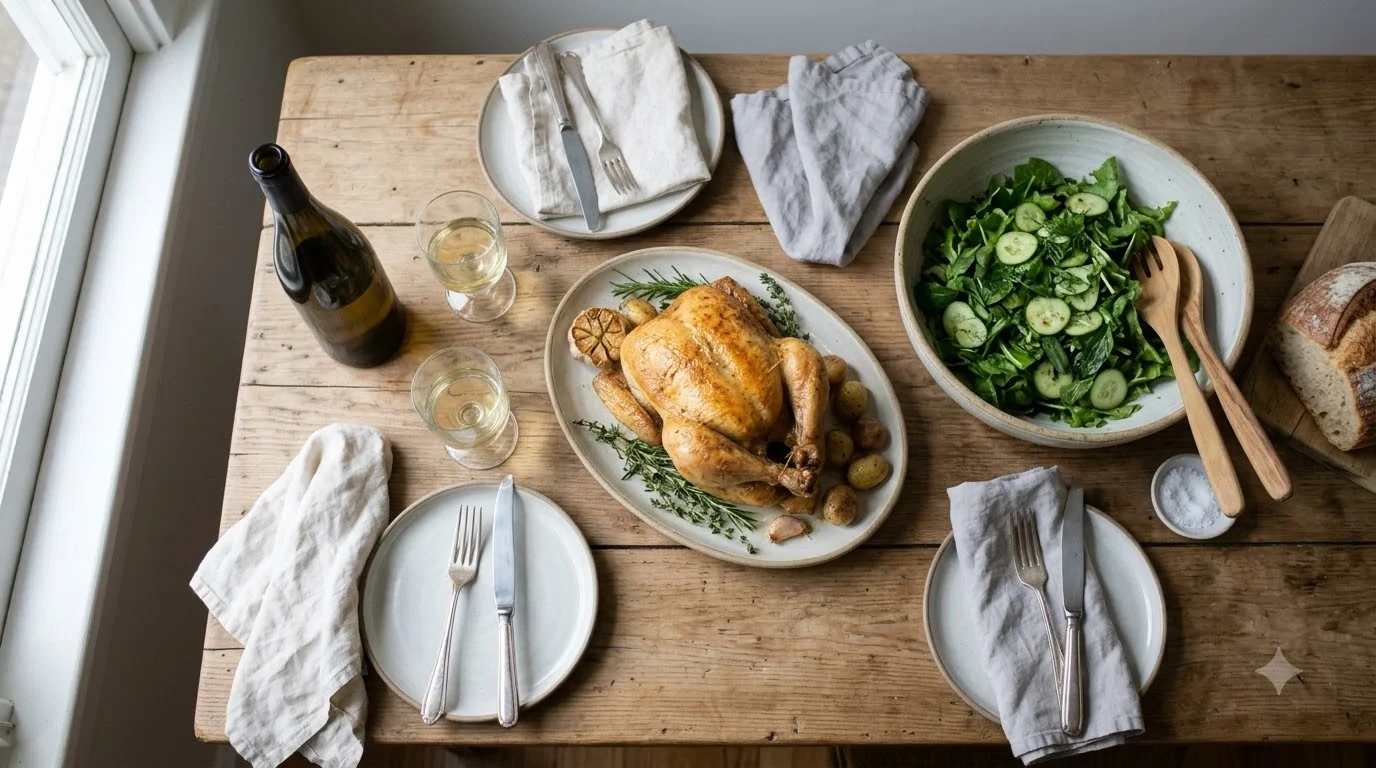
What wine goes with chicken teriyaki? Off-dry Riesling is one of the best choices because its natural sweetness balances the sugary soy glaze while its refreshing acidity complements the salty, savory flavors. Gewürztraminer, Sauvignon Blanc, fruity Pinot Noir, and dry rosé are also excellent options depending on the sauce and cooking method. The key is choosing a wine with enough fruit and acidity to match teriyaki’s sweetness without introducing excessive tannin or alcohol.
Chicken teriyaki is a versatile dish, but its glossy sauce creates a different pairing challenge from simply serving wine with grilled chicken. Soy sauce brings saltiness and umami, while brown sugar, honey, or mirin contributes sweetness. Ginger and garlic add aromatic complexity, and grilling or pan-searing introduces caramelized flavors. The right wine should complement these elements while keeping the meal balanced. Whether you are making a Japanese-inspired rice bowl, grilling chicken skewers, or preparing a weeknight stir-fry, several wine styles can make the combination particularly enjoyable.
Why Chicken Teriyaki Needs a Different Wine Pairing
The sweet and savory teriyaki glaze has a greater influence on wine selection than the chicken itself. A successful pairing needs to balance sugar, salt, umami, and the caramelized flavors produced during cooking.
Traditional teriyaki sauce commonly combines soy sauce, mirin, sake, and sugar. Modern home recipes frequently add honey, brown sugar, garlic, or fresh ginger. These ingredients create several competing flavors that can make an ordinary dry wine seem sharper or less fruity than it would taste on its own.
Sweetness is particularly important. When food is sweeter than the wine, the wine can seem thin, sour, or unusually bitter. This is why a slightly sweet Riesling often performs better than a completely dry white wine alongside a generously glazed chicken breast. The wine’s sweetness should be sufficient to stand alongside the sauce rather than disappear beneath it.
Saltiness creates another consideration. Soy sauce is naturally salty and rich in umami, the savory taste associated with ingredients such as mushrooms, aged cheese, and fermented foods. Salt can soften certain sensations in wine, but a strongly savory dish can make highly tannic reds taste harder and more astringent.
Acidity provides the counterbalance. A wine with refreshing acidity helps keep the combination from becoming heavy, particularly when the chicken is served with sticky rice or a thick glaze. Aromatic fruit flavors can also complement ginger, garlic, sesame, and caramelized sugar.
The chicken’s preparation changes the ideal wine slightly. Skinless grilled chicken breast is relatively lean, while chicken thighs have a richer texture. Deeply caramelized chicken skewers have more concentrated flavors than lightly sautéed chicken pieces. The more intense the sauce and cooking method, the more flavorful the wine can be without overwhelming the meal.
Off-Dry Riesling Is the Best All-Around Choice
Off-dry Riesling is an especially dependable pairing because it combines noticeable fruit, natural sweetness, and high acidity. These characteristics address the three main challenges of teriyaki: sugar, salt, and savory intensity.
Riesling commonly offers aromas and flavors of green apple, peach, citrus, pear, and sometimes floral or mineral notes. These characteristics complement the sweetness of a teriyaki glaze without copying its darker caramel flavors. Its acidity also refreshes the palate between bites of sticky, savory chicken.
Look for an off-dry Riesling rather than assuming every bottle of the grape tastes sweet. German Kabinett Riesling can be a particularly useful style because it may combine modest residual sugar with lively acidity and relatively moderate alcohol. A slightly sweeter example is useful when the sauce contains substantial honey or brown sugar.
The balance between sugar and acidity matters more than sweetness alone. A wine that tastes sweet but lacks freshness can make the meal feel heavy. Riesling’s natural acidity helps prevent that problem and keeps its fruit flavors recognizable alongside the soy sauce.
Different regional styles offer slightly different experiences:
- Mosel Riesling: Often light-bodied, aromatic, and refreshing, with citrus and stone-fruit flavors. A slightly sweet example works particularly well with chicken breast and a moderate amount of teriyaki glaze.
- Rheingau Riesling: Often offers more structure and concentrated fruit, making it suitable for richer chicken thighs and deeply caramelized sauce.
- Washington Riesling: Can offer ripe apple, peach, and citrus characteristics. Look for an off-dry bottling if the chicken has a noticeably sweet glaze.
- Finger Lakes Riesling: Frequently combines bright acidity with apple and citrus notes. A medium-sweet style can complement a generous serving of teriyaki sauce.
Riesling is also adaptable when the recipe includes chili flakes or hot sauce. A wine with moderate alcohol and a little residual sugar is generally more comfortable alongside spicy food than a powerful, high-alcohol red. For a simple dinner of teriyaki chicken, steamed rice, and broccoli, an off-dry Riesling is an excellent starting point.
Tip: If your teriyaki sauce tastes noticeably sweet before it reaches the chicken, choose an off-dry Riesling rather than a bone-dry version. The wine should have enough sweetness to remain balanced against the finished dish.
Gewürztraminer and Sauvignon Blanc for Aromatic Contrast
Gewürztraminer and Sauvignon Blanc offer two different approaches to pairing with chicken teriyaki. Gewürztraminer emphasizes aromatic fruit and spice, while Sauvignon Blanc contributes bright acidity and refreshing citrus or herbal flavors.
Gewürztraminer for ginger and garlic flavors
Gewürztraminer is a naturally aromatic white grape known for its expressive perfume and relatively full texture. Depending on its origin and style, it can show lychee, rose, peach, apricot, tropical fruit, and subtle spice.
Those characteristics make it an interesting match for teriyaki recipes containing fresh ginger, garlic, and sesame oil. The wine’s aromatic character complements the seasoning rather than competing with it. A slightly sweet version can also stand up to the sugar in the glaze.
Alsace in northeastern France is an important region to explore for Gewürztraminer. These wines can have concentrated aromas and a fuller mouthfeel than many light-bodied white wines. Choose a style with some freshness and avoid a very alcoholic example if the recipe contains chili.
Gewürztraminer is particularly appealing with chicken thighs, sesame chicken bowls, and grilled skewers served with sautéed peppers. Its expressive aromas also make it useful when the dish contains more ginger than a conventional teriyaki recipe.
Sauvignon Blanc for a lighter teriyaki preparation
Sauvignon Blanc is a better option when the chicken is lightly glazed rather than heavily coated in sweet sauce. Its high acidity and flavors of citrus, green apple, herbs, and sometimes tropical fruit provide a clean contrast to the savory glaze.
New Zealand Sauvignon Blanc can be particularly aromatic, while examples from the Loire Valley in France often have a more restrained citrus and mineral character. Both can work with chicken teriyaki, although the exact style should suit the sweetness of the sauce.
A very lean, bone-dry Sauvignon Blanc may seem too sharp next to a thick honey-based glaze. For that preparation, choose a fruitier example or return to off-dry Riesling. Sauvignon Blanc works best when the recipe has plenty of ginger, scallions, fresh vegetables, and a moderate amount of sugar.
For a teriyaki bowl containing cucumber, steamed vegetables, and lightly seasoned chicken, Sauvignon Blanc offers a refreshing alternative to richer aromatic whites.
For additional guidance on pairing aromatic whites with Asian-style chicken preparations, Decanter’s guide to pairing wine with chicken discusses Riesling and Gewürztraminer as particularly useful choices for complex Asian flavors.
Red Wines That Work With Chicken Teriyaki
Red wine can pair successfully with chicken teriyaki, provided it has moderate body, lively fruit, and relatively low tannin. Pinot Noir, Gamay, and Schiava are particularly useful choices because they avoid the heavy structure that can clash with soy-based sauces.
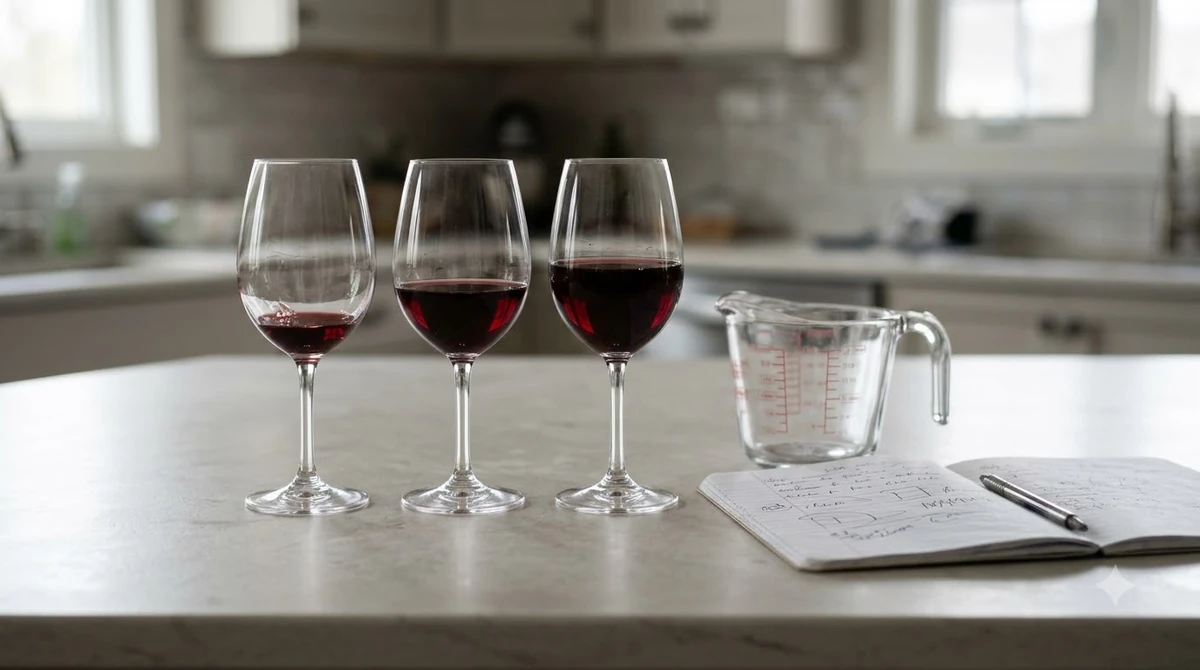
Pinot Noir is one of the most versatile red wines for poultry. It commonly offers red cherry, raspberry, cranberry, and sometimes earthy or herbal flavors. Its relatively low-to-medium tannin and high acidity make it more adaptable to savory chicken preparations than Cabernet Sauvignon or Syrah.
Choose a lighter Pinot Noir from Oregon, Burgundy, or another cool-climate region. These wines can complement the grilled character of the chicken without making the sweet sauce taste excessively bitter. Serve the bottle slightly cool, around 55-60 degrees Fahrenheit, rather than at a warm room temperature.
Gamay, especially Beaujolais, is another excellent option. It generally emphasizes juicy red fruit, fresh acidity, and approachable tannins. These qualities help it complement the caramelized edges of chicken teriyaki while keeping the pairing lively.
For an easygoing meal, a Beaujolais-Villages wine can be a practical choice. Its fruit-forward character works particularly well with chicken thighs, grilled skewers, and teriyaki dishes served with mushrooms or roasted vegetables.
Schiava deserves attention if you want something less familiar. This Northern Italian red grape grows in Alto Adige and produces wines known for their lighter structure and strawberry-like fruit. Wine Folly specifically identifies Schiava as a suitable match for teriyaki and other soy-based sauces. Its wine and poultry pairing recommendations also explain why lighter, fruit-forward reds can work with Asian-inspired chicken dishes.
Another possibility is a fruity Lambrusco. Unlike many traditional dry reds, Lambrusco can be made in several sweetness styles, including amabile and dolce. A lightly sweet, fruit-driven example can complement the sugar in teriyaki sauce, while its sparkling character refreshes the palate.
Not every red wine is suitable. Cabernet Sauvignon has high tannin, while Syrah can have medium-plus to high tannin and a more substantial structure. These wines can overpower the relatively delicate chicken and make the savory soy flavors seem harsher. Merlot is generally softer, but a powerful, heavily oaked version can still overwhelm the dish.
Rosé and Sparkling Wines for Flexible Pairings
Rosé and sparkling wine are useful alternatives when chicken teriyaki is served as part of a larger meal or with several different side dishes. Their freshness and fruit character can complement the glaze without introducing the heavier tannins of structured red wines.
Dry rosé offers a balance between the refreshing qualities of white wine and some of the fruit character associated with red grapes. Depending on the variety and production method, it can show strawberry, raspberry, watermelon, citrus, and floral notes.
Choose a fruit-forward rosé with good acidity when serving chicken teriyaki with rice, steamed vegetables, or a light cucumber salad. A pale Provence-style rosé is a good option for a lightly glazed dish, while a somewhat richer rosé can work with grilled chicken thighs and more concentrated sauce.
If the glaze is particularly sweet, a slightly off-dry rosé may be preferable to a completely dry bottle. The important consideration is making sure the wine has enough fruit and freshness to stand alongside the sauce.
Sparkling wine brings another advantage: bubbles create a refreshing contrast to sticky sauce and the richness of chicken skin. Brut sparkling wine can work with moderately sweet teriyaki when the sauce is not excessively sugary.
Prosecco is an approachable option, particularly when served with chicken skewers or small teriyaki appetizers. It is made primarily from the Glera grape and typically contains around 11-12% alcohol by volume. Its tank-method production preserves fresh fruit characteristics, making it suitable for casual meals.
Traditional-method sparkling wines, including Champagne and Cava, undergo their second fermentation in the bottle. Their acidity and more developed flavors can complement grilled and caramelized chicken, particularly when the dish is served with less sauce and more savory accompaniments.
For a particularly sweet teriyaki glaze, consider a slightly sweeter sparkling style rather than a very dry Brut Nature. The sweetness of the wine should not disappear against the sauce.
Match the Wine to the Teriyaki Recipe and Side Dishes
The best bottle depends on more than the name of the dish. Sauce sweetness, cooking method, chicken cut, and accompanying vegetables all affect the balance between the food and wine.
For example, chicken breast with a light soy-based glaze needs a different level of wine intensity from grilled chicken thighs coated in thick honey teriyaki. A generous amount of caramelization also increases the dish’s flavor intensity, making a more expressive wine appropriate.
Use the following comparisons to choose a bottle for common preparations:
| Chicken teriyaki preparation | Recommended wine | Why it works |
|---|---|---|
| Classic chicken breast with sweet soy glaze | Off-dry Riesling | Balances sweetness with acidity. |
| Ginger and garlic teriyaki chicken | Gewürztraminer | Complements aromatic seasoning and sweet glaze. |
| Lightly glazed chicken with vegetables | Sauvignon Blanc | Provides refreshing acidity and citrus flavors. |
| Grilled teriyaki chicken thighs | Pinot Noir | Matches caramelized flavors with moderate tannin. |
| Chicken teriyaki with mushrooms | Beaujolais | Offers juicy fruit and fresh acidity. |
| Honey teriyaki chicken skewers | Off-dry rosé | Matches the glaze with fruit and freshness. |
| Teriyaki chicken rice bowl | Dry or off-dry Riesling | Works with rice, vegetables, and savory sauce. |
| Spicy chicken teriyaki | Off-dry Riesling | Balances chili heat with sweetness and acidity. |
Side dishes also influence the final pairing. Steamed white rice is relatively neutral, so it allows the wine to interact primarily with the chicken and sauce. Fried rice, however, introduces additional oil, salt, and sometimes egg, making a crisp white or sparkling wine especially attractive.
Broccoli, bok choy, and green beans add fresh vegetal flavors. These vegetables generally work well with aromatic whites and rosé. Mushrooms add earthy, savory notes that can make Pinot Noir or Gamay more appealing.
Sesame seeds and sesame oil introduce nuttiness and richness. A fuller Gewürztraminer or fruit-driven Pinot Noir can complement these flavors, especially when the sauce has been reduced until thick and glossy.
For more ideas involving poultry and different sauce profiles, compare what wine goes with bbq chicken. The smoky sweetness of barbecue sauce creates a different pairing challenge from the salty-sweet character of teriyaki.
If your dinner includes several strongly seasoned dishes, consider how their flavors interact rather than choosing a wine for the chicken alone. The principles discussed in this Wine Pairing guide can help you select a bottle that works across the entire meal.
Wine Serving Temperatures and Practical Pairing Tips
Serving temperature affects how wine tastes alongside chicken teriyaki. Chilling white wines and rosé preserves their freshness, while slightly cooling lighter reds helps emphasize fruit and limits the impression of alcohol.
For a useful starting point, follow these serving temperatures:
- Riesling: 45-50 degrees Fahrenheit for a refreshing, aromatic presentation.
- Gewürztraminer: 45-50 degrees Fahrenheit to preserve its floral and tropical aromas.
- Sauvignon Blanc: 45-50 degrees Fahrenheit for crisp acidity and citrus freshness.
- Dry rosé: 45-50 degrees Fahrenheit for refreshing fruit and balanced acidity.
- Pinot Noir: 55-60 degrees Fahrenheit to emphasize red fruit and maintain freshness.
- Gamay: 55-60 degrees Fahrenheit for a lively, fruit-forward presentation.
- Sparkling wine: 40-50 degrees Fahrenheit, depending on the style.
Temperature matters particularly with aromatic wines. Serving Riesling or Gewürztraminer too warm can make the alcohol more noticeable and the wine seem heavier. Excessive chilling, on the other hand, can suppress aromas and make a wine seem less expressive.
Red wine also benefits from sensible temperature control. A lighter Pinot Noir served at 55-60 degrees Fahrenheit is often more refreshing alongside sticky chicken than a bottle served at 70 degrees.
Pour approximately 5 ounces per glass. A standard 750-milliliter bottle provides about five such servings, which is a convenient amount for a dinner shared by several people.
Once opened, store unfinished still wine in the refrigerator and generally aim to enjoy it within 3-5 days. Sparkling wine usually retains its best character for approximately 1-3 days when properly resealed and refrigerated. Keeping opened wine cold slows the loss of freshness.
There is also no need to spend time decanting most of the recommended wines. Young Riesling, Sauvignon Blanc, Gewürztraminer, rosé, and sparkling wines are generally ready to serve. Pinot Noir and Gamay also usually benefit more from the right serving temperature than from extended aeration.
When planning the meal, prepare the wine before the chicken reaches the table. A chilled white or rosé should be ready when the glaze is finished, while a lighter red can be placed in the refrigerator briefly before serving.
Frequently Asked Questions
Can I serve Chardonnay with chicken teriyaki?
Yes, but the style matters. Unoaked Chardonnay with citrus and apple characteristics is generally a better choice than a heavily oaked version. A rich, buttery Chardonnay can make an already sweet and glossy teriyaki sauce seem heavier, particularly when the chicken is served with sticky rice.
Does Japanese teriyaki chicken pair with sake instead of wine?
Yes. Junmai sake can complement the savory qualities of soy sauce, while a fruity Ginjo-style sake offers a more aromatic alternative. Serve the sake according to its particular style and producer recommendations, since temperature preferences vary considerably among sake categories.
Is Moscato too sweet for chicken teriyaki?
Not necessarily. Moscato can work with a strongly sweet teriyaki glaze, particularly when served with chicken skewers or a honey-based sauce. However, its sweetness and relatively low-to-medium acidity may make it less refreshing than off-dry Riesling during a full meal.
Can sparkling rosé go with chicken teriyaki?
Yes. Sparkling rosé combines berry fruit, refreshing acidity, and bubbles, making it suitable for grilled teriyaki skewers and chicken appetizers. A slightly off-dry example is especially useful when the sauce contains honey or brown sugar.
Does chicken teriyaki pair with orange wine?
It can, particularly when the wine has moderate tannin and a fresh, fruity character. Orange wine is made using white grapes fermented with extended skin contact, which can contribute additional texture and tannic structure. A lighter example is generally preferable to a strongly tannic bottling alongside soy-based sauce.
For most chicken teriyaki meals, off-dry Riesling is the easiest wine to recommend because its sweetness and acidity complement the sauce without overpowering the chicken. Gewürztraminer, Sauvignon Blanc, Pinot Noir, Gamay, and rosé provide equally interesting alternatives for different recipes and preferences. Start with the sweetness and intensity of your teriyaki glaze, choose a wine with matching fruit and freshness, and serve it at the appropriate temperature for a balanced meal.
More in Food & Wine Pairing
 Risotto With White Wine Recipe: Make a Creamy Dinner at HomeUpdated Nov 20, 2026
 Wassail With Wine Recipe for a Festive Spiced Holiday DrinkUpdated Nov 20, 2026
 Spritz Veneziano Recipe: Make a Classic Venetian Aperitivo at HomeUpdated Nov 20, 2026
 Summer Wine Punch Recipe for Easy Homemade EntertainingUpdated Nov 20, 2026
 Bishop Recipe: How to Make a Bright, Citrus-Forward Red Wine CocktailUpdated Nov 20, 2026
 Wine Cupcakes Recipe: Bake Rich Chocolate Cupcakes at HomeUpdated Nov 20, 2026