

We may earn a commission when you buy through links on this page, at no extra cost to you. Learn more.
What wine goes with cassoulet? A full-bodied, dry red from southwestern France, such as Cahors, Madiran, Fronton, or Minervois, is an excellent match for this rich white bean casserole. These wines offer enough structure, fruit, and freshness to complement duck confit, Toulouse sausage, pork, and slowly cooked beans. Structured Bergerac and Pécharmant reds are also excellent choices, while a dry, fruity rosé provides a lighter alternative.
Cassoulet is one of France’s most substantial traditional dishes, combining tender white beans with preserved meats, sausage, pork, and flavorful cooking juices. Its long cooking time brings the ingredients together into a rich, deeply savory meal that needs a wine with comparable character. The best pairing balances the dish’s fat and salt with tannins, acidity, and ripe fruit rather than simply choosing the biggest red available. Understanding the meat, regional recipe, and wine’s structure makes it easier to select a bottle that works throughout the meal.
Why Full-Bodied Red Wine Works Best With Cassoulet
A structured red wine is the most dependable match because cassoulet combines substantial fat, protein, salt, and soft beans in one dish. Wines with firm but mature tannins and refreshing acidity can handle these elements without disappearing behind the food.
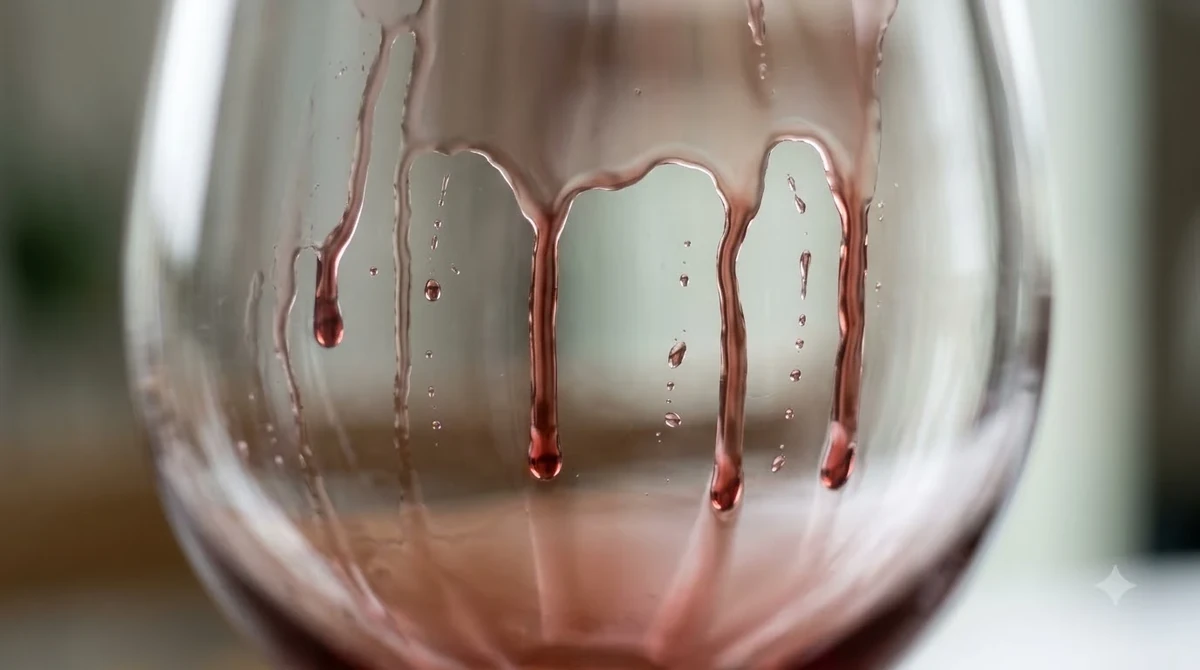
The traditional Castelnaudary recipe illustrates why this pairing works. According to the Castelnaudary Tourist Office, its version includes 350 to 400 grams of dried lingot beans, two duck or goose confit legs, four 80-gram portions of Toulouse sausage, and four 50-gram portions of pork. Pork rind, salted bacon, garlic, and broth add further savory depth. These ingredients create a concentrated dish that can overwhelm delicate wines.
Duck confit contributes considerable richness because the meat is preserved and cooked in fat. Pork sausage and other cuts add savory flavors, while the beans absorb the cooking stock and meat juices. The result is creamy and substantial, with a combination of textures that benefits from a red wine offering both structure and freshness.
Tannins are particularly useful in this situation. They interact with proteins and are softened by fatty foods, making a structured red feel more approachable alongside a rich meat dish. A young Cabernet Sauvignon or Tannat can have substantial tannin, but maturity and balance matter more than sheer intensity.
Acidity plays a different role. It refreshes the palate between bites, especially when the beans and confit leave a lingering coating of fat. A wine with sufficient acidity keeps the combination from feeling excessively heavy over a long lunch or dinner.
Fruit is equally important. Black cherry, plum, blackberry, and dark raspberry flavors complement browned sausage, roasted meat, and the caramelized crust on top of the casserole. Herbal and peppery notes can also echo the garlic, herbs, and seasoning used in traditional preparations.
For these reasons, a medium-plus to full-bodied red with balanced tannins is generally more successful than an extremely light red or a heavily alcoholic wine. The goal is a wine that stands beside the food rather than competing with it.
The Best French Wine Regions for Cassoulet
Southwestern France and the Languedoc provide the most natural regional pairings for cassoulet. Cahors, Madiran, Fronton, Minervois, and Corbières offer several different expressions of red wine, allowing you to match the bottle to the dish’s particular combination of meat and seasoning.
Cahors is an excellent starting point. Its principal grape is Malbec, locally known as Côt. These reds commonly deliver dark plum, blackberry, earthy notes, and substantial tannins. Their structure works particularly well with duck confit and pork-rich versions of cassoulet. Choose a balanced bottle rather than one dominated by aggressive oak or excessive extraction.
Madiran is another strong option, particularly for cassoulet with generous quantities of sausage and pork. Tannat is the region’s signature grape and produces wines known for firm tannins, dark fruit, and considerable structure. Younger examples can be quite powerful, so a bottle with some bottle age or a period in a decanter may be preferable.
Fronton provides a somewhat different approach. Its distinctive Négrette grape can produce aromatic reds with dark berries, floral notes, spice, and moderate tannins. Fronton is a useful choice when you want a red that has enough presence for cassoulet without feeling as forceful as a powerful Madiran.
Minervois and Corbières, in the Languedoc, offer another excellent regional direction. Their red blends commonly feature Grenache, Syrah, Mourvèdre, and Carignan. Depending on the producer and blend, they can show ripe black fruit, dried herbs, pepper, and earthy flavors that complement the roasted crust and savory meats.
For an additional regional option, consider Pécharmant, Côtes de Bergerac, or red Montravel. The Bergerac and Duras wine organization specifically recommends structured, rich reds from these appellations for cassoulet, explaining that the dish’s richness can offset pronounced tannins. Its recommendations are particularly useful when you want a French regional pairing beyond the more familiar Languedoc and southwestern appellations. See its regional food and wine pairing recommendations for the cassoulet suggestions.
Regional proximity is a helpful starting point, but it is not a strict requirement. A well-balanced red from another French region can work just as successfully if it has the necessary fruit, acidity, and tannin.
Which Red Grapes Pair Best With Different Cassoulet Recipes?
The grape variety influences how the wine handles the casserole’s fat, sausage, and slow-cooked meat. Cabernet Sauvignon and Tannat offer firmer structure, while Merlot and Pinot Noir provide softer alternatives for less intensely rich versions.
Malbec is one of the strongest choices for traditional cassoulet. Its dark fruit and substantial tannins make it particularly suitable for duck confit, pork rind, and browned sausage. Cahors Malbec is a natural regional example, although bottles from Argentina can also work when they have sufficient freshness and balanced alcohol.
Syrah is another excellent option. Its medium-plus to high tannin structure, dark fruit, and peppery character complement sausage and roasted meat. A French Syrah from the Languedoc or northern Rhône can provide an appealing balance between savory complexity and fruit.
Cabernet Sauvignon works best with especially meat-heavy preparations. Its high tannin content and blackcurrant character can stand up to duck, pork, and richly browned cooking juices. However, very concentrated examples with excessive oak can make an already substantial meal feel heavier.
Merlot is a softer alternative. Its medium tannin level and plum-like fruit make it suitable for cassoulet that contains more beans and pork than duck confit. It is also a practical choice for diners who prefer a smoother red rather than a strongly structured wine.
Pinot Noir can work, although it requires more care. Its lower-to-medium tannins and high acidity make it attractive alongside a lighter cassoulet with modest amounts of confit. A fuller-bodied Pinot Noir from Burgundy or a suitable New World region is preferable to an especially delicate, light-bodied example.
For a quick comparison, consider these typical grape characteristics:
| Grape | Tannin | Acidity | Best cassoulet application |
|---|---|---|---|
| Malbec | Medium-high to high | Medium | Traditional duck and pork versions |
| Tannat | Very high | Medium | Rich, meat-heavy preparations |
| Syrah | Medium-plus to high | Medium-high | Sausage and browned meat |
| Cabernet Sauvignon | High | Medium-high | Confit-rich casseroles |
| Merlot | Medium, softer | Medium | Pork-forward cassoulet |
| Pinot Noir | Low-medium | High | Lighter, bean-forward versions |
These are general grape characteristics rather than fixed rules for every bottle. Climate, vineyard conditions, winemaking, and aging all influence the finished wine. A ripe, balanced Syrah may be more successful than an excessively tannic Tannat, even though the latter has greater structural intensity.
If you enjoy comparing meat-based dishes, the same principles can help with what wine goes with beef brisket. Both dishes benefit from reds with enough body and structure to complement slow-cooked meat.
How the Cassoulet Recipe Changes the Wine Pairing
Not every cassoulet tastes the same, and the regional recipe can change which wine works best. The amount of duck confit, pork, sausage, and beans should influence the wine’s tannin, body, and fruit intensity.
Traditional cassoulet is associated with three major southern French interpretations: Toulouse, Castelnaudary, and Carcassonne. Each has its own culinary identity, although recipes vary among cooks and households.
Toulouse cassoulet commonly includes duck confit, Toulouse sausage, and several pork cuts. Toulouse-style preparations can also feature Tarbes beans, whose soft texture and ability to absorb cooking flavors make them suitable for a long-simmered casserole. This version calls for a substantial red such as Cahors, Minervois, or a structured Fronton.
Castelnaudary cassoulet has a particularly strong association with lingot beans, pork, sausage, and confit. The traditional recipe published by Aude Tourism uses two duck legs and both Toulouse sausage and pork knuckle confit for four servings. Its rich stock and meat flavors make a structured Malbec or a mature Madiran a sensible choice.
Carcassonne cassoulet has its own variations and can include mutton or other meats. When lamb contributes a stronger savory character, Syrah and Languedoc blends are particularly appealing. Their dark fruit, pepper, and herbal notes complement the meat without relying entirely on powerful tannins.
There are also substantial differences between homemade versions. Some cooks use more duck fat, while others favor additional pork shoulder or sausage. A casserole with a thick, browned crust may have more roasted and caramelized flavors than one with a softer surface.
These differences suggest a simple approach: match the wine to the dominant ingredient rather than treating every cassoulet as identical.
- Duck-heavy cassoulet: Choose Malbec, Syrah, or a structured Languedoc red.
- Pork-heavy cassoulet: Choose Merlot, Fronton, or a balanced Cabernet blend.
- Sausage-heavy cassoulet: Choose Syrah, Cahors, or Minervois.
- Lamb-containing cassoulet: Choose Syrah, Madiran, or a mature southern French red.
- Bean-forward cassoulet: Choose a medium-bodied red with fresh acidity and moderate tannins.
Seasoning also makes a difference. Garlic, thyme, bay leaf, and black pepper complement savory reds, while unusually hot chili additions can make high-alcohol and strongly tannic wines taste more aggressive. For a heavily spiced variation, choose a fruitier red with moderate alcohol and softer tannins.
Can You Serve White Wine or Rosé With Cassoulet?
Red wine remains the strongest choice, but rosé and selected full-bodied whites can work when the recipe or personal preference calls for a different style. The key is avoiding wines that are too delicate to handle the dish’s rich meat and beans.
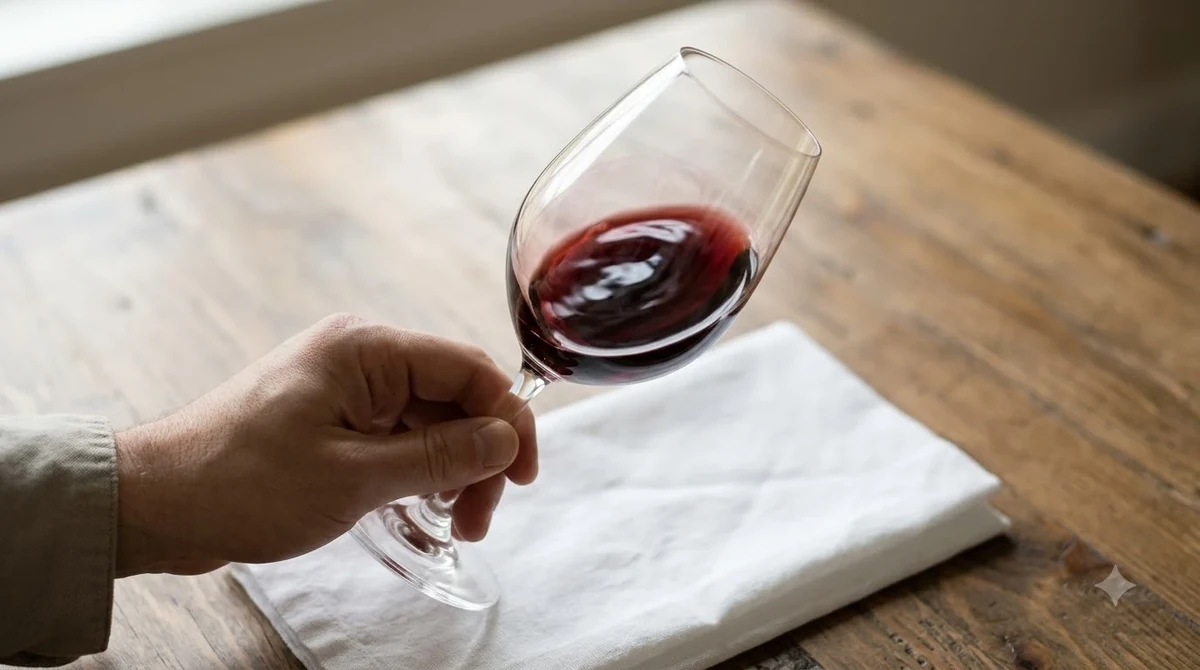
Rosé is the most straightforward alternative. A dry, full-flavored rosé from Bergerac or Côtes de Duras can provide refreshing acidity and fruit without the tannic structure of a red. This is especially useful for a less concentrated cassoulet served during warmer weather or for a meal where several guests prefer lighter wines.
The Bergerac and Duras wine organization identifies fresh, floral rosé from Bergerac and Côtes de Duras as an alternative pairing for cassoulet. This provides a regional option that preserves some connection to the cuisine of southwestern France.
Choose a dry rosé with enough body and flavor intensity to remain noticeable beside the sausage and confit. Very light, delicate rosés may disappear behind the dish, particularly when the casserole contains substantial quantities of pork rind and duck fat.
White wine is more challenging because cassoulet generally needs the structure and savory character of red wine. Nevertheless, a full-bodied, barrel-aged dry white can work with a lighter version that emphasizes beans and pork rather than duck confit.
Chardonnay is a reasonable possibility, especially an example with moderate oak influence, ripe fruit, and enough acidity to refresh the palate. Avoid extremely buttery or heavily oaked styles, which can duplicate the richness of the dish instead of balancing it.
A dry white from southwestern France can also provide an interesting regional alternative. Look for a wine with body, restrained oak, and enough freshness to complement the beans. Sauvignon Blanc is usually too sharp and light for traditional cassoulet unless the preparation is considerably lighter than usual.
Sparkling wine is another possibility, although it is not the traditional first choice. A dry sparkling wine can refresh the palate through its acidity and carbonation, particularly with a smaller serving of cassoulet. However, a delicate sparkling wine may struggle against a full casserole containing confit and sausage.
The distinction between dry and sweet wine matters. Cassoulet is savory rather than sweet, so a sweet white or dessert wine is generally a poor match for the main course. Save those styles for dessert, particularly if you are serving fruit-based pastries after the meal.
For other rich dishes that call for different wine characteristics, see what wine goes with eggplant parmesan. Tomato acidity, cheese, and roasted vegetables create a different balance from the fat and protein in cassoulet.
Wine Serving Temperature, Decanting, and Pouring Tips
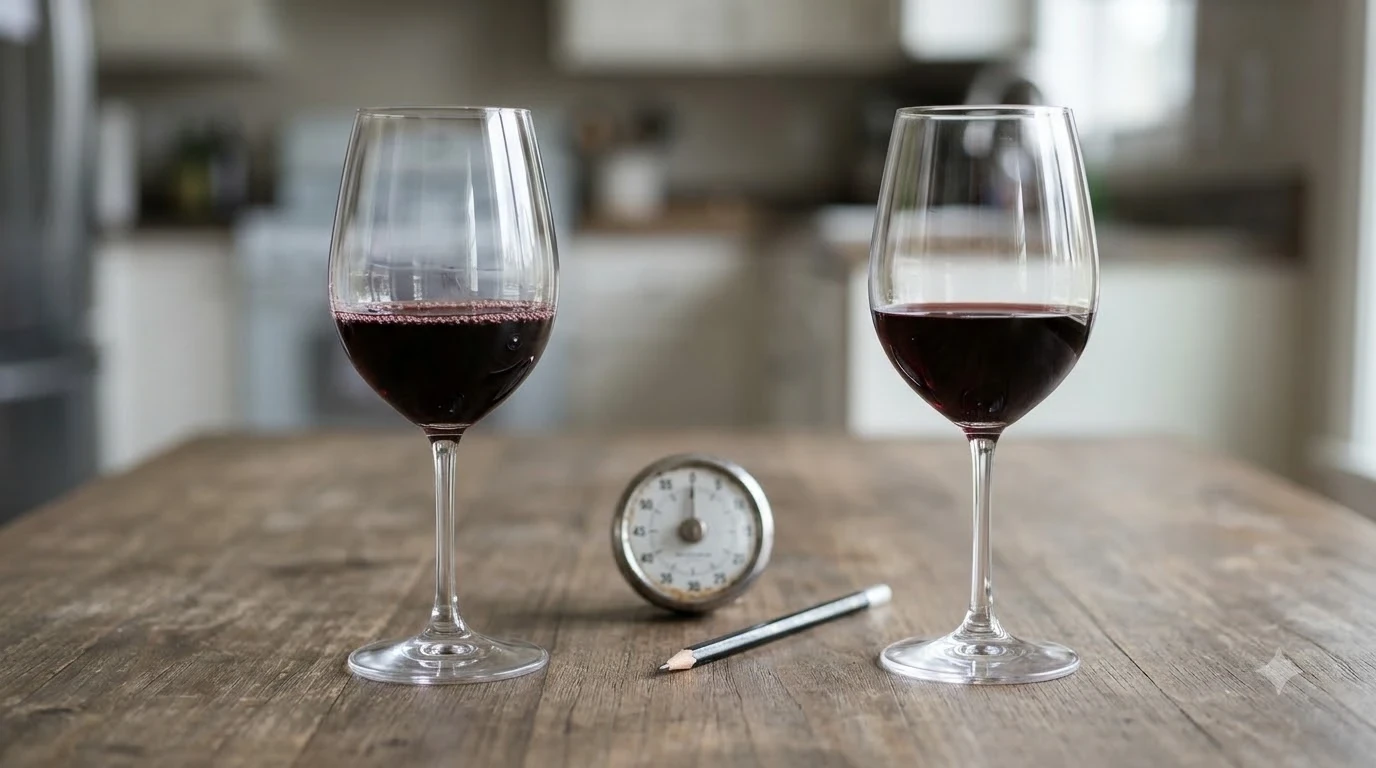
Serving temperature and preparation can make a noticeable difference to the pairing. A structured red should generally be served slightly cooler than a warm dining room, while a young, tannic bottle may benefit from 30 to 60 minutes of aeration.
For most full-bodied reds with cassoulet, aim for 60 to 65 degrees Fahrenheit. This temperature allows the wine’s fruit, acidity, and tannins to remain balanced. Serving a red at a typical warm room temperature can make alcohol feel more pronounced and cause the wine to taste heavier.
Medium-bodied reds such as Fronton or softer Merlot can be served closer to 55 to 60 degrees Fahrenheit. This slightly cooler range helps preserve freshness and makes the wine more refreshing alongside a substantial meal.
Decanting is useful for young Madiran, Cahors, and other structured reds. Allow approximately 30 to 60 minutes before serving if the wine is particularly concentrated or tannic. Exposure to air can help soften the initial impression and make the fruit and aromatic characteristics easier to appreciate.
Older bottles require a different approach. Mature reds may have delicate aromas and sediment, so prolonged aeration is not always appropriate. Carefully decant an older wine shortly before serving if sediment needs to be separated, or pour gently from the bottle.
Glassware also matters. A medium-to-large red wine glass with a reasonably wide bowl allows the wine to release its aromas. This is particularly helpful with Malbec and Syrah, where dark fruit, pepper, and herbal characteristics are important parts of the pairing.
For a typical dinner, plan on a standard 5-ounce pour per person. A 750-milliliter bottle provides approximately five glasses, making one bottle suitable for a small table of four when servings are moderate.
Tip: Open a young Cahors, Madiran, or Minervois 30 to 60 minutes before serving if it has firm tannins. Keep the wine around 60 to 65 degrees Fahrenheit, and avoid leaving it beside a hot oven or directly on a warm dining table.
If you are serving several wines, begin with a softer Fronton or Merlot and move toward a more structured Malbec or Tannat. This progression allows guests to appreciate the differences without starting with the most tannic wine.
Leftover wine should be recorked and refrigerated. Most opened still reds retain their best qualities for approximately three to five days, although the exact period depends on the wine’s age, condition, and exposure to oxygen.
How to Build a Complete Cassoulet and Wine Menu
Cassoulet is substantial enough to serve as the centerpiece of a meal, so the best menu keeps the accompanying dishes simple. A few fresh, acidic elements can provide contrast without competing with the casserole or making the wine pairing complicated.
Begin with a modest appetizer rather than another heavy meat dish. A small green salad with a light vinaigrette, a few olives, or a simple vegetable starter works well before the casserole. Avoid filling the table with rich pâtés, creamy cheeses, and multiple cured-meat plates, as the main course already contains plenty of fat and protein.
Serve the cassoulet in individual warm bowls or from a large communal casserole. A portion should include a mixture of beans, sausage, pork, and duck rather than just the meat or the beans. This gives everyone a balanced combination of textures and makes the wine pairing more consistent from one serving to another.
A crisp green salad can accompany the meal, either before or after the cassoulet. Its fresh leaves and acidic dressing provide contrast to the beans and meat. Avoid an overly sweet dressing, which can make a dry red wine taste less fruity and more bitter.
Bread is a traditional and practical accompaniment, although it is not essential. A rustic country loaf can absorb the cooking juices, but portions should remain moderate because the beans already make cassoulet a filling meal.
For dessert, choose something lighter than the main course. Poached pears, citrus fruit, an apple tart, or a small serving of fruit sorbet can finish the meal without adding another heavy layer of cream or pastry. If serving a sweet dessert wine, select one that is at least as sweet as the dessert itself.
Cheese is optional rather than necessary. If you want to finish with a cheese course, a small selection of regional cheeses can provide variety. Roquefort, for example, is better paired with a sweet white wine than with the dry red that accompanies cassoulet. The same principle applies to other strong blue cheeses; see what wine goes with blue cheese for suitable combinations.
For additional ideas about balancing acidity, sweetness, tannin, and texture across an entire menu, explore our Wine Pairing guide. These basic principles make it easier to build a meal around the wine rather than treating every course as a separate decision.
A successful cassoulet dinner does not require numerous elaborate accompaniments. The casserole, a suitable regional red, fresh salad, and a light dessert are enough to create a satisfying meal with a clear progression of flavors.
Frequently Asked Questions
Does cassoulet have to be cooked in a traditional cassole?
No. A traditional cassole is an earthenware vessel associated with the dish, but a suitable heavy ovenproof casserole can also be used. The important consideration is even heat distribution during the long cooking process, which helps the beans and meats develop their characteristic texture.
Can canned white beans be used for cassoulet?
Yes. Canned cannellini or other large white beans can shorten preparation considerably. Since they are already cooked, add them later in the cooking process and adjust the amount of stock to prevent them from becoming mushy. The finished texture will differ from cassoulet prepared with dried lingot beans.
Can cassoulet be prepared a day before serving?
Yes. Preparing cassoulet ahead is a traditional and practical approach. Aude Tourism recommends refrigerating the assembled dish overnight and reheating it before serving at approximately 150 degrees Celsius for around 90 minutes. This schedule also makes it easier to prepare the wine and accompanying dishes before guests arrive.
Why is the crust on cassoulet important?
The browned surface is part of the dish’s traditional character and contributes roasted, concentrated flavors. During baking, the crust can be broken and allowed to form again as the casserole continues cooking. This repeated browning creates a contrast with the creamy beans underneath.
Is cassoulet traditionally a lunch or dinner dish?
Cassoulet can be enjoyed at either meal, although its substantial ingredients make it particularly suitable for a leisurely lunch or a relaxed evening gathering. It is closely associated with family meals and regional food traditions in southwestern France. Its slow preparation also makes it a practical centerpiece for occasions when several people are dining together.
The best wine for cassoulet is usually a structured red from southwestern France or the Languedoc, with Cahors, Madiran, Fronton, and Minervois offering particularly appealing options. Match the wine’s tannins and body to the amount of duck confit, pork, and sausage in the casserole, and serve it at a slightly cool temperature. With the right bottle, cassoulet becomes an especially satisfying combination of regional French food and wine.
More in Food & Wine Pairing
 Risotto With White Wine Recipe: Make a Creamy Dinner at HomeUpdated Nov 20, 2026
 Wassail With Wine Recipe for a Festive Spiced Holiday DrinkUpdated Nov 20, 2026
 Spritz Veneziano Recipe: Make a Classic Venetian Aperitivo at HomeUpdated Nov 20, 2026
 Summer Wine Punch Recipe for Easy Homemade EntertainingUpdated Nov 20, 2026
 Bishop Recipe: How to Make a Bright, Citrus-Forward Red Wine CocktailUpdated Nov 20, 2026
 Wine Cupcakes Recipe: Bake Rich Chocolate Cupcakes at HomeUpdated Nov 20, 2026