

We may earn a commission when you buy through links on this page, at no extra cost to you. Learn more.
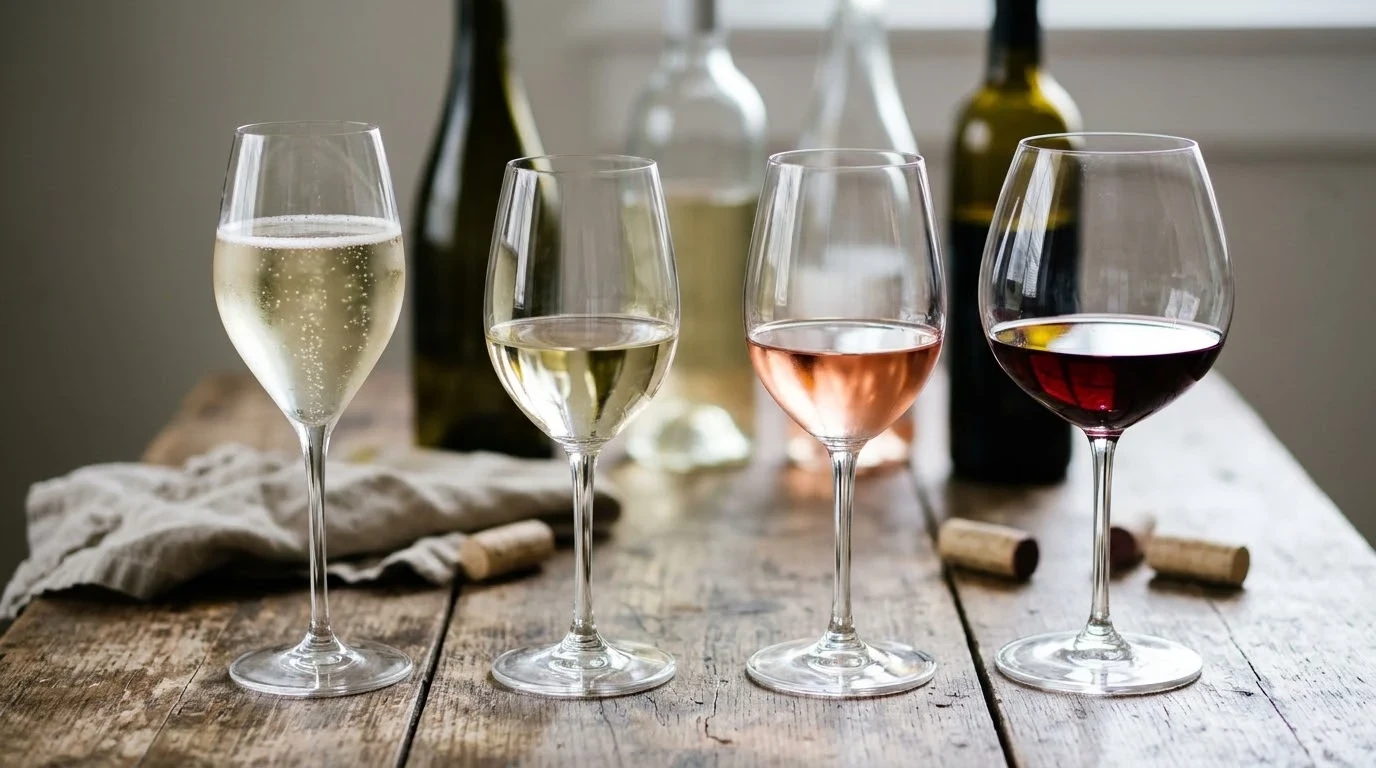
The ideal sparkling red wine serving temperature falls between 43°F and 55°F (6°C to 13°C), depending on the wine’s sweetness, tannin structure, and body. Sweet, aromatic bottles such as Brachetto d’Acqui perform best at the colder end of that range, while dry, fuller-bodied styles like Lambrusco Grasparossa and Australian Sparkling Shiraz benefit from a slightly warmer cellar chill. Serving red bubbles at traditional still-red room temperature makes the carbonation feel harsh and the alcohol taste flat.
Chilling a red wine feels counterintuitive until you factor in dissolved carbon dioxide. Because sparkling red wines carry both grape tannins and effervescence, temperature controls how those two structural elements interact on your palate, shifting a bottle from foamy and bitter to crisp, aromatic, and refreshing.
Ideal Serving Temperatures by Sparkling Red Style
Sparkling red wines span from featherlight, floral dessert styles to rich, peppery bottles built for barbecue, so a single temperature does not fit every pour. Matching the chill level to residual sugar and tannin weight keeps the mousse fine and the fruit profile bright.
| Sparkling Red Wine Style | Origin | Sweetness & Body | Serving Temperature (°F) | Serving Temperature (°C) |
|---|---|---|---|---|
| Brachetto d’Acqui | Piedmont, Italy | Sweet, light-bodied | 43°F–46°F | 6°C–8°C |
| Lambrusco di Sorbara | Emilia-Romagna, Italy | Dry to off-dry, light-bodied | 45°F–50°F | 7°C–10°C |
| Lambrusco Grasparossa | Emilia-Romagna, Italy | Dry to off-dry, medium-bodied | 50°F–55°F | 10°C–13°C |
| Sparkling Shiraz | South Australia / Victoria | Dry to off-dry, full-bodied | 46°F–54°F | 8°C–12°C |
| Sparkling Gamay / Pét-Nat Red | Loire Valley / Global | Dry, light- to medium-bodied | 45°F–50°F | 7°C–10°C |
Light, high-acid styles need a firmer chill to keep their lively carbonation tightly integrated. According to producer notes from Braida di Bologna Giacomo, Brachetto d’Acqui is best poured at 6°C to 8°C (43°F to 46°F), which highlights its wild strawberry and rose petal aromatics while preventing the sweet finish from feeling cloying. Similarly, pale, high-acid Lambrusco di Sorbara shines near 45°F to 50°F, where its tart red berry notes stay crisp.
Richer, darker-skinned sparkling reds require a few extra degrees of warmth so their tannins do not turn astringent. As Wine Enthusiast notes in its Lambrusco varietal guide, the broader serving window for Lambrusco reaches 45°F to 55°F (7°C to 13°C). Darker sub-varieties like Lambrusco Grasparossa and bold Australian Sparkling Shiraz carry higher extract and noticeable grip, meaning pouring them between 50°F and 55°F lets their blackberry, dark plum, and savory spice notes open up without clamping down the palate.
Why Temperature Matters More for Sparkling Reds Than Still Reds
Sparkling red wine sits at a sensory crossroads where carbonation, acidity, alcohol, and tannin all react differently to cold. Getting the temperature wrong magnifies whichever component is out of balance, whereas a proper chill locks them into harmony.
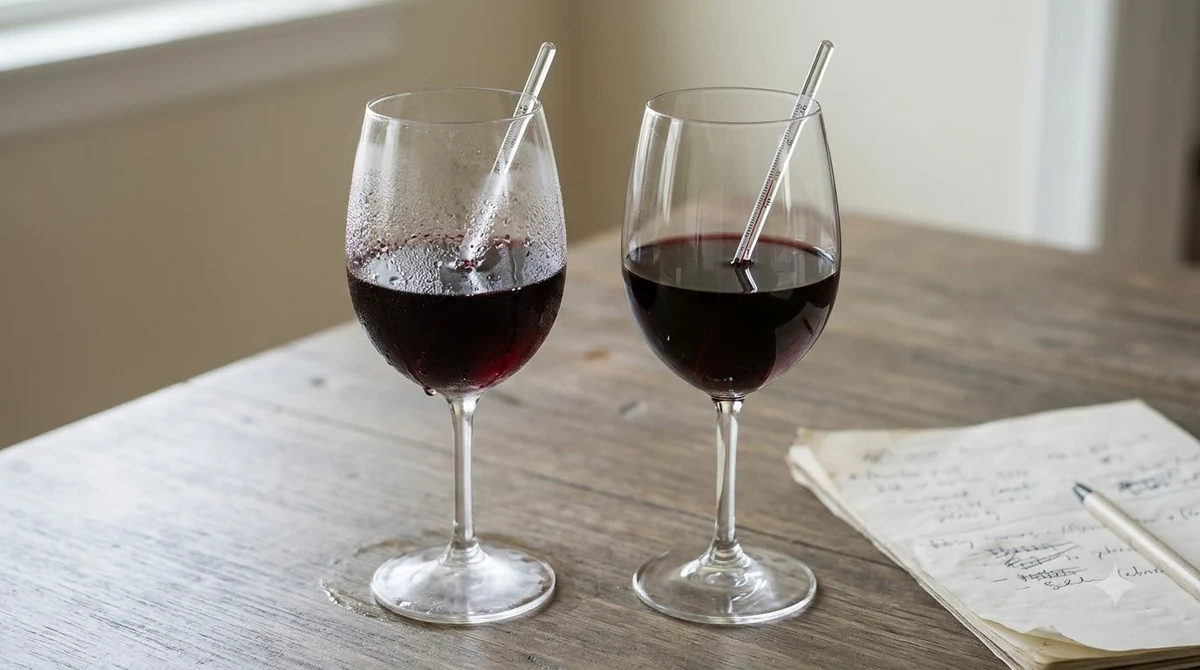
From a physical standpoint, cold liquid holds dissolved carbon dioxide gas far more effectively than warm liquid. When a sparkling red sits above 58°F, gas escapes rapidly the moment the cork comes out, creating large, aggressive bubbles that prickle the tongue and leave the wine tasting flat within minutes. Chilling the bottle down into the mid-40s to low-50s keeps the perlage fine, persistent, and creamy rather than frothy.
Temperature also governs how your taste buds perceive bitterness and sweetness. Cold temperatures amplify tannic astringency while muting fruit sweetness and aromatic volatility. Because most sparkling reds have lower tannin levels than still Cabernet Sauvignon or Nebbiolo, they handle a refrigerator chill much better than traditional table reds—though dropping a full-bodied Sparkling Shiraz below 43°F will still make its oak and grape tannins taste overly dry and metallic. For a broader look at how bubbles behave across colors, check our guide to sparkling wine serving temperature.
How to Chill Sparkling Red Wine Quickly and Safely
Bringing a room-temperature bottle of sparkling red down to serving range takes planning, especially if you want to avoid thermal shock or frozen corks. Standard kitchen appliances work well once you know the exact timing for each method.
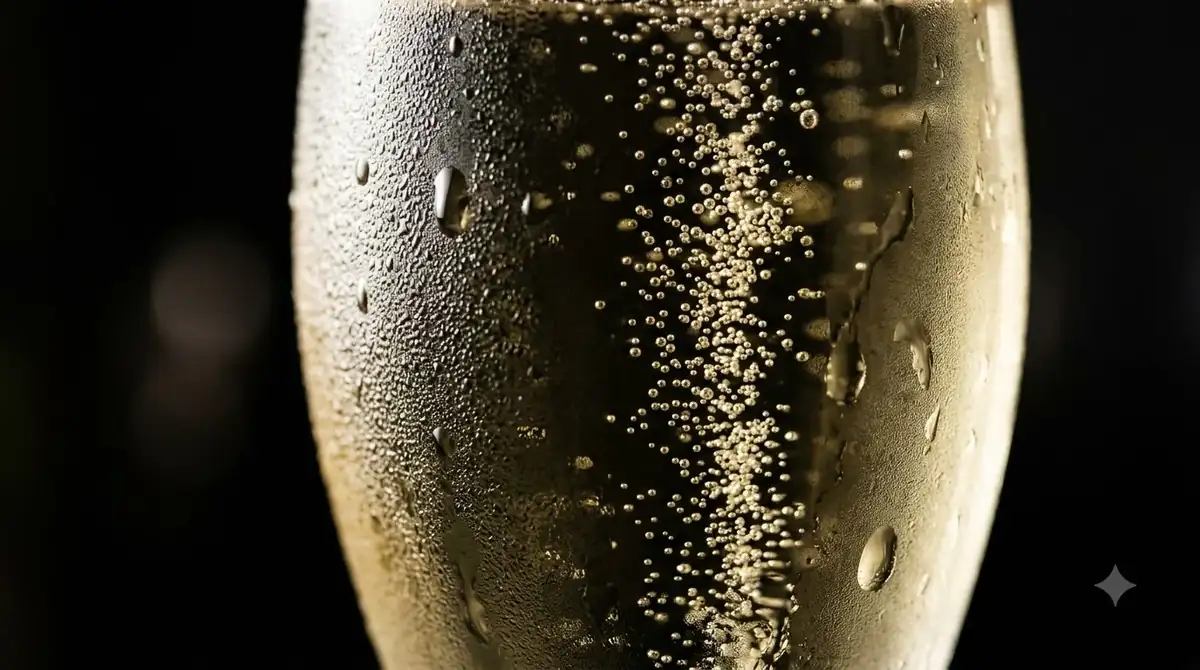
A standard household refrigerator runs around 37°F to 40°F, which is slightly colder than ideal for most sparkling reds. Placing a room-temperature bottle in the main fridge compartment for two to two-and-a-half hours brings it right into the 45°F to 50°F zone. If you store sparkling reds in the refrigerator overnight, pull the bottle out 15 to 20 minutes before pouring so the wine can warm slightly and release its floral and dark-fruit aromas.
When you are short on time, an ice-and-water bath is the fastest and most even chilling method available. Submerge the bottle up to its neck in a bucket filled with equal parts ice cubes and cold water, and it will drop from 70°F to 48°F in roughly 20 to 25 minutes. Avoid putting sparkling wine in the freezer unless you set a strict timer for 30 minutes; forgotten bottles can freeze, expand, and push out the cork or shatter the glass.
Tip: Skip narrow Champagne flutes when pouring sparkling red wine, and reach for a standard white wine or universal tulip glass instead so the wider bowl can capture delicate violet, berry, and spice aromatics.
Serving Habits That Protect Bubbles and Aromas
Temperature control does not end once you pull the bottle from the fridge or ice bucket. How you open, pour, and store the bottle during dinner determines whether the final glass tastes as lively as the first.
Never decant a sparkling red wine, even if it is an earthy, bottle-conditioned Col Fondo style or a rich Sparkling Shiraz. Pouring effervescent wine into a wide decanter strips away its carbonation in seconds and warms the liquid rapidly. If your bottle is an unfiltered ancestral-method sparkling red with natural sediment at the bottom, simply stand the bottle upright in the refrigerator for a few hours beforehand and pour gently in one steady motion.
Between pours, keep the bottle in a countertop wine chiller sleeve or a bucket with cool water and a handful of ice rather than leaving it on a warm dining table. If you have leftover wine at the end of the evening, clamp a hinged sparkling wine stopper onto the neck and return the bottle to the refrigerator immediately. Properly sealed and kept cold, most tank-method and traditional-method sparkling reds hold their fizz and freshness for two to three days. Exploring temperature across other categories—from sauternes serving temperature to sake serving temperature—follows that same principle of protecting aromatics while keeping structural elements in balance.
How Serving Temperature Shapes Food Pairings
Chilled sparkling red wine is one of the most versatile bottles you can put on a dinner table, largely because its cool temperature bridges the gap between white wine refreshment and red wine structure. Adjusting the chill by just five degrees allows you to tailor the same bottle to vastly different dishes.
At the colder end of the spectrum (43°F to 48°F), sparkling reds act as high-acid palate cleansers for salty, fatty, and cured foods. Classic Emilia-Romagna pairings like prosciutto di Parma, mortadella, salumi boards, and aged Parmigiano-Reggiano rely on that brisk chill and sharp carbonation to cut through rich animal fats. Lightly chilled Brachetto d’Acqui at 43°F to 46°F also pairs effortlessly with dark chocolate tarts, fresh strawberries, and hazelnut pastries without feeling heavy.
Serving fuller-bodied sparkling reds slightly warmer (50°F to 55°F) unlocks their savory, earthy, and peppery dimensions for heartier main courses. At cellar temperature, dry Lambrusco Grasparossa stands up to ragù alla Bolognese, wood-fired pepperoni pizza, and roasted pork shoulder. Similarly, Australian Sparkling Shiraz poured around 52°F brings enough dark-fruit warmth and supple tannin to complement smoked brisket, roast turkey, and charred lamb chops—a combination that highlights why Wine by Type guides frequently classify sparkling reds as ultimate food wines.
Frequently Asked Questions
Can you serve sparkling red wine at room temperature?
No, serving sparkling red wine at room temperature (68°F to 72°F) makes the carbonation feel foamy and aggressive while dulling the fruit flavors. Always chill sparkling reds to between 43°F and 55°F so the bubbles stay fine and refreshing.
Should you put ice cubes in sparkling red wine?
Adding ice cubes directly to your glass will chill the wine quickly, though melting ice dilutes the fruit concentration and flattens the bubbles. For casual backyard sipping with sweet or off-dry styles, a single large cube works in a pinch, but chilling the bottle in an ice-water bath preserves the wine’s true flavor.
How long does it take to chill sparkling red wine in the fridge?
A room-temperature bottle takes about two to two-and-a-half hours in a standard refrigerator to reach the ideal 45°F to 50°F range. If the bottle sits in the fridge overnight, let it rest on the counter for 15 minutes before opening so the aromas can open up.
Is Lambrusco served colder than regular red wine?
Yes, Lambrusco is served significantly colder than still red wines. While still reds are typically poured between 60°F and 65°F, Lambrusco should be chilled to 45°F to 55°F to keep its natural acidity crisp and its bubbles tightly integrated.
Dialing in the right sparkling red wine serving temperature turns an often-misunderstood category into one of the most rewarding pours at the table. Keep light, sweet bottles crisp around 45°F, give darker, tannic styles a gentle cellar chill near 52°F, and let the bubbles do the work of lifting every bite.
More in Wine Types & Grapes
 What Does Mourvèdre Taste Like? Flavor Profile, Regions, and PairingsUpdated Nov 20, 2026
 What Does Marsanne Taste Like? Flavors, Styles, and Food PairingsUpdated Nov 20, 2026
 What Does Malvasia Taste Like? Styles, Flavors, and Food PairingsUpdated Nov 20, 2026
 What Does Grenache Blanc Taste Like? Flavor Profile, Styles, and PairingsUpdated Nov 20, 2026
 What Does Garnacha Taste Like? Key Flavors, Styles, and Pairing TipsUpdated Nov 20, 2026
 What Does Fruit Wine Taste Like? A Complete Flavor and Style BreakdownUpdated Nov 20, 2026