


We may earn a commission when you buy through links on this page, at no extra cost to you. Learn more.
What wine goes with calamari? Dry sparkling wine, Albariño, Sauvignon Blanc, and Vermentino are excellent choices, depending on how the squid is prepared. For classic fried calamari, choose Brut Cava or another crisp sparkling wine to balance the fried coating. For grilled calamari, reach for an aromatic white such as Vermentino or Albariño, while tomato-based preparations can accommodate a fresh Sauvignon Blanc or light red wine.
Calamari is one of the most versatile seafood dishes to pair with wine because squid has a naturally mild, slightly sweet flavor. The preparation makes a substantial difference: crispy fried rings, chargrilled tentacles, garlic-seasoned squid, and calamari in marinara sauce each bring different textures and flavors to the plate. The right bottle should complement those ingredients without overpowering the delicate seafood. Understanding acidity, bubbles, body, and tannin makes choosing a bottle much easier, whether you are ordering an appetizer at an Italian restaurant or preparing a seafood dinner at home.
Best Wines to Pair With Calamari
The best all-around choices are dry sparkling wine, Albariño, Sauvignon Blanc, and Vermentino. These wines offer enough freshness to complement seafood while keeping the mild sweetness of squid in focus.
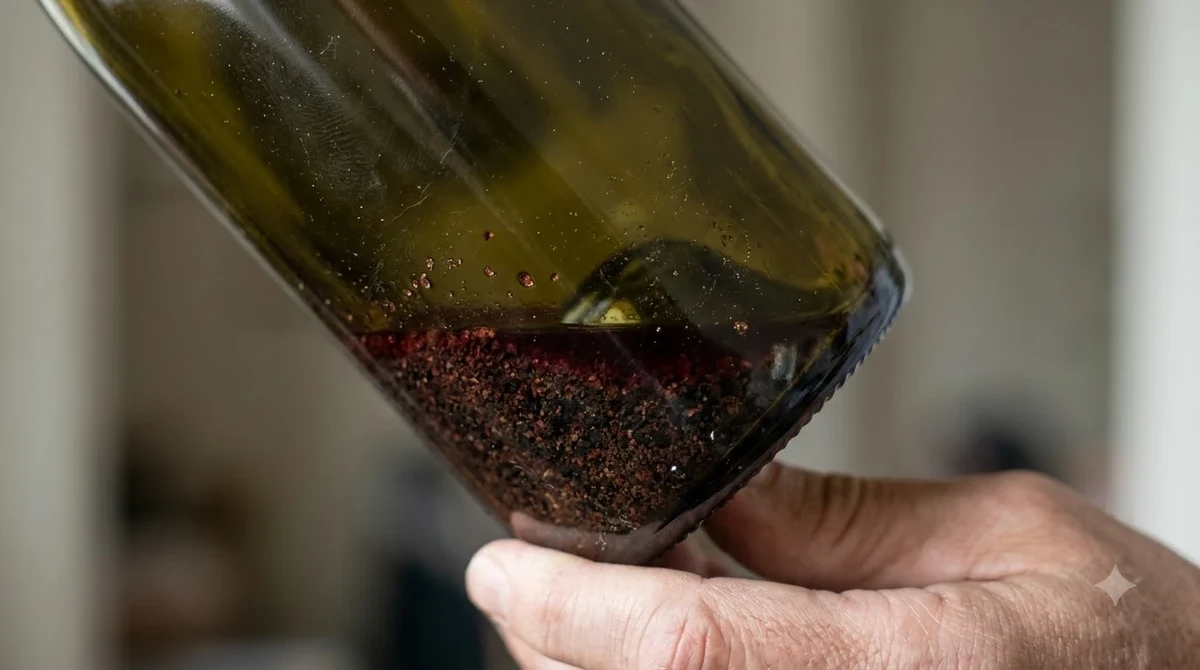
Dry sparkling wine is particularly effective with fried calamari because its acidity and carbonation refresh the palate after bites of oily batter. Brut Cava from Spain is a particularly useful choice, as is French Crémant. Both provide crisp fruit flavors and refreshing acidity without adding excessive sweetness. Champagne also works, especially a fresh Brut style with citrus and green-apple characteristics.
For still wine, Albariño is one of the strongest options. This Spanish white grape is known for its lively acidity, citrus flavors, and often slightly saline character. Those qualities complement seafood naturally, particularly when calamari is served with lemon, parsley, or olive oil. A bottle from Rías Baixas in northwestern Spain is a good starting point.
Sauvignon Blanc is another dependable choice. Its pronounced acidity and herbal, citrus-driven profile work particularly well with garlic, lemon, and fresh herbs. A Loire Valley Sauvignon Blanc generally offers a restrained, mineral style, while examples from Marlborough, New Zealand, often show more pronounced citrus and tropical fruit.
Vermentino provides a slightly different experience. Commonly associated with coastal Mediterranean regions, it can offer lemon, green apple, herbs, and a pleasant mineral impression. It is especially suitable for grilled or sautéed calamari, where the wine can complement olive oil and charred flavors without becoming too heavy.
Other useful options include Pinot Grigio, dry Chenin Blanc, Picpoul, and Assyrtiko. Each provides a relatively fresh profile that suits the gentle flavor of squid. Fiona Beckett’s calamari pairing recommendations also emphasize crisp citrus-driven whites and sparkling wine for fried preparations.
The following table summarizes the most useful choices by preparation.
| Calamari Preparation | Recommended Wine | Key Pairing Reason | Serving Temperature |
|---|---|---|---|
| Classic fried calamari | Brut Cava | Bubbles and acidity balance fried batter | 40–50°F |
| Fried calamari with lemon | Albariño | Citrus and acidity complement lemon | 45–50°F |
| Grilled calamari | Vermentino | Herbal freshness complements char | 45–50°F |
| Garlic calamari | Sauvignon Blanc | Herbal aromas complement garlic and parsley | 45–50°F |
| Calamari marinara | Sauvignon Blanc | Acidity works with tomato sauce | 45–50°F |
| Calamari pasta | Pinot Noir | Light tannins suit richer preparations | 55–60°F |
| Seafood calamari salad | Albariño | Fresh acidity complements light ingredients | 45–50°F |
| Stuffed calamari | Dry Chenin Blanc | Freshness and body accommodate savory stuffing | 45–50°F |
These are practical starting points rather than rigid rules. A heavily seasoned fried dish may need a more aromatic wine than simply fried squid, while a grilled preparation with olive oil may benefit from a white with slightly more texture. If several calamari preparations are being served together, Brut Cava or Albariño offers enough versatility to accompany most of them.
Wine for Fried Calamari and Crispy Seafood
Fried calamari pairs best with dry sparkling wine or a crisp, high-acid white. Brut Cava, Crémant, and Champagne are particularly effective because their acidity and bubbles provide refreshing contrast to the oil and crispy coating.

Classic Italian calamari fritti usually consists of squid rings or pieces coated in flour or a light batter and fried until golden. The squid itself remains delicate, but the exterior introduces salt, fat, and a crunchy texture. A wine with freshness is therefore more useful than a powerful, heavily textured white.
Brut Cava is an especially good option. Produced in Spain, Cava made through the traditional bottle-fermentation method develops its bubbles through a second fermentation in the bottle. The resulting wine can offer citrus, green apple, and subtle bread-like notes. These characteristics complement fried seafood without overwhelming the squid.
French Crémant is another strong choice. Depending on its region and grape varieties, it can offer fresh apple, lemon, pear, and delicate floral aromas. A dry Brut style is particularly suitable when calamari is served as an appetizer with lemon wedges or a simple dipping sauce.
Champagne can also work beautifully. A nonvintage Brut Champagne generally has enough acidity to complement fried food, while its fine bubbles and subtle yeast-derived flavors provide additional complexity. It is a particularly attractive choice for a seafood platter that includes shrimp, oysters, and fried calamari.
If sparkling wine is not preferred, choose a crisp still white. Pinot Grigio is a practical option because its light body and refreshing acidity do not compete with the delicate squid. Albariño and Sauvignon Blanc are also excellent alternatives, particularly when the calamari comes with lemon.
For a different regional pairing, consider Assyrtiko from Greece or Picpoul from southern France. Both can provide refreshing acidity and citrus character. These wines are especially useful when fried calamari is part of a Mediterranean appetizer spread with olives, grilled vegetables, and seafood.
There is one important distinction between dry and sweet sparkling wine. Brut Nature, Extra Brut, and Brut are among the driest styles, making them especially suitable for savory fried seafood. Extra Dry Prosecco is actually slightly sweeter than Brut Prosecco, despite the confusing name. A dry sparkling wine is generally the safer choice when the calamari is served with salty seasoning.
Tip: Chill your sparkling wine to approximately 40–50°F before serving. Pour a modest amount into a flute or white wine glass, and add the next serving while the calamari is still hot and crisp. The contrast between warm fried squid and cold, refreshing wine makes this pairing particularly satisfying.
Albariño, Sauvignon Blanc, and Vermentino for Calamari
For calamari that is grilled, sautéed, or served with simple seasonings, dry aromatic white wines are excellent choices. Albariño, Sauvignon Blanc, and Vermentino each bring a different combination of citrus, herbs, and acidity to the seafood.
Albariño deserves particular attention because of its association with seafood from the Atlantic coast of Spain. The grape is strongly associated with Rías Baixas in Galicia, where the coastal climate contributes to wines with fresh acidity and bright fruit character. Depending on the producer and style, expect lemon, lime, peach, green apple, and sometimes a subtle saline impression.
That profile makes Albariño suitable for grilled calamari with lemon and parsley. Its freshness supports the seafood’s delicate sweetness, while the citrus character works with the acidity of a lemon dressing. It is equally suitable for calamari salad with olive oil, fresh herbs, and tomatoes.
Sauvignon Blanc is another reliable choice, particularly when the dish includes garlic, lemon, or green herbs. A Sancerre or Pouilly-Fumé from France typically offers citrus, mineral, and herbal notes. New Zealand Sauvignon Blanc often brings more pronounced grapefruit, lime, and tropical fruit flavors.
The choice between these styles depends on the preparation. A simple grilled squid dish with olive oil and parsley can work beautifully with a mineral Loire Valley Sauvignon Blanc. A more aromatic New Zealand example may be preferable when the calamari includes a generous amount of fresh herbs and lemon.
Vermentino offers a Mediterranean alternative. Italian examples from Sardinia and Liguria can show citrus, pear, green apple, and herbal characteristics. The grape’s refreshing profile makes it particularly useful with squid cooked over a hot grill or in a skillet with olive oil.
For a dish with noticeable char, choose a Vermentino with a little more body rather than an extremely delicate white. The additional texture can stand alongside the smoky exterior without making the pairing feel heavy.
Other grapes can also be considered. Dry Chenin Blanc offers refreshing acidity with apple, pear, and sometimes honeyed fruit aromas. Picpoul provides a straightforward citrus-driven alternative, while Grüner Veltliner can introduce white pepper and green-herb notes that work with Mediterranean seasoning.
For readers exploring how grape varieties influence food choices, our Wine Pairing guide explains how acidity, sweetness, tannin, and body interact with different ingredients.
Pairing Wine With Grilled, Garlic, and Lemon Calamari
Grilled calamari generally needs a wine with enough freshness to complement seafood and enough flavor to stand up to char, garlic, or olive oil. Vermentino, Albariño, and Sauvignon Blanc are dependable choices, although the sauce can change the ideal match.
Grilling changes squid’s flavor and texture. Instead of a crispy, oily exterior, the seafood develops browned edges and smoky notes. The flesh can remain tender when cooked correctly, so the wine should have some aromatic character without excessive oak or tannin.
Vermentino is a natural choice for this preparation. Its citrus and herbal flavors complement grilled seafood, especially when the squid is finished with extra-virgin olive oil and fresh parsley. A bottle from Sardinia is a good regional option for a Mediterranean-style meal.
Albariño is another excellent match. Its lively acidity works with lemon juice, while its fruit character provides a pleasant contrast to smoky edges. It is particularly useful when the grilled calamari is served with a simple green salad or roasted vegetables.
Garlic calamari introduces a stronger flavor. Garlic can dominate a delicate wine, so Sauvignon Blanc is useful because its acidity and herbal aromas have enough character to remain noticeable. A fresh Italian Vermentino can also work when the garlic is softened in olive oil rather than served raw.
Consider the amount of garlic before choosing the bottle. Lightly sautéed garlic and parsley do not require an especially powerful wine. A sauce with roasted garlic, chili, and generous olive oil has more intensity and may benefit from a slightly fuller white.
Lemon calamari is particularly straightforward. Lemon adds acidity to the dish, so a wine with similarly lively acidity is important. Albariño, Sauvignon Blanc, and dry sparkling wine are all suitable options. A soft, low-acid white can seem flat next to a strongly acidic lemon dressing.
For calamari served with aioli, the additional fat changes the balance slightly. Brut sparkling wine can refresh the palate, while Sauvignon Blanc provides enough acidity to contrast with the creamy sauce. Avoid a heavily oaked Chardonnay if the aioli and squid are both delicate; the oak can become more noticeable than the seafood.
Calamari served with capers, olives, or anchovy-based seasoning introduces more salt and savory intensity. Albariño and Vermentino are particularly useful because their fresh profiles complement these Mediterranean ingredients. Dry rosé is another option, especially if the plate also includes tomatoes and grilled vegetables.
Wine for Calamari With Marinara, Pasta, and Stuffing
Calamari served with tomato sauce, pasta, or savory stuffing can accommodate more body and flavor than plain fried squid. Sauvignon Blanc, dry rosé, Pinot Noir, Gamay, and selected Italian reds can all work, depending on the sauce and accompanying ingredients.
Tomato sauce introduces acidity and often a degree of sweetness. The wine needs sufficient freshness to avoid tasting dull beside the sauce. Sauvignon Blanc is a practical white option because its high acidity complements tomatoes, while its herbal aromas suit basil, parsley, and garlic.
A dry rosé can also be an excellent match. Look for a fresh style with strawberry, citrus, and red-berry character rather than a noticeably sweet wine. Rosé from Provence or other Mediterranean regions can work particularly well with tomato-based seafood dishes.
For calamari pasta, the sauce matters as much as the squid. A simple olive oil, garlic, and parsley preparation calls for a crisp white such as Vermentino. Pasta with a tomato-based seafood sauce can handle a more structured wine, including a fresh Pinot Noir or Gamay.
Pinot Noir is a useful red option because it typically has low-to-medium tannin and relatively high acidity. These qualities make it less aggressive than full-bodied reds. Serve it slightly cool, around 55–60°F, rather than at a warm room temperature.
Gamay is another suitable red. Beaujolais wines made primarily from Gamay often have bright cherry, raspberry, and red-fruit flavors with relatively modest tannins. A lightly chilled bottle can complement calamari pasta with tomato, herbs, and olive oil.
Italian Sangiovese can work with more substantial tomato-based calamari dishes. Its acidity is useful alongside tomatoes, and its structure can match richer preparations. However, choose a relatively fresh, approachable style rather than a heavily extracted red with prominent tannins.
Stuffed calamari requires a slightly different approach. The filling might include breadcrumbs, garlic, parsley, Parmesan, rice, seafood, or even cured meat. These ingredients add savory intensity, so a white with more body may be preferable to an extremely light wine.
Dry Chenin Blanc is a versatile choice for breadcrumb and herb stuffing. Sauvignon Blanc is particularly suitable for garlic and parsley fillings, while an unoaked Chardonnay can work with a richer filling that includes cheese or olive oil.
If the stuffing includes sausage or another substantial meat ingredient, a light red such as Pinot Noir may be appropriate. The key is to match the weight of the filling rather than treating the dish as plain seafood. The same principle applies to other substantial meals, such as wine pairings for eggplant Parmesan, where tomato sauce, cheese, and cooking method all influence the wine choice.
Serving Temperature and Common Calamari Pairing Mistakes
Serve calamari wines cool enough to preserve their freshness without suppressing their aromas. Light whites and rosé are best around 45–50°F, while sparkling wines are generally served around 40–50°F and light reds around 55–60°F.
Temperature is especially important with fried calamari. A warm white can seem soft and heavy beside hot batter, while an excessively cold wine can lose some of its aromatic character. A short period in the refrigerator before serving usually provides a good starting point for a light white.
Use the following temperature guidelines:
- Brut Cava and Champagne: 40–50°F.
- Albariño and Sauvignon Blanc: 45–50°F.
- Vermentino and Pinot Grigio: 45–50°F.
- Dry rosé: 45–50°F.
- Pinot Noir and Gamay: 55–60°F.
- Fuller Chardonnay: 50–55°F.
Glassware also matters. A standard white wine glass is suitable for Albariño, Vermentino, and Sauvignon Blanc because it allows their aromas to develop while maintaining a comfortable serving temperature. Sparkling wine can be served in a flute or a tulip-shaped glass, with the latter providing more room for aromatic development.
Use a moderate pour rather than filling the glass. A standard wine serving is approximately 5 ounces, and a 750 ml bottle provides about five such servings. This is generally enough for a small seafood dinner without requiring excessive quantities of wine.
One frequent mistake is choosing a heavily tannic red for delicate calamari. Cabernet Sauvignon and Syrah can overpower the mild sweetness of squid, especially when the dish is fried or simply grilled. If red wine is preferred, Pinot Noir and Gamay are generally safer choices because their tannins are lower.
Another mistake is overlooking the sauce. Plain fried calamari and calamari in a rich tomato sauce are not interchangeable pairing situations. The first usually benefits from sparkling wine or a crisp white, while the second can accommodate rosé or a light red.
Excessive oak is another potential problem. A strongly oaked Chardonnay may overwhelm simple fried or grilled squid. A fresher, unoaked style is usually more appropriate unless the preparation includes substantial butter, cream, or a richer stuffing.
Chili heat deserves attention too. Alcohol and tannin can amplify the perception of spicy heat. If calamari comes with a hot chili sauce, choose a lower-alcohol white or a slightly off-dry Riesling rather than a high-alcohol red. A little residual sweetness can help soften the impression of heat.
Finally, do not overlook the accompanying dishes. A seafood platter may include shrimp, oysters, vegetables, and fried fish alongside calamari. Albariño and Brut sparkling wine are useful choices for this type of meal because they can accommodate several different seafood textures and seasonings.
Frequently Asked Questions
What is the best Italian wine to serve with calamari?
Vermentino from Sardinia is an excellent Italian choice for grilled or sautéed calamari. For fried calamari, Franciacorta offers a sparkling alternative made using the traditional bottle-fermentation method. Both styles provide freshness without overpowering the seafood.
Does Prosecco go with calamari?
Yes, dry Prosecco can accompany fried calamari, particularly when served as an appetizer. Prosecco is made primarily from Glera grapes and uses the tank method for its characteristic sparkling style. Its apple and pear flavors complement lightly seasoned squid.
Can orange wine be paired with calamari?
Orange wine can work with grilled or heavily seasoned calamari, particularly when the dish includes herbs, olives, or roasted vegetables. Choose a fresh, restrained example rather than one with pronounced bitterness or heavy tannin. Its texture can complement richer Mediterranean preparations.
Is dry sherry a good match for fried calamari?
Yes, chilled Fino or Manzanilla Sherry can be an excellent match for fried squid. These dry fortified wines are associated with Andalusian seafood traditions and offer distinctive savory, saline characteristics. Manzanilla is especially interesting with lemon and lightly salted calamari.
Should calamari be served with red or white wine at an Italian dinner?
White wine is generally the more versatile choice, but red wine can work with richer preparations. Pinot Noir and Gamay are useful options for tomato-based calamari pasta, while Sangiovese can complement a more substantial tomato sauce. The choice should follow the sauce and other ingredients rather than the squid alone.
The best wine for calamari depends primarily on its preparation. Choose Brut Cava for crispy fried rings, Albariño or Vermentino for grilled squid, and Sauvignon Blanc or a light red for tomato-based dishes. With fresh acidity, moderate body, and sensible serving temperatures, you can find a bottle that complements everything from a simple seafood appetizer to a full Italian dinner.
More in Food & Wine Pairing
 Risotto With White Wine Recipe: Make a Creamy Dinner at HomeUpdated Nov 20, 2026
 Wassail With Wine Recipe for a Festive Spiced Holiday DrinkUpdated Nov 20, 2026
 Spritz Veneziano Recipe: Make a Classic Venetian Aperitivo at HomeUpdated Nov 20, 2026
 Summer Wine Punch Recipe for Easy Homemade EntertainingUpdated Nov 20, 2026
 Bishop Recipe: How to Make a Bright, Citrus-Forward Red Wine CocktailUpdated Nov 20, 2026
 Wine Cupcakes Recipe: Bake Rich Chocolate Cupcakes at HomeUpdated Nov 20, 2026