

We may earn a commission when you buy through links on this page, at no extra cost to you. Learn more.
Pouilly Fuisse food pairing works best with seafood, roasted or grilled chicken, creamy sauces, goat cheese, and dishes featuring fresh herbs. This white Burgundy Chardonnay combines bright acidity, ripe fruit, mineral character, and a rounded texture. Its balance makes it versatile enough for delicate fish, richer shellfish, savory vegetarian dishes, and moderately spiced international cuisine.
Pouilly-Fuissé comes from the Mâconnais in southern Burgundy, France, where Chardonnay grows on limestone-rich hillsides. Depending on the producer and winemaking approach, the wine can show lemon, peach, apple, hazelnut, almond, butter, vanilla, and subtle toasted notes. These characteristics offer several useful pairing opportunities, particularly with foods that have moderate richness, delicate flavors, and fresh acidity.
Understanding Pouilly-Fuissé Before Choosing Food
Pouilly-Fuissé is a Chardonnay-based white Burgundy with enough body for substantial dishes but enough freshness to complement seafood and lighter preparations. Understanding its combination of fruit, acidity, texture, and oak makes it easier to choose foods that complement rather than overpower the wine.
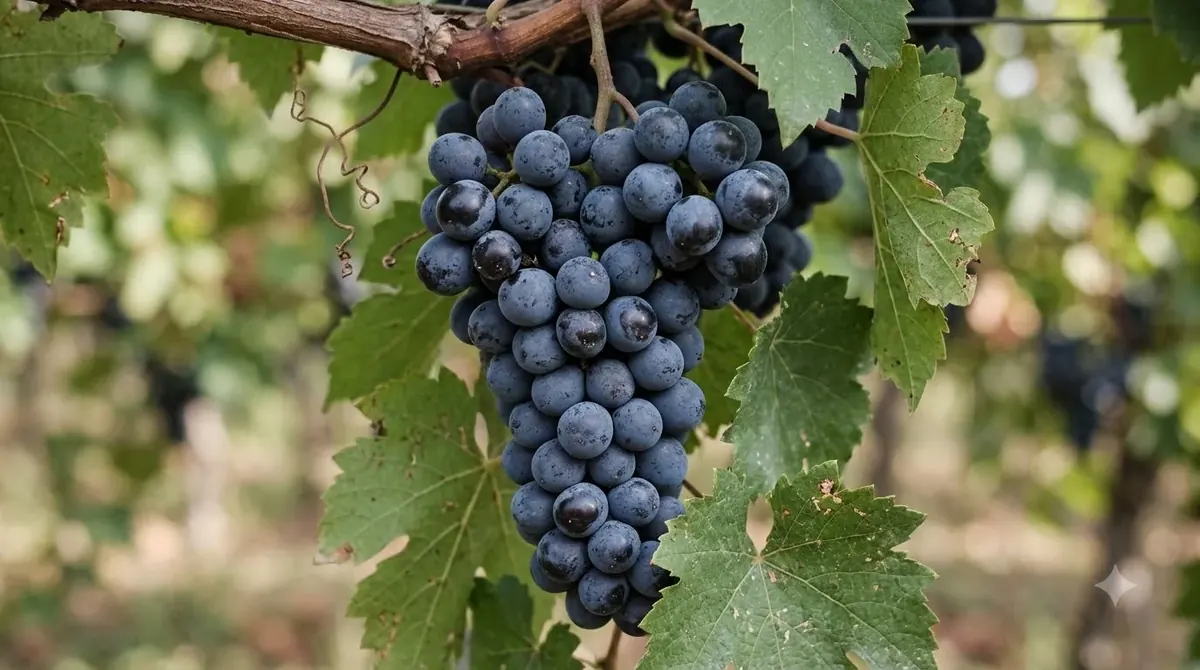
The appellation covers four principal communes: Fuissé, Solutré-Pouilly, Vergisson, and Chaintré. Its vineyards occupy hillsides with Jurassic clay-limestone soils, limestone scree, and elevations generally between 200 and 300 meters. According to the Bourgogne Wines regional authority, these conditions contribute to the distinctive character of the wines, which can combine mineral notes with ripe fruit and a naturally generous palate. The Bourgogne Wines Pouilly-Fuissé appellation profile provides further details about the region’s characteristics and traditional food recommendations.
Chardonnay is the only permitted grape variety for Pouilly-Fuissé. However, not every bottle tastes identical. Some producers favor stainless-steel fermentation and aging to preserve citrus aromas and freshness, while others incorporate oak barrels to add texture, spice, and subtle vanilla characteristics.
For example, Maison Albert Bichot describes a production approach using 70% stainless-steel vats and 30% oak barrels, with aging on fine lees for 8 to 9 months. Its tasting description emphasizes white fruit, spice, restrained vanilla, and minerality. These characteristics explain why the wine can accompany both simply prepared fish and dishes containing cream or butter. The Albert Bichot Pouilly-Fuissé producer profile provides details about this particular winemaking approach and its recommended food matches.
A useful starting point is to think about the wine in three dimensions:
- Acidity: Freshness helps balance butter, cream, and naturally rich seafood.
- Body: Its rounded texture can stand alongside roasted chicken, pork, and creamy pasta.
- Aromas: Citrus, peach, almond, hazelnut, and subtle oak complement herbs, mushrooms, seafood, and mild cheeses.
Oak influence also matters. A lightly oaked bottle usually works particularly well with simply grilled fish, shellfish, and fresh vegetables. A fuller, barrel-aged version can handle richer sauces, roasted poultry, and dishes with browned butter or toasted nuts.
It is also important to distinguish Pouilly-Fuissé from Pouilly-Fumé. Despite their similar names, Pouilly-Fumé comes from the Loire Valley and is made primarily from Sauvignon Blanc. Pouilly-Fuissé is a Chardonnay from Burgundy, with a different flavor profile and a different set of pairing opportunities.
Seafood and Shellfish Pairings
Seafood is one of the most dependable choices for Pouilly-Fuissé because the wine’s acidity, mineral character, and rounded texture complement both delicate fish and naturally sweet shellfish. Lobster, prawns, scallops, cod, and monkfish are particularly good starting points.
Lobster with butter sauce is an excellent match for a richer Pouilly-Fuissé. Lobster has a naturally sweet, firm texture, while butter introduces fat and richness. The wine’s acidity refreshes the palate between bites, and its almond, peach, and subtle mineral characteristics complement the shellfish without overwhelming it.
For a straightforward preparation, serve lobster with melted butter, lemon, and a little chopped parsley. Avoid making the butter sauce excessively acidic or heavily seasoned. The goal is to preserve the lobster’s sweetness while allowing the Chardonnay’s fruit and texture to remain noticeable.
Grilled prawns are another reliable option. Their sweetness works well with citrus and mineral notes, particularly when they are cooked with olive oil, garlic, and lemon zest. A lightly oaked Pouilly-Fuissé can also complement prawns cooked with a small amount of butter.
Scallops deserve special attention. Pan-seared scallops develop a golden crust and a slightly sweet, delicate interior. Their flavor works particularly well with Chardonnay that shows peach, citrus, and toasted almond. Serve them with cauliflower purée, a restrained butter sauce, or sautéed spring vegetables.
For fish, choose varieties with enough texture to match the wine’s body. Cod, halibut, sea bass, and monkfish are practical options. A simply roasted cod fillet with lemon butter, for example, offers enough richness for the wine without introducing strong flavors that compete with its aromas.
According to Berry Bros. & Rudd, meatier fish such as cod and monkfish are especially suitable, while prawns and lobster are also strong matches. The combination works because the wine’s freshness balances richer textures and its mineral character complements the natural sweetness of seafood.
Preparation is just as important as the fish itself. Consider these combinations:
- Cod: Roast with lemon, parsley, and a little butter.
- Halibut: Grill with olive oil and serve with a light herb sauce.
- Scallops: Pan-sear and finish with browned butter and toasted almonds.
- Monkfish: Roast with thyme and serve with a light cream sauce.
- Prawns: Grill with garlic, lemon, and parsley.
- Lobster: Serve with melted butter and fresh lemon.
Sushi is another interesting option. Salmon, shrimp, and white-fish sushi can work particularly well when the accompanying ingredients remain relatively delicate. The wine’s freshness complements the fish, while its mineral character offers a pleasing contrast to the natural sweetness of seafood.
Be cautious with heavily smoked fish, intensely vinegared preparations, and oily fish served with strong sauces. Excessive smoke or vinegar can dominate the wine, while very oily preparations may make a delicate Chardonnay seem less lively. Choose restrained seasoning and moderate acidity for the most balanced result.
Chicken, Turkey, Veal, and Other White Meats
Chicken, turkey, and veal are excellent partners for Pouilly-Fuissé because their relatively mild flavors allow the wine’s fruit and mineral character to come forward. Grilling, roasting, and gentle cream-based preparations provide especially reliable results.
Roast chicken is one of the easiest dishes to pair with this Burgundy white. The golden skin provides savory richness, while the meat remains mild enough to complement the wine. A simple preparation with thyme, rosemary, lemon, and butter works particularly well.
For a more substantial dinner, serve roast chicken with potatoes and roasted carrots. The potatoes add a satisfying texture, and the sweetness of the carrots complements ripe peach and apple notes in the Chardonnay. A bottle with some oak influence will generally feel especially comfortable alongside this preparation.
Chicken in cream sauce is another classic match. Pouilly-Fuissé has enough body to accompany the richness of cream, while its acidity prevents the overall combination from feeling excessively heavy. A sauce containing mushrooms, shallots, and fresh thyme can add savory complexity without overpowering the wine.
Chicken with mushroom cream sauce is particularly attractive because mushrooms contribute earthy, savory flavors that complement the wine’s nutty characteristics. For a simple preparation, sauté sliced mushrooms with shallots, add a modest amount of cream, and finish with thyme and black pepper.
Turkey also works well, especially when roasted with herbs or served with a light gravy. Avoid very sweet glazes or heavy cranberry sauces that can introduce a sweetness imbalance. Instead, use lemon, sage, parsley, and a modest amount of butter to maintain a savory flavor profile.
Veal is another traditional Burgundy pairing. Its tender texture and delicate flavor are suitable for a wine that combines freshness with a rounded palate. Veal medallions with a light mushroom sauce, grilled veal chops, or gently braised veal can all work.
For entertaining, consider these combinations:
- Herb-roasted chicken: Complements citrus, white fruit, and subtle oak.
- Chicken with mushroom cream sauce: Connects the wine’s nutty notes with earthy mushroom flavors.
- Grilled turkey breast: Matches the wine’s moderate richness without overwhelming its freshness.
- Veal medallions: Work with the wine’s texture and gentle mineral character.
- Roasted pork tenderloin: Pairs well with apple, thyme, and a light mustard cream sauce.
Pork tenderloin is worth considering even though it is not always the first meat associated with white Burgundy. Its mild flavor and tender texture make it a useful alternative to chicken. Serve it with roasted apples, sautéed shallots, or a light cream sauce rather than a heavily sweet barbecue glaze.
For all these dishes, avoid excessively hot spices and very acidic marinades. A lemon-herb marinade is appropriate, but a prolonged soak in strong vinegar can make the finished dish taste sharper than the wine. Keep the seasoning balanced and allow the meat’s natural flavor to remain central.
Creamy Pasta, Risotto, and Vegetarian Dishes
Creamy pasta, mushroom risotto, and roasted vegetables are strong vegetarian options for Pouilly-Fuissé. The wine’s acidity balances butter and cream, while its fruit and subtle nutty flavors complement mushrooms, toasted ingredients, and savory sauces.
Mushroom risotto is among the most satisfying combinations. Arborio rice develops a creamy consistency as it releases starch during cooking, while mushrooms contribute earthy and savory notes. Pouilly-Fuissé can complement the richness of the dish without disappearing behind it.
For a balanced preparation, use cremini mushrooms, shallots, vegetable stock, Parmesan, and a modest amount of butter. Finish with fresh thyme and a little lemon zest. These ingredients connect naturally with the wine’s mineral, citrus, and nutty characteristics.
Risotto with roasted butternut squash is another possibility. The squash introduces gentle sweetness, while Parmesan adds saltiness and savory depth. Choose a dry Pouilly-Fuissé rather than a sweet white wine, and keep the squash seasoning restrained so the combination does not become overly sweet.
For pasta, fettuccine with mushroom cream sauce is a dependable choice. The broad noodles hold the sauce, and the mushrooms bring enough savory character to complement the Chardonnay. A sauce made with cream, garlic, shallots, and Parmesan provides richness without introducing strong competing flavors.
Other suitable pasta dishes include:
- Lemon ricotta ravioli: Creamy cheese and citrus connect with the wine’s freshness.
- Tagliatelle with wild mushrooms: Earthy flavors complement nutty Chardonnay characteristics.
- Fettuccine Alfredo: Butter, cream, and Parmesan benefit from the wine’s acidity.
- Spinach and ricotta cannelloni: Mild dairy flavors work with the wine’s rounded texture.
- Butternut squash ravioli: Gentle sweetness and browned butter suit a fuller style.
Roasted vegetables can also provide an excellent match. Cauliflower, asparagus, zucchini, fennel, and carrots are particularly useful because their flavors remain relatively gentle after cooking. Roasting adds browned edges and concentrated sweetness, which can complement the wine’s ripe fruit.
Asparagus deserves a little consideration because some preparations can create difficult wine combinations. Simply steamed or roasted asparagus with olive oil, lemon, and Parmesan is a more reliable choice than a heavily seasoned preparation. The supporting ingredients help connect the vegetable with the Chardonnay.
Fennel is another useful ingredient. Its mild anise character and natural sweetness complement the floral and mineral side of Pouilly-Fuissé. Roast fennel with olive oil and thyme, then serve it alongside a mushroom risotto or a vegetable tart.
For a lighter vegetarian meal, prepare a goat cheese tart with caramelized onions and fresh herbs. The acidity in the wine helps balance the pastry and cheese, while the onion contributes sweetness and savory depth. Keep the caramelization moderate rather than making the filling excessively sweet.
Cheese-based dishes should generally retain a balanced level of salt and acidity. Parmesan, Gruyère, and mild goat cheese can all work, but very strong blue cheese or heavily aged, pungent cheeses may overwhelm a delicate bottle.
Cheese, Charcuterie, and Appetizers
Goat cheese, mild washed-rind cheeses, and selected soft cheeses are particularly suitable for Pouilly-Fuissé. The wine’s acidity helps balance creamy textures, while its fruit and mineral character complement the savory and sometimes tangy flavors of cheese.
Fresh goat cheese is a classic starting point. Its natural acidity and creamy texture work with Chardonnay’s freshness, while its mild flavor allows the wine to remain expressive. Serve a small goat cheese log with crackers, toasted bread, honey, and fresh thyme.
For a cheese course, consider young chèvre or a moderately aged goat cheese. A fresh version offers a clean, tangy contrast, while a more mature version can provide additional texture and savory depth. Avoid choosing an excessively sharp cheese if the wine is delicate and lightly oaked.
Brie and Camembert can also work, particularly when served with plain bread or lightly toasted baguette. Their creamy centers match the rounded texture of Pouilly-Fuissé. A bottle with some oak influence is generally a better choice for richer, more mature examples.
Gruyère is another option. Its nutty and savory character can complement Chardonnay with almond, hazelnut, or subtle toasted aromas. Serve thin slices alongside mild crackers, fresh pears, and a few toasted almonds.
For an appetizer spread, combine several ingredients rather than relying on one strong flavor. A balanced board might include:
- Fresh goat cheese with thyme.
- Brie with plain baguette.
- Gruyère with toasted almonds.
- Poached pear slices.
- Lightly seasoned chicken pâté.
- Plain crackers and mild olives.
Charcuterie requires a little more care. Mild cooked ham, turkey pâté, and delicate terrines are generally easier matches than heavily smoked or strongly spiced cured meats. The wine’s freshness works with moderate fat and salt, but intense seasoning can hide its more delicate aromas.
Salt can soften the perception of some wine characteristics, while fat can make a wine seem less sharp. This is one reason moderately salty cheese and creamy appetizers can work so well with Chardonnay. However, a very salty or intensely flavored dish can dominate the wine rather than complement it.
Foie gras is another traditional pairing identified by the Bourgogne Wines regional authority. Its rich texture can work with the body of Pouilly-Fuissé, particularly when served in a restrained preparation. Avoid adding an excessively sweet accompaniment unless the wine has enough sweetness to match it.
Tip: For a cheese board, start with fresh goat cheese, Brie, and Gruyère. These three styles offer different textures and flavor intensities without overwhelming the wine. Serve stronger cheeses separately so guests can appreciate how the wine responds to different levels of richness and savory flavor.
Spicy Food, Asian Cuisine, and International Dishes
Pouilly-Fuissé can accompany moderately spiced international food, especially dishes containing seafood, aromatic herbs, and creamy or mildly sweet sauces. Couscous, fish tajines, sushi, and sweet-and-sour prawns are particularly useful examples.
Although Chardonnay is not always the first grape associated with spicy cuisine, the aromatic character and freshness of Pouilly-Fuissé provide several possibilities. The important distinction is between aromatic seasoning and intense chili heat.
North African cuisine offers some especially interesting combinations. A fish tajine prepared with lemon, olives, coriander, cumin, and mild paprika can work beautifully with a mineral, fruit-forward Pouilly-Fuissé. The wine’s citrus character connects with the lemon, while its rounded texture complements the fish.
Couscous with chicken and vegetables is another option. Carrots, zucchini, chickpeas, and mild spices create a combination of sweetness, savory flavors, and gentle warmth. Choose a preparation that emphasizes herbs and aromatic spices rather than intense chili.
Sweet-and-sour prawns are also worth considering. Their natural sweetness, combined with a lightly acidic sauce, can complement the ripe fruit and freshness of the wine. The key is moderation: a very sweet sauce may make a dry Chardonnay seem sharper and less expressive.
For Asian cuisine, consider these possibilities:
- Shrimp sushi: Natural seafood sweetness and delicate seasoning complement the wine’s mineral character.
- Salmon nigiri: The richer fish texture works with a fuller Chardonnay.
- Steamed fish with ginger: Mild ginger, scallions, and soy sauce provide aromatic complexity without excessive heat.
- Chicken satay: A lightly seasoned preparation with moderate peanut sauce can work with fuller examples.
- Sweet-and-sour prawns: Moderate sweetness and acidity connect with the wine’s fruit and freshness.
Japanese cuisine is particularly promising when the preparation is clean and restrained. Sushi and sashimi with white fish, salmon, or shrimp allow the wine’s mineral and citrus notes to complement the seafood. Avoid overpowering the pairing with excessive wasabi or strongly flavored sauces.
Thai food can be more challenging because chili heat interacts with alcohol and tannin, making spicy dishes seem hotter. Pouilly-Fuissé is a white wine with little tannin, but its alcohol can still amplify chili intensity. Mild coconut-based curries, lightly spiced seafood, and dishes with fresh herbs are safer options than extremely hot preparations.
Indian cuisine also requires thoughtful selection. Mild chicken korma, lightly spiced vegetable dishes, and seafood preparations with moderate creaminess may work. Very hot vindaloo or heavily chili-driven dishes can overwhelm the wine’s fruit and delicate aromas.
For international food, the best approach is to focus on aromatic complexity rather than sheer heat. Lemon, ginger, coriander, parsley, fennel, and moderate spices can create interesting connections with Pouilly-Fuissé without making the wine seem thin or excessively sharp.
Serving Temperature, Bottle Style, and Food Matching
Serve Pouilly-Fuissé at approximately 50–55°F for a balanced combination of freshness, fruit, and texture, with 52–55°F being a particularly practical target. The right temperature helps preserve the wine’s aromatic detail while allowing its body and oak characteristics to remain noticeable.
Maison Albert Bichot recommends serving its Pouilly-Fuissé at 11–13°C, equivalent to approximately 52–55°F. This is a useful reference for many examples of the appellation. Avoid serving the wine extremely cold, because low temperatures can suppress aromas and make the texture seem less expressive.
If the bottle has been stored in a refrigerator, remove it shortly before serving and allow the temperature to rise gradually. A fuller, barrel-aged Chardonnay may benefit from being served toward the warmer end of the range, while a fresher stainless-steel style can be enjoyable toward the cooler end.
Different producers use different winemaking methods, so the best food match can vary with the bottle. The following table provides practical starting points for common styles and dishes.
| Wine or food characteristic | Recommended pairing | Serving guidance |
|---|---|---|
| Fresh, stainless-steel Chardonnay | Oysters, shrimp, sushi, grilled white fish | 50–52°F |
| Moderately oaked Chardonnay | Roast chicken, scallops, mushroom pasta | 52–55°F |
| Fuller, creamy Chardonnay | Lobster, veal, chicken in cream sauce | 53–55°F |
| Fresh goat cheese | Chèvre, herbs, baguette | 52–55°F |
| Nutty and savory dishes | Mushroom risotto, Gruyère, toasted almonds | 52–55°F |
| Aromatic international food | Fish tajine, couscous, ginger prawns | 50–54°F |
These temperatures are practical serving targets rather than strict rules for individual dishes. Food temperature, room conditions, and personal preference can all influence how a wine feels. The important point is to avoid serving Pouilly-Fuissé so cold that its aromas disappear.
Glassware can also affect the experience. A medium-sized white wine glass with a reasonably wide bowl allows the aromas to develop while maintaining a comfortable serving temperature. Very narrow glasses can restrict aromatic expression, while excessively large bowls may allow the wine to warm too quickly.
A standard 750 ml bottle provides approximately five 5-ounce servings. For a dinner with four guests, one bottle provides enough for a modest pairing, although a second bottle may be useful if the meal includes several courses.
Opened bottles should be resealed and refrigerated. Pouilly-Fuissé generally remains enjoyable for approximately 3–5 days after opening when properly stored, although its freshest aromas are usually most noticeable during the first day or two.
Choosing the right bottle style is also useful when planning a menu. A fresh, unoaked Chardonnay may be ideal for seafood appetizers and simply prepared fish, while a richer, barrel-aged version may be more suitable for roast poultry, creamy pasta, or a cheese course.
If the menu includes several courses, start with the lighter dishes. Serve oysters or shrimp first, followed by grilled fish, then chicken or mushroom risotto. This progression gives the wine opportunities to complement increasing levels of richness without having to compete immediately with the heaviest flavors.
For more general guidance on balancing acidity, richness, sweetness, and seasoning, the site’s Wine Pairing resource provides a useful foundation. The same principles apply whether the meal features Burgundy Chardonnay, another French white, or a completely different wine style.
Foods to Avoid and Common Pairing Mistakes
Pouilly-Fuissé is versatile, but it does not suit every preparation equally well. Extremely spicy food, heavily smoked meats, strongly acidic sauces, and very sweet dishes can overpower its fruit, acidity, and subtle mineral character.
The most common mistake is pairing the wine with too much chili heat. A heavily spiced curry or extremely hot pepper sauce can make the wine seem less refreshing. Although white Chardonnay has little tannin, alcohol can still intensify the perception of chili heat.
Another challenging combination is a very sweet dessert. Dry Pouilly-Fuissé will generally taste more acidic and less fruity when served with a dessert that is significantly sweeter than the wine. If dessert is part of the meal, choose a wine with sweetness at least equal to that of the dessert instead.
Strongly acidic sauces also require attention. A dish dominated by vinegar, sharp citrus juice, or pickled ingredients can make the wine seem flat by comparison. A small amount of lemon is usually fine, but a sauce built around concentrated vinegar may be too aggressive.
Heavily smoked fish and meats can create another mismatch. Their intense aromas may conceal the Chardonnay’s more delicate citrus, white fruit, and mineral notes. If serving smoked ingredients, use them sparingly and combine them with creamy or fresh components.
Very strong blue cheeses and intensely aged cheeses can also dominate a relatively delicate bottle. A mature washed-rind cheese may be appropriate with a fuller Chardonnay, but an especially pungent cheese is usually better paired with a wine that has greater aromatic intensity.
Some dishes are difficult because of their preparation rather than their principal ingredient. Fried chicken, for example, can work when the coating is moderately seasoned and the meat is served with lemon. A version covered in hot sauce and sweet barbecue glaze is considerably less suitable.
Similarly, grilled seafood is usually a good match, but a thick sauce containing strong chili, vinegar, and sugar can disrupt the balance. Keep the seasoning simple and use herbs, citrus zest, and moderate butter instead.
When planning a meal, consider these general guidelines:
- Match the wine’s body with the weight of the dish.
- Choose foods with equal or lower sweetness than the wine.
- Use fresh herbs and moderate spices rather than intense chili heat.
- Balance creamy sauces with the wine’s natural acidity.
- Avoid allowing heavy smoke or excessive vinegar to dominate the plate.
- Choose cheeses with moderate intensity for delicate bottles.
It can also be useful to consider alternative wines when the menu has a very specific flavor profile. For example, a crisp Spanish Albariño may be an appealing alternative for particularly bright seafood preparations; see the site’s albarino food pairing article for more ideas.
For richer meat dishes with strong savory flavors, red wine may be more appropriate. An Italian Barbera can provide a different combination of acidity and fruit, while Amarone is a much fuller, more powerful choice for substantial dishes. The barbera food pairing and amarone food pairing articles offer further comparisons for those menus.
Frequently Asked Questions
Is Pouilly-Fuissé always a dry wine?
Yes, Pouilly-Fuissé is generally made as a dry white Chardonnay rather than a sweet dessert wine. Its ripe peach, pineapple, and honey-like aromas can give an impression of sweetness even when the wine has little residual sugar. This aromatic richness should not be confused with actual sweetness.
Is Pouilly-Fuissé considered a Premier Cru wine?
The appellation includes both village-level wines and officially designated Premier Cru climats. The Premier Cru classification applies to specific named vineyard sites rather than automatically to every bottle from the appellation. The designation provides additional information about the vineyard origin and classification of the wine.
Can Pouilly-Fuissé be aged after purchase?
Many examples are enjoyable relatively young, while more structured wines can develop additional complexity with bottle age. Maison Albert Bichot suggests a drinking window of 3–5 years for its example, although aging potential varies by producer, vintage, and wine style. Proper storage in a cool, dark environment helps preserve the wine.
Does Pouilly-Fuissé undergo malolactic fermentation?
Malolactic fermentation is a winemaking process that converts sharper malic acid into softer lactic acid, often contributing a rounder texture. Some producers use this process to create fuller Chardonnay styles, while the exact approach varies between wineries. It is one reason two bottles from the same appellation can have noticeably different textures.
What is the difference between Pouilly-Fuissé and Mâcon-Villages?
Both are Chardonnay wines from the Mâconnais region of Burgundy, but they belong to different appellations and have different geographic requirements. Pouilly-Fuissé comes from its specifically defined vineyard area around four principal communes, whereas Mâcon-Villages covers a broader collection of village areas. Producer choices and vineyard origins can create differences in richness, freshness, and complexity.
Pouilly-Fuissé is an especially useful white Burgundy for meals that combine fresh ingredients with moderate richness. Seafood, roast chicken, mushroom risotto, goat cheese, and herb-seasoned vegetables are dependable places to start. Serve the wine around 52–55°F, choose a style that matches the weight of the dish, and keep strong spices and sauces under control for a balanced meal.
More in Food & Wine Pairing
 Risotto With White Wine Recipe: Make a Creamy Dinner at HomeUpdated Nov 20, 2026
 Wassail With Wine Recipe for a Festive Spiced Holiday DrinkUpdated Nov 20, 2026
 Spritz Veneziano Recipe: Make a Classic Venetian Aperitivo at HomeUpdated Nov 20, 2026
 Summer Wine Punch Recipe for Easy Homemade EntertainingUpdated Nov 20, 2026
 Bishop Recipe: How to Make a Bright, Citrus-Forward Red Wine CocktailUpdated Nov 20, 2026
 Wine Cupcakes Recipe: Bake Rich Chocolate Cupcakes at HomeUpdated Nov 20, 2026