

We may earn a commission when you buy through links on this page, at no extra cost to you. Learn more.
mead food pairing works best when you match the drink’s sweetness, acidity, body, and fruit or spice character to the intensity of the dish. Dry mead usually suits seafood, poultry, salads, and lightly seasoned foods, while fruit meads can echo apples, berries, and grapes. Sweeter or fuller meads are better with salty cheeses, roasted meats, and desserts that are at least as sweet as the drink.
Mead is fermented from honey and water, and many versions also include fruit, herbs, spices, or malt. That range gives it more food-pairing possibilities than its reputation as a sweet drink suggests. Start with the style and sweetness level, then consider acidity, tannin, alcohol warmth, carbonation, and the dish’s dominant flavors. A good match makes both the food and the mead taste more balanced rather than simply repeating the same flavor.
Start With Sweetness, Acidity, and Body
The first decision is whether the mead is dry, semi-sweet, or sweet; those categories lead to different plates. Acidity, tannin, alcohol, and carbonation then determine whether a mead feels crisp and light or broad and warming alongside food.
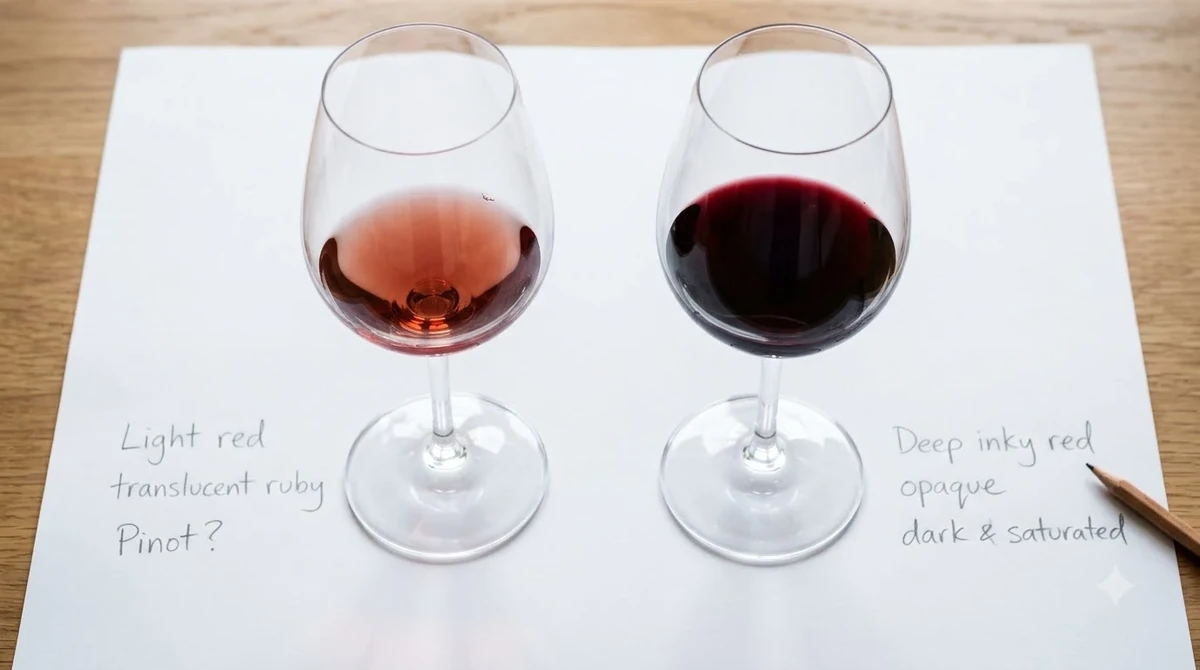
Dry mead has little or no noticeable residual sweetness, although honey-derived aromas can still suggest flowers, fruit, or herbs. The BJCP mead style guidelines describe dry mead as generally light to medium in body, with a soft-to-crisp finish and minimal residual sweetness. It is a useful starting point for grilled white fish, roast chicken, shellfish, vegetable salads, and dishes with lemon or fresh herbs. A lively dry mead handles vinaigrette or citrus better than a soft, sweet example.
Semi-sweet mead has a more apparent honey character and a noticeable, but not dominant, sweet finish. Try it with roast pork, glazed ham, mildly spiced dishes, and firm cheeses. Sweet mead puts honey sweetness near the front of the flavor, so pair it with food that can meet that sweetness: fruit tart, honey cake, baklava, poached pears, or rich blue cheese with a sweet accompaniment. A less-sweet dessert may taste sour or thin beside it.
Acidity and tannin finish the decision: bright acidity refreshes the palate after fatty food, while a low-acid mead suits mellow dishes. The BJCP explains that sweetness far above acidity can seem soft or flabby, while acidity in excess of sweetness can make a mead seem sharp. Salt and fat soften tannin, so aged cheddar, blue cheese, and fatty cuts can suit structured fruit meads. The same balance principles apply in Wine Pairing.
Pair Dry Mead With Seafood, Poultry, and Fresh Vegetables
Dry, lighter-bodied mead is generally the most flexible savory choice because it does not add much sweetness to the plate. Start with seafood, chicken, salads, and simply prepared vegetables, then move toward richer dishes if the mead has more body or alcohol warmth.
Try dry traditional mead with seared scallops, steamed mussels, shrimp, or white fish finished with lemon and parsley. A lightly sparkling version can refresh the palate with fried fish or tempura because its bubbles cut through a rich coating. Keep the preparation relatively gentle: strong brine, smoke, or heavy tomato sauce can cover subtle floral honey notes. Salmon can work with a dry mead that has enough acidity or fruit brightness, especially when grilled and served with citrus salsa. Avoid highly tannic, astringent pyment with oily fish, which can make the combination seem metallic or bitter.
Chicken and turkey are dependable partners because their mild flavors let honey character show. Try roast chicken with thyme and lemon, grilled turkey breast, or chicken salad. Vegetables are also good matches: try asparagus, green beans, fennel, squash, or salad with goat cheese and toasted nuts. Roasted squash echoes honey aromas, while lemon dressing adds lift. For bitter greens such as radicchio, choose a mead with some fruitiness or residual sweetness instead of an austere, very dry example. For a similar freshness-led match, see albarino food pairing.
Match Fruit Meads to Their Main Fruit
Fruit meads are easiest to pair when the fruit in the glass has a clear partner on the plate. Apple, grape, berry, and stone-fruit versions bring different levels of acidity, tannin, and aromatic intensity to savory dishes and desserts.
Cyser is made with honey and apple, often with cider or apple juice as the fruit component. Its orchard-fruit character makes it a natural companion for roast pork, pork chops with apples, sausages, and dishes with cabbage. Dry or semi-sweet cyser suits savory pork with mustard; sweeter versions work with apple tart or baked apples. Cinnamon, sage, and thyme provide familiar flavor bridges.
Pyment combines honey with wine grapes and can be red, white, or rosé. A bright white pyment can work with roast chicken, seafood, goat cheese, or vegetable tart. A red pyment with firmer tannin and deeper grape notes is more comfortable beside lamb, duck, grilled mushrooms, or aged cheese. Berry melomels can echo fruit in a dish: raspberry mead with roast duck, pork tenderloin, salmon with berry relish, or almond salad; blackberry and elderberry styles with lamb, venison, grilled beef, or blue cheese when the mead has enough body. Keep lighter berry examples with chicken, charcuterie, or soft cheese rather than heavily charred steak.
Stone-fruit meads made with peach, apricot, cherry, or plum call for a related approach. Peach and apricot versions can complement roast chicken, glazed ham, mild pork, or salad with fresh ricotta. Cherry mead has an affinity for duck, pork, dark chocolate, and desserts with almond; plum mead can stand up to grilled lamb or pork belly when its acidity and body are firm enough. A dry raspberry mead may suit a savory roast, while a sweet one is better with berry crumble or dark chocolate.
Use Spiced Mead With Aromatic and Savory Dishes
Spiced mead is best matched to the ingredients that define its aroma, such as cinnamon, ginger, clove, vanilla, citrus peel, or herbs. The seasoning in the food should support those flavors without making the pairing hot, bitter, or perfumed.
Metheglin is mead made with herbs or culinary spices. A cinnamon- or nutmeg-led version suits roast pork, sausages, squash, baked sweet potatoes, and dishes seasoned with sage. Ginger mead can work with glazed pork, roasted carrots, or soy-ginger chicken. Orange-peel mead can echo roast duck with orange or fennel salad, while rosemary or thyme versions can accompany roast chicken, lamb, or mushrooms. Use a light hand with added seasoning: if both the food and drink are aggressively clove-heavy, the flavors can become muddy rather than complementary.
Chile needs special attention. Honey sweetness may soften the impression of heat, but alcohol can make chili burn feel more pronounced, especially in a strong mead. Avoid pairing a high-alcohol, tannic mead with a dish dominated by habanero or hot Sichuan pepper. For moderate heat, choose a softer semi-sweet mead with lower tannin and enough fruit or acidity to keep the finish fresh. Try mild Thai curry, ginger chicken, or a lightly spiced taco before moving to hotter preparations.
Braggot combines mead character with malted grain, so it can lean toward beer-like flavors. Its grain and toast notes may suit grilled sausages, burgers, roasted mushrooms, pretzels, or aged cheddar. A dark, malt-forward braggot suits barbecue better than delicate floral mead. Echo toast with browned food, or honey with glazed meat and roasted vegetables.
Choose Cheese and Desserts That Balance Honey
Cheese and dessert are natural settings for richer meads, but the match depends on sweetness, salt, creaminess, and intensity. Salty cheese can balance honey sweetness, while dessert should generally be at least as sweet as the mead.
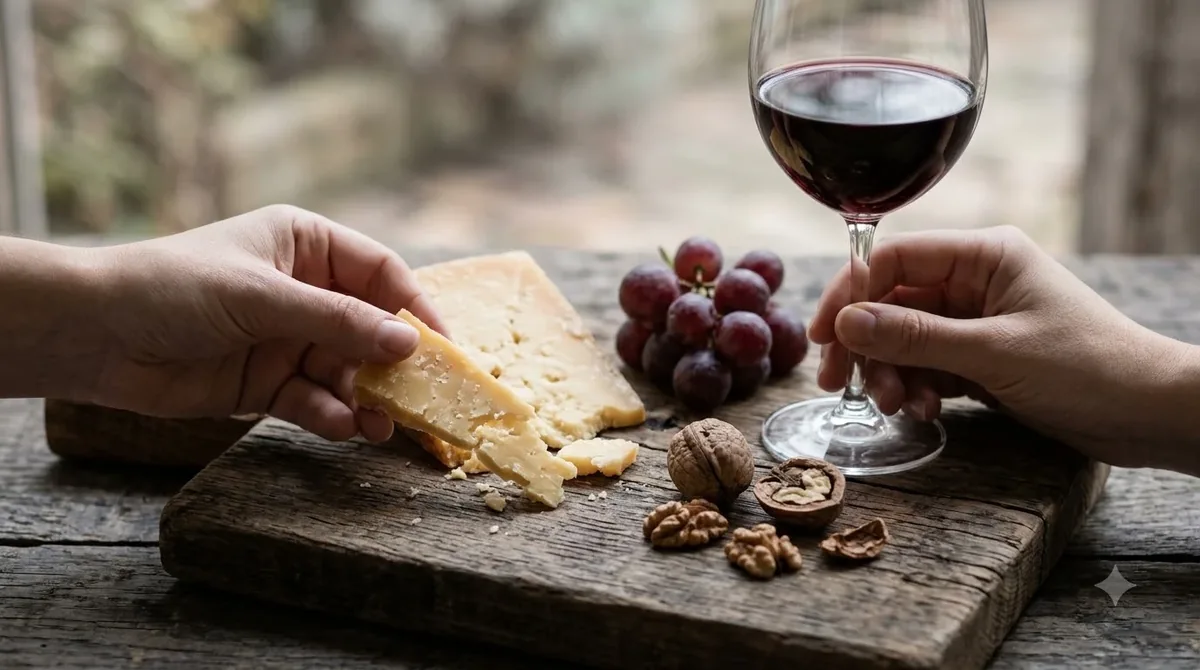
Fresh goat cheese, ricotta, burrata, and mild brie work with floral or lightly sweet meads because their creamy texture and gentle tang do not overwhelm the honey. Serve them with toasted almonds, pear slices, or plain crackers rather than very sweet chutney. A semi-sweet traditional mead suits a board with fresh cheese and mild cheddar. Blue cheese balances fuller, sweeter mead, while creaminess softens tannin. Berry melomel is especially appealing with figs or cherries.
For dessert, match sweetness first. Sweet traditional mead pairs with baklava, honey cake, crème brûlée, fruit tart, and poached pears. Cinnamon metheglin can complement apple pie, gingerbread, or bread pudding; cherry or raspberry melomel is a good option with chocolate cake, berry crumble, or dark chocolate tart. A drier fruit mead can accompany a less-sweet dessert, such as almond cake with fresh fruit, but sugary frosting may overwhelm it. Dark chocolate can pair with berry mead when fruit character and acidity are clear, while milk chocolate may be easier with a mellow, sweeter traditional mead.
Texture can improve or weaken the match. Sparkling mead has lift that can cut through buttery pastry, fried dough, or creamy custard; a still, full-bodied sweet mead may make those foods feel heavier. Bitter chocolate can sharpen dry mead, while intense cocoa can hide delicate floral notes. Tart fruit or toasted nuts can bridge the flavors.
Serve Mead at the Right Temperature and Build the Menu
Serving temperature changes how honey aroma, acidity, alcohol, and tannin register, so avoid pouring every style ice-cold or at room temperature. Use producer guidance as a starting point, then adjust slightly to the mead’s body and sweetness.
Mjölnir Mead Co’s serving recommendations suggest lightly chilled service at 10–14°C (50–57°F) for its traditional mead, 8–10°C (46–50°F) for elderflower, and 10–12°C (50–54°F) for mixed berry. Those are producer-specific examples, not universal rules, but they show a useful pattern: delicate floral styles can be served cooler, while richer fruit or honey character benefits from a little more warmth. The producer suggests taking a chilled bottle out 15–20 minutes before pouring. Too much chill hides honey and fruit aromas; excess warmth makes alcohol more prominent.
| Mead style | Producer serving example | Food to try |
|---|---|---|
| Traditional | 50–57°F (10–14°C) | Roast chicken, pork, brie |
| Elderflower | 46–50°F (8–10°C) | Scallops, shrimp, goat cheese |
| Mixed berry | 50–54°F (10–12°C) | Duck, lamb, blue cheese |
| Spiced | Room temperature or gently warmed | Pork belly, aged cheddar, apple pie |
For spiced mead, gentle warming may suit the style, but do not boil it. Mjölnir recommends warming its spiced mead only until it just steams, around 60–70°C (140–158°F), to avoid driving off aroma or scorching honey character. Use a wine or tulip glass to concentrate aroma, or a tumbler for warmed spiced mead. A 5-ounce pour is a useful wine-style reference; a 750-milliliter bottle yields about five glasses. For a tasting with several styles, pour smaller samples and move from dry to semi-sweet to sweet, with delicate floral or fruit styles before heavily spiced or high-alcohol examples.
Build a menu around one main mead: dry traditional with scallops and roast chicken, cyser with pork and apples, or berry melomel with duck and berry dessert. Tomato-rich pasta calls for a different balance, as shown in barbera food pairing; structured meat has its own logic in amarone food pairing.
Tip: Before planning the dish, taste the mead on its own and note three things: sweetness, acidity, and the strongest aroma, such as apple, raspberry, ginger, or clove. Choose food that balances the sweetness, can stand up to the body, and echoes just one of those aromas.
Frequently Asked Questions
These answers cover a few details that can influence a pairing before the bottle reaches the table.
Is mead the same as honey wine?
Mead is commonly called honey wine because honey is its principal fermentable ingredient, but it is not made from grapes. Yeast converts fermentable sugars in diluted honey into alcohol and carbon dioxide. The exact process and legal category can differ by country.
Can mead be dry rather than sweet?
Yes. In BJCP judging, the entrant declares strength, carbonation, and sweetness as separate attributes. A dry mead can still smell distinctly of honey because aroma and residual sugar are not the same thing.
What is a hydromel?
Hydromel commonly refers to a lower-alcohol mead, often made with a lighter honey concentration than a stronger traditional mead. The word comes from Greek roots associated with water and honey. It describes strength or style rather than guaranteeing that the drink is sweet or dry.
Does mead need to be decanted?
Most young meads do not require decanting in the way some tannic red wines do. A short rest in the glass is usually enough to let aromas emerge, although an older bottle with sediment may benefit from careful pouring. Decanting can also flatten sparkling mead by releasing dissolved carbon dioxide, so pour that style directly into glasses.
How long does an opened bottle of mead keep?
There is no single shelf life for every mead because alcohol level, sweetness, acidity, carbonation, and bottling method vary. Mjölnir Mead Co recommends enjoying its opened, resealed bottle within about two weeks; that is producer guidance rather than a fixed rule for every mead. Sparkling mead may lose its bubbles faster than a still version, even when the liquid remains sound.
The most reliable mead pairings start with sweetness and then account for acidity, body, alcohol, and added fruit or spice. Dry traditional mead can complement seafood and poultry, while cysers, berry melomels, metheglins, and sweet meads offer distinct routes to pork, cheese, aromatic dishes, and dessert. Taste the bottle before choosing the menu, and let its strongest feature guide the match.
More in Food & Wine Pairing
 Risotto With White Wine Recipe: Make a Creamy Dinner at HomeUpdated Nov 20, 2026
 Wassail With Wine Recipe for a Festive Spiced Holiday DrinkUpdated Nov 20, 2026
 Spritz Veneziano Recipe: Make a Classic Venetian Aperitivo at HomeUpdated Nov 20, 2026
 Summer Wine Punch Recipe for Easy Homemade EntertainingUpdated Nov 20, 2026
 Bishop Recipe: How to Make a Bright, Citrus-Forward Red Wine CocktailUpdated Nov 20, 2026
 Wine Cupcakes Recipe: Bake Rich Chocolate Cupcakes at HomeUpdated Nov 20, 2026