
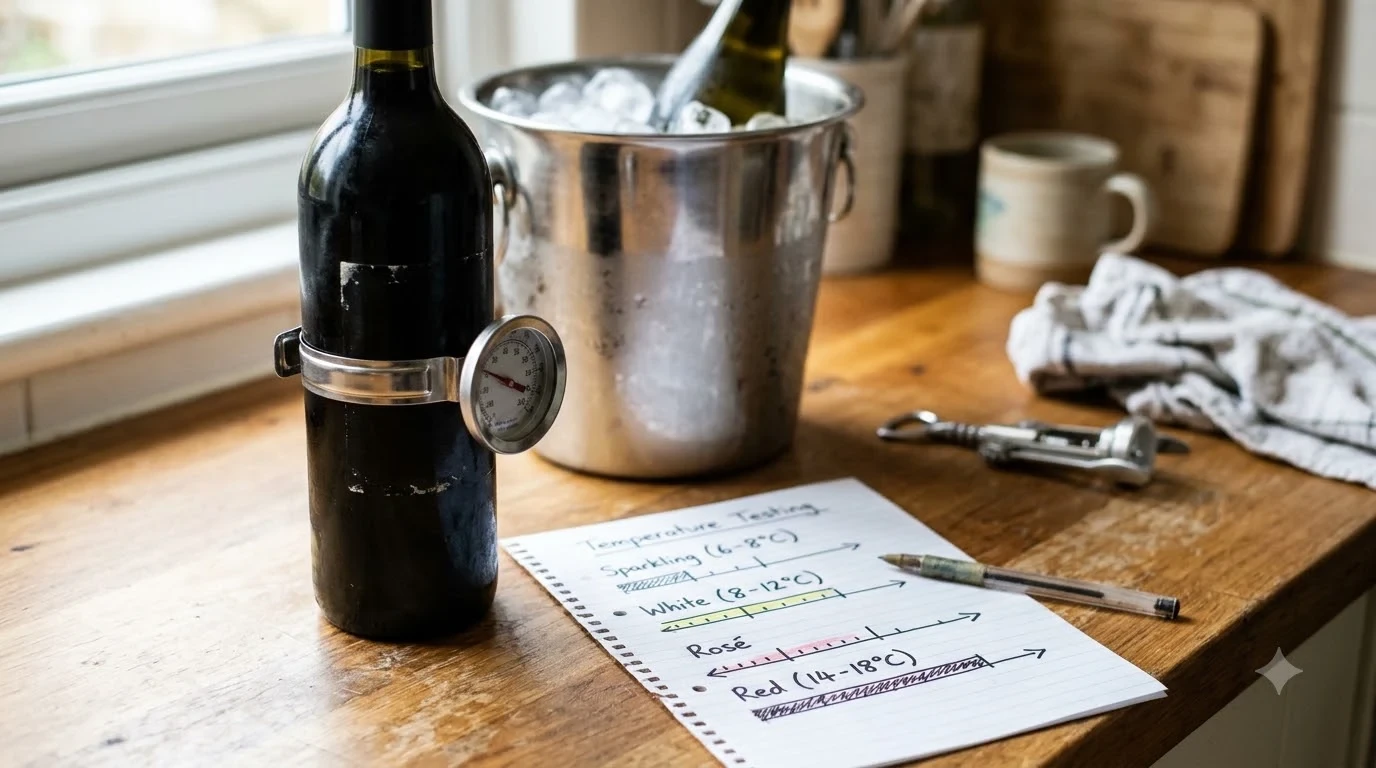

We may earn a commission when you buy through links on this page, at no extra cost to you. Learn more.
Natural wine food pairing works best when you match a wine’s acidity, tannin, sweetness, and body with the weight and flavors of your food. Light, fresh natural whites complement seafood and vegetables, while textured orange wines suit roasted dishes, cured meats, and aged cheeses. Chillable natural reds work particularly well with charcuterie, pizza, and grilled poultry. The most reliable approach is to consider the actual structure of the bottle rather than assume every natural wine tastes the same.
Natural wine offers plenty of options for the dinner table, from crisp pét-nat and aromatic skin-contact whites to juicy red blends made with minimal intervention. However, its range of styles can make choosing the right food companion less straightforward than selecting a familiar Sauvignon Blanc or Cabernet Sauvignon. Understanding a few basic characteristics makes it easier to build satisfying combinations, whether you are preparing a simple cheese board, seafood dinner, vegetable-forward meal, or weekend barbecue.
Understanding Natural Wine Styles Before Choosing Food
Natural wine is a winemaking philosophy rather than one particular flavor profile, so identifying the wine’s style is the first step toward a successful pairing. Fermentation methods, grape varieties, skin contact, and cellar practices all influence how a bottle behaves alongside food.
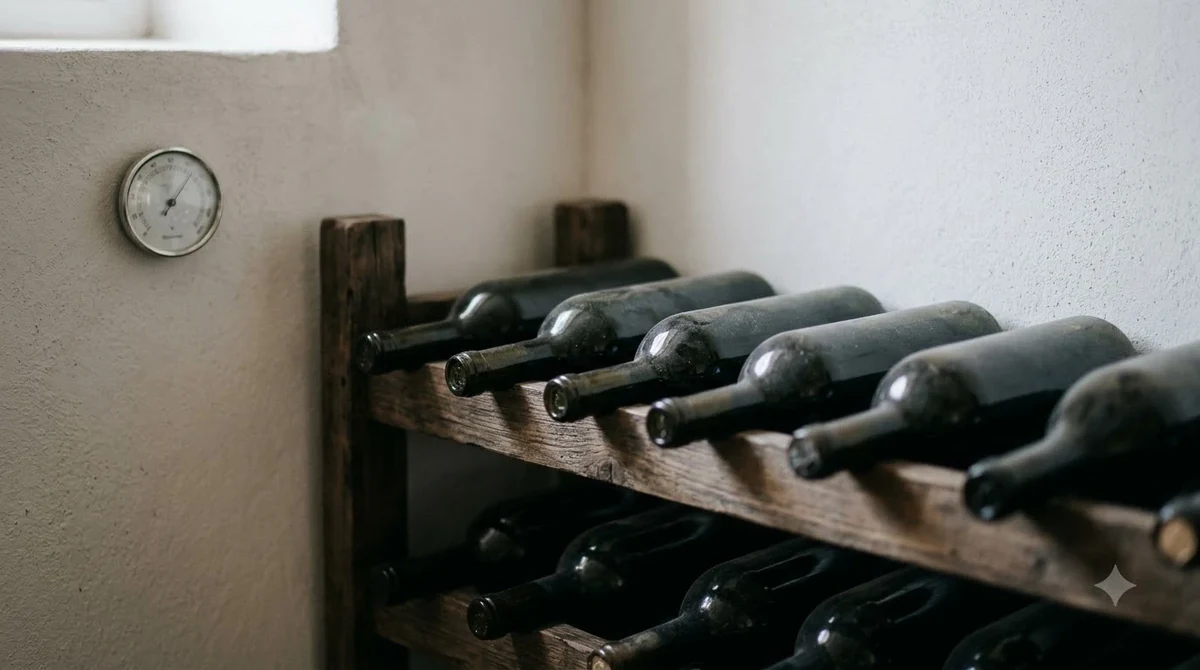
Many natural winemakers favor spontaneous fermentation using indigenous yeasts, minimal additions, and limited filtration. Some work with organically or biodynamically grown grapes, while others follow different low-intervention practices. The objective is generally to allow the character of the grapes, vineyard, and growing season to remain prominent. As WSET’s explanation of natural winemaking describes, there is no single universally accepted definition governing every producer.
For food pairing, it is more useful to divide natural wine into practical styles. Fresh whites tend to emphasize citrus, orchard fruit, and acidity. Skin-contact whites can develop additional tannin and savory complexity. Natural reds often feature fresh fruit, relatively moderate tannin, and lively acidity, although some examples are considerably more structured. Sparkling wines, including pét-nat, introduce bubbles and refreshing acidity that can work across an entire meal.
Cloudiness, sediment, and unusual aromas may occur in minimally filtered or less manipulated wines, but these characteristics do not automatically determine food compatibility. A cloudy white can still be delicate, while a clear orange wine can have substantial tannin. Similarly, a naturally fermented red is not necessarily light or low in alcohol. Pair according to what the wine actually offers in the glass.
Vintage variation is another consideration. A producer may release a fresh, fruit-driven red one year and a more concentrated, savory example the next. This is why a general understanding of grape variety, acidity, tannin, and body is more dependable than relying on the natural wine label alone.
Fresh Natural Whites With Seafood and Vegetables
Fresh, high-acid natural white wines are excellent companions for seafood, green vegetables, and lighter meals. Their brightness complements delicate ingredients without overwhelming their natural flavors.
Look for natural whites made from grapes such as Albariño, Sauvignon Blanc, Chenin Blanc, or Grüner Veltliner. These varieties can produce wines with citrus, green apple, pear, floral notes, and refreshing acidity. Albariño is especially useful with shellfish because its fresh fruit and acidity complement the natural sweetness of shrimp, mussels, and oysters.
For a straightforward seafood dinner, serve a lightly textured natural white with grilled shrimp, steamed mussels, or pan-seared white fish. Add parsley, lemon, olive oil, and fresh herbs rather than a heavy cream sauce. The wine’s acidity helps balance the richness of olive oil and keeps the combination refreshing.
Vegetable dishes also offer plenty of opportunities. A crisp natural Chenin Blanc works with asparagus, peas, zucchini, and salads dressed with citrus. Sauvignon Blanc can complement goat cheese, fresh herbs, and green vegetables because its acidity matches the brightness of these ingredients.
Tomato-based seafood dishes require particular attention to acidity. Tomato sauce, lemon juice, and vinegar can make a softer wine taste flat. Choose a naturally produced white with enough freshness to stand alongside the dish. For more specific regional combinations, the principles behind Albariño food pairing provide a useful starting point.
Seafood dishes to consider
- Grilled shrimp: Pair with citrus-driven natural Albariño or Chenin Blanc.
- Oysters: Choose a crisp, dry natural white or sparkling pét-nat.
- Pan-seared cod: Try a fresh white with lemon, parsley, and olive oil.
- Grilled salmon: Choose a fuller white with enough acidity to balance the fish’s richness.
- Vegetable risotto: Match creamy rice with a medium-bodied natural white.
There is one important exception to the usual white-wine-with-fish rule. Oily fish can be difficult with heavily tannic wines because the combination may produce an unpleasant metallic or drying impression. A fresh white or sparkling wine is generally a safer choice than a strongly structured natural red.
Orange Wine With Cheese, Roasted Vegetables, and Spiced Food
Orange wine is one of the most versatile natural wine styles for substantial meals because it combines some of the freshness of white wine with the texture and tannin associated with red wine. Its best matches include roasted vegetables, aged cheeses, cured meats, mushrooms, and aromatic dishes.
Despite its name, orange wine is made from white grapes rather than oranges. The difference is that the grape skins remain in contact with the juice during fermentation. This process extracts pigments, tannins, and additional flavor compounds, producing wines that range from pale gold to deep amber.
The duration of skin contact matters. A wine with only a few days of maceration may remain relatively light and citrus-driven. Several weeks or months can produce a more structured wine with dried apricot, orange peel, tea, walnuts, herbs, and noticeable grip. Georgian amber wines made in qvevri are a well-known traditional expression of this approach.
For a lighter orange wine, try grilled chicken, roasted carrots, sautéed zucchini, or vegetable fritters. The wine’s additional texture gives it enough presence for lightly caramelized ingredients without overpowering them. A medium-bodied example made from Ribolla Gialla or Malvasia can complement roasted eggplant, mushroom risotto, and herb-seasoned pork.
More tannic orange wines are particularly interesting with aged Gouda, Manchego, Comté, and mature cheddar. Their structure stands up to concentrated cheese flavors, while the wine’s acidity helps balance fat and richness. Charcuterie boards featuring prosciutto, salami, pâté, olives, and grilled bread also provide a natural match.
Pairing orange wine with spices
Orange wine can work especially well with Middle Eastern, North African, and Indian-inspired dishes. Cumin, coriander, turmeric, saffron, and ginger complement the wine’s dried-fruit and herbal characteristics. Try it with roasted cauliflower, chickpea tagine, spiced lentils, or grilled chicken seasoned with coriander and paprika.
Keep chili heat moderate. Alcohol and tannin can amplify the burning sensation from spicy ingredients, so a heavily alcoholic, strongly tannic orange wine may struggle with very hot curries or chili sauces. A fresher, lighter example is generally more adaptable.
Tip: Treat orange wine according to its actual texture. A lightly macerated bottle can be served like a fuller white, while a deeply amber, tannic example can accompany dishes normally reserved for light reds.
For more information about the style, this orange wine overview explains how grape variety and maceration influence color, flavor, and structure.
Natural Red Wine With Meat, Pasta, and Charcuterie
Natural red wine pairs particularly well with dishes featuring roasted meat, mushrooms, cured meats, and tomato-based sauces. The best match depends on whether the bottle is light and juicy or concentrated and tannic.
Many approachable natural reds feature Gamay, Pinot Noir, Grenache, Cabernet Franc, or lighter expressions of Syrah. They can offer red cherry, raspberry, cranberry, pepper, herbs, and earthy flavors. These wines are often more refreshing than heavily extracted reds, making them suitable for meals with a range of ingredients.
Light natural reds are excellent with roast chicken, grilled sausages, mushroom pizza, and charcuterie. Their moderate tannin and bright fruit work with the savory flavors of cooked meat without creating an excessively drying finish. Try a lightly chilled Gamay with roast pork, or a juicy Cabernet Franc with tomato-based pasta and roasted peppers.
Pinot Noir is another useful choice because it generally has low-to-medium tannin and high acidity. Its cherry and earthy characteristics complement mushroom dishes, duck, roasted poultry, and herb-seasoned pork. A lighter Pinot Noir can also work with salmon, provided the wine does not have excessive tannin or alcohol.
For richer dishes, move toward fuller natural reds. Syrah can offer pepper, dark fruit, and medium-plus to high tannin, making it a good match for grilled lamb, beef stew, and charred sausages. Cabernet Sauvignon has high tannin and is better suited to protein-rich, fatty meat dishes than delicate fish or lightly seasoned vegetables.
Matching red wine to meat preparation
Cooking method often matters as much as the main ingredient. A simple roast chicken breast needs a lighter wine than a chicken dish cooked with mushrooms, bacon, and a concentrated reduction. Similarly, grilled beef with a charred exterior can accommodate more structure than thinly sliced beef served with a delicate herb salad.
Fat and protein help soften the perception of tannin, which explains why structured reds often work with steak and rich cheeses. However, excessive salt can make rough tannins more noticeable. Balance heavily salted meats with a fruitier, softer red instead of automatically choosing the strongest bottle available.
Serve lighter natural reds at approximately 55–60°F. Fuller examples generally benefit from 60–65°F. Young, concentrated reds with substantial tannin may also benefit from 30–60 minutes of decanting, particularly when the wine seems tight immediately after opening.
Pét-Nat and Natural Sparkling Wine for Snacks and Main Courses
Pét-nat and other naturally produced sparkling wines are flexible food companions because their bubbles and acidity refresh the palate. Dry examples work particularly well with fried foods, salty snacks, seafood, and casual meals.
Pét-nat, short for pétillant naturel, is commonly made using the ancestral method. Fermentation begins before bottling and continues after the partially fermented grape juice is sealed inside the bottle. The resulting wine can contain natural carbonation and may retain some yeast sediment.
These wines vary considerably. Some are crisp, dry, and citrus-driven, while others have more pronounced fruit, floral aromas, or residual sweetness. A cloudy appearance is possible, but it does not mean the wine must be treated differently from a food-pairing perspective.
For appetizers, pair dry pét-nat with fried calamari, potato chips, salted almonds, oysters, or vegetable tempura. Acidity and carbonation provide contrast to fried textures and salty flavors. A fruitier sparkling wine can accompany mild cheeses, fresh fruit, and simple vegetable appetizers.
Natural sparkling wines can also accompany a complete meal. Start with fried zucchini or seafood, continue with roast chicken or vegetable pasta, and finish with a moderately sweet dessert if the wine has enough residual sugar. A dry sparkling wine is better suited to the savory courses than a very sweet dessert.
For Asian-inspired meals, consider the sauce and chili intensity. Lightly seasoned sushi, spring rolls, and grilled prawns can work well with dry sparkling wine. Very hot chili sauces are more difficult because alcohol can amplify their heat, particularly in bottles with higher alcohol content.
Serve sparkling wine at approximately 40–50°F. This temperature helps preserve freshness and carbonation while keeping the wine refreshing alongside rich appetizers. A standard 750 ml bottle provides approximately five 5 oz servings, making it convenient for a small dinner gathering.
Matching Natural Wine With Cheese, Vegetables, and Everyday Meals
Natural wine does not need an elaborate menu to work well. A simple meal built around cheese, vegetables, bread, pasta, or grilled meat can provide excellent pairing opportunities when the wine’s body and flavor intensity match the food.
For cheese, consider both texture and intensity. Fresh goat cheese generally works with high-acid whites such as Chenin Blanc or Sauvignon Blanc. Brie and other soft, creamy cheeses can complement fresh whites and lighter sparkling wines. Aged cheddar, Manchego, and Gouda are more suitable for textured orange wines and medium-bodied reds.
Blue cheese presents a different challenge because its salty, intense flavor can overwhelm dry wines. A naturally sweet or off-dry wine can provide a better contrast. The important principle is that a wine served with dessert should generally be at least as sweet as the food. A very sweet dessert can make a dry wine taste sour and thin.
Vegetables also offer a broad range of combinations. Roasted eggplant, squash, mushrooms, and caramelized onions work particularly well with skin-contact whites and lighter reds. Their earthy and browned flavors complement the savory characteristics often found in natural wines.
For fresh salads, choose a wine with enough acidity to stand alongside the dressing. Lemon, vinegar, and pickled ingredients can overwhelm softer wines. A crisp natural white or sparkling wine is usually a better choice than a low-acid, heavily oaked white.
Pasta is another easy category. Tomato-based sauces work with naturally acidic reds such as lighter Barbera or Sangiovese styles. Creamy mushroom pasta can pair with Pinot Noir or textured orange wine. Pesto, basil, and olive oil generally suit aromatic whites with fresh acidity.
When building a menu, avoid making every ingredient equally intense. If the main course features a delicate natural white, a strongly flavored sauce may dominate the combination. Conversely, a structured orange wine or full natural red can easily overwhelm a simple dish of steamed vegetables.
For more inspiration, explore Barbera food pairing for tomato-based pasta and Italian dishes, or Amarone food pairing for richer meat preparations. These examples also demonstrate how acidity, alcohol, body, and tannin influence the final combination.
Serving Temperatures and Practical Pairing Guidelines
Serving temperature influences how natural wine tastes alongside food. Excessive warmth can emphasize alcohol, while serving a wine too cold can suppress its aromas and make its texture seem less expressive.
Light natural whites, rosé, and many sparkling wines benefit from refrigeration before serving. Fuller whites and structured orange wines generally need slightly warmer temperatures to reveal their aromas. Light reds can be chilled briefly, especially when they have fresh fruit and modest tannin.
The following temperature ranges provide a practical starting point for choosing the right serving conditions.
| Wine style | Serving temperature | Good food matches |
|---|---|---|
| Natural sparkling and pét-nat | 40–50°F | Fried seafood, oysters, salty snacks |
| Light natural whites | 45–50°F | Shellfish, salads, fresh vegetables |
| Natural rosé | 45–50°F | Grilled vegetables, chicken, appetizers |
| Full-bodied natural whites | 50–55°F | Roast chicken, creamy pasta, mushrooms |
| Light natural reds | 55–60°F | Pizza, charcuterie, roast pork |
| Full-bodied natural reds | 60–65°F | Grilled beef, lamb, rich stews |
| Sweet natural whites | 43–50°F | Fruit desserts, blue cheese, pastries |
Temperature is only one part of the process. A useful way to evaluate a pairing is to consider five characteristics: acidity, tannin, sweetness, alcohol, and body. These characteristics provide a more reliable framework than matching wine color to food category.
Five practical rules for better combinations
- Match acidity: Acidic food needs a wine with equal or higher acidity. Tomato sauces, citrus dressings, and vinegar-based dishes can make softer wines taste flat.
- Balance tannin with fat and protein: Rich meats, creamy sauces, and aged cheeses can soften the drying sensation of tannic wines.
- Match sweetness: Wine should be at least as sweet as the dessert. Otherwise, the wine may taste excessively sour or thin.
- Consider alcohol and spice: High alcohol and strong tannin can amplify chili heat. Lower-alcohol, fresher wines are usually more suitable for spicy meals.
- Match body with food weight: A light white can disappear beside a rich beef stew, while a heavily structured red can overpower delicate seafood.
For a broader explanation of these principles, the Wine Pairing fundamentals offer a useful reference for understanding how food ingredients influence the perception of acidity, sweetness, and tannin.
Natural wines can also be sensitive to storage conditions, particularly bottles made with minimal stabilization. Store unopened bottles on their sides in a cool, dark location near 55°F. After opening, refrigerate still wines and generally aim to finish them within 3–5 days, although individual bottles may change sooner.
Once you understand these basics, choosing a bottle becomes much easier. Start with the main ingredient, consider the sauce and cooking method, and select a wine with enough structure to complement the entire dish rather than just one component.
Frequently Asked Questions
Does natural wine always have fewer sulfites than conventional wine?
Not necessarily. Sulfur dioxide occurs naturally during fermentation, and natural winemakers differ in how much additional sulfur dioxide they use. Some producers add none, while others use small quantities during production or bottling. The natural wine designation alone does not establish an exact sulfite concentration.
Can natural wine contain residual sugar?
Yes. Natural winemaking does not automatically produce completely dry wine. Fermentation may stop before all available grape sugar is converted into alcohol, leaving residual sweetness. Pét-nat and other minimally manipulated wines can therefore range from bone-dry to noticeably sweet.
Why does natural wine sometimes have sediment at the bottom?
Sediment can consist of yeast cells, grape particles, and other naturally occurring material. Wines that receive little filtration or clarification are more likely to retain these particles. Sediment is not automatically a sign of spoilage, although unusual aromas or other signs of deterioration deserve separate consideration.
Should natural wine be decanted before serving?
It depends on the wine’s structure and condition. A young, concentrated natural red may benefit from 30–60 minutes of aeration, while a delicate white or sparkling pét-nat is generally better served directly from the bottle. Very fragile wines may lose their freshness if exposed to excessive air for too long.
Can natural wine be served at a formal dinner?
Absolutely. Natural wine can accompany a multi-course dinner just as conventional wine can. A useful approach is to serve sparkling wine with appetizers, a fresh white with seafood, an orange wine with roasted vegetables or cheese, and a structured red with the main meat course. Choosing bottles with balanced structure and sound condition is more important than whether they follow conventional winemaking practices.
Natural wine food pairing becomes much easier when you focus on the wine’s actual acidity, tannin, sweetness, and body instead of treating every bottle as the same style. From fresh whites with seafood to orange wines with roasted vegetables and juicy reds with grilled meat, there are excellent combinations for almost every meal. Start with familiar dishes, experiment with different grapes and production styles, and let the balance between wine and food guide your next bottle.
More in Food & Wine Pairing
 Risotto With White Wine Recipe: Make a Creamy Dinner at HomeUpdated Nov 20, 2026
 Wassail With Wine Recipe for a Festive Spiced Holiday DrinkUpdated Nov 20, 2026
 Spritz Veneziano Recipe: Make a Classic Venetian Aperitivo at HomeUpdated Nov 20, 2026
 Summer Wine Punch Recipe for Easy Homemade EntertainingUpdated Nov 20, 2026
 Bishop Recipe: How to Make a Bright, Citrus-Forward Red Wine CocktailUpdated Nov 20, 2026
 Wine Cupcakes Recipe: Bake Rich Chocolate Cupcakes at HomeUpdated Nov 20, 2026