


We may earn a commission when you buy through links on this page, at no extra cost to you. Learn more.
What is demi sec in wine? It is a sweet style, most often used for Champagne and other sparkling wines, with 32 to 50 grams of residual sugar per liter. The French name translates to “half-dry,” but the wine tastes clearly sweet and sits just below doux on the sweetness scale. Demi-sec is built for dessert courses, and it pairs well with fruit tarts, pastries, and blue cheese.
Sparkling wine labels can be frustrating, and sweetness terms are a big reason why. A bottle marked “dry” can taste sweeter than one marked “extra dry,” and demi-sec is one of the sweetest styles you will commonly find. This guide explains what the term means, how winemakers create that sweetness, what the wine tastes like, and how to serve and store it. For the rest of the basic vocabulary, the Wine Glossary is a useful companion.
Demi-Sec Means Half-Dry on the Label but Sweet in the Glass
Demi-sec translates literally to half-dry, yet the wine is noticeably sweet, which is why so many buyers are surprised when they open a bottle. The term belongs to a classification system built around older, much sweeter Champagnes.
The French phrase breaks into two parts: demi means half and sec means dry. Put together, it suggests a wine sitting halfway between dry and sweet. In practice, Wine Spectator’s glossary entry for demi-sec describes it as a medium-sweet wine and notes that the literal translation is potentially confusing. The name points toward the middle of the scale, but the wine itself lands on the sweet side of medium.
The confusion runs deeper because the sweetness vocabulary predates modern tastes. In the nineteenth century, most Champagne was sweet enough to fall under what would now be called sec. Brut once meant less than 20 grams of sugar per liter, while the strictly regulated term now allows up to 12. As Wine Enthusiast’s sparkling wine sweetness guide explains, the French legal framework has been layered and revised many times, so the names reflect history as much as current taste.
Because of that history, some of the names mislead. Sec, the French word for dry, describes a noticeably sweet sparkler. Extra dry is also sweeter than brut, even though its name suggests the opposite. Once you know the labels were written for an older, sweeter product, the scale becomes much easier to read.
Where Demi-Sec Sits on the Sparkling Wine Sweetness Scale
Champagne and most traditional-method sparkling wines fall into seven official sweetness categories, and demi-sec ranks second from the top. Only doux is sweeter.
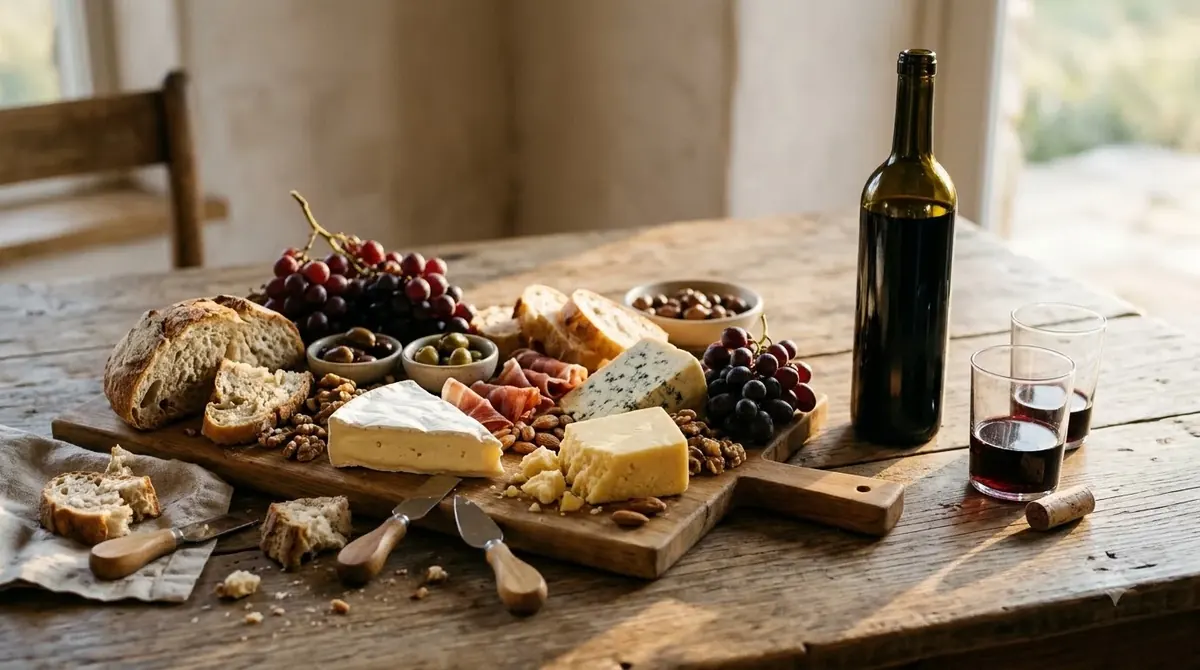
The scale runs from driest to sweetest as Brut Nature, Extra Brut, Brut, Extra Dry, Sec, Demi-Sec, and Doux. Each step is defined by grams of residual sugar in one liter of finished wine. Demi-sec covers 32 to 50 grams, while sec covers 17 to 32. The Champagne house Paul Laurent publishes the same bands in its sweetness guide, and the table below puts the full range side by side.
| Style | Residual sugar (g/L) | What it tastes like |
|---|---|---|
| Brut Nature | Under 3 | Crisp and very dry |
| Extra Brut | Under 6 | Dry, with high, sharp acidity |
| Brut | Under 12 | Dry to lightly off-dry, the most common style |
| Extra Dry | 12 to 17 | Slightly sweet and soft |
| Sec | 17 to 32 | Clearly sweet |
| Demi-Sec | 32 to 50 | Sweet, built for dessert courses |
| Doux | Over 50 | Very sweet |
The gap between brut and demi-sec is larger than the labels suggest. Bolney Wine Estate’s blog estimates that a demi-sec contains roughly three to four times the sugar of a typical brut. Using a standard five-ounce pour, that works out to roughly 5 to 7 grams of sugar per glass, or about one to two teaspoons.
How Dosage Sets the Sugar Level in Demi-Sec Wine
Sweetness on a demi-sec label is set at the very end of production, in a step called dosage. Winemakers add a measured sugar-and-wine blend after disgorgement, and that single decision determines which category the bottle lands in.
The process starts with a long second fermentation in the bottle and aging on lees. Before release, the sediment must be removed from the neck, a step called disgorgement. Some wine is lost in that process, so the bottle is topped up with a liquid called liqueur d’expédition. Wine Enthusiast explains that this mix can contain anywhere between 500 and 700 grams of sugar per liter, though only about a teaspoon ends up in each bottle. The exact blend varies by producer, region, and desired style, which is why two demi-secs can taste quite different.
Dosage is also a corrective tool. VinePair describes it as a way to balance acidity that is too intense or to add sweetness on purpose. That matters in Champagne, where cool-climate grapes often ripen with less sugar and finish with sharp acidity. Producers use dosage to bring that acid into balance, and the amount they choose sets the style printed on the label.
Why the Same Dosage Can Taste Different
Two wines with identical sugar numbers can feel very different in the glass. Champagne Club notes that the reserve wine’s composition, the acidity, the ripeness of the fruit, the lees age, and even the serving temperature all shape how sweet a wine feels. Riper fruit brings flavors of yellow apple, apricot, and brioche that the palate often reads as sweetness, even when the measured sugar is modest.
Dosage also has a lower limit. Wine Enthusiast notes that many of the driest sparkling wines, often labeled zero dosage, contain no added sugar and use an identical wine to fill the space left after disgorgement. Demi-sec sits at the opposite end of that spectrum, where the dosage is large enough to define the entire character of the wine.
What Demi-Sec Tastes Like and Why Acidity Keeps It Balanced
Demi-sec is noticeably sweet, with a rounder, creamier texture than drier styles. Good examples stay lively because their acidity keeps pace with the sugar, so they rarely feel syrupy.
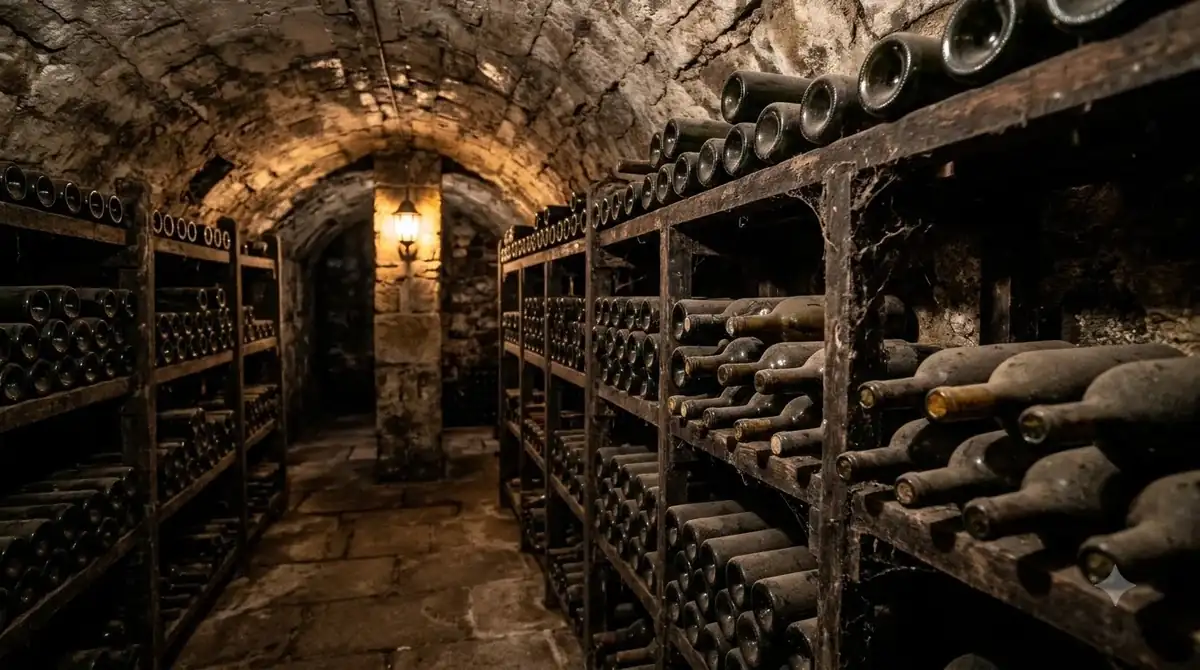
In the glass, the sweetness usually shows up as ripe orchard fruit, honeyed richness, and softer bubbles. Bolney Wine Estate describes a fuller body, creamier bubbles, and a lingering finish. Wine Enthusiast’s reporting adds a useful benchmark: one glass of demi-sec Champagne carries about as much sugar as a gin and tonic, and experienced tasters can detect the texture of that sugar on the tongue.
The reason demi-sec feels refreshing rather than cloying is acidity. Champagne’s naturally high acid and steady carbonation cut through the sugar. Vinovest describes the interplay between sweetness and acidity as what keeps the wine refreshing and complex rather than simply sugary, and that balance is the main quality that separates a well-made demi-sec from a merely sweet one.
Freshness is the quality to look for. Champagne Club says great examples retain their freshness beneath the sweetness, so when you compare bottles, look for lift and brightness rather than richness alone. A bottle that tastes heavy and only sugary is missing the balance that defines the style.
Still Wines Labeled Demi-Sec, From Vouvray to Other Regions
Demi-sec also appears on still white wines, especially from the Loire Valley, where Chenin Blanc is the signature grape. Still-wine sweetness has no single standard range, so the word gives you a direction rather than an exact number.
The Wine Spectator glossary notes that the term appears on semi-sweet wines from the Loire Valley and other French regions, in addition to its more familiar use on Champagne. Vouvray, made from Chenin Blanc in Touraine on the Loire, is the classic example. According to one Vouvray guide, still demi-sec wines carry roughly 4 to 12 grams of residual sugar per liter, with aromas of honeysuckle, quince, and white stone fruit.
Vouvray’s style also depends on the vintage. Cooler years favor dry and sparkling wine, while warmer autumns can produce sweeter styles. A demi-sec Vouvray therefore reflects the weather as well as the winemaker’s choice, which is why the word on the label is the first clue to read before you buy.
Outside France, the term turns up on sparkling wine too. Wine Enthusiast names Nyetimber in England, Adelsheim in Oregon, and Cava labeled semi seco from Spain as examples of the style. The United States does not set legal ranges for sweetness terms the way France and the European Union do, so a producer’s own labeling and tasting notes carry more weight than the word alone.
Serving, Pairing and Storing a Bottle of Demi-Sec
Serve demi-sec well chilled, pair it with dishes at least as sweet as the wine, and keep any opened bottle in the refrigerator. These three habits do most of the work in getting the style right.
Serving Temperature and Quantities
Sparkling wines show best between 40 and 50 F, which keeps the wine lively without muting its ripe fruit. Still demi-sec wines such as Vouvray do well a little warmer, in the 43 to 50 F range used for sweet whites. A standard pour is five ounces, and a 750 ml bottle yields about five glasses, so plan your purchases around that number.
Tip: Chill demi-sec until the bottle feels cold to the touch, and pour it straight from the fridge. Warmer wine tastes heavier, so a bottle served too warm will seem sweeter and more cloying than it should.
For larger groups, the planning guide on how much wine for 100 guests shows how to scale that math. If you are stocking a dessert table with a larger format, a magnum is convenient, and our breakdown of how many glasses in a magnum helps you size it.
Pairing Demi-Sec With Food
The working rule is that the wine should be at least as sweet as the dish. WineTraveler’s Champagne pairing guide puts it plainly: a dessert must be less sweet than the wine, or the wine turns sour and thin. That is why demi-sec suits fruit tarts, pastries, and crème brûlée, where a Brut would taste sharp and thin beside the sugar. Vinovest also lists fruit cake, wedding cake, and sorbet as natural partners.
Demi-sec also works with salty, pungent cheeses. The sugar balances the saltiness of a strong blue cheese, which is why Champagne Club describes demi-sec as often superb with it. Acidic desserts need a wine with matching acid, and demi-sec’s freshness holds up well against a lemon posset or a tart with bright citrus.
Storing an Unopened or Opened Bottle
Store unopened bottles on their side in a cool, dark place near 55 F. Once a bottle is opened, the answer to the frequently asked questions below explains how long each style keeps.
Frequently Asked Questions
Is demi-sec the same as a dessert wine?
Not quite. Sommo’s sparkling wine guide notes that demi-sec is not as intensely sweet as Sauternes or ice wine, which are built on far higher sugar levels. It is sweet enough to serve with dessert, but it sits between a dry sparkler and a true dessert wine.
Can demi-sec be served before dinner?
Usually it works better after the meal. Vinovest notes that demi-sec can feel heavy without food and may overwhelm lighter first courses. For an aperitif, a brut is the safer choice, because Wine Enthusiast’s sommeliers say brut can be drunk through a whole evening without overpowering a dish.
What is the difference between demi-sec and doux?
Doux is the sweetest official category, with more than 50 grams of sugar per liter. Wine Enthusiast describes it as usually reserved for special occasions and dessert pairings, and says doux sparkling wines are quite rare to find. Demi-sec is the easier partner for a wider range of desserts because it is less sweet.
How long does an opened demi-sec last?
Opened sparkling wine generally keeps about one to three days in the refrigerator, and that window applies to sparkling demi-sec too. Still demi-sec wines, such as Vouvray, usually last three to five days when refrigerated. Re-cork the bottle tightly and keep it cold between pours.
Is demi-sec a good wine for spicy food?
Often yes. Wine Enthusiast’s sommeliers note that extra dry, dry, and demi-sec wines can handle herb-and-spice combinations, along with dishes that contain some sugar, such as barbecue or curry. Choose a lower-alcohol, low-tannin bottle, since alcohol and tannin both amplify chili heat.
Demi-sec is easier to understand once you see the scale: it is a sweet, dessert-friendly style defined by 32 to 50 grams of sugar per liter and set through dosage at the end of production. Pick it for a dessert course, a spicy barbecue, or a Vouvray that feels richer than a dry Chenin. Chill the bottle well and pour it cold, and it will show you exactly what the style is meant to be.
More in Wine Basics
 What Is The Best Wine For Mimosas? Choose Bubbly That Balances Orange JuiceUpdated Nov 20, 2026
 Which Prosecco Is Best for Your Taste and OccasionUpdated Nov 20, 2026
 Which Wine Is Best For Health? Understand the Risks and BenefitsUpdated Nov 20, 2026
 Which Champagne Is Best for Your Taste and OccasionUpdated Nov 20, 2026
 What To Put In A Wine Gift Basket For A Thoughtful, Memorable GiftUpdated Nov 20, 2026
 What Is the Best Wine for Mulled Wine? Choose a Smooth, Fruity RedUpdated Nov 20, 2026