

We may earn a commission when you buy through links on this page, at no extra cost to you. Learn more.
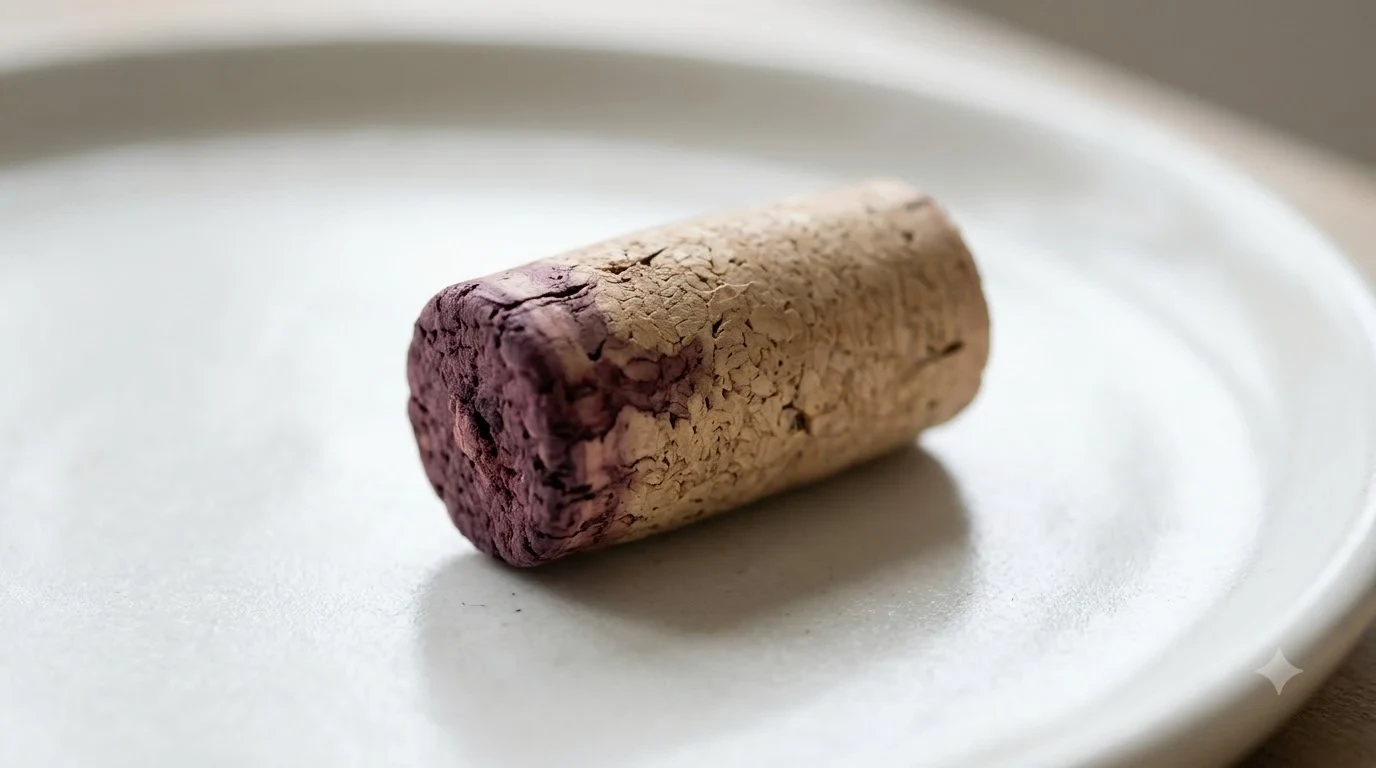
What is cork taint in wine? Cork taint is a wine fault caused primarily by a chemical compound called 2,4,6-trichloroanisole (TCA), which gives wine musty, moldy aromas and suppresses its natural fruit characteristics. Common warning signs include smells resembling wet cardboard, damp newspapers, moldy basements, and wet dogs. Although natural cork is a frequent source, contamination can also occur elsewhere in a winery, including in wooden barrels and storage materials. Corked wine is generally considered unpleasant rather than hazardous, and there is no reliable way to restore its original aroma and flavor once affected.
Opening a bottle of wine should reveal the aromas of its grape variety, vineyard, and winemaking process. A Sauvignon Blanc might smell of citrus and fresh herbs, while a Pinot Noir could offer cherry, raspberry, and earthy notes. Cork taint can interfere with these characteristics, sometimes so subtly that the wine simply seems disappointing rather than obviously spoiled.
Understanding this fault helps wine drinkers distinguish a genuinely defective bottle from a wine that simply has an unfamiliar flavor profile. Learning to recognize the warning signs also makes it easier to handle a disappointing bottle at home or during a restaurant tasting.
What Causes Cork Taint in Wine?
Cork taint develops when certain chemical compounds, particularly TCA, contaminate wine and interfere with its aroma. Although the name suggests that natural cork is always responsible, the underlying problem can originate from several materials and surfaces throughout the winemaking and bottling environment.
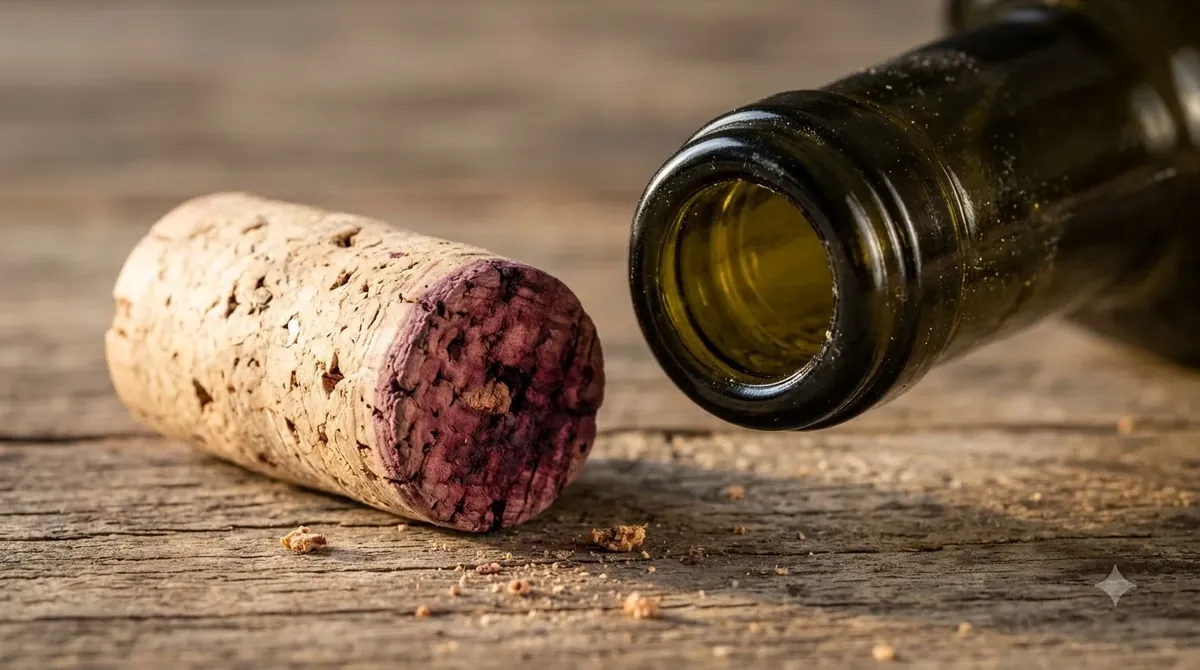
The principal compound associated with cork taint is 2,4,6-trichloroanisole, or TCA. It belongs to a chemical family called haloanisoles. TCA can develop when certain molds interact with chlorophenols, transforming these compounds into substances that produce powerful musty aromas.
Chlorophenols can be present in cork naturally or enter it through environmental contamination. Historically, chlorine-containing cleaning products and disinfectants were important concerns because chlorine can react with naturally occurring phenolic compounds in materials such as wood and cork.
When suitable molds encounter these compounds, they can transform them into TCA. The resulting contamination may enter wine through contact with an affected cork or through exposure to contaminated winery materials.
Natural cork is not the only possible source. According to the Australian Wine Research Institute, TCA can also form in oak. Other potential contamination points include wooden storage structures, packaging materials, and winery equipment.
Another compound associated with similar faults is 2,4,6-tribromoanisole, abbreviated as TBA. It produces musty and moldy aromas similar to TCA. TBA can form through microbial transformation of 2,4,6-tribromophenol, a compound associated with certain wood preservatives and flame-retardant treatments.
Other compounds can also contribute to musty wine aromas. However, TCA remains the principal chemical associated with the traditional cork-taint problem.
The extremely low concentration required to affect wine makes this fault particularly difficult to prevent through ordinary visual inspections. A cork may look perfectly normal while carrying enough contamination to affect the wine inside the bottle.
For a more technical explanation of the chemical processes and other compounds involved, the Australian Wine Research Institute’s explanation of wine faults and taints provides useful sensory and scientific details.
How to Recognize the Smell and Taste of Corked Wine
The most recognizable signs of cork taint are musty, damp, and mold-like aromas accompanied by muted fruit flavors. Affected wine may smell like wet cardboard, moldy newspapers, a damp basement, or a wet dog rather than expressing the expected characteristics of its grape variety.
The first step is to smell the wine after pouring a small amount into a clean glass. Swirl gently and allow the aromas to reach your nose. A healthy wine should generally show recognizable fruit, floral, herbal, mineral, or oak characteristics appropriate to its style.
A corked wine may instead smell unpleasantly damp or stale. In a severely affected bottle, the musty character can dominate the entire aromatic profile. The expected fruit aromas may become difficult to identify.
Not every affected bottle has an obvious moldy smell, however. Low concentrations of TCA can suppress aromatic intensity without producing a strong, immediately recognizable odor. A wine might simply seem flat, muted, or strangely lacking in fruit.
This distinction is important because wine drinkers sometimes assume that a bottle must smell strongly of mold before it can be corked. In reality, cork taint occurs across a range of concentrations, and the effects become more noticeable as the contamination increases.
What cork taint tastes like
On the palate, corked wine often tastes less expressive than expected. Fruit flavors become subdued, the finish may seem short, and the wine can feel disconnected from its usual varietal character.
For example, a normally aromatic Riesling might lose much of its citrus and floral character. A Cabernet Sauvignon might seem muted, with its dark-fruit aromas replaced by an unpleasant musty impression.
The underlying wine may still have acidity, tannin, and alcohol, but its aromatic complexity is diminished. TCA is particularly troublesome because it can interfere with the perception of other aromas rather than simply adding an unpleasant smell.
According to the Australian Wine Research Institute, one study found that a TCA concentration of just 1 ng/L suppressed overall aroma intensity and positive fruit-derived characteristics in a Semillon wine.
Why some people notice it more easily
People do not all have the same sensitivity to TCA. Some can recognize subtle contamination immediately, while others may only notice a pronounced moldy smell in a heavily affected bottle.
Experience can help people recognize the characteristic difference between damp, mold-like aromas and the natural earthy characteristics of certain wines. However, even experienced wine professionals can occasionally disagree about a suspected low-level fault.
The following comparison summarizes common sensory clues.
| Characteristic | Healthy wine | Corked wine |
|---|---|---|
| Aroma | Fresh fruit, flowers, herbs, or oak | Wet cardboard, mold, damp newspapers |
| Fruit intensity | Recognizable varietal character | Muted or suppressed fruit |
| Overall impression | Expressive and recognizable | Flat, stale, or musty |
| Finish | Consistent with the wine’s style | May seem short or less expressive |
| Visual appearance | Normal for its age and style | May look completely normal |
Remember that these are general indicators rather than a laboratory diagnosis. A wine with muted fruit might have another fault or simply be developing differently than expected.
How Much TCA Does It Take to Ruin a Bottle?
Very little TCA can affect a wine because the compound has an exceptionally low sensory detection threshold. Concentrations are measured in nanograms per liter, meaning that even tiny amounts can interfere with the aromatic qualities of an entire bottle.
The Australian Wine Research Institute reports several useful measurements that demonstrate how sensitive wine can be to TCA contamination.
In one study involving Pinot Noir, the reported aroma detection threshold was approximately 1.4 ng/L. The same research information discusses a consumer detection threshold of 2.1 ng/L and a consumer rejection threshold of 3.1 ng/L.
These figures help explain why a cork can appear clean and odorless while the wine inside smells defective. TCA is powerful enough to affect the sensory experience at concentrations that cannot be judged through ordinary visual inspection.
| Measurement | TCA concentration | Meaning |
|---|---|---|
| AWRI Pinot Noir aroma threshold | 1.4 ng/L | Reported aroma detection level in one study |
| Consumer detection threshold | 2.1 ng/L | Reported level at which consumers detect TCA |
| Consumer rejection threshold | 3.1 ng/L | Reported level associated with consumer rejection |
| AWRI Semillon evaluation | 1 ng/L | Suppressed overall aroma and positive fruit ratings |
These measurements should not be treated as universal limits. Wine composition influences how TCA is perceived, and individual sensitivity varies. The AWRI notes that the threshold can be lower in dry white wines or higher in full-bodied red wines than in the Pinot Noir study.
The grape variety, body, aromatic intensity, and other characteristics of a wine can all influence how easily contamination becomes noticeable. A powerful red wine may initially seem less affected than a delicate white wine, even when both contain similar concentrations of TCA.
Another important distinction is the difference between detecting TCA and deciding that a wine is unacceptable. A person may recognize a slight musty character but still find the wine drinkable, while another person may reject the same bottle immediately.
Can Red Wine, White Wine, and Screwcap Wine Become Corked?
Yes. Cork taint can affect red wine, white wine, rosé, and sparkling wine, and a bottle does not need a natural cork closure to develop a similar problem. The important factor is exposure to the contaminating compound, not simply the type or color of wine.
Red and white wines can both be affected, although their different aromatic structures may make the fault easier to recognize in certain styles.
For example, a delicate Pinot Noir may lose its cherry and raspberry character, making its overall profile seem unusually subdued. A fragrant Sauvignon Blanc may lose citrus, gooseberry, and fresh herbal aromas.
Full-bodied wines can sometimes make low-level contamination more difficult to identify because their stronger aromas and flavors may partly mask the problem. However, this does not mean that bold red wines are immune to TCA.
What about screwcap bottles?
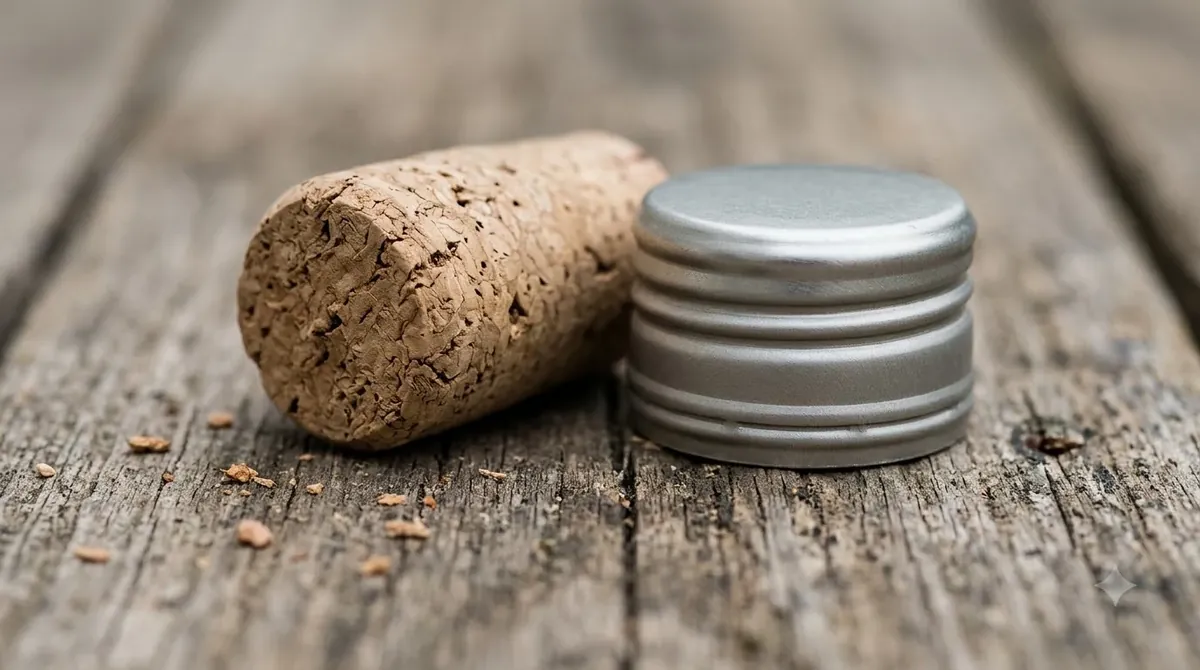
A screwcap prevents contamination from an affected natural cork because it does not use one. However, it cannot guarantee that wine has never encountered TCA elsewhere.
Contamination can occur during production, storage, or packaging. The Australian Wine Research Institute identifies oak, wooden structures, and other winery materials as possible sources of cork-type taints.
This explains why a screwcap bottle can occasionally have a musty character resembling traditionally corked wine. It is less likely to be caused by the closure itself, but the wine may still have been exposed to the same contaminating compounds.
Does a cork fragment mean the wine is corked?
No. Small pieces of cork floating in wine are not evidence of TCA contamination. They are physical fragments of the stopper, which may break during opening because the cork is old, dry, brittle, or damaged.
If a cork breaks, you can learn how to open the remaining bottle safely using our instructions on how to open a wine bottle with a broken cork.
Once the wine is open, evaluate its aroma and taste separately from the condition of the stopper. A broken cork can leave debris in an otherwise perfectly sound bottle, while an intact cork can seal wine that has developed TCA contamination.
How Cork Taint Differs From Other Wine Faults
Not every unusual or unpleasant wine aroma indicates cork taint. Oxidation, sulfur-related faults, volatile acidity, and natural aging characteristics can produce very different sensory impressions that sometimes confuse inexperienced wine drinkers.
Understanding these differences makes it easier to decide whether a bottle has a genuine fault or simply displays characteristics that are unfamiliar.
Cork taint versus oxidation
Cork taint is primarily associated with musty, moldy, and damp aromas. Oxidation, on the other hand, occurs when wine undergoes excessive exposure to oxygen and develops changes in its aromatic and flavor profile.
An oxidized white wine may smell like bruised apples, nuts, straw, or sherry. Its color may also become darker than expected. An oxidized red wine can lose freshness and develop brownish tones.
Although cardboard can be associated with both faults, the overall character is different. Cork taint often suppresses fruit and introduces musty aromas, while oxidation typically produces a broader set of aged, bruised-fruit, and nutty characteristics.
Cork taint versus sulfur-related aromas
Some wines contain sulfur compounds that create aromas resembling rotten eggs, cooked cabbage, onions, or rubber. These smells are not the same as the damp, moldy character associated with TCA.
Hydrogen sulfide, for example, is commonly associated with a rotten-egg smell. Other sulfur compounds can create onion-like or rubber-like aromas.
These differences matter because the chemical causes and potential winery treatments are not the same. A winemaker may be able to manage certain sulfur-related faults, but cork taint is much harder to correct once it has affected bottled wine.
Cork taint versus natural earthy aromas
Some wines naturally develop earthy aromas as they mature. Mature red Burgundy made from Pinot Noir, for example, may show mushroom, forest-floor, and dried-leaf characteristics.
These aromas are not automatically signs of a defective bottle. They can be part of a wine’s normal development, especially when the wine has been stored appropriately and has retained its balance.
The distinction is that natural earthy complexity generally exists alongside recognizable wine aromas, whereas TCA can suppress those aromas and replace them with an unpleasant damp or moldy impression.
Older bottles deserve particular attention because their normal mature aromas can make subtle cork taint harder to identify. A musty smell alone should not be treated as conclusive evidence without considering the entire aromatic profile.
What to Do When You Open a Corked Bottle
If you suspect cork taint, stop serving the wine and assess it before deciding what to do next. The most practical solution is usually to replace the affected bottle rather than attempting to improve its aroma through ordinary wine-handling techniques.
Start by pouring a small sample into a clean wineglass. Smell it carefully and look for damp cardboard, moldy newspapers, wet dog, or an unusual lack of fruit. Take a small sip if needed to confirm whether the flavor is similarly muted.
If the bottle was opened at home, preserve the cork and the remaining wine while you decide whether to contact the retailer or producer. Keep the bottle, label, and purchase information available because they may help identify the product and batch.
Can decanting remove cork taint?
No reliable decanting method removes TCA from affected wine. Decanting can help separate wine from sediment, allow certain aromas to develop, and introduce oxygen, but it does not restore the fruit characteristics suppressed by cork taint.
Berry Bros. & Rudd explains that the musty character can become more obvious with oxygen exposure. Leaving a corked bottle open for several hours is therefore not a dependable solution. Its guide to identifying cork taint and other wine faults also explains why affected wine cannot be reliably restored.
For this reason, decanting should not be confused with repairing a defective bottle. A young, full-bodied red wine may benefit from 30 to 60 minutes of aeration under normal circumstances, but that treatment is not a cure for TCA.
What if you are dining at a restaurant?
If a server presents a bottle for approval, the tasting sample is an opportunity to identify faults rather than simply decide whether the wine matches your personal preferences.
Smell the wine before tasting it. If you detect strong damp or moldy aromas, explain the problem politely and ask the server to assess the bottle.
You do not need to prove the exact chemical cause. Describing the wine as musty, damp, or unusually muted gives the restaurant useful information. A restaurant may inspect the bottle and offer a replacement if it agrees that the wine is faulty.
If the first bottle is corked, a replacement bottle from the same wine may be perfectly sound. TCA contamination does not mean every bottle from that producer, vintage, or grape variety has the same problem.
Can you use corked wine for cooking?
Cooking is not a reliable way to correct cork taint. Heating wine does not guarantee that the musty character will disappear, and the unpleasant aromatic characteristics may remain in the finished dish.
Since wine contributes aroma as well as acidity and liquid to a recipe, using a noticeably corked bottle can negatively affect sauces, stews, and other preparations. A sound alternative is the better choice.
Tip: If you suspect cork taint, save the bottle and original cork, take note of the wine’s name and vintage, and contact the retailer promptly. Do not throw away the bottle before discussing a possible replacement. If the wine is simply muted or unpleasant, opening another bottle is generally more effective than trying to aerate or treat it.
How Common Is Cork Taint and Can It Be Prevented?
Cork taint is a recognized wine-quality problem, but its actual frequency varies between producers, closure suppliers, and production environments. Estimates differ because testing methods, sampling procedures, and the definition of detectable contamination are not always identical.
Berry Bros. & Rudd describes estimates of approximately 2% to 5% for wines sealed under natural cork. Decanter discusses a broader range of approximately 1% to 8%, illustrating why a single universal percentage is difficult to establish.
These figures should be understood as estimates rather than a guarantee that a particular bottle has a certain probability of being affected. Quality-control practices and improvements in cork production have helped address the issue.
How wineries reduce contamination
Prevention begins with controlling potential sources of chlorophenols and related compounds. Cork suppliers and wineries pay attention to raw materials, production environments, storage conditions, and cleaning procedures.
One important measure is avoiding inappropriate chlorine-based treatments in environments where they can react with phenolic materials. Careful monitoring of cork supplies and winery equipment also helps reduce contamination risks.
Some cork producers have introduced screening technologies designed to identify TCA contamination in individual closures or production batches. These methods help reduce the possibility of contaminated cork reaching a finished bottle.
Alternative closures have also become increasingly important in wine production. Screwcap closures avoid the particular risk of contamination originating in natural cork, although they cannot prevent every possible source of environmental TCA.
What wine drinkers can do
Consumers cannot reliably determine whether a bottle contains TCA by examining its appearance, label, or closure. A clean-looking cork does not guarantee sound wine, and a screwcap does not guarantee absolute protection from environmental contamination.
However, proper storage can help preserve wine quality and prevent other problems. Keep bottles away from excessive heat, direct sunlight, and large temperature fluctuations. Bottles sealed with natural cork are generally stored horizontally to maintain contact between the wine and the closure.
A consistent storage temperature near 55 F is a useful general target for long-term wine storage. This helps protect the wine’s overall development, although it cannot remove contamination that already exists.
When buying wine, choosing a reputable retailer with sensible storage practices can also make a difference to the condition of the bottle you receive. If a bottle is defective, keep its identifying details and discuss the issue with the seller.
For more terminology about closures, wine aromas, and common wine faults, explore our Wine Glossary. Understanding basic wine terminology makes it easier to describe what you find in the glass and communicate with retailers, sommeliers, and producers.
Frequently Asked Questions
Does cork taint affect expensive wines more often?
No. Bottle price does not establish whether wine is affected by TCA. Expensive wines can develop cork taint just like everyday bottles because the contamination depends on exposure to the relevant compounds, not the retail category or reputation of the producer.
Can a bottle develop cork taint after years in a cellar?
Yes. TCA can transfer from a contaminated closure into wine during bottle storage. The rate and extent of transfer depend on factors such as the location of contamination and the interaction between the closure and the wine over time.
Can wine glasses make cork taint easier to detect?
A clean glass without residual detergent or musty odors helps prevent external smells from interfering with your assessment. A standard tulip-shaped wineglass also concentrates aromas near the opening, making subtle aromatic differences easier to evaluate.
Does freezing wine eliminate TCA?
No. Freezing wine is not an established treatment for cork taint and does not reliably eliminate TCA. It can also affect the wine’s texture and presentation, particularly if the liquid expands and pushes against the closure.
Can sparkling wine develop cork taint even with a wire cage?
Yes. The wire cage, also called a muselet, secures the cork under pressure but does not prevent chemical contamination within the closure or elsewhere in the winery. Champagne and other traditional-method sparkling wines can therefore experience cork taint despite their distinctive closure system.
Cork taint is one of the most recognizable wine faults once you learn its characteristic musty aroma and its effect on fruit expression. Remember that TCA can affect both red and white wines, may occur even in screwcap bottles, and cannot be reliably corrected through decanting or aeration. When a bottle smells damp, moldy, or unusually muted, trust the warning signs and ask for a replacement rather than settling for a disappointing glass.
More in Wine Basics
 What Is The Best Wine For Mimosas? Choose Bubbly That Balances Orange JuiceUpdated Nov 20, 2026
 Which Prosecco Is Best for Your Taste and OccasionUpdated Nov 20, 2026
 Which Wine Is Best For Health? Understand the Risks and BenefitsUpdated Nov 20, 2026
 Which Champagne Is Best for Your Taste and OccasionUpdated Nov 20, 2026
 What To Put In A Wine Gift Basket For A Thoughtful, Memorable GiftUpdated Nov 20, 2026
 What Is the Best Wine for Mulled Wine? Choose a Smooth, Fruity RedUpdated Nov 20, 2026