
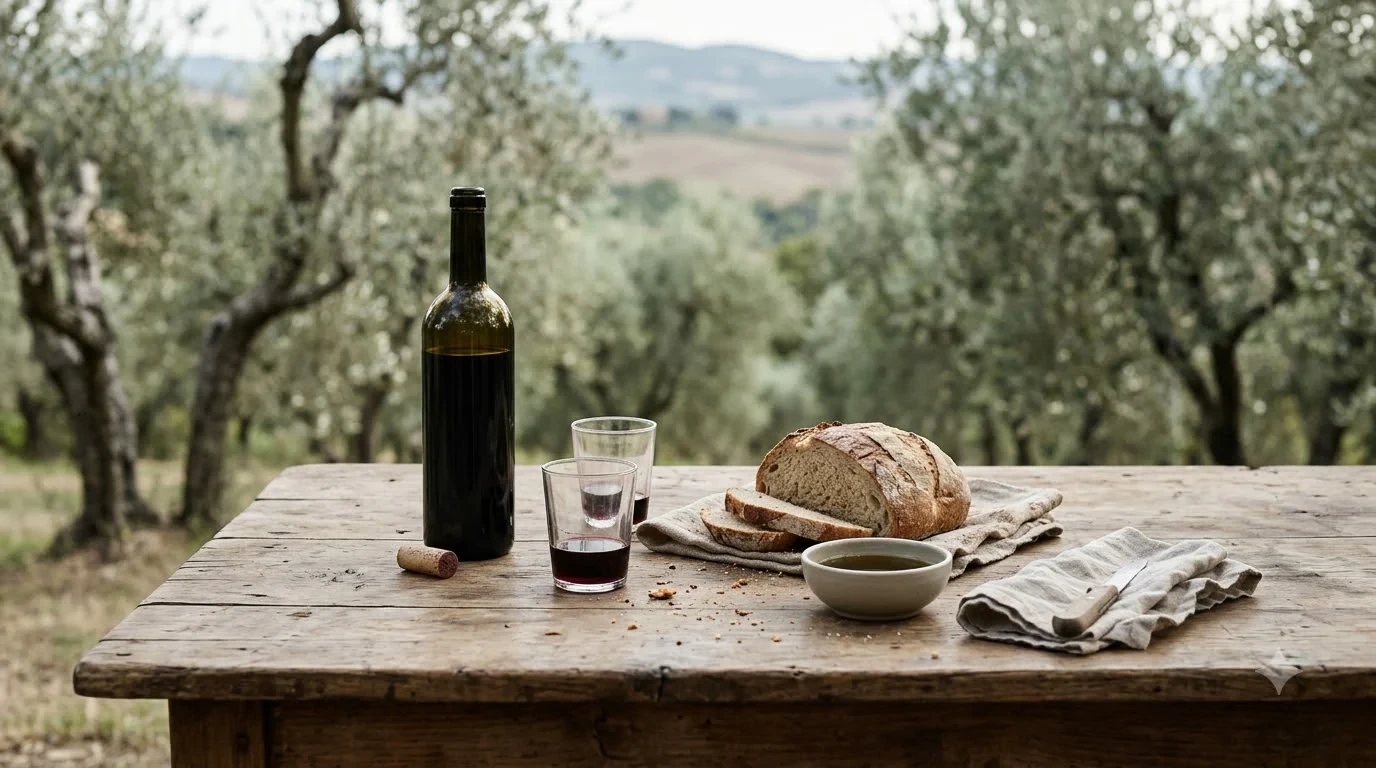

We may earn a commission when you buy through links on this page, at no extra cost to you. Learn more.
Sherry for beginners starts with understanding that Sherry is a fortified wine from southern Spain that ranges from bone-dry and refreshing to intensely sweet and rich. Its main styles include Fino, Manzanilla, Amontillado, Oloroso, Cream, and Pedro Ximénez. The differences come from the grapes, fortification, aging methods, and whether sweetness is added or preserved. Once you understand these categories, choosing a bottle for dinner, dessert, or an aperitif becomes much easier.
Sherry has a reputation for being an old-fashioned sweet wine, but that description misses much of what makes it interesting. Some bottles are crisp, pale, and savory, while others have deep amber colors, roasted-nut aromas, or the concentrated sweetness of raisins and figs. Sherry also works with foods that can be difficult to match with conventional table wines, including salty snacks, seafood, roasted meats, and desserts. This guide explains the essentials so you can recognize the styles, read the labels, and find a bottle that suits your preferences.
What Sherry Is and Where It Comes From
Sherry is a fortified wine produced in the Jerez region of Andalusia in southern Spain. It is made primarily from white grapes and gains its distinctive character through fortification and specialized aging methods rather than from grape variety alone.
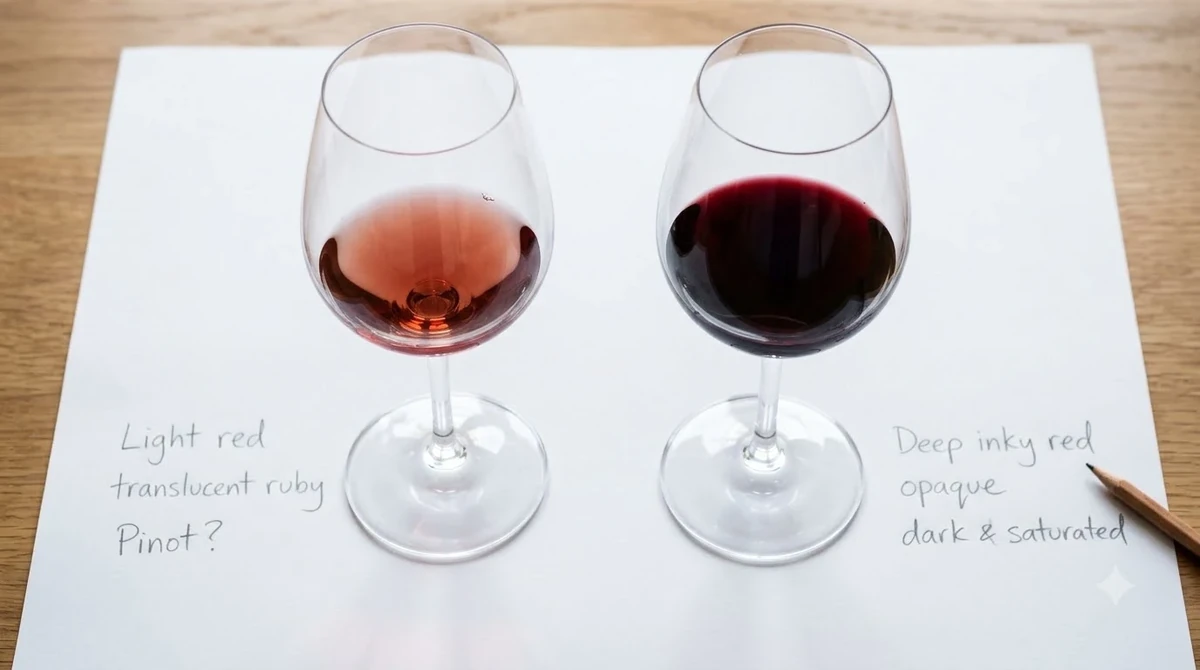
The traditional Sherry production area includes three principal towns: Jerez de la Frontera, El Puerto de Santa María, and Sanlúcar de Barrameda. Together, they form the area commonly associated with the Sherry Triangle. Each contributes to the region’s identity, and Sanlúcar has a particularly important connection with Manzanilla. The Atlantic influence, local vineyard conditions, and cellar environments help shape the wines.
Palomino is the principal grape for dry Sherry. Its relatively neutral character makes it especially suitable for wines whose aromas develop through aging. Instead of relying on intense primary fruit flavors, producers use biological and oxidative maturation to create different textures and aromas. The grape’s ability to produce a balanced base wine is an important part of the traditional Sherry style.
Pedro Ximénez and Moscatel are the other important grapes for understanding the category. Pedro Ximénez is particularly associated with intensely sweet wines, while Moscatel produces aromatic wines with floral and fruity characteristics. These grapes can be used in naturally sweet Sherry or in blends designed to create sweeter styles.
Fortification means adding wine-based alcohol during production. The timing and amount influence the wine’s final strength and determine whether it can develop beneath flor or undergo oxidative aging. Many dry Sherries contain approximately 15% to 20% alcohol by volume, although the exact figure varies by category and producer.
Sherry is not simply one flavor or sweetness level. It is a broad category that includes wines suited to aperitifs, savory meals, cocktails, and desserts. For anyone exploring wine categories more generally, understanding how production affects the final wine is also useful when comparing Sherry with styles covered in our Wine Buying Guides.
The official Sherry Wines classification from the Consejo Regulador explains the distinctions between dry, naturally sweet, and blended sweet wines. These categories provide a useful foundation for understanding why two bottles labeled Sherry can taste completely different.
The Main Sherry Styles Explained
The easiest way to understand Sherry is to start with its six familiar styles: Fino, Manzanilla, Amontillado, Oloroso, Palo Cortado, and Pedro Ximénez. They range from very dry and delicate to full-bodied and intensely sweet.

Fino is usually the most approachable starting point for someone who enjoys dry white wine. It is pale straw in color, crisp in character, and often has aromas of almonds, fresh dough, and savory herbs. Its yeast-driven aging gives it a distinctive character that differs from conventional unoaked white wines.
Manzanilla is closely related to Fino but comes specifically from Sanlúcar de Barrameda. It tends to have a particularly delicate structure, with saline, floral, and sometimes chamomile-like notes. It is an excellent choice for someone who enjoys refreshing wines with seafood.
Amontillado begins its life under flor, like Fino, but subsequently loses that protective yeast layer and continues aging in contact with oxygen. This produces a deeper amber color and more developed aromas. Hazelnut, toasted almonds, dried herbs, spices, and wood are common characteristics.
Oloroso takes a different route. It ages oxidatively without flor, developing a fuller body, darker color, and pronounced aromas of walnuts, leather, tobacco, and spices. Traditional Oloroso made from Palomino is dry, although sweetened versions and blends also exist.
Palo Cortado is a distinctive dry style that combines the aromatic refinement associated with Amontillado and the fuller structure associated with Oloroso. It is often a more unusual discovery for beginners because it is less commonly encountered than Fino or Cream Sherry.
Pedro Ximénez, often shortened to PX, is the classic intensely sweet style. It is made from sun-dried Pedro Ximénez grapes, which concentrate their sugars and create a dark, rich wine with flavors reminiscent of raisins, dates, figs, and molasses.
| Sherry style | Typical alcohol | Sweetness | Common characteristics |
|---|---|---|---|
| Fino | 15–16% | Dry | Almond, yeast, saline |
| Manzanilla | About 15–16% | Dry | Floral, delicate, salty |
| Amontillado | About 18% | Dry | Hazelnut, spice, wood |
| Oloroso | About 18–19% | Usually dry | Walnut, leather, tobacco |
| Palo Cortado | About 17–22% | Dry | Nutty, complex, structured |
| Pedro Ximénez | 15–22% | Very sweet | Raisin, fig, date |
| Cream | 15.5–22% | Sweet | Raisin, toasted nuts, caramel |
These alcohol figures are general reference points based on the styles described by Sherry producers and regulatory information. Individual bottlings can differ. The important distinction for a first purchase is that Fino and Manzanilla are dry and lighter, Amontillado and Oloroso are richer and more developed, and PX and Cream are sweet choices.
For a first tasting, consider trying Fino, Amontillado, and Pedro Ximénez side by side. Their differences are immediately noticeable and demonstrate how varied Sherry can be. You can also compare a dry Sherry with the fresh, fruit-forward character of Pinot Grigio for beginners to understand how fortification and aging change the drinking experience.
How Flor, Oxidation, and Solera Aging Work
Sherry’s distinctive flavors come largely from three production concepts: flor, oxidative aging, and the solera system. Understanding these terms makes the differences between dry styles much easier to recognize.
Flor: The Protective Yeast Layer
Flor is a naturally developing layer of yeast that forms on the surface of certain Sherry wines in partially filled barrels. Rather than allowing the wine to interact freely with oxygen, this living layer helps protect it during biological aging.
The yeast also influences the wine’s flavor. It contributes the characteristic freshness, almond-like notes, and savory qualities associated with Fino and Manzanilla. These wines are generally lighter in color and body than wines aged oxidatively.
Biological aging requires suitable cellar conditions and an appropriate alcohol level. Sherry producers commonly fortify wines to approximately 15% alcohol when they want to encourage flor development. This helps explain why Fino and Manzanilla have different production requirements from Oloroso.
Oxidative Aging: Contact With Oxygen
Oxidative aging occurs when wine matures in barrels without the protective influence of flor. Contact with oxygen gradually changes its color, aromas, and texture. The resulting wines tend to have more pronounced nutty, woody, and savory characteristics.
Oloroso is the clearest example because it ages oxidatively from the beginning of its maturation. Amontillado demonstrates both approaches: it first develops beneath flor and then continues aging with exposure to oxygen. This combination creates a wine that has elements of biological freshness alongside the deeper aromas of oxidation.
The distinction is not simply that one style is older than another. The aging environment changes the wine in different ways. Two wines made primarily from Palomino can therefore develop dramatically different personalities depending on how they are handled in the cellar.
The Solera System
Many Sherry wines mature through a traditional system called criaderas y solera. It involves several groups of barrels containing wines at different stages of aging. The oldest group is called the solera, while the younger groups are known as criaderas.
When wine is removed from the oldest barrels for bottling, it is replenished with wine from the next-youngest group. That group is then replenished from an even younger group, continuing through the system. The result is a gradual blending of wines from different production periods.
This approach helps maintain a recognizable house style over time. Rather than depending entirely on the character of one harvest, a solera can combine the characteristics of multiple harvests and stages of maturation. It is an important reason why traditional Sherry can have such a consistent identity across different bottlings.
Traditional Sherry maturation requires at least two years, although many wines mature for considerably longer. Not every Sherry is made through an identical solera arrangement, and some producers also make vintage-dated wines. However, the solera system remains one of the best-known elements of traditional Sherry production.
How to Read Sherry Labels and Choose a Sweetness Level
Sherry labels can be confusing because the wine’s color does not always tell you how sweet it will taste. Learning the main style names and sweetness descriptions is a more reliable way to select a bottle.
Start by identifying whether you want a dry, medium-sweet, or very sweet wine. If you normally drink dry white wines, Fino and Manzanilla are sensible first choices. If you enjoy richer white wines or mature styles, Amontillado and Oloroso offer more body and complexity.
For a sweeter experience, Cream and PX are useful categories to recognize. Cream is generally a blend based on Oloroso with sweet wine added, often Pedro Ximénez. It has a rounded, sweet profile while retaining some of the nutty character of its base wine.
PX is different because its concentrated sweetness comes from the grape itself. The sun-drying process removes water from the berries and concentrates their sugars before fermentation. The finished wine is dense and intensely sweet, with flavors that often suggest raisins, dates, figs, and dark caramel.
Some labels also use terms such as Medium, Pale Cream, and Pale Dry. These identify sweetened or blended categories rather than simply describing the color of the wine. Pale Cream, for example, is a sweetened Sherry category, not simply a pale version of a naturally sweet wine.
A useful shopping approach is to use the following guide:
- Dry and refreshing: Choose Fino or Manzanilla.
- Dry and nutty: Choose Amontillado.
- Dry and full-bodied: Choose Oloroso.
- Complex and distinctive: Explore Palo Cortado.
- Sweet and rounded: Choose Cream.
- Extremely sweet and concentrated: Choose Pedro Ximénez.
- Floral and sweet: Look for Moscatel.
One important buying principle is that a darker color does not automatically mean a sweeter wine. Dry Oloroso can be deeply colored and rich without tasting sugary. A pale Fino, meanwhile, can be completely dry despite its delicate appearance.
Tip: If you are uncertain about your preferred style, begin with a small bottle of Fino or Manzanilla and a small bottle of Cream or Pedro Ximénez. Comparing a dry and sweet example is an easy way to discover which direction you prefer before buying a larger bottle.
Sherry is also useful for people exploring fortified wines beyond the familiar choices. If you enjoy sparkling wine, for example, comparing its freshness and acidity with the savory character of a dry Sherry can broaden your understanding of different wine styles. Our Champagne for beginners guide explains another important category with a very different production method and drinking experience.
Serving Sherry at the Right Temperature
Serving temperature has a noticeable effect on Sherry’s aromas, alcohol perception, and texture. Lighter dry styles generally benefit from colder service, while fuller and more complex styles are often better slightly warmer.
Fino and Manzanilla should be served well chilled, approximately 43–46°F. The Sherry regulatory body’s recommended range is 6–8°C, which converts to approximately 43–46°F. Their refreshing, saline character makes them particularly enjoyable at this temperature. A cold glass also works well with salty snacks and seafood.
Amontillado and Oloroso can be served slightly warmer, around 54–57°F, to allow their nutty, woody, and savory aromas to develop. The regulatory body’s recommended range for Amontillado, Oloroso, and Palo Cortado is 12–14°C. Serving these wines too cold can make their aromatic complexity less apparent.
Sweet Sherry requires a little consideration. Pedro Ximénez and Moscatel are also recommended at approximately 54–57°F by the regional serving guide. Cream and Medium can be served around 50–54°F, particularly when enjoyed as aperitifs. A slightly cooler temperature can help keep their sweetness from feeling overly heavy.
Choose a small white wine glass or a suitable fortified-wine glass. A narrow opening can help concentrate aromas while keeping the alcohol from dominating the nose. You do not need a collection of specialized glasses to enjoy Sherry; a standard small wine glass is perfectly practical.
Traditional Sherry is often poured in smaller quantities than ordinary table wine because of its higher alcohol content and concentrated flavors. A modest 2–3-ounce pour is a useful starting point for tasting several styles. This also makes it easier to compare different wines without becoming overwhelmed by their intensity.
Sherry can be enjoyed before dinner, alongside a meal, or after dessert. Fino and Manzanilla are particularly suited to aperitif service, while PX and Cream are natural choices for the end of a meal. Amontillado and Oloroso can move comfortably between these occasions depending on the food.
Food Pairings for Dry and Sweet Sherry
Sherry is one of the most versatile fortified wines for food because its styles cover a wide range of textures and sweetness levels. The best pairing depends on whether the wine is crisp and dry, rich and nutty, or concentrated and sweet.
Fino and Manzanilla With Seafood and Salty Snacks
Fino and Manzanilla are excellent partners for salty, savory foods. Try them with fried calamari, shrimp, oysters, anchovies, cured olives, salted almonds, and potato chips. Their dry character and savory qualities complement salt without making the meal feel heavy.
Manzanilla is particularly good with raw seafood, including oysters and scallops. Its delicate structure and saline notes work naturally with the clean flavors of shellfish. Fino is especially suitable for fried fish because its freshness can balance the richness of the cooking oil.
These styles also work well with tapas. Spanish-style olives, marinated seafood, small fried dishes, and cured fish create an enjoyable spread without requiring complicated recipes. A chilled glass of Fino alongside salted almonds is a particularly straightforward introduction to the category.
Amontillado and Oloroso With Richer Dishes
Amontillado has enough aromatic complexity to complement foods with deeper savory flavors. Consider mushroom soup, roasted chicken, pork tenderloin, rabbit, or pheasant. Its hazelnut and toasted characteristics work particularly well with earthy ingredients.
Oloroso has a fuller structure that suits richer dishes. Roasted meats, braised beef, slow-cooked pork, aged cheeses, and dishes featuring mushrooms can all work well. The wine’s nutty and savory character adds another layer to food with browned or roasted flavors.
Palo Cortado is particularly interesting with dishes that combine richness and aromatic complexity. Try it with roasted poultry, mushroom-based sauces, or mature hard cheeses. Its combination of elegance and body makes it a flexible option for a substantial meal.
Cream and Pedro Ximénez With Dessert
Cream Sherry is an accessible choice for people who prefer sweeter wines but do not want the extreme concentration of PX. It works with nut desserts, fruit tarts, caramel-based puddings, and blue cheese. Its sweetness and rounded texture can complement desserts with toasted or baked flavors.
Pedro Ximénez is particularly suitable for intense desserts. Try it with vanilla ice cream, chocolate cake, bread pudding, sticky toffee pudding, or desserts featuring dates and figs. A small pour can provide plenty of flavor because the wine is so concentrated.
The most important pairing principle is to make sure the wine is at least as sweet as the dessert. A very sweet pudding can make a less-sweet wine seem sharp or bitter by comparison. PX is therefore a particularly reliable option for rich desserts, while Cream can suit moderately sweet cakes and pastries.
Cheese is another useful pairing category. Fino and Manzanilla can work with fresh or lightly salted cheeses, while Amontillado and Oloroso suit more mature, savory varieties. PX is a classic partner for blue cheese because the contrast between sweetness and salt creates a memorable combination.
The Consejo Regulador’s Sherry food-pairing guide provides additional examples, including Manzanilla with prawns, anchovies, and fried fish. Its recommendations demonstrate how each style can complement a different part of a meal rather than being reserved for dessert.
Buying, Opening, and Storing Your First Bottle
For a first purchase, choose the Sherry style according to how you plan to drink it rather than selecting a bottle based only on its age or color. A dry Fino for seafood, an Amontillado for a savory meal, or a PX for dessert gives you a clear starting point.
Look for the main style name on the front label. Words such as Fino, Manzanilla, Amontillado, Oloroso, Cream, and Pedro Ximénez provide more useful information than a general description such as rich or smooth. The producer’s name and the wine’s alcohol percentage can help you compare bottles in the same category.
It is also helpful to distinguish between a wine that is naturally sweet and one that is sweetened through blending. PX and Moscatel are naturally sweet styles made from concentrated grape musts. Cream, by comparison, is a blended category that combines Oloroso with sweet wine. Both can taste rich, but their production methods and flavor profiles are different.
After opening, storage becomes important. Fino and Manzanilla are particularly sensitive to oxygen because their fresh character is closely associated with biological aging. They should be recorked promptly and kept refrigerated. For the best freshness, aim to finish these wines within approximately 3–5 days.
Amontillado and Oloroso generally hold their character longer after opening because their oxidative aging gives them greater tolerance for contact with oxygen. Refrigeration and a tightly fitted closure still help preserve their quality. A practical starting point is to enjoy them within approximately 2–4 weeks, although the exact period depends on the wine, bottle size, and storage conditions.
Sweet PX and Cream can also last longer than delicate biological styles once opened. Keep them sealed and refrigerated, and monitor their aromas and flavors as they are consumed. Sweetness and oxidative maturation can help these wines retain their character, but they should not be treated as immune to deterioration.
Store unopened bottles in a cool, dark place away from direct sunlight and large temperature changes. Avoid keeping them beside ovens, radiators, or sunny windows. Follow the producer’s storage recommendations when available, particularly for delicate Fino and Manzanilla bottlings.
Sherry is also a practical cooking ingredient. Dry Fino can add savory complexity to seafood sauces, chicken dishes, and soups, while Amontillado can bring nutty depth to mushroom dishes and braised meats. Choose a wine you would be happy to drink rather than relying on heavily salted supermarket cooking wine.
Frequently Asked Questions
Is Sherry the same as cooking Sherry?
No. Sherry is a fortified wine intended for drinking, while products sold specifically as cooking Sherry may contain added salt and other ingredients. Regular Fino, Amontillado, or another suitable drinking style can be used in recipes. Sherry vinegar is another separate product made through the conversion and aging of wine into vinegar.
Can Sherry be used to make cocktails?
Yes. Fino and Manzanilla can bring crisp, savory notes to drinks that use gin, while Amontillado adds nutty complexity to whiskey-based cocktails. Oloroso can also provide a richer base for mixed drinks. Sherry is therefore useful as more than an after-dinner wine.
Does Sherry have a vintage year?
Many traditional Sherries are made through solera systems that combine wine from different harvests, so they do not have a single vintage year in the conventional sense. However, some producers also release vintage-dated Sherries that are aged separately. These bottlings offer a different way to explore the influence of an individual harvest.
What do VOS and VORS mean on a Sherry label?
VOS stands for Very Old Sherry and identifies wines with an average age of at least 20 years. VORS stands for Very Old Rare Sherry and identifies wines with an average age of at least 30 years. These designations refer to the average age of the wine rather than the age of every individual component in a blended solera.
Is Sherry always made in wooden barrels?
Traditional Sherry maturation is closely associated with large oak casks, commonly called botas, used in biological or oxidative aging. However, the production process also includes fermentation and other cellar operations that do not necessarily take place in the same vessels. The barrels are particularly important because they support flor development or controlled exposure to oxygen during maturation.
Sherry is much more diverse than its reputation as a sweet after-dinner wine suggests. Start with Fino or Manzanilla if you prefer dry, refreshing wines, explore Amontillado and Oloroso for richer savory flavors, and choose Cream or Pedro Ximénez when you want sweetness. Once you recognize these styles, Sherry becomes an approachable and rewarding category for everyday meals, special occasions, and dessert.
More in Wine Buying Guides
 Cheap Red Blend: How to Find a Flavorful Bottle for LessUpdated Nov 20, 2026
 Pinot Grigio Gift: How to Choose a Bottle They’ll EnjoyUpdated Nov 20, 2026
 Best White Wine at Total Wine for Every MealUpdated Nov 20, 2026
 Wine Fridge Replacement Shelves: Find the Right FitUpdated Nov 20, 2026
 Best Sparkling Wine Under 20: Find Bubbles Worth BuyingUpdated Nov 20, 2026
 Best Wine For Birthday Celebrations With Perfect Party PairingsUpdated Nov 20, 2026