

We may earn a commission when you buy through links on this page, at no extra cost to you. Learn more.
Zonin white wine includes approachable Italian styles such as Pinot Grigio and Soave Classico, offering fresh fruit, floral aromas, and versatile food-pairing options. The best-known choices range from crisp, citrus-driven Pinot Grigio to Garganega-based Soave with delicate apple and almond characteristics. Understanding the grape variety, regional origin, and serving temperature makes it easier to select a bottle for seafood, pasta, appetizers, or a casual evening meal.
Zonin is an Italian wine producer with a family history dating to 1821 and roots in Gambellara, Veneto. Its wine portfolio includes both still and sparkling wines, making the brand relevant to different occasions and preferences. Its white wines deserve attention beyond the familiar Prosecco category, particularly for drinkers looking for an Italian still white that works with everyday meals. Pinot Grigio and Soave offer two useful starting points because they have distinct grape varieties, regional identities, and flavor profiles.
What Is Zonin White Wine?
Zonin white wine refers to the producer’s range of white wines rather than one specific grape or flavor profile. Its Italian selection includes familiar varieties and regional expressions, with Pinot Grigio and Soave Classico providing two particularly useful examples for understanding the brand’s still-white offerings.

The company traces its origins to 1821 and its historic home in Gambellara, a town in the Veneto region of northeastern Italy. This regional connection matters because Veneto has a long-established white-wine tradition, including Soave, which is closely associated with the Garganega grape. The wider region also produces Pinot Grigio and other internationally recognized varieties.
One important distinction is that Zonin makes both sparkling and still wines. Prosecco is a sparkling wine associated with the Glera grape, while Pinot Grigio and Soave are examples of still white wines. They should not be treated as interchangeable simply because they share a producer’s name or appear in the same wine section.
The producer’s Soave Classico DOC offers a particularly clear example of its regional identity. According to Zonin’s technical information, this wine comes from Soave in Veneto and uses Garganega grapes. Its listed alcohol level is 12.5 percent by volume, and its technical sheet specifies a 750 ml bottle.
For shoppers, the most useful approach is to start with the style of wine rather than assuming every Zonin white tastes alike. Pinot Grigio generally suits someone seeking a clean, refreshing white, while Soave Classico provides a different expression based on Garganega. Those looking for a broader overview of the producer’s range can also explore the wine brands category.
Zonin Pinot Grigio: Flavor and Characteristics
Zonin Pinot Grigio is a suitable choice for drinkers who enjoy a dry, fresh white wine with fruit-forward aromas and a clean finish. Its profile centers on white flowers, green apple, and citrus, making it particularly useful as an aperitif or alongside lighter dishes.
Pinot Grigio is the Italian name for a grape also known as Pinot Gris in other wine-producing countries. It is a versatile variety capable of producing different styles depending on climate, vineyard location, and winemaking choices. Italian examples are frequently associated with refreshing acidity, lighter fruit, and a clean overall impression.
Zonin’s Delle Venezie Pinot Grigio is identified by the producer as a wine made from 100 percent Pinot Grigio. The technical description highlights ripe fruit, white flowers, green apple, and citrus. Its fresh and clean finish makes it an accessible option for someone who wants a white wine without pronounced oak flavors or heavy texture.
The grape’s broader flavor range can include pear, nectarine, melon, lemon, and sometimes a subtle mineral character. Wine Enthusiast explains that Pinot Grigio varies considerably according to its growing region, with some northeastern Italian examples showing more body and complexity while retaining their characteristic acidity.
Dry is the most useful starting expectation for a conventional Italian Pinot Grigio. Fruit aromas do not necessarily mean the wine contains substantial residual sugar. Green apple and citrus can give the impression of freshness and fruitiness while the actual palate remains dry.
What to expect in the glass
Look for a pale straw or light yellow color, fresh orchard-fruit aromas, and a relatively light to medium-bodied palate. The acidity should make the wine feel refreshing rather than heavy, especially when served at an appropriate temperature.
Pinot Grigio is also a practical introduction to Italian still white wine because it does not require extensive explanation to enjoy. A chilled glass works before dinner, with a simple lunch, or alongside food that benefits from citrus-like freshness.
For readers comparing the producer’s sparkling wines with its still whites, the Zonin Prosecco tasting notes provide a useful contrast. Prosecco brings bubbles and a different aromatic experience, whereas still Pinot Grigio emphasizes fruit, acidity, and a clean finish.
Zonin Soave Classico and the Garganega Grape
Zonin Soave Classico is a regional Italian white wine made with Garganega grapes, offering a different flavor experience from Pinot Grigio. Expect delicate white-flower aromas, slightly green apple notes, a balanced palate, and a subtle finish.
Soave comes from the Veneto region, east of Verona. Its identity is strongly associated with Garganega, a grape that the Soave wine consortium identifies as the principal variety of the denomination. The consortium describes the grape’s natural aromatic profile as relatively delicate, with recognizable almond and white-flower characteristics.
The word Classico has a specific regional meaning. It identifies wine made from grapes harvested and vinified in the historic Soave production area, which includes the municipalities of Soave and Monteforte d’Alpone. It is not simply a marketing term suggesting that a wine is old-fashioned or made according to an unspecified traditional recipe.
Zonin’s Soave Classico DOC technical sheet identifies Garganega as its grape variety and Soave, Veneto, as its production area. The producer describes the wine as straw-yellow in appearance, with white-flower aromas accompanied by slightly green apple. The palate is described as balanced and persistent, with a delicate aftertaste.
The wine’s production method also helps explain its fresh character. Zonin specifies soft pressing followed by fermentation in stainless-steel vats at controlled temperatures of approximately 18 degrees Celsius. Stainless steel is commonly used in white-wine production to preserve fresh fruit and floral characteristics rather than introduce prominent oak-derived flavors.
How Soave differs from Pinot Grigio
The most important difference is the grape variety. Zonin Pinot Grigio uses Pinot Grigio, while its Soave Classico uses Garganega. The wines can share a refreshing character, but their aromatic signatures are different.
Pinot Grigio commonly brings green apple, pear, and citrus. Soave Classico introduces more recognizable white-flower and almond characteristics. Its regional identity also gives it a stronger connection to the volcanic-origin hills and limestone outcrops associated with the Soave landscape.
For someone who enjoys simple, crisp whites, Pinot Grigio is a natural starting point. Someone who prefers more delicate floral and almond notes may find Soave Classico more appealing. Both can work at the beginning of a meal, but Soave’s balanced palate also makes it suitable for a variety of seafood and appetizer courses.
Sweetness, Acidity, and Alcohol Content
Zonin’s conventional still white wines are best approached as dry table wines rather than dessert wines. Their fruit and floral aromas can seem expressive without making the wine sweet, while their acidity helps provide freshness and balance.
Pinot Grigio is generally a dry style, particularly in its familiar northeastern Italian expression. Green apple, citrus, pear, and melon can create a fruit-forward impression, but aromatic fruitiness is not the same thing as residual sugar. The overall experience is typically refreshing rather than sugary.
Zonin’s Soave Classico also has a dry-style profile. Its producer description emphasizes white flowers, green apple, balance, and persistence instead of sweet dessert-like flavors. Garganega is not an intensely aromatic grape, so its appeal often comes from subtlety and the relationship between fruit, texture, and freshness.
Alcohol content is a separate consideration from sweetness. Zonin lists its Soave Classico DOC at 12.5 percent alcohol by volume. That is a useful reference for this particular wine, but it should not automatically be applied to every Zonin white wine or every vintage.
| Wine characteristic | Zonin Soave Classico DOC | Zonin Delle Venezie Pinot Grigio |
|---|---|---|
| Primary grape | Garganega | Pinot Grigio |
| Production area | Soave, Veneto | Delle Venezie, Italy |
| Alcohol by volume | 12.5 percent | Varies by bottling |
| Bottle size in producer information | 750 ml | Varies by bottling |
| Typical flavor notes | White flowers and green apple | White flowers, green apple, citrus |
| Serving temperature in producer information | 8–10°C | 10–12°C |
| General style | Dry still white | Dry still white |
These details illustrate why reading the wine’s identity matters more than relying on the producer name alone. The alcohol figure in the table is specifically associated with Zonin Soave Classico, while the Pinot Grigio information should be understood as a separate bottling with its own technical details.
It is also helpful to understand how acidity influences the drinking experience. A white wine with noticeable acidity can feel crisp and lively even when its fruit aromas suggest ripe apples or pears. This is one reason Italian Pinot Grigio works well with lemon-seasoned food and lighter meals.
Best Food Pairings for Zonin White Wine
Zonin white wines pair especially well with seafood, salads, mild cheeses, chicken, and lighter pasta dishes. The best match depends on whether the bottle is a crisp Pinot Grigio or a floral, balanced Soave Classico.
Pinot Grigio is particularly versatile at the table because its acidity refreshes the palate and complements simple food flavors. Wine Enthusiast highlights its compatibility with fresh cheese, salads, seafood, and pasta with light cream or seafood sauces. These combinations allow the wine’s delicate aromas to remain noticeable instead of being overwhelmed by strong seasoning.
Seafood and fish
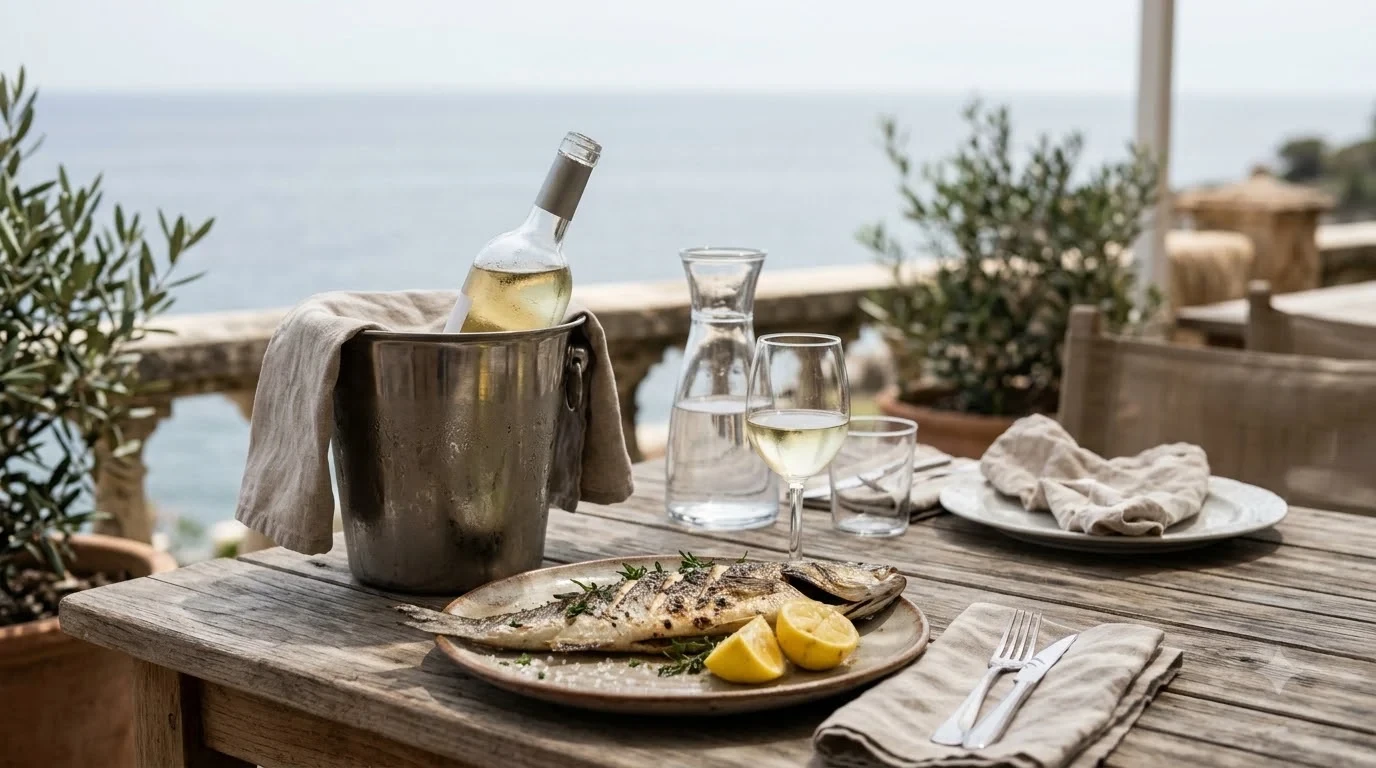
Try Zonin Pinot Grigio with grilled white fish, shrimp, steamed mussels, scallops, or a simple seafood pasta. Lemon, herbs, and light olive-oil dressings help connect the wine’s citrus and green-apple notes with the food. Soave Classico also works well with seafood appetizers, reflecting Zonin’s own suggested food matches for this wine.
For richer fish preparations, consider the sauce and cooking method. A lightly grilled fish with lemon is a straightforward match, while a heavily smoked or strongly seasoned seafood dish can dominate a delicate white wine. Oily fish may also require more flavorful white-wine styles rather than a very subtle Pinot Grigio.
Salads and vegetables
A salad with cucumber, fresh herbs, green vegetables, and a light vinaigrette is a natural partner for Pinot Grigio. The acidity of the dressing and wine can work together, creating a refreshing combination. Goat cheese or feta adds salt and creaminess without making the pairing too heavy.
Roasted vegetables can also work, particularly zucchini, asparagus, and lightly seasoned bell peppers. Keep sauces moderate and avoid excessive sweetness. A dish with pronounced acidity should be matched with a wine that has equal or greater acidity so that the wine does not seem flat.
Pasta and cheese
Choose pasta with a light cream sauce, shrimp, lemon, or mild herbs. Pinot Grigio can cut through some of the richness while providing freshness. Simple pasta with pesto and salty Italian cheese can also work because the wine’s acidity provides contrast.
For cheese, consider fresh mozzarella, ricotta, mild goat cheese, and feta. These choices generally complement rather than overwhelm the wine. Strong aged cheeses may be better suited to more structured whites or other wine styles.
Chicken and appetizers
Roast chicken with herbs, grilled chicken skewers, and chicken salad are practical options for both Pinot Grigio and Soave Classico. The lighter texture of these dishes gives the wine room to express its fruit and floral notes. Soave Classico is also suitable for antipasti, especially dishes featuring vegetables, seafood, or mild cheeses.
For a larger meal, consider the progression of flavors. Begin with Pinot Grigio and a fresh salad or seafood starter, then serve Soave Classico with a more substantial first course. This approach creates variety without moving too far away from the fresh character of Italian white wine.
Tip: Match the wine’s acidity to the food’s acidity. A lemon-heavy seafood dish or vinaigrette salad needs a white wine with enough freshness to keep pace. For either Pinot Grigio or Soave Classico, avoid overpowering delicate aromas with very spicy sauces or heavily smoked ingredients.
Serving Temperature, Glassware, and Storage
Serve Zonin Pinot Grigio and Soave Classico chilled, but avoid making them excessively cold. A suitable temperature allows the wines’ floral, citrus, and orchard-fruit aromas to remain noticeable while preserving their refreshing character.
Zonin recommends approximately 10–12 degrees Celsius for its Delle Venezie Pinot Grigio. Its Soave Classico technical sheet specifies a cooler range of approximately 8–10 degrees Celsius. These are producer recommendations for the respective wines, rather than universal rules for every white wine.
For a practical home-serving approach, a light white wine generally works well around 45–50 degrees Fahrenheit. Remove the bottle from the refrigerator briefly before pouring if it feels excessively cold. Very low temperatures can suppress aroma and make subtle differences between Pinot Grigio and Soave more difficult to recognize.
A standard white-wine glass is appropriate for both styles. A moderately sized bowl allows the wine to release its aromas, while a narrower opening helps direct them toward the nose. There is no need for elaborate glassware to enjoy either wine.
Pour size and bottle planning
A standard 750 ml bottle provides approximately five servings when each glass contains 5 ounces. This is a convenient guideline for planning a dinner or gathering. For four adults having one glass each, a single bottle should generally provide enough wine with a little remaining.
Pour smaller amounts when serving several different wines. A 3-ounce tasting pour allows guests to compare Pinot Grigio and Soave Classico without committing to a full glass of each. It can also help demonstrate how different grape varieties influence aroma and flavor.
Storing an opened bottle
After opening a bottle of still white wine, close it with its original closure or a suitable wine stopper and refrigerate it. Most opened still wines retain their best qualities for approximately 3–5 days, although freshness gradually declines as the wine comes into contact with oxygen.
Keep unopened bottles in a cool, dark place away from direct sunlight and major temperature fluctuations. A storage temperature near 55 degrees Fahrenheit is a useful target for longer-term wine storage. Bottles with natural cork closures are generally stored on their sides, while short-term storage before serving is less complicated.
White wines such as Pinot Grigio and Soave are often enjoyed relatively young, when their fruit and floral characteristics are prominent. A simple, fresh bottling does not normally need decanting. Open the bottle shortly before serving, pour a small sample, and allow the aromas to develop naturally in the glass.
Choosing Between Zonin White Wine Styles
The right Zonin white depends on the occasion, your preferred flavor profile, and the food being served. Pinot Grigio is a straightforward option for crisp, fruity refreshment, while Soave Classico offers a more distinctive regional expression through Garganega.
For casual lunches, salads, and seafood, Pinot Grigio is an easy choice. Its green-apple and citrus profile works with uncomplicated food and makes it suitable for an aperitif. It is also a practical option for people who prefer lighter white wines without pronounced oak characteristics.
For a dinner featuring seafood appetizers, vegetable dishes, or mild cheeses, Soave Classico is worth considering. Its white-flower aromas and delicate apple notes provide a different experience from Pinot Grigio. The producer’s suggested temperature of 8–10 degrees Celsius also makes it a good candidate for a carefully chilled first course.
Think about the occasion as well as the food. A relaxed outdoor lunch might call for a simple glass of Pinot Grigio, while a dinner with several Italian courses could benefit from exploring both wines. Neither needs to be reserved for formal events; their versatility is part of their appeal.
It is also useful to distinguish still whites from Zonin’s sparkling offerings. Prosecco provides bubbles and a different style of freshness, making it particularly appropriate for celebrations and aperitifs. For more information about that category, see the article on Zonin Prosecco alcohol content. Those interested in exploring the producer beyond white wine can also compare its Zonin red wine selections.
When choosing between two bottles, consider the grape first, then the origin and tasting description. Pinot Grigio provides a familiar starting point, while Soave Classico offers the opportunity to explore the character of Garganega and the historic white-wine territory around Verona.
For additional regional background, the Soave wine consortium’s regional information explains the importance of Garganega, the historic production area, and the relationship between local soils and the denomination. It provides useful context for understanding why Soave Classico has a distinct identity within Italian white wine.
Frequently Asked Questions
Is Zonin white wine suitable for beginners?
Yes. Pinot Grigio is a particularly approachable starting point because its fruit and acidity are relatively easy to recognize. Soave Classico offers a useful next step for someone interested in learning how a different Italian grape variety, Garganega, expresses itself.
Can Zonin white wine be used for cooking?
Yes, a dry Zonin Pinot Grigio or Soave can be used in seafood sauces, risotto, and light pasta preparations. Add the wine during cooking and allow some of the alcohol to evaporate before finishing the dish. Choose a wine whose flavor you would also enjoy drinking rather than using a heavily sweetened wine.
Does Zonin make white wine in a half bottle?
Packaging depends on the particular wine and market. Zonin’s Soave Classico technical sheet identifies a standard 750 ml bottle, while other producers in the Soave region offer different bottle formats. Availability of smaller Zonin bottles should be confirmed with the retailer carrying the specific selection.
Can Zonin Soave Classico be aged?
Some Soave Classico wines can develop additional complexity in the bottle, although the ideal aging potential depends on the individual wine, vintage, and storage conditions. The Soave denomination also includes more structured selections that can evolve over several years. Zonin’s technical description emphasizes the fresh floral and apple character of its particular bottling.
What does Garganega mean on an Italian wine label?
Garganega is the name of an Italian white-wine grape strongly associated with Veneto and the Soave denomination. The variety has a relatively subtle aromatic profile, with characteristic white-flower and almond notes. It is also used in the production of other regional Italian wines, including sweet Recioto di Soave.
Zonin white wines provide a useful introduction to the variety of Italian still whites, from refreshing Pinot Grigio to floral, Garganega-based Soave Classico. Start with the flavor profile and food pairing you prefer, serve the wine properly chilled, and explore the differences between these two regional expressions. Both offer an enjoyable way to discover the white-wine traditions of northeastern Italy.
More in Wine Brands
 Underwood Wine Price: Compare Bottles, Cans, and Pack SizesUpdated Nov 21, 2026
 Zenato Wine Price: Compare Styles and Choose the Right BottleUpdated Nov 21, 2026
 Zuccardi Wine Price: Compare Bottles and Find the Right RangeUpdated Nov 21, 2026
 Yellow Tail Moscato Review: Taste, Sweetness and Serving TipsUpdated Nov 21, 2026
 Wolf Blass Yellow Label Review: Choose Your Best StyleUpdated Nov 21, 2026
 Wolffer Estate Rose Review: Choose the Right Bottle for Your TableUpdated Nov 21, 2026