

We may earn a commission when you buy through links on this page, at no extra cost to you. Learn more.
Zonin red wine includes several Italian styles, from approachable Merlot and Cabernet to richer Primitivo, Montepulciano d’Abruzzo and Valpolicella. Produced under the historic Zonin name, these wines represent different grape varieties and regional traditions rather than one uniform flavor profile. The best bottle depends on whether you prefer soft fruit, firmer tannins, fuller body or the distinctive character of traditional Italian reds.
Zonin is widely associated with Italian sparkling wine, particularly Prosecco, but its still red wines deserve attention too. The portfolio includes familiar international grapes and regional Italian varieties, giving wine drinkers several ways to explore the country’s red wine traditions. Understanding the differences between the bottles makes it easier to choose a suitable wine for dinner, entertaining or an uncomplicated evening glass.
Understanding the Zonin Red Wine Collection
Zonin red wines cover several Italian regions, grape varieties and levels of body. Rather than representing a single house style, the collection offers different expressions, ranging from lighter Veneto reds to richer southern Italian wines.
The Zonin family traces its wine business to Gambellara, a town in Veneto near Vicenza. The company’s history began in 1821, and its development has remained closely connected to Italian wine production. Its portfolio includes both wines sold under the Zonin name and bottles produced by other estates belonging to the wider Zonin1821 group. These distinctions matter because not every wine associated with the larger company carries the same label or comes from the same production area.
The brand’s red wine selection includes Cabernet, Merlot, Bardolino Classico, Valpolicella Classico, Chianti, Montepulciano d’Abruzzo and Primitivo. Each name provides a useful starting point for understanding what is inside the bottle. Cabernet and Merlot identify grape varieties, while Chianti and Valpolicella refer to Italian wine regions and their regulated wine styles.
There are also more substantial Veneto wines in the broader portfolio, including Amarone della Valpolicella DOCG and Valpolicella Ripasso Superiore DOC. These are particularly interesting choices for people who enjoy concentrated fruit and traditional Italian winemaking methods. They should not be confused with simpler everyday Valpolicella bottlings, which generally offer a lighter drinking experience.
For shoppers familiar with Zonin sparkling wine, the red collection offers a different side of the producer. Prosecco is made primarily from Glera grapes using the tank method, while still red wines rely on different varieties and fermentation choices. Readers interested in the sparkling range can also explore Zonin Prosecco alcohol content to understand how its best-known sparkling wine compares with still wines.
Availability and vintages can vary between countries and retailers. The American portfolio has featured wines such as Cabernet 2022, Merlot 2021, Montepulciano d’Abruzzo 2021 and Primitivo 2021. These examples illustrate the range, although a particular vintage or label may not be available in every market.
Popular Zonin Red Wine Styles and Their Characteristics
The easiest way to compare Zonin reds is by grape variety and regional identity. Cabernet offers more noticeable tannins, Merlot tends to feel softer, and Primitivo generally provides generous ripe-fruit character.
The following comparison describes the typical characteristics of these wine styles. Individual bottles can differ according to vintage, growing conditions, winemaking and bottle age.
| Wine style | Typical body | Tannin | General character |
|---|---|---|---|
| Merlot | Medium | Medium, softer | Plum, cherry and smooth fruit |
| Cabernet Sauvignon | Medium to full | High | Blackcurrant, dark fruit and structure |
| Primitivo | Medium to full | Moderate | Ripe red fruit and jam-like notes |
| Montepulciano d’Abruzzo | Medium to full | Medium | Dark cherry and savory fruit |
| Valpolicella Classico | Light to medium | Low to medium | Fresh cherry and red berries |
| Amarone della Valpolicella | Full | Medium to high | Concentrated fruit and substantial texture |
Merlot: Zonin Merlot is a natural starting point for drinkers who prefer softer red wines. Merlot generally has medium tannins and a rounded texture, with familiar flavors such as plum, blackberry and cherry. It can work well with tomato-based pasta, roasted chicken, pork and moderately seasoned meat dishes.
Cabernet: Cabernet is a stronger choice for people who enjoy structure and a firmer finish. Cabernet Sauvignon typically has high tannin, making it a suitable partner for beef, lamb and other dishes with substantial protein and fat. Dark fruit, blackcurrant and herbal impressions are common characteristics of this grape variety.
Primitivo: This southern Italian grape is particularly appealing to drinkers who enjoy ripe fruit and a warm, full-flavored red. Zonin’s Puglia IGT Primitivo has a documented alcohol level of 13.5% by volume. The producer describes its profile as structured and moderately tannic, with red-berry aromas that can develop into more complex jam-like notes.
Montepulciano d’Abruzzo: This regional wine is generally made from Montepulciano grapes grown in Abruzzo. It is a useful choice for people seeking dark fruit, approachable structure and versatility with Italian meals. Its typical flavor profile includes dark cherry, plum and savory notes.
Valpolicella: Valpolicella Classico usually offers a fresher, lighter style than Amarone. Both wines are associated with the Veneto region, but their production methods and resulting concentration differ. Valpolicella is often a good match for pizza and pasta, while Amarone suits richer meals and longer dinners.
What Does Zonin Red Wine Taste Like?
Zonin red wine does not have one universal tasting profile because its different labels use different grapes and regional traditions. The Primitivo provides a particularly clear example of the producer’s approach to describing an individual bottle.
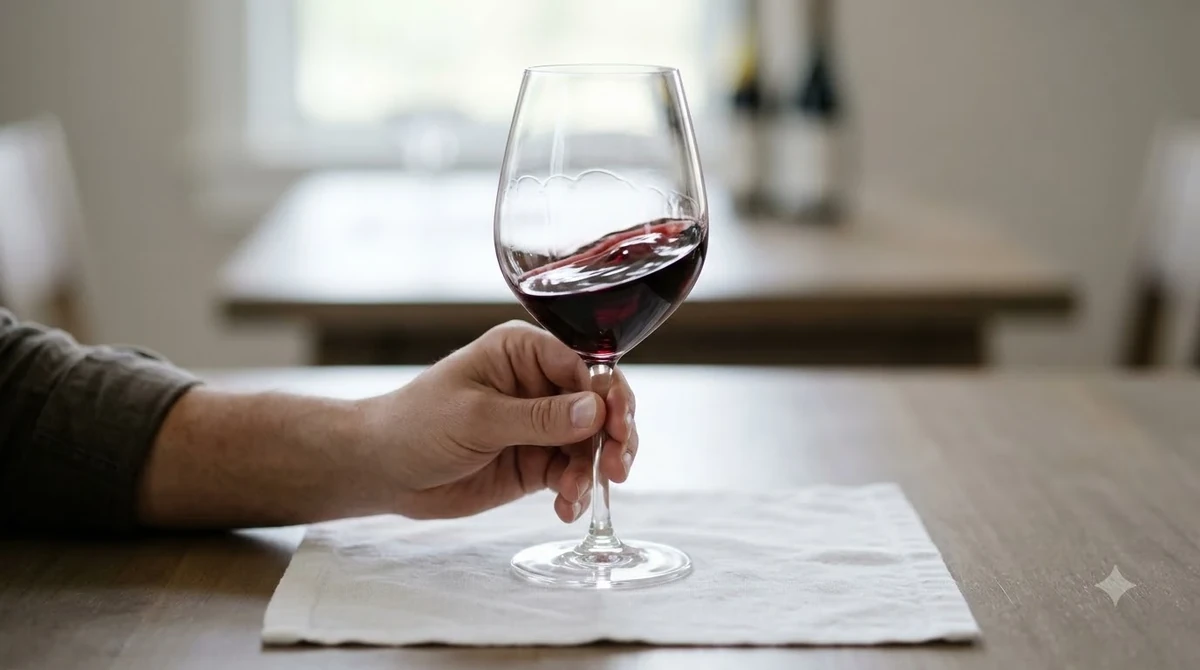
According to Zonin’s producer information, its Puglia IGT Primitivo has an intense red color with purple reflections. Its aroma features small red berries when young, developing toward more complex jam-like notes as the wine matures. On the palate, the producer describes it as warm, structured, moderately tannic and balanced in acidity.
These characteristics make Primitivo different from a typical Cabernet. Cabernet Sauvignon generally has more pronounced tannins, while Primitivo is often recognized for ripe fruit and a softer impression of structure. The difference becomes especially noticeable when the wines are served alongside food.
Merlot provides another useful comparison. Its medium tannins and rounded fruit character can make it seem gentler than Cabernet. Depending on the producer and vintage, common impressions include ripe plum, black cherry and a smooth finish. It is often a comfortable introduction for people who find strongly structured reds too demanding.
Valpolicella Classico tends to move in the opposite direction from richer Primitivo. Its typical profile is lighter, fresher and more focused on red cherry and other bright fruit flavors. Amarone, meanwhile, is more concentrated and substantial. This contrast demonstrates why the regional name and wine category are important when selecting a bottle.
To understand the differences, pay attention to four elements during tasting:
- Fruit: Look for red cherry, plum, blackberry, blackcurrant or cooked-fruit impressions.
- Acidity: Notice whether the wine feels fresh and lively or relatively rounded.
- Tannin: Observe whether your mouth feels dry after each sip. Cabernet generally has more noticeable tannin than Merlot.
- Body: Consider whether the wine feels light, medium or full on the palate.
These observations help distinguish wines without requiring specialist tasting equipment. A simple glass, moderate serving temperature and a little time to observe the wine are enough for a useful comparison.
How Zonin Red Wines Are Made
Production methods influence the texture, aroma and concentration of red wine. Zonin’s Primitivo technical information provides specific details about fermentation and oak aging, while Veneto specialties demonstrate how regional techniques can produce substantially different wines.
For its Puglia IGT Primitivo, Zonin states that fully ripe grapes are gently crushed and destemmed before fermentation. The fermentation period lasts 21 days at temperatures between 25 and 28°C. These figures offer a useful illustration of the controlled process behind this particular bottling.
After fermentation, the producer ages the wine for four months in French oak tonneaux with a capacity of 350 liters. Tonneaux are larger than standard 225-liter Bordeaux barriques. Oak aging can influence texture and aromatic development, although the actual impact depends on the condition of the barrels, the length of contact and the winemaker’s choices.
This production information should not automatically be applied to every Zonin red. Merlot, Cabernet, Montepulciano and Veneto wines can follow different production and maturation practices. A wine made primarily to retain fresh fruit character does not necessarily require the same oak treatment as a more structured wine intended for extended aging.
Valpolicella offers another example of how production methods shape Italian red wine. Amarone is made using partially dried grapes, a process that concentrates their sugars and flavor compounds before fermentation. This helps explain its fuller body and concentrated character compared with standard Valpolicella Classico.
Ripasso follows a different traditional technique. The wine is given additional contact with the fermented grape skins left from Amarone production. This secondary stage can contribute greater body, flavor concentration and complexity compared with a straightforward Valpolicella.
Regional classification is also useful when understanding the bottle. DOC and DOCG identify regulated Italian wine appellations, while IGT allows a different set of production rules and labeling possibilities. Zonin’s Primitivo is identified as Puglia IGT, whereas its portfolio includes wines carrying DOC and DOCG classifications from other Italian regions.
For further details about the producer’s documented Primitivo process, see the Zonin Primitivo technical information. It provides the grape, alcohol level, fermentation details, maturation period and recommended serving temperature for this specific wine.
Best Food Pairings for Zonin Red Wine
The best food pairing depends on the wine’s tannin, acidity, body and fruit intensity. Merlot works with moderately rich dishes, Cabernet benefits from protein and fat, and Primitivo is particularly suitable for bold, richly seasoned meals.
Merlot with everyday Italian dishes: Pair Merlot with lasagna, meatballs, mushroom risotto or roasted pork. Its medium tannins and rounded fruit complement savory ingredients without overwhelming moderately seasoned food. Tomato sauces can also work, particularly when the wine has enough acidity to balance the dish.
Cabernet with red meat: Beef steak, grilled lamb and slow-cooked short ribs are natural options. Cabernet Sauvignon’s high tannin can feel softer alongside protein and fat. A grilled ribeye with rosemary or a beef stew with mushrooms provides enough flavor and richness to stand alongside the wine.
Primitivo with southern Italian cooking: Zonin specifically recommends its Primitivo with bold, succulent preparations and hot or richly spiced dishes. Consider grilled sausages, roasted lamb, spicy tomato pasta or slow-cooked beef. The wine’s ripe fruit and moderate tannin can complement concentrated sauces and savory seasoning.
Montepulciano d’Abruzzo with hearty meals: Try this style with pizza, tomato-based pasta, roasted vegetables and grilled meats. Its dark-fruit character generally suits foods with savory depth. A simple dish of baked eggplant with tomato and herbs is another useful pairing.
Valpolicella with lighter meals: Standard Valpolicella Classico is often a better fit for pizza, pasta with tomato sauce, antipasti and moderately seasoned poultry than a very heavy steak dinner. Its relatively fresh character can complement food without dominating the meal.
Amarone with substantial dishes: The fuller body and concentrated fruit of Amarone make it a suitable partner for braised beef, roasted lamb and aged hard cheeses. It can also complement mushroom dishes with deep, savory flavors.
Tip: Match the wine’s intensity to the meal. Choose lighter Valpolicella for pizza and fresh tomato pasta, Merlot for roasted pork, Cabernet for fatty beef and Primitivo for richly seasoned grilled meat. Avoid pairing strongly tannic reds with delicate oily fish, and remember that chili heat can feel stronger alongside alcoholic, tannic wines.
Cheese is another useful pairing category. Merlot works with semi-hard cheeses, while Cabernet can stand up to mature cheddar and aged hard cheeses. Primitivo can complement flavorful cheeses such as Pecorino, especially when served with olives or savory antipasti.
Acidity deserves attention when choosing a sauce. Foods with substantial acidity need a wine with equal or higher acidity to avoid making the wine seem flat. Similarly, salt and fat can soften the perception of tannin, which explains why a structured Cabernet often feels more balanced with a fatty cut of beef than when tasted alone.
Serving Temperature, Storage and Opening Zonin Red Wine
Serving temperature has a noticeable effect on how red wine smells and tastes. Light reds generally benefit from a cooler temperature than full-bodied reds, while storage conditions influence how well an unopened or opened bottle retains its character.
For Zonin red wines, use the following temperature ranges as practical starting points:
| Wine style | Recommended temperature | Approximate Celsius |
|---|---|---|
| Light red wines | 55–60°F | 13–16°C |
| Medium-bodied reds | 58–63°F | 14–17°C |
| Full-bodied reds | 60–65°F | 16–18°C |
| Zonin Puglia Primitivo | 61–64°F | 16–18°C |
The Zonin producer recommends serving its Primitivo at 16–18°C, which is approximately 61–64°F. This range is suitable for enjoying its red-fruit aromas, moderate tannins and warm palate. A short period in the refrigerator can help if the bottle has been stored in a particularly warm room.
Serving a red wine too warm can make its alcohol seem more prominent and its flavors less balanced. Serving it excessively cold can suppress aromas and make tannins feel firmer. For a lighter Valpolicella, a temperature around 55–60°F is a reasonable starting point, while a fuller Amarone generally benefits from a slightly warmer serving temperature.
Decanting and opening
Decanting is useful for certain structured reds, especially young full-bodied wines. A young, full Cabernet or Amarone may benefit from approximately 30–60 minutes of aeration before serving. This gives the wine time to interact with oxygen and can make its aromas more expressive.
Not every Zonin red needs decanting. A lighter Valpolicella Classico may be enjoyable shortly after opening. Merlot and Primitivo can also be served directly from the bottle, depending on their age, structure and personal preference.
When opening a bottle, use a clean corkscrew and pour approximately 5 ounces per glass. A standard 750 ml bottle provides about five servings. This makes it easy to plan quantities for a dinner involving several guests.
Storing unfinished bottles
Once opened, reseal the bottle and place it in the refrigerator, even if it is red wine. Cooler storage slows oxidation and helps preserve the wine’s fruit character. Most opened still wines remain in reasonable condition for approximately three to five days, although the exact result depends on the wine and how much air remains in the bottle.
For unopened bottles, a cool, dark location near 55°F is a practical storage target. Keep bottles away from direct sunlight, strong temperature fluctuations and heat-producing appliances. Bottles sealed with natural cork are generally stored horizontally to help maintain cork moisture.
These simple practices are especially useful when a bottle is opened over more than one meal. A properly resealed Primitivo or Merlot can provide another enjoyable glass on a later evening without requiring the entire bottle to be finished at once.
Choosing the Right Zonin Red Wine for Your Preferences
The right bottle depends on your preferred level of fruitiness, tannin and body, as well as the occasion and meal. Comparing the main styles by drinking preference makes the selection process much simpler.
For softer red wine drinkers: Start with Merlot. Its medium tannins and generally rounded fruit character make it an accessible choice for people who prefer a smooth-feeling red. It works particularly well with roasted chicken, pork, pasta and mild cheeses.
For bold red wine drinkers: Consider Cabernet or Amarone. Cabernet Sauvignon generally provides stronger tannin and a firmer structure, while Amarone offers concentrated fruit and a fuller palate. Both can work well with substantial meat dishes, although they represent different Italian wine traditions.
For ripe fruit flavors: Primitivo is a strong candidate. The Zonin Puglia IGT version is made from Primitivo grapes, has 13.5% alcohol by volume and receives four months of French oak aging according to the producer. Its described red-berry and jam-like aromatic development makes it an appealing choice for people who enjoy warm, fruit-forward wines.
For lighter meals: Look toward Valpolicella Classico. Its fresh cherry character and lighter structure can complement pizza, pasta and antipasti without overpowering the food. It is also a useful alternative when a full-bodied red would feel too heavy.
For traditional Italian regional styles: Montepulciano d’Abruzzo and Chianti are worth exploring. Both provide a connection to well-known Italian wine regions, but their grape varieties, production rules and flavor profiles differ. Montepulciano generally offers dark fruit, while Chianti is commonly associated with Sangiovese and lively acidity.
It also helps to distinguish the Zonin brand from the wider Zonin1821 collection. The group’s portfolio includes multiple Italian estates, each with its own regional identity and range of wines. A bottle from an estate such as Rocca di Montemassi or Masseria Altemura should not automatically be treated as identical to a standard Zonin-branded bottle.
Readers exploring the company’s other categories can compare these reds with Zonin white wine to understand the differences between its still wine offerings. The Zonin Prosecco tasting notes also provide a useful contrast between sparkling wine made primarily from Glera and the grape-specific characteristics of the red collection.
For a broader introduction to the producer and other Italian labels, visit the Wine Brands section. Exploring several grapes and regions is often the easiest way to discover which style suits your palate.
Frequently Asked Questions
Is Zonin red wine suitable for beginners?
Yes. Merlot is a sensible starting point because its typical medium tannins and rounded fruit profile are approachable for many new red wine drinkers. Zonin’s lighter Valpolicella Classico is another option for someone who prefers fresh cherry flavors rather than concentrated, full-bodied reds.
Is Zonin Primitivo the same grape as Zinfandel?
Primitivo and Zinfandel are genetically the same grape variety, although they are associated with different wine regions and styles. Primitivo is particularly associated with southern Italy, including Puglia, while Zinfandel has a strong identity in California. Climate, harvest decisions and winemaking can create noticeable differences between the finished wines.
Does Zonin make red wines from more than one Italian region?
Yes. Its portfolio includes wines associated with Veneto, Friuli, Tuscany, Abruzzo and Apulia. For example, Primitivo is associated with Puglia, while Valpolicella Classico and Amarone come from the Veneto wine tradition. This regional variety is one reason the collection offers several distinct drinking experiences.
What does the DOCG designation mean on an Italian red wine?
DOCG stands for Denominazione di Origine Controllata e Garantita. It is a regulated Italian designation with requirements concerning geographical origin and production standards. Amarone della Valpolicella DOCG and Chianti DOCG are examples of red wine appellations carrying this classification.
Can Zonin red wine be used for cooking?
Yes. Merlot, Cabernet and Montepulciano can be used in dishes such as beef stew, tomato-based meat sauce and braised vegetables. Choose a wine whose flavor complements the recipe rather than one with pronounced unwanted sweetness or excessive oak character. A wine that is pleasant to drink is generally a useful starting point for cooking.
Zonin red wine offers an interesting introduction to several Italian grapes and regional styles, from approachable Merlot to fruit-forward Primitivo and structured Veneto reds. Start with the wine that best matches your preferred body and tannin level, then explore other varieties alongside suitable food. Comparing different bottles is a practical way to discover the diversity of Italian red wine.
More in Wine Brands
 Underwood Wine Price: Compare Bottles, Cans, and Pack SizesUpdated Nov 21, 2026
 Zenato Wine Price: Compare Styles and Choose the Right BottleUpdated Nov 21, 2026
 Zuccardi Wine Price: Compare Bottles and Find the Right RangeUpdated Nov 21, 2026
 Yellow Tail Moscato Review: Taste, Sweetness and Serving TipsUpdated Nov 21, 2026
 Wolf Blass Yellow Label Review: Choose Your Best StyleUpdated Nov 21, 2026
 Wolffer Estate Rose Review: Choose the Right Bottle for Your TableUpdated Nov 21, 2026