

We may earn a commission when you buy through links on this page, at no extra cost to you. Learn more.
Muga wine comes from Bodegas Muga, a family winery in Haro, in the Rioja region of northern Spain, founded in 1932. The house is known for traditional Rioja reds, mainly built on Tempranillo, along with whites, rosés, and a sparkling cava. Its range runs from the everyday Muga Crianza to the reserve and single-bottling wines that the winery highlights, so the label and the aging term tell you most of what you need to know.
If you have spotted Muga on a restaurant list or in a shop and wondered whether it is a classic Rioja or something more modern, this guide explains who makes it, how the range is organized, what the wines usually taste like, and how to serve and pair them. The information comes from the winery’s own website, the Rioja regional body, and a reference guide to Tempranillo, so you can make an informed choice.
Who Makes Muga Wine
Bodegas Muga is in Haro, a town in La Rioja, Spain. The winery describes itself as a family business founded in 1932 by Isaac Muga and Aurora Caño, and says three generations of the family have run it since. The company’s website describes a historic building in the town, which gives the winery a traditional feel that many visitors notice first.
The winery says the majority of its vineyards are estate-owned and managed sustainably, with a focus on the rational use of water. That matters for buyers who care about where the grapes come from, because an estate-grown wine gives the producer more control over the fruit than a wine bought from many growers. It also means the house style is shaped by the winery’s own decisions in the vineyard and the cellar.
Rioja, the Region Behind the Label
Rioja is one of Spain’s best-known wine regions, and the regional body describes it as covering more than 66,000 hectares. It is organized into three production areas: Rioja Alta, Rioja Alavesa, and Rioja Oriental. The regional body describes the three areas as offering a wide range of wines within a relatively short distance, which is why a single label can taste quite different from one subzone to another.
Tempranillo is the backbone of most Rioja reds, and Garnacha often joins it in the blend. Rioja’s classification system also sorts wines by how long they age, using the familiar terms Crianza, Reserva, and Gran Reserva on the label. Those aging tiers are one of the most useful clues when you choose a bottle, because they signal how much oak and bottle age the wine has had before release.
The Muga Range: From Everyday Reds to Reserves
The winery’s website lists a broad range. The core red is Muga Crianza, which sits at the entry point of the reds. Above it are the reserve and special-selection wines, including Muga Selección Especial and Prado Enea, which the winery highlights alongside the 2022 Muga Reserva and the 2021 Muga Selección Especial. Torre Muga and Aro are also part of the range, and the site lists them among the featured wines.
The range also includes whites and rosés, including Muga White and Muga Rosado, plus Flor de Muga styles in white and rosé. The winery additionally offers Conde de Haro, with a reserve red and a cava rosé, which gives buyers a sparkling option from the same house. Because so many wines carry similar names, check the exact label and vintage before buying a gift or a bottle for a special dinner.
What Muga Reds Taste Like
Tempranillo-based reds like Muga’s usually show red fruit, savory notes, and a firm frame. Wine Folly lists cherry, dried fig, cedar, tobacco, and dill among the primary flavors for Tempranillo, with a tendency toward red fruit such as cherry and raspberry and subtle savory notes like dried tomato and red pepper. Acidity and tannin are both medium-high, which gives the wine structure and the ability to age.
The aging term on the label changes the experience. A younger, fresher style tastes brighter and more fruit-forward, while a reserve or gran reserve shows more oak, spice, and a smoother texture from time in the bottle. Wine Folly notes that top-level Tempranillo often spends at least 12 months in oak and that well-made examples can age for more than 20 years, so the aging tier is a practical guide to what you will taste.
| Label term | What it signals | Best for |
|---|---|---|
| Muga Crianza | Entry red, fruit and freshness | Weeknight dinners, tomato dishes |
| Muga Reserva | More time in oak and bottle | Roast meat, aged cheese |
| Prado Enea and Selección Especial | Special bottlings, longer aging | Celebration dinners, gifts |
| Muga White or Rosado | Fresh, lighter style | Seafood, salads, summer meals |
Tip: If you are new to Rioja, start with the Crianza-level red and compare it with a reserve from the same house. The gap in oak and texture shows you what the aging terms mean.
How to Serve and Pair Muga Reds
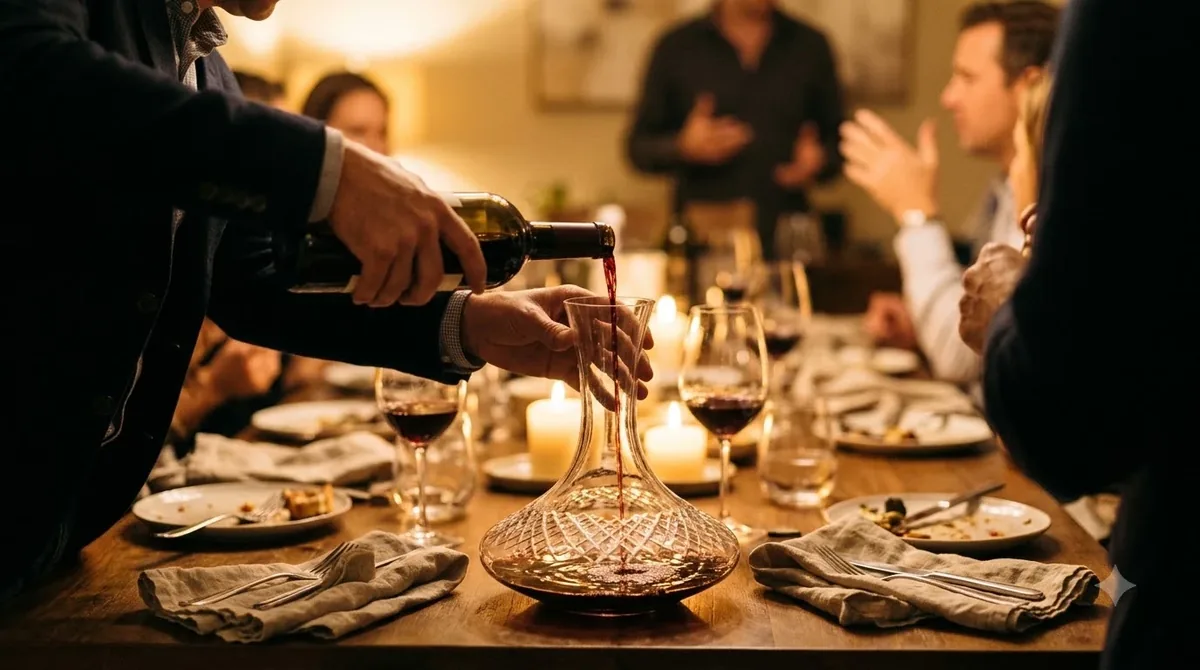
For Tempranillo-based reds, Wine Folly suggests serving at about 15 to 20 degrees Celsius, or 60 to 68 degrees Fahrenheit. The same reference recommends decanting for around an hour for younger, firmer bottles and notes that well-made examples can cellar for ten years or more. A standard red glass gives enough room to smell the wine’s cherry and spice notes.
Pairing is straightforward. Bolder, aged Rioja goes well with steak, gourmet burgers, and rack of lamb, since the tannin and acidity handle rich fat and grilled flavors. Lighter, fresher styles suit baked pasta and tomato-based dishes. The Muga whites and rosés match grilled fish, salads, and light starters. Keep portions moderate and drink responsibly.
How to Choose the Right Muga Bottle
Start with the meal and the occasion. For a weeknight dinner or a casual gathering, a Crianza-level red offers fruit and enough structure to suit most food. For a special meal, a reserve or special bottling gives more time in oak and a more layered glass. If you are buying for a group that includes non-red drinkers, a white or rosé from the same house is an easy addition.
Check the vintage as well. The winery highlights specific recent vintages for its top wines, and vintage variation can change the balance of fruit and oak from year to year. If you plan to cellar a bottle, read the producer’s notes and the regional guidance on how long the style is meant to age. The Bodegas Muga website is the most direct place to confirm which wines are current and how each one is described.
Common Mistakes With Rioja and Muga
The first mistake is judging Rioja by a single label. The region covers a wide range of wines, and the aging tier matters as much as the name on the front. The second is serving reds too warm, which makes the alcohol feel forward and hides the fruit. A cooler glass and a short wait in the decanter usually fix that. The third is treating a reserve as a weeknight wine. Those bottles are built for longer meals and benefit from a slower pace at the table.
Finally, do not overlook the white and rosé options. A lighter Muga bottle can be the right choice for a warm evening or a seafood dinner, and it shows another side of the house without the weight of an aged red.
Frequently Asked Questions
Where is Muga wine made?
Muga is made by Bodegas Muga in Haro, in the Rioja region of northern Spain. The winery describes itself as a family business founded in 1932.
What grape is Muga red wine made from?
Muga’s reds are built on Tempranillo, the main grape of Rioja. The blend and style depend on the specific wine and its aging, so check the label for the exact bottling.
What does Crianza, Reserva, and Gran Reserva mean on a Muga label?
These are Rioja aging categories. They indicate how long the wine has spent in oak and in bottle before release, with the higher tiers typically showing more oak character and a smoother texture.
How should I serve a Muga red?
Serve it slightly cool, around 15 to 20 degrees Celsius. Decanting a younger, firmer bottle for about an hour can help it open up before dinner.
Muga wine is easiest to enjoy when you match the bottle to the occasion: a Crianza for everyday meals, a reserve for a longer dinner, and a white or rosé when the weather calls for something lighter. For more on how brand guides handle ranges like this, see the wine brands guide, and if you want to compare with a sparkling option, the Andre Spumante guide covers a different style of bubbly.
More in Wine Brands
 Underwood Wine Price: Compare Bottles, Cans, and Pack SizesUpdated Nov 21, 2026
 Zenato Wine Price: Compare Styles and Choose the Right BottleUpdated Nov 21, 2026
 Zuccardi Wine Price: Compare Bottles and Find the Right RangeUpdated Nov 21, 2026
 Yellow Tail Moscato Review: Taste, Sweetness and Serving TipsUpdated Nov 21, 2026
 Wolf Blass Yellow Label Review: Choose Your Best StyleUpdated Nov 21, 2026
 Wolffer Estate Rose Review: Choose the Right Bottle for Your TableUpdated Nov 21, 2026