

We may earn a commission when you buy through links on this page, at no extra cost to you. Learn more.
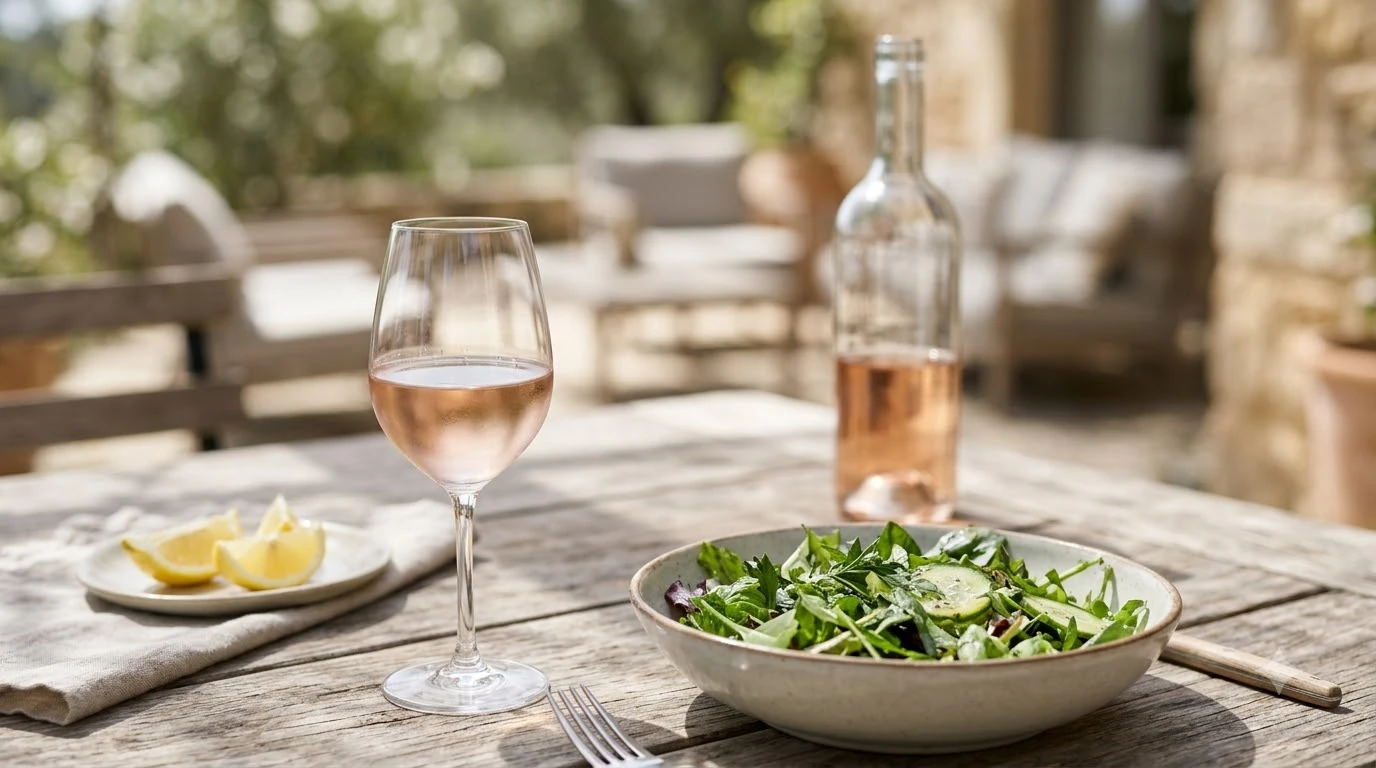
Miraval rose food pairing works best with seafood, grilled chicken, Mediterranean vegetables, fresh cheeses, and sushi because the wine’s bright acidity, delicate fruit, and saline character complement fresh ingredients without overwhelming them. This dry Côtes de Provence rosé combines notes of grapefruit, white peach, and flowers with a refreshing, mineral finish. Serve it chilled with dishes featuring lemon, olive oil, fresh herbs, shellfish, or lightly seasoned grilled proteins for particularly harmonious results.
Miraval Rosé is versatile enough for a relaxed afternoon aperitif, a seafood lunch, or a complete Mediterranean-inspired dinner. Its pale color and delicate fruit profile might suggest a simple summer wine, but its freshness and savory character make it a useful companion for a surprisingly broad range of dishes. The key is choosing food that complements its acidity and moderate weight rather than overpowering its delicate flavors.
Understanding Miraval Rosé Before Choosing Food
The best food matches start with the wine’s actual character. Miraval Rosé combines fresh fruit, citrus-like acidity, floral aromas, and subtle saline notes, making it particularly comfortable alongside seafood, vegetables, and moderately rich dishes.
Miraval Rosé is an A.O.P. Côtes de Provence wine made from Cinsault, Grenache, Rolle, and Syrah. Its grapes come from selected vineyards near Correns, north of Brignoles, in the heart of Provence. The producer describes the vineyards as having clay and limestone soils, with terraced parcels averaging approximately 350 meters in elevation. These details help explain the wine’s combination of fresh fruit and mineral character. The official Miraval Rosé information provides further details about its grapes, vineyard conditions, winemaking, and recommended food matches.
The four grape varieties contribute to a balanced overall style. Cinsault is associated with freshness and delicate fruit, while Grenache contributes generous fruit character and body. Syrah adds depth and structure, and Rolle, also known as Vermentino, contributes aromatic freshness. Together, they produce a rosé that can accompany both delicate dishes and moderately flavorful meals.
The producer describes aromas of grapefruit, white peach, and flowers, followed by white-fleshed fruit, lemony freshness, and saline minerality on the palate. This combination creates several useful pairing opportunities. Citrus flavors connect naturally with seafood, white peach complements fresh cheeses and mild poultry, and saline notes work particularly well with shellfish and Mediterranean ingredients.
Miraval’s vinification also helps explain its fresh character. According to the producer, 95% of the wine is vinified in temperature-controlled stainless steel vats, while 5% is vinified in barrels with bâtonnage. The grapes are harvested in the morning and sorted twice. Cinsault, Grenache, and Rolle undergo direct pressing, while some Syrah is handled through the saignée method.
The result is not a heavily oaked rosé that needs rich sauces or strongly flavored meat. Instead, think of it as a dry, fresh, light-bodied wine that can work across several courses. If you want to explore its individual aromas before planning a menu, the Miraval Rosé tasting notes provide a useful starting point.
These characteristics also explain why the producer recommends aperitifs, salads, grilled dishes, Mediterranean cuisine, and sushi. Each category allows the wine’s acidity and fruit to contribute something useful to the meal.
Seafood, Shellfish, and Fresh Fish Pairings
Seafood is among the strongest choices for Miraval Rosé because the wine’s citrus freshness and saline character complement the natural flavors of fish and shellfish. Shrimp, scallops, white fish, and lightly seasoned grilled seafood are particularly reliable matches.
Start with shrimp cocktail, which is an excellent appetizer for this wine. The sweetness of cooked shrimp works with the peach and white-fruit notes, while lemon juice reinforces the wine’s citrus character. A lightly seasoned cocktail sauce is suitable, although an extremely sweet or heavily spiced sauce can distract from the wine’s delicate fruit.
Grilled shrimp skewers are another excellent option. Marinate the shrimp briefly with olive oil, lemon zest, garlic, and parsley, then grill until just cooked. The light smoky flavor creates a pleasant contrast with the wine’s freshness. Avoid excessive charring or very hot chili marinades, which can make the alcohol and seasoning feel more pronounced.
White fish also works particularly well. Sea bass, branzino, cod, and halibut have relatively delicate flavors that allow Miraval’s floral and mineral character to remain noticeable. Grilling or pan-searing the fish with lemon and fresh herbs keeps the preparation straightforward.
For a more substantial seafood dinner, consider the following combinations:
- Grilled sea bass: Serve with lemon, parsley, olive oil, and roasted zucchini.
- Scallops: Pair lightly seared scallops with a modest amount of butter and lemon.
- Shrimp pasta: Combine shrimp with garlic, lemon zest, parsley, and olive oil.
- Crab salad: Use fresh crab, cucumber, herbs, and a light citrus dressing.
- Fish tacos: Choose grilled white fish, avocado, cilantro, and lime.
- Oysters: Serve fresh oysters with a restrained squeeze of lemon rather than an overly sweet sauce.
The SAQ’s recommendations for its 2025 Miraval Rosé listing include shrimp cocktail, shrimp fettuccine with lemon, and white-fish tacos with avocado, cilantro, and lime. These suggestions reflect the wine’s ability to work with both delicate seafood and more elaborate preparations.
Salmon deserves a little more consideration. Its richer texture and stronger flavor can work with Miraval Rosé when grilled or roasted with herbs and lemon. Keep the accompanying sauce relatively light. Very rich cream sauces can make a delicate rosé seem less expressive.
For a seafood appetizer spread, arrange shrimp, oysters, crab, fresh vegetables, and lemon wedges on a large platter. This gives guests several complementary flavors without introducing a heavily seasoned dish that dominates the wine.
Mediterranean Salads, Vegetables, and Fresh Cheeses
Mediterranean food is a natural partner for Miraval Rosé because olive oil, tomatoes, herbs, citrus, and fresh vegetables echo the wine’s fresh and savory character. Salads, ratatouille, grilled zucchini, and goat cheese are particularly useful choices.
A classic Niçoise-inspired salad is a good place to start. Combine green beans, tomatoes, potatoes, olives, hard-boiled eggs, and tuna, then dress everything with olive oil, lemon, and a little Dijon mustard. The saltiness of the olives and the freshness of the vegetables complement the rosé, while the tuna adds enough substance to make the dish suitable for lunch.
Tomato and mozzarella salad is another dependable match. Ripe tomatoes provide juicy acidity, mozzarella contributes a soft creamy texture, and basil adds aromatic freshness. A modest drizzle of olive oil ties everything together. The wine’s citrus and white-peach character helps refresh the palate between bites.
Grilled vegetables are especially versatile. Zucchini, eggplant, red peppers, asparagus, and fennel develop sweeter, more concentrated flavors when cooked over a grill or roasted in the oven. Finish them with olive oil, thyme, rosemary, and a little lemon juice. Their lightly caramelized surfaces provide enough flavor to complement the rosé without making the pairing feel heavy.
Ratatouille is another excellent choice. This Provençal vegetable preparation typically combines eggplant, zucchini, tomatoes, peppers, onions, and herbs. Its ingredients connect directly with the Mediterranean character of Miraval Rosé. Serve it warm as a side dish or at room temperature as part of a larger lunch.
Choosing the Right Cheese
Fresh and moderately creamy cheeses generally work better than extremely aged or intensely pungent varieties. Goat cheese is a particularly attractive option because its tangy flavor and creamy texture complement the wine’s freshness.
Try a fresh chèvre with sliced peaches, toasted almonds, and a small amount of honey. The peach connects with the wine’s fruit profile, while the cheese supplies enough richness to balance its acidity. Burrata and fresh mozzarella are also good options, particularly when served with tomatoes or grilled vegetables.
Feta offers another possibility. Its saltiness works with the rosé’s saline character, especially in a Greek-style salad with cucumber, tomato, olives, and oregano. Brie and Camembert can also work when served in moderate portions with fresh bread and fruit.
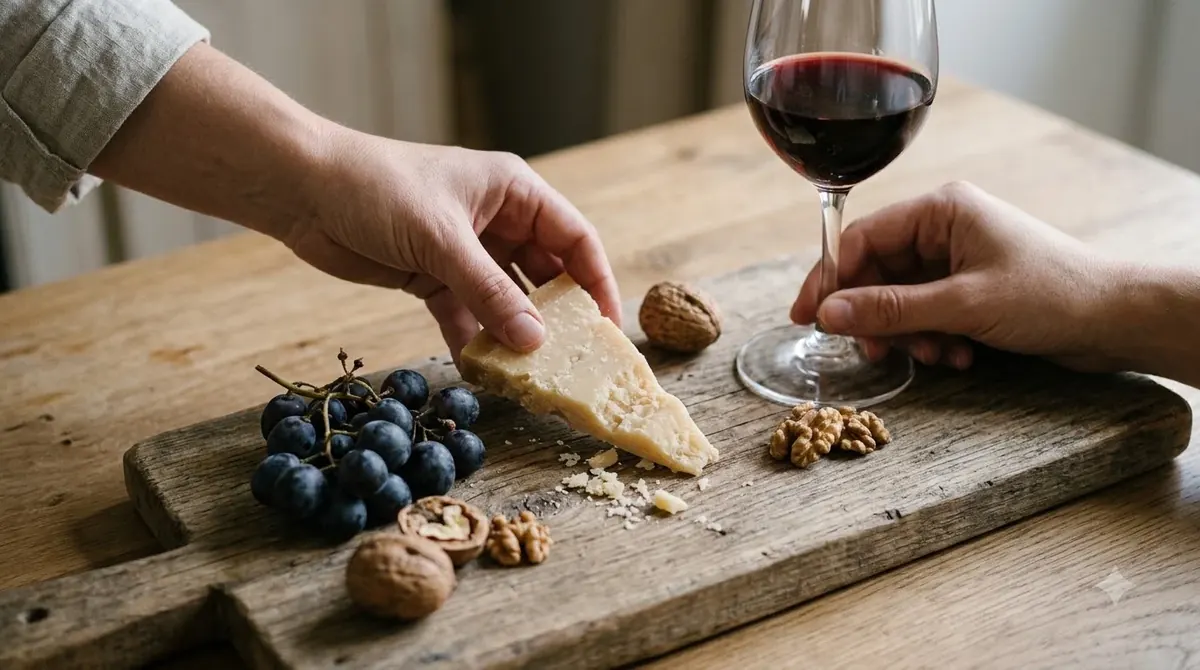
Hard, intensely aged cheeses are less predictable. Their concentrated flavors can overwhelm the wine’s delicate floral and citrus notes. If you are preparing a cheese board, include fresh goat cheese, mozzarella, feta, and a mild soft cheese rather than making very strong aged varieties the centerpiece.
The Provence wine organization CIVP also identifies soft cheeses and vegetable-centered dishes among the possible companions for Provence rosé. Its Provence rosé food-pairing guide includes stuffed vegetables, aioli, seafood, and other traditional regional preparations.
Grilled Chicken, Pork, and Barbecue Dishes
Miraval Rosé can accompany grilled poultry and moderately seasoned pork because its fruit and freshness balance smoky flavors without requiring the heavier structure of a full-bodied red wine. The best results come from simple marinades, controlled seasoning, and lighter sauces.
Grilled chicken breast is one of the easiest main-course matches. Season the chicken with olive oil, lemon, garlic, black pepper, and thyme, then grill until cooked through. The citrus and herbs connect with the wine’s aromatic profile, while the chicken’s mild flavor allows the rosé to remain prominent.
Chicken skewers are particularly useful for outdoor entertaining. Alternate pieces of chicken with zucchini, red onion, and bell pepper, then brush lightly with olive oil before grilling. A Mediterranean herb marinade containing oregano, rosemary, and parsley gives the dish enough character without overwhelming the wine.
Roasted chicken also works well. Choose a preparation with lemon, garlic, and fresh herbs instead of a thick, sweet barbecue glaze. Serve it with roasted potatoes, green beans, or a tomato salad to maintain the meal’s fresh character.
Pork tenderloin offers a slightly richer alternative. Roast or grill it with rosemary, garlic, and lemon, then serve thin slices with grilled vegetables. The moderate richness of the meat gives the wine something substantial to accompany, while its acidity helps refresh the palate.
For barbecue meals, consider the difference between the food’s seasoning and its cooking method. A lightly charred chicken breast or grilled pork chop can be an excellent match. However, heavily sweetened sauces, strong smoke, and aggressive spice can obscure the wine’s delicate aromas.
What About Beef and Lamb?
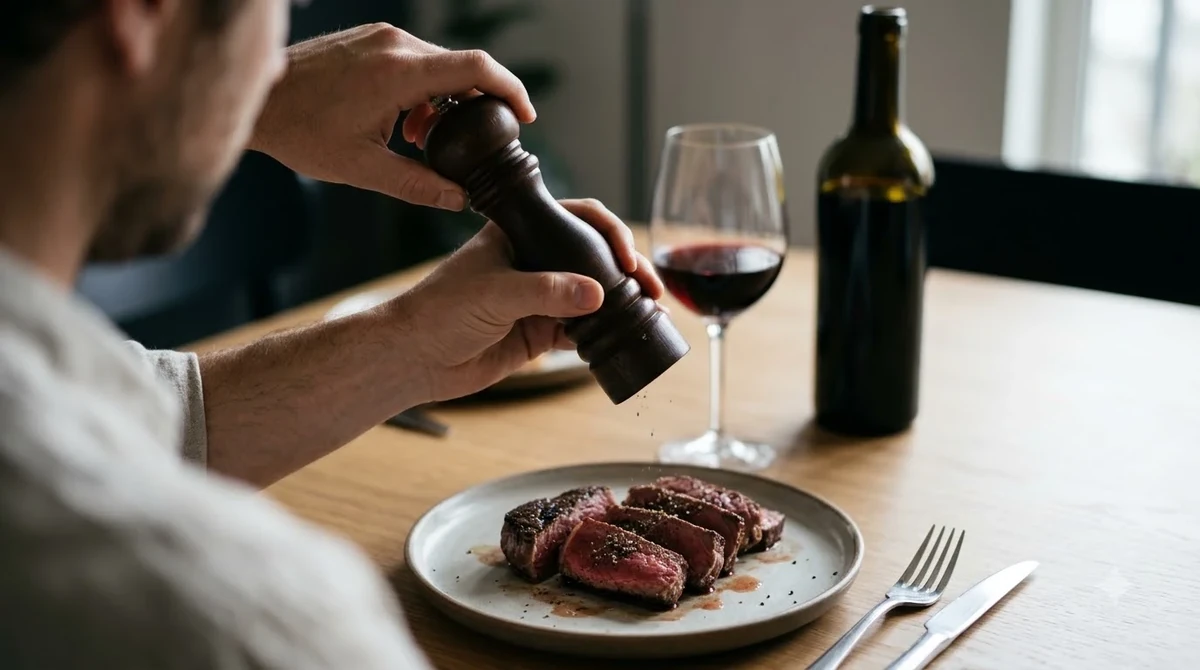
Miraval Rosé is not limited to white meat, but leaner and more delicately seasoned red-meat preparations are safer choices than very rich steaks. A thinly sliced grilled beef tenderloin with herbs and roasted vegetables can work, particularly when the dish is not covered in a heavy sauce.
Lamb is another possibility. Small grilled lamb chops seasoned with rosemary, garlic, and lemon offer a more substantial pairing. The wine’s freshness provides contrast, although a deeply seasoned lamb shoulder or heavily reduced red-wine sauce may overwhelm its lighter structure.
Salt and fat can soften the perception of tannin in red wines, but Miraval Rosé is not a high-tannin red. The better approach is to match the food’s overall intensity with the wine’s relatively delicate body. A strongly flavored cut of meat requires more structure than this rosé is designed to provide.
For a barbecue menu, a practical combination is grilled chicken, pork tenderloin, vegetable skewers, and fresh goat cheese. This gives guests several options while keeping the food within a flavor range that complements the wine.
Sushi, Asian Food, and Lightly Spiced Dishes
Miraval Rosé pairs particularly well with sushi and many lightly seasoned Asian dishes because its fresh fruit, acidity, and saline notes complement seafood, rice, vegetables, and citrus-based seasonings. Choose preparations with clean flavors rather than sauces dominated by sweetness or chili heat.
Salmon nigiri is a good starting point. Its mild richness works with the wine’s freshness, while the rice provides a neutral base. Tuna nigiri and white-fish sashimi are also suitable, especially when accompanied by restrained amounts of soy sauce and wasabi.
Shrimp tempura can work because the wine’s acidity refreshes the palate after each bite. However, very oily fried preparations can become tiring when paired with a still wine. Keep portions moderate and serve a citrus-based dipping sauce rather than a heavy, sweet mayonnaise.
Vegetable sushi rolls are another option. Cucumber, avocado, asparagus, and lightly seasoned vegetables complement the wine’s delicate fruit. Rolls containing crab or shrimp provide additional savory depth without making the pairing overly rich.
Thai and Vietnamese dishes offer further possibilities. Fresh spring rolls with shrimp, herbs, lettuce, and rice noodles are particularly suitable when served with a restrained dipping sauce. Lemongrass chicken and lightly spiced grilled seafood can also work well.
Japanese dishes such as grilled yakitori chicken and vegetable tempura are useful choices for a casual dinner. For yakitori, select lightly seasoned preparations rather than extremely sweet or sticky sauces. The wine’s fruit and acidity work best when the seasoning remains balanced.
Spice requires more care. Mild ginger, coriander, lemongrass, cumin, and paprika generally work more comfortably than aggressive chili heat. Alcohol can amplify the burning sensation of chili peppers, while tannin can intensify that effect in some wine pairings. For a very hot curry or chili-heavy preparation, a lower-alcohol, slightly sweet wine may be more suitable than a dry rosé.
For an Asian-inspired dinner, combine shrimp spring rolls, salmon sushi, grilled chicken skewers, and cucumber salad. The dishes share fresh ingredients and relatively light seasoning, allowing the wine to work consistently throughout the meal.
Serving Temperature, Food Preparation, and Menu Planning
Serving temperature has a direct effect on how Miraval Rosé tastes alongside food. A properly chilled bottle preserves freshness while allowing its grapefruit, peach, floral, and saline characteristics to remain recognizable.
A practical target for Miraval Rosé is approximately 45–50°F. This corresponds to the usual serving range for light rosé wines. The SAQ lists 6–8°C for its 2025 product listing, which is approximately 43–46°F, so a slightly colder starting temperature is also reasonable, particularly in warm weather.
Temperature preferences can depend on the food. For a light seafood appetizer or fresh salad, serving near the colder end of the range emphasizes crispness. For a grilled chicken dinner or a meal with more elaborate Mediterranean dishes, allowing the wine to warm slightly in the glass can make its fruit and floral aromas easier to appreciate.
The following table provides practical serving guidance and pairing suggestions.
| Food or Serving Situation | Suggested Temperature | Pairing Approach |
|---|---|---|
| Shrimp cocktail | 45–47°F | Serve with lemon and a light dipping sauce. |
| Fresh seafood salad | 45–48°F | Use citrus, herbs, and olive oil. |
| Sushi and sashimi | 45–48°F | Choose delicate fish and restrained seasoning. |
| Goat cheese and vegetables | 46–49°F | Balance creamy cheese with fresh vegetables. |
| Grilled chicken | 47–50°F | Use lemon, thyme, and moderate seasoning. |
| Grilled pork tenderloin | 48–50°F | Serve with rosemary and roasted vegetables. |
| Light Mediterranean dinner | 46–50°F | Combine seafood, vegetables, and fresh herbs. |
These temperatures are practical serving targets rather than rigid rules. The important point is avoiding extremes. Excessive chilling can suppress the wine’s aromatic expression, while serving it too warm can make the alcohol more noticeable and reduce the impression of freshness.
Preparing the Bottle and Glassware
Chill the bottle in a refrigerator before serving and use a standard white wine glass. A moderately sized glass provides enough room for the aromas to develop without making the wine warm too quickly. There is generally no need to decant Miraval Rosé.
For outdoor dining, use an ice bucket to maintain the temperature between pours. Direct sunlight and warm outdoor conditions can quickly raise the temperature of a bottle left on the table. Pour approximately 5 ounces per serving, which gives about five standard glasses from a 750 ml bottle.
For a group of six people, two 750 ml bottles provide approximately ten standard 5-ounce servings. This is a useful planning calculation for a meal where guests will have a glass with an appetizer and another with the main course.
Building a Complete Menu
Miraval Rosé can accompany several courses if the food progresses from delicate to moderately rich flavors. Begin with olives, fresh goat cheese, and vegetables, then serve seafood or a grilled chicken main course. Finish with a light fruit-based dessert if you want to continue with the same wine.
One particularly reliable menu is shrimp cocktail followed by grilled sea bass with lemon and parsley, accompanied by roasted zucchini and potatoes. A fresh goat cheese salad can also be included as a starter. Each course shares citrus, herbs, or fresh ingredients that complement the rosé.
Tip: Build the meal around two or three ingredients that repeat naturally, such as lemon, olive oil, parsley, and fresh vegetables. This creates a coherent menu and helps Miraval Rosé complement several courses without making every dish taste the same.
For a more casual gathering, prepare grilled chicken skewers, vegetable kebabs, tomato and mozzarella salad, and a small cheese board. For a seafood-focused occasion, use shrimp, oysters, grilled white fish, and cucumber salad. Both menus provide enough variety without introducing flavors that compete heavily with the wine.
These approaches also make Miraval Rosé useful beyond summer entertaining. Seafood pasta, roasted chicken, and vegetable dishes can work throughout the year, especially when the seasoning remains fresh and balanced. Readers exploring other bottles can also compare the Whispering Angel Rosé food pairing and Veuve Clicquot Rosé food pairing to understand how different rosé styles approach food.
Frequently Asked Questions
Is Miraval Rosé made from red or white grapes?
Miraval Rosé is made from red wine grape varieties rather than a conventional white-grape blend. Its four principal varieties are Cinsault, Grenache, Syrah, and Rolle, with Rolle being the white grape in the blend. The finished wine’s pale color comes from the winemaking process and controlled extraction rather than simply combining finished red and white wines.
Is Miraval Rosé a sweet wine?
Miraval Rosé is generally presented as a dry Provence rosé rather than a sweet blush wine. Its peach and grapefruit aromas can create a fruity impression without indicating substantial residual sugar. This distinction matters when choosing desserts because a dry wine can taste sharper and less balanced alongside very sweet food.
Can Miraval Rosé be used for cooking?
Yes. A small amount can be used in seafood sauces, light vegetable preparations, or a pan sauce for chicken. Its fresh character makes it suitable for recipes that benefit from wine acidity without requiring the deeper flavor of a heavily oaked white or a full-bodied red. Add it during cooking and allow the alcohol to cook off according to the recipe.
Does Miraval Rosé need to breathe before serving?
No extended aeration is normally necessary for this style of rosé. Opening the bottle shortly before serving is sufficient, and a few minutes in the glass can reveal additional floral and fruit aromas. Unlike a young, full-bodied red that may benefit from 30–60 minutes of decanting, a fresh Provence rosé is generally ready to pour.
Can Miraval Rosé be stored after opening?
Yes. Replace the closure securely and refrigerate the opened bottle. A well-stored still rosé will generally retain its best qualities for approximately 3–5 days, although freshness and aromatic intensity gradually decline. A smaller bottle or a suitable wine-preservation closure can help reduce air exposure when only a small amount remains.
Miraval Rosé is at its best alongside fresh seafood, grilled chicken, Mediterranean vegetables, soft cheeses, and lightly seasoned Asian dishes. Its grapefruit, peach, floral, and saline characteristics make it a flexible food wine, especially when dishes emphasize citrus, olive oil, and fresh herbs. Serve it well chilled and choose balanced preparations to make the most of its Provençal freshness.
More in Wine Brands
 Underwood Wine Price: Compare Bottles, Cans, and Pack SizesUpdated Nov 21, 2026
 Zenato Wine Price: Compare Styles and Choose the Right BottleUpdated Nov 21, 2026
 Zuccardi Wine Price: Compare Bottles and Find the Right RangeUpdated Nov 21, 2026
 Yellow Tail Moscato Review: Taste, Sweetness and Serving TipsUpdated Nov 21, 2026
 Wolf Blass Yellow Label Review: Choose Your Best StyleUpdated Nov 21, 2026
 Wolffer Estate Rose Review: Choose the Right Bottle for Your TableUpdated Nov 21, 2026