

We may earn a commission when you buy through links on this page, at no extra cost to you. Learn more.
The stella rosa black wine alcohol content is 5% alcohol by volume (ABV), making it a lower-alcohol choice than most conventional red wines. This Italian semi-sweet, semi-sparkling red wine features blackberry, blueberry, and raspberry flavors. Its gentle carbonation and noticeable sweetness give it a lighter drinking style than traditional full-bodied reds, making it particularly suitable for chilled servings and casual food pairings.
Stella Rosa Black appeals to people who enjoy fruity red wines without the stronger alcoholic character of Cabernet Sauvignon, Merlot, or other traditional red varieties. However, its relatively low ABV does not mean it is alcohol-free, and the amount consumed still matters. Understanding its alcohol percentage, bottle sizes, sweetness, and serving recommendations makes it easier to decide whether this wine suits a particular occasion. Here is what to know about its composition and how to enjoy it.
How Much Alcohol Is in Stella Rosa Black?
Stella Rosa Black contains 5% alcohol by volume, according to the official Stella Rosa product information. This places it below the alcohol concentration of many conventional table wines, which commonly fall between approximately 11% and 15% ABV.
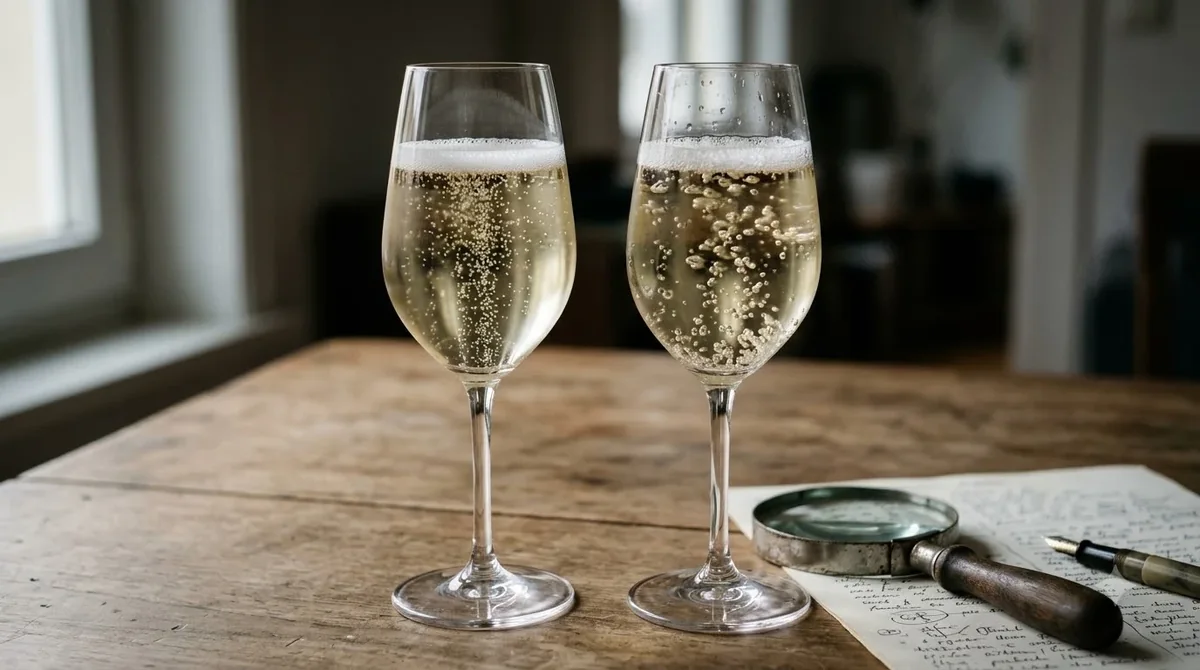
The 5% figure represents the proportion of the wine’s total volume that consists of pure alcohol. For example, a 100 ml serving contains approximately 5 ml of pure alcohol. The same calculation applies regardless of whether the wine is served in a regular wineglass, a smaller tasting glass, or a larger party glass.
The official product description identifies Stella Rosa Black as a low-alcohol, semi-sweet, semi-sparkling red wine. Its combination of modest alcohol strength, fruit-forward character, and gentle carbonation distinguishes it from conventional dry red wines. It is produced in Italy and includes Brachetto grapes in its composition.
There can be confusion when comparing information about different Stella Rosa varieties. Some brand varieties have different alcohol percentages, and descriptions of the broader product range sometimes report approximately 5.5% ABV as a general figure. VinePair, for example, discusses the brand’s wines as generally having around 5.5% ABV while noting that certain varieties approach 10%.
For Stella Rosa Black specifically, the manufacturer’s product page identifies 5% ABV. BevMo and H-E-B also list 5% for this particular wine. This agreement makes 5% the appropriate figure to use when discussing the standard Black bottling rather than applying the alcohol percentage of another variety to it. The official Stella Rosa Black product information also identifies its semi-sweet style, grape composition, and Italian origin.
It is important to distinguish Stella Rosa Black from Stella Rosa Black Cherry. Although their names are similar, they are separate products. Black Cherry has its own product listing, so information about one should not automatically be applied to the other.
Tip: Use 5% ABV as the typical alcohol figure for Stella Rosa Black. When comparing different Stella Rosa varieties, compare the individual product information rather than assuming every bottle has identical alcohol content.
What 5% ABV Means Compared With Regular Wine
A 5% ABV wine contains substantially less alcohol per equal volume than many traditional red wines. The difference becomes particularly clear when comparing a standard serving of Stella Rosa Black with a serving of Cabernet Sauvignon, Merlot, or Pinot Noir.
For a practical comparison, consider a 5-ounce glass. At 5% ABV, Stella Rosa Black contains approximately 0.25 fluid ounces of pure alcohol. A 13% ABV red wine contains approximately 0.65 fluid ounces in the same serving. That means the 13% wine supplies about 2.6 times as much alcohol by volume in an equal-sized pour.
The following comparison uses representative alcohol percentages rather than claiming that every bottle in each category has exactly the same strength.
| Wine style | Example ABV | Pure alcohol in 5 oz | Relative strength |
|---|---|---|---|
| Stella Rosa Black | 5% | 0.25 fl oz | Lower |
| Light table wine | 11% | 0.55 fl oz | Moderate |
| Typical red wine | 13% | 0.65 fl oz | Higher |
| Fuller-bodied red wine | 14% | 0.70 fl oz | Higher |
| High-alcohol red wine | 15% | 0.75 fl oz | Higher |
This comparison illustrates why Stella Rosa Black is often described as a lighter wine in terms of alcohol concentration. A glass contains considerably less alcohol than an equal pour of a typical 13% red wine.
However, alcohol concentration is only one part of a wine’s overall character. Body, sweetness, acidity, carbonation, and tannin also influence how a wine feels and tastes. Stella Rosa Black has a semi-sweet profile and gentle bubbles, while Cabernet Sauvignon generally has considerably more tannin and a drier, firmer structure.
For readers exploring different styles, the broader Wine Brands section can help explain how individual producers and wine categories differ in their approach to alcohol, sweetness, and flavor.
Alcohol Per Glass and Bottle Size
The quantity of alcohol in Stella Rosa Black depends on how much wine is poured. A smaller glass contains less total alcohol than a large serving, even though both have the same 5% ABV.
A conventional wine serving is approximately 5 fluid ounces. At 5% ABV, this amount contains 0.25 fluid ounces of pure alcohol. The following calculations show how the alcohol quantity changes with serving size.
| Serving size | Approximate pure alcohol | Equivalent US fluid ounces |
|---|---|---|
| 3 oz | 4.44 ml | 0.15 fl oz |
| 4 oz | 5.91 ml | 0.20 fl oz |
| 5 oz | 7.39 ml | 0.25 fl oz |
| 6 oz | 8.87 ml | 0.30 fl oz |
| 8 oz | 11.83 ml | 0.40 fl oz |
These figures are calculated from a 5% alcohol concentration. They are useful for comparing servings, but they do not change the actual ABV of the wine.
Alcohol in a 750 ml bottle
The standard Stella Rosa Black bottle contains 750 ml of wine. At 5% ABV, the bottle contains approximately 37.5 ml of pure alcohol. That is the total amount of alcohol in the bottle, not the amount in an individual glass.
A 750 ml bottle provides approximately five standard 5-ounce servings. Each serving contains around 7.4 ml of pure alcohol. If the bottle is divided into smaller 4-ounce servings, it provides approximately six servings instead.
Alcohol in other bottle formats
The official Stella Rosa website lists three formats for Black: 250 ml, 750 ml, and 1.5 liters. Each has the same stated 5% ABV, but the total amount of alcohol increases with bottle volume.
| Bottle size | Approximate 5 oz servings | Pure alcohol at 5% ABV |
|---|---|---|
| 250 ml | 1.7 | 12.5 ml |
| 750 ml | 5.1 | 37.5 ml |
| 1.5 liters | 10.1 | 75 ml |
The serving counts are approximate because a US 5-ounce pour equals about 148 ml. A 250 ml bottle therefore provides one full glass with some wine remaining, while a 1.5-liter bottle provides approximately ten full glasses.
For entertaining, the larger bottle format can provide more servings without changing the wine’s alcohol concentration. For an individual tasting or a smaller occasion, the 250 ml bottle offers a more compact option.
Why Stella Rosa Black Has a Relatively Low Alcohol Level
Stella Rosa Black’s relatively low ABV is connected to its production method and semi-sweet style. The winemaking process is designed to retain some natural grape sweetness while developing alcohol and carbonation.
According to the product information published by BevMo, the grapes are harvested, pressed, and processed before the resulting juice is held cold. The description identifies a holding temperature of 28 degrees Fahrenheit, which helps preserve the juice before fermentation.
Fermentation is the process through which yeast converts fermentable grape sugars into alcohol and carbon dioxide. As fermentation progresses, alcohol develops while some of the original sugar is consumed. The balance between these elements helps determine the final wine’s sweetness and strength.
Stella Rosa’s production description explains that fermentation is managed until the desired sweetness is achieved. The wine is then processed and bottled. This approach helps retain a noticeable fruity sweetness rather than producing a completely dry red wine.
The role of the Charmat method
Stella Rosa wines are associated with the Charmat method, also known as the tank method. VinePair describes the brand’s semi-sparkling wines as frizzante, a style with gentler carbonation than fully sparkling wines such as Champagne.
In the Charmat method, fermentation takes place in pressurized tanks rather than through a separate second fermentation in each individual bottle. Carbon dioxide produced during fermentation becomes incorporated into the wine, creating its characteristic bubbles.
This production approach is also associated with Prosecco, although Prosecco is made primarily from Glera grapes and generally has an alcohol concentration around 11% to 12% ABV. The similarity in production technique does not mean the two wines have identical strength, sweetness, or flavor.
Stella Rosa Black’s lower alcohol level is therefore related to its specific formulation and fermentation management, not simply to the presence of carbonation. Its final character combines moderate sweetness, gentle bubbles, and a relatively low alcohol concentration.
These characteristics distinguish it from conventional dry sparkling wines and many traditional Italian red wines. It is designed around a different balance of fruit, sweetness, and alcohol.
Sweetness, Calories, and Fruit Flavors
Stella Rosa Black is a semi-sweet red wine with a noticeable fruity character. Its official tasting description highlights blackberry, blueberry, and raspberry, creating a darker berry profile that complements its deep red appearance.
Although its alcohol percentage is relatively low, the wine is not necessarily low in sugar. Alcohol and residual sweetness are separate characteristics. A wine can contain less alcohol than a traditional red while retaining more grape sugar and sweetness.
H-E-B lists 16 grams of total sugar in a 5-fluid-ounce serving of Stella Rosa Black, including 4 grams of added sugar. The same serving is listed as containing 110 calories and 16 grams of total carbohydrates. Its Stella Rosa Black nutrition and ingredient listing provides these serving details.
These figures help explain why the wine tastes noticeably sweeter than many conventional red wines. Its fruity flavor profile also contributes to the impression of sweetness, particularly when the wine is served cold.
Understanding the difference between fruit flavor and sweetness
Blackberry, blueberry, and raspberry are tasting descriptors rather than a guarantee that the wine contains those whole fruits. The H-E-B ingredient listing identifies wine, water, grape must, sugar, grape-skin extract, natural flavors, and sulfur dioxide.
Grape must is an important ingredient in winemaking because it contains grape juice and other grape components. It can contribute to the wine’s sweetness, flavor, and overall structure.
The wine’s fruit-forward character makes it approachable for people who find strongly tannic or very dry reds less appealing. However, sweetness does not mean that the wine has no acidity. Acidity helps provide freshness and prevents a semi-sweet wine from tasting excessively heavy.
Comparing sweetness with traditional red wines
Many conventional red wines are fermented until most fermentable sugar has been converted into alcohol. Cabernet Sauvignon, Merlot, and Pinot Noir are frequently produced in dry styles, although their flavor profiles and tannin levels differ considerably.
Stella Rosa Black takes a different approach. Its semi-sweet profile makes berry flavors and gentle sweetness central to the experience. This is one reason it works particularly well with foods that complement fruitiness, including cheese, chocolate desserts, and selected savory dishes.
For anyone comparing different bottles in the same brand family, the Stella Rosa Peach wine alcohol content guide provides a useful comparison with a fruit-forward white variety. The Stella Rosa Pink alcohol content guide is another reference for understanding how different styles within the range compare.
How to Serve Stella Rosa Black and What to Eat With It
Stella Rosa Black is best served chilled rather than at conventional full-bodied red wine temperatures. Cooling the wine helps emphasize its berry aromas, refreshes the palate, and makes its semi-sparkling character more noticeable.
A practical serving temperature is approximately 45 to 50 degrees Fahrenheit. This is consistent with the usual approach to light, refreshing wines and helps preserve the lively character of the bubbles.
Serving it too warm can make the sweetness seem more pronounced and reduce the refreshing impression of its carbonation. A short period in the refrigerator before serving is usually sufficient to bring the bottle to a suitable temperature.
Food pairings recommended for Stella Rosa Black
The official Stella Rosa product page recommends several specific food pairings, including fresh Havarti, Manchego, blue cheese-stuffed hamburgers, bratwurst bathed in beer, and black walnut ice cream.
These recommendations work for different reasons. Creamy cheeses complement the wine’s fruitiness, while blue cheese introduces saltiness and intensity. The sweetness of the wine can also work alongside rich desserts, particularly those containing chocolate or nuts.
Consider the following pairing ideas:
- Havarti cheese: Its creamy texture and mild flavor complement the wine’s blackberry and blueberry notes without overwhelming them.
- Manchego: This Spanish sheep’s milk cheese offers a savory, slightly nutty character that contrasts pleasantly with the wine’s sweetness.
- Blue cheese-stuffed hamburgers: The saltiness and richness of blue cheese create a useful contrast with the fruity wine.
- Bratwurst: The savory, seasoned character of sausage provides a substantial counterpoint to the semi-sweet red.
- Dark chocolate desserts: Cocoa bitterness and dessert richness can complement the berry character of the wine.
- Black walnut ice cream: The nutty flavor and creamy texture provide a natural match for the wine’s fruity sweetness.
Pairing with spicy food
Stella Rosa Black can also be served with selected spicy dishes, although the level of heat matters. Its relatively low alcohol concentration may make it less forceful alongside chili heat than a stronger red wine.
However, sweetness and alcohol are not the only considerations. A very hot dish can still overwhelm the wine’s delicate fruit flavors. Mildly spicy barbecue, seasoned chicken, and moderately spiced pasta are more practical choices than extremely hot chili-based dishes.
For foods with pronounced acidity, choose dishes and sauces that do not make the wine seem flat. A highly acidic tomato sauce, for example, may be more difficult to balance than a richer tomato preparation with moderate seasoning.
Glassware and pouring
A standard wineglass is suitable for Stella Rosa Black. A glass with enough room to release the berry aromas allows the wine’s fruit character to remain noticeable while providing space for its gentle bubbles.
A 5-ounce pour is a useful reference serving. Avoid filling the glass to the rim because some space helps preserve the wine’s aroma and makes it easier to swirl without spilling.
The wine can also be served over ice, although melting ice gradually dilutes both the flavor and alcohol concentration of the drink. This changes the strength of the serving but does not change the original wine’s stated 5% ABV.
How Stella Rosa Black Compares With Other Stella Rosa Wines
Stella Rosa offers several varieties with different grape compositions, flavors, and alcohol percentages. Although the wines share a recognizable semi-sweet and fruit-forward approach, they should not all be assumed to have the same ABV.
Stella Rosa Black is a semi-sweet red with blackberry, blueberry, and raspberry characteristics. Other varieties use different fruit profiles and may have different alcohol specifications, making direct comparisons useful when selecting a bottle.
Black versus Peach
Stella Rosa Peach is a fruit-forward white wine with peach-oriented flavors, while Black is a red wine with darker berry notes. Both are associated with the brand’s semi-sweet style, but their grape compositions and tasting characteristics differ.
The difference is particularly noticeable at the table. Peach generally suits lighter dishes and fruit-based desserts, while Black is a more natural match for cheese, chocolate, and richer savory foods.
Black versus Pink
Stella Rosa Pink offers a different fruit profile and appearance from the dark red Black variety. The two wines can both appeal to people who prefer sweeter, approachable wines, but their individual alcohol figures should be considered separately.
Black is especially useful for readers who want a red wine with gentle carbonation and berry flavors rather than a dry, tannic red. Pink offers an alternative for occasions where a lighter-looking fruit-forward wine is preferred.
Black versus Platinum
Stella Rosa Platinum belongs to another part of the brand’s range and should not automatically be treated as identical to Black. Its flavor profile and alcohol specification need to be considered independently.
Readers comparing the varieties can consult the Stella Rosa Platinum alcohol content guide for additional information. Comparing the exact bottle rather than relying on a general brand average helps avoid confusion between different product styles.
For a quick selection, consider these general distinctions:
- Black: Semi-sweet red with blackberry, blueberry, and raspberry notes; 5% ABV.
- Peach: Fruit-forward white with peach characteristics.
- Pink: A lighter-colored, fruit-forward alternative.
- Platinum: A separate variety with its own product specifications and flavor profile.
The most important distinction is that alcohol content belongs to the individual wine, not to the brand as a whole. A general statement that Stella Rosa wines contain around 5% or 5.5% alcohol should not replace the specific product information for Black.
Frequently Asked Questions
Is Stella Rosa Black made with only Brachetto grapes?
The product information identifies Brachetto as part of the wine’s grape composition, but BevMo describes it as a proprietary blend of several red grape varieties. Therefore, it is more accurate to describe Brachetto as an included grape rather than claim that the wine is made exclusively from it.
Does Stella Rosa Black have natural carbonation?
Yes. Its semi-sparkling character comes from carbonation associated with fermentation. The Charmat-style tank process described for Stella Rosa wines helps incorporate carbon dioxide into the wine, creating gentle bubbles rather than the stronger effervescence associated with fully sparkling wines.
Does Stella Rosa Black contain sulfites?
Yes. Its ingredient information identifies sulfur dioxide as an antioxidant, which is a source of sulfites in the finished wine. Sulfur dioxide is commonly used in winemaking to help protect wine against oxidation and unwanted microbial activity.
Is Stella Rosa Black available in a magnum bottle?
Yes. The official Stella Rosa product listing includes a 1.5-liter format in addition to 250 ml and 750 ml bottles. A magnum contains twice the volume of a standard 750 ml bottle and provides approximately ten 5-ounce servings.
Can Stella Rosa Black be used in wine cocktails?
Yes. Its berry-forward sweetness and gentle carbonation make it suitable as a base for simple wine cocktails. The brand’s product information also describes serving it over ice or mixing it with a preferred spirit. Adding a spirit increases the alcohol concentration of the finished drink, so the original 5% ABV no longer represents the complete cocktail.
Stella Rosa Black contains 5% ABV and offers a semi-sweet, semi-sparkling red wine experience built around blackberry, blueberry, and raspberry flavors. Its relatively low alcohol concentration, chilled serving style, and compatibility with cheese and desserts make it distinct from conventional dry red wines. For the most accurate comparison, use the specific ABV of each Stella Rosa variety rather than assuming every bottle has the same strength.
More in Wine Brands
 Louis Latour Wine Price: Compare Bottles by Style and TierUpdated Nov 20, 2026
 Yellow Tail Moscato Price: What to Expect Before You BuyUpdated Nov 20, 2026
 Sutter Home Sweet Red Review: Find the Right Food PairingsUpdated Nov 20, 2026
 Franzia Chillable Red Review: Find the Right Serving StyleUpdated Nov 20, 2026
 Veuve Clicquot Rose Review: Flavor, Food Pairings and Buying AdviceUpdated Nov 20, 2026
 Rombauer Wine Price: Compare Bottles Before You BuyUpdated Nov 20, 2026