


We may earn a commission when you buy through links on this page, at no extra cost to you. Learn more.
Sangre de Toro white wine is a young, vibrant, fruity Spanish white wine designed for fresh, easy drinking, particularly alongside seafood, fish, rice dishes, and aperitifs. Produced under the Sangre de Toro name, it offers a lighter alternative to the brand’s familiar red wine. Its producer recommends serving it at 10°C (50°F) and identifies it as 100% vegan friendly. Its fresh presentation makes it a practical choice for casual meals, warm-weather gatherings, and relaxed occasions.
Spanish wine offers considerably more variety than the familiar categories of Rioja reds, sparkling Cava, and full-bodied Tempranillo. White wines from Catalonia, in particular, cover a broad range of styles, from crisp, fruit-driven bottles to more structured wines with barrel influence. Sangre de Toro White belongs to the approachable side of this category. Understanding its stated characteristics, recommended serving conditions, regional background, and food compatibility makes it easier to decide when to open a bottle and what to serve alongside it.
What Is Sangre de Toro White Wine?
Sangre de Toro White is the white-wine counterpart in the Sangre de Toro collection, offering a fresher alternative to the brand’s red-wine identity. The producer describes it as young, vibrant, and fruity, with a particular emphasis on enjoyable drinking rather than elaborate aging or formal wine service.
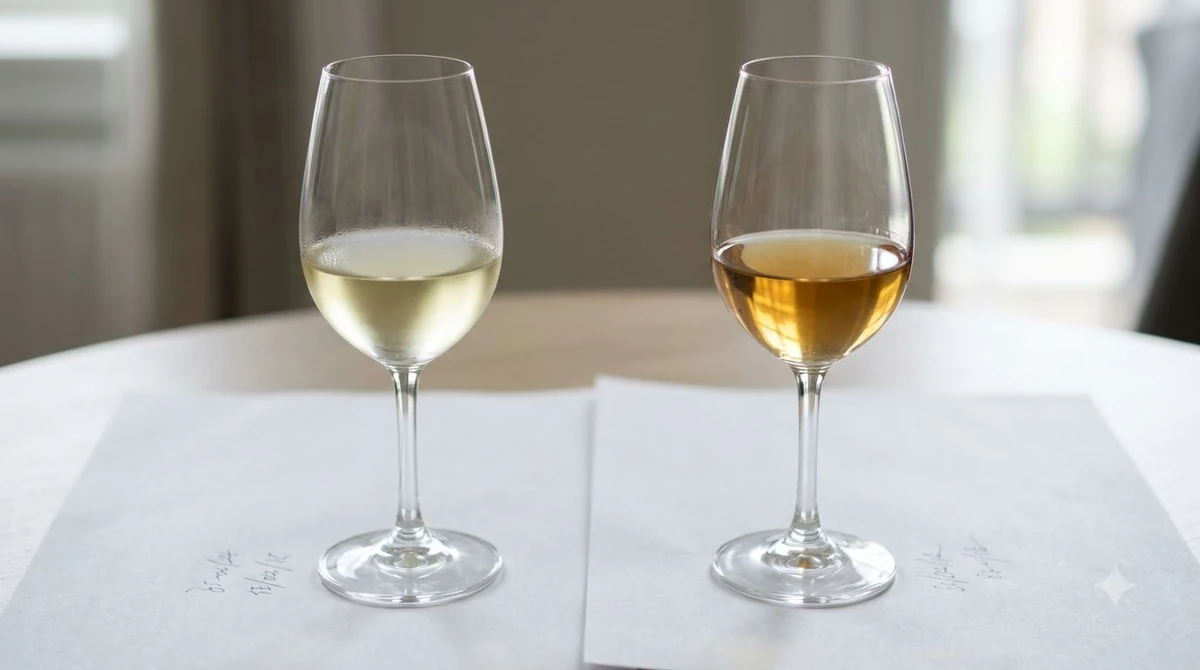
The official Sangre de Toro White wine description identifies three important characteristics: a fresh style, a fruity personality, and versatility at the table. It specifically recommends the wine as an aperitif and alongside rice dishes, seafood, and fish. These suggestions establish a useful picture of its intended role. It is designed to work as a welcoming glass before a meal as well as a companion to lighter main courses.
The producer also identifies the wine as 100% vegan friendly. This is a useful distinction for shoppers who consider production methods when choosing a bottle. Vegan-friendly certification or labeling relates to the wine’s production and clarification practices, rather than indicating a particular flavor or grape variety.
One important point is that the product description does not provide a complete technical breakdown of the current wine. It does not establish a specific grape blend, alcohol percentage, residual sugar level, vintage, or aging method. Those details should not be assumed from the Sangre de Toro brand name or from the grapes commonly grown in Spanish wine regions.
That distinction matters because a producer can make several wines under the same brand while using different grapes and production methods. The white and red expressions share a recognizable brand identity, but they are different styles with different serving temperatures and food applications.
For a broader introduction to the producer’s range, readers can explore Torres Sangre de Toro wine. This provides context for understanding how the white expression fits alongside the better-known red bottling.
Taste, Aroma, and Sweetness
The most useful starting point for understanding Sangre de Toro White is its producer’s description of a young, vibrant, and fruity style. These terms suggest a wine intended to emphasize freshness and accessible fruit character rather than heavy oak, extended aging, or pronounced tannin.
Fruit-forward white wines commonly present aromas associated with citrus, orchard fruit, and other fresh fruit impressions. Depending on the grapes and winemaking decisions, those characteristics can include lemon, apple, pear, peach, or melon. However, these are general white-wine tasting references, not verified individual tasting notes for every Sangre de Toro White bottling.
Freshness is another important part of the description. In wine, freshness often reflects the relationship between acidity, fruit character, and the overall impression of liveliness. Acidity makes a white wine feel refreshing and helps it work with food, particularly dishes containing seafood, vegetables, or delicate sauces.
Sweetness requires a little more care. Fruity does not automatically mean sweet. A wine can smell strongly of ripe fruit while tasting completely dry. Similarly, a wine with modest residual sugar can still feel refreshing if its acidity provides sufficient balance.
The producer’s public description does not provide a residual sugar measurement or a specific sweetness classification for this white wine. Therefore, it is more accurate to describe its documented style as fresh and fruity than to label it definitively as dry, off-dry, or sweet.
How to interpret its flavor
When tasting the wine, consider three elements separately:
- Aroma: Notice whether the first impression is citrus-like, orchard-fruit-like, floral, or broadly fruity.
- Acidity: Consider whether the wine feels crisp and lively or softer and rounder across the palate.
- Finish: Pay attention to whether the fruit impression fades quickly or leaves a lingering refreshing sensation.
These observations help distinguish a straightforward aperitif wine from a white wine intended to accompany richer or more complex dishes. They also provide a more reliable description than assigning specific flavors without confirmed tasting information.
For someone who usually drinks red wine, the most noticeable difference will be the absence of the substantial tannin structure associated with grapes such as Cabernet Sauvignon. White wine generally places greater emphasis on acidity, fruit, and texture. This makes Sangre de Toro White a natural option when a meal calls for a lighter style.
Spanish Wine Origins and the Catalan Connection
Catalonia is one of Spain’s important wine-producing areas, with a wide range of white grape varieties and wine styles. Its Mediterranean influence, varied elevations, and different vineyard environments help explain why regional white wines can range from light and refreshing to structured and complex.
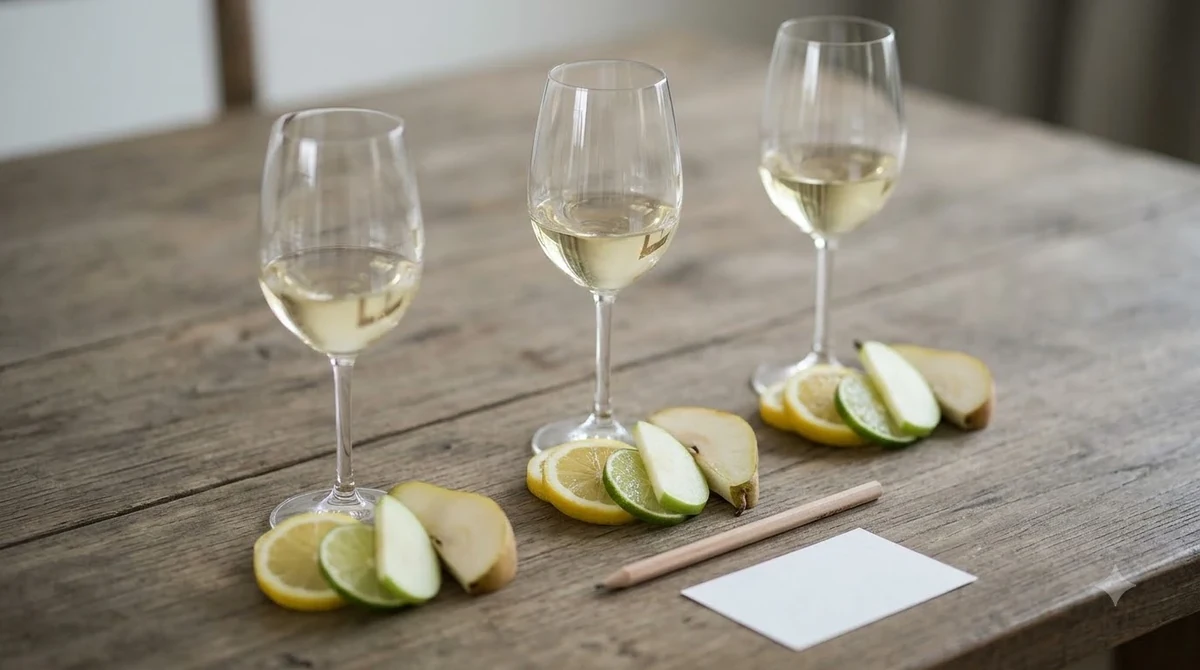
The DO Penedès regulatory organization describes its territory as an area between Barcelona and Tarragona, where vineyards extend between the Mediterranean Sea and the mountains. It identifies 10 distinct terroirs and highlights Xarel·lo as an important indigenous white grape. The region also grows traditional varieties such as Macabeu and Parellada, alongside international varieties including Chardonnay, Riesling, and Sauvignon Blanc.
These grapes provide useful context for understanding Catalan white wine, but they should not be confused with a confirmed Sangre de Toro White blend. The public product description does not specify which grape or combination of grapes is used in the bottle. It would therefore be inaccurate to present Xarel·lo, Macabeu, or Parellada as verified ingredients of this particular wine.
Three important white grapes in the region
Understanding the traditional varieties helps explain the wider regional character:
- Xarel·lo: The DO Penedès identifies this as its most significant indigenous white grape. Young examples can have fruity character, body, and balanced acidity, while more structured versions may show a mineral finish.
- Macabeu: Also known as Viura in other Spanish wine regions, this grape is traditionally associated with fresh, approachable white wines and Spanish sparkling wine production.
- Parellada: This variety is part of the traditional Catalan white-grape group and is commonly associated with delicate, fresh styles, particularly in sparkling wine production.
The regional background is useful because it establishes the wider wine culture surrounding Catalan whites without making unsupported claims about the specific bottle. For more information about regional varieties, production styles, and vineyard conditions, the Catalan government’s DO Penedès overview provides a detailed explanation.
The Penedès area itself contains three broad zones. Upper Penedès experiences more frequent rainfall and larger temperature differences between daytime highs and nighttime lows. Maritime Penedès receives a moderating influence from the Mediterranean, while Central Penedès occupies an intermediate position.
These differences influence how grapes ripen and how winemakers approach acidity, texture, and aromatic development. They also explain why two Catalan whites made from similar grape varieties can have noticeably different personalities.
Serving Temperature, Glassware, and Storage
Serving temperature has a direct effect on how white wine smells and tastes. Sangre de Toro’s producer recommends serving its White wine at 10°C (50°F), a temperature that preserves a refreshing impression without making the wine excessively cold.
For comparison, general white-wine serving recommendations vary according to body and style. Light whites and rosés are commonly served at 45–50°F, while fuller-bodied white wines are usually served at 50–55°F. The producer’s recommendation of 50°F places Sangre de Toro White at the upper end of the light-white range and the lower end of the fuller-white range.
Practical serving measurements
| Serving detail | Recommended measurement | Practical guidance |
|---|---|---|
| Sangre de Toro White | 50°F / 10°C | Follow the producer’s recommendation. |
| Light white wine | 45–50°F | Suitable for crisp, refreshing styles. |
| Fuller-bodied white wine | 50–55°F | Allows more aromatic expression. |
| Standard wine pour | 5 oz | Leaves room for swirling and smelling. |
| Standard bottle | 750 ml | Provides approximately five standard pours. |
| Opened still wine | 3–5 days | Refrigerate and reseal promptly. |
A practical approach is to chill the bottle before serving and pour it when it reaches approximately 50°F. If it becomes too cold, allow a few minutes in the glass for its aromas to become more noticeable. If it warms considerably, return the bottle to the refrigerator between pours.
Choosing a glass
A standard white-wine glass with a moderately narrow bowl works well. The shape concentrates aromas while providing sufficient room to swirl the wine gently. There is no need for specialized glassware to enjoy this approachable style.
A standard 5-ounce pour is useful for tasting because it leaves enough space in the glass for the wine’s aromas to collect. A 750 ml bottle provides approximately five such servings, making it suitable for a small dinner or a gathering where guests are enjoying several wines.
Keeping the bottle fresh
Once opened, reseal the bottle and store it in the refrigerator. Most still wines remain enjoyable for approximately three to five days after opening, although freshness gradually declines as the wine comes into contact with oxygen.
For an unopened bottle, a cool, dark, stable environment is preferable to a sunny kitchen counter or a warm cabinet. A storage temperature near 55°F is a useful general target for wine. Avoid repeated temperature changes and direct sunlight, both of which can negatively affect wine quality over time.
Tip: Chill Sangre de Toro White to 50°F before serving. If you are serving it outdoors, keep the bottle in an insulated wine cooler or ice bucket so it does not warm quickly in direct sunlight.
Best Food Pairings for Sangre de Toro White
The producer specifically recommends Sangre de Toro White with seafood, fish, rice dishes, and aperitifs. These are sensible combinations for a fresh, fruit-forward white wine because they allow the wine to complement rather than overpower the food.
When choosing a pairing, focus on the intensity of the dish, its acidity, and its preparation. Delicate seafood generally works best with lighter white wines, while richer preparations benefit from a wine with sufficient freshness to balance butter, oil, or cream.
Seafood and shellfish
Seafood is among the most natural choices. Grilled shrimp, steamed mussels, scallops, and simple white fish provide flavors that can complement a fresh white wine without overwhelming it.
Preparation matters. Shrimp with lemon, garlic, and parsley can be an especially suitable combination because the citrus and herbs reinforce a refreshing food-and-wine experience. Steamed mussels with a light broth also make a good match.
For oysters and other delicate shellfish, avoid preparations with very heavy sauces. The more subtle the seafood flavor, the more important it becomes to keep the accompanying ingredients restrained.
Fish dishes
Grilled sea bass, baked cod, and pan-seared white fish are useful choices. A preparation with olive oil, lemon, herbs, or a mild vegetable accompaniment will generally preserve the balance between food and wine.
Acidity is particularly important when serving wine with acidic ingredients. Lemon juice, vinegar, and tomato-based sauces can make a low-acidity wine seem flatter. A wine with sufficient acidity is better equipped to maintain its freshness alongside these flavors.
Very oily fish requires more attention. Salmon, mackerel, and sardines have richer textures and stronger flavors than delicate white fish. A fresh white wine may still work with some preparations, but the sauce and cooking method should be considered carefully.
Rice dishes
Rice dishes are another producer-recommended pairing. Spanish seafood rice, vegetable paella, and rice with shrimp or mussels can work particularly well because their flavors overlap naturally with the wine’s intended food applications.
For a seafood rice dish, consider ingredients such as saffron, garlic, parsley, seafood stock, and olive oil. These provide savory depth without necessarily creating the heavy richness that can overwhelm a lighter white wine.
Chicken and vegetable rice can also be suitable, particularly when prepared with Mediterranean herbs. Avoid excessively hot chili sauces if the wine has noticeable alcohol, since alcohol and chili heat can intensify one another.
Cheese, vegetables, and appetizers
Fresh cheeses, mild goat cheese, olives, grilled zucchini, and vegetable-based appetizers provide additional possibilities. These foods are generally less demanding than heavily seasoned meat dishes and allow the wine to function as a refreshing accompaniment.
For a simple appetizer platter, combine mild cheese, green olives, sliced cucumber, toasted bread, and seafood. Keep the strongest flavors, such as very pungent aged cheese or heavily spiced cured meats, in moderation.
Food pairing is not about following a rigid list. The central principle is to match the wine’s intensity and acidity with the dish. A fresh white wine usually works better with delicate or moderately rich foods than with strongly tannic, heavily grilled red-meat preparations.
How Sangre de Toro White Compares With Red Wine
The white and red Sangre de Toro expressions offer different experiences, so the best choice depends on the meal and the style of wine preferred. The White version is presented as young, fruity, and refreshing, while red wine generally offers more emphasis on red or dark fruit, structure, and tannin.
The most useful distinction is the way each wine interacts with food. White wine is often the more straightforward option for fish, shellfish, and lighter rice dishes. Red wine is more naturally suited to many roasted meats, grilled beef, and dishes with stronger savory flavors.
For readers comparing the two expressions, the Sangre de Toro red wine article provides a separate look at the red bottling and its food applications.
Differences in structure
White wines generally have little or no tannin compared with red wines made through extended grape-skin contact. Their overall structure is more closely associated with acidity, alcohol, and texture. This helps explain why a refreshing white wine is often more comfortable with delicate seafood.
Red wines vary substantially according to grape variety. Cabernet Sauvignon typically has high tannin, while Merlot tends to have medium, softer tannin. Pinot Noir generally has low-to-medium tannin and high acidity, while Syrah can show medium-plus to high tannin.
These differences influence food compatibility. Salt and fat soften the perception of tannin, which is one reason structured reds can work with fatty meats and rich savory dishes. However, oily fish can clash with tannic reds, making a white wine a more practical choice for many seafood meals.
Choosing the right bottle
Consider the main ingredient first. If the meal features grilled fish, shrimp, mussels, or seafood rice, Sangre de Toro White is the logical starting point. If it features beef, lamb, or a substantial meat stew, a red expression is more likely to provide the structure the dish needs.
Serving temperature also separates the styles. Sangre de Toro White has a producer-recommended temperature of 50°F. General recommendations for light reds are 55–60°F, while fuller-bodied reds are commonly served at 60–65°F.
Neither style is inherently better. The white wine provides freshness and versatility with lighter dishes, while the red category provides a different combination of fruit, texture, and tannin. Keeping both styles available makes it easier to choose a bottle according to the occasion rather than relying on one preference for every meal.
Readers exploring a wider selection of producers can also visit Baron Philippe de Rothschild wine for another perspective on wine brands and their different approaches to wine styles.
Buying Considerations and Who Should Choose This Wine
Sangre de Toro White is worth considering for drinkers who prefer an approachable, fruity white wine and want a bottle with clear food-pairing suggestions. Its producer highlights seafood, fish, rice dishes, and aperitifs, making the intended uses easy to understand.
It can be a practical option for casual entertaining because it does not require complicated serving arrangements. A bottle chilled to 50°F, a suitable white-wine glass, and a simple seafood or vegetable dish provide a straightforward setup.
What to consider before buying
There are several details worth checking when comparing white wines:
- Style: Look for a fresh, fruity wine if you prefer lighter, approachable whites.
- Food compatibility: Consider whether your usual meals include seafood, fish, rice, and light appetizers.
- Serving temperature: The producer’s recommendation is 10°C, or 50°F.
- Production preferences: The official description identifies this wine as 100% vegan friendly.
- Technical information: If alcohol percentage, grape composition, vintage, or sweetness is important to your decision, seek the specific technical information for the bottle being considered.
It is also useful to distinguish between brand recognition and the characteristics of an individual wine. A recognizable red-wine label does not mean its white counterpart will have the same grape varieties, flavor profile, or production method.
Who will enjoy it?
Drinkers who enjoy fresh, fruit-forward white wines are the most obvious audience. It also makes sense for someone who wants an alternative to heavier whites or structured reds during a seafood meal.
Those who prefer intensely aromatic wines, substantial oak influence, or pronounced sweetness may want to compare several white-wine styles before choosing. The producer’s public description emphasizes freshness and fruit rather than an elaborate oak-aged profile or a defined sweetness level.
It is also a reasonable candidate for casual gatherings where guests are sharing several dishes. Its recommended pairings cover a useful range of foods, and its serving temperature is straightforward to achieve with ordinary refrigeration.
For additional introductions to wine producers, grape varieties, and recognizable labels, the Wine Brands section offers a starting point for exploring other options.
Frequently Asked Questions
Is Sangre de Toro White wine made from Garnacha Blanca?
The official Sangre de Toro White product description does not identify its grape varieties, so Garnacha Blanca cannot be confirmed as an ingredient. Garnacha Blanca is an established Spanish white grape, particularly associated with regions such as Terra Alta in Catalonia. A regional connection alone does not establish the composition of a particular commercial wine.
What is the alcohol percentage of Sangre de Toro White?
The producer’s public White wine description does not specify an alcohol percentage. Alcohol content can be important when comparing wines because it influences body and the perception of warmth. For an exact figure, use the technical information associated with the particular bottling rather than assuming a percentage based on another Sangre de Toro wine.
Can Sangre de Toro White be used in cooking?
A fresh white wine can be useful in seafood sauces, vegetable risotto, and light pan sauces. If using this wine for cooking, avoid reducing it excessively in a way that concentrates unwanted flavors. It can also be served alongside the finished dish, creating a consistent wine pairing throughout the meal.
Does Sangre de Toro White need decanting?
Decanting is generally unnecessary for a young, fruit-forward white wine intended for immediate enjoyment. Unlike some young, full-bodied red wines, which can benefit from 30–60 minutes of decanting, this style is better served chilled directly from the bottle. Opening it shortly before serving is normally sufficient.
Is Sangre de Toro White suitable for a vegetarian meal?
Yes, it can accompany many vegetarian dishes, including vegetable paella, grilled zucchini, mushroom-free vegetable risotto, and fresh salads. Its producer also identifies the wine as 100% vegan friendly. However, vegan-friendly wine production and the ingredients in a finished meal are separate considerations, so the overall dish should also be suitable for the intended diners.
Sangre de Toro White is an approachable Spanish white wine whose strongest documented qualities are freshness, fruit-forward character, and versatility with seafood, fish, and rice dishes. Serve it at the producer’s recommended 50°F and enjoy it while young for a straightforward, refreshing wine experience. For drinkers seeking an accessible white option alongside the brand’s red expression, it provides a useful alternative for lighter meals and relaxed occasions.
More in Wine Brands
 Underwood Wine Price: Compare Bottles, Cans, and Pack SizesUpdated Nov 21, 2026
 Zenato Wine Price: Compare Styles and Choose the Right BottleUpdated Nov 21, 2026
 Zuccardi Wine Price: Compare Bottles and Find the Right RangeUpdated Nov 21, 2026
 Yellow Tail Moscato Review: Taste, Sweetness and Serving TipsUpdated Nov 21, 2026
 Wolf Blass Yellow Label Review: Choose Your Best StyleUpdated Nov 21, 2026
 Wolffer Estate Rose Review: Choose the Right Bottle for Your TableUpdated Nov 21, 2026