

We may earn a commission when you buy through links on this page, at no extra cost to you. Learn more.
The best Oyster Bay Sauvignon Blanc food pairing puts the wine’s bright citrus and crisp acidity beside seafood, fresh green salads, and tangy goat cheese. Acidity is the key, because it keeps lemony and herbal dishes lively instead of flat. Serve the bottle at 45 to 50 F, and start with seafood or a green salad if you are unsure what to cook.
If a bottle of Oyster Bay is already chilling in your fridge, the real question is what to cook with it. This Marlborough Sauvignon Blanc is bright, zesty and dry, so it handles a surprisingly wide range of dishes, from raw shellfish to goat cheese salads. The sections below explain why these pairings work and give you specific dishes, serving numbers and storage habits you can use tonight.
Why Sauvignon Blanc Works With So Many Foods
Sauvignon Blanc pairs widely because its acidity is high and it contains no tannin, so it can share a table with delicate fish, fresh vegetables and tangy cheese without overpowering any of them.
Acidity does most of the work. Sauvignon Blanc and Riesling sit at the high-acidity end of the white wine range, Chardonnay usually lands in the medium range, and Moscato tends to be low to medium. The working rule is simple: acidic food needs a wine with equal or higher acidity. That is why a lemon vinaigrette, a squeeze of lime over ceviche or a tomato-based sauce all find a partner in a bottle like Oyster Bay, while a low-acid wine tends to taste dull next to the same plate.
Sweetness is the second rule. A wine should be at least as sweet as the dessert it accompanies, and Oyster Bay is dry, so it belongs with savory courses and perhaps fresh fruit rather than rich cakes or chocolate. Sauvignon Blanc also has no tannin to grip the palate, so it never leaves the drying edge that a young red can. That absence of tannin is a big reason it handles fish so easily, since oily fish is a classic clash with tannic reds.
What Shapes the Oyster Bay Style
Oyster Bay comes from Marlborough on New Zealand’s South Island, and the region’s climate explains much of the wine’s citrus and herbal character.
Marlborough’s place in wine history is recent. According to Decanter’s coverage of Marlborough Sauvignon Blanc, growers replaced the region’s original varieties with Sauvignon Blanc in 1975, and Montana Wines, later renamed Brancott Estate, released the first Marlborough Sauvignon Blanc in 1979. For years the South Island had been considered too cold for the grape. Today warm days and cool nights stretch the growing season, which lets the fruit build intense varietal flavor while keeping its natural acidity.
Within Marlborough, sub-regions shape the flavor. Decanter describes the Awatere as the most distinctive, with herbaceous, nettle and tomato leaf aromas, while the Wairau is the classic style with punchy tropical and passion fruit tones, and the Southern Valleys lean toward gooseberry, citrus and melon. Reviews of Oyster Bay bottlings point to the citrus and tropical side of that spectrum, with lime, grapefruit and passion fruit on the palate.
Alcohol and body matter at the table too. Oyster Bay bottlings typically land between 12 and 13 percent alcohol according to producer and retailer listings, and the wine is generally described as light-bodied. A lighter wine does not weigh down a plate of seafood, and its acidity cleans the palate between bites. For the numbers across vintages, see our guide to oyster bay sauvignon blanc alcohol content. Winemaking notes reproduced in a Natalie MacLean review describe a slow, cool fermentation at 12 to 14 °C (54 to 59 °F) lasting about 14 days, a method meant to keep the wine’s fresh, crisp character intact.
If you want to see how another Marlborough house handles the same dishes, our cloudy bay sauvignon blanc food pairing guide is a useful companion read.
Seafood Dishes That Suit Oyster Bay Best
Seafood is the classic match for this wine, because its citrus and clean acidity lift shellfish and white fish without drowning their delicate flavor.
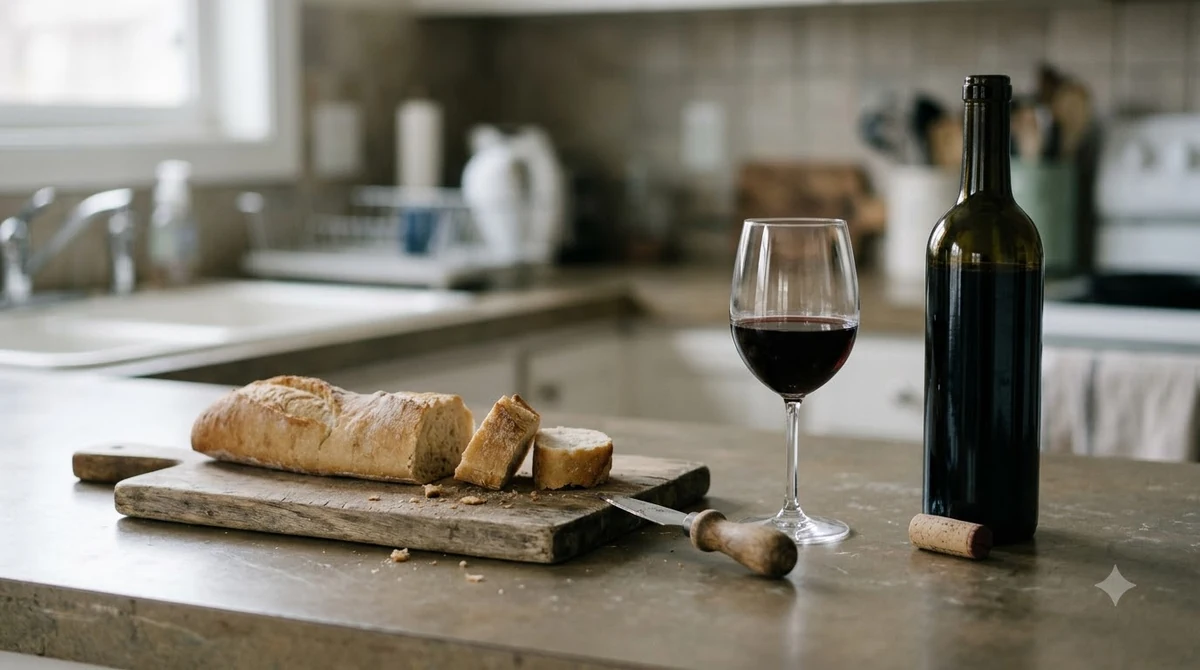
Oysters are the obvious partner, and the name on the bottle makes the connection hard to ignore. The wine’s grapefruit and lime notes echo the brine and minerality of a raw oyster, and a squeeze of lemon reinforces the link. Oysters served with mignonette, a sharp dressing of shallot, vinegar and cracked pepper, work especially well because the dressing’s acidity and the wine’s acidity move in the same direction.
Raw and lightly cooked shellfish
Beyond oysters, Oyster Bay pairs well with shrimp ceviche, crab cakes, steamed clams and mussels cooked with garlic and white wine. The wine’s acidity matches the citrus in ceviche, so the dish tastes brighter rather than sharper. Total Wine’s Sauvignon Blanc pairing guide says the wine suits seafood of all kinds, from shellfish to finfish, and it also recommends tuna poke, smoked salmon and sushi. Total Wine’s Sauvignon Blanc food pairings guide covers the full list.
Grilled and pan-seared white fish
Halibut, sole and other mild white fish are an easy match when they are cooked with lemon, butter and herbs. Pan-seared fish with a lemon and caper sauce is a good weeknight option, because the capers bring brine that the wine’s acidity handles well. Keep the fish simple, since heavy breading or a thick cream sauce will mute the wine’s citrus. Serve the wine cool rather than ice cold, so the fish’s flavor and the wine’s aroma can share the glass.
Salads, Green Vegetables, and Herbs
Fresh greens, asparagus and herbs are where Oyster Bay feels most at home, because the wine’s grassy and herbal notes line up with the plant flavors on the plate.
Green salads are the easiest place to start. A mild vinaigrette built on lemon or white wine vinegar is a natural match, and the wine’s acidity keeps the dressing bright. A Natalie MacLean review of an Oyster Bay bottling names salads and seafood as ideal matches, and that combination remains the simplest dinner to plan. Add goat cheese, toasted nuts or thinly sliced fennel and the pairing becomes more interesting without getting complicated. For the aromas behind these matches, read our oyster bay sauvignon blanc tasting notes.
Vegetables are a strength too. Many whites turn sweet or metallic next to asparagus, artichoke and fennel, but Total Wine notes that Sauvignon Blanc handles those vegetables well. Roasted asparagus with lemon and sesame, roasted cauliflower with capers and garlic, and a kale Caesar salad all suit the wine. Brussels sprouts and fresh peas bring out the wine’s green edge in a similar way.
Herbs round out the picture. Basil pesto pasta, dishes finished with cilantro, and anything with fresh mint or lemongrass pick up the wine’s herbal notes. The effect is a sense of freshness on the palate rather than a heavy finish, which is why herb-driven dishes are such reliable matches for a glass of Oyster Bay.
Goat Cheese and Other Cheeses
Goat cheese is one of the strongest partners for this wine, and the pairing follows a long tradition in the Loire Valley, where Sauvignon Blanc is widely made.
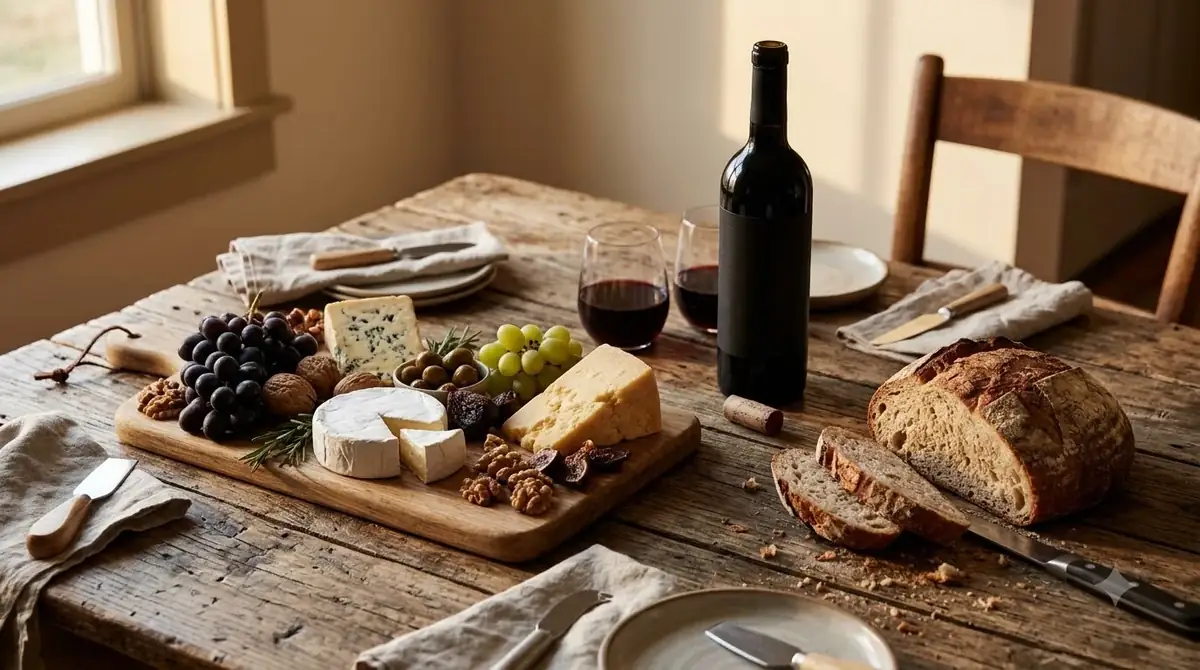
Fresh chèvre is the classic choice. Its tang mirrors the wine’s citrus, and the herbal acidity of the Sauvignon brings out the cheese’s creamy, lightly sour flavor. Total Wine names chèvre, Humboldt Fog and Drunken Goat as examples that work well, and it suggests serving the wine with aged goat cheese and butternut squash ravioli, toasted chèvre on arugula, or roasted golden beets with goat cheese.
Soft-ripened and fresh cheeses generally suit this style better than heavy aged cheeses. A young, creamy cheese with a clean finish lets the wine’s acidity do the cleaning up, while a strong aged cheese with nutty, sharp depth can overwhelm a light white. If your board includes both, place the goat cheese beside the wine and save the aged cheese for a fuller white. For a simple board, pair a fresh goat cheese with cucumber, green grapes and a light drizzle of olive oil.
Spicy, Asian-Inspired, and Heavy Dishes
Spice and sweetness need more care than the other pairings. The right dishes make the wine feel brighter, while the wrong ones make it taste sharp or thin.
Chili heat grows stronger when it meets alcohol and tannin, so a wine with moderate alcohol and no tannin is a kinder partner. Oyster Bay’s alcohol level and tannin-free profile keep a mildly spicy dish comfortable on the palate. Lemongrass chicken, spring rolls packed with fresh herbs and light Thai-style salads all work well. Total Wine’s guide lists lemongrass chicken and spring rolls as good Sauvignon Blanc matches, and the herbs in those dishes pick up the wine’s green notes.
Be careful with sugar. A wine should be at least as sweet as the dish, and this dry style can taste sharp next to very sweet sauces such as thick teriyaki or sweet chili glaze. Choose sauces built on lime, herbs and a light hand with sugar instead. Rich dishes can still work when they are also acidic: Total Wine notes that Sauvignon Blanc can cut through fried or creamy chicken, and it suggests braised chicken thighs with onions, bacon and potatoes for a cool-weather dinner.
Serving Temperature, Pour Size, and Storage
Serving the wine at 45 to 50 F and pouring about 5 ounces per glass make the biggest practical difference to how it tastes with food.
Temperature decides how the wine’s acidity comes across. Too cold, and the aromas shut down; too warm, and the acidity turns flat while the fruit starts to feel heavy. The usual range for light whites and rosé is 45 to 50 F, and Oyster Bay’s suggested serving temperature falls in the same window. A bottle taken from the fridge will usually warm into the right range within 20 to 30 minutes on the counter.
Pour size and bottle yield matter when you plan dinner. A standard 750 ml bottle holds about five glasses at 5 ounces each, enough for four people to have one glass each with a fifth glass left over. Use standard white wine glasses, since a narrower bowl holds the aromas better. Once opened, keep the bottle sealed and in the fridge. An opened still white typically keeps for three to five days, so there is no need to finish a bottle in one night.
| Item | Typical figure | What it means at the table |
|---|---|---|
| Serving temperature | 45 to 50 F | Keeps the acidity lively and the aromas open |
| Alcohol by volume | About 12 to 13 percent | Light body that suits seafood and salads |
| Sweetness | Dry | Pair with savory dishes rather than rich desserts |
| Glasses per bottle | About 5 at 5 ounces each | Enough for four guests with one glass each |
| Open bottle in the fridge | 3 to 5 days | Still wine keeps its freshness for a few days |
Tip: Chill the bottle in the fridge for about two hours before dinner, and return it there between pours. A bottle left on the counter through a long meal can drift well above 50 F and lose the crispness that makes it work with food.
Frequently Asked Questions
Can I cook with Oyster Bay Sauvignon Blanc?
Yes, and it makes a quick pan sauce for scallops or white fish. Use about half a cup of wine for a sauce that serves two, reduce it with minced shallot and butter, then finish with lemon juice and chopped herbs. Cooking softens the alcohol, while the citrus and herbal notes stay in the sauce.
Does Oyster Bay go with Thanksgiving dinner?
It can, especially with roast turkey, herb stuffing and a tart cranberry relish. The wine’s acidity cuts through gravy and the sharpness of the relish, and its herbal notes suit sage and thyme. Turkey breast seasoned with lemon and herbs is the easiest version to match.
Should I serve it with dessert?
Only with fresh-fruit desserts such as sliced melon or summer berries. Avoid chocolate, custard and cake, which are sweeter than a dry white and will make it taste thin. If you want a sweet ending, choose a sweet wine instead of asking this bottle to match a dessert it cannot keep up with.
Does Oyster Bay need to be decanted or breathed?
No. Sauvignon Blanc is meant to be poured straight from the fridge, and decanting only lets it warm and lose its brightness. Pour it into a standard white glass and let the aromas open gently as the wine warms over the course of a meal.
How long can I keep an unopened bottle?
The producer’s own guidance, repeated on retailer product pages, says the wine is best enjoyed within a year or two of the vintage. Store unopened bottles on their side near 55 F, away from direct light and heat, and avoid spots such as a cupboard above the stove.
Once the basics are clear, the Wine Brands section collects more producers and styles, so you can plan dinners around bottles you already buy. Start with one dish from this list tonight and note which combinations your table likes best.
More in Wine Brands
 Iron Horse Wine Price: Compare Bottles by Style and ValueUpdated Nov 21, 2026
 Is Apothic Red Good? Find Out If This Smooth Red Blend Is Worth BuyingUpdated Nov 21, 2026
 Is Duckhorn Merlot Good? What to Expect Before You BuyUpdated Nov 21, 2026
 Inglenook Wine Review: Find the Right Napa Valley BottleUpdated Nov 21, 2026
 Is Daou Cabernet Good? Taste, Quality, and Buying TipsUpdated Nov 21, 2026
 Hess Select Wine Review: Find the Right California Wine for Your TableUpdated Nov 21, 2026