


We may earn a commission when you buy through links on this page, at no extra cost to you. Learn more.
Prisoner red blend tasting notes reveal a full-bodied California red wine with ripe blackberry, cranberry, dried plum, caramelized vanilla, toasted coconut, and warm baking spices. Made primarily from Zinfandel and supported by Cabernet Sauvignon, Petite Sirah, Syrah, Merlot, and Malbec, this distinctive blend combines concentrated fruit with a soft, rounded texture. Its generous alcohol, ripe tannins, and smooth finish make it particularly appealing to drinkers who enjoy bold, fruit-forward red wines.
The Prisoner Red Blend has become a recognizable name in California wine, partly because it takes an unconventional approach to blending different grape varieties. Rather than emphasizing the characteristics of one grape, the wine brings together several varieties to create layers of dark fruit, spice, oak-derived aromas, and richness. Understanding its aroma, palate, structure, and food compatibility helps explain what makes this bottle different from more traditional Cabernet Sauvignon or Merlot wines.
What The Prisoner Red Blend Tastes Like
The Prisoner Red Blend delivers concentrated red and black fruit flavors, complemented by sweet spice and vanilla. Its signature profile combines juicy berry characteristics with a rounded mouthfeel and a lingering finish.
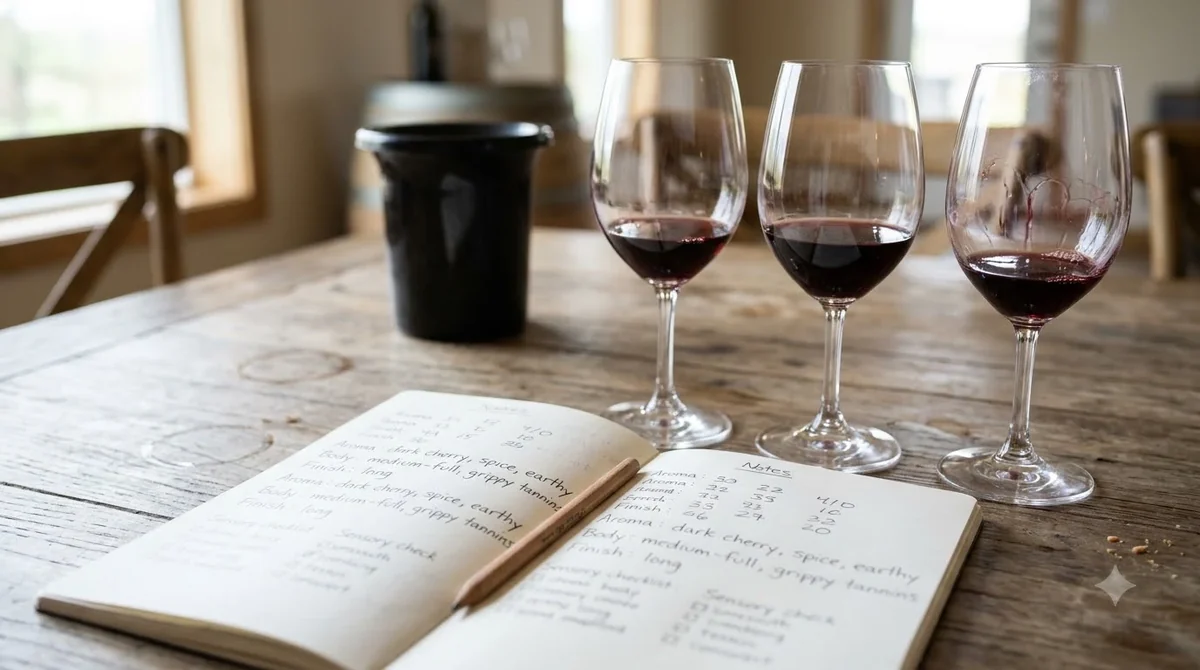
The first impression is generally generous and fruit-forward. Cranberry and blackberry establish the main aromatic character, while dried plum contributes a deeper, more concentrated fruit impression. Depending on the vintage and the wine’s development in the glass, additional impressions can include ripe raspberry, dark cherry, boysenberry, and pomegranate.
Vanilla is another recognizable element. It adds a sweet-smelling quality that works alongside the fruit without necessarily making the wine taste like a dessert wine. Toasted coconut and caramelized vanilla provide an impression of warmth and richness, while nutmeg introduces a more savory baking-spice character. These aromas create a layered profile rather than a simple burst of blackberry.
The palate follows a similar progression. Dark fruit appears first, followed by plum, sweet spice, and a subtle earthy impression. Some earlier producer descriptions also identify anise, cedar, tobacco leaf, and clove. These additional characteristics provide useful reference points when comparing different vintages, although they should not be expected in identical proportions in every bottle.
The finish is one of the wine’s defining features. It feels soft and rounded rather than sharply angular, with ripe fruit and spice remaining after the initial sip. The combination of substantial body and a smooth texture makes the wine approachable despite its considerable concentration.
It is helpful to distinguish aroma from sweetness. Vanilla, caramel-like impressions, and ripe fruit can make a red wine seem sweet even when its actual residual sugar is relatively modest. The Prisoner’s fruit-forward character should therefore not automatically be interpreted as evidence that the wine is a sweet red.
The Six Grapes Behind The Blend
The Prisoner Red Blend combines six grape varieties, with Zinfandel providing an important foundation and five supporting grapes contributing structure, texture, and additional layers of flavor.
The producer’s listed blend includes Zinfandel, Cabernet Sauvignon, Petite Sirah, Syrah, Merlot, and Malbec. Each grape has a different role in the overall profile, although the precise contribution of each variety can change between vintages.
Zinfandel contributes ripe berry flavors, generous fruit concentration, and a broad, expressive character. Its naturally fruit-forward personality helps explain the wine’s prominent blackberry, raspberry, and plum impressions. Zinfandel also commonly produces wines with substantial alcohol, particularly when the grapes reach high ripeness.
Cabernet Sauvignon adds a firmer structural element. Its naturally higher tannin level can help give the blend definition and a more substantial finish. Cabernet can also contribute dark fruit, herbal impressions, and a sense of depth that balances the softer qualities of Zinfandel and Merlot.
Petite Sirah is known for its deeply colored wines, concentrated fruit, and substantial tannins. It can reinforce the blend’s dark-fruit character while providing additional weight and structure. Its presence helps distinguish The Prisoner from lighter California blends.
Syrah contributes another dimension of dark fruit and spice. Depending on growing conditions and winemaking, Syrah can show blackberry, pepper, savory notes, and a fuller tannic structure. These characteristics complement the warmer spice impressions found in the finished wine.
Merlot helps soften the overall structure. Compared with Cabernet Sauvignon, Merlot generally has softer, medium tannins and a rounder texture. This characteristic is useful in a blend containing more structured varieties.
Malbec adds dark fruit and color, with a profile that can include blackberry, plum, and violet-like aromas. It provides another layer of fruit concentration while contributing to the blend’s overall richness.
| Grape variety | Typical contribution | Structural character |
|---|---|---|
| Zinfandel | Raspberry, blackberry, ripe plum | Fruit-forward, generous body |
| Cabernet Sauvignon | Blackcurrant, dark cherry | High tannin, firm structure |
| Petite Sirah | Blackberry, dark fruit | Deep color, substantial tannin |
| Syrah | Blackberry, pepper, spice | Medium-plus to high tannin |
| Merlot | Plum, cherry, soft fruit | Medium tannin, round texture |
| Malbec | Blackberry, plum, violet | Dark fruit, concentrated body |
These characteristics explain why the finished wine can feel simultaneously rich, fruity, and structured. The grapes are not simply combined to increase the number of flavors. Their different tannin levels, aromatic profiles, and textures help create a more complete wine than any one component might provide by itself.
For additional background on producers and different styles of wine, explore our Wine Brands section.
Aroma, Mouthfeel, Tannins, and Finish
The Prisoner Red Blend is a full-bodied wine with a soft mouthfeel, noticeable alcohol warmth, and ripe tannins. Its defining balance comes from concentrated fruit and a rounded texture rather than high acidity or aggressive dryness.
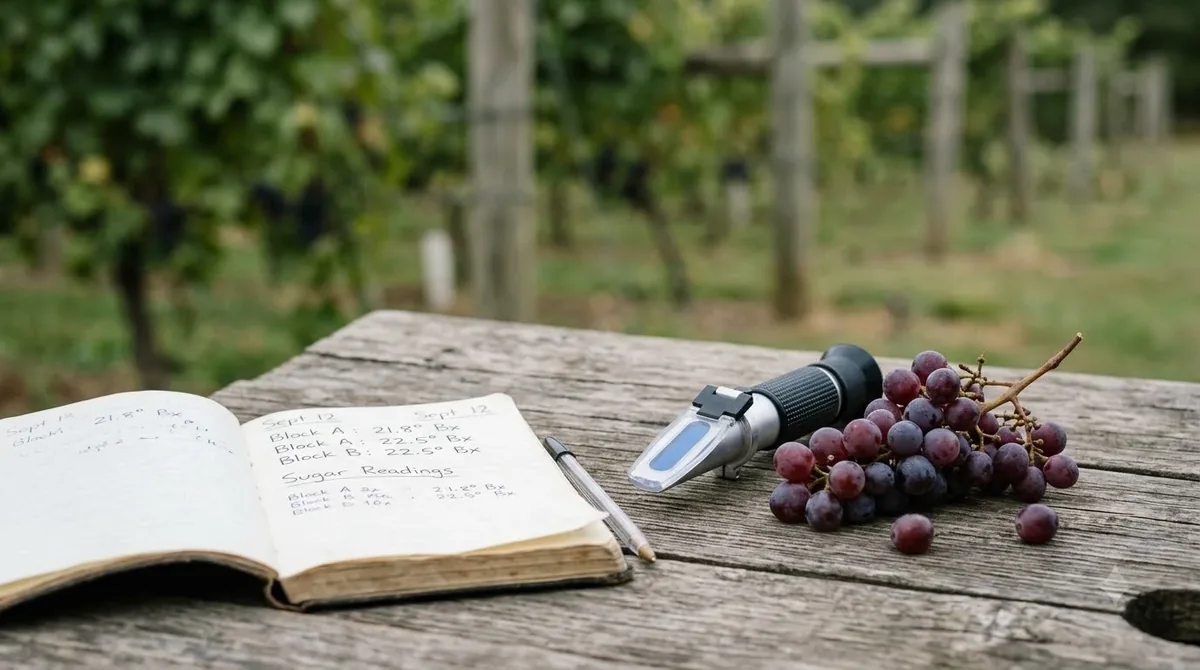
Aroma: The aromatic profile begins with fruit. Cranberry, blackberry, and dried plum form the central combination in the producer’s current description. As the wine opens, caramelized vanilla, nutmeg, and toasted coconut add another layer. Earlier tasting descriptions also mention raspberry, pomegranate, clove, and roasted fig.
Body: The wine feels substantial in the mouth. Its full-bodied character is supported by concentrated fruit and a relatively high alcohol level. The result is a wine that generally feels richer than lighter-bodied Pinot Noir or many medium-bodied red blends.
Acidity: Acidity provides freshness and prevents fruit concentration from becoming completely flat. The Prisoner is not primarily known for a sharp, high-acid profile. Instead, its acidity works in the background, supporting the fruit and helping the finish remain balanced.
Tannins: Tannins provide the drying sensation associated with red wine. Cabernet Sauvignon and Petite Sirah can contribute considerable tannic structure, while Merlot generally offers a softer counterpoint. The finished wine is described as having ripe tannins, meaning the structure is integrated with its concentrated fruit rather than presenting as especially harsh or green.
Alcohol: Alcohol is an important part of the wine’s overall impression. The producer lists 15.5% ABV for its 2024 bottling, while its 2023 listing gives 15.2% ABV. This difference illustrates why alcohol content should be treated as vintage-specific rather than assumed to be identical across every release.
Finish: The finish is smooth, lingering, and fruit-driven. Dark berry flavors gradually give way to sweet spice and vanilla. Rather than ending with a sharp acidic sensation, the wine leaves a rounded impression with noticeable warmth.
For a useful comparison, consider Meiomi Pinot Noir tasting notes. Pinot Noir typically has lower-to-medium tannin and higher acidity, making it feel lighter and fresher than a concentrated blend containing Zinfandel, Cabernet Sauvignon, and Petite Sirah.
The following table summarizes the main characteristics to consider when evaluating the wine.
| Characteristic | Typical impression | What to expect |
|---|---|---|
| Color | Deep ruby to dark garnet | Concentrated red appearance |
| Aroma | Fruit and sweet spice | Blackberry, cranberry, vanilla |
| Body | Full | Rich, substantial mouthfeel |
| Acidity | Moderate impression | Enough freshness to support fruit |
| Tannins | Medium-plus to high structural potential | Ripe, rounded drying sensation |
| Alcohol | 15.5% in the listed 2024 vintage | Noticeable warmth |
| Finish | Long and smooth | Dark fruit, vanilla, spice |
These are practical tasting expectations, not laboratory measurements of every vintage. Temperature, aeration, bottle age, and individual sensitivity to tannin can change how strongly each characteristic is perceived.
Is The Prisoner Red Blend Sweet or Dry?
The Prisoner Red Blend is best understood as a dry-style red wine with a distinctly ripe, fruit-forward impression. Its vanilla, dried plum, and sweet-spice aromas can suggest sweetness, but aromatic richness and residual sugar are two different things.
Ripe grapes naturally produce concentrated fruit flavors, and fermentation converts grape sugar into alcohol. A finished wine can therefore smell like blackberry jam, caramel, or vanilla without tasting like a genuinely sweet wine. The distinction is especially important with California red blends, which often emphasize ripe fruit and a rounded texture.
Oak aging can also influence the perception of sweetness. Vanilla, toasted coconut, and baking-spice aromas are associated with barrel maturation. These characteristics create a warm, sweet-smelling impression even when the wine’s actual sugar content is low.
A technical description of the 2021 bottling from Enotria lists residual sugar at 4 grams per liter, alongside a pH of 3.6 and total acidity of 5.7 grams per liter. These figures describe that particular vintage and should not automatically be applied to later releases.
The distinction between fruitiness and sweetness is useful when pairing food. A wine can taste rich and fruity without being sweet enough to balance a very sugary dessert. For a conventional dessert pairing, the wine should generally be at least as sweet as the dessert itself.
The Prisoner’s concentrated fruit also makes it a different experience from lighter, sweeter red wines designed primarily for easy sipping. Its tannins, alcohol, and full body give it a more substantial structure.
Tip: If the wine seems unusually sweet, try it alongside a bite of grilled beef or aged cheese. Protein, salt, and fat can soften the perception of tannin and help reveal the difference between ripe fruit flavors and actual sweetness.
Best Food Pairings for The Prisoner Red Blend
The Prisoner Red Blend pairs particularly well with grilled red meat, barbecue, rich tomato-based dishes, and aged cheeses. Its full body and concentrated fruit can stand up to strongly flavored foods without disappearing behind them.
Grilled steak: Beef is one of the most natural partners for this wine. The protein and fat in steak soften the perception of tannin, while the wine’s blackberry and plum flavors complement the savory, browned exterior created by grilling. Ribeye, New York strip, and grilled sirloin are all suitable choices.
Barbecue ribs: Pork ribs with a smoky, slightly sweet sauce work particularly well. The fruit-forward profile matches the sweetness of the sauce, while the wine’s body holds up to the richness of the meat. Avoid excessively hot sauces because the wine’s 15.5% ABV can make chili heat feel more intense.
Burgers: A grilled beef burger with aged cheddar, caramelized onions, and roasted mushrooms makes a satisfying pairing. The fat from the meat and cheese softens tannins, while the savory toppings complement the wine’s darker fruit and spice notes.
Tomato-based dishes: Rich tomato sauces can work when the dish has enough intensity to match the wine. Braised short ribs with tomato, slow-cooked beef ragu, and roasted tomato pasta are practical options. Because acidic foods can make wine taste flatter, the wine should have equal or greater perceived acidity than the dish.
Roasted lamb: Rosemary, garlic, and black pepper provide savory flavors that complement the wine’s fruit and spice. Roasted lamb shoulder is particularly suitable because its fat and slow-cooked texture work well with the blend’s tannic structure.
Hard cheeses: Aged cheddar, Gouda, and Parmesan offer salt, protein, and fat. These elements help soften the drying effect of tannins while providing enough flavor intensity to match a full-bodied wine.
Mushroom dishes: Roasted portobello mushrooms, mushroom risotto, and beef-and-mushroom pie can work well. Their earthy character provides a counterpoint to the concentrated berry flavors. Rich sauces and roasted ingredients generally offer better balance than delicate preparations.
Not every dish is equally suitable. Delicate white fish, particularly oily fish served without a rich sauce, can clash with a tannic red wine. Very spicy dishes are also difficult because alcohol and tannins can amplify the sensation of chili heat.
For a more varied wine pairing experience, compare the red blend with Rombauer Chardonnay tasting notes. Chardonnay offers a different approach to richness, acidity, and texture, making it a useful alternative for creamy poultry dishes and seafood preparations.
Serving Temperature, Glassware, and Decanting
Serve The Prisoner Red Blend at approximately 60–65°F to preserve its fruit aromas while keeping its alcohol warmth in balance. Proper glassware and a little time in the glass can also help reveal its different aromatic layers.
Although many people serve red wine at room temperature, that advice can be misleading in warm environments. A bottle kept in a room at 75°F may feel overly alcoholic and heavy. Cooling it slightly helps make the fruit more distinct and the overall texture more balanced.
A practical approach is to place the bottle in a refrigerator for approximately 20–30 minutes before serving, adjusting the time according to its starting temperature. If the wine becomes too cold, allow it to warm gradually in the glass. Avoid serving it straight from a very cold refrigerator because excessive chilling can make tannins feel firmer and mute aromatic complexity.
Use a large-bowled red wine glass that gives the wine sufficient room to release its aromas. A standard pour is approximately 5 ounces, and a 750 ml bottle provides about five standard glasses. Pouring smaller amounts initially allows the wine to develop in the glass without overcrowding the bowl.
Decanting is optional but can be useful, particularly for a young, full-bodied bottle. Allowing approximately 30–60 minutes of aeration can help soften the initial impression and make aromas of blackberry, vanilla, and spice easier to recognize.
However, longer aeration is not automatically better. Excessive exposure to air can gradually diminish fresh fruit aromas. Start with a short period, taste the wine, and decide whether additional aeration improves its character.
Storage also matters. Keep unopened bottles on their sides when sealed with natural cork, in a dark location near 55°F with a reasonably stable temperature. Avoid repeated temperature changes, direct sunlight, and excessive vibration.
After opening, reseal the bottle and refrigerate it. Most still wines retain their best qualities for approximately 3–5 days under suitable storage conditions. Let the remaining wine warm slightly before pouring another glass so its aromas are not hidden by excessive chill.
For comparison, sparkling wines such as La Marca Prosecco are generally served much colder, around 40–50°F. This difference demonstrates why serving temperature should be selected according to wine style rather than applied uniformly to every bottle.
Vintage Differences and The Prisoner Wine Heritage
The Prisoner Red Blend’s core identity remains centered on concentrated fruit, unusual grape combinations, and a smooth, full-bodied texture. However, vintage-specific alcohol levels, blending decisions, and growing conditions can influence the final experience.
The producer’s 2024 California bottling lists six grape varieties and 15.5% ABV. Its aromatic profile includes cranberry, blackberry, dried plum, caramelized vanilla, nutmeg, and toasted coconut. The 2023 listing gives an alcohol level of 15.2%, showing that the wine’s specifications can vary between releases.
Earlier winemaker descriptions provide another perspective on the blend. A 2021 technical tasting document identifies dried blackberry, dried açaí berries, cedar, tobacco leaf, clove, cinnamon, nutmeg, dark cherry, and blackberry coulis. It also describes aging in French and American oak barrels, with 30% new oak.
A separate technical description of the 2021 wine identifies 10 months of aging in a combination of American and French oak. These historical details help explain the wine’s oak-influenced aromatic style, but they should not be treated as confirmed production specifications for every subsequent vintage.
The wine’s origins are closely connected with Napa Valley’s history of mixed-variety red wines. The producer explains that The Prisoner was inspired by blends made by Italian immigrants who settled in the region. These wines helped establish a tradition of combining different red grape varieties rather than relying exclusively on single-variety bottlings.
The modern Prisoner identity also has a distinctive visual story. Its name and flagship label were inspired by Francisco Goya’s etching Le Petit Prisonnier, part of the artist’s broader work addressing injustice and the brutality of war. The label is therefore connected to an artistic and historical reference rather than simply being a decorative wine illustration.
The Prisoner Wine Company identifies Highway 29 in Napa Valley as its location and describes working with more than 100 growers in northern California. Among its named grower relationships are Solari Family Vineyard in Calistoga and Korte Ranch in St. Helena. This sourcing network supports the producer’s approach to assembling fruit from different locations and grape varieties.
For readers interested in the producer’s own descriptions, its official Prisoner Red Blend tasting profile provides the listed grape varieties, aromatic characteristics, appellation, and vintage-specific alcohol information.
Vintage comparisons should focus on the actual bottle rather than assuming that every release has an identical recipe. The central fruit-forward style remains recognizable, but the relative prominence of cranberry, blackberry, plum, oak, and spice can shift. This is particularly important when comparing older bottles with newer releases or reading tasting descriptions written for different vintages.
Frequently Asked Questions
Does The Prisoner Red Blend contain sulfites?
Yes, The Prisoner Red Blend contains naturally occurring sulfites and may also contain sulfites associated with winemaking and preservation. Sulfur dioxide is commonly used in wine production to help protect wine against oxidation and unwanted microbial activity. Bottled wine labels in the United States identify sulfites when they are present above the applicable labeling threshold.
Is The Prisoner Red Blend suitable for vegetarians?
A technical listing for the 2021 bottling identifies The Prisoner Red Blend as suitable for vegetarians. However, production practices and fining materials can vary between wines and vintages. Anyone following strict vegetarian or vegan requirements should confirm the relevant certification or production information for the specific bottle.
How many servings are in a standard bottle of The Prisoner?
A standard 750 ml bottle contains approximately five servings when poured at 5 ounces each. The bottle holds slightly more than 25 fluid ounces, so smaller tasting pours will provide additional servings. Larger pours reduce the number of glasses available from the same bottle.
Can The Prisoner Red Blend be aged in a wine cellar?
Cellaring potential depends on the particular vintage, storage conditions, and the drinker’s preferred style. Full-bodied red blends with concentrated fruit and substantial tannin can develop additional complexity over time, but not every commercial red blend is intended for extended aging. Stable temperatures near 55°F, darkness, and protection from temperature fluctuations are important for bottle storage.
What is the artwork on The Prisoner wine label based on?
The flagship label references Francisco Goya’s 19th-century etching titled Le Petit Prisonnier. The image belongs to Goya’s series The Disasters of War, which addressed injustice and brutality during the Spanish War of Independence. The artwork provides the historical inspiration for the wine’s name and recognizable packaging.
The Prisoner Red Blend stands out through its combination of six grape varieties, concentrated California fruit, warm spice, and a rounded, full-bodied texture. Blackberry, cranberry, dried plum, vanilla, and toasted coconut define its recognizable profile, while ripe tannins and a smooth finish make it a natural match for grilled meats, barbecue, and aged cheese. Serve it slightly cool, allow time for the aromas to develop, and compare different vintages to appreciate how blending and growing conditions shape the finished wine.
More in Wine Brands
 Louis Latour Wine Price: Compare Bottles by Style and TierUpdated Nov 20, 2026
 Yellow Tail Moscato Price: What to Expect Before You BuyUpdated Nov 20, 2026
 Sutter Home Sweet Red Review: Find the Right Food PairingsUpdated Nov 20, 2026
 Franzia Chillable Red Review: Find the Right Serving StyleUpdated Nov 20, 2026
 Veuve Clicquot Rose Review: Flavor, Food Pairings and Buying AdviceUpdated Nov 20, 2026
 Rombauer Wine Price: Compare Bottles Before You BuyUpdated Nov 20, 2026