
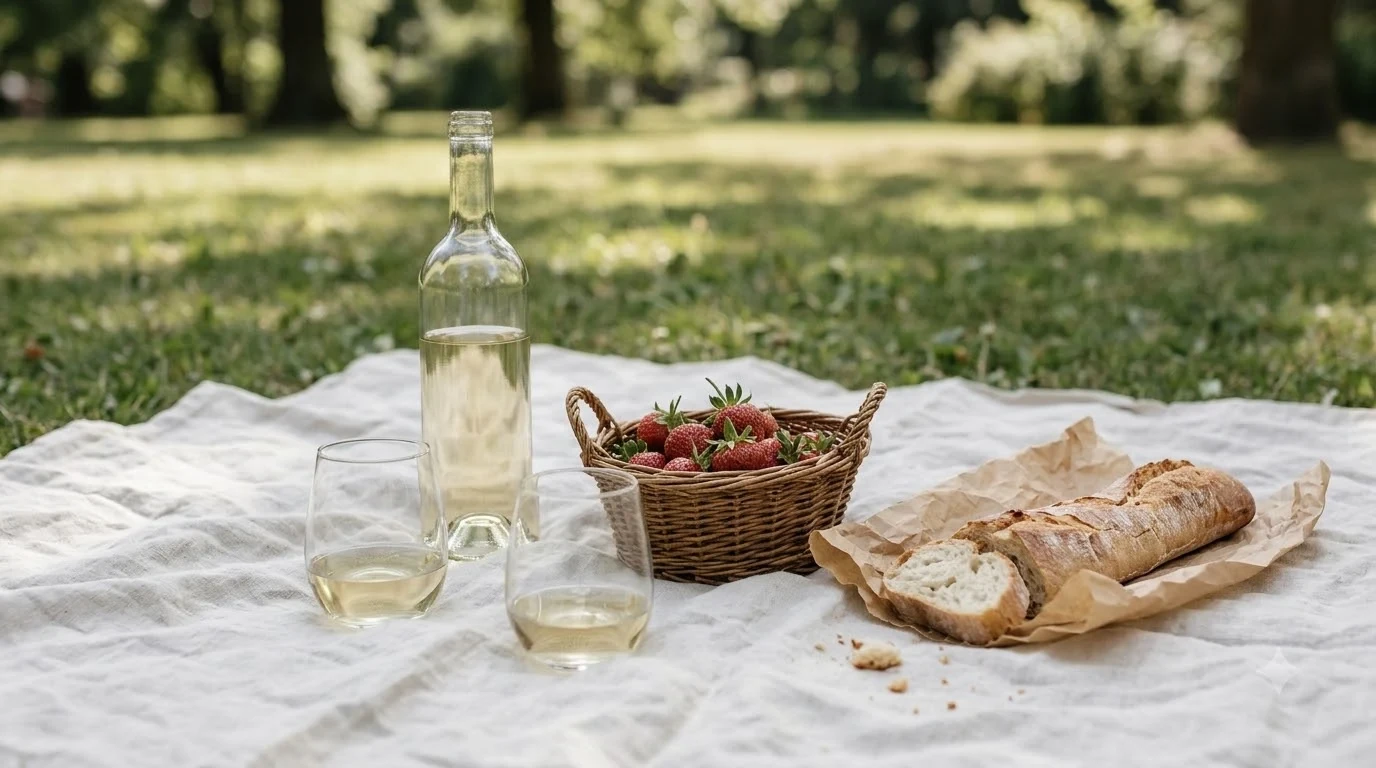

We may earn a commission when you buy through links on this page, at no extra cost to you. Learn more.
Mirassou white wine comes in three main styles: crisp, dry Pinot Grigio, fruit-forward Chardonnay, and sweet, aromatic Moscato. Each offers a different balance of fruit, acidity, sweetness, and texture, making the collection suitable for different meals and occasions. Pinot Grigio is a natural choice for refreshing everyday drinking, Chardonnay suits richer seafood and chicken dishes, and Moscato works particularly well with desserts and spicy food.
Choosing a white wine becomes easier when you understand what is in the bottle rather than relying on the label alone. Mirassou’s California collection provides several recognizable grape varieties, with approachable fruit flavors and distinct styles. Understanding their differences can help you select the right bottle for your preferred sweetness level, food pairing, and serving occasion.
Understanding the Mirassou White Wine Collection
Mirassou’s white wine collection centers on three recognizable varieties: Pinot Grigio, Chardonnay, and Moscato. They cover a useful range of drinking preferences, from crisp and relatively dry to noticeably sweet and aromatic.
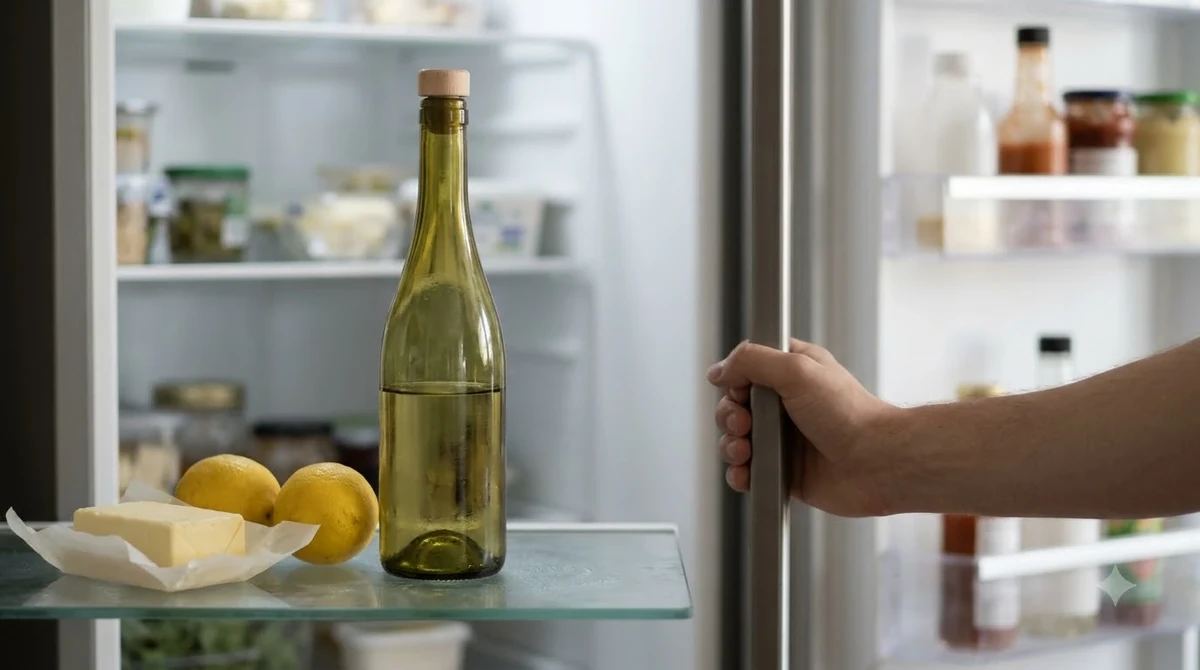
The differences begin with the grapes themselves. Pinot Grigio generally emphasizes freshness, citrus, and orchard fruit. Chardonnay offers a broader flavor profile, with stone fruit, citrus, and sometimes a creamy impression from winemaking techniques. Moscato is the sweeter option, with floral aromas and ripe fruit characteristics.
Mirassou presents its wines as California expressions intended for everyday occasions. The brand describes sourcing grapes from California growing regions and creating wines with bright, approachable flavors. Its collection also includes red varieties such as Pinot Noir, Merlot, and Cabernet Sauvignon.
For a broader understanding of the brand’s range, the wine brands overview provides a useful starting point for comparing producers and wine styles. Mirassou is particularly straightforward to understand because its white wines represent three different approaches to flavor and sweetness.
The brand also has a longer California wine history. The Los Angeles Times reported that the Mirassou family had been producing wine for six generations when E. & J. Gallo Winery acquired the Mirassou Vineyards brand and inventory in 2002. The family’s earlier production included cool-climate varieties such as Chardonnay and Pinot Blanc from Monterey County.
That historical background helps explain the association between Mirassou and California varietal wines. However, historical vineyard information should not automatically be applied to every current bottle. Individual wines and vintages can have different grape sources, production methods, and alcohol levels.
For shoppers, the most useful distinction is the wine’s style rather than its history. Someone who prefers a refreshing, relatively dry white will generally find Pinot Grigio the most suitable starting point. Drinkers who enjoy a fuller texture may prefer Chardonnay, while those who like sweetness should consider Moscato.
Mirassou Pinot Grigio: Crisp, Fresh, and Refreshing
Mirassou Pinot Grigio is the collection’s crisp, dry-leaning white wine, with citrus, pear, peach, and green apple flavors. Its unoaked style emphasizes fresh fruit rather than buttery texture or pronounced vanilla notes.
Pinot Grigio is made from the Pinot Gris grape, although the name Pinot Grigio is commonly used for the lighter, fresher style associated with the variety. The grape can produce different expressions depending on climate, ripeness, and winemaking decisions. Mirassou’s description emphasizes freshness and uncomplicated fruit character.
The winery identifies citrus fruit as an initial characteristic, followed by white peach, fresh pear, and green apple. These flavors make the wine suitable for people who enjoy a bright white without the noticeable sweetness of Moscato.
Its production notes explain that the grapes were harvested primarily at night and pressed quickly to preserve freshness and concentrated flavor. The documented production process also describes cool fermentation at 55°F to 60°F over two to three weeks. Avoiding oak aging allows the fruit characteristics to remain prominent.
Clarksburg’s Janssen Ranch is identified as the principal grape source in the winery’s documented Pinot Grigio information. That technical description lists 12.5% alcohol, acidity of 0.51 grams per 100 milliliters, and a pH of 3.32 for the particular wine described. These figures are useful historical technical details rather than guaranteed specifications for every subsequent release.
Independent wine criticism provides another reference point. Wine Enthusiast awarded Mirassou’s 2023 Pinot Grigio 89 points, describing aromas of nectarine, pineapple, and kiwi alongside flavors of lemon and peach and a mineral finish. The reviewed bottle contained 11.5% alcohol in a 750 ml format. The Wine Enthusiast review of Mirassou 2023 Pinot Grigio provides the full tasting assessment and rating.
That review illustrates why vintage-specific information matters. The reviewed 2023 wine had a different alcohol figure from the older technical description published by the winery. Neither number should be treated as a permanent specification for the entire Pinot Grigio range.
Best occasions for Pinot Grigio
This style works particularly well for casual lunches, outdoor meals, seafood dishes, and light appetizers. Its fresh fruit character complements food without dominating delicate ingredients.
Good pairings include grilled whitefish, shrimp, simple pasta with olive oil, roasted vegetables, and fresh cheeses. Mirassou specifically recommends soft cheeses, light pastas, and roasted vegetables for its Pinot Grigio.
Its relatively light structure also makes it useful as an aperitif. Serve it before a meal with crackers, mild cheeses, or vegetable appetizers. Avoid pairing it with dishes that are extremely rich or heavily spiced, as these can overwhelm its delicate fruit profile.
Pinot Grigio is also a sensible choice for people who want a white wine that does not taste overtly sweet. Although ripe fruit aromas can give an impression of sweetness, fruity aromas and actual residual sugar are not the same thing.
Tip: Serve Mirassou Pinot Grigio at approximately 45°F to 50°F. This temperature keeps the wine refreshing while allowing its citrus, pear, and peach aromas to remain noticeable. Avoid serving it so cold that its flavors become difficult to recognize.
Mirassou Chardonnay: Stone Fruit and a Creamier Texture
Mirassou Chardonnay is the fuller, more rounded white wine in the collection, combining nectarine, peach, and tropical fruit with citrus and subtle oak characteristics. It is a good option for drinkers who prefer more texture than a typical crisp Pinot Grigio.
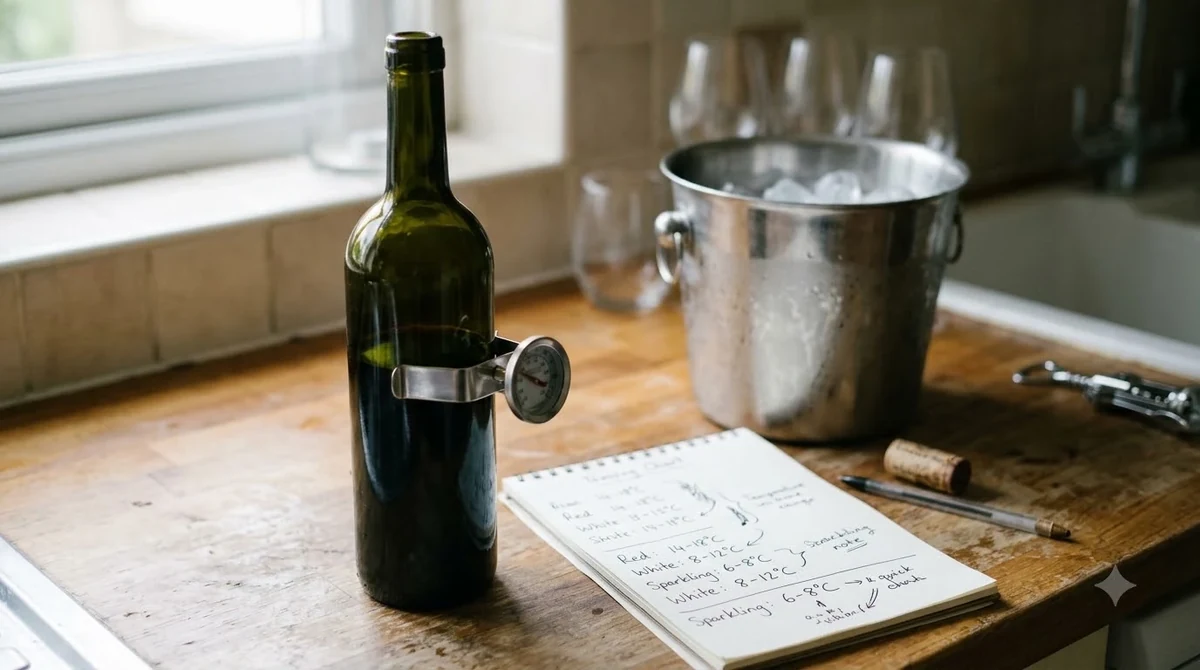
Chardonnay is one of the most adaptable white grape varieties. Its flavor depends heavily on growing conditions and winemaking decisions. Some versions are lean and citrus-driven, while others have ripe stone fruit, creamy textures, and noticeable oak influence.
Mirassou describes its Central Coast Chardonnay as fruit-forward, with intense layers of nectarine, peach, and tropical fruit. Hints of oak and citrus contribute additional complexity without making the wine’s fruit character disappear.
The winery’s technical notes describe several production decisions that help explain this profile. The grapes were membrane pressed and cold settled before fermentation in upright stainless steel tanks. Fermentation took place at a maximum temperature of 68°F.
Stainless steel fermentation does not automatically mean that a Chardonnay is completely unoaked. It is possible to use stainless steel for fermentation and incorporate other techniques that influence texture and flavor. Mirassou’s description also mentions partial sur lie aging and partial malolactic fermentation.
Sur lie aging means leaving wine in contact with spent yeast cells, known as lees, for a period of time. This technique can contribute additional texture and a rounded impression. Malolactic fermentation converts sharper malic acid into softer lactic acid, which can create a creamier mouthfeel.
The winery’s documented Chardonnay information identifies fruit from Monterey County, San Luis Obispo County, and Santa Barbara County. These Central Coast areas contribute to the regional identity of the wine described in that technical information.
What does Mirassou Chardonnay taste like?
Expect a combination of ripe stone fruit, citrus, and a softer overall texture. Nectarine and peach provide the recognizable fruit profile, while tropical fruit adds a ripe impression. Oak notes can contribute a subtle impression of spice or warmth.
Chardonnay is generally medium in acidity compared with highly acidic varieties such as Sauvignon Blanc and Riesling. This gives it flexibility with food, particularly dishes that have moderate richness.
The older Mirassou technical description lists an alcohol level of 13.8%, acidity of 0.50 grams per 100 milliliters, and pH 3.60. Those figures describe the specific wine documented rather than every bottle bearing the Chardonnay label.
Best food pairings for Chardonnay
Mirassou recommends whitefish, chicken, and cheeses. These are sensible combinations because Chardonnay has enough body to complement moderately rich dishes without necessarily overwhelming them.
Try it with roasted chicken, baked cod, grilled halibut, creamy mushroom pasta, or a mild cheese board. A lemon-butter sauce can also complement its citrus and stone fruit characteristics.
For a richer meal, Chardonnay can work with dishes containing cream, butter, or roasted vegetables. However, very acidic sauces may make a medium-acidity Chardonnay seem less lively. Matching the wine’s acidity to the food helps preserve balance.
Chardonnay is also a useful comparison when considering other producers. For example, readers exploring Baron Philippe de Rothschild wine can compare how different producers approach familiar international grape varieties and regional styles.
Mirassou Moscato: Sweet Fruit and Floral Aromas
Mirassou Moscato is the sweetest and most aromatic of the three principal white wine styles. Its profile features floral aromas, sweet peach, ripe pineapple, and refreshing citrus, making it especially suitable for people who prefer sweeter wines.
Moscato is generally associated with the Muscat family of grapes, which is known for expressive floral and fruit aromas. Depending on production methods, Moscato can range from lightly sweet to distinctly sweet, with still and sparkling versions available.
Mirassou’s documented Moscato description emphasizes a lively, fruity style. Peach and pineapple provide the central fruit flavors, while floral aromas contribute freshness and citrus offers some contrast to the sweetness.
The winery’s production notes explain that the grapes were harvested at night to preserve their aromatic qualities. The skins were separated from the juice immediately, helping produce a smoother flavor profile.
Fermentation took place in upright stainless steel tanks at approximately 55°F. According to the winery’s explanation, fermentation was stopped early to retain some of the grapes’ natural sweetness. This is an important distinction because the final sweetness is influenced not only by grape variety but also by fermentation decisions.
The documented technical information lists an alcohol content of 7.5%, acidity of 0.61 grams per 100 milliliters, and pH 3.22. These figures apply to the particular Moscato described in that information and should not be assumed for every release.
Is Mirassou Moscato very sweet?
Compared with Pinot Grigio and Chardonnay, Moscato is the noticeably sweeter choice. Its ripe peach and pineapple flavors make the sweetness easy to recognize, while floral aromas contribute to its inviting character.
Its relatively low documented alcohol level also distinguishes it from the Chardonnay technical example. However, alcohol content alone does not determine sweetness. A wine’s residual sugar and acidity are more directly responsible for how sweet it tastes.
Acidity is particularly important in sweet wine. Without enough freshness, sweetness can make a wine seem heavy. Moscato’s refreshing citrus character helps balance its fruit-driven profile.
Best food pairings for Moscato
Mirassou recommends cheeses, spicy Asian dishes, and desserts. Sweetness makes Moscato particularly useful with fruit-based desserts, mild creamy cheeses, and dishes containing noticeable chili heat.
Consider pairing it with peach cobbler, fruit tarts, fresh strawberries, cheesecake, or lightly sweetened pastries. For savory food, try dishes with ginger, sweet chili sauce, or moderate spice.
A useful pairing rule is that the wine should be at least as sweet as the dessert. Otherwise, the dessert can make the wine taste less fruity and more acidic. Moscato’s natural sweetness makes it a more suitable dessert companion than a dry Pinot Grigio.
It can also provide an interesting contrast with spicy food. The sweetness can soften the perception of chili heat, although alcohol and tannin can intensify that sensation. Moscato generally has little tannin compared with red wines, which makes it a practical choice for many spicy dishes.
Choosing the Right Style for Your Food and Taste
The easiest way to select a Mirassou white wine is to start with the meal and your preferred sweetness level. Pinot Grigio suits light, fresh dishes, Chardonnay complements richer preparations, and Moscato works well with desserts and sweet-spicy combinations.
Food pairing is not about finding a single perfect combination. It is about balancing the wine’s acidity, sweetness, body, and flavor intensity against the ingredients and preparation of the dish.
For example, an acidic lemon dressing can make a low-acidity wine seem flat. A wine with equal or higher acidity is generally a better match. Similarly, a rich cream sauce can benefit from a white wine with enough body to stand alongside it.
| Mirassou style | Typical taste profile | Documented alcohol example | Best food matches |
|---|---|---|---|
| Pinot Grigio | Citrus, pear, peach, green apple | 11.5% (2023 review) | Light pasta, seafood, soft cheese |
| Chardonnay | Nectarine, peach, tropical fruit, citrus | 13.8% (documented technical example) | Chicken, whitefish, creamy dishes |
| Moscato | Sweet peach, pineapple, floral aromas | 7.5% (documented technical example) | Desserts, cheese, spicy Asian dishes |
The table uses specific published examples rather than fixed alcohol specifications for every bottle. Different vintages and releases can have different alcohol levels, so comparing the actual wines available is more useful than assuming all Mirassou whites share identical specifications.
Pairing by flavor intensity
Light seafood dishes generally work best with lighter white wines. Grilled shrimp, steamed fish, and simple seafood salads are natural partners for Pinot Grigio because its freshness does not overpower delicate ingredients.
More substantial seafood preparations can suit Chardonnay. Baked fish with butter, roasted salmon, and seafood pasta with cream sauce provide enough richness to complement its fuller texture.
Sweet dishes require a different approach. A dry wine can taste unexpectedly sour or thin next to a very sweet dessert. Moscato is a more appropriate starting point for fruit tarts, sweet pastries, and peach-based desserts.
Cheese offers flexibility across all three wines. Fresh goat cheese and mild soft cheeses can complement Pinot Grigio, while creamy cheeses suit Chardonnay. Sweet Moscato can work particularly well with blue cheese and other salty cheeses because the contrast between sweetness and saltiness creates balance.
What about red wine drinkers?
People who normally prefer red wine may find Chardonnay the easiest transition because its fuller texture can feel more substantial than a light white wine. However, white wine has different structural characteristics, and even a fuller Chardonnay does not reproduce the tannin of a Cabernet Sauvignon or Syrah.
Mirassou also offers red varieties, including Pinot Noir, Merlot, and Cabernet Sauvignon. Its Pinot Noir is a useful option for people who prefer lighter red wine with bright fruit, while Merlot offers softer tannins than Cabernet Sauvignon.
For a closer comparison of the brand’s red offerings, see the guide to Mirassou red wine. Considering both color categories makes it easier to choose a bottle for a particular meal rather than sticking to one style for every occasion.
Serving Temperature, Glassware, and Storage
Mirassou white wine generally tastes best when chilled, but the ideal temperature depends on the variety. Pinot Grigio and Moscato benefit from a colder serving temperature, while Chardonnay is usually more expressive when served slightly warmer.
Temperature affects how aromas and flavors are perceived. Excessive cold can suppress aromatic detail, while excessive warmth can make alcohol seem more prominent and reduce the refreshing impression of a white wine.
Use these practical serving ranges:
- Pinot Grigio: 45°F to 50°F.
- Chardonnay: 50°F to 55°F.
- Moscato: 43°F to 50°F.
These ranges provide a useful starting point rather than strict requirements. A bottle taken directly from a refrigerator may need a few minutes in the glass before its aromas become more noticeable.
Choosing the right glass
A standard white wine glass works well for Pinot Grigio and Chardonnay. A moderately sized bowl allows aromas to collect while keeping the wine cool enough to remain refreshing.
Moscato can also be served in a white wine glass. If the particular release is sparkling, use a flute or tulip-shaped sparkling glass to retain the bubbles while allowing some aromatic development.
There is no need to purchase specialized glassware to enjoy these wines. A clean, transparent wine glass with enough room to swirl a small amount is sufficient for most everyday occasions.
Pouring and preserving an opened bottle
A standard wine serving is approximately 5 ounces. A 750 ml bottle therefore provides about five standard glasses, making it straightforward to estimate how much wine is needed for a small gathering.
After opening a still white wine, reseal the bottle and refrigerate it. Most opened still wines are best consumed within three to five days, although their freshness can decline sooner depending on exposure to oxygen and storage conditions.
For sparkling Moscato, use a suitable sparkling wine stopper and refrigerate the bottle. Sparkling wine generally retains its best quality for approximately one to three days after opening.
Keep unopened bottles away from direct sunlight and major temperature changes. For longer-term storage, a cool location near 55°F is a useful target. Bottles with natural cork closures are generally stored on their sides to help keep the cork from drying out.
White wines are not usually improved by extended storage simply because they are in a bottle. These approachable fruit-forward styles are generally enjoyed for their fresh flavors rather than aged for many years.
How to Select and Buy Mirassou White Wine
Finding the right Mirassou bottle involves checking the variety, understanding the style, and comparing the specific release available. The same brand can offer noticeably different drinking experiences depending on whether the bottle contains Pinot Grigio, Chardonnay, or Moscato.
Start with your preferred sweetness level. If you generally drink Sauvignon Blanc, Pinot Grigio is likely to feel familiar because both styles emphasize freshness and acidity. If you enjoy richer white Burgundy or California Chardonnay, Mirassou Chardonnay may be more appealing.
For people who prefer sweet aromatic wines, Moscato is the clearest choice. Its floral character, ripe fruit flavors, and lower documented alcohol example make it distinct from the other two styles.
Check the variety and bottle information
Look for the grape variety printed prominently on the front label. This is more useful than relying only on the brand name because the variety tells you which general flavor profile to expect.
Alcohol content is another useful comparison point. The reviewed 2023 Pinot Grigio contained 11.5% alcohol, while the documented Chardonnay and Moscato technical examples listed 13.8% and 7.5%, respectively. These are different wine examples, not guaranteed specifications for every bottle.
Vintage information can also help when comparing reviews. A professional review of one vintage describes that particular release, and its score should not automatically be transferred to a different vintage.
Availability and substitutions
Wine availability changes between retailers and regions. Mirassou’s official website provides a wine collection and a location feature intended to help consumers find its products.
If a particular variety is unavailable, consider the style you wanted rather than choosing another wine solely because it carries the same brand. For a crisp white, other Pinot Grigio wines are reasonable alternatives. For a sweeter bottle, look at Moscato from another California producer.
Readers comparing alcohol levels across everyday wines may also find the guide to Black Box Pinot Grigio alcohol content useful. Comparing the same grape variety is a practical way to understand how different producers and releases can vary.
The most reliable approach is to select by grape variety first, then compare the specific bottle’s alcohol information, vintage, and tasting description. This avoids treating all white wines from one producer as though they have the same sweetness, weight, or flavor.
Frequently Asked Questions
Is Mirassou white wine suitable for making wine spritzers?
Yes. Pinot Grigio is particularly suitable for a simple spritzer because its fresh citrus and orchard-fruit profile works well with sparkling water. A practical starting ratio is three parts wine to one part sparkling water, served over ice. Moscato can also be used if you prefer a sweeter drink.
Is Mirassou white wine vegan?
Vegan status cannot be established from the grape variety or the published tasting descriptions alone. Some winemaking processes use animal-derived fining agents, while others use mineral or plant-based alternatives. Consumers following a vegan diet should seek confirmation for the particular bottle from the producer.
Does Mirassou make sparkling Moscato?
Mirassou’s documented Moscato description identifies a lively wine, but that does not establish that every Mirassou Moscato release is a fully sparkling wine. The distinction between still, lightly fizzy, and sparkling wine depends on the specific bottling. Check the product description for carbonation information before choosing it for a sparkling wine occasion.
Can Mirassou white wine be used in cooking?
Yes. Dry Pinot Grigio and Chardonnay can both be used in sauces, seafood preparations, and pasta dishes. Pinot Grigio is useful for lighter lemon-based sauces, while Chardonnay can complement creamier preparations. Moscato is generally better reserved for sweet sauces, fruit preparations, and dessert recipes.
What is the difference between Pinot Grigio and Pinot Gris?
Pinot Grigio and Pinot Gris are names for the same grape variety. Pinot Grigio commonly refers to a lighter, fresher style, while Pinot Gris is often associated with richer expressions, particularly in certain European regions. Neither name guarantees a particular sweetness level, so the producer’s description remains useful.
Mirassou’s white wine selection offers three distinct choices: refreshing Pinot Grigio, fuller Chardonnay, and sweet, aromatic Moscato. Start with the flavor profile you enjoy, match the bottle to your meal, and serve it at an appropriate temperature. Understanding these differences makes choosing a Mirassou white wine much simpler, whether you are planning a casual lunch, a dinner with friends, or a dessert pairing.
More in Wine Brands
 Louis Latour Wine Price: Compare Bottles by Style and TierUpdated Nov 20, 2026
 Yellow Tail Moscato Price: What to Expect Before You BuyUpdated Nov 20, 2026
 Sutter Home Sweet Red Review: Find the Right Food PairingsUpdated Nov 20, 2026
 Franzia Chillable Red Review: Find the Right Serving StyleUpdated Nov 20, 2026
 Veuve Clicquot Rose Review: Flavor, Food Pairings and Buying AdviceUpdated Nov 20, 2026
 Rombauer Wine Price: Compare Bottles Before You BuyUpdated Nov 20, 2026