

We may earn a commission when you buy through links on this page, at no extra cost to you. Learn more.
Miraval Rosé alcohol content is typically 12.5% alcohol by volume (ABV), making it a moderate-strength dry Provence rosé. The 2023 vintage is listed at 12.5% ABV by both Berry Bros. & Rudd and Famille Perrin. This percentage measures the proportion of alcohol by volume, helping you compare Miraval with other rosé wines and estimate the alcohol in each glass.
Miraval Rosé is a recognizable Côtes de Provence wine made from a blend of Mediterranean grape varieties. Its alcohol level is part of a broader style built around fresh acidity, delicate fruit, floral aromas and a dry finish. Understanding the percentage helps you estimate bottle servings, compare Miraval with other popular rosés and choose suitable food pairings. Here is what to know about its strength, production, flavor and serving conditions.
Miraval Rosé Alcohol Percentage and What 12.5% ABV Means
Miraval Rosé typically contains 12.5% alcohol by volume, a moderate figure for a dry French rosé. This places it within a familiar range for Provence wines, where freshness, fruit expression and balanced alcohol are important parts of the style.
Berry Bros. & Rudd lists the 2023 Miraval Rosé at 12.5% ABV. Famille Perrin, the producer associated with the wine, also lists the 2023 vintage at the same percentage. These independent listings provide a useful reference for understanding the wine’s typical strength rather than relying on a general estimate for every bottle bearing the Miraval name.
ABV measures the proportion of pure alcohol in a beverage by volume. A wine marked 12.5% ABV contains approximately 12.5 milliliters of pure alcohol for every 100 milliliters of wine. The figure does not describe the amount of sugar, the wine’s sweetness or how strongly its alcohol tastes.
For example, two rosés can both contain 12.5% ABV but have noticeably different flavor profiles. One might taste lean, crisp and citrus-driven, while another might feel rounder and more fruit-forward. Acidity, residual sugar, grape varieties, temperature and winemaking all influence the drinking experience.
Miraval is generally presented as a dry, medium-bodied rosé. Its combination of refreshing acidity and ripe fruit can make the alcohol feel less prominent than it would in a fuller, warmer wine. That does not mean the alcohol is absent; it simply means that the wine’s other structural elements contribute to its overall balance.
For everyday comparisons, 12.5% is a useful number to remember. It is stronger than many lower-alcohol wines around 10% ABV but below the 14% to 15% levels found in some fuller-bodied still wines.
It is also important to distinguish the regular Miraval Côtes de Provence Rosé from other wines in the producer’s portfolio. Different bottlings, such as Studio by Miraval, have their own grape blends and product specifications. The 12.5% figure discussed here refers to the regular Côtes de Provence rosé represented by the cited vintage listings.
How Much Alcohol Is in a Bottle and a Standard Pour?
A standard 750 ml bottle of Miraval Rosé at 12.5% ABV contains approximately 93.75 ml of pure alcohol. A typical 5 oz glass contains approximately 18.5 ml of pure alcohol, and a full bottle provides about five standard wine pours.
The calculation is straightforward: multiply the wine’s total volume by its ABV expressed as a decimal. For Miraval, that means multiplying 750 ml by 0.125. The result is 93.75 ml of alcohol in the bottle, assuming the wine is exactly 12.5% ABV.
The following figures illustrate how the alcohol content changes with serving size. They assume a consistent 12.5% ABV and are approximate calculations rather than measurements of individual pours.
| Serving size | Wine volume | Pure alcohol | Approximate servings per bottle |
|---|---|---|---|
| Small tasting pour | 2 oz / 59 ml | 7.4 ml | 12.7 |
| Standard wine pour | 5 oz / 148 ml | 18.5 ml | 5 |
| Large glass | 6 oz / 177 ml | 22.1 ml | 4.2 |
| Half bottle | 375 ml | 46.9 ml | 2.5 standard pours |
| Full bottle | 750 ml | 93.75 ml | 5 standard pours |
These calculations are useful when planning a dinner, arranging a tasting or comparing different bottle formats. A half bottle contains half the wine and approximately half the total alcohol of a standard bottle, provided both contain the same wine at the same ABV.
Serving size makes a substantial difference to the amount of alcohol in a glass. A 6 oz pour contains approximately 20% more wine than a 5 oz pour. Consequently, it also contains approximately 20% more alcohol at the same ABV.
Glass shape can make portion estimation difficult. A wide-bowled wineglass may look relatively empty even after receiving a full 5 oz pour. Using a measuring tool when pouring makes it easier to maintain consistent serving sizes.
Another useful distinction is the difference between the alcohol percentage and the total alcohol in the bottle. ABV remains 12.5% regardless of whether the bottle contains 375 ml or 750 ml. The total quantity of alcohol changes with the volume of wine.
Tip: For a consistent comparison between Miraval and another rosé, use the same serving size and compare both wines’ ABV figures. A 5 oz pour of a 12.5% wine contains more alcohol than a 5 oz pour of an 11% wine.
Famille Perrin lists the 2023 Miraval Rosé in three formats: 37.5 cl, 75 cl and 1.5 liters. The magnum contains twice as much wine as the standard bottle, but the alcohol percentage remains the same when the contents are identical. This distinction is useful when choosing a bottle for a small dinner or a larger gathering.
Why Miraval Rosé Alcohol Content Can Vary Between Vintages
Miraval Rosé is commonly listed at 12.5% ABV, but wine alcohol percentages can change between harvests. Weather, grape ripeness, blending decisions and fermentation determine the final composition of each vintage, so the same wine name does not guarantee an identical alcohol figure every year.
Grapes accumulate natural sugars as they ripen. During fermentation, yeast converts much of this sugar into alcohol and carbon dioxide. Grapes harvested with higher sugar concentrations can therefore produce wines with higher potential alcohol, assuming fermentation proceeds to a similar level of completion.
Provence experiences a Mediterranean climate, with warm summers and considerable sunshine. However, vineyard elevation, nighttime temperatures, soil composition and seasonal rainfall can influence how quickly grapes mature. These conditions help explain why two harvests from the same general area can produce wines with different characteristics.
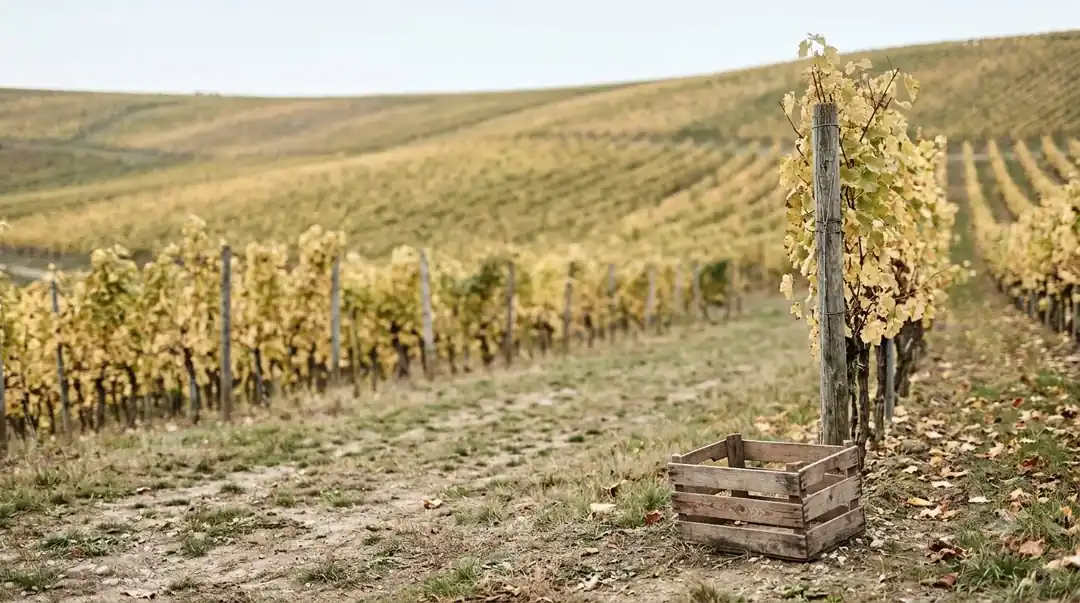
Miraval’s official website identifies selected vineyards close to Correns, north of Brignoles in Provence. The producer describes clay and limestone soils and vineyards situated partly on terraces at an average elevation of 350 meters. These geographical characteristics contribute to the environment in which the grapes develop.
Temperature differences between daytime and nighttime are particularly relevant to the style of Provence rosé. Cooler nights can help preserve freshness as grapes mature during warmer days. The relationship between ripeness and acidity is important because the finished wine needs enough fruit concentration without losing the refreshing character associated with the region.
Published listings illustrate why vintage-specific information matters:
- 2023 vintage: Berry Bros. & Rudd lists the wine at 12.5% ABV.
- 2023 producer listing: Famille Perrin also lists the wine at 12.5% ABV.
The matching percentages provide a consistent reference for the 2023 vintage. However, they should not be interpreted as a permanent technical specification for every future release or every bottle distributed in every market.
Retailer databases can also differ in how they present product information. Some listings are connected to a specific harvest, while others use a general product description or combine information from multiple releases. Bottle labels and vintage-specific producer information are therefore useful when an exact percentage is important.
The practical takeaway is simple: 12.5% ABV is a reliable reference for the documented 2023 Miraval Rosé, but a particular vintage should be evaluated using its own published alcohol figure. Small differences in ABV are normal in wine production and do not automatically indicate a different quality level.
Grapes and Winemaking Behind Miraval Rosé
Miraval Rosé combines four principal grape varieties: Cinsault, Grenache, Rolle and Syrah. Each contributes something different to the finished wine, helping create its fruit-forward character, aromatic freshness, structure and medium-bodied texture.
The blend proportions can change with the vintage. Berry Bros. & Rudd reports the following composition for its 2023 listing:
- Grenache: 40%. Contributes ripe red-fruit character and body.
- Cinsault: 30%. Helps create an expressive, delicate rosé style.
- Rolle: 20%. Also known as Vermentino, this white grape contributes freshness and aromatic complexity.
- Syrah: 10%. Adds structure, color and darker fruit characteristics.
These percentages describe the 2023 blend specifically, rather than a fixed recipe for every Miraval Rosé vintage. The producer’s official website identifies the same four grape varieties but does not establish that their proportions remain identical each year.
How pressing influences the rosé style
Miraval uses different approaches for different grapes. According to its official production description, Cinsault, Grenache and Rolle undergo direct pressing, while some Syrah is vinified using the saignée method.
Direct pressing involves pressing harvested grapes relatively quickly to obtain pale-colored juice. The limited contact between juice and skins helps create the delicate pink appearance associated with many Provence rosés.
Saignée is a different technique in which some juice is separated from a batch of crushed red grapes after a period of skin contact. The process allows winemakers to obtain rosé wine while also concentrating the remaining red-wine fermentation. It can produce a different depth of color and structure from direct pressing.
Stainless steel and barrel fermentation
Miraval reports that its wine is vinified using 95% temperature-controlled stainless steel vats and 5% barrels. The 2023 technical details published by Berry Bros. & Rudd also describe this 95-to-5 split.
Stainless steel fermentation allows winemakers to control temperature and preserve fresh fruit aromas. It is particularly useful for a rosé designed around citrus, white peach, floral notes and refreshing acidity.
The smaller barrel portion can contribute texture and additional complexity. Barrel fermentation does not necessarily mean that the finished wine tastes strongly of oak. The proportion used is relatively small, and the overall style remains focused on freshness and fruit.
These winemaking decisions help explain why Miraval can feel more structured than an extremely light, simple rosé without becoming a heavy wine. Its 12.5% ABV sits within a composition designed to balance fruit, freshness and texture.
Harvest timing is another important part of the process. Miraval says its grapes are harvested in the morning and sorted twice. Morning harvesting can help keep incoming fruit cooler, while sorting allows damaged or unsuitable grapes to be removed before fermentation.
The combination of careful selection, different pressing methods and controlled fermentation helps establish the wine’s recognizable style. Alcohol strength is only one part of that picture; grape composition and winemaking also influence how the finished rosé feels in the glass.
How Miraval Rosé Tastes and Whether It Is Dry
Miraval Rosé is a dry Provence rosé with fresh acidity, delicate fruit flavors and a medium-bodied palate. Its 12.5% alcohol content contributes to its structure, while citrus and mineral characteristics help maintain a refreshing overall impression.
The producer describes aromas of grapefruit, white peaches and flowers, with lemony and saline notes on the palate. These characteristics create a profile that works well as an aperitif or alongside food.
Berry Bros. & Rudd describes the 2023 vintage with white peach, strawberry and blossom aromas. Its tasting description also highlights refreshing acidity and a lingering saline finish. These observations support the impression of a dry, fruit-driven rosé rather than a sweet or syrupy wine.
Dryness and alcohol strength are separate characteristics. A wine can contain 12.5% ABV and still taste crisp and relatively light because acidity, residual sugar and serving temperature influence the overall impression.
Berry Bros. & Rudd lists residual sugar of 0.4 grams per liter for the 2023 wine. This is a very low figure and is consistent with the dry classification. It also helps explain why Miraval’s ripe fruit aromas should not be confused with actual sweetness.
The wine’s medium body is another important part of its identity. A light rosé may feel especially delicate, while a medium-bodied example can have more texture and concentration without tasting heavy. Miraval occupies the latter category in the 2023 retailer description.
The alcohol can contribute a gentle sense of warmth, especially if the wine is served too warm. Chilling it appropriately makes its acidity and fruit aromas easier to appreciate while keeping the overall drinking experience balanced.
For readers comparing styles, Miraval is a useful example of a dry Provence rosé with recognizable citrus and stone-fruit characteristics. Its flavor profile is more informative than the alcohol percentage alone when deciding whether it suits a particular meal or occasion.
Its pale pink color with silvery undertones is also characteristic of the style. Rather than relying on deep color or heavy extraction, the wine emphasizes freshness and delicate aromas. This visual appearance complements its fruit-driven character and makes it a familiar choice for people who enjoy lighter-colored French rosés.
Best Serving Temperature and Food Pairings for Miraval Rosé
Serve Miraval Rosé chilled, ideally around 45–50°F. This temperature range preserves the wine’s refreshing acidity and makes its grapefruit, peach and floral aromas particularly appealing.
Famille Perrin’s product information describes the wine as dry and highlights its fresh fruit, natural acidity and minerality. These characteristics make it suitable for dishes with citrus, herbs and fresh ingredients rather than meals dominated by heavy sauces or strong spices.
Refrigerate the bottle before serving rather than relying on a glass of ice to cool the wine. If the bottle becomes too cold, allow it to sit briefly before pouring. Very low temperatures can make delicate aromas harder to recognize.
Food pairings that complement its acidity
Miraval’s acidity makes it particularly suitable for dishes with citrus, herbs and fresh ingredients. The producer specifically recommends salads, grilled dishes, Mediterranean cuisine, sushi and aperitifs.
- Grilled fish: Lemon, herbs and light seasoning complement the wine’s citrus and mineral notes.
- Mediterranean salads: Tomatoes, cucumbers, olives and vinaigrette work well with its refreshing acidity.
- Grilled chicken: The wine’s medium body provides enough texture for simply seasoned poultry.
- Seafood: Shrimp, scallops and grilled shellfish complement its delicate fruit profile.
- Sushi: Fresh fish and lighter preparations pair naturally with the wine’s clean finish.
- Soft cheeses: Brie and fresh goat cheese provide creamy textures that contrast with the wine’s acidity.
Food weight is a useful starting point when planning a pairing. Light seafood and vegetable dishes generally work better than heavily smoked or intensely seasoned foods. Miraval can also accompany richer dishes if they include enough acidity or fresh ingredients to balance the wine.
Pairing considerations for spicy and salty foods
Salt and fat can soften the perception of tannin, but Miraval is not a highly tannic wine. Its refreshing acidity makes it more useful to focus on seasoning, richness and alcohol intensity when planning a meal.
Very spicy dishes deserve some care. Chili heat can feel more intense alongside alcoholic wines, so heavily peppered sauces and particularly hot curries may overwhelm the wine’s delicate fruit flavors.
For a better match, try mildly seasoned grilled seafood, herbed chicken or Mediterranean vegetables. These dishes allow the wine’s freshness and fruit character to remain noticeable without competing with excessive heat or powerful spices.
Serving temperature also matters during a meal. Keep the bottle chilled between pours, particularly during outdoor dining in warm weather. A bottle that gradually warms on a sunny table can lose some of the crisp character that makes Provence rosé appealing.
Miraval can also work as an aperitif before a meal. Its combination of citrus, peach and floral aromas provides an inviting introduction to a dinner featuring seafood, salads or grilled vegetables. Simple appetizers such as olives, fresh goat cheese and lightly seasoned seafood are natural choices.
How Miraval Compares With Other Popular Rosé Wines
Miraval Rosé belongs to the dry Provence rosé category, where freshness and moderate alcohol levels are common characteristics. Comparing its documented 12.5% ABV with other recognizable rosé brands can help establish whether it is relatively strong or light.
Whispering Angel, Josh Rosé and La Vieille Ferme Rosé are useful comparison points because they appeal to different consumers and represent different approaches to rosé production. However, alcohol levels should always be compared by specific vintage rather than assumed from a brand name.
Miraval versus Whispering Angel
Both Miraval and Whispering Angel are associated with Provence rosé and are commonly chosen for their dry, refreshing profiles. Miraval’s documented 2023 alcohol figure is 12.5% ABV.
For a direct comparison, consult our guide to Whispering Angel rose alcohol content. Comparing the figures for matching or closely related vintages provides a more meaningful assessment than relying on a general brand description.
Both wines can be served chilled with Mediterranean food, seafood and summer salads. Their differences are best assessed through their specific grape blends, acidity, aromas and alcohol percentages rather than appearance alone.
Miraval versus Josh Rosé
Josh Rosé is another popular choice, but its style and production context differ from those of Miraval’s Côtes de Provence bottling. A comparison should consider not only alcohol percentage but also grape varieties, sweetness and body.
Our article on Josh rose alcohol content provides another reference point for readers who want to compare the strength of different widely available rosé wines.
When comparing the two, consider the occasion and food as well as the ABV. A crisp, dry Provence rosé may suit seafood and Mediterranean dishes, while another rosé style may offer a different fruit profile or body.
Miraval versus La Vieille Ferme Rosé
La Vieille Ferme Rosé provides another useful comparison for people exploring French rosé. Looking at its ABV alongside Miraval’s 12.5% figure can help distinguish differences in alcohol strength without assuming that a particular percentage determines overall wine quality.
See our guide to La Vieille Ferme rose alcohol content for a separate discussion of that wine’s alcohol level and serving considerations.
When comparing any of these bottles, use three practical criteria: the specific ABV, the serving size and the wine’s style. A difference of half a percentage point may be measurable, but it does not automatically translate into a major difference in aroma, texture or overall quality.
For more producer and wine-label information, explore our Wine Brands section, which provides additional context for understanding popular bottles and their characteristics.
Miraval’s 12.5% figure is a useful starting point, but the wine’s dry character, medium body and fresh acidity are equally important when deciding whether it suits a particular occasion. Looking at both alcohol strength and flavor gives a more complete comparison than ABV alone.
Frequently Asked Questions
Is Miraval Rosé stronger than regular table wine?
At 12.5% ABV, Miraval falls within the common strength range for still table wines. Some table wines are closer to 11%, while fuller-bodied examples can reach 14% or higher. The classification as rosé does not automatically make it weaker than red or white wine.
Does Miraval Rosé contain added alcohol?
Miraval Rosé is a fermented grape wine, so its alcohol is produced primarily through the conversion of natural grape sugars by yeast. Its standard production description does not identify it as a fortified wine. Fortification involves adding distilled alcohol, which is a different winemaking process.
Does the magnum bottle have a higher alcohol percentage?
No. A magnum containing 1.5 liters of Miraval Rosé has twice the wine volume of a standard 750 ml bottle, but the ABV remains the same when both contain the same wine. At 12.5% ABV, a 1.5-liter bottle contains approximately 187.5 ml of pure alcohol.
Does Miraval Rosé contain sulfites?
Miraval Rosé contains sulfites, as indicated in the Famille Perrin product information. Sulfur dioxide is commonly used in winemaking to help protect wine against oxidation and unwanted microbial activity. Sulfite presence is a separate issue from the wine’s 12.5% alcohol concentration.
Can Miraval Rosé be used in a wine cocktail?
Yes. Its dry profile and citrus-driven character make it suitable for simple wine-based cocktails. It can be combined with sparkling water, fresh grapefruit or lemon, and ice for a refreshing spritz-style drink. Adding spirits or liqueurs changes the final cocktail’s overall alcohol concentration.
Miraval Rosé is typically a 12.5% ABV Provence wine, with the 2023 vintage documented at that level by both the producer and an established wine retailer. Its combination of dry fruit flavors, fresh acidity and medium body makes it a versatile option for Mediterranean food, seafood and relaxed meals. For the most accurate comparison, use the alcohol percentage associated with the specific vintage and bottle you are considering.
Whether you are comparing Miraval with another French rosé or planning a meal around it, remember that alcohol strength is only one part of the wine’s character. Serving temperature, grape varieties and food pairings all help explain why this Provence rosé has its distinctive appeal.
For further producer information, see the official Miraval Rosé production and tasting description and the Berry Bros. & Rudd 2023 Miraval Rosé listing.
More in Wine Brands
 Underwood Wine Price: Compare Bottles, Cans, and Pack SizesUpdated Nov 21, 2026
 Zenato Wine Price: Compare Styles and Choose the Right BottleUpdated Nov 21, 2026
 Zuccardi Wine Price: Compare Bottles and Find the Right RangeUpdated Nov 21, 2026
 Yellow Tail Moscato Review: Taste, Sweetness and Serving TipsUpdated Nov 21, 2026
 Wolf Blass Yellow Label Review: Choose Your Best StyleUpdated Nov 21, 2026
 Wolffer Estate Rose Review: Choose the Right Bottle for Your TableUpdated Nov 21, 2026