


We may earn a commission when you buy through links on this page, at no extra cost to you. Learn more.
The ideal ruby port serving temperature is 54°F to 61°F (12°C to 16°C), which is cool cellar temperature rather than warm room temperature. Serving ruby port slightly chilled keeps its vibrant blackberry, cherry, and plum flavors crisp while preventing its higher alcohol content from smelling hot or sharp. About 20 to 30 minutes in a standard kitchen refrigerator will bring a room-temperature bottle right into this sweet spot.
Because ruby port is a sweet fortified wine bottled young to preserve fresh berry fruit, temperature control makes a dramatic difference in how balanced each pour tastes. Pouring it straight from a warm kitchen counter dulls its natural acidity and accentuates the warming sensation of the added grape spirit. Getting the chill just right lets the bright fruit, subtle spice, and smooth sweetness shine from the first sip to the last.
What Is Ruby Port and Why Temperature Matters
Ruby port is the youngest, most fruit-forward style of red Port wine from Portugal’s Douro Valley, fermented partially and fortified with neutral grape spirit to retain natural sweetness and deep crimson color. Because it matures in large tanks or vats with minimal oxygen exposure, it relies on vibrant primary fruit and bright acidity rather than nutty oak complexity.
According to the Instituto dos Vinhos do Douro e Porto (IVDP), the official regulatory body for Port wine, ruby-style Ports are meant to be served between 12°C and 16°C (54°F to 61°F). At this cool cellar range, the wine feels refreshing on the palate and showcases lively notes of raspberry, black cherry, and dark plum. The chill reins in the sweetness so the finish feels clean and structured rather than syrupy.
When ruby port warms above 65°F (18°C), ethanol volatility increases rapidly. Instead of smelling fresh berries and violets, your nose picks up the sharp aroma of fortifying spirit, and the palate can feel heavy. Conversely, chilling ruby port down to refrigerator temperatures around 38°F to 40°F mutes its aromatic profile and makes its firm tannins taste astringent and tight.
Ruby Port Serving Temperature by Style
While standard ruby port sits comfortably at 54°F to 61°F (12°C to 16°C), the broader ruby family spans several sub-styles that benefit from subtle temperature adjustments. Younger, lighter bottlings shine at the cooler end of the spectrum, whereas denser, bottle-aged styles open up best toward the warmer end.
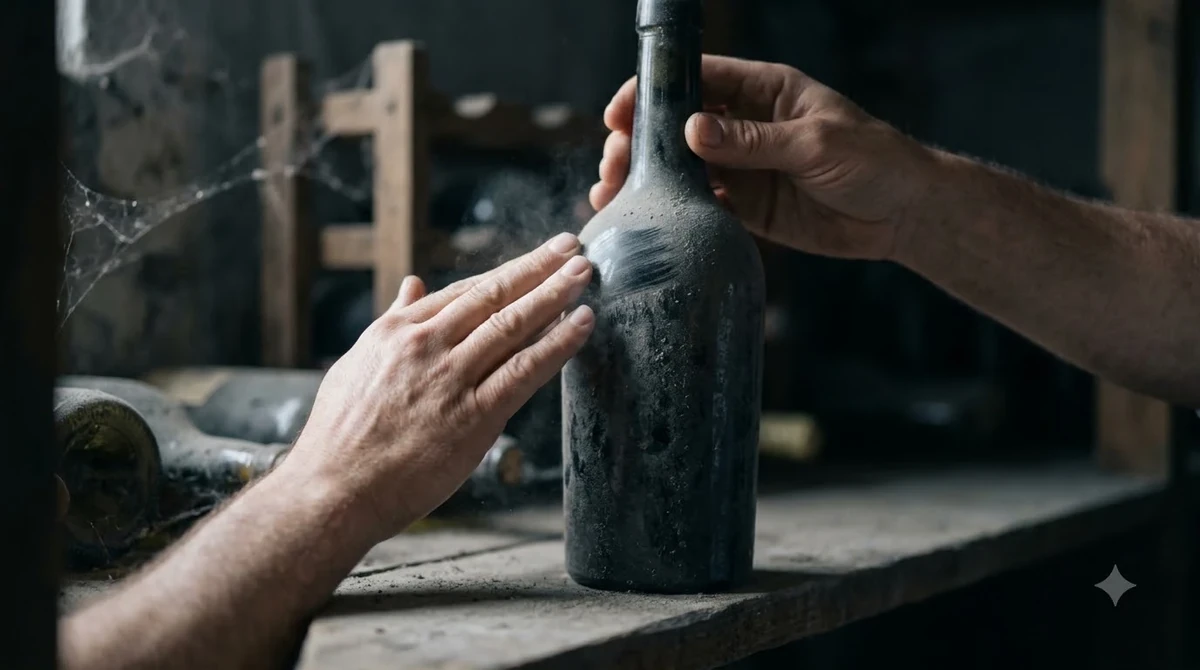
Entry-level ruby port and Ruby Reserve are filtered before bottling and aged briefly in large vessels to lock in juicy red and black fruit. Serving these bottlings right around 54°F to 57°F (12°C to 14°C) highlights their energetic acidity and makes them easy to sip alongside rich desserts or soft cheeses.
Late Bottled Vintage (LBV) and Crusted Port spend more time maturing and carry deeper concentration, darker chocolate undertones, and firmer tannins. Pouring them closer to 58°F to 61°F (14°C to 16°C) allows those layered spice and cocoa aromatics to unfold without sacrificing freshness. If you are exploring older single-harvest bottles, check our guide to vintage port serving temperature, as mature unfiltered bottlings often perform best slightly warmer at 60°F to 64°F (16°C to 18°C) after decanting.
| Port Style | Ideal Temperature (°F) | Ideal Temperature (°C) | Quick Chill Method |
|---|---|---|---|
| Standard Ruby Port | 54°F – 57°F | 12°C – 14°C | 25–30 minutes in fridge |
| Ruby Reserve | 55°F – 59°F | 13°C – 15°C | 20–25 minutes in fridge |
| Late Bottled Vintage (LBV) | 57°F – 61°F | 14°C – 16°C | 15–20 minutes in fridge |
| Crusted Port | 57°F – 61°F | 14°C – 16°C | 15–20 minutes in fridge |
Understanding these small shifts helps you tailor every bottle to the occasion. If you also keep aged wood-matured styles on hand, compare these ranges with our tawny port serving temperature breakdown, since tawny styles generally prefer a slightly cooler 50°F to 57°F (10°C to 14°C) chill.
How to Chill Ruby Port Quickly and Safely
Bringing a bottle of ruby port from a 70°F living room down to 55°F takes minimal planning and no specialized wine cellar. A standard household refrigerator operates around 38°F to 40°F, which cools a room-temperature 750ml bottle by roughly one degree every two minutes.
Placing an unopened bottle in the refrigerator for 20 to 30 minutes before dinner is the most reliable method. As reviewers at Wine Folly note, the bottle should feel cool to the touch rather than icy cold when you pull it out. If you forget to chill the bottle ahead of time, submerge it in a bucket filled with equal parts cold tap water and ice cubes for 10 to 12 minutes, giving it a gentle spin halfway through.
Tip: Never put a bottle of ruby port in the freezer to speed up chilling, as extreme cold dulls fruit aromatics and risks freezing the cork seal.
Keep in mind that wine warms up by several degrees as soon as it hits a room-temperature glass and sits on the dining table. Aiming for the cooler 54°F to 55°F mark when pouring ensures the wine stays inside its ideal window throughout a 30-minute dessert course.
Glassware, Pour Size, and Decanting
Serving temperature works hand in hand with proper glassware and portion control to shape your tasting experience. Because ruby port is fortified to around 19% to 20% ABV, a standard pour is roughly 3 ounces (about 85 ml), which is smaller than a typical 5-ounce table wine pour.

Choose a small tulip-shaped dessert wine glass or a standard white wine glass with a stem and a tapered rim. Holding the glass by the stem prevents body heat from your hand from warming the wine too quickly, while the narrower opening concentrates fresh berry and spice aromas toward your nose. Avoid tiny antique cordial glasses, which hold barely an ounce and leave no room to swirl.
Unlike mature bottle-aged Ports, standard ruby port and Ruby Reserve are fined and filtered prior to bottling, so they do not throw heavy sediment. You can pull the stopper and pour directly into your glass without decanting. The only exceptions are unfiltered Late Bottled Vintage or Crusted Ports, which benefit from standing upright for a day and being decanted gently off their natural deposit before serving.
Food Pairings That Shine at Cool Cellar Temperature
Serving ruby port at 54°F to 61°F unlocks versatile sweet and savory pairings that can feel cloying if the wine is served warm. The brisk chill sharpens the wine’s natural acidity, allowing it to cut cleanly through dense fats, rich chocolate, and pungent cheeses.
Dark chocolate desserts—such as flourless chocolate torte, molten lava cake, or dark chocolate bark with sea salt—are classic matches because the cool berry fruit mirrors the cocoa bitterness without overwhelming the palate. Berry tarts, black forest cake, and dark cherry clafoutis also harmonize naturally with ruby port’s bright raspberry and blackberry profile.
On the savory side, cool ruby port pairs wonderfully with creamy blue cheeses like Stilton, Roquefort, or Gorgonzola Dolce, as well as washed-rind soft cheeses like Brie and Camembert. The contrast between salty, creamy cheese and cool, sweet dark fruit creates a balanced finish. If you want an even lighter pre-dinner pairing, explore our guide to white port serving temperature for crisp aperitif ideas or browse our broader overview of Wine by Type.
Storing an Opened Bottle of Ruby Port
Proper storage after opening preserves both the ideal serving temperature and the fresh fruit character of ruby port. Unlike dry red table wine, which oxidizes within two to three days, ruby port’s higher alcohol and residual sugar give it extra resilience.
Always store an opened bottle upright in the refrigerator with its T-top stopper pressed firmly into the neck. Keeping the bottle upright minimizes the surface area of wine exposed to oxygen, while cold refrigerator storage slows down oxidation and keeps the wine chilled and ready for your next pour. Standard ruby port stays fresh and vibrant for about one to two weeks under refrigeration, though delicate primary berry notes are brightest during the first eight to ten days.
When you are ready for another glass later in the week, simply pour straight from the fridge and let the glass sit on the table for five to ten minutes. It will warm gently from refrigerator temperature right back into the 54°F to 61°F sweet spot.
Frequently Asked Questions
Should ruby port be served chilled or at room temperature?
Ruby port should be served slightly chilled at cool cellar temperature, between 54°F and 61°F (12°C to 16°C), rather than modern room temperature. Most American homes sit around 68°F to 72°F, which makes ruby port taste overly sweet and alcoholic. Chilling the bottle in the fridge for 20 to 30 minutes keeps its berry flavors crisp and balanced.
Can you put ice cubes in ruby port?
While you can drop a single large ice cube into ruby port for casual warm-weather sipping, it is generally better to chill the bottle beforehand so melting ice does not dilute the wine’s rich texture. If you want a refreshing Port drink over ice, White Port or Rosé Port mixed with tonic water and a citrus twist holds up much better to dilution.
How long should I chill ruby port in the fridge before serving?
Place a room-temperature bottle of ruby port in a standard refrigerator for 20 to 30 minutes before serving. This drops the liquid from roughly 70°F down to the ideal 54°F to 61°F range without muting its aromas. If the bottle has been stored cold in the fridge overnight, let it rest on the counter for 10 to 15 minutes before pouring.
Do I need to decant ruby port before serving it?
No, standard ruby port and Ruby Reserve are filtered before bottling and do not require decanting. You can open the bottle and pour it straight into a stemmed tulip glass as soon as it reaches the right temperature. Only unfiltered styles in the ruby family, such as Crusted Port or traditional unfiltered Late Bottled Vintage, need decanting to remove sediment.
Treating ruby port to a gentle 20-minute chill transforms it from a heavy after-dinner drink into a vibrant, refreshing fortified wine. Keep the bottle cool between 54°F and 61°F, pour into a stemmed tulip glass, and enjoy its bold dark fruit alongside chocolate, berries, or your favorite cheese board.
More in Wine Types & Grapes
 What Does Mourvèdre Taste Like? Flavor Profile, Regions, and PairingsUpdated Nov 20, 2026
 What Does Marsanne Taste Like? Flavors, Styles, and Food PairingsUpdated Nov 20, 2026
 What Does Malvasia Taste Like? Styles, Flavors, and Food PairingsUpdated Nov 20, 2026
 What Does Grenache Blanc Taste Like? Flavor Profile, Styles, and PairingsUpdated Nov 20, 2026
 What Does Garnacha Taste Like? Key Flavors, Styles, and Pairing TipsUpdated Nov 20, 2026
 What Does Fruit Wine Taste Like? A Complete Flavor and Style BreakdownUpdated Nov 20, 2026