


We may earn a commission when you buy through links on this page, at no extra cost to you. Learn more.
Korbel brut tasting notes reveal a crisp, medium-bodied California sparkling wine with citrus and cinnamon aromas, orange, lime, vanilla and strawberry flavors, lively bubbles, and a balanced medium-dry finish. Its combination of bright acidity and gentle sweetness makes it approachable for casual celebrations, appetizers and seafood. Made with four grape varieties and traditional bottle fermentation, Korbel Brut offers a fruit-forward sparkling style that works both as an aperitif and alongside food.
Korbel Brut is a familiar choice for weddings, holiday gatherings, brunches and informal celebrations. Its appeal comes from a recognizable combination of fresh fruit, refreshing acidity and persistent carbonation rather than a particularly austere or complex flavor profile. Understanding its grape blend, sweetness, serving temperature and food compatibility makes it easier to decide whether this California bubbly belongs at your next gathering.
Korbel Brut Aroma and Flavor Profile
Korbel Brut is primarily citrus-driven, with orange, lime and cinnamon providing its recognizable aromatic character. On the palate, vanilla and strawberry add softer fruit and spice notes that balance the wine’s lively acidity and bubbles.
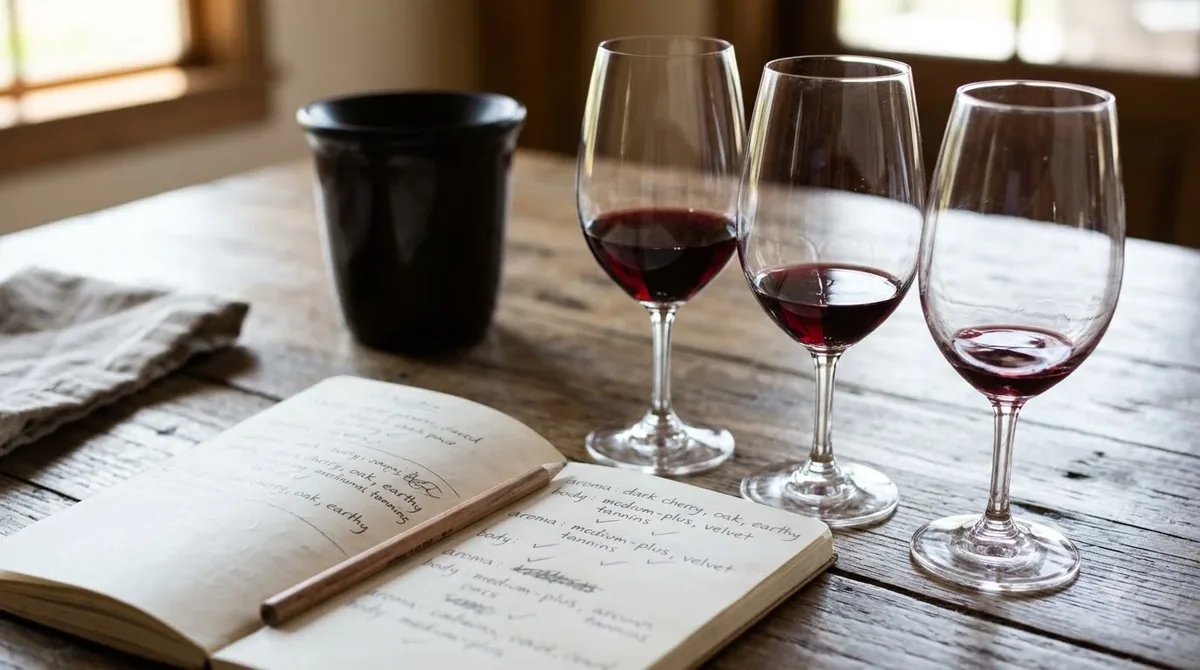
The first impression is generally fresh and fruity. The aroma combines recognizable citrus scents with a gentle cinnamon character. Orange zest and lime are particularly useful reference points when describing the wine, while the cinnamon contributes a subtle warm-spice impression rather than making the wine taste like a heavily spiced dessert.
On the palate, orange and lime provide the central flavor profile. These citrus notes give the wine its refreshing character and help keep the fruit from seeming overly sweet. Vanilla introduces a softer dimension, while strawberry contributes a delicate red-fruit impression. The combination makes the wine more rounded than a sparkling wine dominated exclusively by lemon and green apple.
The carbonation is another important part of the tasting experience. Fine, lively bubbles create a refreshing sensation across the palate and help clear the impression of richness between sips. Korbel describes its Brut as medium-bodied, while Wine Enthusiast also characterizes it as medium-bodied and accessible, with lively effervescence.
Its finish is balanced and medium-dry. Rather than ending with sharp citrus acidity alone, the wine leaves a combination of fruit, gentle sweetness and refreshing bubbles. This makes it suitable for drinkers who enjoy a recognizable dry sparkling wine style but do not necessarily want the extremely lean impression of a very low-dosage Brut Nature.
Individual bottles and serving conditions can affect how these characteristics appear. A very cold glass may emphasize acidity and carbonation while making the softer vanilla and strawberry notes less obvious. Allowing the wine a few minutes in the glass can make its fruit character easier to identify.
Sweetness, Acidity and Body
Korbel Brut is best described as medium-dry rather than completely bone-dry. It combines refreshing acidity with a modest amount of residual sweetness, producing a rounded sparkling wine that remains suitable for savory appetizers and celebratory toasts.
The word Brut describes a sweetness category used for sparkling wines. It does not mean that a wine contains absolutely no sugar. Dosage, added after the removal of fermentation sediment, helps determine the final sweetness and can soften the impression of acidity.
Korbel lists a dosage of 1% for its Brut. Wine Enthusiast describes the reviewed wine as having 10 grams of sweetness per liter, which helps round the edges of its texture. These details explain why some drinkers experience the wine as dry while others notice a slight sweetness, especially when comparing it with particularly austere sparkling wines.
Its acidity is an important counterweight to that sweetness. Korbel reports 7.6 grams per liter of acidity and a pH of 3.20. These figures help explain the wine’s crisp impression and its ability to work with foods that have some salt, fat or natural richness.
| Characteristic | Korbel Brut | What It Means |
|---|---|---|
| Alcohol | 12% ABV | Moderate strength for a sparkling wine |
| Acidity | 7.6 g/L | Fresh, lively palate |
| pH | 3.20 | Supports its crisp impression |
| Dosage | 1% | Contributes to the rounded finish |
| Residual sweetness | 10 g/L in Wine Enthusiast’s review | A subtle sweet impression |
| Bottle size | 750 ml | Approximately five standard pours |
The distinction between sweetness and fruit flavor is especially important. A wine can smell strongly of oranges, strawberries or ripe apples without containing enough residual sugar to taste distinctly sweet. Korbel’s fruit-forward aromas contribute to its approachable character, but its medium-dry finish and acidity keep it from drinking like a sweet dessert wine.
Its medium body also makes it flexible at the table. It has enough flavor to accompany fried appetizers, shellfish and mild cheeses without feeling particularly heavy. At the same time, its fruit character makes it approachable as a standalone celebratory drink.
Tip: If you prefer very dry sparkling wine, compare Korbel Brut with an Extra Brut or Brut Nature style. If you enjoy softer fruit flavors and a slightly rounded finish, Korbel’s medium-dry character may be more appealing.
The Four Grapes Behind the Blend
Korbel Brut combines Chardonnay, Chenin Blanc, French Colombard and Pinot Noir. Each grape contributes a different dimension to the finished sparkling wine, creating a balanced blend rather than a single-variety expression.
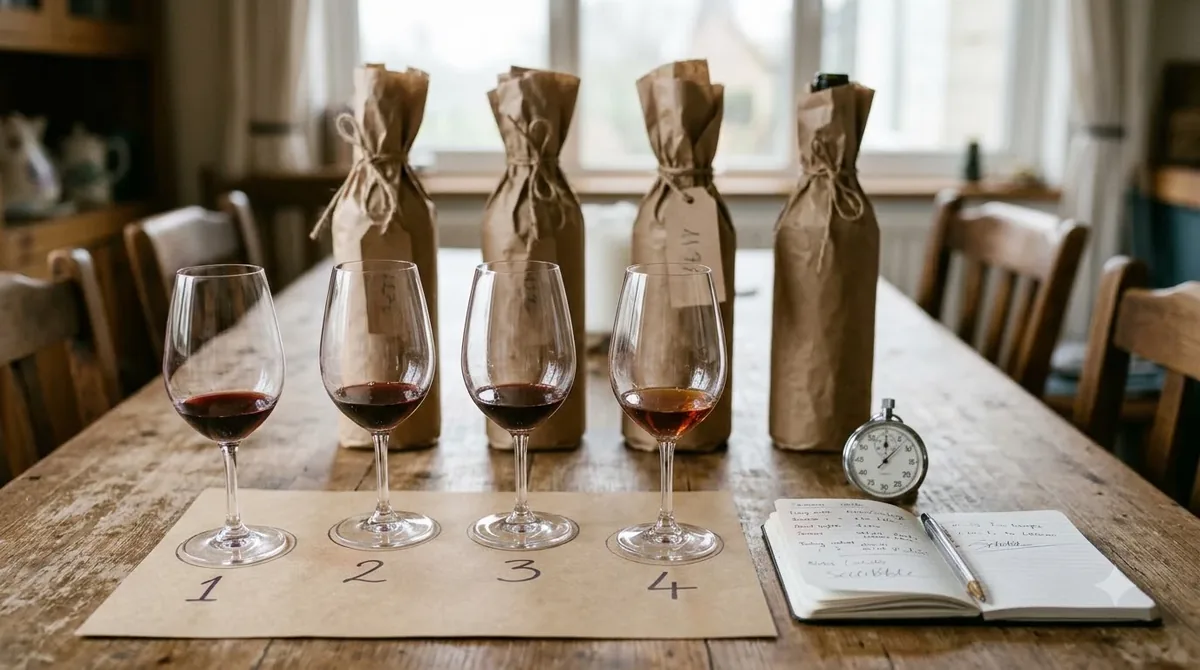
Chardonnay is an important traditional sparkling-wine grape. It contributes freshness, citrus character and structure. Its naturally balanced profile works well in a sparkling blend because it can support bright acidity without overwhelming more delicate fruit aromas.
Chenin Blanc contributes another layer of freshness and fruit. Depending on growing conditions and winemaking decisions, Chenin Blanc can express apple, pear, citrus and floral characteristics. In a blend such as Korbel Brut, it helps broaden the fruit profile and contributes to the wine’s accessible character.
French Colombard is particularly useful for producing fresh, approachable wines. Its contribution can include crisp acidity and light citrus or orchard-fruit impressions. It also gives the blend a character distinct from sparkling wines made exclusively from the traditional Champagne grapes.
Pinot Noir is widely used in traditional-method sparkling wine production. Although it is a red grape, careful handling of the juice can produce white sparkling wine. Pinot Noir contributes structure and fruit complexity without requiring the finished wine to have a red color.
The four-grape combination is an important part of Korbel’s identity. It helps explain why the finished wine can show orange, lime and vanilla alongside a hint of strawberry instead of tasting like a simple Chardonnay-based sparkling wine.
Blending also offers practical consistency. Korbel explains that blending different grape varieties, appellations and harvest years is central to its sparkling-wine production. Because Brut is non-vintage, the goal is to maintain a recognizable house style rather than express the conditions of one particular growing season.
This approach makes Korbel Brut different from a vintage-dated sparkling wine, where the character of a specific harvest may be more prominent. For drinkers who want a familiar style for repeated celebrations, a consistent non-vintage blend can be an advantage.
Traditional Bottle Fermentation and California Origins
Korbel Brut is made using traditional méthode champenoise bottle fermentation in California. This production approach involves a second fermentation inside the bottle, which creates the carbon dioxide responsible for the wine’s natural bubbles.
The process begins with a base wine made from the grape blend. After the initial fermentation, the wine undergoes another fermentation in its bottle. Yeast consumes the available sugar and produces alcohol and carbon dioxide. Because the bottle is sealed, the carbon dioxide dissolves into the wine and creates its characteristic effervescence.
Traditional bottle fermentation is also used for Champagne and many Cava wines. This distinguishes these wines from sparkling wines made through the tank method, in which the secondary fermentation occurs in a pressurized tank before bottling.
Korbel says that its Brut grapes are harvested approximately two weeks earlier than grapes intended for typical still wines. Earlier harvesting helps preserve the delicate, crisp and bright characteristics desired in sparkling wine. The producer also identifies 100% stainless-steel fermentation for this bottling.
The wine’s California identity is equally important. Korbel is associated with Sonoma County, with its winery located in Guerneville among the redwoods above the Russian River. Sonoma County Tourism identifies the producer as having been founded in 1882.
There is also a distinction worth understanding about the word Champagne. Champagne is the legally protected regional name for sparkling wine produced in the Champagne region of France. Korbel uses the historical term California Champagne, but the wine’s geographical origin is California, not France.
This does not make the wine an imitation of a particular French bottle. Instead, it places Korbel within California’s own long-established sparkling-wine tradition, using a production method shared with Champagne while expressing a different regional identity and grape blend.
For additional background on the producer’s winemaking approach, the official Korbel Brut tasting and winemaking details provide the grape composition, acidity, dosage and fermentation information behind this sparkling wine.
For additional background on other sparkling-wine producers, the Wine Brands section provides a useful starting point for understanding the differences between regional producers and house styles.
Best Food Pairings for Korbel Brut
Korbel Brut pairs particularly well with salty appetizers, shellfish, fried foods and mild cheeses. Its acidity and carbonation refresh the palate, while its medium-dry fruit character complements dishes that contain salt, delicate sweetness or moderate richness.
Seafood and shellfish are among the most natural matches. Oysters, shrimp, crab and scallops work well because their delicate flavors do not overpower the wine. The citrus notes also complement seafood preparations with lemon, herbs or light vinaigrettes.
Fried foods are another strong pairing. Fried calamari, tempura vegetables, fried shrimp and crispy chicken appetizers all benefit from the wine’s acidity and carbonation. The bubbles help refresh the palate after each rich, oily bite, while the citrus character adds contrast.
Salty snacks are especially compatible with the medium-dry finish. Potato chips, salted nuts, pretzels and savory crackers bring out the fruit character and make the wine feel more balanced. Salt also softens certain bitter or sharp impressions in food, helping the combination feel less aggressive.
Cheese works best when the selection is not too powerful. Brie, fresh mozzarella, young Gouda and mild cheddar can complement the wine without dominating its fruit profile. Strong blue cheeses and intensely aged varieties may be more difficult matches because their concentrated flavors can overwhelm a straightforward sparkling wine.
Egg dishes offer another practical option. A brunch spread featuring scrambled eggs, smoked salmon, quiche or a mild cheese omelet can work particularly well. The wine’s acidity provides contrast to the richness of eggs and cheese, while the bubbles keep the pairing refreshing.
Roasted poultry is also a suitable choice. Roast chicken with lemon, herbs or a light pan sauce is a better match than heavily sweetened or spicy preparations. The wine’s citrus and fruit notes complement the lighter flavors without requiring a particularly elaborate recipe.
| Food | Pairing Strength | Why It Works |
|---|---|---|
| Oysters | Excellent | Delicate seafood complements citrus acidity |
| Fried calamari | Excellent | Carbonation refreshes after fried textures |
| Shrimp cocktail | Very good | Bright fruit complements shellfish |
| Brie | Very good | Creamy texture balances lively acidity |
| Salted potato chips | Excellent | Salt complements the medium-dry finish |
| Roast chicken | Very good | Mild savory flavors suit medium body |
| Spicy curry | Limited | Alcohol and spice can amplify chili heat |
| Rich chocolate cake | Limited | Dessert sweetness can make the wine seem sour |
There are a few combinations to approach carefully. Very spicy foods can make the alcohol and tannin impression more pronounced, while extremely sweet desserts can make a medium-dry sparkling wine taste comparatively sharp. If serving Korbel Brut with dessert, choose a dessert that is no sweeter than the wine, or select a sweeter sparkling style instead.
Oily fish served with heavy sauces can also create an awkward combination, particularly when the preparation is rich or strongly flavored. For salmon, a lighter preparation with lemon, herbs and a moderate amount of seasoning is generally more suitable than an intensely oily or smoky dish.
Serving Temperature, Glassware and Storage
Serve Korbel Brut well chilled at approximately 40–50°F. This temperature range preserves the refreshing bubbles, keeps the acidity lively and allows the citrus and fruit aromas to remain recognizable.
A bottle that is too warm may seem softer and less refreshing, with alcohol becoming more noticeable. A bottle that is excessively cold can hide the softer strawberry and vanilla notes. If the wine has been stored in a refrigerator, pouring a small amount and allowing it to warm slightly in the glass can help reveal more of its aromatic character.
A standard sparkling-wine flute is a familiar serving choice because its narrow shape emphasizes the visual movement of the bubbles. However, a small white-wine glass can also work well. Its wider bowl gives the citrus, cinnamon and fruit aromas more room to develop.
For a typical gathering, a 750 ml bottle provides approximately five standard 5-ounce servings. This makes it easy to estimate how many bottles are needed for a toast or small dinner party. A 187 ml individual bottle, also offered by Korbel, provides a smaller serving option.
Opening the bottle carefully is important. Remove the foil and loosen the wire cage while keeping a hand over the cork. Hold the cork securely, angle the bottle away from people and gently rotate the bottle rather than pulling the cork upward. A controlled release helps preserve more carbonation and reduces the risk of spills.
Once opened, sparkling wine loses its carbonation more quickly than still wine. Refrigerate the remaining wine promptly and use a sparkling-wine stopper designed to maintain pressure. A reasonable drinking window is approximately one to three days, although the bubbles and freshness generally decline with time.
For unopened bottles, a cool, dark storage area is preferable to a warm kitchen or a location exposed to sunlight. A temperature near 55°F is a useful storage target. Bottles intended for longer storage can be kept on their sides to help maintain contact between the cork and wine.
Korbel Brut is primarily designed for enjoyment as a fresh, fruit-forward sparkling wine rather than extended cellaring. Its citrus-driven style and lively carbonation are best appreciated while the wine retains its freshness.
How Korbel Brut Compares With Other Brut Sparkling Wines
Korbel Brut occupies an approachable position among California sparkling wines. Its four-grape blend, medium-dry finish and citrus-forward flavor profile distinguish it from both more austere traditional-method wines and sparkling wines with sweeter, softer profiles.
One useful comparison is Chandon Brut tasting notes. Comparing the two can help explain how different California sparkling-wine producers approach the balance of fruit, acidity and texture. Both belong to the broader California sparkling category, but their individual blends and house styles should be evaluated separately rather than assumed to taste alike.
Another useful reference is Piper-Heidsieck Brut tasting notes. Champagne from France generally offers a different regional expression, with its own grape sourcing, production choices and flavor characteristics. Traditional bottle fermentation provides a shared production foundation, but geographical origin and blending decisions remain important differences.
For a further Champagne comparison, Taittinger Brut tasting notes provide another reference point. Chardonnay can play an important role in Champagne blends, and comparing the resulting citrus, orchard-fruit and texture characteristics can help identify differences between individual producers.
These comparisons are most useful when focusing on specific characteristics rather than treating all Brut wines as interchangeable. The Brut designation communicates a sweetness category, not a guarantee of identical flavor, acidity, grape composition or winemaking technique.
Korbel Brut is a practical choice for drinkers who prefer accessible fruit, refreshing carbonation and a rounded finish. Those seeking a much drier or more complex sparkling wine may prefer to explore Extra Brut, vintage-dated bottlings or traditional Champagne from established houses.
Frequently Asked Questions
Is Korbel Brut vegan?
Vegan suitability depends on the fining and filtration materials used during production. The listed grape varieties and fermentation method alone do not establish whether a particular bottling is vegan. Contact the producer for confirmation of the current production process.
Does Korbel Brut contain sulfites?
Wine naturally contains sulfites as a result of fermentation, and additional sulfur dioxide may be used during winemaking to help protect the wine. Bottled wine containing at least 10 parts per million of total sulfites must carry the applicable sulfite declaration in the United States. The exact concentration in an individual Korbel Brut bottle is not specified in the producer’s published tasting details.
Is Korbel Brut a vintage or non-vintage wine?
Korbel Brut is a non-vintage sparkling wine. Its blending approach can combine wines from different harvest years to maintain a recognizable house style. This differs from a vintage sparkling wine, which identifies a particular harvest on the label.
Can Korbel Brut be used in sparkling wine cocktails?
Yes. Its citrus-forward flavor and lively carbonation make it suitable for simple sparkling cocktails such as a mimosa or a sparkling wine spritz. For a mimosa, combine approximately 3 ounces of chilled sparkling wine with 3 ounces of orange juice, adjusting the proportions to suit the desired fruit intensity.
What is the difference between Korbel Brut and Korbel Extra Dry?
Despite the name, Extra Dry sparkling wine is generally sweeter than Brut. Korbel lists a dosage of 1.5% for Extra Dry, compared with the 1% dosage listed for Korbel Brut. Extra Dry can therefore offer a softer, sweeter impression, making it a useful alternative for drinkers who prefer more noticeable sweetness.
Korbel Brut is a fruit-forward California sparkling wine with citrus and cinnamon aromas, orange, lime, vanilla and strawberry flavors, and a refreshing medium-dry finish. Its traditional bottle fermentation, approachable texture and versatile food pairings make it a practical option for celebrations, seafood appetizers and casual entertaining. Serve it chilled, pair it with savory foods and enjoy it while its lively bubbles are at their freshest.
More in Wine Brands
 Louis Latour Wine Price: Compare Bottles by Style and TierUpdated Nov 20, 2026
 Yellow Tail Moscato Price: What to Expect Before You BuyUpdated Nov 20, 2026
 Sutter Home Sweet Red Review: Find the Right Food PairingsUpdated Nov 20, 2026
 Franzia Chillable Red Review: Find the Right Serving StyleUpdated Nov 20, 2026
 Veuve Clicquot Rose Review: Flavor, Food Pairings and Buying AdviceUpdated Nov 20, 2026
 Rombauer Wine Price: Compare Bottles Before You BuyUpdated Nov 20, 2026