


We may earn a commission when you buy through links on this page, at no extra cost to you. Learn more.
Freixenet red wine is a range of Spanish still reds, including a fruit-forward 100% Tempranillo Mía and a separate Catalan blend made with Garnacha, Syrah, and Cabernet Sauvignon. The name alone does not identify one fixed recipe, so the grape blend, alcohol level, and regional designation depend on the bottle. Both styles are built around approachable fruit, but they offer different structures and flavor accents.
Freixenet is best known internationally for sparkling wine, yet its Spanish portfolio also includes still wines. Understanding which red appears on the label makes it easier to predict what is in the glass, what to serve alongside it, and how cool to pour it.
What Freixenet Red Wine Means
Freixenet red wine is not a single, unchanging product. The producer has released more than one still red under its name, and the Mía line is distinct from the Freixenet Wine Collection’s Special Selection Red.
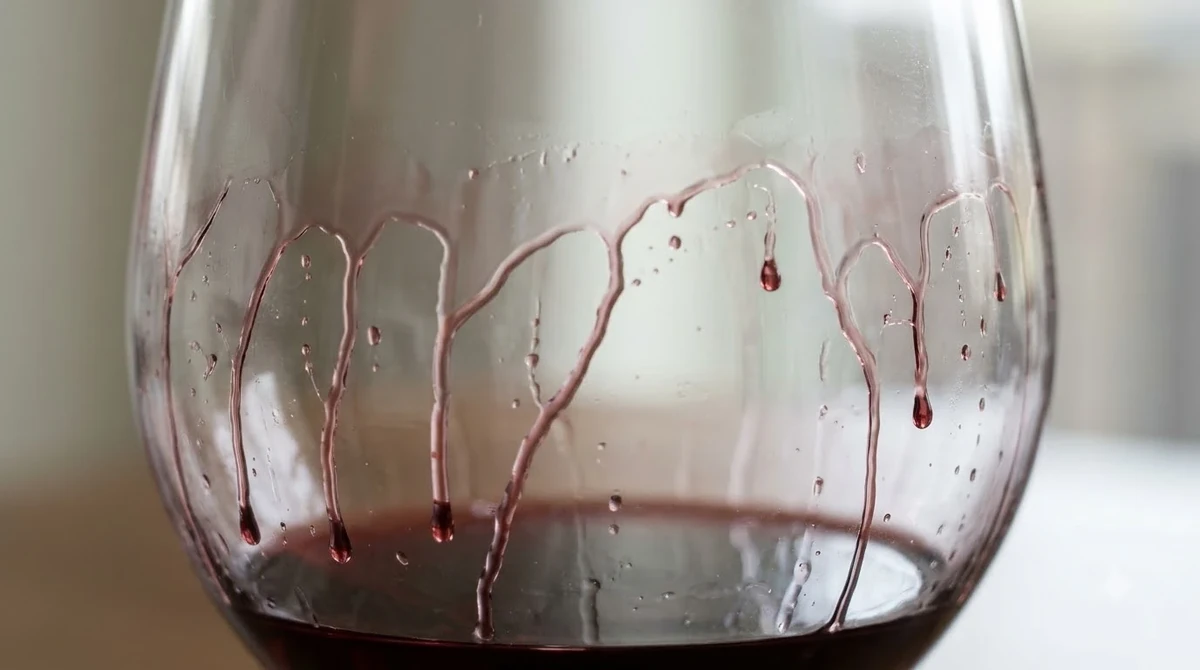
Freixenet’s identity is closely tied to Spanish sparkling wine. The company traces its history to 1861 in Sant Sadurní d’Anoia, in Catalonia’s Cava region, and its wider portfolio includes sparkling wines as well as still wines. That background helps explain why the brand name appears on several wine styles rather than only on Cava. A reader exploring the wider category can use our introduction to Wine Brands to see how a single producer name can cover different regions, grapes, and styles.
For red wine shoppers, the most useful distinction is between a varietal-style Tempranillo bottling and a blended red. Freixenet’s Mía Still Red is described by the producer as 100% Tempranillo, with plum and red-berry character. The company’s Special Selection Red, by contrast, was introduced as a DO Catalunya wine made from Garnacha, Syrah, and Cabernet Sauvignon. Their differences are important: the wines do not share an identical grape recipe, regional designation, or published technical profile.
Availability depends on the country and retailer, and bottles may appear under slightly different range names, such as Mía Tinto or Mía Still Red. Use the full front and back label, not only the large Freixenet name, to identify the wine in hand.
The Main Freixenet Red Bottlings
Two producer-documented styles show why the label matters: Mía Still Red is a Tempranillo-led wine from Spain, while Special Selection Red is a three-grape blend covered by DO Catalunya. Their published specifications offer a practical starting point for comparing bottles.
Mía Still Red is the simpler grape-variety call. Freixenet describes it as made from 100% Tempranillo and gives an alcohol level of 11.5% ABV, a listed dosage of 12 grams per liter, and a recommended serving temperature of 12–13°C. The product description emphasizes plum, red berries, soft tannins, and a smooth, balanced finish. The producer suggests tapas, meat, pasta, and grilled vegetables, making this style easy to place with casual meals rather than only formal dinners.
The second style, Special Selection Red, was announced by Freixenet Iberia as part of its still-wine collection and carries the DO Catalunya designation. Its blend combines Garnacha, Syrah, and Cabernet Sauvignon. The winery described the wine as Bordeaux-red with violet reflections and explained that the grapes were harvested at night by machine to avoid high temperatures. Gentle pressing and fermentation at low temperatures were used to preserve fresh fruit character.
Freixenet recommended serving Special Selection Red at approximately 14°C. Its published description highlights black fruit, including blueberry, plum, and cherry, along with balsamic notes and fresh Mediterranean herbs. The aroma description also includes ripe cherries and blackberries, with hints of vanilla, caramel, licorice, and young cedar. The launch material does not give a specific alcohol percentage or the proportions of the three grapes, so those details should not be assumed.
| Bottling | Grape information | Region or designation | Published alcohol | Producer serving advice |
|---|---|---|---|---|
| Mía Still Red | 100% Tempranillo | Spain | 11.5% ABV | 12–13°C (54–55°F) |
| Special Selection Red | Garnacha, Syrah, Cabernet Sauvignon | DO Catalunya, Spain | Not specified in launch announcement | About 14°C (57°F) |
These specifications apply to the named releases, not every Freixenet red in every market. The Mía listing gives an alcohol figure; the Special Selection announcement does not. Compare the exact product name and vintage rather than treating all Freixenet reds as interchangeable.
Flavor, Body, and Tannin to Expect
Freixenet’s red styles share a fruit-forward approach, but Tempranillo and the Garnacha-Syrah-Cabernet blend point to different flavor paths. The Mía red is described with plum and red berries and soft tannins; Special Selection leans toward darker fruit, herbs, and savory aromatic details.
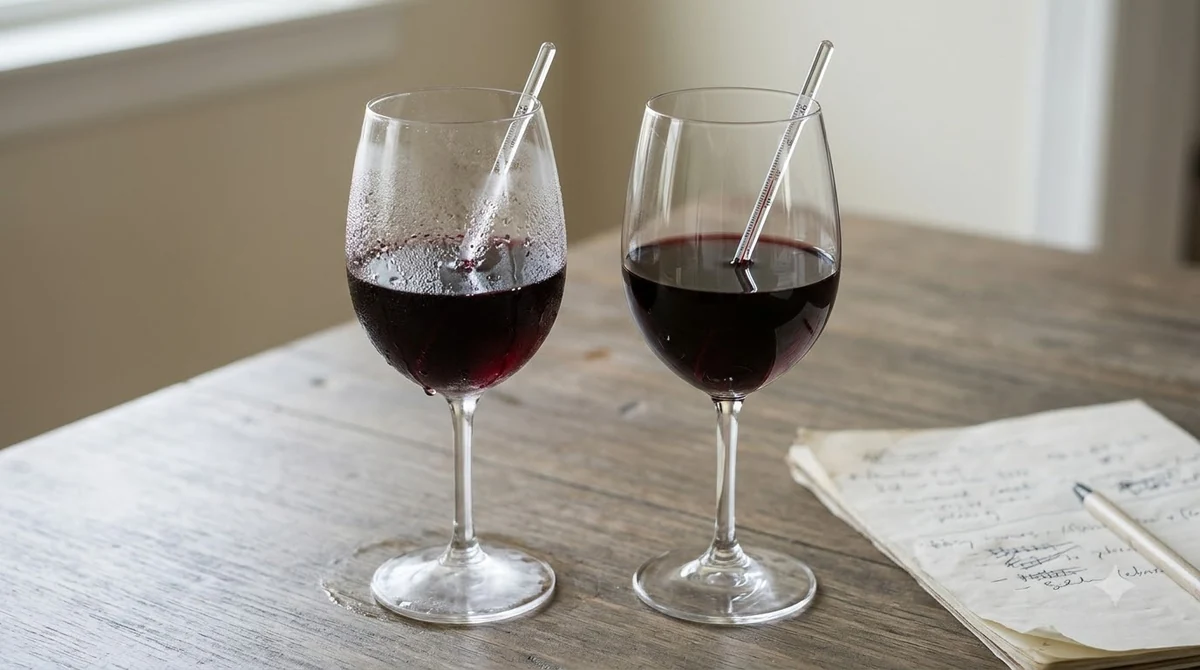
In Mía Still Red, look for an easygoing profile centered on ripe plum and red-berry fruit. The producer calls the tannins soft and the finish smooth and balanced, so the wine is likely to feel less drying than a strongly structured Cabernet Sauvignon or a powerful Syrah. Tempranillo can show cherry, raspberry, and plum, with tobacco, herbs, or leather appearing in some styles. Those broader grape characteristics provide context, not a guarantee that every aroma will be obvious in this particular bottle.
Tempranillo’s range is broad because the grape can be made as a juicy young red or as a more structured wine with oak influence. Decanter describes strawberry fruit in younger versions and notes that oak-aged examples can develop vanilla, licorice, and tobacco spice. Wine Enthusiast also identifies plum, raspberry, and tart cherry as common fruit notes, with tobacco, herbs, and leather among possible secondary characters. Its Tempranillo varietal overview is useful background for understanding why two wines from the same grape can taste noticeably different.
Special Selection Red has a broader blend profile. Garnacha can contribute ripe red-fruit character, Syrah can lend darker fruit and spice, and Cabernet Sauvignon can contribute structure. Freixenet’s own description emphasizes blueberries, plums, cherries, blackberries, Mediterranean herbs, balsamic notes, and a touch of vanilla, caramel, licorice, and cedar. These are tasting descriptors rather than ingredients added to the wine. The aroma can seem more layered than a straightforward young-fruit red, while the palate description emphasizes freshness and juiciness.
Neither name guarantees a heavy, oak-dominated red. If you prefer softer texture, the Mía description is the clearest clue; if you enjoy black-fruit notes and herbal or spice accents, Special Selection may be closer to your preference.
How to Choose the Right Bottle
Choose by grape blend, alcohol, and flavor description rather than by the Freixenet name alone. Mía Still Red is the clearer choice for a Tempranillo profile with soft tannins, while Special Selection Red suits someone looking for a Catalan blend with darker fruit and herbal complexity.
For a relaxed red to pour with weeknight food, Mía offers the more straightforward profile on paper. Its 11.5% ABV listing is lower than many fuller-bodied reds, and its stated 100% Tempranillo composition makes the grape identity easy to understand. Plum and red berries are familiar flavors, while soft tannins make the wine a sensible match for tomato pasta, roast chicken, mild sausages, or grilled vegetables. It can also work when a group wants a red wine that will not dominate every dish on the table.
For a red with a more varied flavor profile, the Special Selection blend is worth considering. Garnacha, Syrah, and Cabernet Sauvignon bring different strengths, and Freixenet describes the result through black fruit, Mediterranean herbs, balsamic character, and sweet-spice-like aromas. This can be a more natural partner for grilled lamb, beef, mushroom dishes, or richly seasoned tapas. The product’s DO Catalunya designation also gives a clear regional marker, unlike a broad country-only description.
Think about style comparisons as well. A reader who enjoys the bright, fruit-forward character of Spanish reds might compare this category with Campo Viejo red wine, while someone exploring how international producers build wine ranges can look at Baron Philippe de Rothschild wine. These are useful reference points, not claims that the wines taste alike or use the same grapes. Producer, appellation, vintage, and winemaking choices all affect the result.
Remember that the published 11.5% ABV belongs to the Mía Still Red listing only, not to Special Selection Red or every Freixenet red. For alcohol, residual sugar, or oak details, rely on the exact bottle’s technical information rather than guessing.
Food Pairings for Freixenet Red Wine
Pair Mía with foods that complement ripe plum and red berries without overwhelming its soft tannins, and pair the Special Selection blend with grilled or savory dishes that suit its black-fruit and herbal notes. Both styles can work with Spanish-inspired meals, including tapas, pasta, grilled vegetables, and meat.
For Mía, start with tomato-based pasta, grilled zucchini, roasted peppers, chicken skewers, or pork tenderloin. The wine’s red-fruit profile can sit comfortably beside tomato acidity and herbs, while soft tannins are less likely to clash with leaner meats. A spread of tapas is another natural direction: patatas bravas, tortilla española, croquetas, grilled mushrooms, and mild chorizo bring enough savory flavor to keep the wine from seeming overly fruity. Avoid making every dish intensely hot, since chili heat can make alcohol and tannin seem more aggressive.
Special Selection Red can handle deeper savory flavors. Try lamb chops with rosemary, grilled beef, pork ribs, sausage, or a mushroom and lentil stew. Its black-fruit and herbal profile can complement browned meat, roasted garlic, thyme, and smoked paprika. Aged Manchego or another firm sheep’s-milk cheese can also work, especially when served with olives, roasted nuts, and rustic bread. The salt and fat in a meal can soften the impression of tannin, while a little char can echo the wine’s darker aromatic notes.
Vegetarian dishes work too: try grilled eggplant, lentils with smoked paprika, mushroom risotto, or roasted red peppers. For an acidic tomato sauce, choose a wine with enough freshness to keep the sauce from making it seem flat; Freixenet specifically describes Special Selection as having good acidity.
As a simple rule, match the dish’s intensity to the wine. Mild vegetables and cheese suit the softer Mía profile; lamb, beef, and richly seasoned mushrooms can stand up to Special Selection. A sweet glaze can make a dry red seem sharper, so avoid pairing a very dry wine with a notably sweet sauce.
Tip: Serve Mía with tomato pasta or grilled vegetables, and reserve the darker-fruited Special Selection blend for lamb, beef, or mushroom dishes. For either bottle, keep chili heat moderate and let the wine’s fruit remain in the foreground.
Serve the red with the main course rather than delicate seafood starters. Tannic reds can clash with oily fish, so chicken, pork, and vegetables are more reliable partners than grilled salmon or tuna. Cured meats, olives, bread, and Manchego make an easy tapas spread.
Serving Temperature, Pouring, and Storage
Serve these reds slightly cool rather than warm: Freixenet recommends 12–13°C for Mía and about 14°C for Special Selection Red. A gentle chill helps keep the fruit fresh and the alcohol from seeming too prominent, particularly in a warm room.
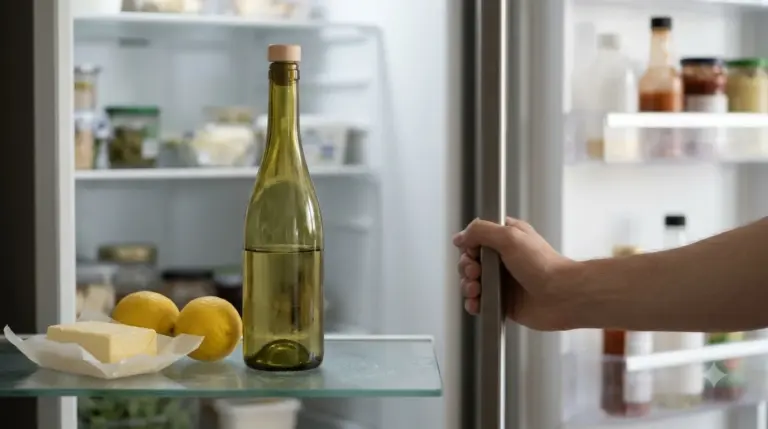
Those producer temperatures translate to roughly 54–55°F for Mía and 57°F for Special Selection. A practical target for light to medium-bodied reds is 55–60°F, which is also the general serving range Wine Enthusiast gives for Tempranillo. If the bottle has been stored at room temperature, place it in the refrigerator briefly before serving and check the temperature with a wine thermometer if precision matters. Do not serve either wine ice-cold; excessive chill can mute aromas and make tannin feel more noticeable.
Use a standard 5-ounce pour; a 750-milliliter bottle contains about five servings. A medium-sized red-wine glass with room to swirl works well. No special glass or decanter is essential, and a bottle that seems closed can be given 10 to 15 minutes in the glass.
Store unopened bottles away from light and temperature swings, ideally near 55°F; cork-finished bottles are generally kept on their sides. After opening, reseal the wine and refrigerate it. Most still wines keep for about 3–5 days under refrigeration, although fruit and freshness gradually fade.
Long decanting is usually unnecessary for these fruit-led styles. A soft Mía bottling may need little air, while a fuller or more closed red can benefit from a short rest in the glass or decanter.
Frequently Asked Questions
The key distinction is between Mía Still Red, listed as 100% Tempranillo, and the Special Selection Red blend of Garnacha, Syrah, and Cabernet Sauvignon. Their producer descriptions also give different serving temperatures: 12–13°C for Mía and about 14°C for Special Selection.
Is Freixenet red wine sweet or dry?
It depends on the bottling and market. Mía Still Red lists a dosage of 12 grams per liter, but that figure alone does not establish the style of every Freixenet red.
Is Freixenet red wine sparkling?
No, Mía Still Red and Special Selection Red are still wines. Freixenet also makes Cava, but “Tinto” means red wine in Spanish and does not indicate bubbles.
Is Freixenet red wine vegan?
Freixenet describes Mía Still Red as suitable for vegetarian and vegan diets and Special Selection Red as vegan. That information applies to those releases, so confirm details for a different bottling.
Does Freixenet red wine need to breathe?
Freixenet does not identify either named red as requiring decanting. For a young red, decanting mainly adds oxygen; it does not change the grape blend or substitute for aging.
Can Freixenet red wine be used for cooking?
Yes, use it in tomato-based pasta sauces, pan sauces, or slow-cooked stews. Choose a bottle you enjoy drinking and avoid reducing a noticeably sweet red into a savory sauce.
Freixenet red wine is easiest to choose when you identify the exact bottling first: Mía offers a soft, Tempranillo-led profile, while Special Selection brings together three Spanish red grapes in a Catalan blend. Match the bottle to the meal, serve it a little cool, and use the label’s own specifications when comparing vintages or regional versions.
More in Wine Brands
 Sassicaia Wine Review: How to Choose, Serve, and Store This Tuscan RedUpdated Nov 21, 2026
 Santa Rita Wine Price: Compare Bottles Across Every BudgetUpdated Nov 21, 2026
 Santa Margherita Wine Review: Find the Right Italian Wine for Your TableUpdated Nov 21, 2026
 Schmitt Sohne Wine Review: Find the Right German Wine for Your TasteUpdated Nov 21, 2026
 Riunite Wine Review: Find the Right Italian Wine for Your TasteUpdated Nov 21, 2026
 Robert Mondavi Private Selection Wine Review: Choose the Right BottleUpdated Nov 21, 2026