
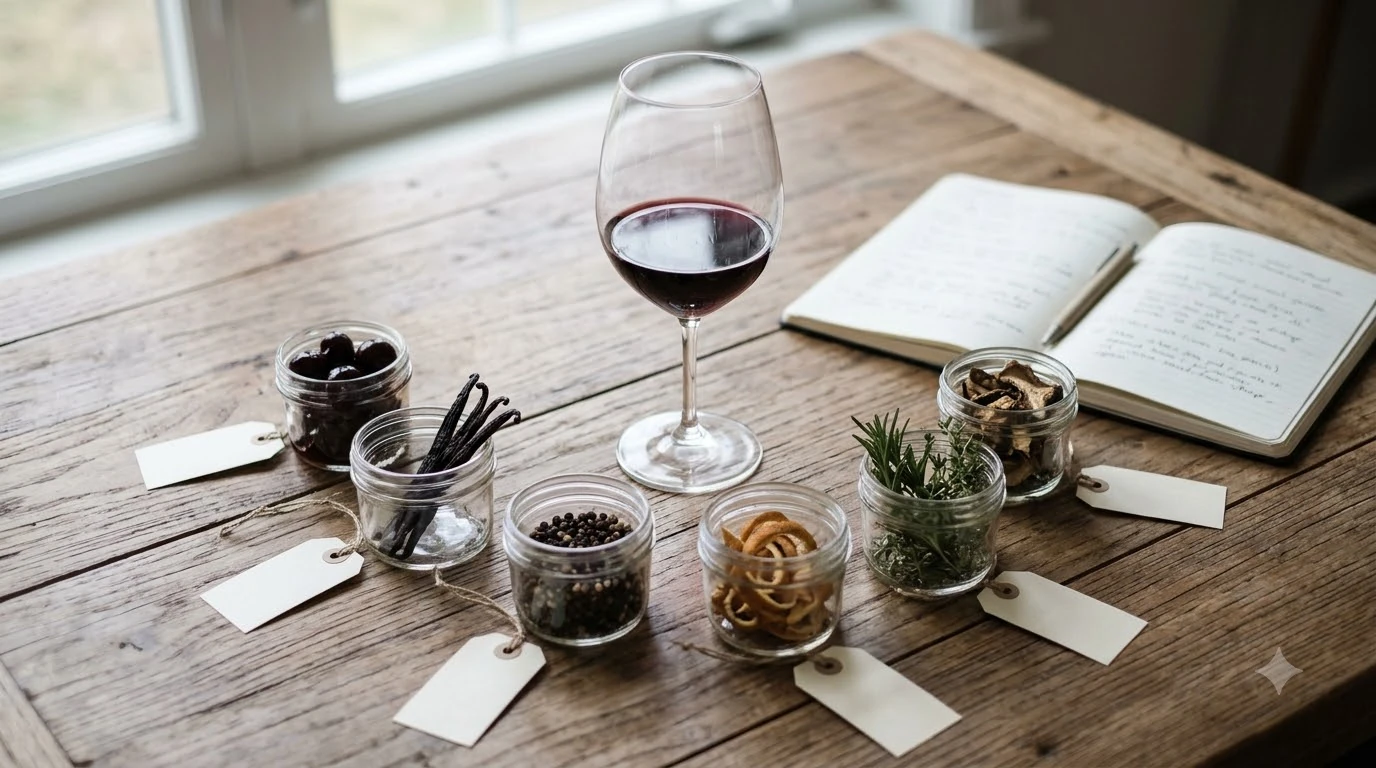

We may earn a commission when you buy through links on this page, at no extra cost to you. Learn more.
Josh Chardonnay sugar content is approximately 0.74 grams per 5 oz glass, based on a reported residual-sugar measurement of 5 grams per liter. That amount places the wine near the dry end of the sweetness spectrum rather than among sweet white wines. Its citrus, honey, peach, and oak flavors can create an impression of sweetness without indicating a high concentration of actual sugar.
If you enjoy California Chardonnay but prefer a wine that does not taste like a dessert wine, Josh Cellars Chardonnay is worth understanding in terms of both its measurable sugar and its flavor profile. The distinction between fruit aromas, perceived sweetness, and residual sugar makes it easier to decide whether this bottle matches your preferences. Here is how to interpret its reported sugar level, estimate the amount in different serving sizes, and pair it with food.
How Much Sugar Is in Josh Cellars Chardonnay?
Josh Cellars Chardonnay has a reported residual-sugar measurement of 5 grams per liter, equivalent to approximately 0.74 grams in a standard 5 oz serving. This is a relatively small amount for a white wine, although the figure should be understood as a reported product measurement rather than a guarantee for every production lot.
The figure comes from an LCBO product listing for Josh Cellars Chardonnay. The producer’s own product page describes the wine as having subtle sweetness, but does not publish a numerical residual-sugar measurement. That distinction matters because retailer technical information and a winery’s tasting description provide different kinds of information.
To understand the reported figure, it helps to convert grams per liter into the amount in a glass. A liter contains approximately 33.8 US fluid ounces, while a standard wine serving is 5 oz. Consequently, a 5 oz serving represents approximately 0.148 liters of wine.
Multiplying 5 grams per liter by 0.148 liters produces approximately 0.74 grams of residual sugar. This is the estimated sugar naturally remaining in the finished wine, not the amount of grape sugar present before fermentation.
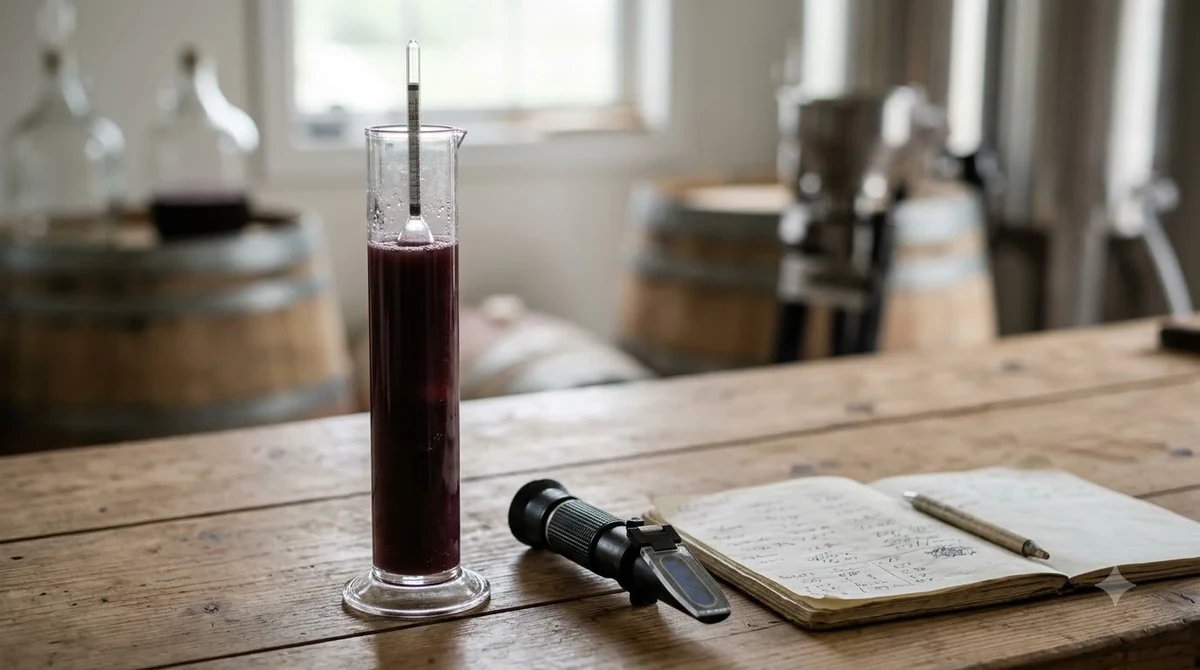
The following estimates use the reported 5 g/L figure and standard serving-volume conversions. They provide a practical comparison for people who usually pour wine by the glass or share a bottle at dinner.
| Serving size | Approximate sugar | Equivalent measurement |
|---|---|---|
| 3 oz | 0.44 g | Small tasting pour |
| 5 oz | 0.74 g | Standard wine serving |
| 6 oz | 0.89 g | Generous glass |
| 8 oz | 1.18 g | Large pour |
| 750 ml bottle | 3.75 g | Approximately five standard glasses |
| 1 liter | 5 g | Reported reference volume |
These calculations assume that the wine contains 5 grams of residual sugar per liter throughout the bottle. They are mathematical estimates, not separate laboratory measurements for each serving size. A larger glass contains proportionally more sugar because it contains more wine.
For a practical comparison, a standard 5 oz serving contains less than 1 gram of residual sugar. Even an 8 oz pour contains only about 1.18 grams using this measurement. That makes the wine a relatively low-sugar choice within the broad range of white-wine styles.
The 375 ml bottle listed by the LCBO also has a reported concentration of 5 g/L. Its estimated total residual sugar is approximately 1.88 grams, or half the amount in a 750 ml bottle at the same concentration.
Is Josh Chardonnay Dry or Sweet?
Josh Cellars Chardonnay is best understood as a dry-leaning white wine with noticeable fruity aromas and a subtle impression of sweetness. Its reported 5 g/L sugar level is close to commonly used dry-wine thresholds, although formal classifications also consider acidity.
The International Organisation of Vine and Wine defines dry wine as containing no more than 4 g/L of glucose and fructose, with an allowance up to 9 g/L when acidity meets specified conditions. Under this classification, 5 g/L can qualify as dry when the required acidity relationship is satisfied. Without a published acidity measurement for the particular bottle, it is more accurate to describe the wine as dry-leaning rather than claim a definitive regulatory classification.
For context, the following ranges help explain how sweetness categories differ. They reflect the OIV’s definitions for still wines, including its provisions for acidity.
| Wine category | Residual sugar | General impression |
|---|---|---|
| Dry | Up to 4 g/L, or up to 9 g/L under acidity conditions | Little noticeable sweetness |
| Medium-dry | Above the dry limit, generally up to 12 g/L | Possible slight sweetness |
| Medium-dry with acidity allowance | Up to 18 g/L under specified conditions | More noticeable sweetness |
| Medium-sweet | Above medium-dry, below 45 g/L | Clearly sweet |
| Sweet | 45 g/L or more | Pronounced sweetness |
The important distinction is that a wine does not have to contain zero sugar to taste dry. Fermentation converts grape sugar into alcohol, but a small quantity can remain in the finished wine. Acidity also influences how the palate interprets that remaining sugar.
The OIV explains these categories in its international wine sweetness classification, which uses glucose and fructose measurements alongside acidity conditions. This provides a useful technical reference when comparing wines with different residual-sugar figures.
Josh Cellars describes its Chardonnay as delicate and bright, with subtle sweetness. This description is compatible with a dry-leaning wine because ripe fruit aromas and a small amount of residual sugar can create a rounded impression without making the wine taste distinctly sweet.
Someone accustomed to bone-dry Sauvignon Blanc might notice a slightly softer impression in Josh Chardonnay. Someone who regularly drinks Moscato, sweet Riesling, or dessert wine is likely to find it substantially less sweet.
Why Josh Chardonnay Tastes Fruity Without Containing Much Sugar
Fruit aromas and residual sugar are two different characteristics of wine. Josh Cellars identifies citrus, honey, and juicy peach as its principal flavor notes, but those descriptions do not mean that the wine contains large quantities of leftover grape sugar.
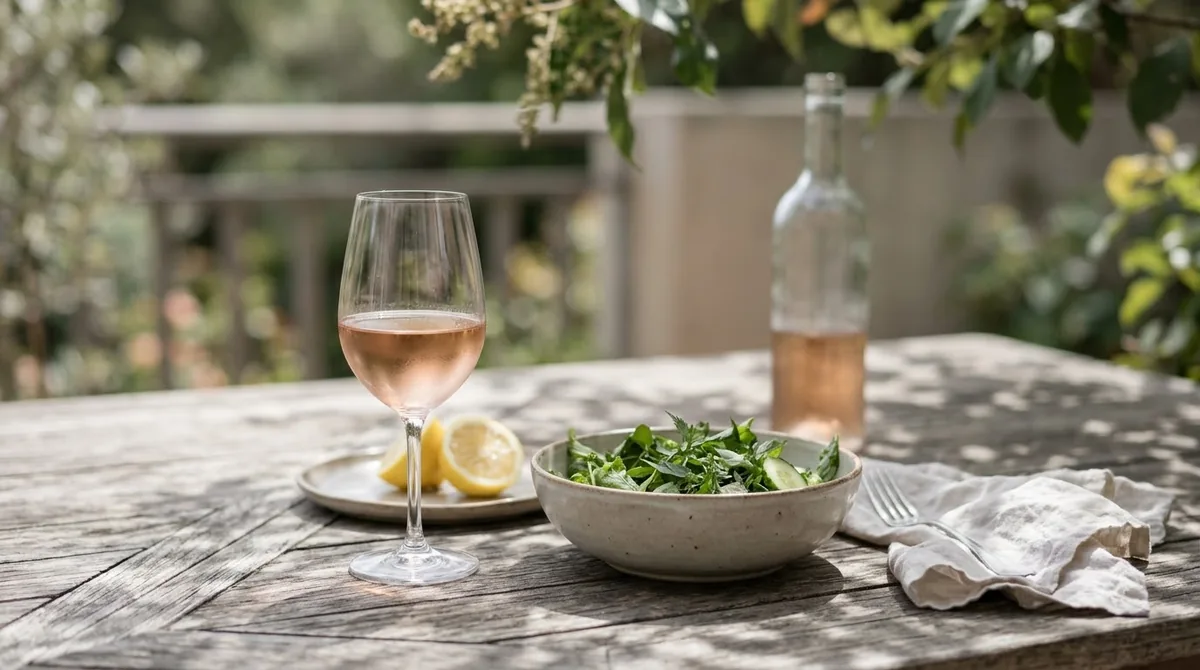
Wine aromas come from compounds that develop in grapes and during fermentation and aging. When someone smells peach or honey in a glass, the brain associates those aromas with familiar sweet foods. That association can make a dry wine seem sweeter than its actual residual-sugar measurement suggests.
There are three particularly important characteristics to understand when evaluating Josh Chardonnay’s flavor.
Peach and citrus aromas
Peach contributes a ripe, rounded fruit impression, while citrus suggests freshness. These aromas can make the wine seem lively and approachable. Neither characteristic establishes the amount of sugar remaining after fermentation.
The combination is especially relevant when comparing Chardonnay with a wine such as Moscato. Moscato commonly has a distinctly sweet profile, whereas a Chardonnay with citrus and peach aromas can remain dry or nearly dry on the palate.
Honey-like flavor impressions
Honey is another flavor descriptor used in the official Josh Cellars tasting description. It suggests a soft, rounded aromatic character rather than proving that honey or additional sweetener has been added to the wine.
When tasting, pay attention to what happens after the initial fruit impression. A wine with substantial residual sugar tends to leave a more persistent sweet sensation. A dry-leaning Chardonnay generally finishes with more emphasis on freshness, acidity, and its underlying fruit character.
Oak and perceived richness
Oak can contribute vanilla-like, toasted, and rounded impressions to Chardonnay. Josh Cellars specifically describes its oak influence as a hint, so the wine should not automatically be assumed to have an intensely buttery or heavily oaked profile.
Oak-related aromas can make a white wine seem richer even when its residual-sugar level is relatively low. This is one reason why perceived body and sweetness should not be treated as interchangeable measurements.
For a clearer understanding of the wine’s character, smell it before taking the first sip. Notice the citrus and peach aromas, then consider whether the finish tastes dry, slightly rounded, or distinctly sweet. This simple approach helps separate aromatic impressions from actual sweetness.
How Josh Chardonnay Sugar Content Compares With Other White Wines
Josh Chardonnay’s reported 5 g/L measurement falls toward the lower end of the broader white-wine sweetness spectrum. Comparing it with other styles helps explain why a wine can taste fruity without having the sugar concentration associated with sweet wines.
Many everyday Chardonnay wines are fermented to a dry style. Sauvignon Blanc is also commonly dry, with high acidity that reinforces a crisp impression. Riesling is more variable: some bottles are very dry, while others retain considerably more sugar.
The following comparison uses general style ranges and illustrative figures rather than claiming that every bottle of a particular grape variety has the same sugar content.
| White wine style | Illustrative residual sugar | Typical sweetness impression |
|---|---|---|
| Josh Cellars Chardonnay | 5 g/L reported | Dry-leaning, subtly rounded |
| Dry Sauvignon Blanc | 1–4 g/L | Crisp and dry |
| Dry Chardonnay | 1–4 g/L | Dry, sometimes creamy |
| Off-dry Riesling | Approximately 10–30 g/L | Noticeably sweet |
| Sweet Riesling | 45 g/L or more | Clearly sweet |
| Moscato | Varies considerably; often substantially higher | Fruity and sweet |
These figures are comparison points, not universal specifications. Different producers, regions, vintages, and winemaking decisions can produce different residual-sugar levels within the same grape variety.
Wine.com’s nutrition guide uses Chardonnay and Sauvignon Blanc as examples of dry white wines. It estimates that a typical 5 oz serving of dry white wine contains less than 1 gram of sugar. This reinforces the distinction between the general Chardonnay style and the particular reported 5 g/L figure for Josh Cellars.
The difference between 4 g/L and 5 g/L is small in a normal serving. At 5 oz, that difference amounts to approximately 0.15 grams of sugar. Most drinkers are unlikely to identify such a small difference reliably through sweetness perception alone.
If you are choosing between different bottles, residual sugar is only one useful consideration. Acidity, alcohol, body, oak influence, and fruit intensity all contribute to the overall drinking experience.
For another comparison within the same brand, see our guide to Josh Prosecco sugar content. Sparkling wines use different sweetness terminology, and the distinction between Brut and Extra Dry is particularly important when comparing bottles.
Calories, Carbohydrates, and Sugar in a Glass
Residual sugar contributes to a wine’s carbohydrate content, but it is not the only nutritional component that matters. Alcohol also contributes substantial energy, so a low-sugar Chardonnay should not automatically be considered a low-calorie drink.
For Josh Chardonnay, the reported 5 g/L sugar measurement provides a useful starting point for estimating the sugar contribution. A standard 5 oz serving contains approximately 0.74 grams of residual sugar, while a full 750 ml bottle contains approximately 3.75 grams.
These quantities represent residual sugar rather than total carbohydrates. Wine contains other compounds, and carbohydrate calculations can include substances beyond glucose and fructose. A precise nutritional breakdown requires product-specific laboratory or manufacturer information.
Understanding sugar versus calories
Alcohol is an important source of energy in wine. Wine.com’s nutrition guide gives a typical 5 oz serving of dry white wine at 13% alcohol approximately 120 calories and 3 grams of carbohydrates, with less than 1 gram of sugar. Those figures are general estimates for dry white wine, not a laboratory analysis of Josh Cellars Chardonnay.
This distinction helps explain why two wines with similar residual-sugar measurements can have different calorie totals. Their alcohol levels may differ, and alcohol contributes more energy per gram than carbohydrates.
It is also useful to distinguish the terms that appear in nutritional information:
- Residual sugar: The grape sugar remaining after fermentation.
- Total carbohydrates: The broader carbohydrate measurement, which is not necessarily identical to sugar.
- Calories: Energy contributed by alcohol and other components of the wine.
- Alcohol by volume: The percentage of the wine that consists of alcohol.
For readers comparing different bottles, our guide to Josh Chardonnay alcohol content provides another useful part of the picture. Alcohol strength and residual sugar describe different properties, and both can influence how a wine feels and tastes.
How to interpret a bottle serving
A 750 ml bottle contains approximately five standard 5 oz servings. If the reported 5 g/L measurement applies to the entire bottle, the total residual sugar is approximately 3.75 grams.
That calculation makes the difference between a glass and a bottle easier to understand. A single serving contains less than 1 gram, while sharing the whole bottle distributes approximately 3.75 grams of residual sugar among the servings.
Tip: When comparing two wines, convert both residual-sugar measurements into grams per liter before comparing them. This avoids confusing a per-glass number with a per-bottle number and makes different bottle sizes easier to evaluate.
Food Pairings That Work With Josh Chardonnay
Josh Cellars recommends shrimp, steamed mussels, creamy pasta, roasted chicken, and grilled vegetables with its Chardonnay. These combinations work because the wine’s citrus, peach, honey, and light oak characteristics complement a range of seafood, poultry, and vegetable dishes.
The wine’s relatively low reported sugar level also makes it more suitable for savory meals than for desserts that require a distinctly sweet wine. Rather than relying on sweetness to balance food, focus on acidity, texture, seasoning, and richness.
Shrimp and steamed mussels
Seafood is one of the most straightforward matches for Chardonnay. Shrimp has a mild sweetness of its own, while mussels have a delicate savory flavor that works well with the wine’s citrus and peach notes.
Try steamed mussels with garlic, herbs, and a little lemon. The citrus character of the wine can complement the seasoning, while its rounded texture works with the natural richness of the shellfish.
Grilled shrimp is another useful option. Light charring creates savory flavors that can connect with the Chardonnay’s oak character without overwhelming the wine.
Creamy pasta and roasted chicken
Creamy pasta benefits from a white wine with enough body to stand alongside the sauce. Chardonnay’s rounded texture and subtle oak character make it a natural candidate for dishes with cream, mushrooms, or mild cheese.
Roasted chicken is similarly versatile. Its browned skin and savory juices provide enough flavor to complement the fruit character of the wine without requiring a heavily flavored sauce.
For a simple meal, serve roasted chicken with grilled vegetables and a light herb sauce. The combination provides savory richness, freshness, and a variety of textures.
Grilled vegetables and lighter dishes
Grilled zucchini, asparagus, bell peppers, and mushrooms can work particularly well with Chardonnay. Their roasted flavors provide contrast to the wine’s citrus and peach characteristics.
Vegetable dishes with lemon, olive oil, or fresh herbs are especially useful because their freshness helps maintain the balance between food and wine. Very sweet glazes, on the other hand, can make a dry-leaning wine seem sharper by comparison.
The same principle applies to dessert. A wine should generally be at least as sweet as the dessert being served. Josh Chardonnay is better suited to savory meals than to very sweet cakes, pastries, or fruit desserts.
Serving temperature and glassware
Serve Josh Chardonnay at approximately 50–55 degrees Fahrenheit. This temperature range is suitable for fuller-bodied white wines and allows the fruit and oak characteristics to develop without making the alcohol seem overly prominent.
Pour approximately 5 oz into a medium-sized white-wine glass. Allowing a little space above the wine helps concentrate its aromas, making the citrus, honey, and peach notes easier to recognize.
If the bottle is too cold, leave it out briefly before serving. If it becomes too warm, return it to the refrigerator for a short period. A consistent serving temperature makes it easier to assess the wine’s actual flavor balance.
How to Choose and Compare Josh Chardonnay With Other Josh Wines
Choosing Josh Chardonnay is easier when you consider the sweetness level you prefer, the type of food you plan to serve, and the differences between still and sparkling wines. The brand offers different wine styles, so the Chardonnay’s reported sugar measurement should not be applied to every Josh bottle.
Start by considering the drinking occasion. Josh Chardonnay is a still white wine suited to seafood, poultry, creamy pasta, and vegetable dishes. Josh Prosecco, by comparison, is a sparkling wine with a different production method and sweetness classification.
These differences are important because sparkling-wine sweetness terms do not mean the same thing as the ordinary dry and sweet descriptions used for still wines. In particular, Extra Dry Prosecco is generally sweeter than Brut Prosecco despite the potentially confusing name.
Compare the wine styles
Chardonnay is a versatile white grape that can produce crisp, mineral-driven wines as well as richer styles with more noticeable oak influence. Josh Cellars describes its Chardonnay as bright and delicate, with subtle sweetness and a hint of oak.
Prosecco is different because its bubbles and refreshing character make it particularly suitable for aperitifs and celebrations. Its sweetness depends on the final sugar level and the category printed on the bottle.
Rosé provides another point of comparison. It can range from dry and crisp to noticeably sweet, depending on the producer and winemaking choices. The color alone does not determine the amount of sugar.
Our guide to Josh Rosé sugar content explains why rosé should be evaluated independently rather than assumed to have the same sugar level as Chardonnay.
Look beyond the sweetness number
A residual-sugar figure is helpful, but it does not describe everything about a wine. Two bottles with 5 g/L of sugar can taste different because one has higher acidity, more alcohol, or stronger oak characteristics.
For example, a crisp white wine with pronounced acidity may taste drier than a rounder white wine containing the same amount of residual sugar. The balance between acidity and sweetness can change the overall impression considerably.
Also consider the intended meal. Chardonnay is a practical choice for seafood and creamy dishes, while sparkling wine can be more suitable for appetizers and celebratory occasions. Rosé offers flexibility with salads, grilled vegetables, and lighter summer meals.
For more information about the different producers and styles in this category, explore our Wine Brands section. Comparing individual wines by grape variety, style, and residual sugar provides a much clearer picture than relying on brand names alone.
Frequently Asked Questions
Does Josh Chardonnay contain added sugar?
The reported 5 g/L figure describes residual sugar, but it does not establish whether any particular winemaking ingredient was used. Josh Cellars does not provide a detailed ingredient statement or a complete fermentation specification on its public Chardonnay product page. Residual sugar and added sugar are separate questions that require different product information.
Does Chardonnay naturally contain sugar?
Grapes naturally contain glucose and fructose before fermentation begins. Yeast converts much of this sugar into alcohol and carbon dioxide during fermentation. The amount remaining depends on the grape must, fermentation conditions, and winemaking decisions.
Does oak-aged Chardonnay always taste sweeter?
No. Oak can contribute vanilla, toast, spice, and creamy flavor impressions without increasing residual sugar. A Chardonnay can therefore taste rich and rounded while remaining technically dry. Oak influence and sweetness are independent characteristics.
Can two bottles of Josh Chardonnay have different sugar measurements?
Yes. Differences in production lots, vintages, and winemaking decisions can affect the final residual-sugar measurement. Retailer information may also refer to a particular product listing rather than every bottle distributed in every market. A published figure should therefore be treated as a reference measurement rather than a universal specification.
What does residual sugar measure in wine chemistry?
Residual sugar is generally determined by measuring the glucose and fructose remaining in finished wine. Laboratory methods can distinguish these sugars from other dissolved substances. The result is commonly expressed in grams per liter, which allows technical comparisons between wine samples.
Josh Cellars Chardonnay has a reported residual-sugar level of 5 g/L, equivalent to approximately 0.74 grams in a standard 5 oz serving. Its citrus, peach, honey, and subtle oak characteristics create a rounded flavor impression without making it a distinctly sweet wine. For anyone seeking a dry-leaning California Chardonnay to serve with shrimp, mussels, roasted chicken, or creamy pasta, it offers a versatile style to consider.
More in Wine Brands
 Louis Latour Wine Price: Compare Bottles by Style and TierUpdated Nov 20, 2026
 Yellow Tail Moscato Price: What to Expect Before You BuyUpdated Nov 20, 2026
 Sutter Home Sweet Red Review: Find the Right Food PairingsUpdated Nov 20, 2026
 Franzia Chillable Red Review: Find the Right Serving StyleUpdated Nov 20, 2026
 Veuve Clicquot Rose Review: Flavor, Food Pairings and Buying AdviceUpdated Nov 20, 2026
 Rombauer Wine Price: Compare Bottles Before You BuyUpdated Nov 20, 2026