

We may earn a commission when you buy through links on this page, at no extra cost to you. Learn more.
Is josh prosecco good? Yes, Josh Cellars Prosecco is a good everyday sparkling wine for drinkers who enjoy fresh apple and pear flavors, lively bubbles, refreshing acidity, and a gentle touch of sweetness. Made in Italy’s Prosecco DOC region, it offers an approachable, fruit-forward style rather than the complexity of premium traditional-method sparkling wines. It is particularly suitable for casual celebrations, brunch, light appetizers, and relaxed gatherings.
Not every sparkling wine needs to be expensive or particularly complex to make an occasion enjoyable. Sometimes a bottle with crisp fruit, refreshing bubbles, and enough acidity to complement food is exactly what the table needs. Josh Cellars Prosecco aims for that accessible style. However, its sweetness, relatively straightforward flavor profile, and lighter sparkling character will not appeal equally to every wine drinker. Understanding what is in the bottle makes it easier to decide whether it belongs in your refrigerator.
Who Should Choose Josh Cellars Prosecco?
Josh Cellars Prosecco is best suited to people who want approachable Italian sparkling wine with noticeable fruit, lively carbonation, and moderate sweetness. Its 11% alcohol content and 750 ml bottle format also make it a familiar option for brunches, informal dinners, and small celebrations.
The wine has a recognizable fruit-forward profile. According to the producer, the aromas include pear, green apple, and bright citrus. The LCBO also identifies melon and floral notes. These flavors make the wine relatively easy to understand, even for someone who has not explored many Italian sparkling wines. Instead of relying on complicated aromas or extended aging characteristics, Josh focuses on fresh fruit and refreshing acidity.
Its sweetness is another important consideration. Josh Cellars describes the wine as lightly sweet, while its Extra Dry designation indicates a style that contains more residual sugar than Brut. That does not make it a dessert wine. The refreshing acidity and bubbles help balance the fruit sweetness, creating a sparkling wine that can work before dinner or alongside lighter foods.
Josh Cellars is also worth considering for people who want a familiar, accessible bottle rather than a highly specialized sparkling wine. It can serve as a straightforward introduction to Prosecco and is appropriate for occasions when guests have different levels of wine knowledge. A host does not need to explain unusual grape varieties, extended aging, or elaborate production techniques to make this bottle understandable.
However, drinkers who prefer bone-dry Champagne, mineral-driven sparkling wines, or complex vintage bottlings may find the flavor profile relatively simple. Wine Enthusiast awarded Josh Cellars NV Extra Dry Glera 85 points and described it as uncomplicated and fruit-forward. That assessment provides useful context: the wine is designed for uncomplicated enjoyment rather than serious cellar exploration.
For readers exploring the producer’s broader range, the Josh Prosecco overview provides another starting point for understanding the brand’s sparkling wine options.
Key Factors to Compare Before Buying
The most useful way to evaluate Josh Cellars Prosecco is to consider its sweetness, acidity, bubbles, alcohol content, and intended drinking occasion. These characteristics tell you more about whether the wine suits your preferences than the brand name alone.
Here are the main specifications and characteristics to consider when comparing it with other sparkling wines.
| Factor | Josh Cellars Prosecco | What It Means |
|---|---|---|
| Wine style | Italian sparkling wine | Suitable for casual celebrations and aperitif occasions |
| Origin | Prosecco DOC, Italy | Comes from the recognized Prosecco production region |
| Alcohol content | 11% ABV | Moderate alcohol level for sparkling wine |
| Bottle size | 750 ml | Approximately five standard 5 oz pours |
| Sweetness | Extra Dry | Gently sweet rather than bone-dry |
| Sugar content | 13 g/L according to LCBO | Provides measurable context for its sweetness |
| Main fruit notes | Pear, green apple, citrus | Fresh, recognizable fruit character |
| Additional notes | Melon and floral aromas | Adds a light aromatic dimension |
| Acidity | Refreshing and zesty | Helps balance fruit sweetness |
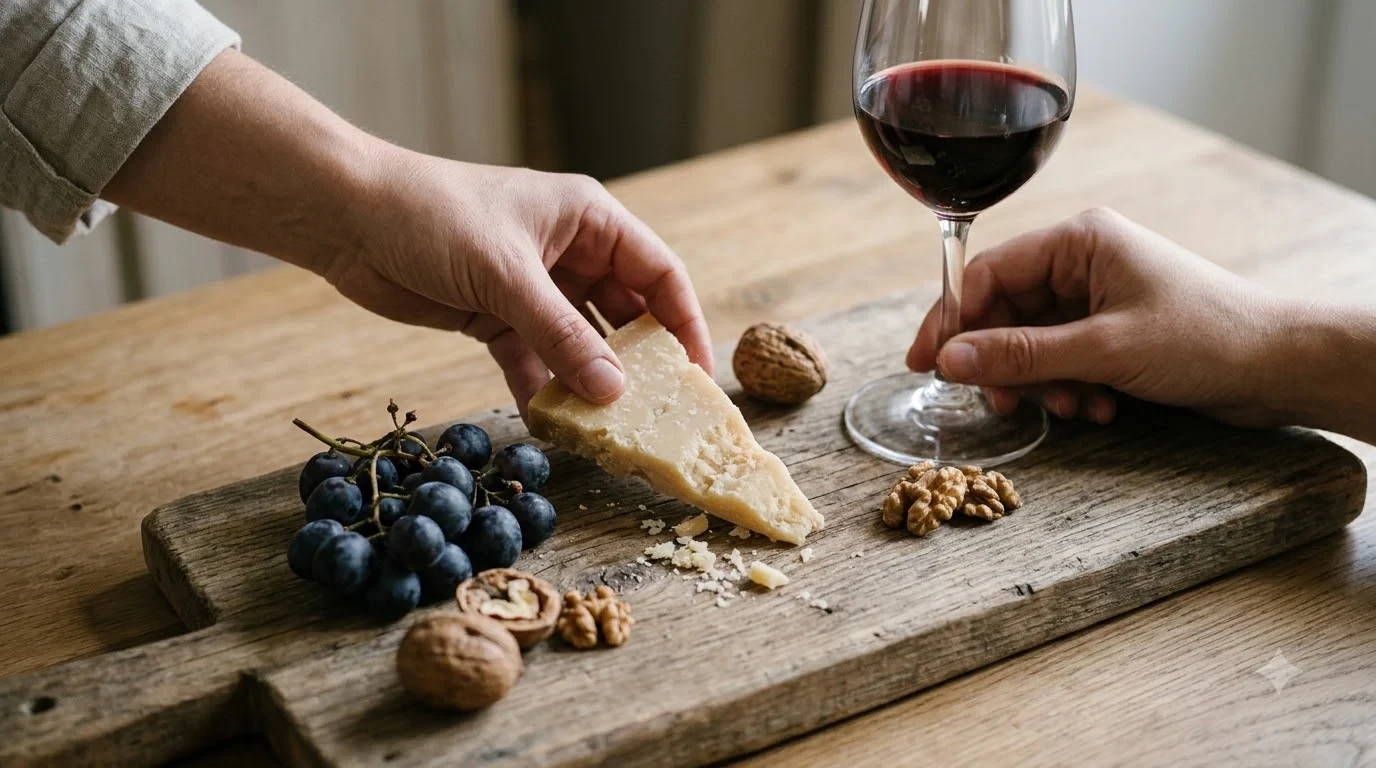
| Recommended pairings | Oysters, hard cheeses, lighter dishes | Works particularly well with fresh, relatively delicate foods |
These details come from the producer, Wine Enthusiast, Wine.com, and the LCBO. In particular, the LCBO lists 13 grams of sugar per liter, which provides a useful indication of the wine’s sweetness. The figure should not be confused with the amount of sugar in an entire bottle or a single glass. For a closer explanation of the figures and how to interpret them, see our guide to Josh Prosecco sugar content.
Alcohol content is another straightforward comparison. At 11% ABV, Josh Cellars Prosecco sits within the familiar range for Prosecco. Its alcohol level contributes to the wine’s overall structure, but it is not intended to be a particularly full-bodied or powerful sparkling wine. The Josh Prosecco alcohol content breakdown provides additional context about the bottle and its serving measurements.
For a useful independent perspective, Wine Enthusiast’s Josh Cellars Prosecco review describes yellow apple, ripe pear, floral aromas, and lively bubbles. Its 85-point assessment supports the idea that this is an uncomplicated, accessible wine rather than a particularly ambitious sparkling bottling.
Step-by-Step: How to Decide Whether It Suits Your Taste
A good buying decision starts with your preferred sweetness level and the occasion for the bottle. Five simple steps can help you decide whether Josh Cellars Prosecco is the right match before opening it.
-
Decide how dry you want your sparkling wine.
Josh Cellars Prosecco is labeled Extra Dry, a category that is sweeter than Brut. If you enjoy a little ripe-fruit sweetness, that style may suit you. If you usually prefer Brut Nature or Extra Brut, the wine may taste noticeably sweeter than your usual choice.
-
Consider your preferred fruit flavors.
Expect pear, green apple, citrus, and some melon character rather than rich vanilla, toast, or pronounced nutty flavors. The producer emphasizes fresh fruit and acidity, while Wine Enthusiast describes yellow apple, ripe pear, and floral notes. People who enjoy fresh white-fruit flavors are more likely to appreciate this profile.
-
Match the bottle to the occasion.
For brunch, appetizers, casual celebrations, or an aperitif before dinner, Josh Prosecco is a sensible style to consider. Its approachable flavor makes it easier to serve to guests who do not regularly drink sparkling wine. For a formal tasting focused on complex Champagne or extended bottle aging, another style may be more appropriate.
-
Think about the food on the table.
Light seafood, hard cheeses, fresh appetizers, and vegetable dishes are sensible starting points. The wine’s acidity helps balance richer foods, while its gentle sweetness can work with mildly spicy or savory flavors. Very sweet desserts are less suitable because the wine should ideally taste at least as sweet as the food.
-
Check the serving conditions.
A bottle served too warm can seem less refreshing and make its sweetness more obvious. Chill it to approximately 40 to 50 degrees Fahrenheit before pouring. Use a clean sparkling-wine glass, pour modest servings, and keep the remaining bottle refrigerated with a suitable sparkling-wine stopper.
Tip: If you normally drink Brut sparkling wine, compare the Extra Dry sweetness category before buying. Josh Cellars Prosecco is intended to offer a gentle fruit sweetness, not the bone-dry finish associated with Brut Nature.
These steps are especially helpful when buying sparkling wine for a group. Guests may have very different expectations about sweetness. A bottle that tastes pleasantly fruity to one person can seem too sweet to someone accustomed to very dry Champagne. Understanding the Extra Dry designation helps prevent that mismatch.
Types and Styles Explained: Understanding the Prosecco in the Bottle
Josh Cellars Prosecco belongs to the Italian sparkling wine category, with an Extra Dry sweetness classification and a fresh, fruit-forward profile. Understanding the differences between Prosecco, Champagne, and the main sweetness categories explains what makes this particular bottle distinctive.
Prosecco and its grape variety
Prosecco is associated with the Glera grape, a white variety used to produce fresh Italian sparkling wines. Josh Cellars identifies its wine as coming from the Prosecco DOC region in northeastern Italy. This origin matters because Prosecco is not simply a generic name for any inexpensive sparkling wine.
Glera is well suited to wines with fresh fruit aromas and lively acidity. Typical flavor descriptions include pear, apple, melon, citrus, and delicate floral notes. Those characteristics are reflected in Josh Cellars’ published tasting description.
The DOC designation identifies a regulated production area and set of wine standards. Prosecco DOC should also be distinguished from Prosecco Superiore DOCG, which covers more specific production areas and has additional requirements. The names describe different classifications rather than simply different sweetness levels.
Why the tank method matters
Most Prosecco is made using the tank method, also called the Charmat method. In this process, the secondary fermentation that produces the bubbles happens in a pressurized tank instead of inside each individual bottle.
This approach is particularly suited to preserving the fresh fruit characteristics associated with Glera. Compared with traditional-method sparkling wines, tank-method wines generally have lighter, frothier bubbles and less emphasis on the yeasty, bread-like aromas associated with extended bottle aging.
Wine.com explains this distinction in its Prosecco product information. It is useful context because Josh Cellars is designed around freshness, fruit, and approachable sparkling character rather than the complex autolytic flavors found in some Champagne.
Extra Dry versus Brut
One common source of confusion is the word Extra Dry. In sparkling wine terminology, Extra Dry is actually sweeter than Brut. The sweetness classifications are arranged from driest to sweetest as follows:
- Brut Nature: Very dry, with virtually no perceptible dosage sweetness.
- Extra Brut: Very dry, with a small permitted amount of residual sugar.
- Brut: Dry, with a little more room for sweetness.
- Extra Dry: Noticeably softer and slightly sweeter than Brut.
- Dry: Sweeter than Extra Dry.
- Demi-Sec: Clearly sweet, often suitable for sweeter food pairings.
- Doux: The sweetest category.
Josh Cellars Prosecco falls into the Extra Dry category. That helps explain why its pear and apple flavors can seem slightly sweet while its refreshing acidity keeps the overall impression balanced.
For shoppers who are comparing several sparkling wines, the sweetness category is often more useful than the word dry in the product description. A bottle labeled Extra Dry should not automatically be assumed to be drier than a Brut alternative.
Prosecco versus Champagne
Champagne and Prosecco are both sparkling wines, but they differ in origin, production approach, and typical flavor profile. Champagne comes from its designated French region and undergoes its secondary fermentation in the bottle. Prosecco is associated with northeastern Italy and commonly uses the tank method.
Champagne often develops more pronounced bread, pastry, and yeast-related characteristics, particularly when aged on its lees. Prosecco generally emphasizes fresh fruit and floral aromas. Neither style is automatically superior for every occasion. Josh Cellars is a practical choice for someone who wants the lighter, fruit-forward side of sparkling wine.
Common Mistakes When Choosing Josh Prosecco
Most disappointment with Josh Cellars Prosecco comes from expecting a different sweetness level, sparkling-wine style, or level of complexity. A few common misunderstandings can lead to an unfair assessment of an otherwise approachable bottle.
Assuming Extra Dry means bone-dry
This is probably the most important mistake to avoid. Extra Dry is sweeter than Brut in sparkling-wine terminology. Someone who regularly drinks Brut Nature or Extra Brut may notice more fruit sweetness in Josh Cellars Prosecco than expected.
The producer describes the wine as lightly sweet, and the LCBO lists 13 grams of sugar per liter. Those details help explain the style more accurately than relying on the word dry alone.
Expecting Champagne-level complexity
Josh Cellars Prosecco is not primarily intended to reproduce the character of an aged Champagne. Its appeal comes from fresh fruit, lively bubbles, and accessible drinking. Expecting pronounced brioche, toasted nuts, or complex yeast-derived aromas can create unrealistic expectations.
Wine Enthusiast’s 85-point evaluation and description of an uncomplicated, fruit-forward palate provide a useful independent reference. The wine’s straightforward character is part of its intended appeal, although it may not satisfy collectors or enthusiasts looking for greater complexity.
Serving it too warm
Temperature has a noticeable influence on sparkling wine. Warm Prosecco can seem less crisp, and the fruit sweetness may become more prominent. Chilling the bottle to approximately 40 to 50 degrees Fahrenheit helps maintain freshness and keeps the bubbles lively.
Avoid leaving the bottle in the freezer for an extended period. A refrigerator or an ice bucket filled with ice and water provides a more controlled approach. Allow enough time for the bottle to become properly chilled before serving.
Pairing it with excessively sweet desserts
A sweet dessert can make a relatively dry sparkling wine seem sour or thin. The wine should ideally be at least as sweet as the food. Josh Cellars Extra Dry Prosecco is therefore better suited to lightly sweet pastries, fruit-based appetizers, and modestly sweet brunch dishes than very sugary desserts.
Choosing food that overwhelms its flavor
Strong chili heat, heavily spiced dishes, and intensely flavored sauces can overpower a lighter sparkling wine. High alcohol and tannin can also amplify the perception of chili heat, so pairing a sparkling wine with very spicy food requires care.
Another mistake is assuming that every seafood dish will work equally well. Delicate shellfish and fresh oysters are more natural choices than oily fish served with heavy, strongly flavored sauces. Josh Cellars’ own pairing recommendations emphasize oysters and lighter dishes for good reason.
Serving and Storage Tips for Better Results
Josh Cellars Prosecco is best served well chilled, in modest pours, and soon after opening. Correct temperature and storage preserve the freshness, acidity, and lively bubbles that make the wine appealing.
Choose the right serving temperature
A temperature of approximately 40 to 50 degrees Fahrenheit is a practical range for sparkling wine. This keeps the wine refreshing while allowing its pear, apple, and citrus aromas to remain noticeable.
If the bottle has been stored at room temperature, refrigerate it ahead of the occasion. An ice-and-water bucket is another useful option when serving several guests. Avoid pouring the wine immediately after removing it from a warm storage area because the bubbles and refreshing character may seem less defined.
Use appropriate glassware
A traditional flute preserves the visual appeal of the bubbles and directs the sparkling wine toward the nose. A tulip-shaped sparkling-wine glass offers a little more room for aromas to develop while still retaining carbonation.
A standard white-wine glass can also work for informal occasions. The important consideration is using clean glassware without detergent residue or strong odors that might interfere with the wine’s fresh fruit aromas.
Pour moderate servings
A standard wine serving is approximately 5 ounces. A 750 ml bottle therefore provides around five standard glasses, although actual pours will vary depending on the glass and occasion.
Pour slowly down the side of the glass to reduce excessive foaming. Leave some room at the top so guests can appreciate the pear, apple, and citrus aromas. Smaller pours also make it easier to keep the wine chilled throughout a meal.
Preserve the bubbles after opening
Sparkling wine loses carbonation more quickly than still wine once the bottle is opened. Use a sparkling-wine stopper designed to hold pressure, and place the bottle in the refrigerator promptly.
As a general guideline, opened sparkling wine is best consumed within one to three days when properly refrigerated and sealed. The precise result depends on the stopper, how much wine remains, and how frequently the bottle is opened.
Do not rely on an ordinary flat wine stopper to preserve sparkling wine. A pressure-rated sparkling-wine closure is better suited to the carbonation inside the bottle.
Store unopened bottles appropriately
Keep unopened sparkling wine away from direct sunlight, excessive heat, and large temperature changes. A cool, stable storage area near 55 degrees Fahrenheit is a useful general target for wine storage.
For a bottle intended for an upcoming celebration, there is little reason to treat everyday Prosecco as a long-term aging project. Its fresh fruit and lively character are the main attractions, so it generally makes more sense to purchase it for relatively near-term enjoyment than to store it for years.
For more information about wine categories, producers, and choosing bottles for different occasions, explore our broader Wine Brands resource.
Frequently Asked Questions
Is Josh Cellars Prosecco made from 100% Glera grapes?
Josh Cellars’ regular Prosecco is identified as Glera-based wine in its published product information. Glera is the principal grape associated with Prosecco DOC production. This is different from some Prosecco Rosé bottlings, which can include permitted Pinot Noir in addition to Glera.
Does Josh Cellars Prosecco contain sulfites?
Like most conventional wines, Josh Cellars Prosecco should be expected to contain sulfites, which can occur naturally during fermentation and may also be used in winemaking. The exact sulfite concentration is not established by the product information discussed here. Consumers looking for a precise laboratory measurement would need information from the producer.
Is Josh Cellars Prosecco vintage dated?
Wine.com identifies Josh Cellars Prosecco as non-vintage. This means the wine is not presented as a single-vintage bottling. Non-vintage sparkling wines are generally intended to provide a recognizable house style rather than highlight the conditions of one particular harvest.
Can Josh Cellars Prosecco be used in a Bellini?
Yes. Prosecco is a traditional sparkling-wine choice for a Bellini, which combines sparkling wine with white peach purée. Josh Cellars’ fruit-forward character and gentle sweetness make it a reasonable candidate. Use chilled peach purée and add the Prosecco gently to preserve as much carbonation as possible.
Is Josh Cellars Prosecco suitable for a wedding toast?
Yes, it can be a suitable option for a casual wedding toast, particularly when guests prefer approachable, fruity sparkling wine. A 750 ml bottle provides approximately five standard 5-ounce servings, so a guest list of 50 people would require about 10 bottles for one full standard pour each. Hosts should allow additional bottles for larger pours or repeat servings.
Josh Cellars Prosecco is a worthwhile everyday sparkling wine for people who enjoy pear, green apple, citrus, refreshing acidity, and a gentle touch of sweetness. Its 11% ABV, approachable Extra Dry style, and food-friendly character make it a sensible choice for brunches, appetizers, and informal celebrations. If your preference is bone-dry sparkling wine or complex Champagne, you may want a different style, but for straightforward fruit-forward Prosecco, Josh Cellars is a good bottle to consider.
More in Wine Brands
 14 Hands Hot to Trot Wine Review: Find Your Ideal Red BlendUpdated Nov 21, 2026
 19 Crimes Cali Red Price: What to Expect and How to BuyUpdated Nov 21, 2026
 Louis Latour Wine Price: Compare Bottles by Style and TierUpdated Nov 20, 2026
 Yellow Tail Moscato Price: What to Expect Before You BuyUpdated Nov 20, 2026
 Sutter Home Sweet Red Review: Find the Right Food PairingsUpdated Nov 20, 2026
 Franzia Chillable Red Review: Find the Right Serving StyleUpdated Nov 20, 2026