

We may earn a commission when you buy through links on this page, at no extra cost to you. Learn more.
Josh rose sugar content is approximately 4 grams per liter, making Josh Cellars Rosé a dry, light-bodied wine rather than a sweet rosé. That concentration works out to approximately 0.6 grams of residual sugar in a standard 5-ounce glass and about 3 grams in an entire 750 ml bottle. Although the wine features recognizable strawberry, white peach, and citrus flavors, its fruity character does not mean it contains a large amount of leftover sugar.
If you enjoy refreshing pink wines but prefer something without pronounced sweetness, Josh Cellars Rosé is a useful bottle to understand. Its relatively low reported sugar concentration, fresh fruit character, and crisp finish make it different from sweeter rosé styles. Understanding the numbers also helps explain why a wine can smell and taste fruity while remaining technically dry.
How Much Sugar Is in Josh Cellars Rosé?
Josh Cellars Rosé has a reported residual sugar concentration of 4 grams per liter, according to the LCBO product listing. This is a relatively low amount for a wine, and it places the rosé near the dry end of the sweetness spectrum.
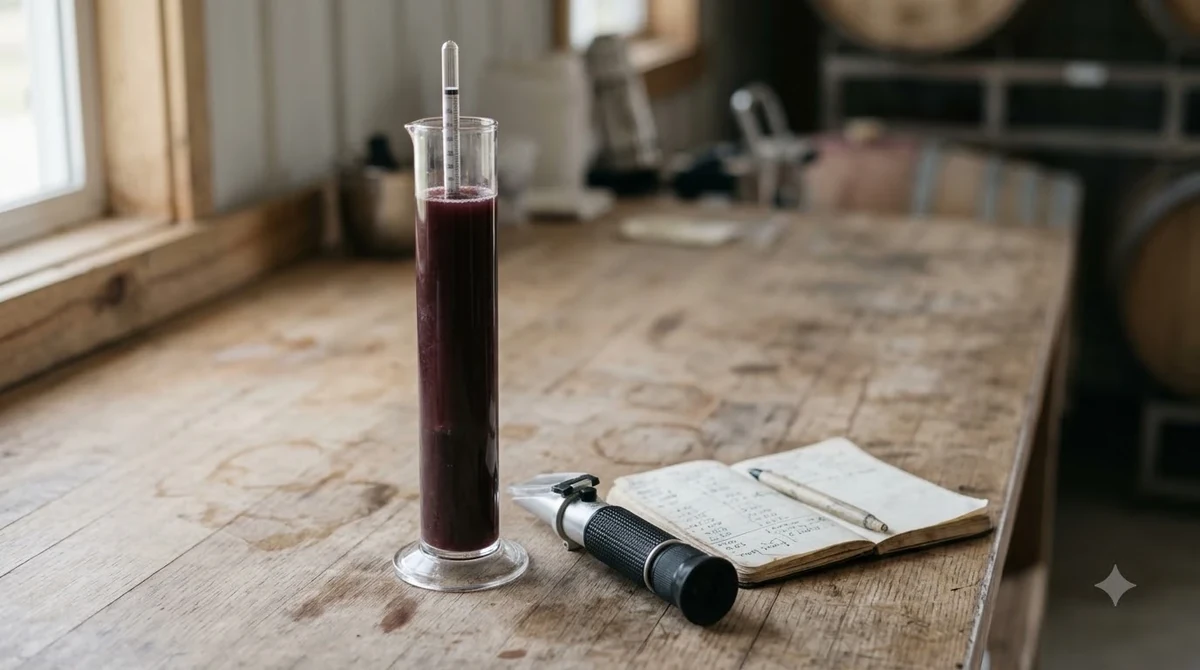
Residual sugar, commonly abbreviated as RS, refers to the natural grape sugars that remain after alcoholic fermentation. During fermentation, yeast converts much of the grape juice’s glucose and fructose into alcohol and carbon dioxide. The sugar left behind contributes to the finished wine’s measurable sweetness.
The reported 4 g/L figure is particularly useful because it gives a measurable reference rather than relying entirely on descriptions such as crisp, fruity, or refreshing. A wine can have expressive fruit aromas without containing enough residual sugar to taste noticeably sweet. That distinction matters with Josh Cellars Rosé because its strawberry and white peach characteristics can suggest sweetness even though the producer describes the wine as dry.
Here is how the reported concentration translates into familiar serving sizes:
| Serving or measurement | Wine volume | Residual sugar |
|---|---|---|
| Small tasting pour | 2 oz / 59 ml | 0.24 g |
| Standard US glass | 5 oz / 148 ml | 0.59 g |
| Larger glass | 6 oz / 177 ml | 0.71 g |
| Generous glass | 8 oz / 237 ml | 0.95 g |
| Half bottle | 375 ml | 1.5 g |
| Full bottle | 750 ml | 3 g |
| One liter | 1,000 ml | 4 g |
These calculations use the reported 4 grams per liter and assume that the wine in each serving has the same sugar concentration. A standard American 5-ounce pour therefore contains considerably less than one gram of residual sugar. Even an 8-ounce serving remains below one gram at this concentration.
For perspective, a complete 750 ml bottle contains approximately 3 grams of residual sugar. Dividing that bottle into five standard 150 ml servings produces approximately 0.6 grams per serving. The actual amount in an individual pour depends on how much wine enters the glass, not simply the size of the glass itself.
Tip: Use grams per liter when comparing wine sugar measurements from different retailers or technical descriptions. To calculate sugar in your glass, multiply the reported g/L figure by the serving volume in liters. For example, 4 × 0.148 equals approximately 0.59 grams in a 5-ounce pour.
Is Josh Cellars Rosé Dry or Sweet?
Josh Cellars Rosé is a dry wine, not a sweet or dessert-style rosé. Its reported 4 g/L residual sugar concentration supports that classification, while the producer explicitly describes the wine as dry and light-bodied.
The word dry has a specific meaning in winemaking. It describes a wine with relatively little remaining fermentable sugar, rather than a wine that lacks fruit aromas or has an especially sharp flavor. During fermentation, yeast consumes the natural sugars in grape juice, leaving a much smaller quantity in the finished wine when fermentation progresses to dryness.
Wine sweetness is commonly discussed using residual sugar measurements. According to Decanter, the standard European still-wine classification identifies wines containing up to 4 g/L as dry. The classification can also accommodate higher sugar concentrations when sufficient acidity balances the sweetness. These guidelines provide a useful reference, although individual countries and producers may use different terminology. For a more detailed explanation, see Decanter’s explanation of residual sugar and wine sweetness classifications.
Josh Cellars Rosé sits at the 4 g/L threshold reported by the retailer. Its dry description is therefore consistent with the numerical measurement. However, sweetness perception is not determined by sugar concentration alone. Acidity, fruit aromas, alcohol, and serving temperature all influence how a wine feels on the palate.
This explains why two wines with similar residual sugar levels can produce different impressions. One may taste particularly crisp and refreshing, while another may seem rounder and more fruit-forward. The difference can result from their acidity, aromatic intensity, and overall structure.
For readers comparing other bottles in the same brand family, the distinction between sweetness and alcohol is also important. The Josh Rose alcohol content measurement describes the proportion of alcohol by volume, whereas residual sugar describes the sugar remaining after fermentation. Neither measurement can be substituted for the other.
Why Strawberry and Peach Flavors Do Not Mean More Sugar
Josh Cellars Rosé features strawberry, white peach, citrus, white flowers, and stone-fruit characteristics, according to the producer. These recognizable fruit notes give the wine an inviting aromatic profile, but they do not indicate that the wine contains substantial residual sugar.
Fruitiness and sweetness are different sensory characteristics. Fruitiness largely comes from aromatic compounds that remind the drinker of fresh fruit, while sweetness is a taste sensation influenced by sugar and the wine’s other components. A dry rosé can smell strongly of strawberries without tasting like sweet strawberry juice.
For Josh Cellars Rosé, fresh strawberry and white peach notes are balanced by a crisp, mouthwatering finish. Citrus characteristics also contribute to its refreshing impression. The result is a wine that can seem ripe and expressive in its aromas while remaining dry in its overall style.
How acidity changes the impression of sweetness
Acidity plays an important role in determining how sweet a wine tastes. Higher acidity provides freshness and can reduce the impression of sweetness, even when some residual sugar remains. Wine Enthusiast explains that natural grape acidity and winemaking decisions influence how drinkers perceive sweetness. Its guide to wine sweetness and residual sugar provides additional context for understanding this relationship.
Consider the difference between biting into a ripe strawberry and drinking sweet strawberry syrup. Both can have recognizable strawberry characteristics, but their balance of acidity and sugar creates different sensations. A fresh, acidic wine can deliver similar fruit associations without resembling a sweet beverage.
Alcohol and texture can also affect the experience. Some wines develop a fuller or softer mouthfeel that may be mistaken for sweetness. Residual sugar can add weight and texture, but other components also influence the overall impression.
What the tasting notes actually tell you
When the producer describes fresh strawberries, white peach, citrus, and white flowers, those notes explain the wine’s aromatic and flavor profile rather than providing a sugar measurement. The description helps readers anticipate what they may smell and taste, but it cannot replace a laboratory measurement or a published technical specification.
For someone who prefers dry wines, this distinction is helpful. You can enjoy aromatic fruit character without choosing a noticeably sweet wine. Josh Cellars Rosé offers that combination through its light body, fresh fruit profile, and crisp finish.
How Josh Rosé Sugar Content Compares With Other Wine Styles
At a reported 4 g/L, Josh Cellars Rosé belongs near the dry end of the general wine sweetness spectrum. Comparing this number with other styles makes it easier to understand why it tastes different from sweeter blush wines, off-dry Rieslings, and dessert wines.
Residual sugar varies considerably among wines. Some dry white and red wines contain only a small amount of sugar after fermentation, while deliberately sweet styles retain much larger quantities. The grape variety alone does not determine the finished sugar level because winemaking decisions have a substantial influence.
The following examples illustrate broad residual-sugar ranges used to discuss still wines. They are general reference points rather than guaranteed measurements for every bottle or a claim that every wine in a particular category tastes identical.
| Wine sweetness category | Approximate residual sugar | Typical impression |
|---|---|---|
| Very dry | 0–2 g/L | Little perceptible sweetness |
| Dry | Up to 4 g/L in the standard EU classification | Crisp, not noticeably sweet |
| Higher-sugar dry wine | 4–9 g/L under appropriate acidity conditions | Can still taste dry |
| Medium-dry | 4–12 g/L under standard EU terminology | Potentially noticeable softness or sweetness |
| Medium-sweet | 12–45 g/L | Clearly sweeter |
| Sweet | More than 45 g/L | Pronounced sweetness |
The categories above follow the broad still-wine terminology discussed by Decanter, with the acidity qualification applying to certain classification thresholds. The boundaries are useful educational references, not universal rules for every market.
Josh Cellars Rosé’s reported 4 g/L measurement is substantially below the concentrations commonly associated with noticeably sweet still wines. It is also far below the residual sugar levels found in many late-harvest dessert wines and other deliberately sweet styles.
For comparison, a wine containing 12 g/L would provide approximately 1.78 grams of residual sugar in a 148 ml glass. A wine containing 30 g/L would provide approximately 4.44 grams in the same serving. At 4 g/L, Josh Cellars Rosé provides approximately 0.59 grams.
These calculations demonstrate why two pink wines can have very different sweetness profiles despite looking similar in the glass. Color does not establish sugar concentration. A pale Provence-style rosé, a California rosé, and a sweet blush wine can all have pink hues while differing substantially in their residual sugar.
It is also useful to compare wines within the Josh Cellars range rather than assuming that all bottles from the producer have identical characteristics. The Josh Chardonnay sugar content article provides another point of comparison for readers interested in how sweetness measurements differ between white and rosé wines.
What Affects the Sugar Level and Taste of Josh Rosé?
Residual sugar is determined by what happens during winemaking, particularly the relationship between grape sugar and fermentation. The finished wine’s taste also reflects acidity, fruit character, alcohol, and serving conditions.
Grapes naturally contain glucose and fructose. These sugars provide the raw material that yeast uses during alcoholic fermentation. As fermentation progresses, sugar levels generally decrease while alcohol levels increase. When fermentation finishes with relatively little remaining sugar, the wine is described as dry.
Winemakers can produce wines with different sweetness levels through several approaches. They may allow fermentation to continue until most fermentable sugar has been consumed, stop fermentation earlier to retain sweetness, or use other permitted production techniques to achieve the desired style.
The reported 4 g/L figure for Josh Cellars Rosé indicates a relatively low residual-sugar concentration. Its producer’s description of a light-bodied, dry wine is consistent with that style. The fruit-forward profile comes from its aromatic and flavor characteristics rather than requiring a high sugar concentration.
Residual sugar is not the same as total carbohydrates
One important distinction is that residual sugar and total carbohydrates are related but different measurements. Residual sugar specifically measures the remaining sugar, while carbohydrates can include additional carbohydrate compounds. Consequently, a residual-sugar calculation should not automatically be treated as a complete nutrition label.
For example, the approximately 0.59 grams calculated for a 5-ounce glass represents residual sugar based on the reported 4 g/L figure. It does not independently establish the exact total carbohydrate content, calories, or nutritional composition of that serving.
This distinction matters when comparing information from different databases. One source may publish sugar in grams per liter, another may report carbohydrates per serving, and a third may provide a general nutrition estimate for rosé wine. Those numbers measure different things and should not be treated as interchangeable.
Why alcohol content does not establish sugar content
Alcohol by volume, or ABV, describes the proportion of a wine that consists of alcohol. The LCBO listing reports 12.5% ABV for Josh Cellars Rosé, alongside its 4 g/L sugar figure. These measurements provide separate information about the same bottle.
During fermentation, yeast converts grape sugar into alcohol. This creates a relationship between initial grape sugar and potential alcohol production, but the final ABV cannot reveal the precise residual sugar concentration on its own. Fermentation choices and the composition of the original grape juice also matter.
Two wines can therefore have similar alcohol percentages but noticeably different sweetness levels. Likewise, wines with similar sugar concentrations can have different alcohol levels. Readers should compare the actual measurements rather than using alcohol as a substitute for residual sugar.
For broader brand comparisons, the Josh Cellars Rosé alcohol content discussion focuses on ABV and how it relates to the wine’s drinking profile.
Serving Josh Cellars Rosé and Choosing Food Pairings
Josh Cellars Rosé is best enjoyed chilled, with its light body, citrus character, and fresh fruit profile making it suitable for casual meals and warm-weather occasions. Its relatively low residual sugar and crisp finish also make it a practical pairing choice for seafood, salads, and fresh fruit.
A serving temperature of approximately 45–50°F is a useful range for light-bodied rosé wines. Chilling the bottle helps preserve a refreshing impression and keeps the fruit aromas balanced. Serving it excessively warm can make the wine seem softer and less refreshing, while very cold temperatures may make its more delicate aromas harder to recognize.
Josh Cellars specifically recommends fresh summer berries, grilled shrimp, and ceviche. These pairings make sense because the wine’s fruit character and refreshing finish can complement dishes that feature fresh ingredients and moderate seasoning.
Fresh berries and fruit-based dishes
Fresh strawberries, raspberries, and other summer berries provide a natural match for the wine’s strawberry and stone-fruit notes. The pairing emphasizes aromatic similarities without requiring the wine to be sweet. A bowl of fresh berries or a light fruit salad can work particularly well as a simple appetizer.
For a more substantial dish, consider a salad featuring strawberries, greens, soft cheese, and a light vinaigrette. The combination of fruit, salt, and acidity gives the wine several complementary flavors to work with. Avoid making the dressing excessively sweet, because the wine’s dry character is better suited to balanced flavors.
Seafood and lighter main courses
Grilled shrimp is one of the producer’s recommended pairings. The wine’s citrus and peach characteristics complement the natural sweetness of shrimp, while its crisp finish helps keep the combination fresh. Simple preparation with lemon, fresh herbs, and moderate seasoning allows both the seafood and wine to remain recognizable.
Ceviche is another particularly suitable option. The citrus-based preparation complements the wine’s bright fruit profile, while fresh seafood provides a clean contrast to its aromatic character. Because highly acidic dishes can make less acidic wines seem flat, pairing them with a refreshing wine is generally a sensible approach.
Other possibilities include grilled white fish, scallops, vegetable salads, and light pasta dishes. Avoid excessively rich sauces or strongly sweet glazes if you want the wine’s crisp character to remain prominent.
Practical serving recommendations
A standard US wine pour is 5 ounces, and a 750 ml bottle provides approximately five such servings. This is also the serving size used for the sugar calculations in this article. Using consistent pours makes it easier to compare the residual sugar in different wines.
Once opened, a bottle of rosé should generally be refrigerated and enjoyed within approximately 3–5 days for the best quality. Keep the bottle properly sealed between servings to limit oxygen exposure and preserve its fresh fruit characteristics.
For readers exploring the broader range of producers and wine styles, the Wine Brands section offers a useful starting point for comparing different labels, grape varieties, and wine characteristics.
Frequently Asked Questions
Does Josh Cellars Rosé contain added sugar?
The reported 4 g/L figure describes residual sugar in the finished wine, not the amount of added sweetener. A residual-sugar measurement alone cannot establish whether a producer used any particular production adjustment. The producer describes this bottling as dry, but a complete ingredient or production declaration would be needed to answer every question about its manufacturing process.
Does Josh Cellars make sparkling rosé as well as still rosé?
Yes. Josh Cellars also offers a separate Prosecco Rosé product. That sparkling Italian wine is a different bottling from the California still Rosé discussed in this article, so its sweetness and alcohol measurements should not be assumed to match those of the still wine.
Does residual sugar change after a bottle of Josh Rosé is opened?
Residual sugar does not normally disappear simply because a bottle has been opened. Exposure to oxygen can change the wine’s aromas, freshness, and flavor, but that is different from the original sugar concentration. Proper refrigeration and resealing help preserve the wine’s overall character after opening.
Can two bottles of Josh Cellars Rosé have different sugar measurements?
Wine measurements can differ between production lots and vintages, particularly when grape composition and winemaking decisions change. Retailer listings may also retain specifications from different product records. A single published 4 g/L figure is a useful reference, but it should not automatically be interpreted as a laboratory measurement for every bottle ever produced.
What does residual sugar look like as a percentage?
A concentration of 4 grams per liter equals approximately 0.4 grams per 100 milliliters, or 0.4% weight per volume. This is a relatively small concentration compared with sweet dessert wines. Expressing sugar as a percentage can be useful, but grams per liter is generally the more convenient measurement for comparing wine specifications.
Josh Cellars Rosé is a dry, fruit-forward California wine with a reported residual sugar concentration of approximately 4 grams per liter. That translates to around 0.6 grams in a standard 5-ounce glass, making it a reasonable choice for drinkers who enjoy strawberry and peach aromas without pronounced sweetness. Understanding the difference between fruitiness, residual sugar, and acidity makes it easier to choose a rosé that matches your preferred drinking style.
More in Wine Brands
 14 Hands Hot to Trot Wine Review: Find Your Ideal Red BlendUpdated Nov 21, 2026
 19 Crimes Cali Red Price: What to Expect and How to BuyUpdated Nov 21, 2026
 Louis Latour Wine Price: Compare Bottles by Style and TierUpdated Nov 20, 2026
 Yellow Tail Moscato Price: What to Expect Before You BuyUpdated Nov 20, 2026
 Sutter Home Sweet Red Review: Find the Right Food PairingsUpdated Nov 20, 2026
 Franzia Chillable Red Review: Find the Right Serving StyleUpdated Nov 20, 2026