

We may earn a commission when you buy through links on this page, at no extra cost to you. Learn more.
J lohr seven oaks wine is a dry, fruit-forward Cabernet Sauvignon from California’s Paso Robles AVA, known for its black cherry, cassis, vanilla, and toasted oak character. Produced under the J. Lohr Estates label, this approachable red combines Cabernet Sauvignon with smaller amounts of other red grapes. Its ripe fruit, substantial structure, and relatively soft tannins make it a versatile choice for grilled meats, burgers, pasta, and other hearty meals. It also offers enough structure to develop additional complexity with bottle aging.
J. Lohr Seven Oaks has become a recognizable name among California Cabernet Sauvignon wines, particularly for drinkers who enjoy generous dark-fruit flavors without excessively aggressive tannins. Understanding its grape composition, Paso Robles origins, winemaking, and serving requirements makes it easier to decide whether this bottle suits a particular meal or occasion. The following guide covers its flavor profile, alcohol content, food matches, and practical storage recommendations.
What Is J. Lohr Seven Oaks Cabernet Sauvignon?
J. Lohr Seven Oaks is a California red wine built around Cabernet Sauvignon, with Paso Robles fruit giving it a ripe, expressive character. It belongs to the J. Lohr Estates collection and combines the familiar structure of Cabernet with a fruit-forward style intended to be enjoyable relatively early.
The wine comes from the Paso Robles AVA in San Luis Obispo County on California’s Central Coast. Its principal grape is Cabernet Sauvignon, although the final blend includes smaller portions of other red varieties. The 2023 composition, for example, contains 86% Cabernet Sauvignon, making it a Cabernet-led wine rather than an equal-part red blend.
The remaining 14% consists of Petite Sirah, Petit Verdot, Merlot, and Cabernet Franc. These supporting varieties contribute additional dimensions to the wine’s structure and flavor. The exact proportions can change between vintages, so a bottle from another harvest may have a slightly different composition.
The Seven Oaks name also has a connection to the original vineyard. J. Lohr explains that some early Cabernet Sauvignon vineyard blocks offered views of seven large oak trees. Those trees became associated with the wine’s identity and continue to provide the name used for this Cabernet Sauvignon.
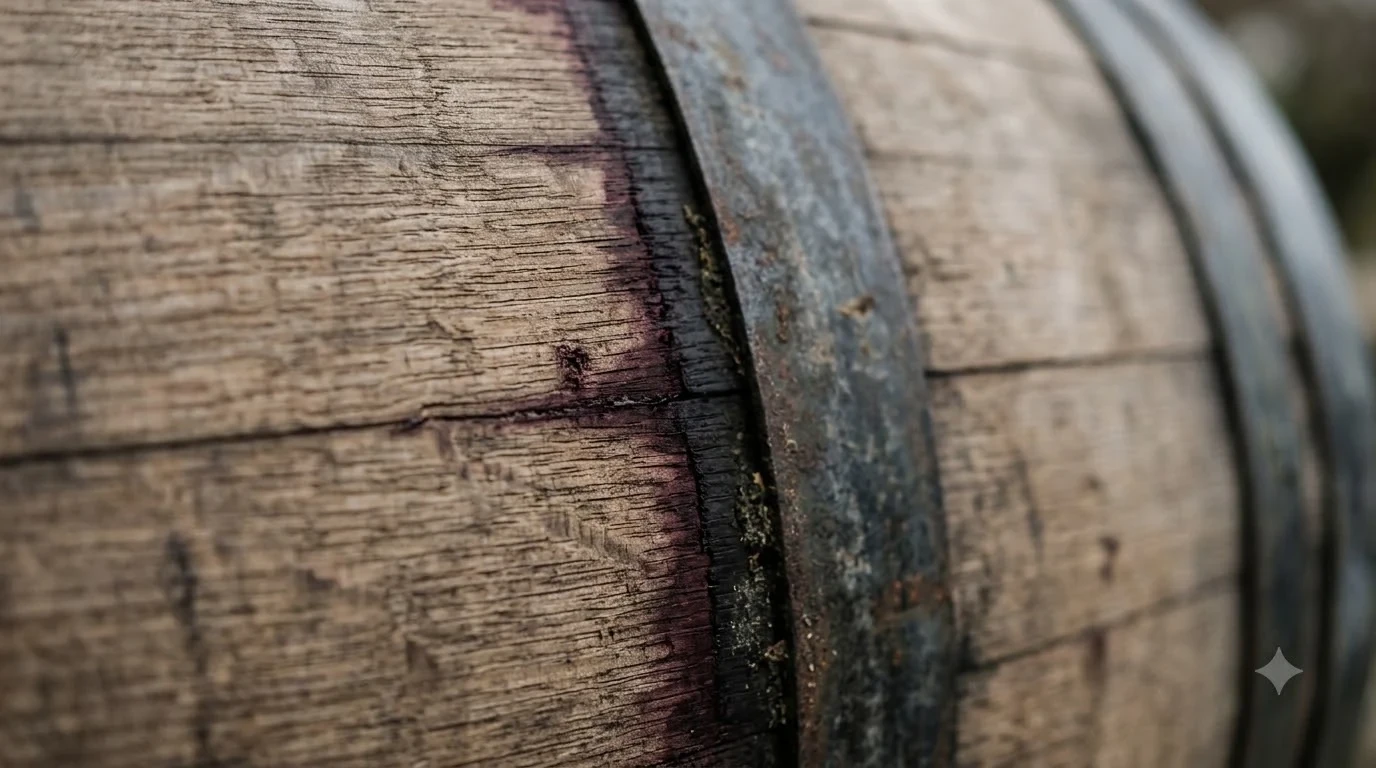
The winery’s vineyard sources include estate vineyards opposite its Paso Robles Wine Center, as well as the J. Lohr Sinclair and Jones Ranch properties farther north. The original Seven Oaks vineyard used its own rootstock and indigenous Estrella clones associated with the Paso Robles growing area.
For readers exploring the producer’s broader range, the Wine Brands section provides additional background on wineries and their different styles. Seven Oaks is particularly relevant to Cabernet Sauvignon drinkers seeking a recognizable California expression with ripe fruit and American oak influence.
Paso Robles Origins and the Character of the Region
Paso Robles plays an important role in the flavor identity of Seven Oaks because its long growing season, varied soils, and warm days encourage ripe Cabernet Sauvignon fruit. The region also experiences substantial temperature differences between daytime and nighttime, helping grapes retain freshness as they mature.
The Paso Robles American Viticultural Area was established in 1983 and subsequently expanded in 1997 and 2009. According to the Paso Robles Wine Country Alliance, the appellation covers approximately 612,000 acres, with more than 40,000 acres devoted to wine grapes and over 200 wineries operating throughout the region.
Its western boundary lies approximately six miles from the Pacific Ocean. The Santa Lucia coastal mountains influence the region’s climate, while the Salinas River Valley and Templeton Gap contribute to its diverse geographical conditions. These differences help explain why Paso Robles produces several distinct expressions of Cabernet Sauvignon rather than one uniform regional style.
Soils also contribute to vineyard variation. The regional wine organization identifies more than 30 soil series, including granite-derived soils, volcanic materials, and marine sedimentary formations. Calcareous soils are especially distinctive, with reported soil pH values ranging from 7.4 to 8.6.
J. Lohr’s own Seven Oaks vineyards include gravelly clay loam and limestone-based soils. Different soil conditions, rootstocks, and grape clones allow the winemaking team to source fruit with varying characteristics before creating the finished blend.
The regional conditions help explain the ripe black-fruit profile associated with Seven Oaks. Cabernet Sauvignon can develop generous fruit flavors while retaining the acidity and structural components that make it suitable for pairing with substantial food.
For a deeper understanding of the region, the Paso Robles Wine Country Alliance’s geography and climate overview explains the area’s soil diversity, geographical boundaries, and growing conditions.
Grape Blend and American Oak Winemaking
Cabernet Sauvignon provides the foundation of Seven Oaks, while smaller amounts of complementary grapes contribute complexity and balance. American oak maturation adds another layer, introducing toasted and vanilla-like characteristics alongside the wine’s natural fruit flavors.
The 2023 vintage provides a useful example of the winery’s blending approach. Its composition is:
| Grape variety | Percentage | Contribution to the blend |
|---|---|---|
| Cabernet Sauvignon | 86% | Dark fruit, structure, and tannin |
| Petite Sirah | 9% | Color, body, and additional structure |
| Petit Verdot | 3% | Structural depth and dark-fruit character |
| Merlot | 1% | Roundness and softer fruit character |
| Cabernet Franc | 1% | Additional aromatic and structural complexity |
These percentages describe the 2023 vintage specifically, not a permanent formula for every release. Cabernet Sauvignon remains the dominant variety, but the supporting grapes help shape the finished wine’s balance and texture.
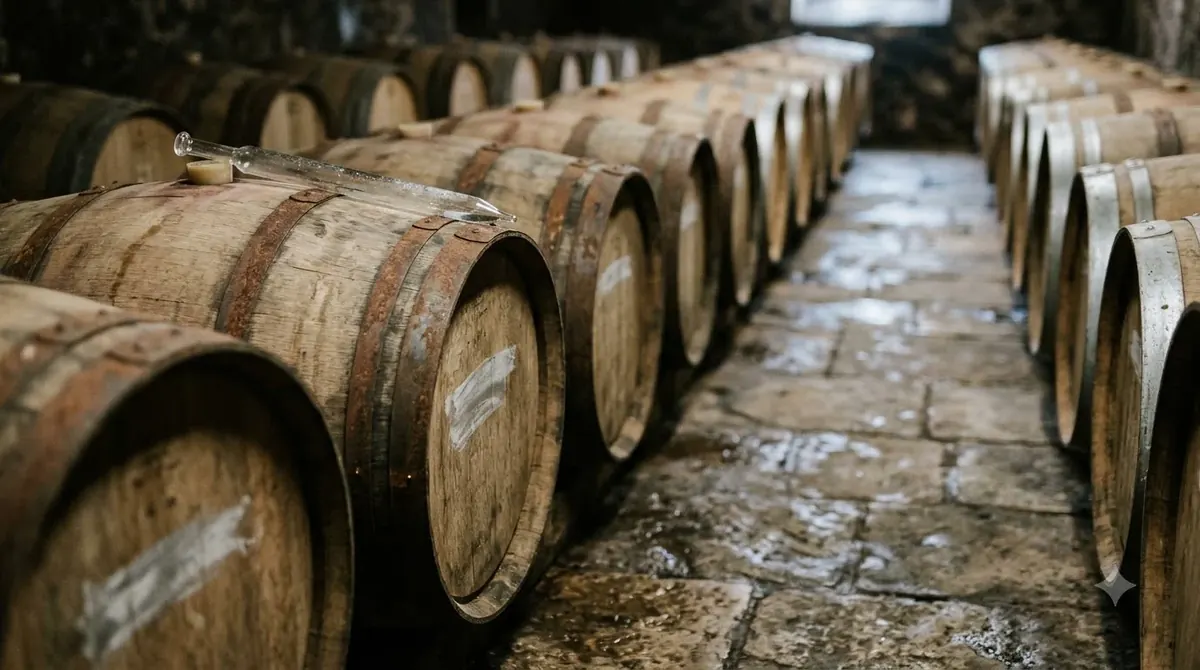
After fermentation, the wine undergoes maturation in American oak. For the 2023 release, J. Lohr reports 12 months in 60-gallon American oak cooperage, with 18% of the barrels being new. The barrels are predominantly made from Missouri and Minnesota oak, with medium and medium-plus toast levels and toasted heads.
New oak can contribute more noticeable vanilla, spice, and toasted aromas than previously used barrels. The remaining older oak allows the fruit character to remain prominent without making the wine taste entirely of wood.
Fermentation takes place in stainless steel tanks, and the winery uses its own fermentation methods to extract color and flavor while maintaining relatively soft tannins. This approach helps create a wine that has the familiar structure of Cabernet Sauvignon but does not necessarily require years of aging before it becomes enjoyable.
The combination of ripe fruit, Cabernet structure, supporting grape varieties, and American oak gives Seven Oaks its recognizable profile. The result is a dry red with enough body for hearty meals and sufficient fruit character for casual drinking.
J. Lohr Seven Oaks Tasting Notes and Flavor Profile
Seven Oaks generally shows black cherry, black currant, cassis, and other ripe red and dark fruit characteristics, followed by toasted oak, vanilla, and pastry-like notes. Its palate is full-bodied, fruit-forward, and structured, with tannins that are relatively soft compared with more austere Cabernet Sauvignon styles.
Aroma: Black cherry and currant are central to the aromatic profile. Depending on the vintage and bottle age, additional impressions can include blueberry, toasted pastry, hazelnut, vanilla, and dark chocolate.
Palate: The fruit character continues on the palate, with juicy red and dark berry flavors supported by Cabernet Sauvignon’s tannin and acidity. Oak maturation contributes a toasted dimension that can resemble vanilla, cocoa, or lightly roasted pastry.
Texture: Expect a substantial mouthfeel rather than a light, delicate red. Cabernet Sauvignon naturally contributes relatively high tannin, but the winery describes Seven Oaks as having softly textured tannins. The result is a structured wine that can feel approachable alongside food.
Finish: The finish generally carries fruit and oak characteristics, with vanilla and toasted notes lingering after the initial fruit flavors fade. The exact balance between fruit, tannin, and oak depends on the harvest and bottle age.
Independent reviews provide another perspective on the style. Wine Enthusiast awarded the 2023 vintage 91 points and described dark cherry, chocolate, vanilla, tannin, and oak flavors. Its review also highlighted the lingering vanilla finish.
That assessment complements the winery’s own description, although individual impressions naturally differ. Some drinkers may notice more currant and black cherry, while others may focus on the chocolate and oak characteristics.
Seven Oaks is generally a good fit for people who enjoy recognizable California Cabernet Sauvignon flavors but prefer a comparatively approachable texture. Those looking for a very light-bodied red or a highly restrained, mineral-driven wine may find it more concentrated than expected.
Alcohol Content, Body, Sweetness, and Serving Temperature
J. Lohr Seven Oaks is a dry, full-bodied red wine, and the 2023 vintage has an alcohol content of 14.5% ABV according to Wine Enthusiast. Its alcohol, fruit concentration, and Cabernet Sauvignon tannins make serving temperature especially important for maintaining balance.
Alcohol by volume indicates how much of the wine’s total volume consists of pure alcohol. At 14.5% ABV, a standard 5-ounce pour contains approximately 0.725 fluid ounces of pure alcohol. Actual alcohol content can differ slightly between vintages, so the figures should not automatically be applied to every Seven Oaks release.
Sweetness is another important distinction. Seven Oaks is a dry wine, not a sweet red designed around noticeable residual sugar. Its ripe fruit can create an impression of sweetness, particularly when black cherry and vanilla aromas are prominent, but ripe fruit character does not necessarily mean that a wine contains much sugar.
Its full-bodied profile also distinguishes it from lighter reds such as many Pinot Noir bottlings. Cabernet Sauvignon typically has higher tannin, while Merlot generally has softer, medium tannins. This helps explain why Seven Oaks feels more structured than a light-bodied red even when its tannins are described as soft.
For serving, aim for approximately 60–65°F. This temperature range allows the wine’s fruit and oak aromas to develop while keeping its alcohol from becoming excessively prominent.
| Serving detail | Recommended amount or range |
|---|---|
| Alcohol content, 2023 vintage | 14.5% ABV |
| Serving temperature | 60–65°F |
| Standard wine pour | 5 ounces |
| Standard bottle size | 750 ml |
| Approximate glasses per bottle | 5 |
| Young full-bodied red decanting time | 30–60 minutes |
Serving Seven Oaks too warm can make its alcohol seem more noticeable and can reduce the clarity of its fruit flavors. If the bottle has been stored at ordinary room temperature, a short period in the refrigerator before serving can help bring it closer to the recommended range.
Tip: Serve Seven Oaks at approximately 62°F rather than allowing it to become overly warm. If the bottle feels too cold, let it sit in the glass for several minutes. The gradual warming can help reveal its black cherry, cassis, and vanilla characteristics.
Pouring approximately 5 ounces into a standard wine glass leaves enough room to swirl the wine and examine its aromas. A 750 ml bottle provides roughly five standard servings, making it suitable for a small dinner gathering.
Best Food Pairings for J. Lohr Seven Oaks
J. Lohr Seven Oaks works particularly well with grilled beef, lamb, barbecue, burgers, and dishes featuring mushrooms or roasted vegetables. Its Cabernet Sauvignon tannins and ripe fruit can complement protein-rich food, while salt and fat help soften the perception of tannin.
Beef and grilled meats
Grilled steak is one of the most dependable pairings. Ribeye, New York strip, and grilled tri-tip all have enough richness and flavor to stand alongside the wine’s body. The fat in a ribeye can soften the wine’s tannins, while browned meat develops savory flavors that complement the oak and dark-fruit character.
For a simpler meal, try a cheeseburger with caramelized onions. The savory meat, melted cheese, and slightly salty toppings provide a natural counterpoint to the wine’s ripe fruit and tannin.
Barbecue and slow-cooked dishes
Seven Oaks is also a practical choice for barbecue. Pulled pork, smoked beef, and grilled sausages offer enough savory intensity to match its structure. A moderate amount of smoky seasoning can complement the wine’s toasted character.
However, very sweet barbecue sauces can make a dry red wine seem less fruity and more acidic. A balanced sauce with moderate sweetness, acidity, and savory seasoning is usually a better match than an intensely sugary glaze.
Pasta, mushrooms, and cheese
Tomato-based meat sauces, lasagna, and mushroom pasta are useful alternatives to grilled meat. The acidity of tomato sauce helps balance the wine’s fruit and body, while mushrooms add earthy flavors that work with its toasted oak characteristics.
For cheese, consider aged cheddar, Gouda, or other firm, flavorful varieties. Their salt and fat help soften Cabernet Sauvignon tannins. Mild, watery cheeses may seem less satisfying beside such a full-bodied red.
Pairings that require more care
Spicy dishes can be difficult because alcohol and tannin may amplify chili heat. Very hot curries and heavily peppered dishes can make Seven Oaks seem more alcoholic and aggressive. Oily fish such as salmon can also be challenging with tannic Cabernet Sauvignon, particularly when the preparation is delicate.
For a wider understanding of the producer’s white wine alternatives, readers can explore J. Lohr white wine. A lighter white or rosé may suit seafood, fresh salads, and delicate dishes better than this structured Cabernet Sauvignon.
Decanting, Storage, and Bottle Aging
Seven Oaks can generally be enjoyed shortly after opening, although decanting a young bottle for 30–60 minutes may help its aromas and texture become more expressive. Proper storage is equally important if you plan to keep bottles for several years rather than drinking them immediately.
Decanting introduces the wine to oxygen and gives its aromas an opportunity to develop. For a young, full-bodied Cabernet Sauvignon, approximately 30–60 minutes is a useful starting point. Pour the wine into a clean decanter, allowing it to breathe before serving.
There is no requirement to decant every bottle. If you are opening Seven Oaks for an ordinary weeknight meal, pouring a glass and allowing it to stand for several minutes may be sufficient. The best approach depends on the bottle’s age, condition, and how expressive it seems immediately after opening.
J. Lohr identifies seven years or longer as a potential cellaring period for the 2023 Seven Oaks. This indicates that the wine has enough structure to develop over time, although its fruit-forward character makes it appealing relatively early.
For longer storage, keep unopened bottles in a cool, dark location with a relatively stable temperature. Around 55°F is a useful target. Avoid direct sunlight, heating equipment, and frequent temperature fluctuations.
Storing a cork-finished bottle on its side helps maintain contact between the wine and the cork. This can reduce the likelihood of the cork drying out during extended storage. A dedicated wine refrigerator or suitable cellar provides better conditions than a warm kitchen cabinet.
Once opened, reseal the bottle and refrigerate it. Most opened still wines remain in reasonable condition for approximately three to five days, although the flavor gradually changes as oxygen exposure continues.
Before serving a refrigerated bottle again, allow it to warm toward 60–65°F. This helps restore its aromatic expression and makes the wine more enjoyable with food.
Vintage differences are important when deciding how long to age Seven Oaks. A younger release may show pronounced fruit and oak, while a bottle with several years of development may show more integrated aromas and softer perceived tannins. Storage conditions remain a major factor in determining whether an older bottle develops favorably.
Frequently Asked Questions
Is J. Lohr Seven Oaks a good Cabernet Sauvignon for beginners?
Yes, its ripe fruit and relatively soft tannins make it an approachable introduction to California Cabernet Sauvignon. It also offers recognizable aromas such as black cherry and vanilla that help new drinkers identify common Cabernet characteristics. Comparing it with a more tannic Napa Cabernet can make regional and stylistic differences easier to understand.
Is J. Lohr Seven Oaks vegan?
Vegan suitability cannot be established from the grape blend or oak-aging information alone. Some winemaking clarification agents are animal-derived, while others are plant-based or mineral-based. Contact the winery about the specific vintage and production methods if vegan certification is important.
Does J. Lohr Seven Oaks contain sulfites?
Wine naturally contains sulfites as a result of fermentation, and commercial producers may also use sulfur dioxide during winemaking to protect wine from oxidation and unwanted microbial activity. The amount can vary by vintage and production decisions. A bottle’s ingredient or allergen information is the appropriate place to check specific labeling details.
What glass is best for drinking Seven Oaks Cabernet Sauvignon?
A large-bowled Bordeaux-style glass is a suitable choice because its shape provides room to swirl the wine and directs aromas toward the nose. A glass with a capacity of approximately 18–24 ounces provides plenty of space for a standard 5-ounce serving. A regular red wine glass also works well if specialized glassware is unavailable.
Can J. Lohr Seven Oaks be used for cooking?
Yes. Its dry structure and dark-fruit character make it suitable for beef braises, mushroom sauces, and red-wine reductions. Avoid reducing it excessively over high heat, because concentrated tannin and acidity can become more pronounced. Use a wine that is still pleasant to drink rather than one that has developed unpleasant oxidation flavors.
J. Lohr Seven Oaks is a distinctive Paso Robles Cabernet Sauvignon for drinkers who appreciate ripe dark fruit, American oak, and a structured but approachable palate. Its versatility with grilled beef, barbecue, pasta, and aged cheese makes it a useful choice for everyday meals and relaxed gatherings. Serve it around 60–65°F, consider brief decanting for younger bottles, and store any bottles intended for aging in consistently cool conditions.
More in Wine Brands
 Underwood Wine Price: Compare Bottles, Cans, and Pack SizesUpdated Nov 21, 2026
 Zenato Wine Price: Compare Styles and Choose the Right BottleUpdated Nov 21, 2026
 Zuccardi Wine Price: Compare Bottles and Find the Right RangeUpdated Nov 21, 2026
 Yellow Tail Moscato Review: Taste, Sweetness and Serving TipsUpdated Nov 21, 2026
 Wolf Blass Yellow Label Review: Choose Your Best StyleUpdated Nov 21, 2026
 Wolffer Estate Rose Review: Choose the Right Bottle for Your TableUpdated Nov 21, 2026