

We may earn a commission when you buy through links on this page, at no extra cost to you. Learn more.
Dreaming Tree White Wine refers to two California white wines in the brand’s current lineup: Sauvignon Blanc and Chardonnay. The Sauvignon Blanc leans toward tropical fruit and a crisp finish, while the Chardonnay brings apple, lemon, and toasted almond notes. Both are made for relaxed, near-term enjoyment, but their different acidity, texture, and flavor profiles make them better suited to different meals.
Choosing between the two is less about finding a single “best” bottle and more about matching the wine to the occasion. This guide explains what the producer says about each style, how the wines generally behave in the glass, what to serve with them, and how to get the most from a bottle after opening.
What Dreaming Tree White Wine Includes
Dreaming Tree’s current white-wine choices are Sauvignon Blanc and Chardonnay, two familiar grape varieties with noticeably different personalities. The brand’s wine portfolio also includes red wines and rosé, so “white wine” on its own does not identify one specific bottle.
The producer describes the wines as sustainably grown in California and positions the range as fruit-forward, approachable, and intended to be enjoyed rather than stored for years. Its portfolio page lists six wines: Crush Red Blend, Cabernet Sauvignon, Pinot Noir, Sauvignon Blanc, Chardonnay, and Rosé. For someone deciding what to bring to dinner, that means the white selection is a straightforward choice between a brighter, more citrus-and-tropical style and a rounder Chardonnay.
The distinction matters because grape variety tells you more about the likely structure than the color of the bottle or the brand name. Sauvignon Blanc is generally known for high acidity and vivid aromatics; Chardonnay usually has moderate acidity and can show a wider range of body and oak influence. Neither description guarantees an identical experience in every vintage, but they provide a useful starting point.
Sauvignon Blanc: Citrus, Tropical Fruit, and Lift
Dreaming Tree Sauvignon Blanc is the livelier, sharper-edged option, built around tropical fruit aromas and a crisp finish. The producer names passion fruit, pineapple, and kiwi, giving shoppers a clear idea of its fruit-forward direction.
Those descriptors fit a familiar Sauvignon Blanc pattern. The grape can show grapefruit, passion fruit, and guava when the fruit is riper, while cooler conditions or earlier picking can preserve green notes such as cut grass, nettle, and bell pepper. Wine Enthusiast explains that Sauvignon Blanc’s naturally high acidity is one of its defining traits, and that pyrazines contribute its herbal or bell-pepper character. The balance between greener and riper notes varies with climate and winemaking, so a tropical profile does not mean the wine should taste sugary.
For Dreaming Tree’s own bottle, the official tasting notes emphasize passion fruit, pineapple, kiwi, and a clean finish. The producer specifically recommends it with fish and chips, fresh crab legs, and spicy Mexican food. That range points to a useful role at the table: the acidity can refresh the palate between bites of fried food, while its fruit character can stand alongside citrus, herbs, and a moderate amount of spice. The brand’s Sauvignon Blanc profile gives the producer’s full tasting and pairing description. Think of it as a crisp, aromatic white rather than a heavy or buttery one. It can work as an aperitif, with a seafood starter, or as the main white at a casual meal, and it is a useful alternative to Chardonnay when the food is bright, salty, or herb-driven and a fuller texture would feel out of place.
Chardonnay: Apple, Lemon, and Toasted Almond
Dreaming Tree Chardonnay is the rounder companion to the Sauvignon Blanc, with apple, lemon, and toasted almond notes. The producer calls it a classic California-style Chardonnay that is rich yet elegant, rather than describing it as an intensely buttery or heavily oaked wine.
Chardonnay is naturally adaptable, which is why its flavor can shift from lemon, green apple, and mineral notes to ripe pear, pineapple, vanilla, and toast. Wine Enthusiast describes Chardonnay as typically dry, medium- to full-bodied, and moderately acidic; it also explains that oak can add vanilla and baking-spice notes. Toasted almond in Dreaming Tree’s description belongs in that broader family of nutty, gently toasted impressions, but it should not be taken as proof that every vintage receives the same barrel treatment.
The producer’s food suggestions are specific: grilled seafood, goat cheese, mushroom pizza, herb-roasted chicken, and a salad with stone fruit, ricotta, and arugula. That mix makes sense for a wine with more body than a very lean white. It can meet the savory notes of roasted poultry and mushrooms, while apple and lemon flavors can keep goat cheese, ricotta, and stone fruit from feeling too rich.
Chardonnay is not automatically buttery just because it comes from California. The grape can be fermented and aged in stainless steel for a fresher expression, or it can see oak and malolactic fermentation for more vanilla, toast, and creaminess. Dreaming Tree’s published description points to toasted almond and a rich-yet-elegant impression, so expect some rounded character, but do not assume it will taste like an overtly buttery oak-aged Chardonnay.
Food Pairings That Suit Each Style
The easiest pairing approach is to use Sauvignon Blanc for brighter, sharper dishes and Chardonnay for foods with more weight or creaminess. Both can work with seafood and poultry, but sauce, cooking method, and seasoning are often more important than the protein alone.
For Dreaming Tree Sauvignon Blanc, start with fried fish, crab, shrimp, oysters, or white fish served with lemon and herbs. Its lively acidity helps cut through the oil and crisp coating of fish and chips, while tropical fruit can complement mango salsa, pineapple, cilantro, or lime. Fresh goat cheese, green salads, asparagus, and herb-forward vegetable dishes are also natural partners for high-acid Sauvignon Blanc. For Dreaming Tree Chardonnay, consider grilled salmon, scallops, roast chicken, mushroom pizza, or pasta with a moderate cream sauce. The producer’s recommendation of goat cheese and herb-roasted chicken is a good cue: dishes with browned edges, savory herbs, or soft cheese can match the wine’s more rounded texture. A salad with stone fruit, ricotta, and arugula also brings sweet, creamy, bitter, and peppery elements together in a way that can flatter apple and lemon flavors.
Seasoning still matters. Acidic dishes, such as ceviche or a salad dressed heavily with vinegar, can make a lower-acid wine seem flat, so the naturally high-acid Sauvignon Blanc is often the safer choice. Salt and fat soften the perception of tannin in red wine, but white-wine pairing is more about balancing acidity, richness, and flavor intensity. Avoid very hot chili sauces if the meal is already strongly alcoholic or tannic; for a white wine such as Sauvignon Blanc, moderate chile heat is usually easier to manage than an intensely fiery sauce.
For a mixed menu, serve the Sauvignon Blanc with the first course and move to Chardonnay for the richer main course. That progression follows the wines’ relative weight and keeps the more delicate, sharper wine from being overshadowed by a creamy dish. A guest who prefers red can be offered a separate option such as Dreaming Tree red wine, while people comparing the broader label range may find the Crush tasting notes helpful for understanding the red blend.
Serving, Storing, and Opening the Bottles
Temperature has a real effect on how these wines smell and taste: too much chill mutes fruit and aroma, while excessive warmth makes alcohol more noticeable. As a practical starting point, serve Sauvignon Blanc at 45–50°F and Chardonnay at 50–55°F.
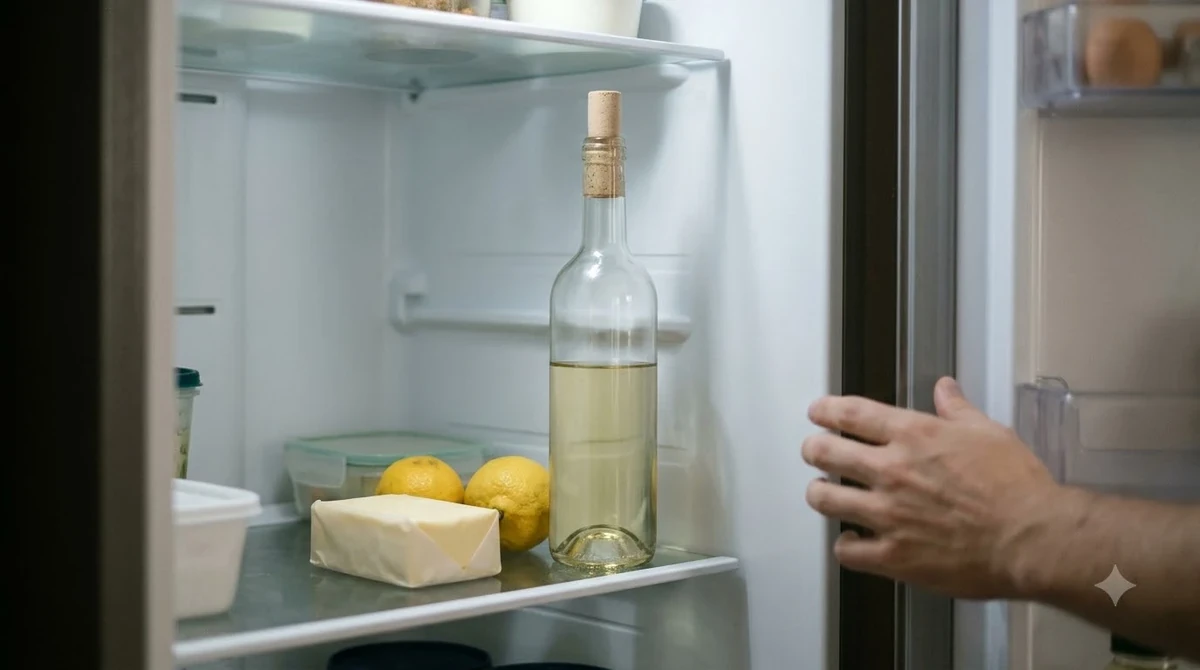
For Sauvignon Blanc, a light-white range of 45–50°F keeps its freshness in focus without making the fruit disappear. A refrigerator is usually colder than the ideal serving range, so take the bottle out briefly before pouring rather than serving it straight from the coldest shelf. Chardonnay benefits from a slightly warmer 50–55°F range, which gives apple, lemon, and toasted notes room to show. Wine Enthusiast’s serving-temperature guidance places full-bodied whites such as Chardonnay at 50–55°F and emphasizes that the less-oaked styles can be served closer to the lower end. Use a regular stemmed white-wine glass for either bottle: a narrower bowl suits aromatic Sauvignon Blanc by keeping the wine cool and concentrating fresh fruit, while a somewhat broader bowl gives Chardonnay more room to open. You do not need two specialist glasses to enjoy the difference; a clean, medium-sized white-wine glass is a practical choice for both.
| Wine or serving detail | Practical number | Why it helps |
|---|---|---|
| Dreaming Tree Sauvignon Blanc | 45–50°F | Keeps the crisp, aromatic style refreshing |
| Dreaming Tree Chardonnay | 50–55°F | Allows the rounder fruit and toasted notes to show |
| Standard pour | 5 oz | A consistent tasting portion for a meal |
| 750 ml bottle | About 5 glasses | Provides roughly five standard pours |
| Opened still wine | 3–5 days refrigerated | Best window for retaining freshness after recorking |
After opening, replace the closure and keep the bottle in the refrigerator, even if it is Chardonnay. As a general guide, still wine stays in good shape for about 3–5 days when chilled and properly closed, although delicate aromas fade over time. The remaining wine may still be usable after that window, particularly for cooking, but its fresh fruit and acidity will not be as vivid. Neither style normally needs decanting: young, full-bodied red wines sometimes benefit from 30–60 minutes of air, but these white wines are generally ready to pour once they reach the right temperature. For storage before opening, keep bottles away from direct sunlight and heat; a stable, cool spot is more important than elaborate equipment for wines intended for near-term enjoyment.
Tip: Chill the bottle first, then let the glass warm slightly as you drink. If Sauvignon Blanc seems muted straight from the refrigerator, give it a few minutes in the glass before deciding that the wine lacks aroma.
How to Choose Between the Two Bottles
Choose Sauvignon Blanc when you want a high-acid white with citrus, tropical fruit, and a crisp finish; choose Chardonnay when you prefer a broader texture with apple, lemon, and a toasted note. The decision can be made quickly by thinking about what is on the plate and how much weight you want from the wine.
For an outdoor lunch, seafood platter, fish tacos, or a plate of fried appetizers, Sauvignon Blanc is usually the more natural fit. It brings freshness and aromatic lift, and its fruit profile can work with lime, herbs, and fruit salsas. It also works well as a first pour before a meal because it feels lively rather than heavy. For roast chicken, grilled scallops, mushroom dishes, creamy pasta, or cheese, Chardonnay is likely the more comfortable match. It has the flavor weight to meet browned food and richer textures without asking the dish to be very spicy or sharply acidic. If the menu moves from a light seafood starter to roast poultry, opening both styles and serving them in that order is a sensible option.
Alcohol content can affect the impression of weight, but it should be checked by the specific bottling rather than assumed from the grape name. Different vintages and labels can vary, and a warmer-climate Sauvignon Blanc can carry more alcohol than a cooler-climate example. For a closer look at how alcohol is presented across the range, see the guide to Dreaming Tree wine alcohol content. Vintage details and availability can change, so treat producer tasting notes as a description of the intended style rather than a promise that every bottle will be identical. Fruit ripeness, growing conditions, harvest decisions, and cellar choices can shift the balance from one bottling to the next. For other producers and grape varieties, the site’s broader Wine Brands resource can help put this label in context.
The two whites are therefore not substitutes for one another so much as options for different settings. Sauvignon Blanc is the sharper, more aromatic pick; Chardonnay is the more rounded, food-flexible pick for richer dishes. Either can be a straightforward bottle for a weeknight meal, a patio gathering, or a casual dinner with friends.
Frequently Asked Questions
These quick answers cover a few details that help distinguish the grapes and understand how the wines fit into the wider wine category.
Is Sauvignon Blanc related to Cabernet Sauvignon?
Yes. Sauvignon Blanc and Cabernet Franc are the parent varieties of Cabernet Sauvignon, the red grape created through a natural crossing in France. The shared name reflects one parent, not a white-and-red blend.
Is Fumé Blanc another name for Sauvignon Blanc?
Fumé Blanc is a name used for Sauvignon Blanc in the United States. It became associated with a California style that could include oak treatment, although the name alone does not tell you exactly how a bottle was made.
Can Chardonnay be used to make Champagne?
Yes. Chardonnay is one of the three principal grapes used in Champagne, alongside Pinot Noir and Meunier. A white Champagne made entirely from white grapes is called Blanc de Blancs, and Chardonnay is the classic variety for that style.
Does Chardonnay always taste buttery?
No. The buttery aroma often associated with Chardonnay comes partly from diacetyl, a compound produced during malolactic fermentation. During this process, bacteria convert sharper malic acid into softer lactic acid, but winemakers do not necessarily use this process for every Chardonnay.
Can Sauvignon Blanc appear in a sweet dessert wine?
Yes. In Bordeaux’s Sauternes and Barsac areas, Sauvignon Blanc can be blended with Sémillon and sometimes Muscadelle to make sweet wines from grapes affected by noble rot. That is a different style from the dry, crisp table wine most people mean when they order Sauvignon Blanc.
Dreaming Tree’s two white wines offer distinct ways to approach a meal: Sauvignon Blanc for freshness and bright fruit, Chardonnay for a more rounded, gently toasted profile. Match the bottle to the food, serve it at the right temperature, and keep any unfinished wine cold so its best qualities last beyond the first pour.
More in Wine Brands
 Underwood Wine Price: Compare Bottles, Cans, and Pack SizesUpdated Nov 21, 2026
 Zenato Wine Price: Compare Styles and Choose the Right BottleUpdated Nov 21, 2026
 Zuccardi Wine Price: Compare Bottles and Find the Right RangeUpdated Nov 21, 2026
 Yellow Tail Moscato Review: Taste, Sweetness and Serving TipsUpdated Nov 21, 2026
 Wolf Blass Yellow Label Review: Choose Your Best StyleUpdated Nov 21, 2026
 Wolffer Estate Rose Review: Choose the Right Bottle for Your TableUpdated Nov 21, 2026