

We may earn a commission when you buy through links on this page, at no extra cost to you. Learn more.
Gnarly head white wine is a California white wine collection featuring approachable, fruit-forward varieties, especially Chardonnay, with flavors of citrus, apple, melon, and tropical fruit. Its Chardonnay is the best-documented expression, combining ripe fruit, refreshing acidity, and subtle toasted oak. Depending on the variety, you can expect different levels of body, acidity, and aromatic intensity, making these wines suitable for seafood, chicken, salads, and casual meals.
Gnarly Head is a recognizable California wine brand associated with bold fruit flavors and an informal, accessible style. Although its red wines receive considerable attention, its white wine selection offers several distinct options for people who prefer crisp, aromatic, or fuller-bodied wines. Understanding the differences between Chardonnay, Pinot Grigio, and Sauvignon Blanc makes choosing a bottle easier. This guide covers the available varieties, flavor profiles, alcohol content, food pairings, serving temperatures, and storage recommendations.
What Is Gnarly Head White Wine?
Gnarly Head white wine refers to the brand’s white wine offerings, which include Chardonnay, Pinot Grigio, and Sauvignon Blanc. These California wines offer different expressions of fruit, acidity, and texture, with Chardonnay providing the fuller-bodied option in the range.
The brand’s identity is closely connected to California grape-growing traditions. According to The Tasting Panel, Gnarly Head developed its identity around the old-vine heritage of Lodi, a recognized wine-growing area in Northern California. Its name and visual branding reference the twisted appearance of traditional head-trained grapevines. That background helps explain the brand’s emphasis on expressive fruit and approachable wines.
The three white varieties serve different preferences. Chardonnay is generally the richer choice, with a rounder texture and flavors that can include citrus, melon, apple, and vanilla. Pinot Grigio is typically selected for a lighter, more refreshing drinking experience, while Sauvignon Blanc is known for pronounced aromatic character and lively acidity.
The producer’s current Chardonnay description identifies fruit sourced from selected vineyards in Lodi and Monterey. These locations contribute different characteristics to the finished wine. Lodi fruit provides ripe flavors and a fuller mouthfeel, while Monterey fruit contributes freshness, citrus character, and acidity.
It is useful to distinguish the brand’s established wine range from the specific bottles available at a retailer. Product selections, regional designations, and vintages can vary. Older industry coverage also identifies all three white varieties, but an individual store may carry only Chardonnay or a limited selection.
For readers exploring other producers and styles, the broader Wine Brands category provides a useful starting point for comparing California labels and their different approaches to white and red wine.
Chardonnay Flavor, Aroma, and Winemaking Style
Gnarly Head Chardonnay is the most clearly documented white wine in the range, with a dry, fruit-forward style, medium acidity, and a relatively full body. Its defining characteristics include lemon zest, honeydew melon, apple, tropical fruit, and subtle toasted oak.
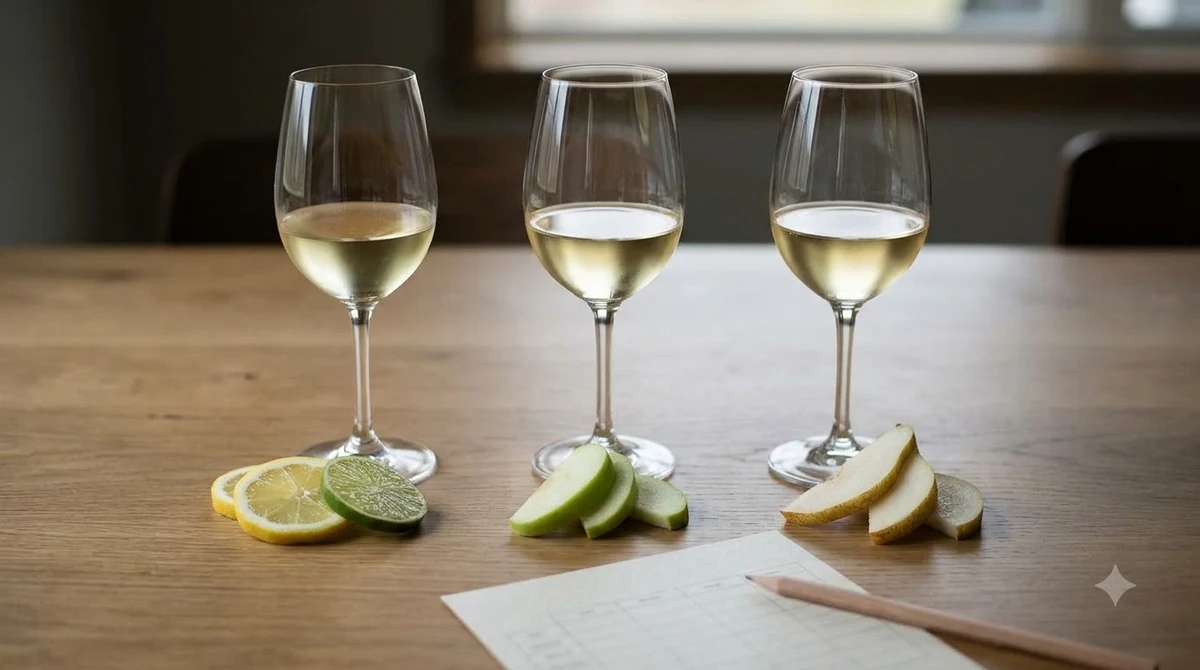
The aroma combines fresh citrus with ripe orchard fruit. Lemon zest gives the wine an energetic opening, while honeydew melon and apple contribute a rounder fruit character. Depending on the vintage and tasting conditions, additional impressions can include pear, guava, pineapple, and vanilla.
Wine Enthusiast’s review of the 2023 California Chardonnay describes green apple, guava, lemon cream, and toasted oak on the nose. Its palate features baked pear, cinnamon, orange blossom, and mineral notes. The publication awarded this particular vintage 90 points, making it a useful reference for understanding the wine’s general style.
Other reviews demonstrate how the profile can change slightly between vintages. Wine Enthusiast’s review of the 2022 Central Coast bottling identifies apple, pear, popcorn, melon, Meyer lemon, and almond. The Tasting Panel’s review of the 2018 Central Coast Chardonnay describes peach, pear, caramel apple, peach preserves, apricot scone, and cashew, awarding it 91 points.
These differences are normal. Grapes change with growing conditions, and winemaking decisions can influence the finished wine’s aroma, texture, and balance. A particular bottle may emphasize citrus and mineral notes more strongly, while another may show richer orchard fruit and creamy characteristics.
How winemaking influences the flavor
Gnarly Head’s published winemaking description provides several useful details. The grapes are harvested during early morning hours to preserve their cool temperature before arriving at the winery. They are then pressed off their skins and transferred into fermenters.
One especially interesting detail is the use of partial malolactic fermentation. According to the producer, 25% of the Chardonnay undergoes this process to create a fuller, rounder texture. Malolactic fermentation converts sharper malic acid into softer lactic acid, which can contribute a creamy impression to Chardonnay.
Individual wine lots are aged separately before blending. This allows the winemaking team to work with different vineyard characteristics and textures before assembling the final wine. The resulting profile balances ripe fruit with acidity and a modest oak influence rather than relying exclusively on heavy buttery characteristics.
For a closer look at the producer’s description, vineyard sourcing, and production details, see the official Gnarly Head Chardonnay information.
White Wine Varieties and How They Compare
Gnarly Head’s white wine selection includes three grape varieties with noticeably different personalities. Chardonnay suits drinkers who enjoy fuller textures, Pinot Grigio offers a generally lighter and fresher style, and Sauvignon Blanc appeals to those who prefer pronounced aromatics and higher acidity.
Although all three are white wines, they should not be treated as interchangeable. The grape variety influences the wine’s typical aroma, structure, and food-pairing possibilities. The differences are particularly noticeable when comparing Chardonnay’s rounder mouthfeel with the sharper freshness commonly associated with Sauvignon Blanc.
| Variety | Typical flavor profile | Body | Acidity | Best food matches |
|---|---|---|---|---|
| Chardonnay | Apple, citrus, melon, vanilla | Medium to full | Medium | Chicken, shrimp, creamy pasta |
| Pinot Grigio | Pear, lemon, citrus blossom | Light to medium | Medium to high | Salads, seafood, light pasta |
| Sauvignon Blanc | Citrus, green fruit, herbal notes | Light to medium | High | Goat cheese, shellfish, vegetables |
The table describes typical grape-variety characteristics rather than laboratory measurements or guaranteed tasting specifications for every Gnarly Head bottle. Vintage, vineyard sourcing, and winemaking can influence the final result.
Chardonnay: The richer choice
Chardonnay is a versatile grape because it can produce wines ranging from crisp and restrained to rich and creamy. Gnarly Head’s version leans toward ripe fruit and a rounded mouthfeel, with citrus and apple providing freshness and toasted oak contributing additional complexity.
It is particularly suitable for people who enjoy white wines with noticeable body. The combination of fruit and subtle oak makes it a natural partner for grilled chicken, shrimp, seafood pasta, and dishes with moderate amounts of butter or cream.
Pinot Grigio: The refreshing choice
Pinot Grigio generally emphasizes freshness, citrus, pear, and delicate floral characteristics. Compared with a fuller Chardonnay, it tends to feel lighter and more straightforward, making it appropriate for casual lunches, seafood appetizers, and vegetable dishes.
Its acidity also makes it useful when a meal includes lemon, vinaigrette, or fresh herbs. Readers comparing different Pinot Grigio options may find the discussion of Black Box Pinot Grigio alcohol content helpful when evaluating another California-market wine.
Sauvignon Blanc: The aromatic choice
Sauvignon Blanc typically has higher acidity and more pronounced aromatic character than Chardonnay. Depending on its growing conditions, it can show grapefruit, lime, green apple, passion fruit, or herbal notes.
This style often works particularly well with fresh vegetables, seafood, and tangy cheeses. It is also a useful choice for meals that include citrus dressing or fresh herbs because its acidity can complement those ingredients.
Ultimately, Chardonnay is the natural starting point for anyone seeking the brand’s richer white wine style. Pinot Grigio and Sauvignon Blanc provide alternatives for drinkers who prioritize freshness or aromatic intensity.
Alcohol Content, Sweetness, and Wine Structure
Gnarly Head Chardonnay is commonly listed at 13.5% alcohol by volume, while sweetness is best understood as dry rather than dessert-sweet. Its ripe fruit aromas can create an impression of sweetness, but fruitiness and residual sugar are two different characteristics.
Wine Enthusiast lists the reviewed 2023 Chardonnay at 13.5% ABV in a 750 ml bottle. Its reviewed 2022 Central Coast Chardonnay carries the same listed alcohol percentage and bottle size. These figures provide a useful reference when comparing the brand’s Chardonnay with other California white wines.
The alcohol percentage of an individual bottle should not automatically be applied to every Gnarly Head white wine variety. Chardonnay, Pinot Grigio, and Sauvignon Blanc can have different specifications, and individual vintages may also differ. For the most accurate figure, use the technical information associated with the particular bottle.
Is Gnarly Head Chardonnay sweet or dry?
Gnarly Head Chardonnay is generally a dry white wine. Dry wine contains relatively little residual sugar compared with sweet or dessert wines. The apple, melon, citrus, and tropical fruit characteristics are natural flavor impressions rather than proof that the wine contains substantial added sugar.
Oak can also influence the perception of sweetness. Vanilla, toasted oak, and creamy textures may make a dry Chardonnay seem rounder or richer, especially when compared with a crisp Sauvignon Blanc.
Understanding body and acidity
Body describes how substantial a wine feels in the mouth. A light-bodied white wine often feels delicate and refreshing, while a full-bodied Chardonnay can feel broader and more substantial. Gnarly Head’s Chardonnay is described by its producer as full-bodied, although individual drinkers may perceive its texture differently.
Acidity describes the refreshing, mouthwatering sensation produced by acids in wine. Chardonnay generally has medium acidity, offering a balance between ripe fruit and freshness. In this case, the Monterey component contributes crisp acidity that helps balance the richer fruit associated with Lodi.
Tannin is another structural characteristic, but white wines usually contain very little compared with red wines. Chardonnay is therefore a different experience from a Cabernet Sauvignon or a structured Syrah, both of which can have considerably more noticeable tannin.
Alcohol, body, sweetness, and acidity should be considered separately when choosing a bottle. A wine can be dry but fruit-forward, full-bodied but refreshing, or aromatic without being sweet. Understanding these distinctions makes it easier to select a white wine that suits a particular meal or personal preference.
Tip: Do not judge Chardonnay sweetness by vanilla or tropical fruit aromas alone. Gnarly Head Chardonnay is a dry-style wine, and its ripe fruit character comes alongside acidity and a rounded texture rather than dessert-like sweetness.
Best Food Pairings for Gnarly Head White Wine
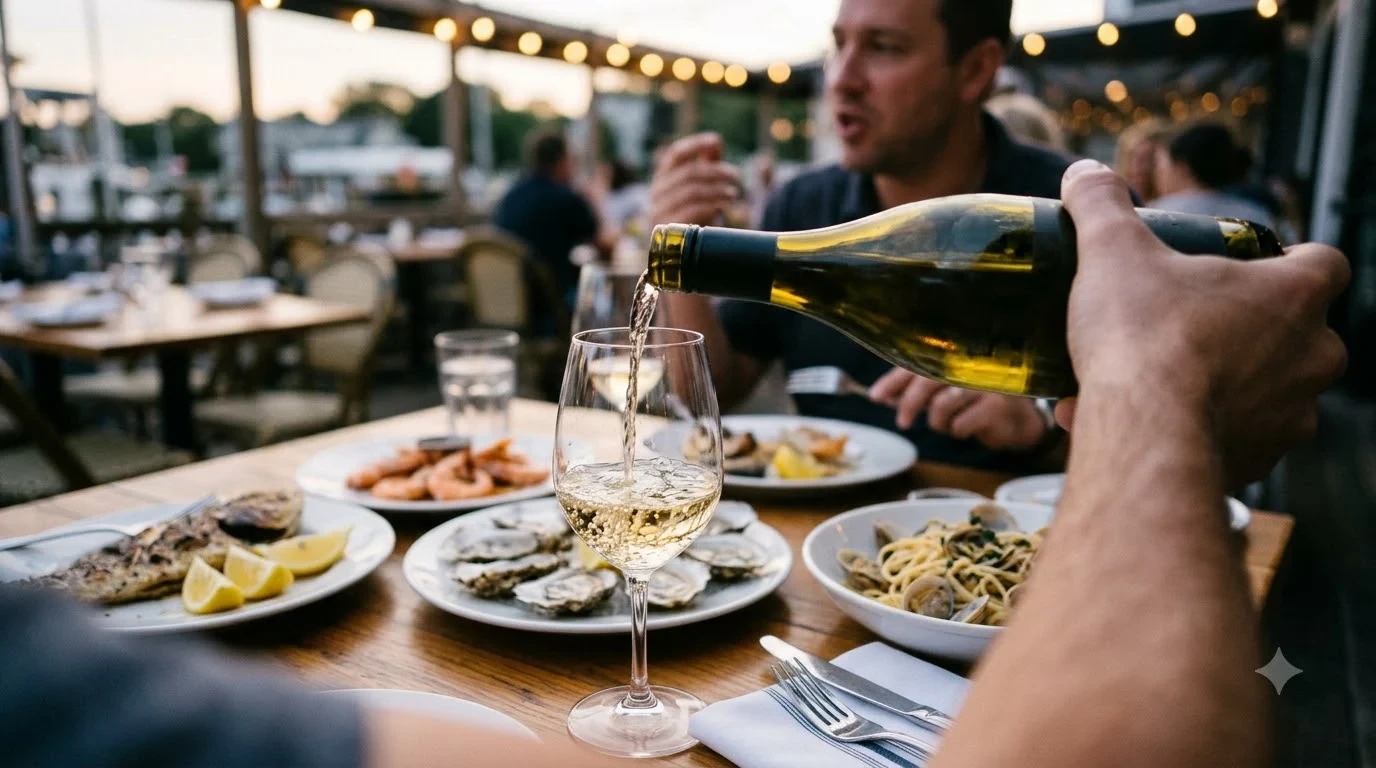
Gnarly Head white wines work particularly well with seafood, chicken, salads, and pasta because their fruit character and acidity complement a broad range of everyday dishes. Chardonnay is especially suitable for richer preparations, while Pinot Grigio and Sauvignon Blanc are useful with lighter meals.
The producer specifically recommends chicken curry, grilled shrimp, and spaghetti carbonara for its Chardonnay. These pairings make sense because the wine combines enough body to complement substantial food with citrus acidity that helps balance richer flavors.
Seafood and shellfish
Grilled shrimp is one of the most straightforward matches for Gnarly Head Chardonnay. The wine’s lemon zest and citrus character complement seafood’s delicate sweetness, while its fuller texture works well with grilled or lightly seasoned preparations.
Other suitable options include scallops, crab cakes, baked white fish, and seafood pasta. A lemon-butter sauce can create a particularly natural connection because citrus notes in the wine echo the acidity in the sauce.
However, preparation matters. Delicate raw seafood can be overwhelmed by a rich, oak-influenced Chardonnay. For oysters, sashimi, and lightly seasoned shellfish, a fresher Pinot Grigio or Sauvignon Blanc may be a better option.
Chicken and poultry
Roast chicken is a dependable partner for Chardonnay. The wine’s apple, melon, and vanilla characteristics work with the savory flavors of roasted poultry, while its body can stand up to crisp chicken skin and moderate seasoning.
Chicken curry is another producer-recommended pairing. A mild or moderately seasoned curry can complement the wine’s ripe fruit and round texture. Extremely spicy dishes require more care because alcohol and tannin can amplify chili heat, making the overall experience feel hotter.
Pasta and creamy sauces
Spaghetti carbonara is a particularly suitable match because its richness complements Chardonnay’s fuller body. Eggs, cheese, and other savory ingredients create a substantial dish that benefits from a wine with enough texture to remain noticeable.
Other possibilities include fettuccine Alfredo, chicken pasta, mushroom risotto, and seafood linguine. For tomato-heavy sauces, the wine’s acidity and flavor intensity should be considered carefully. Very acidic tomato preparations can make a lower-acidity Chardonnay seem less lively.
Salads, cheese, and lighter meals
Grilled peach salad with goat cheese is another pairing suggested for Gnarly Head Chardonnay by Wine.com. The ripe fruit echoes the peach and apple characteristics, while the tangy cheese adds contrast and freshness.
Pinot Grigio and Sauvignon Blanc can be especially useful with salads containing lemon dressing, fresh herbs, cucumber, or green vegetables. Sauvignon Blanc also works well with goat cheese because its higher acidity can complement the cheese’s tangy character.
Salt and fat can soften the perception of tannin in red wines, although tannin is generally not a major consideration with these white wines. With Chardonnay, the more important considerations are matching body, acidity, and flavor intensity.
A useful general rule is to match the weight of the wine to the weight of the meal. Choose Chardonnay for creamy pasta and grilled chicken, Pinot Grigio for lighter seafood and salads, and Sauvignon Blanc for herb-driven dishes and tangy cheeses.
Serving Temperature, Glassware, and Storage
Gnarly Head white wine is best served chilled rather than ice-cold, allowing its fruit aromas and texture to remain expressive. A suitable starting point is 50–55 degrees Fahrenheit for fuller-bodied Chardonnay and 45–50 degrees Fahrenheit for lighter white wines.
Temperature makes a noticeable difference to the drinking experience. Excessive chilling can suppress aromas and make Chardonnay seem less expressive, while serving it too warm can emphasize alcohol and reduce its refreshing character.
Recommended serving temperatures
| Wine style | Serving temperature | Practical recommendation |
|---|---|---|
| Full-bodied Chardonnay | 50–55°F | Serve cool but not extremely cold |
| Light-bodied Pinot Grigio | 45–50°F | Serve well chilled |
| Fresh Sauvignon Blanc | 45–50°F | Keep cool to preserve freshness |
| Light rosé | 45–50°F | Serve chilled |
For convenience, a refrigerator can be used to chill the bottle before serving. If the wine becomes too cold, allow it to sit briefly at room temperature before pouring. A small temperature adjustment can make the difference between muted aromas and a more expressive glass.
Choosing the right glass
A standard white wine glass is suitable for Gnarly Head Chardonnay, Pinot Grigio, and Sauvignon Blanc. A moderately sized bowl gives the wine room to release its aromas without allowing it to warm too quickly.
For Chardonnay, a slightly wider bowl can help reveal its fuller texture and oak-related aromas. A narrower white wine glass works well for Sauvignon Blanc because it focuses the aromatic experience and helps maintain a cool serving temperature.
A standard serving is approximately 5 ounces. A 750 ml bottle provides about five such glasses, making it a convenient size for a small dinner gathering or a meal shared by two people.
Storing unopened bottles
Unopened wine should be kept away from direct sunlight, strong temperature fluctuations, and excessive heat. A consistent storage temperature near 55 degrees Fahrenheit is a useful target for longer-term storage.
If the bottle has a natural cork, storing it on its side helps maintain contact between the cork and the wine. Bottles with screw caps can be stored upright or on their sides, provided the environment remains cool and stable.
Keeping an opened bottle fresh
After opening, reseal the bottle and place it in the refrigerator. Most opened still white wines are best consumed within approximately three to five days, although their freshness gradually declines after exposure to oxygen.
Use a suitable wine stopper to limit air exposure. Before pouring another glass, allow a refrigerated Chardonnay to warm slightly toward its preferred serving temperature. This helps restore some of its fruit aromas and fuller mouthfeel.
For everyday enjoyment, opening a bottle shortly before dinner is usually sufficient. Unlike young, full-bodied red wines, Chardonnay generally does not require extended decanting. A few minutes in the glass can provide enough time for its aromas to become more noticeable.
How to Choose the Right Gnarly Head Bottle
The best Gnarly Head white wine depends on the flavors, texture, and food pairings you prefer. Chardonnay is the strongest starting point for a fuller white wine, while Pinot Grigio and Sauvignon Blanc are worth considering if freshness and aromatic intensity are more important.
Start by thinking about the meal rather than choosing a bottle solely by grape variety. A rich pasta dish or grilled chicken can benefit from Chardonnay’s broader texture. A simple seafood lunch may work better with Pinot Grigio, while a salad with goat cheese and herbs can be particularly enjoyable with Sauvignon Blanc.
Choose Chardonnay for a fuller experience
If you enjoy ripe apple, melon, lemon, and vanilla flavors, Chardonnay is the obvious option. Its combination of fruit and subtle oak makes it flexible enough for both casual meals and more substantial dinners.
It is also the best-documented expression of the brand’s white wine range. The producer provides specific information about its vineyard sourcing, early-morning harvesting, and partial malolactic fermentation. These details help explain why the wine has both freshness and a rounder mouthfeel.
Choose Pinot Grigio for freshness
Pinot Grigio is appropriate for people who prefer a lighter style that does not dominate a meal. Its typical citrus and pear characteristics make it suitable for appetizers, seafood, and uncomplicated lunches.
It is also a practical option for warm-weather gatherings. Serve it at 45–50 degrees Fahrenheit with grilled vegetables, shrimp salad, or lightly seasoned fish.
Choose Sauvignon Blanc for aromatic intensity
Sauvignon Blanc is a good alternative for drinkers who enjoy sharper acidity and expressive aromas. Its citrus and herbal characteristics can provide a refreshing contrast to fresh vegetables, goat cheese, and seafood.
It is especially useful when a meal includes lemon, lime, or fresh herbs. These ingredients complement the grape’s typical flavor profile and help maintain a lively balance between the food and the wine.
Compare white and red styles
Gnarly Head’s white and red wines serve different purposes at the table. The Chardonnay offers ripe fruit and a rounder texture, while the red range provides wines with darker fruit characteristics and more noticeable tannin.
For readers interested in comparing the brand’s two sides, Gnarly Head red wine provides another perspective on the producer’s California portfolio. Chardonnay is generally more suitable for seafood and creamy poultry dishes, while Cabernet Sauvignon and other reds are better suited to many grilled meats and richer savory preparations.
Another useful comparison is the broader French-influenced style of Baron Philippe de Rothschild wine, which gives readers an opportunity to explore different producers and regional approaches to grape varieties.
Ultimately, the best bottle is the one that matches your preferred balance of body, acidity, and flavor. Starting with the food pairing and then considering the grape variety is a simple way to make a more confident choice.
Frequently Asked Questions
Does Gnarly Head white wine contain sulfites?
Wine naturally contains sulfites as a result of fermentation, and many commercial wines also have sulfites added to help maintain stability. Sulfite labeling requirements in the United States apply when total sulfites reach 10 parts per million or more. The precise sulfite concentration of an individual Gnarly Head bottle is not established by the general tasting descriptions.
Does Gnarly Head Chardonnay have a screw cap?
Wine.com’s product listing identifies a screw cap closure for its reviewed 2022 Gnarly Head Chardonnay. Closure specifications can vary between vintages and bottlings, so this detail should not automatically be applied to every bottle in the brand’s range. A screw cap can be resealed easily after opening and does not require a corkscrew.
Can Gnarly Head Chardonnay be used in cooking?
Yes. A dry Chardonnay can be used in dishes such as chicken pan sauces, seafood pasta, and risotto. Its citrus and apple characteristics can add flavor to a sauce, while its moderate acidity provides balance. Use a wine whose flavor you enjoy drinking, and allow it to cook into the dish rather than adding it only at the end.
Is Gnarly Head Chardonnay suitable for a wine gift?
It can be a practical gift for someone who enjoys approachable California Chardonnay. The recognizable fruit profile, familiar grape variety, and versatile food-pairing possibilities make it an accessible option for casual dinners and informal celebrations. If the recipient prefers crisp, unoaked white wines, a lighter Pinot Grigio or Sauvignon Blanc may be a better choice.
Does Gnarly Head white wine need decanting?
No. Gnarly Head Chardonnay and the lighter white varieties generally do not need traditional decanting before serving. Unlike some young, structured red wines, white wines in this style are usually ready to drink shortly after opening. Pouring a small amount into a glass and allowing it to sit for several minutes is normally sufficient for its aromas to develop.
Gnarly Head white wine offers an approachable selection of California styles, with Chardonnay providing ripe fruit, citrus freshness, and a fuller texture. Pinot Grigio and Sauvignon Blanc provide alternatives for those who prefer lighter body or more pronounced acidity. Choose the variety that suits your meal, serve it at the appropriate temperature, and enjoy its distinctive fruit character with food.
More in Wine Brands
 Underwood Wine Price: Compare Bottles, Cans, and Pack SizesUpdated Nov 21, 2026
 Zenato Wine Price: Compare Styles and Choose the Right BottleUpdated Nov 21, 2026
 Zuccardi Wine Price: Compare Bottles and Find the Right RangeUpdated Nov 21, 2026
 Yellow Tail Moscato Review: Taste, Sweetness and Serving TipsUpdated Nov 21, 2026
 Wolf Blass Yellow Label Review: Choose Your Best StyleUpdated Nov 21, 2026
 Wolffer Estate Rose Review: Choose the Right Bottle for Your TableUpdated Nov 21, 2026