

We may earn a commission when you buy through links on this page, at no extra cost to you. Learn more.
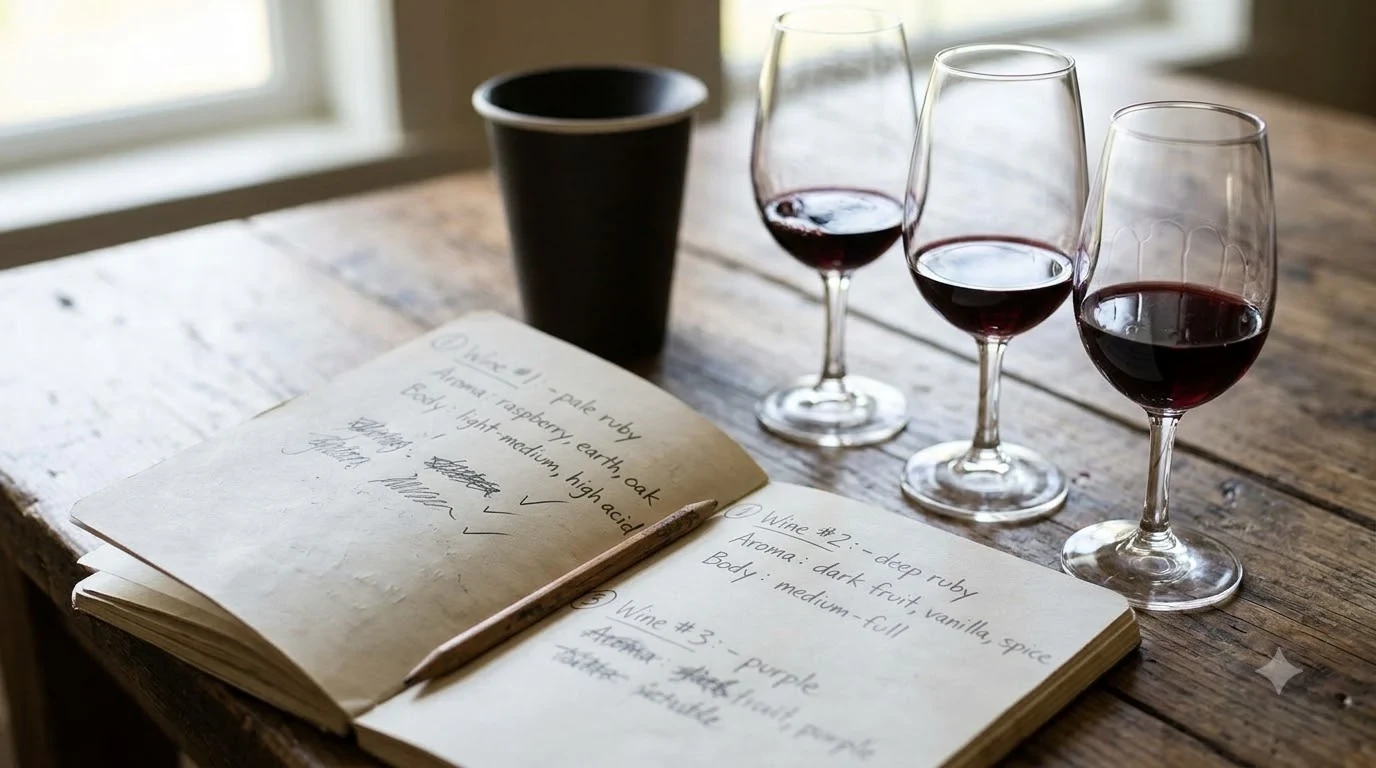
Freakshow cabernet tasting notes reveal a bold, fruit-forward California red with blackberry, blueberry, vanilla, cocoa, and black pepper flavors, supported by noticeable oak and smooth, moderately structured tannins. Made by Michael David Winery in Lodi, California, this Cabernet Sauvignon combines ripe dark-fruit character with baking spices and a substantial alcohol presence. Expect a generous, approachable style that works particularly well with grilled beef, burgers, barbecue, and other richly flavored dishes.
Freakshow Cabernet Sauvignon is recognizable for more than its theatrical label. Its flavor profile offers a combination of concentrated fruit, oak-derived richness, and savory spice that appeals to drinkers who enjoy expressive California Cabernet. Although individual vintages can differ in their aromas, body, and oak influence, the wine generally emphasizes dark fruit and a smooth, lasting finish. Understanding its tasting profile, structure, and serving requirements makes it easier to decide whether this bottle suits your preferences and dinner plans.
Freakshow Cabernet Tasting Notes: Aroma and Flavor Profile
Freakshow Cabernet Sauvignon typically opens with ripe berry aromas before developing layers of vanilla, cocoa, pepper, and baking spice. Its palate follows a similarly generous direction, emphasizing dark fruit and a rounded texture rather than sharp acidity or aggressive tannins.

The winery’s 2024 vintage provides a particularly useful reference for understanding the house style. Michael David Winery identifies blueberry pie, vanilla, and cracked black pepper on the nose. These aromas combine ripe fruit sweetness with a savory spice element, creating an expressive first impression. Blueberry pie suggests concentrated, fully ripe fruit, while vanilla reflects the influence of oak aging. Cracked black pepper adds contrast and keeps the aromatic profile from becoming entirely dessert-like.
On the palate, the 2024 vintage features blackberry, sweet bread, and cocoa nibs. Blackberry supplies the central dark-fruit character, while cocoa nibs contribute a darker, slightly bitter impression. Sweet bread adds a softer, baked quality that complements the vanilla notes. The finish continues with ripe dark fruit, delicate oak, and cocoa.
Other vintages reveal slightly different combinations. Wine Enthusiast’s review of the 2023 vintage identifies red fruits, dried rosemary, toasted vanilla, and dried potpourri on the nose. Its palate includes dark plum, boysenberry, coriander, and clove, with silky tannins. The 2022 vintage, also reviewed by Wine Enthusiast, emphasizes deep berries, clove, crushed violets, blackberry, boysenberry, coffee, and cardamom.
These differences demonstrate why tasting notes should be understood as vintage-specific rather than permanent characteristics of every bottle. One release may lean toward blueberry and cocoa, while another emphasizes plum, herbal aromas, or toasted spice. The consistent thread is generous fruit, oak influence, and an accessible Cabernet structure.
Body, Tannins, Acidity, and Alcohol
Freakshow Cabernet is generally a substantial red with ripe fruit, noticeable alcohol, and enough tannin to give the wine structure. It is a good choice for drinkers who appreciate a fuller California Cabernet but prefer a smoother presentation over extremely firm, drying tannins.
Body describes the weight of wine across the palate. Freakshow’s combination of concentrated fruit, oak influence, and alcohol creates a rounded impression. Its texture can feel rich without necessarily becoming heavy or excessively drying. The 2023 vintage’s silky tannins, noted by Wine Enthusiast, illustrate this approachable side of the wine.
Cabernet Sauvignon naturally contributes substantial tannin. These compounds create the drying sensation around the gums and cheeks that helps distinguish Cabernet from softer varieties such as Merlot. Freakshow retains this recognizable Cabernet structure, but ripe fruit and oak flavors help create a smoother overall impression.
Alcohol also influences perceived body. The winery lists 15% ABV for its 2024 vintage, while Wine Enthusiast reports 14.5% ABV for the 2023 vintage. That difference is important because alcohol levels can change between releases. At these strengths, the wine may feel warm toward the back of the palate, particularly when served too warm.
Acidity contributes freshness and balance. The 2024 winery specifications list total acidity of 0.61 grams per 100 milliliters and a pH of 3.63. These technical measurements help describe the wine’s composition, although they do not independently determine how acidic it tastes. In practical terms, the ripe fruit profile and rounded texture make it more immediately approachable than a particularly lean or high-acid red.
Here is a useful summary of the available vintage-specific technical information:
| Characteristic | 2023 vintage | 2024 vintage |
|---|---|---|
| Alcohol | 14.5% ABV | 15% ABV |
| Bottle size | 750 ml | 750 ml |
| Wine Enthusiast rating | 89 points | Not listed in the cited review |
| Total acidity | Not specified here | 0.61 g/100 ml |
| pH | Not specified here | 3.63 |
| Oak composition | Not specified here | 80% French, 12% neutral, 7% American |
The information above comes from the winery’s 2024 product specifications and Wine Enthusiast’s 2023 review. The oak percentages are the winery’s listed composition, not a claim that every vintage receives identical treatment. They provide a useful reference for understanding the newer release without assuming that different vintages share identical production details.
Lodi Origins and the Influence of the Growing Region
Freakshow Cabernet Sauvignon comes from Lodi, a California wine region known for ripe fruit expression and a Mediterranean growing climate. Warm, sunny growing seasons support grape ripening, while cooling Pacific influences help preserve natural acidity.
Lodi lies east of San Francisco and is influenced by the Sacramento-San Joaquin Delta. According to the Lodi Winegrape Commission, the region experiences warm, dry summers and cool, wet winters. During the growing season, maritime breezes travel inland through the region’s waterways, helping moderate temperatures and maintain grape acidity.
This combination helps explain why Lodi reds can deliver generous fruit while retaining enough freshness to support their structure. Cabernet Sauvignon benefits from sufficient warmth to develop ripe berry flavors, but the cooling influence helps prevent every expression from becoming simply heavy or flat.
Soil variation also matters. The Lodi region includes Tokay Fine Sandy Loam, Tuscan Stony Loam, San Joaquin Loam, and Archerdale Clay Loam. The Mokelumne and Cosumnes rivers contributed granitic-based minerals to the area’s soils over thousands of years. Different soil conditions influence drainage, vine growth, and the characteristics of individual vineyard sites.
It is important not to confuse regional characteristics with a confirmed description of one specific vineyard. The broader Lodi AVA contains several distinct growing environments, and the winery’s published product information identifies Freakshow Cabernet as a Lodi wine. Without specific vineyard information for a particular bottle, it is more accurate to describe the regional influence than to assign the wine to an individual soil type or sub-appellation.
For readers comparing California Cabernet styles, Lodi offers an interesting point of reference alongside Napa Valley and Paso Robles. Freakshow’s emphasis on ripe berries, vanilla, and cocoa provides a more fruit-forward experience than some firmer, more restrained Cabernet expressions. Its style is especially appealing to people who enjoy concentrated fruit without requiring highly aggressive tannins.
For another perspective on California Cabernet, compare these Austin Hope Cabernet tasting notes to understand how a different California producer presents ripe fruit, oak, and structure.
The regional climate and soil background can be explored further through the Lodi Winegrape Commission’s explanation of Lodi soils and climate.
Oak Aging and the Development of Vanilla and Cocoa Flavors
Oak plays an important role in Freakshow Cabernet’s flavor profile, contributing aromas and flavors that complement its natural dark-fruit character. Vanilla, toasted spice, and cocoa are particularly useful clues when identifying the wine’s oak-influenced style.
Michael David Winery lists the 2024 vintage’s oak composition as 80% French oak, 12% neutral oak, and 7% American oak. The figures describe the listed oak composition for that release and show the predominance of French oak in the winery’s specification.
Different oak types can contribute different aromatic impressions. French oak is commonly associated with restrained spice, toast, and subtle vanilla characteristics. American oak can contribute more pronounced vanilla and sweet spice impressions. Neutral oak, by contrast, generally contributes less fresh oak flavor because it has already been used for aging other wines.
These influences do not mean the wine tastes like wood. Rather, oak-related compounds interact with the wine’s fruit and tannin structure to create additional layers. In Freakshow, the result complements flavors such as blackberry, blueberry, cocoa, and cracked pepper.
It is also useful to distinguish oak flavor from sweetness. Vanilla and sweet-bread aromas can make a dry red wine seem sweet even when the wine is not technically sweet. Ripe fruit compounds can create a similar impression, especially when combined with a smooth texture and moderate acidity.
The winery’s published information for the 2024 release identifies an oak finish rather than a heavily woody character. This distinction helps explain why the wine can appeal to people who enjoy noticeable oak but do not necessarily want a Cabernet dominated by bitter toast or intense wood flavors.
For comparison, Caymus Cabernet tasting notes offer another reference point for evaluating how ripe fruit and oak influence the overall impression of a California Cabernet Sauvignon.
Best Food Pairings for Freakshow Cabernet Sauvignon
Freakshow Cabernet pairs best with savory foods that have enough richness and flavor to match its dark fruit, alcohol, and tannin. Grilled steak, barbecue ribs, lamb, and aged cheeses are particularly suitable choices.
Cabernet Sauvignon’s tannins interact with proteins and fats in food. Fat can soften the drying sensation of tannin, while savory meat flavors provide a satisfying contrast to ripe blackberry and plum notes. This makes grilled beef one of the most reliable pairings for a wine with Freakshow’s profile.
Beef and grilled meats
Ribeye steak is an excellent option because its marbling provides richness that complements the wine’s structure. A grilled New York strip, beef tenderloin, or slow-roasted short ribs also works well. Seasoning with black pepper, rosemary, and garlic connects naturally with the wine’s peppery and herbal notes.
For burgers, choose beef patties with enough fat to remain juicy after grilling. Caramelized onions, aged cheddar, mushrooms, and a lightly smoky barbecue sauce add flavors that complement the wine without overwhelming its fruit.
Barbecue and smoked dishes
Smoked brisket and barbecue ribs are strong choices, particularly when the sauce is savory rather than extremely sweet. Smoke, char, and dark fruit can work together to create a satisfying combination. A sauce containing black pepper, tomato, and moderate brown sugar is generally more suitable than one dominated by intense chili heat.
Very spicy barbecue deserves caution. Alcohol and tannin can amplify chili heat, making a high-alcohol Cabernet feel hotter alongside heavily spiced food. If serving Freakshow with spicy dishes, keep the chili moderate and emphasize smoky, savory flavors instead.
Lamb, poultry, and cheese
Roasted lamb with rosemary and garlic is another natural pairing. Lamb has enough richness and savory flavor to complement the wine’s tannins, while herbs echo the dried rosemary character identified in the 2023 vintage.
Roasted chicken can also work, especially when prepared with mushrooms, browned butter, or a dark pan sauce. However, lighter chicken preparations may be overwhelmed by the wine’s body and alcohol.
For cheese, consider aged cheddar, Gouda, or firm sheep’s-milk cheeses. Their richness and savory intensity balance the wine’s fruit concentration. Soft, delicate cheeses are less suitable because they may disappear beside the Cabernet’s assertive flavors.
Tip: For a simple dinner pairing, serve Freakshow Cabernet with grilled ribeye, roasted mushrooms, and rosemary potatoes. The beef’s fat softens the tannins, while the mushrooms and herbs connect with the wine’s earthy and spicy notes.
Serving Temperature, Decanting, and Storage
Serve Freakshow Cabernet slightly below typical room temperature to keep its alcohol warmth under control and allow its fruit and oak aromas to remain balanced. A short period of aeration can also help reveal additional aromas and soften the wine’s initial impression.
For a fuller-bodied red such as Freakshow Cabernet, a serving temperature of 60-65°F is a useful target. At this range, blackberry, blueberry, vanilla, and cocoa notes remain expressive without making the alcohol feel excessively warm.
Serving the wine too warm can exaggerate alcohol and make its texture feel heavier. Conversely, serving it too cold can suppress the aromas and make tannins seem more prominent. If the bottle has been stored at ordinary room temperature, chilling it briefly before serving can help bring it into the appropriate range.
Decanting is optional rather than essential. For a young, full-bodied Cabernet, allowing approximately 30-60 minutes of aeration can help the aromas become more expressive. This is particularly useful if the first pour seems dominated by alcohol, oak, or concentrated fruit.
Start by pouring a small sample into a glass. If the wine already smells open and balanced, there is no need to wait. If it seems closed or particularly concentrated, transfer it to a decanter and taste again after approximately 30 minutes. The objective is to improve the wine’s aromatic expression, not to follow a rigid schedule.
Glassware also makes a difference. A large red wine glass with a wide bowl provides room for swirling and encourages aromatic development. A standard five-ounce pour leaves enough space in the glass to release aromas without spilling during swirling.
For unopened bottles, store the wine in a cool, dark location near 55°F, away from temperature fluctuations and direct sunlight. Bottles with natural cork closures are generally best stored on their sides to keep the cork from drying out.
Once opened, reseal the bottle and place it in the refrigerator. Most opened still wines retain their best qualities for approximately three to five days, although fruit intensity and freshness can gradually decline. Let a serving warm slightly in the glass before drinking rather than leaving the entire bottle at room temperature for extended periods.
How Freakshow Compares with Other California Cabernet Wines
Freakshow occupies an approachable, fruit-forward part of the California Cabernet category. Its appeal comes from generous dark fruit, noticeable oak, and a relatively smooth texture rather than a particularly austere or restrained presentation.
Comparisons are most useful when they focus on body, tannin, fruit expression, and oak rather than assuming that all California Cabernet wines taste alike. Differences in growing regions, vineyard sites, blending decisions, and aging techniques can create substantial variation between bottles.
For example, Cabernet Sauvignon from Napa Valley can range from polished and restrained to deeply concentrated, with substantial tannin and oak influence. Freakshow’s Lodi origin provides a different regional context, with its Mediterranean climate and a style that often emphasizes ripe fruit and approachable texture.
Another useful comparison is DAOU Cabernet tasting notes. DAOU offers an opportunity to examine another California Cabernet expression, particularly when considering dark fruit, structure, and oak character.
Merlot is also worth considering if you enjoy the fruit-forward side of Freakshow but prefer softer tannins. Cabernet Sauvignon generally has higher tannin, while Merlot tends to feel rounder and less drying. Pinot Noir offers a lighter alternative, with lower to medium tannin and higher acidity.
Within the broader selection of Wine Brands, Freakshow makes sense for people who enjoy expressive, modern California reds. Its flavor profile is recognizable without requiring extensive wine knowledge, and its combination of dark fruit and oak makes it suitable for casual dinners and more substantial meals alike.
One important distinction is that a tasting note is not a universal quality ranking. A drinker who prefers lean, restrained Cabernet Sauvignon may find Freakshow too ripe or oak-influenced, while someone who enjoys generous fruit and a smooth texture may consider those same qualities its strongest features.
Wine Enthusiast rated the 2023 release 89 points, describing its aromatic combination of red fruit, dried herbs, vanilla, and potpourri alongside a palate of plum, boysenberry, coriander, and clove. Its recommendation to aerate the wine is useful practical guidance for people who want to explore its aromatic development.
The publication’s 2023 Freakshow Cabernet review provides a vintage-specific professional assessment and a useful comparison with the winery’s own tasting description.
Frequently Asked Questions
Is Freakshow Cabernet Sauvignon a blend or a single-varietal wine?
It is marketed as Cabernet Sauvignon, but the winery’s composition can include smaller quantities of other grapes. Its 2021 technical sheet, for example, lists 80% Cabernet Sauvignon, 17% Petite Sirah, 2% Merlot, and 1% Cabernet Franc. Blending proportions should not automatically be applied to other vintages.
How many glasses are in a bottle of Freakshow Cabernet?
A standard 750 ml bottle provides approximately five servings when each pour is 5 ounces. A 187 ml can, which the winery has also produced for Freakshow Cabernet, is approximately one standard wine serving. Actual servings depend on pour size.
Does Freakshow Cabernet need to be aged before drinking?
It can generally be enjoyed without extended bottle aging, particularly if you prefer ripe fruit and accessible oak flavors. Cellaring may change the relationship between fruit, tannin, and oak, but the wine does not need years of storage to become approachable. Proper storage conditions are more important than simply keeping a bottle for a long time.
What is the difference between Freakshow Cabernet and Freakshow Petite Sirah?
Cabernet Sauvignon generally emphasizes blackcurrant, blackberry, and structured tannins, while Petite Sirah is often associated with particularly deep color, concentrated dark fruit, and substantial tannin. Michael David Winery produces both wines under the Freakshow label. Their different grape varieties create distinct tasting experiences even though they share the same brand identity.
Can Freakshow Cabernet be served without food?
Yes. Its concentrated fruit, vanilla, cocoa, and spice make it suitable for sipping on its own. A large red wine glass and a serving temperature around 60-65°F help show its aromas and keep the alcohol impression balanced. Allowing a young bottle some time to breathe can also make the experience more expressive.
Freakshow Cabernet Sauvignon is a bold, fruit-driven Lodi red with recognizable flavors of blackberry, blueberry, vanilla, cocoa, and spice. Its relatively smooth tannins, substantial alcohol, and oak influence make it particularly well suited to grilled meats, barbecue, and rich savory dishes. For the best experience, serve it around 60-65°F and consider giving a young bottle 30-60 minutes of aeration before enjoying it.
More in Wine Brands
 Louis Latour Wine Price: Compare Bottles by Style and TierUpdated Nov 20, 2026
 Yellow Tail Moscato Price: What to Expect Before You BuyUpdated Nov 20, 2026
 Sutter Home Sweet Red Review: Find the Right Food PairingsUpdated Nov 20, 2026
 Franzia Chillable Red Review: Find the Right Serving StyleUpdated Nov 20, 2026
 Veuve Clicquot Rose Review: Flavor, Food Pairings and Buying AdviceUpdated Nov 20, 2026
 Rombauer Wine Price: Compare Bottles Before You BuyUpdated Nov 20, 2026