


We may earn a commission when you buy through links on this page, at no extra cost to you. Learn more.
Franzia Sunset Blush sugar content is 5 grams per standard 5-ounce serving, according to the official Franzia nutrition information. The same serving contains 91 calories and 7 grams of carbohydrates. This light-bodied, semi-sweet blush wine has raspberry and strawberry notes, making it a fruit-forward option for people who prefer some sweetness without choosing a full dessert wine.
Understanding the sugar content of a boxed wine helps you compare different styles, estimate what is in a larger pour, and decide whether a particular bottle matches your taste preferences. Franzia provides specific nutrition figures for Sunset Blush, so you can use its published serving information rather than relying on general estimates for rosé or blush wines. The important distinction is that its 5 grams of sugar represent the amount in one standard serving, not the entire box.
Franzia Sunset Blush Sugar Content Per Serving
Franzia Sunset Blush contains 5 grams of sugar in a standard 5-ounce serving. The producer also lists 91 calories and 7 grams of total carbohydrates, making these three figures useful starting points when comparing this wine with other pink wines.
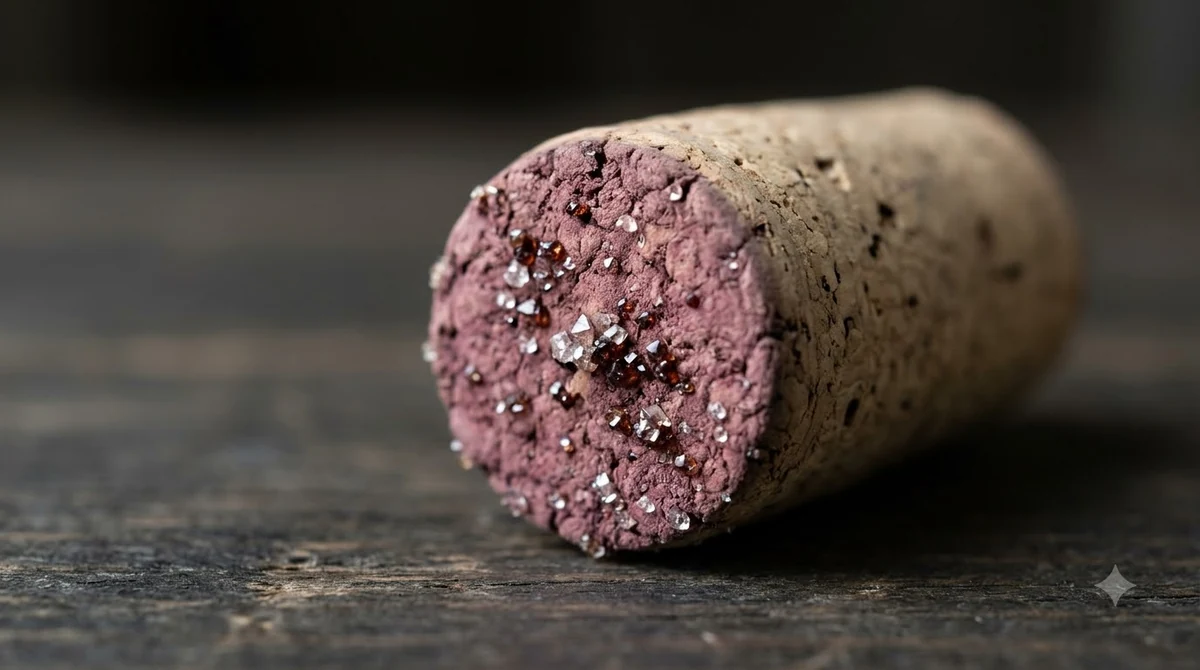
The official Franzia Sunset Blush product and nutrition information identifies the serving size as 5 fluid ounces. This is the standard wine serving used for the nutrition figures on its product page. The sugar amount is therefore specific to that portion, and a larger glass contains proportionally more sugar.
Here is a breakdown of the published nutritional information:
| Nutrition item | Per 5-ounce serving | Per 10-ounce serving |
|---|---|---|
| Total sugar | 5 grams | 10 grams |
| Total carbohydrates | 7 grams | 14 grams |
| Calories | 91 | 182 |
| Serving volume | 5 ounces | 10 ounces |
The 10-ounce figures are calculated by doubling the official 5-ounce serving information. They are estimates for two standard servings rather than a separate manufacturer nutrition declaration. This distinction matters because a generous home pour can easily exceed the amount used in the original nutrition calculation.
There is also a difference between sugar and carbohydrates. Sugar is included within the total carbohydrate figure, so the 5 grams of sugar should not be added to the 7 grams of carbohydrates. The difference between those numbers represents carbohydrates other than the listed sugar.
For a quick comparison, 5 grams of sugar is approximately 1.25 teaspoons. That provides a familiar kitchen measurement for understanding the amount in one glass. The wine has noticeable sweetness, but the sugar quantity is considerably easier to understand when viewed as a serving-specific figure rather than a vague description such as sweet or fruity.
How Much Sugar Is in a Bottle or Box?
The total sugar in a larger quantity depends on how many 5-ounce servings it contains. Franzia lists approximately 10 servings in its 1.5-liter package and 34 servings in its 5-liter box, allowing you to estimate the total sugar using the official 5-gram serving figure.
A standard 750-milliliter wine bottle contains approximately five 5-ounce servings. Applying the same serving calculation to that volume gives approximately 25 grams of sugar. This is a volume-based equivalent, not a claim that Franzia sells Sunset Blush in that particular bottle size.
The following figures show how the sugar amount increases with package size:
| Wine quantity | Approximate servings | Estimated total sugar |
|---|---|---|
| 5 ounces | 1 | 5 grams |
| 10 ounces | 2 | 10 grams |
| 750 ml equivalent | 5 | 25 grams |
| 1.5-liter box | 10 | 50 grams |
| 3-liter box | 20 | 100 grams |
| 5-liter box | 34 | 170 grams |
These totals assume every serving is poured at the standard 5-ounce size and that the published sugar figure applies consistently throughout the package. They are useful estimates for understanding the amount in a container, rather than laboratory measurements of an entire individual box.
The 5-liter package deserves particular attention because its total sugar figure can look surprisingly large. However, that package also contains approximately 34 servings. Comparing 170 grams across an entire box with the 5 grams in one glass would give a misleading impression of how much sugar is consumed in an ordinary serving.
The same principle applies when comparing different package formats. A 1.5-liter box contains approximately 50 grams of sugar in total, but a 5-liter box contains approximately 170 grams because it holds more than three times as much wine. The serving-level amount remains the more useful figure when comparing wines.
Tip: Use 5 grams of sugar per 5-ounce glass as your starting point. If you pour 7.5 ounces, estimate 7.5 grams; if you pour 10 ounces, estimate 10 grams. Measuring the pour makes comparisons between different wines much more meaningful.
Is Franzia Sunset Blush Sweet or Dry?
Franzia Sunset Blush is a semi-sweet wine, not a dry rosé or a fully sweet dessert wine. Franzia places it in the medium-sweet category and describes its flavor with raspberry and strawberry notes, alongside a refreshing, crisp finish.
The term semi-sweet describes the wine’s overall sweetness category. It suggests that the wine has enough residual sugar to provide a recognizable sweet impression while retaining characteristics that keep it refreshing. Its fruit-forward profile makes it different from a crisp, bone-dry rosé, which generally emphasizes acidity and a cleaner, less sweet finish.
It is useful to distinguish sweetness from fruit flavor. Raspberry and strawberry aromas can make a wine seem sweeter because ripe fruit naturally suggests sweetness to the brain. However, aroma alone does not tell you how much actual sugar remains in the finished wine.
Residual sugar is the grape sugar that remains after fermentation. Yeast converts much of the grape juice’s natural glucose and fructose into alcohol and carbon dioxide. When fermentation ends with some fermentable sugar remaining, the finished wine can retain a sweeter taste.
Wine Enthusiast explains that sugar is only one part of the way people perceive sweetness. Acidity, alcohol, tannins, and fruit characteristics can change how sweet a wine tastes even when the residual-sugar measurement remains the same.
For readers interested in another fruit-forward style, Barefoot Pinot Grigio sugar content provides a useful comparison with a different wine style. The key is to compare the actual nutrition information per serving rather than assuming that all pink, white, or fruit-forward wines contain similar amounts of sugar.
What Residual Sugar Means in Wine
Residual sugar is the unfermented sugar remaining in a finished wine, usually measured in grams per liter. This measurement helps explain the difference between dry, medium-sweet, and sweet wines, although acidity and other flavor components influence how the wine tastes.
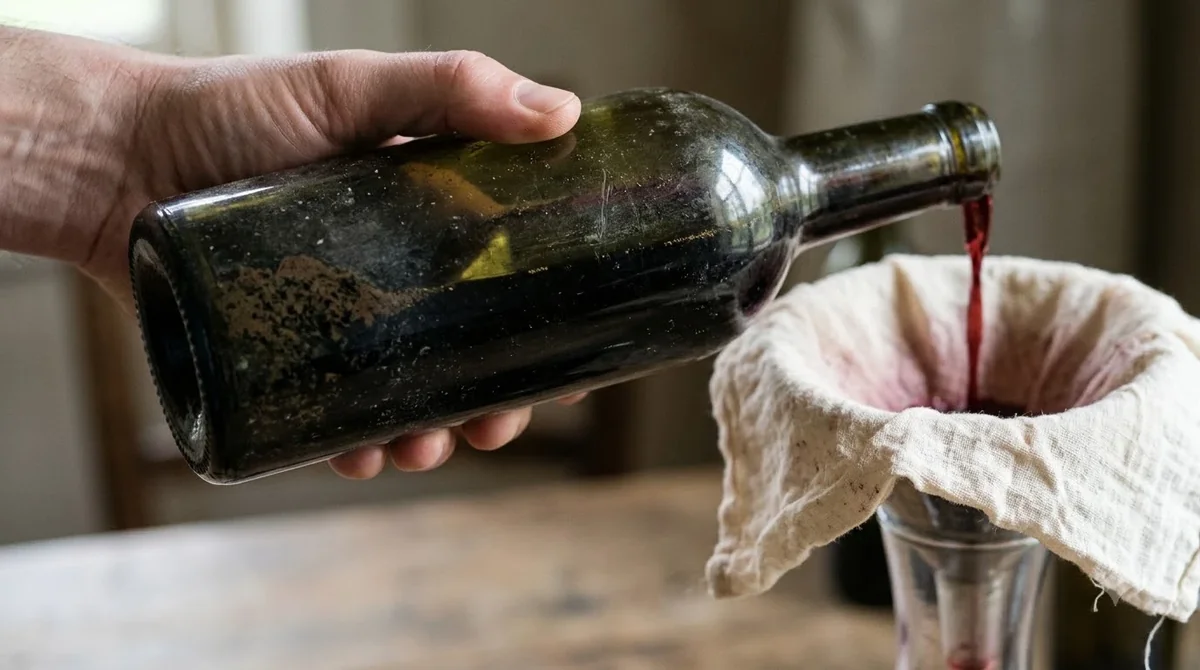
According to Decanter, residual sugar is expressed as grams of sugar per liter of wine. Its explanation of European still-wine sweetness categories identifies up to 4 grams per liter as dry, 4 to 12 grams as medium-dry, 12 to 45 grams as medium or medium-sweet, and more than 45 grams as sweet.
Those categories are useful reference points, but they should not be treated as a direct conversion of Franzia’s 5 grams per serving into a regulatory sweetness classification. The manufacturer describes Sunset Blush as semi-sweet, and that product description is the most direct guide to its intended style.
To understand why these measurements matter, consider the difference between sugar per serving and sugar per liter. A 5-ounce glass is approximately 0.148 liters. A wine containing 5 grams of sugar in that amount would correspond to approximately 34 grams per liter if the serving figure represented residual sugar alone and the same measurement basis were used.
That calculation is illustrative, not a laboratory determination of Sunset Blush’s residual sugar. Nutrition-label sugar and winemaking residual-sugar measurements can use different analytical definitions. The Australian Wine Research Institute explains that laboratories use methods such as enzymatic analysis and high-performance liquid chromatography to measure wine sugars.
There is another important factor: acidity. A wine with higher acidity can taste crisp and refreshing even when it contains measurable residual sugar. Conversely, a wine with relatively little sugar can seem fruity or sweet because of its aroma and flavor profile.
This explains why the words dry and sweet are not always enough to describe an entire wine experience. A semi-sweet wine can have a refreshing finish, and a dry wine can still have ripe strawberry or peach aromas. Sunset Blush combines a recognizable sweetness with a crisp finish, which is consistent with Franzia’s own description.
How Sunset Blush Compares With Other Franzia Wines
Sunset Blush belongs to Franzia’s pink wine selection and has a medium-sweet profile. Comparing it with other Franzia varieties is useful because the producer offers wines with different fruit characteristics and sweetness descriptions.
For example, Franzia White Zinfandel is also described as semi-sweet, with cranberry and red-fruit notes. That makes it a natural comparison for Sunset Blush, although their flavor descriptions are different. Someone who prefers raspberry and strawberry characteristics may find Sunset Blush more appealing, while a drinker who enjoys cranberry notes may prefer White Zinfandel.
Other varieties have different profiles. Moscato is described as sweet, with peach and apricot notes, while Pinot Grigio Colombard is described as crisp, with citrus and pear characteristics. These descriptions provide a useful starting point for choosing between a sweeter wine and one with a fresher, less overtly sweet character.
Riesling is another helpful comparison because it can range from dry to distinctly sweet. The grape’s natural acidity can balance residual sugar, which means a Riesling may taste fresher than its sugar figure alone suggests. For another brand comparison, see Barefoot Riesling sugar content.
Franzia also sells sangria, which has a different flavor profile from a traditional blush wine. Fruit flavors and sweetness can vary considerably between these styles, so comparing their serving sizes and published nutrition figures is more useful than relying on their names. The Franzia Sangria alcohol content article provides additional information about that separate product.
Here is a practical comparison of the styles:
| Franzia wine | Described flavor or style | Sweetness description |
|---|---|---|
| Sunset Blush | Raspberry and strawberry | Semi-sweet |
| White Zinfandel | Cranberry and red fruit | Semi-sweet |
| Moscato | Peach and apricot | Sweet |
| Pinot Grigio Colombard | Citrus and pear | Crisp |
| Refreshing White | Green apple | Semi-sweet |
| Pink Moscato | Peach and berry | Sweet |
The comparison uses Franzia’s product descriptions rather than assigning unverified sugar figures to the other wines. A semi-sweet description does not guarantee that two products contain identical amounts of sugar. Different grape blends, fermentation decisions, and acidity levels can produce different nutrition results.
If you want to explore more products from the same producer, the Wine Brands section offers a starting point for understanding the differences between popular wine labels and their styles.
Serving Temperature, Food Pairings, and Storage
Sunset Blush is best served chilled, particularly because its light body, berry flavors, and semi-sweet character are suited to a refreshing serving style. Pairing it with moderately salty, savory, or mildly spicy food can also create a pleasant contrast with its fruit-forward sweetness.
Franzia specifically recommends shrimp kabobs as a food pairing. This is a practical match because shrimp has a relatively delicate flavor that does not overwhelm a light-bodied pink wine. Grilled shrimp with a mild seasoning, a little citrus, and fresh herbs can complement the wine’s berry character.
Other suitable foods include fresh fruit, lightly seasoned chicken, mild cheeses, and simple appetizers. Strawberries, watermelon, and peaches can work particularly well because their natural fruit flavors connect with the wine’s aromatic profile. A cheese board with mild cheeses and fresh fruit offers another easy serving option.
Sweetness is particularly important when pairing wine with spicy dishes. Chili heat can seem stronger when combined with wines that have noticeable alcohol or tannin. Sunset Blush is relatively light-bodied, so mild spice is generally a more comfortable match than heavily peppered or intensely hot dishes.
Very sweet desserts require a little more attention. A useful wine-pairing principle is to choose a wine that is at least as sweet as the dessert. Otherwise, the wine can taste more acidic or less flavorful next to the food. Fresh fruit or lightly sweetened desserts are therefore easier starting points than intensely sugary cakes or pastries.
For serving temperature, a chilled range of approximately 45 to 50 degrees Fahrenheit works well for light-bodied rosé wines. This helps maintain a refreshing impression without making the wine so cold that its fruit aromas become difficult to detect.
Storage is also important for boxed wine. Franzia states that Sunset Blush stays fresh for up to six weeks after opening. Refrigerating the wine after opening and keeping the dispensing tap closed helps preserve its flavor during that period.
Unlike an opened traditional bottle, the boxed format limits the amount of air that reaches the remaining wine when it is dispensed correctly. Nevertheless, the six-week period is a producer-stated freshness guideline, not a guarantee that every opened package will taste identical throughout that time. Temperature, handling, and storage conditions can affect the result.
For an unopened box, follow the storage instructions supplied with the package and keep it away from excessive heat. Once opened, refrigeration is a sensible way to maintain the wine’s refreshing character and berry aromas.
Understanding Sugar, Calories, and Portion Sizes
The most useful way to understand Sunset Blush nutrition is to separate sugar, carbohydrates, calories, and serving volume. The official figures are 5 grams of sugar, 7 grams of carbohydrates, and 91 calories per 5-ounce serving, while larger pours increase the total amount proportionally.
Calories in wine come from more than sugar alone. Alcohol contributes energy, and residual sugar contributes additional calories. This means two wines with the same sugar content can have different calorie totals if their alcohol levels or other characteristics differ.
Carbohydrates are another separate measurement. Sunset Blush contains 7 grams of carbohydrates per 5-ounce serving, of which 5 grams are listed as sugar. These figures should be understood as separate nutrition categories rather than two amounts that can be combined.
Serving size is especially important when drinking boxed wine because the dispensing tap makes it easy to pour without measuring. A standard 5-ounce serving is considerably smaller than many large household wine glasses. A glass filled halfway or more may contain substantially more than one serving, depending on its capacity.
For example, a 7.5-ounce pour contains approximately 7.5 grams of sugar when calculated proportionally from the published figure. A 10-ounce pour contains approximately 10 grams. These calculations make it easier to estimate the amount in an informal serving without confusing the total contents of the box with an individual glass.
It is also useful to distinguish nutrition information from a wine’s sensory sweetness. A wine with more residual sugar can taste less sweet if it has enough acidity to balance the sugar. Another wine with less sugar may seem sweeter because its aromas suggest ripe fruit.
This is why the combination of nutrition figures and tasting descriptions gives a fuller picture than either one alone. For Sunset Blush, the published 5-gram sugar figure gives a concrete nutritional reference, while the semi-sweet classification explains its intended flavor profile.
When comparing it with another wine, use equivalent 5-ounce servings wherever possible. Compare the sugar and calorie figures separately, and avoid assuming that a wine described as dry or fruity automatically has a particular nutritional value.
Frequently Asked Questions
Does Franzia Sunset Blush contain added sugar?
Franzia’s product page publishes total sugar information but does not provide a detailed ingredient breakdown identifying the source of every gram. Total sugar and added sugar are different labeling concepts. The published 5-gram figure should therefore be treated as total sugar rather than assumed to represent added sugar.
Does Sunset Blush contain more sugar than Champagne?
It depends on the Champagne’s sweetness classification. Brut Nature Champagne can contain up to 3 grams of residual sugar per liter, while Demi-Sec Champagne contains 32 to 50 grams per liter under the European classifications explained by Decanter. The styles are therefore not directly comparable without considering their individual sugar measurements and serving sizes.
Does the color of blush wine determine its sugar content?
No. Pink color comes primarily from the way red grape skins interact with the juice during winemaking. Sweetness depends on the amount of sugar remaining in the finished wine and the balance of its other components. A pale rosé can be dry, while a darker pink wine can be semi-sweet.
Can two boxes of the same Sunset Blush have different nutrition figures?
Nutrition declarations can be affected by product formulation, analytical methods, and applicable labeling requirements. The official published figures provide the appropriate reference for the product information presented here. The Australian Wine Research Institute describes several laboratory techniques for measuring glucose and fructose in wine, including enzymatic assays and chromatography.
How many teaspoons of sugar are in a 5-ounce glass?
Five grams of sugar is approximately 1.25 teaspoons using the common kitchen conversion of 4 grams per teaspoon. This is a useful visual comparison, although the wine’s sweetness perception also depends on acidity, aroma, and other flavor characteristics. A teaspoon conversion does not change the actual nutrition measurement.
Franzia Sunset Blush offers a clearly defined semi-sweet style with 5 grams of sugar, 7 grams of carbohydrates, and 91 calories per standard 5-ounce serving. Its raspberry and strawberry character, light body, and refreshing finish make it a straightforward choice for people who enjoy approachable pink wines. For the most useful comparison with other varieties, focus on equivalent serving sizes and published nutrition figures rather than sweetness descriptions alone.
More in Wine Brands
 Underwood Wine Price: Compare Bottles, Cans, and Pack SizesUpdated Nov 21, 2026
 Zenato Wine Price: Compare Styles and Choose the Right BottleUpdated Nov 21, 2026
 Zuccardi Wine Price: Compare Bottles and Find the Right RangeUpdated Nov 21, 2026
 Yellow Tail Moscato Review: Taste, Sweetness and Serving TipsUpdated Nov 21, 2026
 Wolf Blass Yellow Label Review: Choose Your Best StyleUpdated Nov 21, 2026
 Wolffer Estate Rose Review: Choose the Right Bottle for Your TableUpdated Nov 21, 2026