

We may earn a commission when you buy through links on this page, at no extra cost to you. Learn more.
Dom Perignon vintage wine is prestige Champagne made exclusively from grapes harvested in one particular year, with each release reflecting that harvest through a distinctive blend of Chardonnay and Pinot Noir. Unlike non-vintage Champagne, it does not combine wines from several harvest years to maintain a consistent annual flavor. The wine also spends at least eight years in elaboration before its first release, developing complexity through extended bottle aging on yeast lees.
Dom Pérignon occupies a distinctive position in Champagne because its identity depends on both the character of an individual harvest and the winemaking decisions used to express it. Understanding its vintage philosophy, grape varieties, maturation stages, and serving requirements makes it easier to appreciate why two bottles carrying the same producer name can offer noticeably different experiences. It also helps buyers distinguish a standard Vintage release from Rosé and the later Plénitude releases.
What Makes Dom Pérignon Vintage Champagne Different?
Dom Pérignon is a vintage-only Champagne house, meaning every standard release represents a single harvest year rather than a blend of several years. Its identity rests on combining the qualities of that particular growing season with a recognizable house style built around balance, precision, and extended maturation.
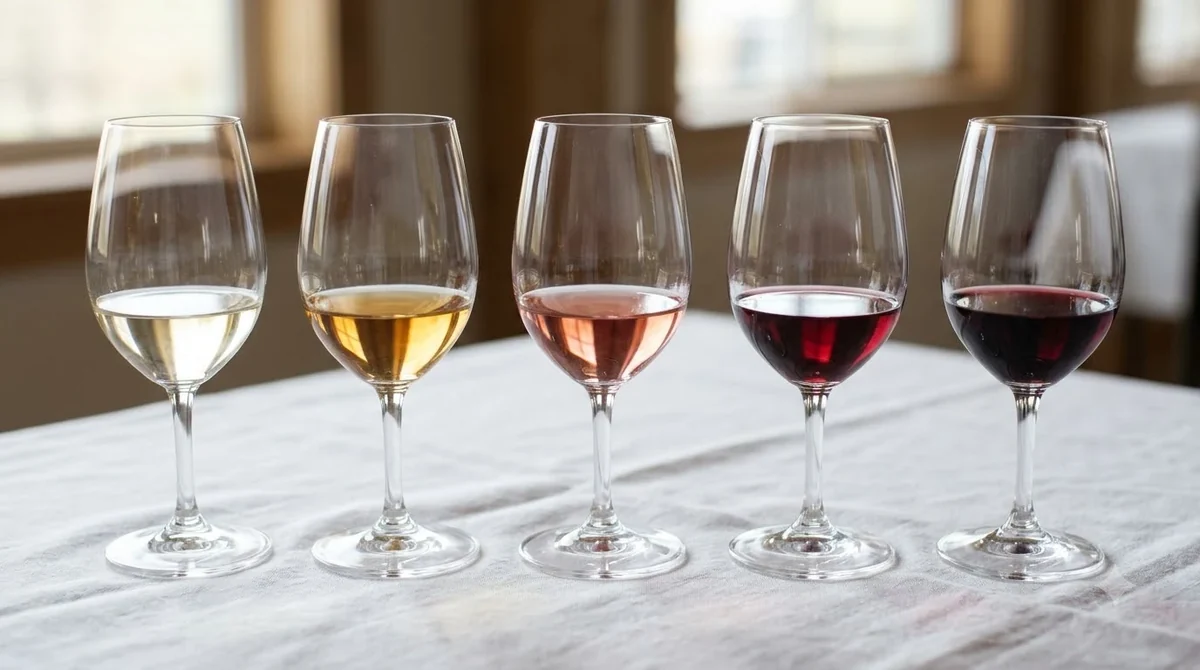
The word vintage has a specific meaning in Champagne. It identifies the year in which the grapes were harvested. A bottle labeled Dom Pérignon Vintage 2015, for example, represents grapes from the 2015 harvest. It is not a reference to the year the bottle was purchased, the year it was disgorged, or the year it reached a wine shop.
This approach creates a meaningful distinction from many familiar Champagne brands. Non-vintage Champagne commonly blends reserve wines from previous harvests with wines from the current year. That practice helps producers maintain a recognizable house profile despite differences in weather and grape quality. Dom Pérignon instead makes its identity depend on an individual harvest, allowing each declared vintage to express the conditions of its growing season.
Importantly, vintage does not mean that the Champagne comes from one vineyard or one grape variety. The wine is still an assemblage, the French term for a carefully constructed blend of base wines. The winemaking team selects components from different vineyard sources and combines them to achieve the intended balance.
The producer also retains the option not to declare a vintage. If the grapes do not meet the required standards, the house can decide against making that year’s release. This makes the vintage designation a statement about the harvest rather than an automatic annual product schedule.
The house explains this philosophy through its official Dom Pérignon profile, which describes its commitment to expressing the harvest of a single year. This commitment also explains why the wines can vary considerably in character from one release to another.
The brand takes its name from Dom Pierre Pérignon, a Benedictine monk appointed procurator of the Abbey of Hautvillers in 1668. According to LVMH, he worked there for 47 years in pursuit of exceptional wine. The modern Champagne house draws on that historical association, although the wine’s present-day production reflects centuries of developments in Champagne viticulture and winemaking.
For readers comparing premium Champagne producers, the distinction between vintage and non-vintage production is a useful starting point. The broader Wine Brands category also offers context for understanding how individual producers establish their identities through grape selection, blending, and aging.
Chardonnay, Pinot Noir, and the Art of Blending
Chardonnay and Pinot Noir are the principal grape varieties in Dom Pérignon Vintage. Their proportions change with the harvest, allowing the winemaking team to respond to differences in ripeness, acidity, fruit concentration, and vineyard conditions.
Chardonnay contributes freshness, acidity, and a fine structural line. Depending on the vintage and its development, it can bring citrus, orchard fruit, floral notes, and a mineral impression. These qualities help maintain definition as the wine gains richness during bottle maturation.
Pinot Noir contributes another dimension. It can provide a broader mid-palate, greater body, and flavors associated with red apple, ripe orchard fruit, and sometimes more pronounced savory or spice characteristics. The variety gives the blend additional weight without requiring the wine to lose its freshness.
Neither grape has a permanently fixed proportion in the standard Vintage blend. The balance depends on the conditions of the year, and this is one reason different releases should not be expected to taste identical.
A clear example is the 2010 vintage. According to Decanter’s reporting on the release, the final assemblage contained 54% Chardonnay and 46% Pinot Noir. The team had considered increasing the Chardonnay component to 60% during its deliberations, illustrating how blending decisions can develop as individual wines are assessed.
The 2010 growing season also demonstrates why these decisions matter. Heavy rainfall on August 14 and 15 created serious disease pressure, particularly in Pinot Noir vineyards. The harvest team reduced the Pinot Noir crop by 15%, making selections across approximately 800 plots. Despite these difficulties, the resulting musts showed high sugar levels and considerable potential acidity.
These details help explain why vintage Champagne is not simply a matter of choosing the best grapes and putting them into a bottle. The winemaking team must consider how different vineyard lots behave together, how the wine will develop during extended lees contact, and how the final blend will retain balance after years in the cellar.
For buyers, the practical lesson is to approach each Dom Pérignon release as its own wine. A 2010, 2012, or 2015 should not be judged as though it were merely a different bottling date for an unchanged recipe.
Lees Aging and the Meaning of Plénitude
Extended bottle maturation on lees is central to Dom Pérignon’s character. The standard Vintage receives at least eight years of elaboration, while Plénitude 2 represents a later stage in which the same vintage has spent considerably longer developing in the cellar.
Lees are the spent yeast cells and other particles that remain after fermentation. In traditional-method Champagne, the wine undergoes its second fermentation inside the bottle. The yeast gradually settles, and the wine remains in contact with this material during maturation.
This period of contact is known as aging on lees. It contributes to the development of aromas commonly associated with mature Champagne, including bread dough, brioche, toasted nuts, and pastry. It can also change the texture, giving the wine a more layered impression than a young sparkling wine that has spent little time maturing.
Dom Pérignon’s approach emphasizes this extended development. According to the producer, the first Vintage release requires at least eight years of elaboration. This is substantially longer than the minimum aging requirements that apply to standard Champagne categories.
The house also identifies later maturation stages called Plénitudes. These are not simply different labels for a younger or older vintage. They represent different moments in the development of the same wine, released when the house considers that it has reached another significant expression.
Understanding the main maturation stages
| Wine category | Minimum elaboration period | What distinguishes it |
|---|---|---|
| Dom Pérignon Vintage | 8 years or more | First release and initial Plénitude |
| Dom Pérignon Vintage Rosé | 12 years or more | Rosé expression with extended maturation |
| Dom Pérignon Plénitude 2 | 15 years or more | Later release with additional cellar development |
These are the producer’s stated minimum elaboration periods, not guarantees that every bottle will be released at exactly the same age. The actual timing depends on the wine and the house’s decisions about its development.
Plénitude 2, usually abbreviated to P2, is particularly interesting for collectors who want to compare different stages of the same vintage. Its longer maturation allows the wine to develop a different balance of aromatic intensity, texture, and freshness.
The distinction is important because extended lees aging is not identical to simply storing a bottle after purchase. While both processes involve time, a bottle that remains on its lees in the producer’s cellar is developing under different conditions from one that has already been disgorged and closed with its final cork.
For that reason, P2 should not be regarded as merely an older standard bottle. It is a separately prepared release designed to show another stage of the wine’s development.
Collectors comparing bottles should pay attention to the exact designation on the label. Vintage, Rosé, and P2 represent different expressions, and the vintage year alone does not tell the whole story.
Flavor, Aroma, and Differences Between Vintages
Dom Pérignon Vintage generally combines pronounced freshness with layers of fruit, citrus, pastry, mineral character, and savory complexity. The balance changes with the harvest year and bottle age, so there is no single tasting description that accurately represents every release.
In younger bottles, the aromatic profile can emphasize citrus peel, lemon, green apple, pear, and white flowers. These fresh notes often appear alongside a fine mousse and a firm line of acidity. The overall impression can be energetic and precise rather than overtly rich.
With additional development, the wine may show more mature characteristics. Toasted bread, brioche, roasted nuts, almond, dried citrus, and subtle spice can become more prominent. The fruit may move from fresh orchard flavors toward baked apple, preserved citrus, and more developed stone-fruit notes.
These changes are not identical from one vintage to another. Weather influences grape ripeness, acidity, fruit concentration, and the relative condition of Chardonnay and Pinot Noir. The blending team then decides how to bring those elements together.
Decanter describes the traditional Dom Pérignon profile through citrus fruit, slate, sourdough, and fine bubbles. That description is a useful starting point, although individual bottles can show a different balance of those characteristics.
Why the vintage year matters
Consider the contrast between 2003 and 2010. The 2003 growing season brought exceptional heat to Champagne. Wine critics have discussed how unusual growing conditions can influence the wine’s structure, balance, and aromatic profile.
The 2010 season presented a different challenge. Heavy August rain created disease pressure, especially in Pinot Noir, and required careful vineyard selection. The resulting wine combined 54% Chardonnay with 46% Pinot Noir and had a reported dosage of 5 grams per liter.
These examples show why a simple ranking of vintage years can be misleading. A challenging harvest does not automatically produce an inferior wine, just as a favorable harvest does not guarantee that every bottle will suit every drinker.
Instead, consider the style you enjoy. Drinkers who prefer lively citrus, fresh acidity, and a relatively restrained profile may favor one release, while those who enjoy richer fruit and more developed pastry notes may prefer another.
Bottle condition also matters. Storage temperature, exposure to light, cork condition, and previous handling can all influence the experience. Two bottles of the same vintage may show differences if one has been stored carefully and the other has experienced heat or inconsistent conditions.
When exploring Dom Pérignon, it is more useful to compare tasting notes from specific vintages than to rely on a single general description of the brand. The year, maturation stage, and bottle history all contribute to what eventually appears in the glass.
How to Serve Dom Pérignon Vintage Wine
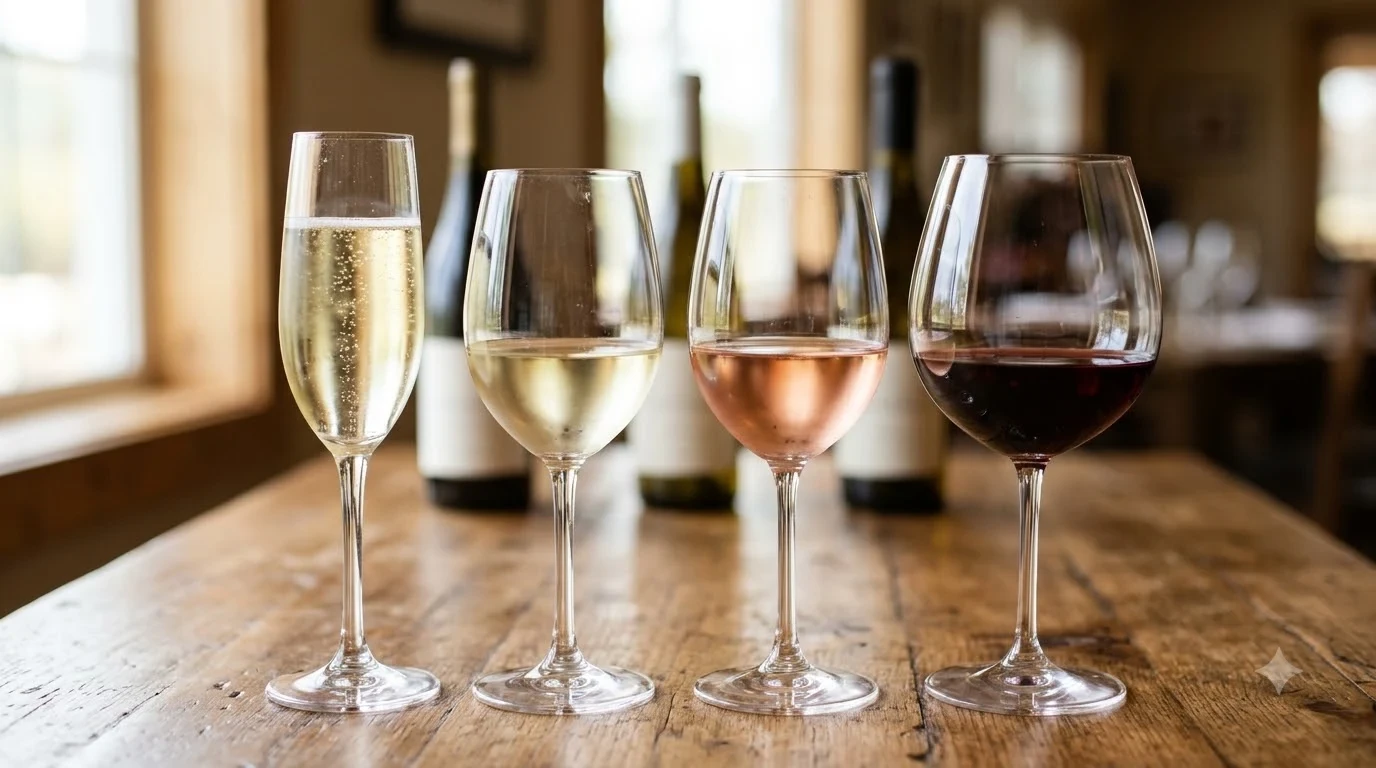
Serve Dom Pérignon Vintage at approximately 40–50°F, with a slightly warmer temperature often helping reveal its aromatic complexity. Use clean Champagne glasses or tulip-shaped glasses that give the wine enough room to develop its aromas without losing its bubbles too quickly.
Temperature has a direct effect on sparkling wine. If Champagne is too warm, it can seem less focused, and its bubbles may appear more aggressive. If it is excessively cold, the aromas become harder to detect and the wine may taste less expressive.
A temperature around 45–48°F is a practical starting point for many bottles. A particularly mature release may benefit from being allowed to warm slightly in the glass, giving its developed aromas more opportunity to emerge.
Avoid leaving the bottle in the freezer for an extended period. A refrigerator is a more controlled option. If the wine needs faster chilling, place it in an ice bucket containing water and ice rather than relying on prolonged exposure to very low temperatures.
Choosing the right glass
A traditional narrow flute preserves the visual display of bubbles, but its restricted opening can make complex aromas harder to appreciate. A tulip-shaped Champagne glass offers a useful compromise between bubble retention and aromatic development.
A standard white-wine glass can also work, particularly for mature Dom Pérignon. Its wider bowl allows more air contact and makes it easier to assess the layers of fruit, pastry, and savory notes.
Large, shallow coupes are less suitable if preserving the wine’s mousse is a priority. Their wide openings allow bubbles and aromatic compounds to escape more quickly.
Pour moderate servings rather than filling the glass to the rim. A typical wine serving is 5 ounces, and a 750 ml bottle provides approximately five standard glasses. Smaller pours are particularly useful during a comparative tasting involving multiple vintages.
Open the bottle carefully, keeping a hand over the cork while loosening the wire cage. Turn the bottle rather than pulling forcefully on the cork. A controlled opening helps prevent unnecessary loss of Champagne and reduces the chance of an accident.
Tip: Chill the bottle to approximately 45–48°F, then let the Champagne warm gradually in the glass. This approach helps preserve freshness while allowing more mature aromas to become noticeable.
Once opened, sparkling wine generally keeps for approximately one to three days in the refrigerator when properly sealed with a Champagne stopper. The quality will gradually decline as carbon dioxide escapes, so a bottle is best enjoyed soon after opening.
Food Pairings for Dom Pérignon
Dom Pérignon pairs particularly well with seafood, shellfish, delicate poultry, and dishes that combine richness with freshness. Its acidity helps balance fatty ingredients, while the wine’s texture and mature aromas complement foods with savory or lightly toasted flavors.
Oysters are a natural pairing. Their salty, briny character works with the wine’s freshness, and their relatively delicate texture does not overwhelm the Champagne. Freshly shucked oysters with a small amount of lemon are a straightforward option.
Scallops are another good choice. Pan-seared scallops develop a lightly browned surface that connects with the pastry and toasted notes found in mature Champagne. A restrained butter sauce can add richness without making the dish too heavy.
Lobster, crab, and other shellfish can also work well. Their natural sweetness and tender texture complement the wine’s fruit character. Preparations with moderate butter, herbs, and citrus are generally more successful than strongly sweet sauces.
Roast chicken is a versatile pairing, especially when prepared with herbs, lemon, or a lightly browned skin. The wine’s acidity balances the richness of the meat, while its developing savory notes work with roasted flavors.
Pairing by cooking method and flavor
For a simple appetizer, consider smoked salmon served with plain toast or lightly seasoned cream. The salt and fat in the salmon soften the impression of acidity, while the wine refreshes the palate between bites.
For a main course, roast poultry with mushrooms can provide a more developed pairing. Mushroom flavors complement the earthy and savory notes that can emerge as Champagne matures. Keep the seasoning moderate so that the wine remains the central part of the combination.
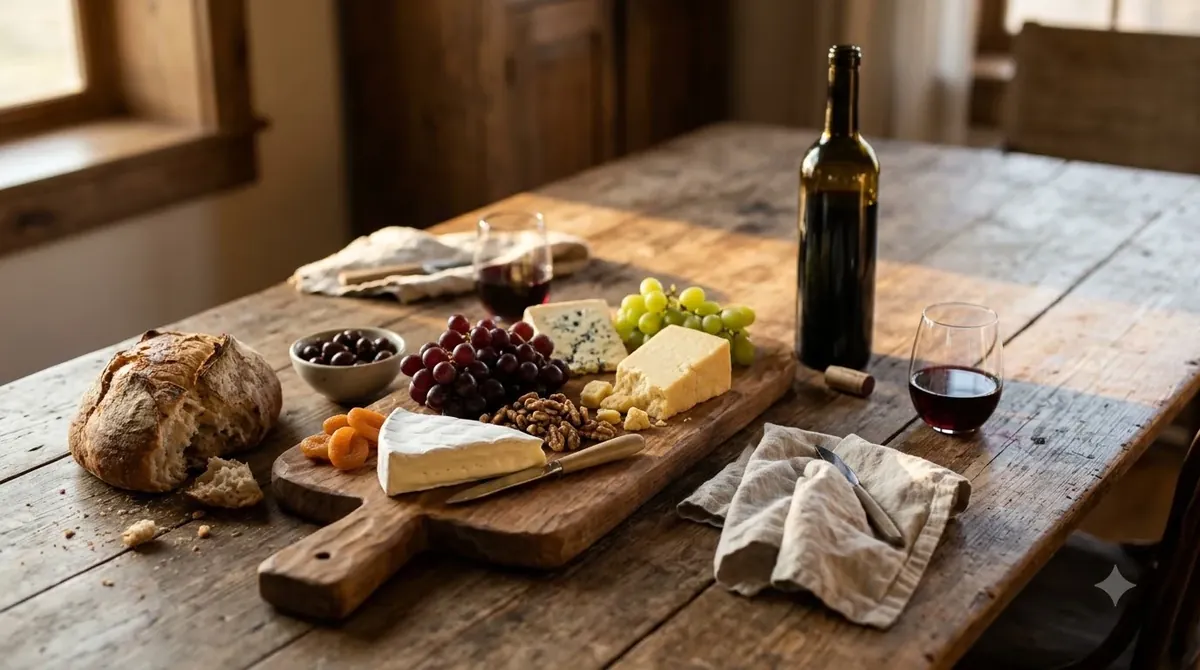
Hard and semi-hard cheeses can also be successful. Comté, aged Gruyère, and similar cheeses offer nutty and savory flavors that work with the brioche and toasted characteristics of mature Champagne.
Very spicy dishes are less suitable. Alcohol can intensify the perception of chili heat, and a strongly seasoned dish may obscure the delicate aromas of the wine. If serving food with noticeable spice, choose a preparation with restrained heat.
Sweet desserts require additional care. A dry Brut Champagne can taste especially sharp next to a very sweet dessert because the food makes the wine seem less sweet. For a dessert course, the wine should generally be at least as sweet as the dish. Dom Pérignon Vintage is usually better suited to savory courses than heavily sweet desserts.
Here are several practical pairing ideas:
- Oysters: Fresh oysters with lemon or a light mignonette.
- Scallops: Pan-seared scallops with restrained butter and herbs.
- Lobster: Simply prepared lobster with lemon butter.
- Roast chicken: Herb-roasted chicken with a lightly browned skin.
- Salmon: Smoked salmon with toast or lightly seasoned accompaniments.
- Cheese: Comté or aged Gruyère with plain crackers.
For a more substantial Champagne dinner, begin with oysters or scallops, follow with roast poultry, and finish with a moderate cheese course. This progression allows the wine’s freshness and developing savory qualities to complement different dishes without requiring overly complicated recipes.
Buying, Collecting, and Storing Dom Pérignon
Buying Dom Pérignon requires more than choosing a vintage year. The exact release, maturation stage, bottle condition, provenance, and storage history all influence whether a bottle is a suitable choice for drinking or collecting.
The first step is identifying the wine accurately. Standard Dom Pérignon Vintage, Dom Pérignon Rosé, and Plénitude 2 are distinct releases. A bottle marked P2 should not be treated as interchangeable with the standard Vintage bearing the same harvest year.
Next, consider the vintage itself. A recent release may offer fresher fruit and a more youthful structure, while a mature bottle may provide additional layers of toasted bread, nuts, dried citrus, and savory aromas. Neither is automatically better; the choice depends on the drinking occasion and preferred style.
For older bottles, provenance is especially important. Ask where the wine was stored, whether the temperature remained reasonably stable, and whether the bottle has been exposed to direct sunlight or excessive heat. An attractive label cannot establish that the Champagne has been properly preserved.
Storage conditions
Store unopened Champagne in a cool, dark location with a stable temperature. A cellar near 55°F is a useful target. Avoid areas close to heating equipment, sunny windows, or appliances that create repeated temperature fluctuations.
For longer-term storage, bottles are commonly kept on their sides, although the most important considerations are consistent temperature, darkness, and protection from vibration. Avoid moving collectible bottles unnecessarily.
Humidity also matters for extended storage. Very dry conditions can be unfavorable to natural cork over long periods, while excessively damp environments can damage labels and packaging. A reasonably stable cellar environment helps preserve both the wine and its presentation.
For bottles intended for immediate consumption, refrigeration before serving is appropriate. However, a household refrigerator is not an ideal permanent storage location for collectible Champagne because its temperature and humidity conditions are designed for short-term food storage rather than long-term wine aging.
Vintage, disgorgement, and bottle condition
Disgorgement is the stage when accumulated yeast sediment is removed from the bottle after traditional-method Champagne has completed its lees maturation. The wine is then prepared for final closure and release.
The timing of disgorgement is useful information when comparing bottles because it helps explain the wine’s maturation history. A later Plénitude release, for example, has undergone a different cellar journey from the standard Vintage release.
Collectors should also inspect the fill level, cork condition, capsule, and signs of leakage. Unusual liquid loss, a damaged cork, or evidence of heat exposure can indicate storage problems.
For readers interested in comparing Champagne with other prestigious wine producers, the distinctions between Dom Pérignon white wine and other premium labels are a useful starting point. A comparison with Baron Philippe de Rothschild wine also illustrates how different producers establish their reputations through different regions, grape varieties, and production approaches.
Ultimately, a well-preserved bottle with reliable provenance is generally a safer choice than an older bottle with an uncertain history. This matters particularly for vintage Champagne because long-term storage conditions can influence freshness, mousse, and aromatic development.
Frequently Asked Questions
Does Dom Pérignon make Champagne every year?
The house aims to produce a Dom Pérignon vintage regularly but does not guarantee a release from every harvest. The decision depends on whether the grapes and resulting wines meet the producer’s standards. Decanter identifies 2001 and 2007 as years in the 2000s without a standard vintage release. This selective approach is part of the brand’s vintage-only identity.
Who is responsible for making Dom Pérignon today?
Vincent Chaperon is the Chef de Cave identified on the official Dom Pérignon brand page. He succeeded Richard Geoffroy, who held the position beginning in 1990 and handed over the role in 2019. Chaperon’s responsibilities include interpreting individual harvests and guiding the blending decisions that shape the final wines.
Is Dom Pérignon always made from the same grape proportions?
No. The balance between Chardonnay and Pinot Noir changes according to the conditions of each harvest. For example, the 2010 release contained 54% Chardonnay and 46% Pinot Noir. Other vintages can have different proportions because the winemaking team adjusts the assemblage to the character of the available wines.
What does Plénitude 2 mean on a Dom Pérignon label?
Plénitude 2, or P2, identifies a later release of a Dom Pérignon vintage after additional maturation. It represents a different stage in the wine’s development rather than a separate harvest year. The producer specifies at least 15 years of elaboration for this release. Its longer maturation can produce a different expression of the original vintage.
Can Dom Pérignon Vintage be kept for several decades?
Some Dom Pérignon vintages can develop over several decades when stored under suitable conditions. Their potential depends on the individual harvest, bottle condition, and storage history. Their freshness, acidity, and structure contribute to their capacity for further development. Long-term cellaring is not a guarantee that every bottle will improve indefinitely.
Dom Pérignon Vintage is defined by its commitment to a single harvest, careful Chardonnay and Pinot Noir blending, and extended maturation on lees. Understanding the differences between Vintage, Rosé, and P2 makes it easier to select a bottle that suits a particular occasion. Served properly and paired with seafood, poultry, or mature cheese, it offers a distinctive expression of Champagne’s vintage character.
More in Wine Brands
 Louis Latour Wine Price: Compare Bottles by Style and TierUpdated Nov 20, 2026
 Yellow Tail Moscato Price: What to Expect Before You BuyUpdated Nov 20, 2026
 Sutter Home Sweet Red Review: Find the Right Food PairingsUpdated Nov 20, 2026
 Franzia Chillable Red Review: Find the Right Serving StyleUpdated Nov 20, 2026
 Veuve Clicquot Rose Review: Flavor, Food Pairings and Buying AdviceUpdated Nov 20, 2026
 Rombauer Wine Price: Compare Bottles Before You BuyUpdated Nov 20, 2026