

We may earn a commission when you buy through links on this page, at no extra cost to you. Learn more.
Red blend alcohol content typically ranges from 12.5% to 15.5% alcohol by volume (ABV), with most dry table bottles landing right around 13.5% to 14.5%. Because a red blend combines two or more grape varieties rather than relying on a single cultivar, its final strength depends on the specific grapes in the recipe, where they were harvested, and how ripe the fruit grew before picking. Warm-climate blends built around Zinfandel, Syrah, or Cabernet Sauvignon regularly reach 14.5% to 15.5%, whereas cooler-climate blends anchored by Pinot Noir, Gamay, or Merlot often sit closer to 12.5% to 13.5%.
Walking down the wine aisle, you will notice that red blends rarely display a single grape name on the front label, which can make guessing their body and strength tricky at first glance. Checking the small percentage printed near the bottom of the front or back label gives you an immediate clue about whether the bottle inside leans crisp and food-friendly or rich, warming, and full-bodied. Understanding how winemakers assemble these cuvées—and how federal labeling laws regulate the numbers on the glass—makes picking the right bottle far easier.
What Is a Red Blend and Why Does Its ABV Vary?
A red blend is any red wine made by combining two or more distinct grape varieties, allowing winemakers to balance fruit, acidity, tannin, and alcohol in ways a single variety might not achieve on its own. Because there is no single universal recipe, the alcohol percentage shifts considerably depending on the underlying grapes and regional climate.
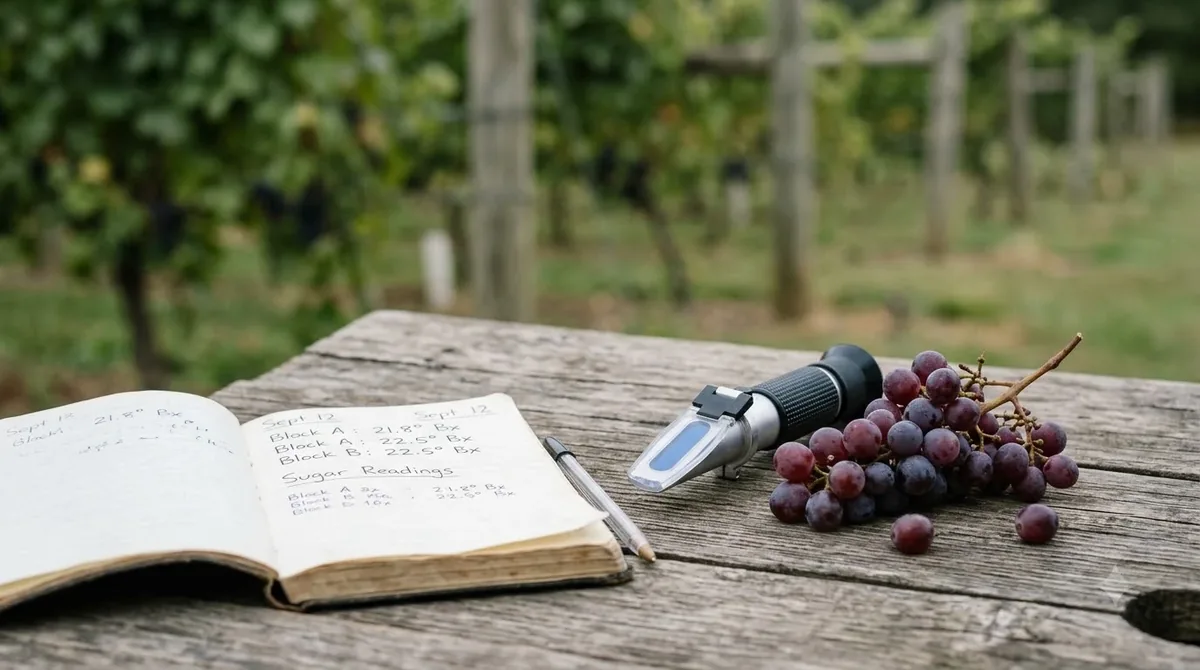
During fermentation, yeast consumes natural grape sugars and converts them into ethanol and carbon dioxide. Grapes grown in sunny, warm regions like California’s Napa Valley, Paso Robles, or South Australia ripen fully and accumulate high sugar concentrations, yielding higher-alcohol wines once fermented dry. Conversely, grapes harvested in cooler maritime or high-elevation regions—such as France’s Loire Valley, Long Island’s North Fork, or coastal California—retain higher natural acidity and lower sugar levels, resulting in lighter, lower-ABV bottles.
Winemakers also use blending intentionally to manage alcohol levels across a vintage. If one vineyard block comes in overly ripe and threatens to push a Cabernet Sauvignon above 15% ABV, a winemaker can blend in a cooler-fermenting lot of Merlot or Cabernet Franc to bring the overall percentage down and freshen the finish. In Europe, regional appellation rules strictly dictate which grapes can be combined, while winemakers in the United States and other New World regions have complete freedom to mix classic Bordeaux varieties with Zinfandel, Petite Sirah, or Barbera, as noted by VinePair’s red blend buying guide.
Red Blend Alcohol Content by Style and Region
Different regional traditions and grape formulas produce distinct ABV tiers across the red blend category, ranging from bright, medium-bodied bottles around 12.5% to plush, concentrated powerhouses exceeding 15%. Comparing the major blend families helps set expectations before you pull the cork.
| Red Blend Style | Key Grape Varieties | Typical ABV Range | Body & Feel |
|---|---|---|---|
| Classic Bordeaux Blend | Cabernet Sauvignon, Merlot, Cabernet Franc, Petit Verdot, Malbec | 13.5% – 15.0% | Full-bodied, structured tannins, medium acidity |
| Southern Rhône / GSM Blend | Grenache, Syrah, Mourvèdre | 13.5% – 15.0% | Medium-full to full-bodied, spicy, warming finish |
| California Red Blend | Zinfandel, Cabernet Sauvignon, Merlot, Petite Sirah, Syrah | 14.0% – 15.5% | Rich, plush fruit, velvety mouthfeel |
| Super Tuscan | Sangiovese, Cabernet Sauvignon, Merlot | 13.5% – 14.5% | Full-bodied, savory, bright natural acidity |
| Cool-Climate / Table Red Blend | Merlot, Cabernet Franc, Pinot Noir, Gamay | 12.5% – 13.5% | Medium-bodied, crisp, refreshing finish |
Classic Bordeaux blends—and their New World counterparts often labeled as Meritage—anchor their structure in Cabernet Sauvignon and Merlot. According to Wine Folly’s Bordeaux Blend profile, this style typically lands between 13.5% and 15% ABV, pairing high tannins and medium acidity with dark fruit notes of black currant and black cherry. Southern Rhône blends, frequently called GSM blends for Grenache, Syrah, and Mourvèdre, fall into a similar 13.5% to 15% window because Grenache naturally accumulates high sugar in warm Mediterranean sunshine.
California red blends frequently push toward the upper end of the table wine spectrum, often sitting between 14% and 15.5% ABV. Producers regularly incorporate ripe Zinfandel and Petite Sirah to create a soft, plush texture and jammy berry profile that appeals to fans of bold reds. On the lighter side, cool-climate blends—such as those from New York’s North Fork or coastal districts—can sit closer to 12.5% or 13% ABV, offering lifted herbal aromatics and brisk acidity without heavy warmth on the palate. If you are exploring how these dry reds stack up against other categories across Wine by Type, standard table blends sit well below fortified wines.
How Alcohol Content Shapes Flavor, Body, and Texture
Alcohol does far more than determine how quickly a glass affects you; it acts as a primary structural pillar that governs a red wine’s viscosity, aroma delivery, and perceived sweetness. Higher ABV creates a fuller, rounder mouthfeel, while lower ABV emphasizes crisp acidity and savory freshness.
In the glass, ethanol increases the liquid’s viscosity and surface tension, which is why a 14.8% California blend coats the palate with a velvety, weighty texture and leaves slow-moving “tears” or “legs” down the inside of the bowl. Alcohol is also volatile, meaning it evaporates readily at room temperature and carries aromatic compounds from the glass to your nose. Moderate-to-high alcohol amplifies ripe fruit, vanilla, and baking spice notes, making a wine taste richer and slightly sweeter even when zero residual sugar remains after fermentation.
Balance is what separates a great high-alcohol red blend from an overwhelming one. When a 14.8% blend has firm tannins from Cabernet Sauvignon or Petite Sirah alongside bright natural acidity, the wine feels cohesive and plush. If acidity and tannin are too low relative to the alcohol, however, the finish can feel sharp, fiery, or “hot” in the back of the throat. Conversely, a 12.6% blend built around Syrah, Grenache, or Cabernet Franc trades heavy palate weight for lively tension, letting earthy, peppery, and tart red-fruit nuances shine through.
Reading U.S. Wine Labels and TTB Tolerance Rules
In the United States, the percentage printed on a red blend label is legally allowed to vary slightly from the exact laboratory measurement inside the bottle. Understanding federal labeling tolerances helps explain why two bottles printed at 13.5% and 14.2% might actually be much closer in strength than they appear.
Under regulations enforced by the Alcohol and Tobacco Tax and Trade Bureau (TTB), wineries bottling table wines with 14% alcohol by volume or less are permitted a labeling tolerance of plus or minus 1.5 percentage points, provided the actual alcohol does not cross the 14% tax threshold. For wines containing more than 14% alcohol by volume, the allowable tolerance narrows to plus or minus 1 percentage point. This means a bottle labeled 14.5% alc. by vol. can legally contain anywhere from 13.5% to 15.5% alcohol.
Federal rules also allow wines between 7% and 14% ABV to carry the designation “Table Wine” on the front label in place of a specific numerical percentage, though most modern producers still print the exact figure on the front or back label. Additionally, U.S. labels must spell out “alcohol by volume” or use the approved abbreviations “alc.” and “vol.” rather than the acronym “ABV.” Because tax rates historically stepped up above 14% ABV, some producers have occasionally labeled wines right at 13.9% or 14.0% to stay within the lower tax bracket while still staying compliant with TTB tolerance windows.
How Red Blends Compare to Other Wines and Drinks
At an average of 13.5% to 14.5% ABV, dry red blends carry more alcohol per ounce than most white wines, sparkling wines, and beers, though they remain substantially lighter than fortified wines and distilled spirits. Comparing standard serving sizes puts their strength into practical perspective for dinner parties and casual pours.
A standard U.S. pour of table wine is 5 ounces. At 14% ABV, a 5-ounce glass of red blend delivers 0.70 ounces of pure ethanol—slightly more than the 0.60 ounces found in a standard 12-ounce beer at 5% ABV or a 1.5-ounce shot of 80-proof spirits at 40% ABV. Because high-ABV red blends around 15% pack roughly 25% more alcohol per ounce than a 12% Pinot Grigio or Prosecco, pouring slightly smaller 4-ounce servings is a smart habit when opening bold bottles.
Sweet and fortified categories occupy completely different territory on the alcohol spectrum. On the low end, ice wine alcohol content typically hovers between 9% and 12% ABV because yeast struggles to ferment the intensely concentrated sugars of frozen grapes. At the opposite extreme, winemakers add distilled grape spirit to fortified styles, pushing marsala alcohol content to roughly 15% to 20% ABV and lifting tawny port alcohol content to around 19% to 22% ABV.
Tip: Serve higher-ABV red blends (14.5% and above) slightly cool at 60°F to 65°F rather than warm room temperature—twenty minutes in the refrigerator reins in alcohol heat and keeps the fruit tasting crisp.
Serving and Pairing Red Blends by Alcohol Level
Matching your serving temperature and dinner menu to a red blend’s alcohol percentage prevents the wine from tasting overly hot or overpowering delicate dishes. Lighter blends thrive with mild cellar chill and roasted poultry, while high-ABV bottles need rich proteins and fats to balance their weight.
When a red blend sits above 14.5% ABV, warmth is your biggest enemy. Serving wine at a warm 72°F kitchen temperature accelerates ethanol evaporation, making the wine smell boozy and taste flat. Chilling the bottle down to 60°F–65°F tightens the structure, highlights dark berry flavors, and keeps the finish refreshing. Giving full-bodied, high-ABV blends 30 to 60 minutes in a decanter also helps soften firm tannins and integrate volatile aromatics before your first sip.
At the dinner table, pair 12.5% to 13.5% blends with herb-roasted chicken, grilled salmon, mushroom risotto, or charcuterie, where moderate alcohol will not overwhelm subtle flavors. Save 14.5% to 15.5% blends for marbled ribeye steaks, braised short ribs, smoked brisket, or aged hard cheeses like Parmigiano-Reggiano and sharp cheddar, as dietary fat and protein coat the palate and buffer both high tannins and warming alcohol.
Frequently Asked Questions
Do red blends have more alcohol than single-varietal red wines?
Not necessarily. A red blend’s alcohol level reflects the specific grape varieties in the mix and where they were grown rather than the act of blending itself. A Bordeaux-style blend will have roughly the same 13.5% to 15% ABV as a single-varietal Cabernet Sauvignon from the same region, while a Pinot Noir-dominant blend will stay much lighter.
Which red blends have the highest alcohol content?
Warm-climate blends built around Zinfandel, Petite Sirah, Shiraz, or Grenache typically reach the highest alcohol levels among dry red blends, often landing between 14.5% and 15.5% ABV. Regions with long, sunny growing seasons—such as Paso Robles, Napa Valley, Lodi, and South Australia—regularly produce these full-bodied, higher-alcohol styles.
Why does a 14.5% red blend sometimes taste less alcoholic than a 13.5% bottle?
Perceived alcohol depends heavily on balance rather than the raw percentage alone. When a 14.5% wine has ample natural acidity, concentrated fruit extract, and ripe tannins, those elements integrate the ethanol so the finish feels smooth and velvety. A 13.5% wine lacking acidity or fruit depth can expose the alcohol and taste noticeably hotter.
Is there a standard alcohol percentage for sweet red blends?
Sweet or off-dry red blends often have lower alcohol content than dry blends, commonly ranging from 10% to 13% ABV. Winemakers achieve residual sweetness by halting fermentation early—often by chilling the tank—which leaves natural grape sugars unfermented instead of converting them into additional alcohol.
Checking the alcohol percentage on a red blend is one of the fastest ways to predict how the wine will feel in your glass before you buy. Whether you reach for a brisk 13% blend for weeknight pasta or a plush 15% powerhouse for weekend grilling, matching the ABV to your meal and serving temperature ensures every bottle shows its best side.
More in Wine Types & Grapes
 Zinfandel Sugar Content: Dry Red vs. White Zinfandel GramsUpdated Nov 21, 2026
 Best Zinfandel Substitute Options for Sipping and CookingUpdated Nov 21, 2026
 Zweigelt Food Pairing: Best Dishes, Cheeses, and Serving TipsUpdated Nov 21, 2026
 Zinfandel Tannins Explained: How Structure Shapes Every BottleUpdated Nov 21, 2026
 Zinfandel Sweetness Level: Dry Red vs. Sweet White Zin ExplainedUpdated Nov 21, 2026
 Xinomavro Food Pairing: Best Dishes, Styles, and Serving TipsUpdated Nov 21, 2026