

We may earn a commission when you buy through links on this page, at no extra cost to you. Learn more.
DAOU Cabernet tasting notes typically feature ripe blackberry, black cherry, cassis, dark chocolate, espresso, and savory desert herbs, supported by structured tannins and a smooth, full-bodied finish. This Paso Robles Cabernet Sauvignon combines generous dark-fruit flavors with oak-derived spice, earthy accents, and enough acidity to keep its substantial palate balanced. Expect a dry red wine with noticeable alcohol warmth, polished texture, and a finish that can linger with hints of cocoa, dried herbs, and toasted wood.
DAOU Cabernet Sauvignon is an approachable introduction to the concentrated red wines of Paso Robles, California. Its appeal comes from the combination of familiar Cabernet fruit, a substantial mouthfeel, and savory details that make each sip more interesting. Whether you are choosing a bottle for grilled steak, comparing California Cabernet producers, or learning how to identify aromas in a glass, understanding its fruit, tannins, oak, and serving requirements makes the experience more rewarding.
Core Flavor Profile of DAOU Cabernet Sauvignon
DAOU Cabernet Sauvignon is a dry, full-bodied red built around dark berries, black cherries, and cassis. Its fruit-forward character is balanced by firm but polished tannins, savory herbal notes, and the darker flavors associated with oak maturation.
Blackberry is one of the most recognizable characteristics. It can resemble ripe fresh berries, blackberry preserves, or a concentrated berry sauce, depending on the vintage and the wine’s development. Black cherry and plum add depth, while cassis contributes a darker, slightly tart blackcurrant character. These flavors give the wine its rich initial impression without making it a sweet wine.
Secondary flavors help distinguish DAOU from a simple fruit-driven Cabernet. Dark chocolate, espresso, vanilla, sandalwood, and toasted oak provide additional complexity. Savory details such as sage, dried thyme, black olive, and leather bring a more earthy dimension to the profile. The balance between fruit and these savory characteristics is particularly important: the wine should feel generous rather than excessively heavy.
The 2023 producer description identifies black plum, Zante currant, frankincense, and sage among its aromas. It also highlights black cherry, raspberry, mulberry, black olive, sandalwood, and dark chocolate on the palate. These details illustrate how the wine can move from ripe fruit into herbal, earthy, and oak-related flavors. DAOU’s official 2023 Cabernet Sauvignon tasting description provides additional vintage-specific aroma and palate details.
Vintage differences matter. A younger bottle may emphasize juicy blackberry, cherry, and vanilla, while a more developed bottle can show greater integration between fruit, oak, and savory aromas. The 2022 bottling received 91 points and an Editors’ Choice designation from Wine Enthusiast, whose tasting description emphasizes blackberry sauce, espresso bean, cocoa, and lingering tannins.
Tip: When tasting DAOU Cabernet, identify the fruit first, then look for chocolate, espresso, herbs, and oak. This simple progression makes it easier to recognize how the wine develops from its first aroma through the finish.
Aroma, Palate, and Finish Across Three Tasting Stages
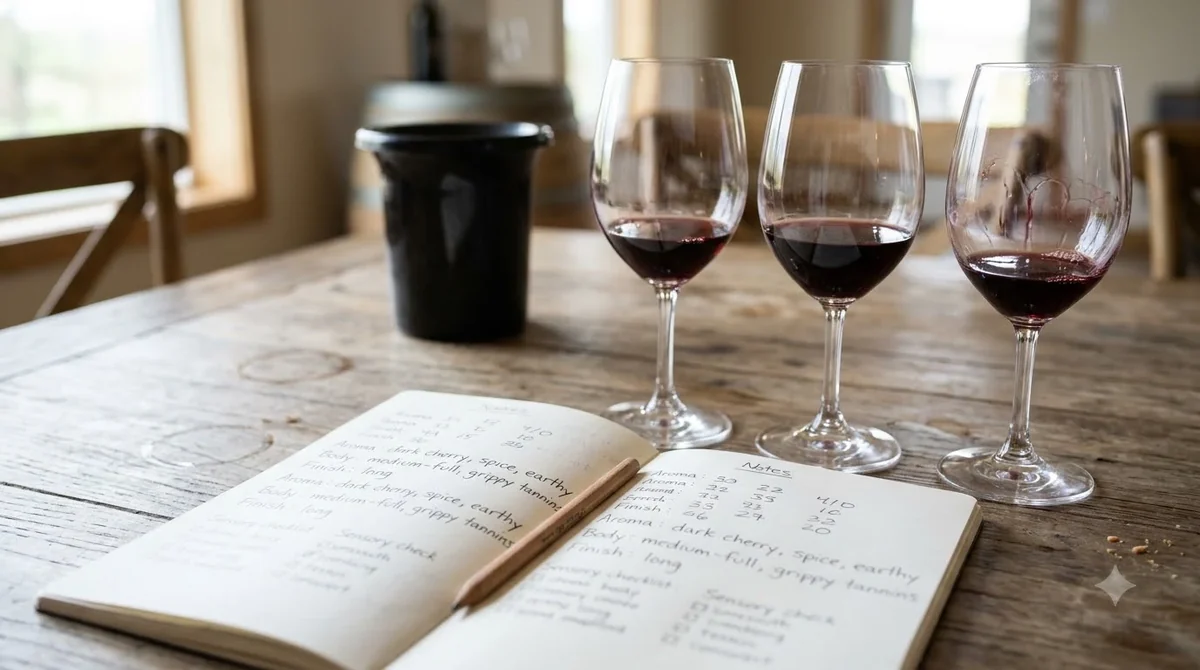
The easiest way to understand DAOU Cabernet Sauvignon is to assess its aroma, mid-palate, and finish separately. These three stages reveal the relationship between ripe fruit, oak influence, and tannin structure.
First impression: Color and aroma
Begin by examining the wine in a clear glass against a light background. DAOU Cabernet Sauvignon generally presents a deep ruby to purple-red appearance, consistent with a concentrated Cabernet-based red. A young bottle may show particularly dark color at the center of the glass, with a slightly brighter red edge.
Swirl gently and identify the strongest aromas before looking for more subtle ones. Blackberry, black cherry, plum, and cassis are useful starting points. After these primary fruit notes, look for espresso, cocoa, vanilla, sage, and toasted wood. A more complex aromatic profile may also include pencil lead, leather, black olive, or crushed stone.
Second impression: The palate
The first sip typically reveals concentrated dark fruit and a full-bodied texture. Blackberry and black cherry establish the central flavor, while raspberry, currant, and plum contribute additional fruit dimensions. Cocoa, espresso, and baking spice provide contrast.
Pay attention to the wine’s weight. A full-bodied Cabernet has more presence across the palate than a lighter red such as Pinot Noir. DAOU’s combination of ripe fruit and fine-grained tannins creates a substantial but relatively polished mouthfeel. The acidity helps prevent the wine from feeling entirely flat or heavy.
Final impression: Finish and tannins
After swallowing, notice how long the fruit and savory flavors remain. Blackberry, cherry, dark chocolate, dried herbs, and toasted oak can persist after the initial taste. Tannins create a drying sensation along the gums and sides of the mouth, giving the wine structure and a firm finish.
Wine Enthusiast’s review of the 2022 bottling specifically mentions lingering, sappy tannins alongside blackberry sauce, espresso bean, and cocoa. Its 2022 DAOU Cabernet Sauvignon review awarded the wine 91 points and an Editors’ Choice designation. This combination is a useful reference when assessing the wine yourself. A persistent finish is not necessarily an indication of excessive tannin; it can be a sign that the fruit, acidity, and structure remain present after the initial sip.
For a more systematic assessment, take three small sips over several minutes rather than trying to identify every flavor immediately. The aroma may become more expressive as the wine has contact with air, and its texture may seem softer as it approaches the right serving temperature.
Vintage Differences and DAOU Cabernet Expressions
DAOU Cabernet Sauvignon is not a completely identical experience from one vintage or bottling to another. Weather, grape composition, oak treatment, and bottle development can influence the balance between fruit, tannin, acidity, and spice.
The 2022 and 2023 descriptions provide useful examples of these differences. The 2022 producer profile emphasizes black cherry, cassis, plum, desert sage, sandalwood, and dusty minerality. It also identifies black raspberry, spicy currant, blueberry compote, fig, baking spices, espresso, and vanilla. The 2023 description emphasizes black plum, Zante currant, frankincense, sage, cardamom, espresso bean, cinnamon toast, raspberry, and mulberry.
Both vintages share a recognizable dark-fruit and savory-spice identity, but their individual descriptions highlight different aromatic details. This is why it is better to approach tasting notes as a guide rather than a strict checklist. A bottle may show more blackberry and espresso than plum and sage, yet still fit the producer’s general style.
Discovery, Reserve, and Soul of a Lion
DAOU also produces different Cabernet-focused expressions with distinct oak-aging programs. The differences are useful when deciding whether to choose an approachable everyday Cabernet or a more structured wine for a special meal.
| Wine | Oak aging | New French oak | General tasting character |
|---|---|---|---|
| Discovery Cabernet Sauvignon | 8 months | 50% | Blackberry, cherry, vanilla spice, smooth tannins |
| Reserve Cabernet Sauvignon | 18 months | 50% | Cassis, blackberry, espresso, integrated oak |
| Soul of a Lion | 22 months | 100% | Black currant, tobacco, exotic spice, structured texture |
These figures come from DAOU’s descriptions of the three wines. They demonstrate that the expressions are not simply different labels for the same Cabernet. Oak-aging time and the proportion of new barrels influence the way fruit, spice, and texture develop.
Discovery is described as the most approachable of the three, with ripe blackberry, cherry, vanilla spice, and smooth tannins. Reserve has a longer oak-aging period and a more concentrated profile of cassis, blackberry, and espresso. Soul of a Lion is a Bordeaux-style red blend from the Adelaida District, with 22 months of aging in entirely new French oak.
These distinctions also help explain why reviews of different DAOU wines should not be treated as interchangeable. A review of Discovery does not necessarily describe Reserve, and a tasting note for Soul of a Lion should not be applied directly to the standard Cabernet Sauvignon.
For readers exploring other California bottles, comparing Austin Hope Cabernet tasting notes provides another useful reference for understanding ripe fruit, oak, and full-bodied Cabernet styles.
Body, Acidity, Tannins, and Alcohol
DAOU Cabernet Sauvignon is best understood as a full-bodied red with high Cabernet-style tannin, moderate-to-present acidity, and noticeable alcohol warmth. These structural elements determine how the wine feels in the mouth and explain why it pairs particularly well with rich, savory foods.
Body describes the wine’s overall weight and texture. DAOU’s concentrated fruit and substantial palate place it firmly in the full-bodied category. It has more weight than a typical light-bodied red and can stand up to substantial dishes such as grilled beef, roasted lamb, and hearty pasta.
Tannins are another defining feature. Cabernet Sauvignon is naturally associated with high tannin, and DAOU uses this structure to frame its dark fruit. The wine’s tannins can create a drying sensation, but ripe fruit and polished texture help make that structure approachable. Tannin is not sweetness or bitterness; it is a tactile component that contributes grip and persistence.
Acidity provides freshness. Although the wine has a rich, concentrated palate, acidity helps balance the fruit and alcohol. This balance is particularly useful with foods that contain fat, because a structured red can cut through the richness of a meal without disappearing beside it.
Alcohol also contributes to body and warmth. Wine Enthusiast lists the 2022 bottling at 14.5% ABV. That figure is a useful reference for understanding the wine’s substantial character, although individual vintages can differ. At warmer serving temperatures, alcohol warmth may become more noticeable, which is another reason not to serve this Cabernet too warm.
How to assess the structure
When tasting, consider four separate questions. Does the wine feel light or substantial? Does it make your gums feel dry? Does the acidity make your mouth water? Does the alcohol create a warm sensation toward the finish? Answering these questions gives a more useful description than relying on fruit aromas alone.
For comparison, Merlot generally has softer, medium tannins, while Syrah can also show medium-plus to high tannin. Pinot Noir is usually lower in tannin and higher in acidity. These differences help explain why DAOU Cabernet feels more substantial than many lighter red wines.
Readers comparing different California producers can also explore Caymus Cabernet tasting notes to understand how Cabernet styles can differ in fruit concentration, texture, and oak influence.
Best Food Pairings for DAOU Cabernet Sauvignon
DAOU Cabernet Sauvignon works particularly well with grilled and roasted meats, savory dishes, aged cheeses, and preparations that include fat or umami-rich ingredients. Its dark fruit and firm tannins complement hearty foods, while its acidity helps maintain balance.
Grilled steak: Ribeye, New York strip, and grilled sirloin are natural matches. The wine’s tannins interact favorably with the fat and protein in beef, softening the perception of astringency. Charred edges also complement the Cabernet’s darker fruit and toasted oak notes.
Roasted lamb: Roast leg of lamb, lamb chops, and herb-crusted lamb work well with the wine’s savory character. Rosemary, thyme, black pepper, and garlic provide aromatic connections to the dried herbs and spice in the Cabernet. Avoid overly sweet sauces that could make the wine seem less balanced.
Burgers and barbecue: A grilled beef burger with caramelized onions and aged cheddar is a practical pairing. The meat’s fat and the cheese’s salt soften the tannins. Barbecue can also work, particularly when the sauce is savory rather than excessively sweet.
Rich pasta: Beef ragù, mushroom pasta, and tomato-based meat sauces are suitable options. The wine’s fruit complements slow-cooked meat, while its acidity helps balance tomato-based sauces. For dishes with pronounced tomato acidity, avoid a preparation that is excessively sharp or vinegary.
Hard cheeses: Aged cheddar, Parmesan, and Gouda can work particularly well. Salt and fat reduce the perception of tannin, while concentrated cheese flavors complement the wine’s dark fruit and cocoa characteristics.
Mushroom dishes: Roasted portobello mushrooms, mushroom risotto, and beef-and-mushroom stew bring out earthy and savory dimensions. These dishes are particularly useful when you want to emphasize the wine’s herbal, leather, and dark chocolate characteristics rather than its fruit alone.
Pairings that require more care
Very spicy food can make Cabernet Sauvignon seem hotter because alcohol and tannins can amplify the sensation of chili heat. If serving spicy barbecue or heavily seasoned dishes, keep the chili level moderate and include ingredients such as rice, potatoes, or creamy sauces to soften the overall intensity.
Oily fish, such as sardines or mackerel, is generally less suitable for a high-tannin red. The combination can create an unpleasant metallic impression. Delicate white fish and seafood are usually better with a crisp white wine than with DAOU Cabernet.
Desserts are another challenging category. A dry Cabernet generally tastes more bitter or acidic alongside a very sweet dessert. If serving chocolate, choose a preparation with restrained sweetness and a rich, less sugary profile rather than a very sweet milk-chocolate cake.
For a wider look at how grape structure affects meal selection, the Wine Brands section provides a useful starting point for comparing producers and their different styles.
Serving Temperature, Glassware, and Decanting
Serve DAOU Cabernet Sauvignon at approximately 60-65 F to preserve its fruit, control alcohol warmth, and make its tannins feel more balanced. Give the wine enough time to breathe if it is young and particularly structured.
Although many people serve red wine at room temperature, a warm dining room can be significantly hotter than the ideal temperature for a full-bodied Cabernet. Excessive warmth makes alcohol seem more pronounced and can cause the fruit to appear heavy. A slightly cooler serving temperature keeps the wine more composed.
Choosing the right glass
A large Cabernet Sauvignon glass with a broad bowl is a good choice. The extra space allows the wine to come into contact with air, helping its blackberry, cassis, chocolate, and herbal aromas become easier to recognize. A tapered opening directs the aromas toward the nose while keeping the pour manageable.
A standard wine pour is approximately 5 ounces. A 750 ml bottle therefore provides about five standard glasses. Avoid filling a large bowl too far; leaving sufficient space makes swirling easier and reduces the risk of spilling.
Does DAOU Cabernet need decanting?
Young, full-bodied Cabernet Sauvignon can benefit from 30-60 minutes of decanting. This gives the wine time to interact with oxygen and can make its fruit aromas more expressive while helping the texture feel less tightly wound.
For a younger DAOU Cabernet, begin by pouring a small sample immediately after opening. Taste it again after 20-30 minutes, then compare the fruit, herbal aromas, and tannin sensation. If the wine seems closed or particularly firm, allow additional time within the 30-60-minute range.
Decanting is not compulsory. An approachable bottle can be enjoyed immediately, especially when served with food. The objective is to find the point at which the wine expresses its fruit and structure comfortably, not to expose it to air for as long as possible.
Opened bottles should be resealed and stored in the refrigerator. Most still wines retain their best qualities for approximately 3-5 days after opening, although air exposure and storage conditions affect the result. Allow refrigerated Cabernet to warm slightly before serving again.
How DAOU Compares With Other California Cabernet Sauvignons
DAOU belongs to a broader California Cabernet category in which ripe fruit, oak influence, and substantial body are common features. Its Paso Robles identity is expressed through dark berry fruit, savory herbs, polished tannins, and a generous palate.
Comparing it with other producers is useful because the Cabernet Sauvignon grape does not create an identical wine everywhere. Climate, vineyard conditions, harvest decisions, blending, and barrel programs all affect the finished bottle. Two wines can both be dry and full-bodied yet show noticeably different fruit profiles and textures.
DAOU’s Discovery Cabernet Sauvignon is positioned as an approachable expression with blackberry, cherry, vanilla spice, and smooth tannins. The producer’s Reserve Cabernet Sauvignon takes a more concentrated direction, emphasizing cassis, blackberry, espresso, and extended oak aging. These differences offer a practical example of how oak treatment and wine selection can change the experience within a single producer’s range.
When comparing DAOU with other Cabernet producers, pay attention to four factors:
- Fruit character: Look for differences between fresh blackberry, black cherry, cassis, plum, and concentrated berry preserves.
- Oak influence: Compare vanilla, toasted wood, espresso, cocoa, cedar, and baking spice.
- Tannin texture: Notice whether the wine feels firmly structured, polished, soft, or particularly drying.
- Finish: Consider whether fruit, herbs, chocolate, or oak remains most noticeable after swallowing.
It is also useful to compare wines at similar temperatures and in the same style of glass. A warmer Cabernet may appear more alcoholic, while a wine served too cold can seem harder and less expressive. Consistent tasting conditions make comparisons more meaningful.
Another interesting comparison is Freakshow Cabernet tasting notes, which provides another reference point for exploring California Cabernet fruit, texture, and flavor. Comparing three producers side by side can help identify which style best matches your preference for concentrated fruit, savory complexity, or oak character.
For the most useful comparison, taste small pours of each wine before eating and then revisit them with the same meal. A Cabernet that seems powerful on its own may become more balanced beside grilled beef or aged cheese. Food can change the perception of tannin and fruit considerably, so tasting with dinner provides another perspective on each wine.
Frequently Asked Questions
Is DAOU Cabernet Sauvignon made from 100% Cabernet Sauvignon?
The precise grape composition can vary by bottling and vintage. DAOU also produces Bordeaux-style wines that combine Cabernet Sauvignon with other traditional Bordeaux varieties. For example, Soul of a Lion is presented as a Bordeaux-style red blend rather than simply another name for the standard Discovery Cabernet.
Does DAOU Cabernet Sauvignon contain sulfites?
Like most conventional wines, DAOU Cabernet Sauvignon contains sulfites. Sulfur dioxide is used in winemaking to help protect wine from oxidation and unwanted microbial activity. Bottled wines containing at least 10 parts per million of sulfites are subject to sulfite labeling requirements in the United States.
What type of wine glass is best for DAOU Cabernet Sauvignon?
A large Bordeaux-style glass is a suitable choice because its broad bowl provides room for swirling and aromatic development. A glass holding approximately 20-30 ounces of total capacity is commonly useful for full-bodied reds. The actual serving should remain close to 5 ounces rather than filling the glass.
Can DAOU Cabernet Sauvignon be used in cooking?
Yes. A dry Cabernet can be used in beef braises, red-wine reductions, and slow-cooked ragù. Its dark-fruit and savory characteristics work particularly well with beef stock, mushrooms, onions, and thyme. Avoid using a wine with noticeable spoilage aromas or excessive residual sweetness in a savory sauce.
What is the difference between Cabernet Sauvignon and Cabernet Franc in DAOU wines?
Cabernet Sauvignon generally contributes dark fruit, substantial body, and firm tannin structure. Cabernet Franc can contribute red-fruit character, herbal aromas, and additional aromatic complexity. They are separate grape varieties, even though both belong to the traditional Bordeaux family of grapes.
DAOU Cabernet Sauvignon is a compelling choice for drinkers who enjoy full-bodied California reds with blackberry, cassis, dark chocolate, espresso, and savory herbal character. Serve it at 60-65 F, consider 30-60 minutes of decanting for a young structured bottle, and pair it with grilled beef, lamb, or aged cheese. Paying attention to vintage and bottling differences will help you recognize the wine’s distinctive Paso Robles character and choose the expression that best suits your preferences.
More in Wine Brands
 Louis Latour Wine Price: Compare Bottles by Style and TierUpdated Nov 20, 2026
 Yellow Tail Moscato Price: What to Expect Before You BuyUpdated Nov 20, 2026
 Sutter Home Sweet Red Review: Find the Right Food PairingsUpdated Nov 20, 2026
 Franzia Chillable Red Review: Find the Right Serving StyleUpdated Nov 20, 2026
 Veuve Clicquot Rose Review: Flavor, Food Pairings and Buying AdviceUpdated Nov 20, 2026
 Rombauer Wine Price: Compare Bottles Before You BuyUpdated Nov 20, 2026