


We may earn a commission when you buy through links on this page, at no extra cost to you. Learn more.
Cline white wine offers a diverse selection of California whites, including aromatic Viognier, fresh Chardonnay, distinctive Marsanne-Roussanne blends, and Grenache Vin Gris. Produced by Cline Family Cellars, these wines reflect the winery’s roots in Sonoma and its interest in Rhône grape varieties. Depending on the bottle, expect anything from bright citrus and stone fruit to tropical aromas, mineral notes, and a richer, rounded texture.
Cline Family Cellars has built its reputation around family winemaking, vineyard diversity, and a willingness to work with grape varieties beyond the familiar California classics. Its white wine selection makes that approach especially clear. Whether you prefer a fragrant wine for an appetizer, a versatile Chardonnay for dinner, or an unusual Rhône-style blend, understanding the grapes and growing regions helps you choose the right bottle.
What Makes Cline White Wine Different?
Cline white wine stands out for its combination of California fruit character and Rhône-inspired winemaking heritage. The winery works with familiar grapes such as Chardonnay while also producing wines from varieties including Viognier, Marsanne, and Roussanne.
Cline Family Cellars was founded by Fred and Nancy Cline in 1982 in Oakley, California. The family’s early wines came from historic Mourvèdre, Zinfandel, and Carignane vineyards, some containing vines planted in the 1880s. In 1989, the family moved the winery to a 350-acre former horse farm in Sonoma-Carneros. That move helped expand its vineyard holdings and introduced a wider range of growing conditions and grape varieties.
Fred Cline became associated with the original Rhône Rangers, a group of California producers interested in Rhône grape varieties. His work helped introduce California wine drinkers to grapes such as Viognier, Marsanne, Roussanne, and Syrah. This background remains relevant to the winery’s white wine identity because these varieties offer alternatives to conventional Chardonnay and Sauvignon Blanc.
The winery’s portfolio is organized into several collections, including Single Vineyards, Sonoma AVA, Seven Ranchlands, Ancient Vines, and County Collection. Not every collection focuses on white wine, but the structure allows Cline to present wines from different vineyard sites and growing regions rather than treating every bottle as interchangeable.
Another important characteristic is the family’s stated interest in sustainable vineyard practices. Cline describes using cover crops, compost teas, and sheep for weed control. The winery also identifies itself as Certified California Sustainable and Sonoma County Sustainable. These farming practices form part of its broader approach to vineyard stewardship.
For readers comparing producers, Cline Cellars wine offers a useful starting point for understanding the winery’s broader portfolio, including its reds, rosés, and whites.
Main White Wine Varieties and Styles
Cline’s white wine range includes several distinct grape varieties and styles. Chardonnay offers a familiar California reference point, while Viognier, Marsanne-Roussanne, and Grenache Vin Gris provide more unusual options.
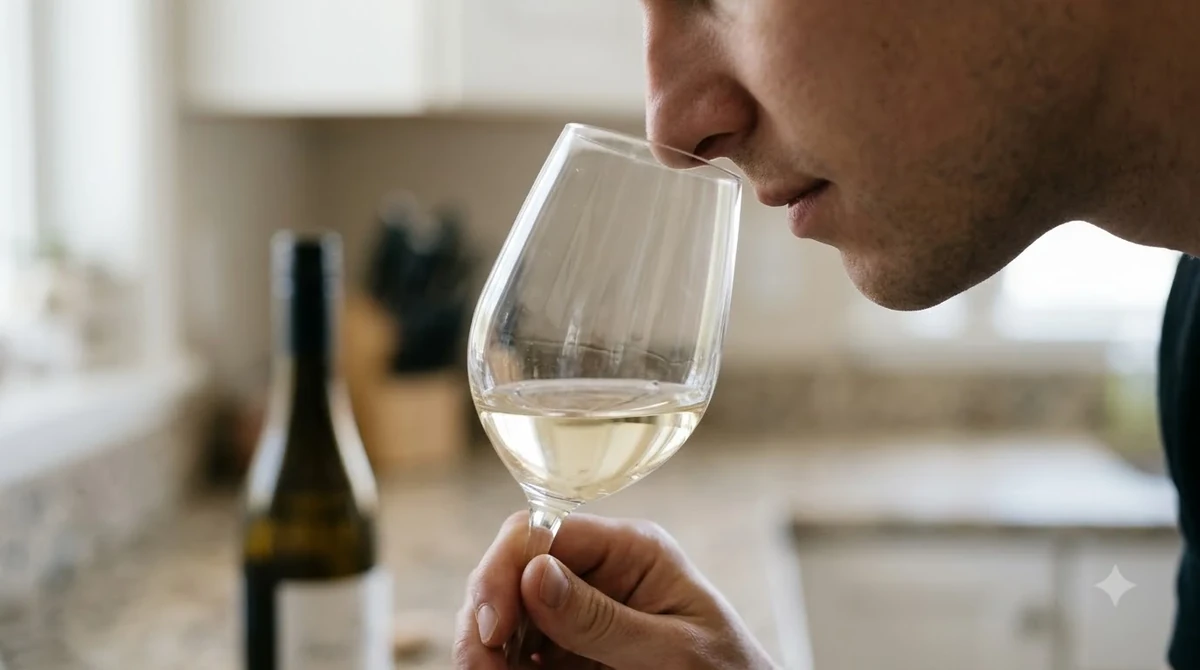
Viognier: Viognier is one of the most recognizable Rhône-inspired white varieties associated with Cline. It is naturally aromatic and commonly produces wines with peach, apricot, melon, honeysuckle, and tropical fruit characteristics. Cline’s Single Vineyards Viognier comes exclusively from its J. Poppe Estate vineyard in Carneros. The winery describes notes of mango, melon, pear, and tropical fruit salad, supported by a rich texture.
Chardonnay: Chardonnay provides a more familiar alternative. Cline’s Chardonnay offerings can show citrus, apple, apricot, pineapple, and stone fruit characteristics. A Wine Enthusiast review of a 2024 Sonoma County bottling described Meyer lemon, pineapple, stone fruit, and salty lime peel, along with bright acidity. This makes the style appealing to drinkers who want a recognizable grape with a lively California expression.
Marsanne-Roussanne: This Rhône-inspired combination is particularly interesting for wine drinkers who enjoy exploring less common white grapes. Marsanne generally contributes body and texture, while Roussanne can contribute aromatic complexity and structure. Cline’s Single Vineyards blend combines fruit from two locations: three acres of Marsanne at its Carneros estate and half an acre of Roussanne at Catapult Vineyard in the Petaluma Gap. The winery describes melon, stone fruit, spice, and mineral character.
Grenache Vin Gris: This wine is different from the other examples because it uses Grenache, a red grape, to produce a wine with a white-wine appearance and flavor profile. Cline describes it as a Blanc de Noir, made with minimal color extraction. Its tropical and citrus fruit character, refreshing acidity, and rounded texture make it an interesting choice for people who want something beyond conventional white varieties.
Other varieties: The Contra Costa Winegrowers Association also lists Pinot Gris, Riesling, and Gewürztraminer among the wines associated with Cline Family Cellars. White blends are included in its broader wine portfolio as well. Availability and specific bottlings can vary, so it is useful to distinguish the winery’s overall range from its featured Single Vineyards wines.
Tip: If you are new to Cline’s white wines, start with Chardonnay for a familiar profile or Viognier if you prefer fragrant wines with pronounced peach, pear, and tropical fruit characteristics.
How Cline White Wines Taste
The flavor profile depends primarily on the grape variety and vineyard source. Chardonnay generally offers citrus and orchard fruit, Viognier is more aromatic and rounded, and Marsanne-Roussanne tends toward stone fruit, spice, and mineral complexity.
Chardonnay is a useful starting point for understanding Cline’s approach to California white wine. The 2024 Sonoma County Chardonnay reviewed by Wine Enthusiast received a 91-point rating. Its published tasting description identifies citrus, apricot, chalk, and lemon blossom aromas. On the palate, the review highlights Meyer lemon, pineapple, stone fruit, and salty lime peel.
These characteristics suggest a wine with noticeable freshness rather than a profile dominated by heavy sweetness. Citrus acidity helps balance the fruit, while the stone fruit and pineapple provide a fuller flavor impression. Chardonnay’s medium acidity also makes it flexible with a range of foods.
Viognier takes a different direction. Its aromatic intensity can make it seem richer and more expressive even before the first sip. Cline’s Single Vineyards version is described with mango, melon, pear, and tropical fruit salad notes. The variety generally has medium acidity and a fuller body than Sauvignon Blanc, so it can feel rounder on the palate.
For another example, Wine Enthusiast’s review of Cline’s 2024 Mendocino County Viognier describes nectarine, quince, apple, orange, honeycomb, beeswax, and mineral notes. The review also identifies an alcohol level of 14.5% ABV. This illustrates how Viognier can combine fragrant fruit with a substantial mouthfeel.
Marsanne-Roussanne offers a more savory and textural experience. Melon and stone fruit provide the fruit foundation, while spice and mineral notes add complexity. The blend can appeal to drinkers who find basic citrus-driven whites too straightforward but do not necessarily want an oak-heavy Chardonnay.
Grenache Vin Gris occupies another position. Its fruit character is bright and refreshing, with tropical and citrus notes. Although it is made from a red grape, minimal skin contact produces a wine intended to resemble a white wine in appearance and flavor. It is a good reminder that grape color alone does not determine the final color of a wine.
Overall, these wines are best understood as a collection of different expressions rather than one consistent flavor style. Some emphasize freshness, others emphasize fragrance, and the Rhône blends place greater attention on texture and complexity.
California Vineyards Behind the Wines
Vineyard location plays an important role in the character of Cline’s white wines. Carneros, Sonoma Coast, and the Petaluma Gap offer different combinations of maritime influence, temperature, sunlight, and soil that influence grape ripening.

Carneros and J. Poppe Estate: The J. Poppe Estate vineyard is located in Carneros, Sonoma County. It is planted to Chardonnay, Sauvignon Blanc, Merlot, Syrah, Viognier, and Marsanne. Cline explains that the vineyard benefits from afternoon cooling breezes known as the Carneros Express. This maritime influence extends the time grapes spend ripening on the vine.
The estate is particularly important for the winery’s Viognier. Cline says its Single Vineyards Viognier comes exclusively from the J. Poppe vineyard. The relevant Viognier block was planted in 1991 on an east-facing slope. Morning sunshine supports flavor development, while protection from intense afternoon heat helps maintain the quality of the fruit.
Petaluma Gap: Cline’s Catapult Vineyard is situated in the Petaluma Gap, within the Sonoma Coast growing area. Its proximity to the Pacific Ocean exposes the vineyard to morning fog, afternoon sunshine, and strong winds. The property includes Pinot Gris, Roussanne, Syrah, and Viognier, among other varieties. These conditions provide a different growing environment from warmer inland vineyards.
Catapult is particularly relevant to the Marsanne-Roussanne blend because Cline sources the Roussanne portion from this vineyard. The blend therefore brings together grapes from Carneros and the Petaluma Gap, two areas with distinct growing conditions.
Diamond Pile: Another Petaluma Gap property is Diamond Pile, which Cline describes as its most western and coldest ranch. Its plantings include blocks of Chardonnay and Pinot Gris. Cooler conditions and maritime exposure help explain why this part of Sonoma is attractive for grapes that benefit from a longer, more measured ripening period.
Sonoma and other North Coast areas: Cline’s vineyard holdings extend beyond these locations. The family’s vineyards span Northern California, from Tehama County to the Petaluma Gap. The winery also works with family growers in county-specific North Coast appellations through its County Collection. This broader sourcing strategy gives the producer access to different fruit characteristics and growing environments.
These regional differences are useful when comparing bottles. A wine from a cooler coastal site may emphasize freshness and citrus, while fruit from a warmer location may show riper peach, melon, or tropical fruit. The grape variety remains important, but vineyard conditions help shape the final result.
Food Pairings for Cline White Wine
Cline white wines work with a wide range of meals because their varieties offer different levels of acidity, aromatic intensity, and body. The most reliable approach is to match the weight and flavor of the dish to the structure of the wine.
Chardonnay with poultry and seafood: Chardonnay is a flexible choice for roast chicken, grilled turkey, shrimp, crab, and moderately rich fish dishes. Its medium acidity complements food without overwhelming delicate flavors. A Chardonnay with citrus and stone fruit character also works with lemon-roasted chicken, pasta with cream sauce, and grilled vegetables.
Viognier with aromatic dishes: Viognier’s expressive fruit character makes it suitable for dishes featuring ginger, aromatic herbs, and mild spices. Try it with roast chicken, pork tenderloin, grilled prawns, or Moroccan-style chicken with apricots. Its fuller texture can also complement dishes containing coconut milk, provided the seasoning is not excessively hot.
Marsanne-Roussanne with richer seafood: The fuller texture and savory character of this blend can complement lobster, scallops, roasted halibut, and creamy seafood pasta. It also works with roasted poultry and dishes containing mushrooms. The key is to match the wine’s texture with the richness of the food without making either element feel heavy.
Grenache Vin Gris with lighter meals: The refreshing acidity and citrus character make this wine suitable for summer salads, grilled vegetables, sushi, shrimp cocktails, and light pasta dishes. It can also accompany charcuterie and mild cheeses. Because it has a rounded texture, it can handle slightly richer appetizers than a very lean white wine.
Quick Pairing Reference
| Cline Style | Food Pairing | Why It Works |
|---|---|---|
| Chardonnay | Roast chicken, crab, shrimp | Medium acidity complements savory and moderately rich foods. |
| Viognier | Ginger chicken, pork, grilled prawns | Aromatic fruit and fuller texture complement fragrant dishes. |
| Marsanne-Roussanne | Scallops, lobster, halibut | Body and savory complexity match richer seafood. |
| Grenache Vin Gris | Sushi, salads, grilled vegetables | Fresh acidity and citrus character complement lighter dishes. |
| Sauvignon Blanc | Goat cheese, oysters, green salads | Bright acidity cuts through salty and fresh flavors. |
| Pinot Gris | Roasted vegetables, seafood pasta | Fruit character and moderate weight suit versatile dishes. |
For a successful pairing, consider the sauce as well as the main ingredient. A grilled chicken breast with lemon and herbs may suit Chardonnay, while the same chicken prepared with ginger, mango, and fragrant spices may be better with Viognier.
Acidity also matters. Highly acidic dishes need wines with equal or greater acidity to avoid making the wine taste flat. Salt and fat can soften the perception of tannin, although tannin is usually not a major concern with these white wines. Avoid pairing heavily tannic red wine with oily fish, and be cautious with very spicy food because alcohol can intensify the perception of chili heat.
Serving Temperature, Glassware, and Storage
Serving temperature affects how a white wine expresses its aromas, acidity, and texture. Cline’s lighter whites generally benefit from a cooler serving temperature, while fuller-bodied styles need slightly more warmth to reveal their character.
For Chardonnay and other medium-bodied whites, aim for 50–55 degrees Fahrenheit. This temperature range allows fruit and texture to show without making the wine feel overly warm. For lighter white wines, including fresher Sauvignon Blanc and Pinot Gris styles, 45–50 degrees Fahrenheit is a useful target.
Viognier can benefit from serving near the upper end of the white wine range, particularly when its aromatic complexity and fuller texture are important. Serving it too cold can mute its peach, pear, and tropical fruit aromas. Marsanne-Roussanne also benefits from a moderate temperature that allows its texture and mineral characteristics to become more noticeable.
Use a standard white wine glass with a moderately sized bowl. This gives the wine enough room to release its aromas without allowing it to warm too quickly. You do not need specialized glassware for every grape variety. A good-quality universal white wine glass is sufficient for most Cline bottles.
Practical Serving Guidelines
| Wine Style | Serving Temperature | Practical Guidance |
|---|---|---|
| Light whites | 45–50°F | Serve chilled for freshness. |
| Fuller-bodied whites | 50–55°F | Allow more aromatic expression. |
| Light rosé | 45–50°F | Keep cool without overchilling. |
| Sparkling wine | 40–50°F | Serve well chilled. |
A typical serving is 5 ounces, and a standard 750 ml bottle contains approximately five glasses. This makes it easy to estimate how many bottles are needed for a dinner party or tasting.
For storage, keep unopened bottles in a cool, dark location near 55 degrees Fahrenheit. Avoid temperature fluctuations, direct sunlight, and excessive heat. Bottles with traditional cork closures should generally be stored on their sides for long-term storage.
After opening a bottle, reseal it and place it in the refrigerator. Most opened still wines remain in reasonable drinking condition for approximately three to five days, although freshness gradually declines. Keep the bottle chilled even if you plan to serve the remaining wine later.
Before serving refrigerated wine again, allow it a few minutes to warm toward its recommended serving temperature. This is particularly useful for aromatic varieties such as Viognier, where excessive cold can hide some of the wine’s most appealing characteristics.
Choosing the Right Cline White Wine
The best Cline white wine depends on your preferred flavor profile, the occasion, and the meal. Chardonnay is a familiar starting point, while Viognier and Marsanne-Roussanne are good options for people interested in Rhône varieties.
Choose Chardonnay for versatility. If you regularly serve seafood, chicken, salads, or pasta, Chardonnay is a practical choice. Its medium acidity and combination of citrus and stone fruit make it adaptable to many meals. It is also a useful introduction to Cline’s Sonoma-focused wines.
Choose Viognier for fragrance. Drinkers who enjoy pronounced aromas should consider Viognier. Peach, melon, mango, and pear characteristics make it a natural choice for aromatic cuisine and dishes with mild spices. It is also a good option for people who prefer fuller-bodied whites over very crisp, light styles.
Choose Marsanne-Roussanne for something different. This blend is worth exploring if you already enjoy Chardonnay and want to try a less familiar grape combination. Its melon, stone fruit, spice, and mineral character provides a different experience from a conventional single-variety white wine.
Choose Grenache Vin Gris for a refreshing alternative. Although made from red Grenache grapes, the minimal color extraction gives it a white-wine-like profile. Its tropical and citrus notes make it appropriate for casual lunches, seafood appetizers, and warm-weather meals.
It is also useful to consider how the wine fits into a broader tasting. Comparing Chardonnay and Viognier side by side highlights differences in acidity, fragrance, and body. Adding a Marsanne-Roussanne blend introduces another texture and aromatic profile, making a small tasting of three wines a practical way to learn about Rhône varieties.
Readers interested in the winery’s other styles can also explore Cline red wine to compare its Rhône-inspired reds and California classics. For a wider look at producers, grape varieties, and styles, the Wine Brands section provides additional background.
For additional tasting context, Wine Enthusiast’s review of Cline’s Sonoma County Chardonnay provides a useful example of how the producer’s Chardonnay can express citrus, apricot, and mineral characteristics.
One final consideration is vintage and availability. A producer may change vineyard sources, blends, and bottlings over time, so two bottles carrying the same grape name do not necessarily have identical flavor profiles. Pay attention to the region, grape variety, and vintage when comparing wines.
Frequently Asked Questions
Is Cline white wine vegan?
Cline Family Cellars states that all of its wines are vegan and gluten-free. This is a producer-wide statement rather than a claim limited to its Chardonnay or Viognier. Consumers with specific ingredient or production questions can contact the winery directly for additional information.
What is the difference between Viognier and Marsanne?
Viognier is generally more aromatic, with pronounced peach, apricot, and floral characteristics. Marsanne is often more restrained aromatically and can contribute weight, body, and texture to a blend. Cline combines Marsanne with Roussanne in one of its Single Vineyards white wines.
What does Blanc de Noir mean?
Blanc de Noir means a white wine made from red grapes. The winemaker limits contact between the juice and colored grape skins to produce a pale wine. Cline uses this approach for its Grenache Vin Gris, which is made from Grenache grown at the J. Poppe Estate vineyards in Carneros.
Where is the Cline Family Cellars tasting room?
The winery and tasting room are located at 24737 Arnold Drive, Highway 121, Sonoma, California 95476. The property is associated with the family’s former horse farm in the Carneros area. Visitors should confirm current tasting availability and reservation requirements before making a trip.
Who currently guides Cline Family Cellars?
The Cline family remains involved in the business, with four of the seven Cline siblings guiding day-to-day operations according to the winery’s account of its history. Winemakers Tom Gendall and Katie Hoggins are identified by the winery as leading its winemaking work. This family involvement continues the original founders’ emphasis on vineyard stewardship and quality.
Cline white wine offers more variety than a simple choice between Chardonnay and Sauvignon Blanc. Its Viognier, Marsanne-Roussanne, and Grenache Vin Gris provide distinctive alternatives for drinkers interested in aromatic fruit, Rhône grape varieties, and different textures. Start with the style that suits your meal and personal taste, then explore the other varieties to discover the breadth of Cline’s California white wine portfolio.
More in Wine Brands
 Louis Latour Wine Price: Compare Bottles by Style and TierUpdated Nov 20, 2026
 Yellow Tail Moscato Price: What to Expect Before You BuyUpdated Nov 20, 2026
 Sutter Home Sweet Red Review: Find the Right Food PairingsUpdated Nov 20, 2026
 Franzia Chillable Red Review: Find the Right Serving StyleUpdated Nov 20, 2026
 Veuve Clicquot Rose Review: Flavor, Food Pairings and Buying AdviceUpdated Nov 20, 2026
 Rombauer Wine Price: Compare Bottles Before You BuyUpdated Nov 20, 2026