

We may earn a commission when you buy through links on this page, at no extra cost to you. Learn more.
“callaghan wine” refers to Arizona wine from Callaghan Vineyards in the Sonoita–Elgin area, known for expressive red blends and distinctive whites built around Mediterranean grapes. The winery’s style reflects decades of adapting to a high-desert site rather than copying a familiar California or Bordeaux profile. Understanding the key grapes, labels, and local conditions makes it easier to choose a bottle that fits your table.
Callaghan Vineyards is a family winery in southeastern Arizona, where elevation, wind, sun, and summer storms all influence the growing season. Its history includes Bordeaux-inspired beginnings, a gradual shift toward Spanish and southern French grapes, and several bottles served at White House events. The most useful way to understand the range is to start with the place, then look at the grapes and blends that have become central to its identity.
What Callaghan Wine Is Known For
Callaghan wine comes from a family-run producer founded in 1990 near Elgin, Arizona, in the Sonoita wine region. Its defining trait is a willingness to shape the wine around southeastern Arizona’s growing conditions, with a portfolio that includes red blends, varietal reds, white wines, rosé, and dessert bottlings.
Kent Callaghan and his father Harold planted the original Buena Suerte Vineyard in 1990, and the winery’s first vintage followed in 1991. Kent has tended the vines and made the wines since the beginning; family friend Wayne Tomasi joined the vineyard work in 2008. The winery’s profile has reached beyond Arizona: Callaghan wines were served at the White House four times, including a 1996 Democratic National Committee dinner, a 2000 state dinner, Justice Sandra Day O’Connor’s 2006 retirement dinner, and the 2017 Governors’ Dinner. The wines included Buena Suerte Cuvée, Claire’s, and Caitlin’s. These are milestones, not a promise that every label is always available.
For a first-time buyer, the central idea is variety and experimentation rather than a single house flavor. The reds often draw on Mediterranean grapes, while the whites use aromatic varieties that can retain freshness in a warm, dry region. Some labels are blends designed to express a particular harvest; others highlight one grape or a more unusual variety. That range makes the producer a useful introduction to Arizona wine and a distinctive entry among American wine brands.
How the Sonoita High Desert Shapes the Wine
The Sonoita region gives Callaghan wines a different starting point from vineyards in coastal California or lower-elevation desert basins. Its high grasslands, rocky soils, strong sun, wind, and sharp temperature changes create a growing environment where site adaptation is central to grape selection and harvest decisions.
Wine Enthusiast describes Sonoita as Arizona’s first and largest American Viticultural Area, established on October 26, 1984. The AVA covers 319 square miles, with elevations commonly reported between 4,500 and 5,500 feet. Sandy loam, limestone, and caliche appear in the regional soil profile, while the wider landscape includes high-pH soils left by an ancient sea floor. These are regional characteristics, not a claim that every block of the Callaghan vineyard has identical soil.
The region’s weather can be demanding. More than 280 days of annual sunshine are reported for the area, but the season also brings strong winds, late spring frost risk, heavy monsoon rain, and occasional hail. Wine Enthusiast notes that day-to-night temperature shifts can reach about 40 degrees. Those swings can help grapes retain freshness even after sunny days, although storms and frost can threaten yields and make each vintage different.
That combination explains why Callaghan’s story is one of replanting and selection. The first vines went into the ground during a severe heat wave in 1990, and many were lost. Kent Callaghan has described replacing varieties and rootstocks with material better suited to the arid, windy site. He moved away from an original Bordeaux-centered plan and toward Spanish and Mediterranean grapes, including Graciano, Mourvèdre, and Grenache. Wine Enthusiast reports regional yields of about 1.5 to 2 tons per acre, a reminder that spring frost, wind, and monsoon rain can have a significant effect on a harvest. For more context on the area’s soil, altitude, and growing conditions, see Wine Enthusiast’s overview of the Sonoita AVA.
The Grapes and Blends to Know
Callaghan’s range makes most sense when you recognize the grapes behind the labels. Grenache, Graciano, Mourvèdre, Petit Verdot, and Tannat are important names in the red-wine story, while the white wines draw on varieties such as Malvasia Bianca, Petit Manseng, Marsanne, Roussanne, and Clairette.
Grenache can bring red-fruit character and a relatively supple structure, while Spanish Graciano contributes freshness, color, and savory detail. Mourvèdre generally brings darker fruit, spice, and a firmer frame. Petit Verdot has a familiar Bordeaux connection, but Callaghan uses it as a distinctive component; the winery describes its contribution as spicy, peppery, and meaty. Tannat, a variety associated with southwestern France near the Pyrenees, has also adapted well to southeastern Arizona and can give a young red a firm tannic grip.
White wines are not an afterthought. Lisa’s has been described as an estate field blend of Marsanne, Roussanne, Malvasia Bianca, Clairette, and Petit Manseng, combining floral and stone-fruit aromas with texture and acidity. Petit Manseng is valued for resilience in challenging wet harvest conditions, while Malvasia Bianca often contributes expressive aromatics. Shoppers familiar with Baron Philippe de Rothschild wine may recognize Bordeaux grapes such as Petit Verdot and Merlot, while Campo Viejo red wine offers a broad Spanish-red reference for varieties such as Tempranillo and Garnacha. Neither is an exact stylistic match: Callaghan’s wines are shaped by Arizona vineyards and blending choices.
How to Read Callaghan Labels and Bottlings
Callaghan uses named blends as well as grape-named wines, so the bottle name alone may not tell you the full composition. Looking at a few documented bottlings shows how the winery works with both familiar varieties and less common combinations; the vintage and blend details below describe specific releases, not a promise that each one is currently on the tasting list.
| Bottling example | Documented blend | What the composition tells you |
|---|---|---|
| Love Muffin White 2022 | 80 percent Malvasia Bianca, 20 percent Picpoul Blanc | Aromatic white fruit with a second grape that can add a crisp edge |
| Arizona La Osa Blanco 2023 | 61 percent Malvasia Bianca, 28 percent Petit Manseng, 11 percent Marsanne | A three-grape white built around aromatic character, body, and freshness |
| Arizona La Osa Red 2019 | 100 percent estate-grown Grenache | A varietal red rather than a multi-grape blend |
La Osa connects winemaking with local history. Its white and red releases were made with the University of Arizona and Old Main Mercado: the 2023 white combines estate-grown Malvasia Bianca, Petit Manseng, and Marsanne, while the 2019 red is entirely estate Grenache. The label draws on the Callaghan family’s ties to the university and southern Arizona, including the history of Lisa Callaghan’s great-grandfather J.C. Kinney and the La Osa Livestock Company. Other familiar names include Padre’s, Caitlin’s, and Claire’s. A Tucson Foodie profile described these as Tempranillo/Garnacha/Syrah, Petit Verdot/Merlot, and Mourvèdre/Garnacha blends, respectively. Recipes can change by vintage, so an older tasting note is not a guarantee of today’s lineup.
Read beyond the front label: note the vintage, grape composition, and whether the fruit is estate-grown or sourced from another Arizona vineyard. A named bottling may retain an identity while its blend shifts with the crop. The percentages help explain why a Grenache-led wine may feel more open and red-fruited than Tannat, why a Petit Verdot-heavy blend may seem firmer, or why a Malvasia Bianca white may be more aromatic than one built around Marsanne. They are a useful guide, not a guarantee of flavor.
Serving and Pairing Callaghan Wine
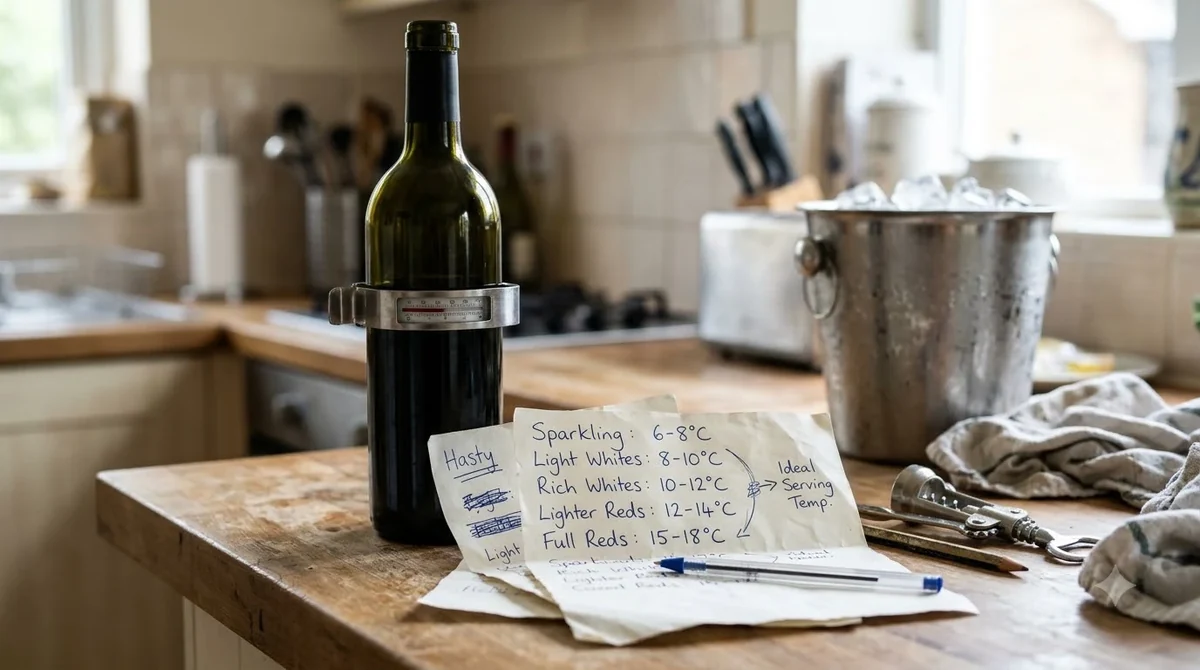
Serve Callaghan wines according to their style rather than assuming every red belongs at room temperature. Light-bodied reds are usually most expressive around 55–60 degrees Fahrenheit, while fuller, more tannic reds generally show better around 60–65 degrees. Light whites and rosé are best around 45–50 degrees, with fuller whites closer to 50–55 degrees.
For a Grenache-led red, start with roasted chicken, pork, grilled vegetables, or mushrooms; a Mourvèdre-based blend can suit lamb, duck, sausages, or slow-roasted pork with herbs. More structured wines such as Tannat or a Petit Verdot-led blend can pair with beef and grilled dishes that have enough protein and fat to meet the tannin. Salt and fat soften tannin, while highly tannic reds are less suitable for oily fish. Chili heat makes alcohol and tannin seem stronger, so very spicy food is usually easier with a lower-tannin, lower-alcohol wine.
For the whites, match the bottle’s weight to the dish. An aromatic Malvasia Bianca blend can suit grilled shrimp, roast chicken, soft cheeses, or vegetable dishes with citrus and herbs. A fuller white field blend can stand up to richer fish, creamy poultry dishes, or roasted squash. If the dish has pronounced acidity from lemon, vinegar, or tomato, choose a wine with equal or higher acidity so the wine does not seem flat beside the food. For a simple primer on comparing alcohol statements on a label, see our explainer on Black Box Pinot Grigio alcohol content; the same label-reading habit applies to Arizona bottles.
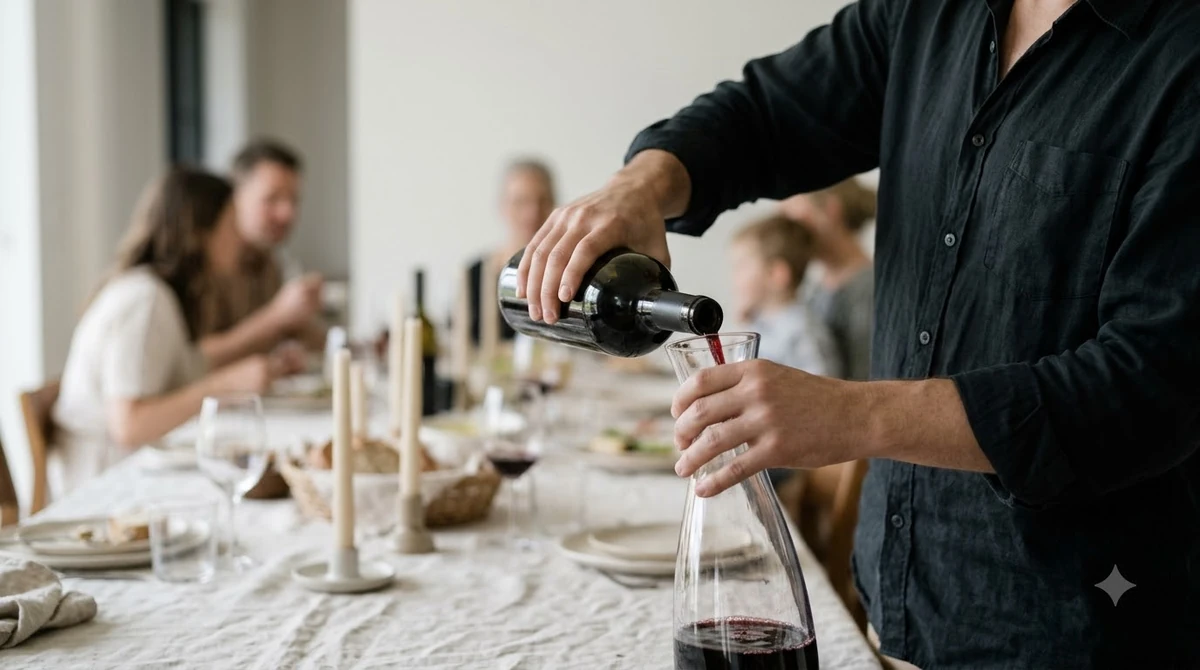
Tip: Decant a young, full-bodied red for 30–60 minutes before serving, then taste it again as it airs. A little air can soften the first impression of tannin and make savory details easier to notice.
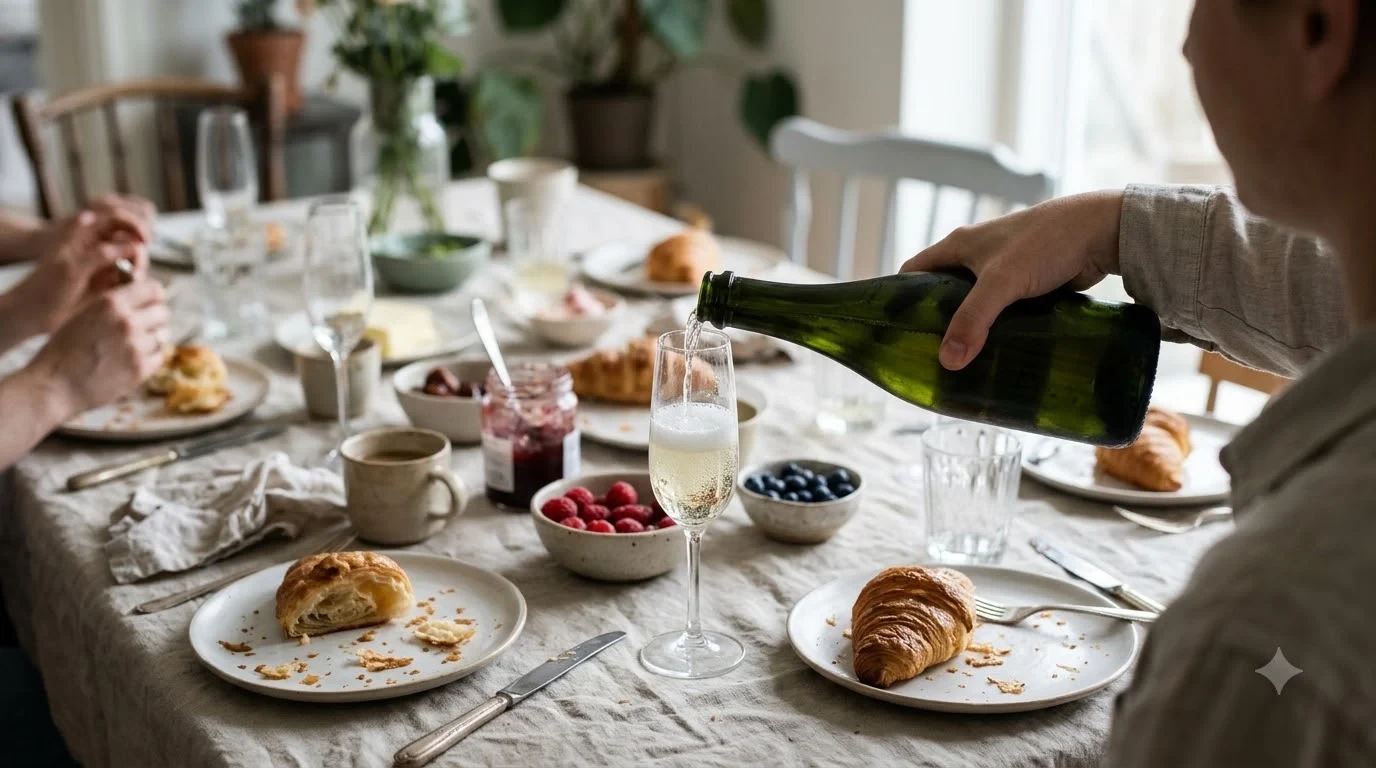
Serve sparkling wine at 40–50 degrees Fahrenheit and sweet whites around 43–50 degrees. A dry sparkling rosé can work with salty snacks, charcuterie, or fried appetizers, while a dessert wine should be at least as sweet as the dessert beside it. For a standard table pour, use about 5 ounces; a 750-milliliter bottle yields roughly five such glasses. Once opened, keep still wine in the refrigerator and aim to finish it within about 3–5 days. Store unopened bottles on their sides in a cool, dark place near 55 degrees Fahrenheit, away from direct light and temperature swings; a wine refrigerator or consistently cool cellar is more suitable than a kitchen shelf beside an oven or heating vent.
Visiting the Winery and Finding a Bottle
Callaghan Vineyards’ tasting room is at 336 Elgin Road in Elgin, Arizona, within the Sonoita–Elgin wine area about an hour south of Tucson. The winery lists tasting hours from Thursday through Sunday, 11 a.m. to 4 p.m., making it a natural stop for a weekend wine-country drive.
The producer describes a standard tasting as five one-ounce samples, plus a separate reserve tasting of three selected wines. Since the list changes with releases and stock, ask what is currently being poured, which bottles are estate-grown, and which use grapes from elsewhere in Arizona. A discussion of the shift from Bordeaux varieties toward Graciano, Grenache, Mourvèdre, Tannat, and Petit Verdot can clarify how each grape contributes fruit, texture, acidity, or structure. At the counter, begin with whites or rosé, then move to lighter reds before finishing with Tannat or a fuller Petit Verdot blend. This progression lets firmer tannins arrive after more delicate aromatics. Note the exact vintage and blend so you can recognize the bottle later.
Several other wineries are within a short drive, but tasting hours and appointment policies vary. Plan a designated driver, check opening details, and leave room to enjoy the high grasslands, mountain views, and open ranch country. Callaghan’s website is the best place to confirm current bottlings and arrangements. For background on La Osa and the family’s University of Arizona connection, see Edible Phoenix’s profile of Callaghan Vineyards and Arizona La Osa.
Frequently Asked Questions
These quick answers cover practical details that are useful before arranging a visit or looking for a bottle beyond the main tasting list.
Is Callaghan Vineyards dog-friendly?
Yes. The winery welcomes friendly dogs when they are leashed. Keep the dog close around other visitors and winery areas, and confirm any event-specific restrictions before arriving.
Can visitors bring a picnic?
Yes. Callaghan’s visitor information specifically invites guests to bring a picnic. Bringing your own food can make a tasting-room stop more relaxed, particularly if you plan to spend time outdoors.
Does Callaghan Vineyards have a wine club?
Yes. The winery says wine-club members often receive small-production wines that are not offered publicly. That can be useful for people interested in limited bottlings beyond the regular tasting selection.
Can guests taste wine indoors or outdoors?
The winery lists tasting options both inside and outside. Conditions can vary with weather and the day’s setup, so ask when arranging your visit if a particular seating preference matters.
Does the winery arrange Arizona delivery?
Callaghan’s website directs customers to contact Lisa about Arizona deliveries and shipped orders. Contacting the winery directly is the best way to confirm current delivery areas, order procedures, and bottle availability.
Callaghan wine is a strong choice for curious drinkers who want to explore Arizona’s distinctive high-desert wine culture through Mediterranean grapes, expressive blends, and characterful whites. Start with the blend details and the vintage, serve the bottle at the right temperature, and let the food pairing follow the wine’s structure. That approach makes it easier to appreciate what this long-running Elgin producer brings to the table.
More in Wine Brands
 Underwood Wine Price: Compare Bottles, Cans, and Pack SizesUpdated Nov 21, 2026
 Zenato Wine Price: Compare Styles and Choose the Right BottleUpdated Nov 21, 2026
 Zuccardi Wine Price: Compare Bottles and Find the Right RangeUpdated Nov 21, 2026
 Yellow Tail Moscato Review: Taste, Sweetness and Serving TipsUpdated Nov 21, 2026
 Wolf Blass Yellow Label Review: Choose Your Best StyleUpdated Nov 21, 2026
 Wolffer Estate Rose Review: Choose the Right Bottle for Your TableUpdated Nov 21, 2026