

We may earn a commission when you buy through links on this page, at no extra cost to you. Learn more.
Beringer wine alcohol content typically ranges from around 10 percent to 14.3 percent ABV among several popular bottles, depending on the variety and wine style. Beringer Main & Vine White Zinfandel contains approximately 10 percent alcohol, while Founders’ Estate Zinfandel is listed at 13 percent and Knights Valley Cabernet Sauvignon at 14.3 percent. The best way to compare two Beringer wines is to identify the specific bottling and its alcohol percentage rather than assume every wine from the producer has the same strength.
Beringer offers several styles of California wine, including sweet pink wines, crisp whites, fruit-forward reds, and fuller-bodied Cabernet Sauvignon. Their alcohol levels reflect differences in grape varieties, fermentation, ripeness, and winemaking decisions. Whether you are choosing a chilled White Zinfandel for a casual meal or a Cabernet Sauvignon for dinner, understanding the percentage by volume helps you compare bottles and estimate how much alcohol each serving contains. This guide covers documented Beringer examples, explains how to interpret their labels, and provides practical serving calculations.
What Is the Typical Alcohol Content of Beringer Wine?
Beringer does not have one universal alcohol percentage because its range includes wines with different grapes, sweetness levels, and styles. Several commonly listed bottles fall between 10 percent and 14.3 percent ABV, with White Zinfandel toward the lower end and certain Cabernet Sauvignon bottlings toward the higher end.
For a quick comparison, Beringer Main & Vine White Zinfandel is listed at 10 percent alcohol by volume, while Beringer Founders’ Estate Zinfandel is listed at 13 percent. The Knights Valley Cabernet Sauvignon listing on Saucey reaches 14.3 percent. These examples demonstrate why the product name matters when checking alcohol content.
The following figures provide a useful starting point for comparing specific Beringer wines. They are documented product listings, not a guarantee that every vintage, bottle size, or production lot has precisely the same alcohol level.
| Beringer wine | Alcohol content | Wine style |
|---|---|---|
| Main & Vine White Zinfandel | 10 percent | Pink, medium-sweet |
| Founders’ Estate Zinfandel | 13 percent | Red, fruit-forward |
| Main & Vine Cabernet Sauvignon | 13 percent | Red, medium-bodied |
| California Collection Cabernet Sauvignon | 13 percent | Red, medium-bodied |
| Main & Vine Chardonnay | 13.5 percent | White |
| Founders’ Estate Old Vine Zinfandel | 13.9 percent | Red, full-flavored |
| Knights Valley Cabernet Sauvignon | 14.3 percent | Red, structured |
The figures come from published listings by retailers and wine databases, including the LCBO, Vivino, and Saucey. The table should be treated as a comparison of identified products rather than a complete catalog of every Beringer release.
One important distinction is that alcohol content and sweetness are not interchangeable. A wine can taste fruity and sweet without having the highest alcohol percentage. Fermentation determines how much grape sugar becomes alcohol, while the amount of remaining sugar influences perceived sweetness.
For example, the 10 percent White Zinfandel has a medium-sweet profile, while the 13 percent Founders’ Estate Zinfandel is a red wine with a different structure and flavor profile. Their three-percentage-point difference reflects different wine styles rather than simply a difference in color.
If you are comparing Beringer with other familiar supermarket wines, looking at the specific grape and bottling is more useful than comparing brand names alone. You can also compare the Beringer Main and Vine alcohol content across individual varieties to see how much the percentages vary within that collection.
Beringer White Zinfandel and Other Pink Wines
Beringer White Zinfandel is one of the clearest examples of a relatively lower-alcohol wine in the brand’s range, with a listed alcohol content of 10 percent ABV. Its medium-sweet character, berry flavors, and refreshing fruit profile make it quite different from Beringer’s more structured red wines.
Despite its name, White Zinfandel is generally a pink wine made using Zinfandel grapes. The light color results from limiting the time that grape juice remains in contact with the skins. This gives the wine its familiar pink appearance rather than the deeper color associated with many red Zinfandel wines.
Beringer Main & Vine White Zinfandel is described with fresh strawberry-like and red berry character, citrus, and melon. Additional flavor descriptions include subtle nutmeg and clove. The LCBO lists its alcohol content at 10 percent and its sugar content at 32 grams per liter, identifying it as a medium-sweet California wine.
That combination is useful when considering how alcohol and sweetness work together. A wine can have noticeable residual sweetness while maintaining a moderate alcohol level. The remaining sugar contributes to the soft, fruity impression, while the alcohol contributes warmth and body.
What makes White Zinfandel different?
White Zinfandel is often served chilled and works well as a casual aperitif or with lighter meals. Beringer’s version has enough fruit character to complement dishes with mild seasoning, fresh fruit, chicken, and some spicy foods.
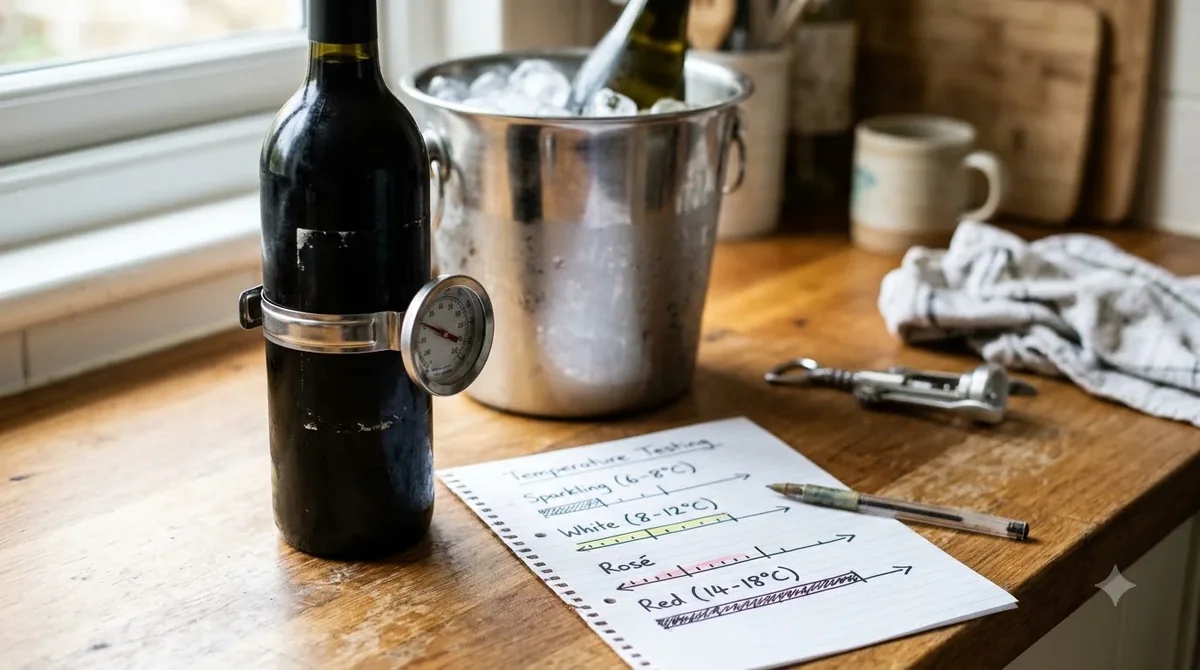
For a simple serving approach, refrigerate the bottle and aim for approximately 45–50°F. This temperature keeps the wine refreshing without making its fruit aromas difficult to notice. Very cold temperatures can mute its strawberry, citrus, and melon character.
It is also important to distinguish between still White Zinfandel and sparkling pink wines. Bubbles do not automatically mean that a wine has more alcohol. The production method and specific bottling determine the actual percentage.
When comparing pink wines, the Black Box Pinot Grigio alcohol content provides another useful reference point for understanding how different commercial wine styles can vary in strength.
Tip: If you want a Beringer wine with a documented 10 percent alcohol level, start with Main & Vine White Zinfandel. If you prefer a red wine, compare its percentage with the 13 percent Founders’ Estate Zinfandel rather than assuming all Zinfandel wines have the same strength.
Beringer Red Wine Alcohol Levels
Beringer red wines generally have higher listed alcohol percentages than its familiar White Zinfandel. Examples include the 13 percent Founders’ Estate Zinfandel, 13 percent Main & Vine Cabernet Sauvignon, and 14.3 percent Knights Valley Cabernet Sauvignon.
The difference between these bottles is not limited to alcohol. Grape variety, growing conditions, and wine structure all influence how a red wine feels in the glass. Zinfandel often displays ripe berry and spice characteristics, while Cabernet Sauvignon is associated with firmer tannins and darker fruit flavors.
Beringer Founders’ Estate Zinfandel is listed at 13 percent ABV by Vivino. Its published tasting description identifies black raspberry, red cherry, coffee, and milk chocolate among its flavor and aroma characteristics. These elements contribute to its fruit-forward California Zinfandel style.
Founders’ Estate Old Vine Zinfandel is listed at 13.9 percent ABV, which is 0.9 percentage points higher than the Founders’ Estate Zinfandel listing. This is a useful example of why two wines made from the same grape can have noticeably different alcohol percentages.
Cabernet Sauvignon and alcohol strength
Beringer Main & Vine Cabernet Sauvignon is listed at 13 percent ABV. The LCBO describes its profile with plum, chocolate, and cedar, alongside medium body and silky tannins. These characteristics make it a different drinking experience from the softer, sweeter White Zinfandel.
Beringer Knights Valley Cabernet Sauvignon is listed at 14.3 percent ABV on Saucey. Its higher percentage places it toward the stronger end of the examples covered here. Cabernet Sauvignon generally has higher tannin levels than Merlot or Pinot Noir, which can contribute to a firmer sensation on the palate.
For readers who enjoy comparing individual red varieties, it is useful to remember that alcohol percentage is only one part of the experience. Tannin, acidity, fruit concentration, and body can make two wines with similar ABV figures feel quite different.
A 13 percent Cabernet Sauvignon may feel more structured than a 13 percent Merlot because Cabernet Sauvignon typically has more pronounced tannins. Meanwhile, a Pinot Noir with a similar alcohol percentage can feel lighter because it generally has lower to medium tannin and higher acidity.
These differences also influence food pairing. Cabernet Sauvignon can work well with grilled beef, lamb, and other protein-rich dishes. Salt and fat soften the perception of tannin, helping create a more balanced pairing.
How Chardonnay and Other Beringer White Wines Compare
Beringer’s white wines are not necessarily lower in alcohol than its red wines. One documented example, Main & Vine Chardonnay, is listed at 13.5 percent ABV, placing it above both White Zinfandel and the 13 percent Founders’ Estate Zinfandel.
Chardonnay is a versatile grape that can produce light, crisp wines or fuller-bodied wines with creamy textures. Its acidity is generally moderate, and its flavors can include citrus, apple, pear, tropical fruit, and oak-derived notes, depending on how the wine is produced.
The Main & Vine Chardonnay listing on Saucey describes hazelnut and grilled pineapple aromas, tropical fruit, and citrus. Its 13.5 percent alcohol content demonstrates that a white wine should not automatically be considered a low-alcohol alternative to red wine.
Other Beringer white varieties can have different alcohol levels. Sauvignon Blanc is generally known for higher acidity and refreshing citrus or herbal flavors. Pinot Grigio tends to offer a lighter fruit profile, while Moscato is commonly associated with floral aromas and noticeable sweetness.
Compare Beringer with other popular white wines
When selecting a white wine, it helps to consider both the percentage and the style. A crisp white with high acidity can feel refreshing even when its alcohol content is similar to a richer Chardonnay. Sweetness can also change how warm or full the wine seems.
For another useful comparison, see the Cavit Pinot Grigio alcohol content. Comparing Pinot Grigio with Beringer Chardonnay helps illustrate why grape variety and winemaking style matter as much as the producer’s name.
Temperature also influences the way white wine is perceived. A practical serving range for full-bodied whites such as richer Chardonnay is 50–55°F. Lighter white wines are generally better around 45–50°F.
Serving Chardonnay too warm can emphasize alcohol warmth and make its texture seem heavier. Serving it too cold can suppress the aromas of ripe fruit and oak. A moderate chill provides a useful balance.
Another consideration is the difference between sweetness and fruitiness. A wine that smells like pineapple or peach is not necessarily sweet. Its actual sugar content and fermentation style determine whether it tastes dry, off-dry, or sweet.
How to Read Beringer Alcohol Percentages
The alcohol percentage on a Beringer bottle indicates how much of the wine’s volume consists of pure alcohol. This measurement is commonly abbreviated as ABV, meaning alcohol by volume, and is expressed as a percentage.
For example, a wine labeled 10 percent ABV contains approximately 10 ml of pure alcohol in every 100 ml of wine. A wine labeled 13 percent ABV contains approximately 13 ml of pure alcohol per 100 ml. This difference becomes easier to understand when comparing equal-sized glasses.
The alcohol statement can appear on the back label or elsewhere on the bottle. The Wine & Spirit Education Trust explains that ABV is one of the standard pieces of information used to understand a wine’s characteristics. Its general overview identifies 11–15 percent as a common range for many dry wines, while wines below 11 percent are more likely to retain sweetness from unfermented sugars.
Why the displayed percentage may vary
In the United States, the Alcohol and Tobacco Tax and Trade Bureau regulates wine labeling. Its guidance explains that wines containing 14 percent alcohol or less can use a stated alcohol percentage with a permitted tolerance of plus or minus 1.5 percentage points. For wines above 14 percent, the permitted tolerance is plus or minus 1 percentage point.
This does not mean that every bottle differs from its stated percentage by the full permitted amount. It means that US labeling rules allow a defined variation between the stated figure and the actual alcohol concentration.
For example, the TTB explains that a wine labeled at 12 percent ABV may fall within an actual range of 10.5 percent to 13.5 percent under the applicable tolerance. That regulatory allowance helps explain why alcohol figures on commercial wine labels should be understood as declared measurements rather than laboratory guarantees of an identical figure in every bottle.
Wine Enthusiast also discusses this issue in its explanation of wine alcohol labeling, including how wineries may submit labels before final alcohol measurements are established.
For the official regulatory explanation, see the TTB wine alcohol-content labeling guidance. It explains where alcohol statements can appear, how percentages are formatted, and the applicable tolerances.
For a broader explanation of wine label terminology, the WSET guide to reading wine labels covers producer information, grape varieties, geographical indications, vintage, and ABV.
One useful habit is to compare the exact product name and alcohol statement before making a purchase. A Beringer White Zinfandel and a Beringer Cabernet Sauvignon may share a producer name, but their alcohol percentages and tasting profiles can be quite different.
Alcohol Calculations for a Standard Glass of Beringer
Understanding the percentage becomes more practical when you calculate how much alcohol is present in a typical serving. A standard wine pour is approximately 5 oz, while a 750 ml bottle contains about five such servings.
The following calculations use a 5 oz pour, equivalent to approximately 148 ml. They show the approximate amount of pure alcohol in each glass based on the listed ABV.
| Wine alcohol percentage | Pure alcohol per 5 oz glass | Pure alcohol per 750 ml bottle |
|---|---|---|
| 10 percent | 14.8 ml | 75 ml |
| 13 percent | 19.2 ml | 97.5 ml |
| 13.5 percent | 20 ml | 101.3 ml |
| 13.9 percent | 20.6 ml | 104.3 ml |
| 14.3 percent | 21.2 ml | 107.3 ml |
These figures are approximate calculations using the stated alcohol percentages. The 10 percent White Zinfandel contains about 14.8 ml of pure alcohol in a 5 oz serving, while a 14.3 percent Cabernet Sauvignon contains approximately 21.2 ml in the same volume.
The difference is approximately 6.4 ml of pure alcohol per glass. This illustrates why comparing ABV can be useful when choosing between bottles, even when both wines are served in identical glasses.
How serving size changes the calculation
A 5 oz pour is a useful reference, but actual servings can vary. A restaurant may serve a larger glass, while a smaller tasting pour may contain only 2 oz or 3 oz.
For a 3 oz serving, the amount of pure alcohol is 60 percent of the amount in a 5 oz serving. For example, a 13 percent Beringer wine contains approximately 11.5 ml of pure alcohol in a 3 oz pour.
Similarly, a 6 oz glass contains 20 percent more wine than a 5 oz glass. At 13 percent ABV, that larger serving contains approximately 23 ml of pure alcohol.
These calculations are useful because the percentage alone does not tell you how much alcohol is in the glass. Both the concentration and the quantity poured determine the total amount.
For bottle planning, a 750 ml bottle provides approximately five 5 oz servings. A 1.5-liter bottle provides approximately ten servings of the same size. Smaller bottles provide fewer servings, even when the alcohol percentage is identical.
The bottle volume and ABV should therefore be considered separately. A large bottle of 10 percent White Zinfandel can contain more total alcohol than a small bottle of 14 percent Cabernet Sauvignon simply because it holds substantially more wine.
Serving Temperature, Storage, and Food Pairing
Serving temperature, storage conditions, and food choices can make a noticeable difference to the experience of drinking Beringer wines. White Zinfandel generally benefits from a good chill, while structured Cabernet Sauvignon is more expressive when served slightly warmer.
For Beringer Main & Vine White Zinfandel, a serving temperature of approximately 45–50°F is a useful target. The cool temperature helps maintain its fresh fruit character and makes its medium-sweet profile refreshing.
Chardonnay can be served around 50–55°F when it has a fuller body. This allows its fruit aromas and texture to show more clearly. A crisp Sauvignon Blanc or Pinot Grigio is generally better at 45–50°F.
Choosing food for Beringer red and white wines
White Zinfandel works with chicken, lightly seasoned pork, fresh fruit, and some spicy dishes. Its fruity character can complement moderate chili heat, although wines with higher alcohol and tannin can make spicy heat feel stronger.
Cabernet Sauvignon pairs well with grilled beef, lamb, and hearty meals. Its higher tannin level makes it a natural match for foods with fat and protein. Salt and fat can soften the perception of tannin, helping balance a structured red wine.
Zinfandel can complement barbecue, grilled pork, burgers, and dishes with sweet or smoky sauces. The ripe berry character of California Zinfandel works especially well with foods that have enough flavor intensity to match the wine.
Chardonnay is versatile with roasted chicken, creamy pasta, seafood, and dishes featuring butter or mild herbs. Sauvignon Blanc works particularly well with fresh vegetables, goat cheese, and seafood because its higher acidity can complement foods with similar freshness.
One pairing to approach carefully is oily fish with strongly tannic red wine. The combination can make the wine seem harsher and less balanced. A white wine with appropriate acidity is generally a better option for dishes such as grilled white fish.
Storage after opening
Store unopened wine bottles in a cool, dark location with a relatively stable temperature near 55°F. Bottles with traditional cork closures are commonly stored on their sides to help maintain contact between the cork and wine.
After opening, reseal still wine and keep it refrigerated. Most opened still wines are best enjoyed within approximately 3–5 days, although freshness depends on the wine, oxygen exposure, and storage conditions.
For a bottle of Beringer White Zinfandel, refrigeration after opening helps preserve its fresh fruit character. A tightly fitted stopper also reduces unnecessary exposure to air.
Red wine can also be refrigerated after opening. Allowing it to warm slightly before serving helps restore its aromas and texture. There is no need to leave an opened bottle at room temperature for several days.
Full-bodied young red wines may benefit from 30–60 minutes of decanting, depending on their structure. This is more relevant to structured Cabernet Sauvignon than to a simple, fruit-forward White Zinfandel, which should generally be served fresh and chilled.
Frequently Asked Questions
Is Beringer wine stronger than regular table wine?
It depends on the specific bottle. Beringer White Zinfandel at 10 percent ABV is below the common 11–15 percent range described by WSET for many dry wines. Beringer Cabernet Sauvignon examples at 13 percent and 14.3 percent fall within that typical range.
Does Beringer White Zinfandel contain more sugar than Cabernet Sauvignon?
The LCBO lists Beringer Main & Vine White Zinfandel at 32 grams of sugar per liter. That listing also identifies the wine as medium-sweet. The exact sugar content of a different Beringer Cabernet Sauvignon bottling should not be assumed from this figure.
Does Beringer make wines in half-bottle sizes?
Beringer White Zinfandel has been listed in a 375 ml bottle format. That is half the volume of a standard 750 ml bottle. A smaller bottle does not automatically have a lower ABV because bottle volume and alcohol concentration are separate measurements.
Can two bottles of the same Beringer wine have different alcohol percentages?
Yes. Different production lots and vintages can have different alcohol measurements. US labeling regulations also allow defined tolerances between a wine’s declared percentage and its actual alcohol concentration.
What does alcohol by volume mean compared with alcohol by weight?
Alcohol by volume measures the volume of pure ethanol relative to the total volume of the beverage. Alcohol by weight measures the mass of ethanol relative to the total mass. Wine labels in the United States express alcohol content using the volume-based measurement.
Beringer offers a range of alcohol levels, from the 10 percent Main & Vine White Zinfandel to red wines listed above 14 percent ABV. Comparing the specific bottling, grape variety, and serving size gives you a much clearer understanding than relying on the Beringer name alone. For the most accurate comparison, use the alcohol percentage associated with the particular bottle you are considering.
More in Wine Brands
 Underwood Wine Price: Compare Bottles, Cans, and Pack SizesUpdated Nov 21, 2026
 Zenato Wine Price: Compare Styles and Choose the Right BottleUpdated Nov 21, 2026
 Zuccardi Wine Price: Compare Bottles and Find the Right RangeUpdated Nov 21, 2026
 Yellow Tail Moscato Review: Taste, Sweetness and Serving TipsUpdated Nov 21, 2026
 Wolf Blass Yellow Label Review: Choose Your Best StyleUpdated Nov 21, 2026
 Wolffer Estate Rose Review: Choose the Right Bottle for Your TableUpdated Nov 21, 2026