


We may earn a commission when you buy through links on this page, at no extra cost to you. Learn more.
Duckhorn wine comes from Duckhorn Vineyards, a Napa Valley producer founded in 1976 that became known for Merlot and later for Cabernet Sauvignon and Pinot Noir. The brand is best known for its luxury Merlot, which was a deliberate choice in a region where Cabernet usually dominates. This guide covers the company’s history, the brands in its portfolio, what Duckhorn wines taste like, and how to serve and pair them.
If you have seen Duckhorn on a restaurant wine list or in a grocery aisle and wondered whether it is worth the bottle, this page gives you the background you need to choose. It is written for buyers who want to understand the style before they decide.
Who Makes Duckhorn Wine and How the Winery Started
Duckhorn Vineyards was founded by Dan and Margaret Duckhorn, who began with a small property in St. Helena that they named after Margaret’s nickname. VinePair’s profile of the winery describes it as one of the first 40 wineries in Napa Valley, and the estate grew from that single site into a multi-region business. According to that profile, the first Merlot was released in 1979, and trade coverage notes that the brand marked its 50th anniversary during 2026.
The founders made an unusual bet early on. At a time when Cabernet Sauvignon was the default prestige red in Napa, they committed to a luxury Merlot. That focus shaped the portfolio, and it is still the reason many collectors recognize the name. Margaret Duckhorn died in 2022, but the winery has continued to produce wines under the family’s original vision.
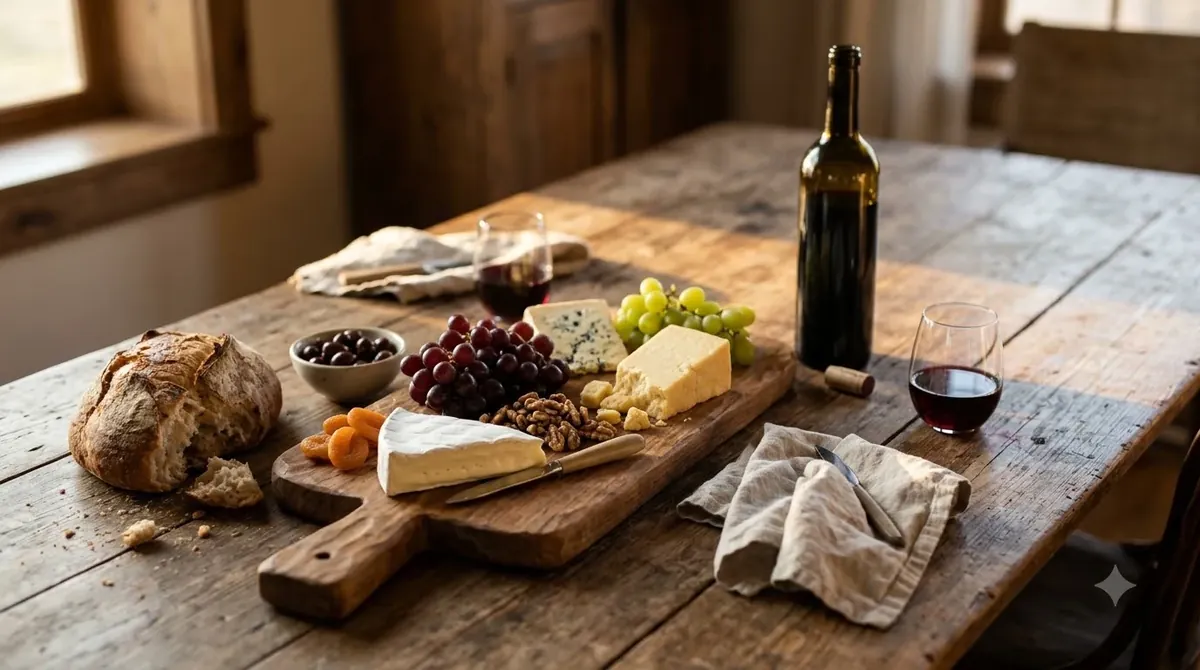
The Duckhorn Portfolio: Duckhorn, Decoy and Goldeneye
Duckhorn is not a single label. The company runs several brands with different price points and regional roots, which is important to understand before you buy. The flagship Duckhorn line is the premium Napa Valley wine, while other labels cover more everyday or regional styles.
The table below summarizes the main brands based on the producer’s own materials and reviews from trade press. Release details change each year, so always check the vintage on the label.
| Brand | Focus | What to know |
|---|---|---|
| Duckhorn | Napa Valley Merlot and Cabernet Sauvignon | The flagship line. Single-vineyard Merlots such as Three Palms are the most sought-after bottlings. |
| Decoy | Approachable California wines | Aimed at everyday drinking. Usually the easiest entry point into the portfolio. |
| Goldeneye | Pinot Noir from Anderson Valley | A Pinot-focused label from Anderson Valley, with a tasting room set among its vineyards. |
Tip: Duckhorn’s portfolio also includes wines from Sonoma and Washington State. A wine labeled with a specific vineyard or appellation tells you more about its style than the brand name alone.
Duckhorn Merlot: The Style That Built the Brand
Merlot is the core of the Duckhorn identity. The Napa Valley Merlot is generally described as ripe and round, with black cherry fruit and fresh herbal notes on the nose. Trade reviewers note that the wines carry more structure than many people expect from Merlot, which helps them age in the cellar for several years.
Three Palms Vineyard in Calistoga supplied the first Merlot vintage, and it remains one of the most celebrated sources in the portfolio. Reviewers often point to its volcanic soils as a reason the fruit ripens with depth and concentration. If you are new to the brand, a Merlot from the Napa Valley line is a good place to start because it shows the house style clearly.
For a closer look at that wine, see our guide to duckhorn merlot, which covers the grape’s style in more detail. Readers who want a lighter, easy-drinking white for comparison can also try la marca prosecco, a sparkling option that contrasts well with a full red.
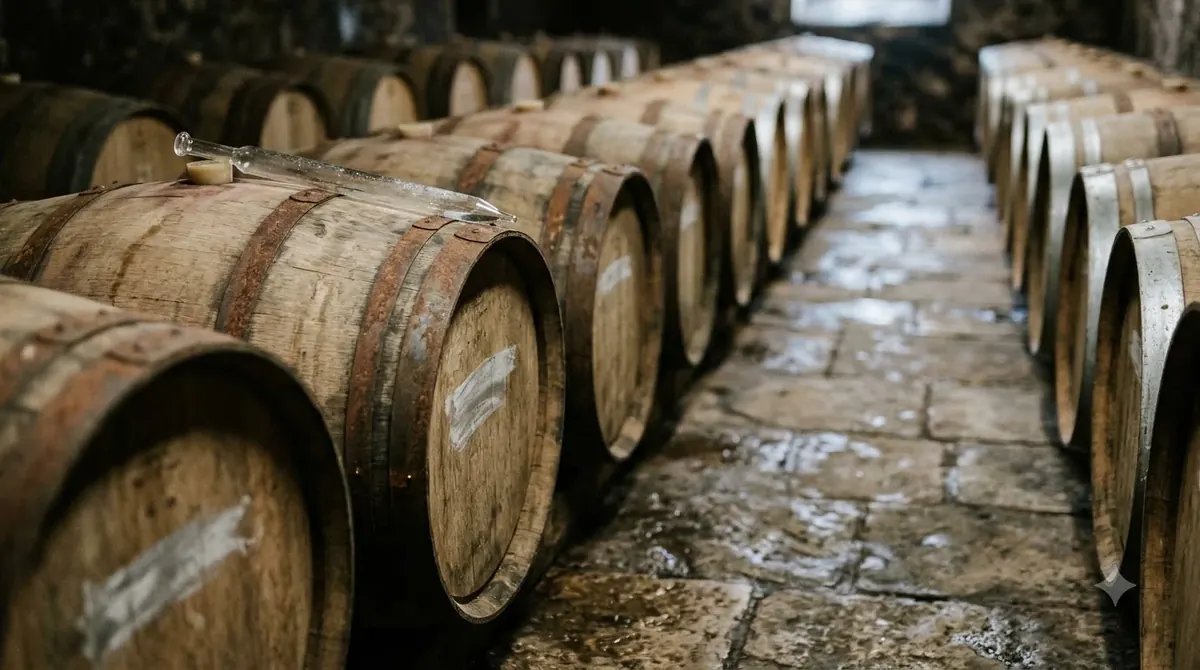
How Duckhorn Wines Taste and What to Expect
Most Duckhorn reds are full-bodied with a smooth texture. Expect dark fruit, a touch of spice and oak that sits in the background rather than on top. Because Merlot is naturally softer than Cabernet, the best bottlings from this producer strike a balance between richness and freshness, so the wine does not feel heavy even at full strength.
The Goldeneye Pinot Noir follows a different path. It shows red berry and earthy notes with a silkier feel, which makes it a useful pick for diners who find Napa reds too bold. Decoy wines tend to be simpler and fruitier, and they are often recommended for casual meals and gatherings.
How to Serve Duckhorn Wine
Serve the Napa Merlot and Cabernet a little cooler than room temperature so the fruit stays lively and the tannins feel balanced. Open the bottle ahead of time if it is a younger vintage, and pour into a large glass that gives the aromas room to develop. Decanting can help bigger bottlings show their full character.
The Pinot Noir and Decoy wines are more flexible. A slight chill brings out their fruit, and they can be served at a relaxed temperature for a casual dinner. Keep open bottles sealed and refrigerated, and finish the wine within a few days for the best flavor.
Food Pairings for Duckhorn Reds and Whites
The Napa Merlot pairs naturally with roasted meats, especially beef tenderloin, lamb and mushroom-based dishes. Its ripe fruit and soft tannins also complement grilled chicken with herbs and roast duck with cherry sauce. Aged hard cheeses work well, since their salt and fat balance the wine’s texture.
The Pinot Noir is a better match for salmon, roasted pork and earthy vegetable dishes, while lighter Decoy reds suit pizza, burgers and pasta with tomato sauce. When in doubt, match the richness of the food to the richness of the wine and keep sauces balanced so neither flavor dominates.
Who Duckhorn Wine Suits and Who Might Look Elsewhere
Duckhorn is a good fit for buyers who want a polished, reliable Napa Merlot and who appreciate a consistent house style. It works well as a dinner-party bottle, a gift for someone who enjoys red wine, or a cellar candidate for those who like to age a few bottles. The range also gives newcomers a path: Decoy for everyday drinking, Duckhorn for special meals.
Drinkers who prefer leaner, high-acid wines may find the Napa Merlot too rich, and those looking for a bargain may prefer regional alternatives that offer similar fruit for less. A useful approach is to try a Decoy bottling first, then move up to the flagship once you know whether the richer style suits you. For a broader look at producers in this category, read our overview of wine brands.
Frequently Asked Questions
Is Duckhorn wine good for beginners?
Yes, especially the Decoy line, which is designed for approachable, everyday drinking. Beginners often start with a Decoy red or a Merlot from the Napa line to learn the style before trying single-vineyard bottlings.
What is the difference between Duckhorn and Decoy?
Duckhorn is the premium flagship brand focused on Napa Valley Merlot and Cabernet Sauvignon. Decoy is a more approachable brand within the same portfolio, made for everyday drinking and casual meals.
Does Duckhorn wine age well?
Premium Napa Merlot and Cabernet from the flagship line are generally built to age for several years. Younger bottlings from Decoy are better enjoyed within a few years of release.
Is Duckhorn wine a Merlot or a Cabernet?
The brand is known primarily for Merlot, which is the origin of its reputation, but it also produces Cabernet Sauvignon in Napa Valley. Check the label to confirm which grape you are buying.
Duckhorn wine offers a clear path from everyday drinking to collectible Napa Merlot. Start with the brand that fits your budget and occasion, then compare styles as your palate develops. For more context on the category, return to wine brands and browse other producers.
More in Wine Brands
 Underwood Wine Price: Compare Bottles, Cans, and Pack SizesUpdated Nov 21, 2026
 Zenato Wine Price: Compare Styles and Choose the Right BottleUpdated Nov 21, 2026
 Zuccardi Wine Price: Compare Bottles and Find the Right RangeUpdated Nov 21, 2026
 Yellow Tail Moscato Review: Taste, Sweetness and Serving TipsUpdated Nov 21, 2026
 Wolf Blass Yellow Label Review: Choose Your Best StyleUpdated Nov 21, 2026
 Wolffer Estate Rose Review: Choose the Right Bottle for Your TableUpdated Nov 21, 2026