

We may earn a commission when you buy through links on this page, at no extra cost to you. Learn more.
To understand how to warm up red wine, let a chilled bottle gradually reach its ideal serving temperature in a moderately warm room, or gently hold a poured glass by its bowl. Most full-bodied reds taste best around 60–65°F, while lighter reds generally benefit from cooler temperatures between 54°F and 60°F. Avoid radiators, hot water, microwaves, and other direct heat sources because rapid heating can damage the wine’s aromas and flavors. A thermometer provides the most reliable way to check when your wine is ready to serve.
Red wine is often associated with room-temperature serving, but that advice can be misleading. Modern homes are frequently warmer than the traditional cellars and dining rooms that inspired the expression. If a bottle has been stored in a refrigerator, wine cooler, or cold storage area, bringing it to the right temperature requires a little patience. The goal is not to make the wine warm but to let it reach a temperature that allows its fruit, acidity, aromas, and tannins to work together.
Understand the Ideal Serving Temperature Before Warming Red Wine
The best way to warm red wine is to identify its intended serving temperature first. Light-bodied reds need less warmth than structured Cabernet Sauvignon or Syrah, and getting this distinction right prevents a bottle from becoming unpleasantly hot.
Wine temperature changes how aromas and flavors are perceived. A red wine served too cold may seem tight, while one served too warm can have a pronounced alcoholic sensation. According to Decanter, excessive warmth can also make the freshness and acidity that balance ripe fruit and body seem less noticeable. Its red wine serving temperature recommendations provide a useful starting point for choosing the right range.
Use these general serving temperatures as starting points:
| Red wine style | Examples | Serving temperature |
|---|---|---|
| Light-bodied | Beaujolais, Gamay, light Pinot Noir | 54–60°F |
| Medium-bodied | Chianti, Merlot, some Rioja | 57–61°F |
| Full-bodied | Cabernet Sauvignon, Syrah, Malbec | 60–65°F |
These ranges overlap because body is not the only factor affecting serving temperature. Alcohol level, tannin, acidity, oak aging, and winemaking choices also influence how a wine behaves in the glass. A lighter Pinot Noir from a cool climate, for example, may show its best qualities at 55°F, while a concentrated Cabernet Sauvignon can benefit from a few additional degrees.
For a practical reference, Wine Enthusiast recommends 54–60°F for light- and medium-bodied reds and 60–65°F for full-bodied examples. Decanter gives a slightly narrower recommendation of 54–56°F for light reds, 57–61°F for medium-bodied reds, and 61–64°F for full-bodied reds. Both sources support the same basic principle: lighter wines generally need less warmth than heavier reds.
Do not assume that every red should reach 68–70°F simply because that temperature feels comfortable indoors. The traditional room-temperature recommendation comes from a different domestic environment. A modern heated dining room may be several degrees warmer than the ideal temperature for red wine.
If you are unsure about the right range, begin with the middle of the recommended temperature for the wine’s style. You can then make small adjustments after pouring a tasting portion. This approach is more reliable than heating an entire bottle based on the temperature of the room.
Use the Room-Temperature Method for Gentle Warming
Leaving a chilled bottle in a moderately warm room is usually the simplest and safest way to warm red wine. It allows the wine to adjust gradually without exposing it to extreme temperatures or unnecessary handling.
Start by removing the bottle from the refrigerator or wine cooler. Keep it upright on a stable counter or dining table, away from direct sunlight, kitchen appliances, radiators, and heating vents. Allow the surrounding air to warm the bottle naturally. The glass provides some insulation, so the wine will not instantly match the room temperature.
For a bottle stored at approximately 40°F, reaching a serving temperature around 60°F can take a considerable amount of time. The exact period depends on the bottle’s starting temperature, glass thickness, air circulation, and room temperature. A bottle taken from a cool wine cellar at 55°F will need much less time than one taken directly from a refrigerator at 38°F.
As a practical routine, remove a refrigerator-cold full-bodied red approximately 30–60 minutes before serving, then check its temperature. This is a planning estimate rather than a guarantee. A cold kitchen, thick bottle, or air-conditioned room can slow the process considerably.
For a lighter red such as Beaujolais or Pinot Noir, you may not need to warm it very much at all. These wines can be enjoyable slightly chilled, and letting them sit out too long may take them beyond their ideal serving range.
The room-temperature method also works well when preparing several bottles for dinner. Move the bottles into the serving area ahead of time and check them individually. Different wines can start at different temperatures, even when they have been stored together.
For more detailed wine preparation ideas, the principles in how to set up a wine tasting can help you plan serving temperatures when offering several red wine styles during one event.
Tip: If your home is warmer than 68°F, do not leave a red wine bottle out for the entire afternoon. Bring it out shortly before serving, check its temperature, and return it to a cooler location if it begins getting too warm.
Warm Red Wine Gently by Holding the Glass
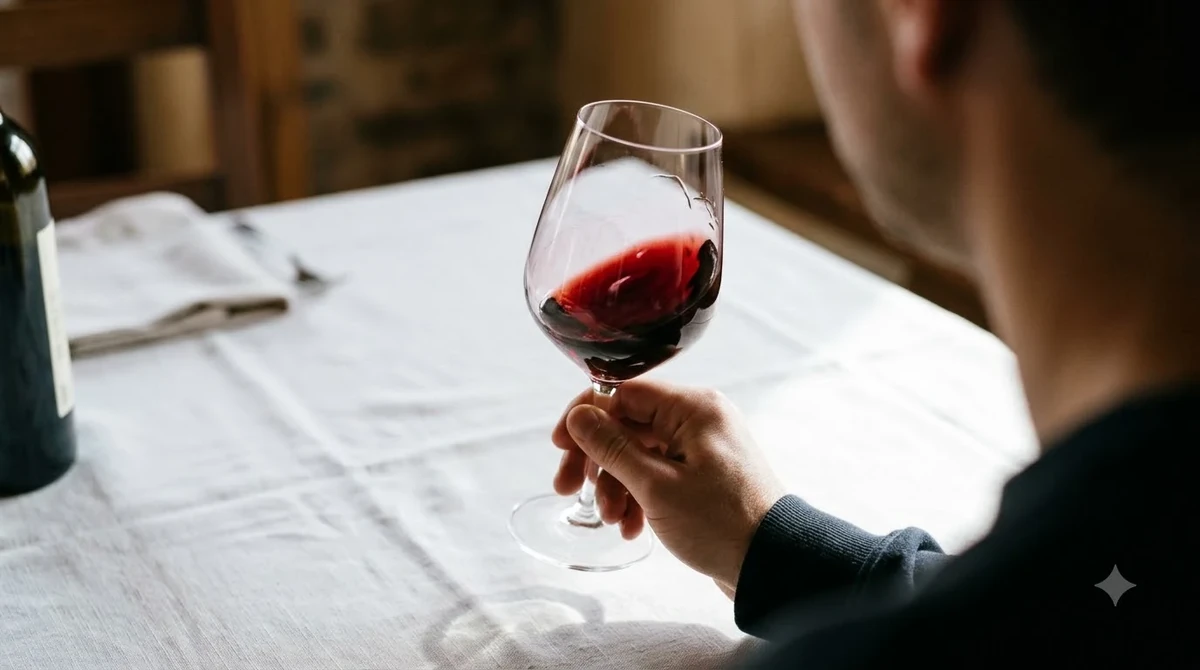
Holding a wine glass by its bowl is an effective option when the wine is only slightly too cold. Your hand transfers a small amount of body heat to the glass, allowing the wine to warm gradually without applying direct heat to the bottle.
Begin by pouring a modest serving into a clean wine glass. Hold the bowl gently between your palms rather than gripping the stem. Allow the wine to sit for a short period, then taste it again. The amount of warmth transferred depends on your hand temperature, the glass material, and the amount of wine in the glass.
This method is especially useful when serving a medium-bodied red such as Merlot or a delicate Pinot Noir that has come directly from cool storage. A small pour warms more quickly than a full bottle, and you can assess the result before changing the temperature of the remaining wine.
However, holding a glass should not be treated as a substitute for warming a severely chilled bottle. If the wine starts at refrigerator temperature and is significantly below its ideal range, warming one glass by hand may take too long. Let the bottle rest in a suitable room first, then use your hands for a final adjustment if needed.
There is also a difference between holding the glass and continuously swirling it. Swirling exposes the wine to air and helps release aromas, but it does not provide precise temperature control. If your wine is already at its ideal temperature, excessive handling can make it warm faster than intended.
Wine professionals sometimes use the stem to avoid warming wine unnecessarily. This is particularly useful with light-bodied reds served at 54–60°F. For a slightly cold full-bodied red, however, gently cupping the bowl can be helpful.
Pay attention to how the wine changes after pouring. The temperature in the glass naturally increases as it sits in a warm room. A wine that tastes slightly restrained at first may become more expressive after several minutes, without requiring any additional warming.
Use a Thermometer and Adjust the Temperature Gradually
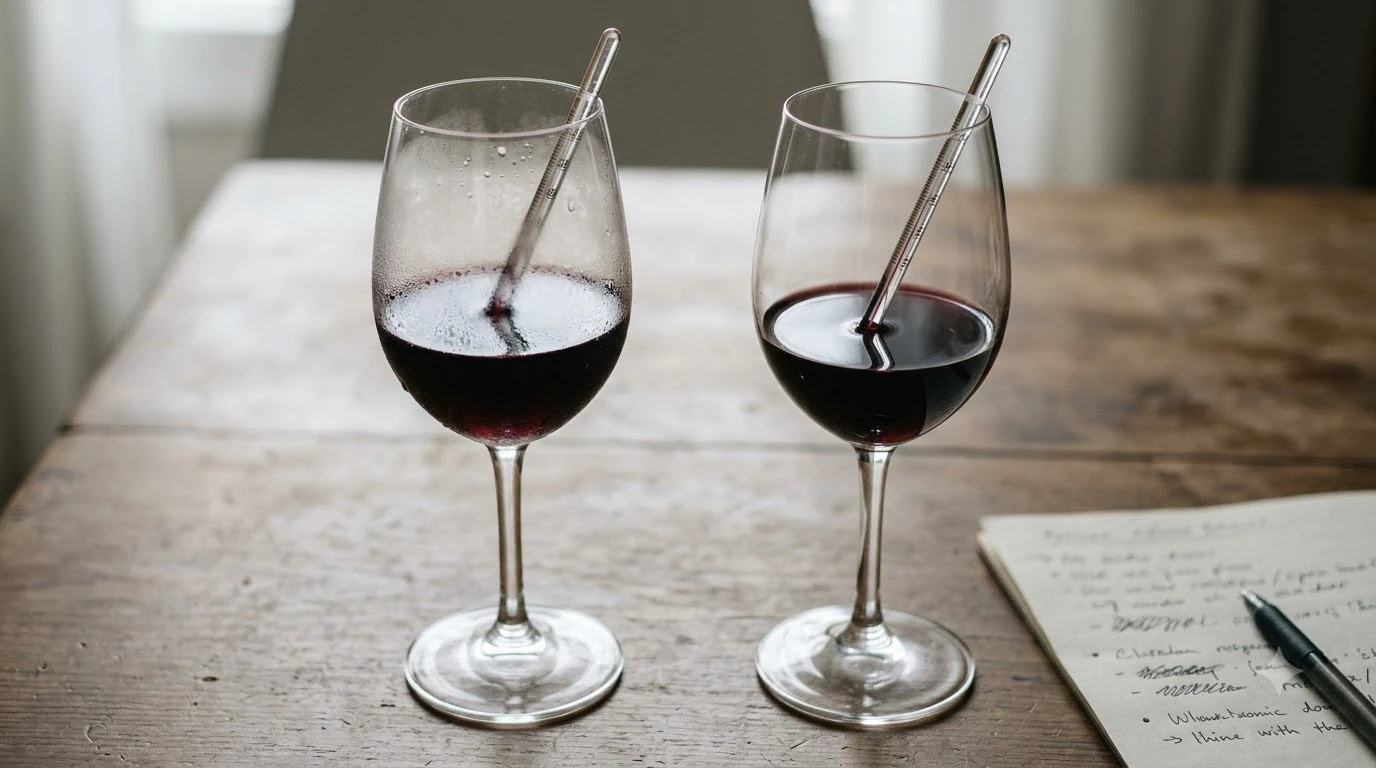
A wine thermometer makes warming more predictable because it measures the wine rather than relying on the temperature of the surrounding room. This is particularly helpful when serving different styles, such as a 55°F Pinot Noir and a 63°F Cabernet Sauvignon at the same dinner.
There are several types of wine thermometers, including bottle-wrapping thermometers and probe-style devices. A bottle thermometer measures the temperature through the glass and provides a convenient reading without opening the bottle. A suitable wine probe measures the liquid directly, although it requires access to the wine.
For an accurate reading, follow the thermometer manufacturer’s instructions. An external thermometer can be affected by the bottle’s surface temperature, which may differ from the liquid temperature inside. Allow the reading to stabilize before making another adjustment.
Use a gradual process rather than trying to reach an exact number immediately. If your Cabernet Sauvignon is at 48°F, for example, move it into a moderately warm room and check it periodically. Once it approaches 60–65°F, pour a small sample and evaluate the wine.
The following examples show how the target temperature changes with wine style:
| Wine | Starting temperature | Suggested target | Adjustment needed |
|---|---|---|---|
| Pinot Noir | 45°F | 56°F | 11°F warmer |
| Merlot | 50°F | 59°F | 9°F warmer |
| Chianti | 52°F | 58°F | 6°F warmer |
| Cabernet Sauvignon | 48°F | 63°F | 15°F warmer |
| Syrah | 54°F | 62°F | 8°F warmer |
These are illustrative temperature adjustments, not promises about how quickly a bottle will warm. A 750 ml bottle and a small glass will respond differently to the same room temperature. The bottle’s starting conditions and surroundings also affect the time required.
Temperature measurement is especially valuable for wine tasting events. Serving a series of wines at comparable, appropriate temperatures makes it easier to notice differences in fruit, acidity, body, and tannin. It also prevents one wine from appearing unnecessarily alcoholic or muted simply because it was served too warm or too cold.
For additional background on storing and serving bottles correctly, the Wine Basics section provides useful context for understanding how wine handling affects the drinking experience.
Avoid Microwaves, Radiators, and Direct Heat
Red wine should never be heated quickly with a microwave, radiator, stovetop, or boiling water. These methods make temperature difficult to control and can damage the wine’s delicate aromas and flavor balance.
A microwave is particularly unsuitable because it heats unevenly. Some parts of the liquid can become much hotter than others, creating unpredictable temperature differences. The bottle itself may also be unsafe to microwave, especially if it has a metal closure or other unsuitable packaging.
Radiators and heating vents are equally poor choices. They expose one part of the bottle to concentrated heat, which can cause the wine to warm too quickly. WSET specifically warns against placing wine near radiators because sudden exposure to extreme heat can permanently damage its flavors.
Hot-water baths are another method best avoided for ordinary wine service. Although warm water transfers heat efficiently, it can raise the temperature too quickly if the water is too hot or the bottle is left unattended. A gradual room-temperature adjustment is easier to control and does not require exposing the bottle to unnecessary temperature changes.
Never place a sealed bottle directly into boiling water. Rapid heating can create substantial temperature differences between the bottle’s exterior and its contents. It also increases the risk of handling a hot, slippery glass bottle.
There is an important distinction between warming wine for drinking and heating wine for cooking. Recipes for mulled wine may call for controlled heating in a saucepan, but that is a separate preparation method. A bottle intended for normal table service should not be treated like an ingredient in a hot beverage.
Another common mistake is leaving wine on a sunny windowsill. Sunlight can heat the bottle unevenly and exposes the wine to light that is undesirable for storage. A shaded counter in a comfortable room is a much better location.
If you accidentally make a red wine too warm, do not panic. Move it away from the heat source and allow it to cool naturally. A short period in the refrigerator may help restore its balance. Decanter notes that an overly warm red can benefit from approximately 10–20 minutes in a refrigerator or ice bucket, although the required time depends on the starting temperature.
Match the Warming Method to the Red Wine Style
Different red wines need different serving temperatures, so the right warming method depends on the bottle’s structure and style. A light Pinot Noir should not automatically receive the same treatment as a powerful Cabernet Sauvignon or a tannic Syrah.
For lighter reds, prioritize freshness. Beaujolais, Gamay, and many Pinot Noir wines can be served slightly chilled. If one has been refrigerated, it may need only a short rest outside the refrigerator before pouring. Warming it too much can make the fruit seem less vibrant.
Medium-bodied reds, including many Merlot and Chianti wines, generally benefit from moderate temperatures. A bottle that has been stored around 50°F can gradually approach 57–61°F. This range helps maintain the balance between fruit, acidity, and structure without emphasizing alcohol excessively.
Full-bodied reds need slightly more warmth, but they should not become hot. Cabernet Sauvignon, Syrah, and Malbec are often served around 60–65°F. If these wines have been stored at 45–50°F, let them warm gradually and assess the result before pouring a full glass.
Consider these practical examples:
- Pinot Noir: Aim for approximately 55–60°F. Use a brief room-temperature rest if the wine has been refrigerated.
- Beaujolais: A range around 54–60°F works well. Avoid warming it unnecessarily.
- Merlot: Aim for approximately 58–62°F, depending on its body and style.
- Chianti: A temperature around 57–61°F helps preserve its fresh acidity and fruit character.
- Cabernet Sauvignon: Aim for approximately 60–65°F. A gradual adjustment is preferable to direct heating.
- Syrah: Approximately 60–65°F is a useful starting range for fuller examples.
- Malbec: Aim for approximately 60–65°F for a full-bodied style.
These suggestions are not rigid rules. A cool-climate Pinot Noir and a richer, oak-aged Pinot Noir can respond differently, just as a lighter Merlot may need a cooler serving temperature than a concentrated version. Taste the wine after it has reached a reasonable starting temperature rather than assuming that the grape variety determines everything.
Temperature also matters when pairing wine with food. A rich red served too warm can make alcohol seem more pronounced alongside a substantial meal. A fresh, slightly cooler red may work better with lighter dishes, while a structured Cabernet Sauvignon can complement grilled beef and other rich foods.
If you are planning a tasting with several bottles, serve the lighter wines first and the fuller reds afterward. This gives each wine an appropriate temperature range and makes the differences between styles easier to recognize.
Keep Red Wine at the Right Temperature During Serving and Storage
Warming a bottle correctly is only part of good wine service. Once poured, red wine continues to change temperature, so the serving environment and storage conditions matter just as much as the initial adjustment.
Pour moderate servings rather than filling glasses to the brim. A standard 5-ounce pour leaves room for swirling and allows you to monitor how the wine develops. A 750 ml bottle provides approximately five standard glasses, making it practical to serve smaller portions and refill as needed.
In a warm dining room, wine can gain several degrees while sitting in the glass. This is particularly noticeable during a long meal or outdoor gathering. Keep the bottle in a shaded, relatively cool area and pour additional servings as needed instead of leaving the bottle beside a warm oven or in direct sunlight.
For a large gathering, consider serving wine in stages. Keep unopened bottles in an appropriately cool location and bring them out shortly before they are needed. This is more effective than warming every bottle at the beginning of an event and allowing some to sit for hours.
Long-term storage requires different conditions from serving. WSET recommends a stable storage environment around 50–59°F, away from direct sunlight and significant temperature fluctuations. Cork-sealed bottles should generally be stored horizontally so the cork remains in contact with the wine.
A refrigerator is useful for temporary chilling but is not an ideal permanent storage location for wines intended to age. The cold environment and changes in humidity can affect cork condition over extended periods. A dedicated wine refrigerator or suitable storage area offers better control.
Once a bottle has been opened, recork it or use an appropriate closure and refrigerate it when not being served. Most opened still wines retain their best qualities for approximately 3–5 days under proper refrigeration, although the actual period varies with the wine and its exposure to oxygen.
When serving wine at a dinner or tasting, keep a simple temperature plan. For example, you might serve a light Pinot Noir at 56°F, a Merlot at 60°F, and a Cabernet Sauvignon at 63°F. Check the bottles before guests arrive and make small adjustments as the meal progresses.
Wine service also involves practical planning. If you are working with larger formats, knowing how many glasses in a magnum can help you estimate how much wine to prepare and how many bottles to bring to the table. The same temperature principles apply whether the wine is packaged in a standard bottle or a larger format.
Ultimately, the best approach is to serve wine at a suitable temperature and allow it to develop naturally in the glass. A thermometer, a shaded serving area, and a little advance planning are usually all you need.
Frequently Asked Questions
Can red wine become permanently damaged if it freezes?
Yes, freezing can damage a bottle, particularly if the liquid expands enough to push out the cork or compromise the closure. A frozen bottle may also develop sediment or changes in appearance after thawing. Let it thaw gradually in a refrigerator rather than applying direct heat, and inspect the closure before opening.
Does decanting help warm red wine?
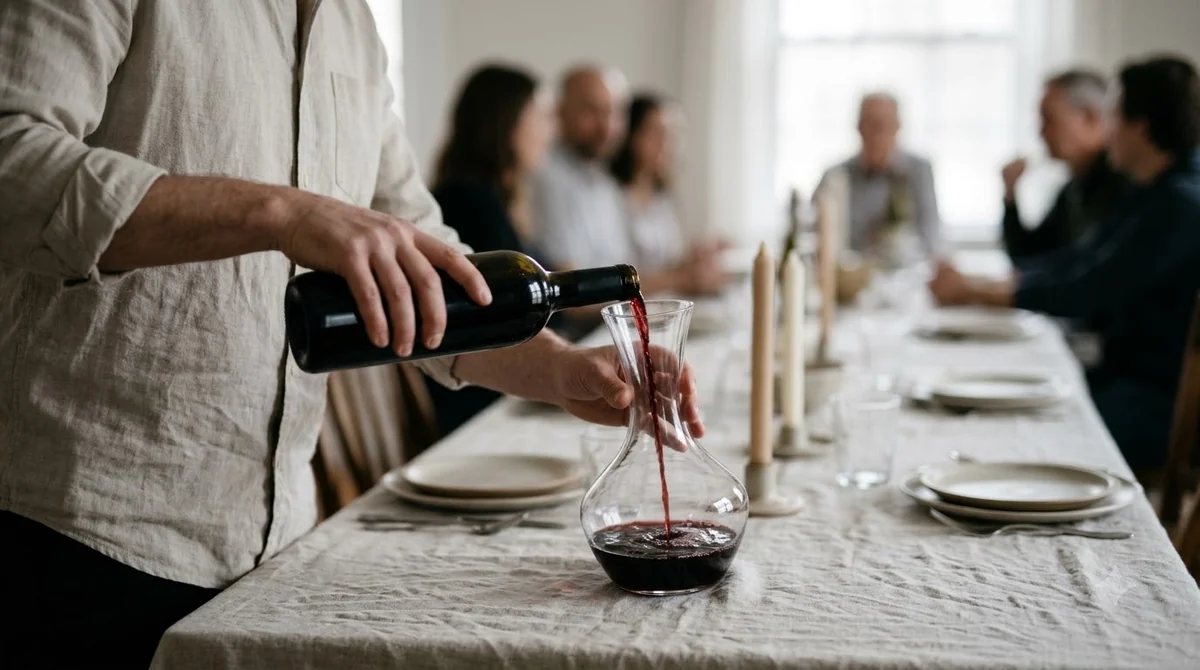
Decanting can help wine warm slightly because the liquid is exposed to air in a separate vessel, but it is not a precise heating method. It also introduces oxygen, which can change the wine’s aromas and structure. Young, full-bodied reds may benefit from 30–60 minutes of decanting for reasons beyond temperature, while delicate older wines may require much less time.
Can you add warm water directly to red wine?
No. Adding water changes the wine’s concentration, flavor balance, and texture rather than simply adjusting its temperature. Even a small amount can alter the intended character of a carefully made bottle. Warm the wine indirectly by allowing the bottle or glass to reach the desired temperature instead.
Does a screw-cap red wine need to warm differently from a cork-sealed bottle?
No. The closure does not determine the ideal drinking temperature. A screw-cap Shiraz and a cork-sealed Shiraz can be served within the same general temperature range if their styles are comparable. The closure mainly affects sealing and storage considerations rather than the warming method.
Should an older vintage red wine be warmed more slowly?
Older wines deserve particularly gentle handling because their aromas and structures can be more delicate. Avoid sudden temperature changes, unnecessary agitation, and prolonged exposure to heat. If an older bottle has been stored in a cool cellar, allow it to approach its serving temperature naturally before opening and evaluating its condition.
The best way to warm up red wine is to let it adjust gradually rather than trying to heat it quickly. Choose a serving temperature that suits the wine’s body, keep it away from direct heat, and use a thermometer when precision matters. With a little preparation, even a refrigerator-cold bottle can be ready to show its aromas, fruit, and structure at the dinner table.
More in Wine Basics
 Which Rose Is Best for Your Taste, Budget, and Food PairingsUpdated Nov 21, 2026
 Is Cheap Wine Bad? How to Find Bottles Worth DrinkingUpdated Nov 21, 2026
 What To Write On A Wine Gift Tag: Thoughtful Messages For Every OccasionUpdated Nov 21, 2026
 Which Wine Is Best For Weight Loss? Compare Lower-Calorie ChoicesUpdated Nov 21, 2026
 What Is The Best Wine For Mimosas? Choose Bubbly That Balances Orange JuiceUpdated Nov 20, 2026
 Which Prosecco Is Best for Your Taste and OccasionUpdated Nov 20, 2026