

We may earn a commission when you buy through links on this page, at no extra cost to you. Learn more.
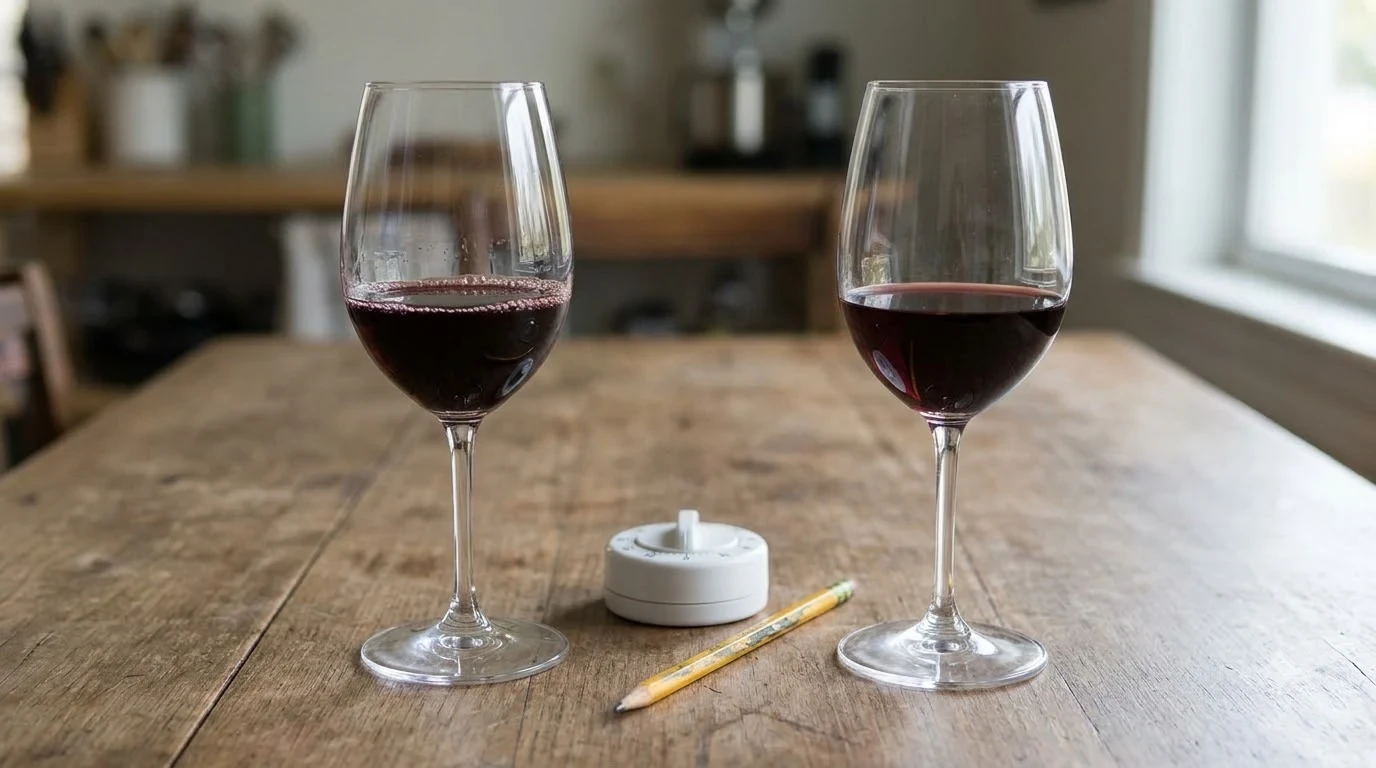
Acid league wine refers primarily to Acid League’s Wine Proxies, a range of wine-inspired, non-alcoholic beverages made with ingredients such as wine grapes, fruit, tea, spices, and botanicals. Unlike conventional wine, these drinks are blended from the beginning rather than produced through traditional alcoholic fermentation followed by alcohol removal. They aim to recreate some of wine’s most appealing qualities, including acidity, tannin, texture, aromatic complexity, and food-friendly balance. They offer an alternative for people who want a wine-style drinking experience without a conventional alcoholic wine.
Acid League approaches beverages from the perspective of flavor development rather than simply reproducing familiar wine categories. Its Proxies concept grew from the company’s wider interest in acidity, fermentation, and unusual ingredient combinations. Understanding how these drinks are made, how they compare with conventional wine, and how to serve them makes it easier to decide whether they belong at your next dinner or celebration.
What Acid League Wine Actually Means
Acid League wine is a common way to describe the company’s Wine Proxies, but the distinction between a wine and a wine alternative matters. Proxies are blended beverages designed to offer wine-like structure and food-pairing qualities without being conventional grape wine.
Traditional wine begins with grapes that undergo alcoholic fermentation. Yeast converts grape sugars into alcohol, producing a beverage whose aromas, acidity, body, tannins, and structure develop through fermentation and, in some cases, maturation. A conventional non-alcoholic wine generally begins with fermented wine before undergoing a process to remove most of its alcohol.
Acid League takes a different approach. Its Proxies are constructed from ingredients selected to reproduce the sensory components that make wine interesting alongside food. These can include wine grapes, fruit juices, teas, spices, botanicals, verjus, and vinegar-based ingredients. Each contributes something different to the finished drink.
The result is not necessarily intended to taste like a particular Cabernet Sauvignon, Sauvignon Blanc, or Pinot Noir. Instead, the goal is to create a layered beverage with enough acidity, body, aromatic detail, and structure to work at a dinner table.
This distinction also helps explain why a Proxy should not automatically be judged against a conventional bottle of wine. Its production method and ingredient composition are different. Someone expecting an exact replica of alcoholic wine may notice differences, while someone looking for an interesting food-friendly alternative may appreciate the independent style.
Acid League’s broader approach began with experimenting with vinegar. According to the company’s official company history, its food scientist founders began exploring new possibilities for vinegar in spring 2019 and experimented with more than 500 flavors. That experimentation eventually helped establish a broader range of acid-focused food and beverage products.
How Acid League Proxies Are Made
Acid League Proxies use a blending approach that brings together fruit, wine grapes, tea, spices, and botanical ingredients. Each component contributes a particular sensory quality, allowing the finished drink to develop complexity without relying on conventional alcoholic fermentation.
One important ingredient is verjus, an acidic juice made from unripe grapes. It provides a grape-derived tartness that can resemble some of the bright acidity found in wine. Unlike ordinary grape juice, verjus is not primarily intended to deliver sweetness. Its sharp, fresh character makes it useful in food preparation and beverage blending.
Fruit provides another layer. Depending on the formulation, ingredients may contribute citrus, berry, stone-fruit, or tropical-fruit notes. These flavors can create a recognizable aromatic profile while helping balance the sharper elements of the blend.
Tea contributes body, bitterness, and texture. Different teas bring different characteristics, from delicate floral impressions to darker, more structured flavors. This is particularly useful when a beverage needs more depth than fruit juice alone can provide.
Spices and botanicals complete the composition. Ingredients such as ginger, aromatic herbs, and other spices can create complexity and a longer finish. Acid League’s stated approach emphasizes balancing these components rather than allowing one ingredient to dominate.
The main ingredients and their functions
| Ingredient | Main contribution | Possible sensory impression |
|---|---|---|
| Wine grapes | Grape character and structure | Fresh grape and vinous notes |
| Verjus | Natural acidity | Tart, crisp, green-fruit character |
| Fruit juices | Flavor and aromatic complexity | Berry, citrus, or stone fruit |
| Tea | Body, bitterness, and texture | Herbal, floral, or earthy notes |
| Spices | Aromatic depth | Warm, savory, or peppery notes |
| Botanicals | Additional aromatic layers | Floral, herbal, or citrus impressions |
| Vinegar | Acidity and complexity | Bright, tangy character |
These ingredients are not necessarily present in identical proportions across every product. Different blends can emphasize fruit, herbs, tannin, or acidity depending on their intended character.
Acid League also has experience creating products from unusual ingredients. Its archive documents experimental vinegars made with ingredients such as roasted coconut, celery, honey yuzu, and different fruit combinations. That background helps explain why the company approaches beverage development with a broader flavor vocabulary than traditional winemaking alone.
Acid League Wine Flavors and Product Characteristics
Acid League’s Proxies are designed around different combinations of aromatic intensity, acidity, body, and texture. Rather than treating every bottle as a substitute for one grape variety, it makes more sense to consider whether a particular blend offers a fresh, fruity, herbal, or structured drinking experience.

Early Proxies products included Zest Contact, Cuvée Zero, and Blanc State. An article from Artful Living documented these three varieties and described the accompanying product information as including flavor descriptors, principal ingredients, serving temperatures, and pairing suggestions.
The individual blends can appeal to different preferences. A citrus-forward profile may suit someone who normally enjoys crisp white wine. A fruitier composition may appeal to drinkers who favor rosé. More structured blends with deeper fruit and tannin-like sensations may provide a more substantial experience alongside savory dishes.
Understanding the flavor categories
Fresh and citrus-forward: These styles emphasize lively acidity and bright fruit. Think of lemon, lime, green apple, or other crisp fruit impressions. They can be useful alternatives to light, refreshing white wines, particularly alongside vegetables, seafood, and lighter appetizers.
Fruit-forward and aromatic: Berry, peach, citrus, and tropical-fruit characteristics can give a Proxy a more expressive profile. These blends may work well with salads containing fruit, roasted vegetables, mild cheeses, and dishes with a little sweetness.
Herbal and savory: Tea, spices, and botanicals can introduce earthy or aromatic notes. Such blends may suit mushroom dishes, grilled vegetables, poultry, and meals with herbs or aromatic sauces.
Structured and darker: Blends with more pronounced tea tannin, deeper fruit, and savory spices can create a fuller impression. They may be suitable for burgers, roasted meats, and mushroom-based dishes that benefit from a more substantial beverage.
These descriptions are useful tasting categories rather than guarantees that every current Acid League product belongs to a particular wine style. Formulations and available selections can change, so the ingredients and tasting information for the individual bottle remain the best starting point.
It is also helpful to distinguish Acid League’s Proxies from its living vinegars. The company’s Strawberry Rosé Living Vinegar, for example, combines unpasteurized vinegar, strawberry juice concentrate, and white grape juice concentrate. Despite the rosé-inspired name, it is a vinegar intended for cooking, cocktails, and other culinary uses, not a bottle of rosé wine.
How Acid League Compares With Traditional Wine
The biggest difference between Acid League Proxies and traditional wine is production. Wine is an alcoholic beverage made through grape fermentation, while Proxies are blended from selected ingredients to recreate certain qualities associated with wine.
This difference affects aroma, texture, alcohol content, sweetness, and the way the beverage behaves alongside food. Both can be served in wine glasses and enjoyed at the dinner table, but they do not have identical flavor profiles.
| Feature | Traditional wine | Acid League Proxies |
|---|---|---|
| Production | Fermented grape juice | Blended beverage |
| Main ingredients | Wine grapes and yeast | Fruit, grapes, tea, spices, botanicals |
| Alcohol | Commonly around 11–15% ABV | Product-dependent; some are labeled at or below 0.5% ABV |
| Tannin | From grape skins, seeds, and sometimes oak | Can come from tea and other ingredients |
| Acidity | Natural grape acids | Can include verjus, citrus, and vinegar |
| Flavor development | Fermentation and possible aging | Ingredient selection and blending |
| Food pairing | Based on grape variety and wine structure | Based on acidity, body, fruit, and seasoning |
One important point is that not every non-alcoholic wine is made in the same way. Some producers make conventional wine and subsequently remove its alcohol through specialized processing. Others develop beverages from scratch using fruit, tea, and other ingredients. Acid League’s Proxies belong to the second category.
For someone accustomed to alcoholic wine, the difference can be noticeable. Conventional wine develops a particular relationship between alcohol, acidity, tannin, aroma, and body. Proxies use alternative ingredients to create a similar sense of balance, but the result is its own style of beverage.
For example, someone who regularly enjoys a crisp Pinot Grigio may appreciate a fresh, citrus-oriented Proxy. However, a Proxy will not necessarily reproduce the grape character or finish of a conventional bottle. Comparing styles is more useful than expecting an exact match.
Readers interested in conventional wine styles can also explore Black Box Pinot Grigio alcohol content to understand the difference between an ordinary wine’s alcohol level and that of a non-alcoholic alternative.
Food Pairings for Acid League Wine
Acid League Proxies are intended to work with food, so pairing them with dinner is one of the most useful ways to understand their style. The same basic principles used for conventional wine still help: consider acidity, sweetness, body, tannin, salt, fat, and spice.
For a crisp, citrus-oriented Proxy, start with seafood, vegetable dishes, and salads. The bright character can complement fresh ingredients, especially when the food includes lemon, herbs, or a light vinaigrette. A delicate seafood dish with a citrus dressing can be a particularly natural combination.
Fruit-forward blends can work with mild cheeses, roasted vegetables, and dishes containing fruit-based sauces. For example, a salad with strawberries, toasted nuts, and soft cheese can connect with a berry-oriented beverage. The key is to keep sweetness balanced rather than pairing a very sweet dish with a noticeably dry drink.
More structured Proxies may suit savory dishes. Tea-derived tannin and deeper fruit notes can provide a useful counterpoint to rich ingredients such as mushrooms, roasted eggplant, and grilled poultry. A substantial burger with caramelized onions is another reasonable pairing, particularly with a blend that has enough body to match the food.
Pairing by food style
| Food | Suggested Proxy character | Why the pairing works |
|---|---|---|
| Grilled shrimp | Citrus-forward | Bright acidity complements seafood |
| Roasted chicken | Herbal and medium-bodied | Matches herbs and savory flavors |
| Mushroom risotto | Earthy and structured | Complements umami and creamy texture |
| Strawberry salad | Fruit-forward | Connects with the fresh fruit flavors |
| Grilled vegetables | Herbal or citrus-forward | Balances char and vegetable sweetness |
| Soft cheese | Fresh and fruit-driven | Balances creamy texture |
| Roasted beef | Full-bodied and structured | Provides a more substantial flavor match |
There are several pairing principles worth keeping in mind. Acidic food generally needs a beverage with equal or higher acidity. A lemon-heavy seafood dish can make a low-acid drink seem flat, whereas a bright Proxy can maintain its character alongside the citrus.
Salt and fat can soften the perception of tannin. This is useful with dishes such as aged cheese, burgers, and roasted meats. However, highly tannic beverages are less suitable with oily fish because the combination can create an unpleasant metallic impression.
Spicy dishes need additional attention. Chili heat can seem more pronounced alongside alcohol and tannin, so a lower-alcohol beverage with fruit and freshness may be a more comfortable match. Avoid assuming that a spicy dish always needs the boldest, most tannic drink.
Tip: Start with the dominant flavor of the food rather than the name of the beverage. Pair citrus-forward Proxies with acidic seafood dishes, fruit-forward blends with mild cheeses, and more structured blends with savory foods such as mushrooms or roasted vegetables.
For a traditional Spanish red wine comparison, Campo Viejo red wine provides a useful example of how conventional grape-based wine offers a different combination of fruit, tannin, and acidity.
Serving, Storage, and Alcohol Content
Serving temperature and storage influence the experience of a wine-style beverage. Acid League Proxies are generally best treated as carefully blended drinks rather than stored and aged like traditional collectible wine.
For a fresh white-style Proxy, a chilled serving temperature is a sensible starting point. Conventional light whites and rosés are generally served between 45 and 50 degrees Fahrenheit, while fuller white wines are often served between 50 and 55 degrees Fahrenheit. These ranges provide a useful framework for choosing a starting temperature for different Proxy styles.
Cool temperatures help preserve a refreshing impression, particularly when a beverage has noticeable citrus or fruit characteristics. However, serving a drink extremely cold can reduce the intensity of its aromas. Allowing it to warm slightly in the glass can reveal more of its herbal and fruit components.
For fuller, darker blends, a slightly warmer serving temperature may make their aromatic layers easier to appreciate. There is no requirement to follow conventional red-wine temperatures exactly, since Proxies are formulated differently and may respond differently to chilling.
Understanding the alcohol level
Acid League’s Proxies include products identified as alcohol-free or at or below 0.5% alcohol by volume. This is a different category from conventional wine, which commonly contains approximately 11% to 15% ABV.
The distinction between a beverage with absolutely zero alcohol and one containing trace amounts is important. A product labeled at or below 0.5% ABV is not necessarily chemically identical to water or an entirely alcohol-free drink. Consumers who require complete avoidance should examine the specific product information and contact the producer when necessary.
It is also important not to assume that every beverage sold under the Acid League name has the same alcohol content. Its product range extends beyond Proxies into vinegars, condiments, and other food products, each with its own ingredients and characteristics.
Storage after opening
Traditional wine storage recommendations do not automatically apply to every Proxy. Conventional wine bottles are commonly stored on their sides at approximately 55 degrees Fahrenheit, particularly when they use natural corks and are intended for longer storage.
Acid League’s current product guidance for Proxies recommends a cool, dark storage location. Its product information also advises replacing the cork after opening and enjoying the beverage within one week. This is a more practical approach than treating an opened Proxy as a conventional wine intended for extended cellar storage.
Keep opened bottles properly closed and follow the storage directions supplied with the individual product. Temperature, exposure to oxygen, and the ingredients used in a particular blend can influence how its flavor changes after opening.
Who Should Consider Acid League Wine?
Acid League Proxies are particularly interesting for people who enjoy the ritual and food-pairing possibilities of wine but want a different beverage option. They are also worth considering for hosts who want to offer guests something more complex than ordinary fruit juice or standard soft drinks.
Wine enthusiasts may appreciate the attention given to acidity, tannin, texture, and aromatic development. Someone familiar with Sauvignon Blanc, for example, may recognize the appeal of a bright, acidic drink. A drinker who prefers richer reds may be more interested in blends that use tea, darker fruit, and spices to create additional structure.
However, expectations matter. A Proxy is not intended to reproduce every characteristic of a conventional vintage. It does not develop its character through the same grape fermentation and maturation processes, and its flavor profile can be noticeably different.
It may be less appealing to someone who specifically wants the aroma, alcohol warmth, and familiar finish of traditional wine. In that situation, a conventional non-alcoholic wine made through alcohol removal may provide a closer reference point.
Acid League also has a wider food-focused identity. Its Living Vinegars, dressings, and experimental condiments may appeal to home cooks interested in adding acidity and unusual flavor combinations to everyday meals.
For readers exploring established wine producers alongside alternative beverage makers, the Baron Philippe de Rothschild wine range offers a contrasting example of the traditional wine industry, where grape varieties, vineyard sourcing, and winemaking decisions define the final bottle.
Acid League’s appeal is therefore not limited to people replacing alcoholic wine. Its approach also suits curious drinkers who enjoy experimenting with different ingredients and pairing drinks with food. A carefully selected Proxy can bring its own identity to a meal rather than simply serving as a substitute for another beverage.
Anyone researching the wider industry can also browse our Wine Brands resource to discover more producers, styles, and wine-related alternatives.
Frequently Asked Questions
Is Acid League wine completely alcohol-free?
Some Acid League Proxies are labeled alcohol-free or at or below 0.5% ABV, meaning trace alcohol may still be present. The precise classification and labeling can vary by product. Consumers seeking a product with absolutely zero alcohol should verify the specific formulation rather than relying only on the general brand description.
Are Acid League Proxies suitable for a wine tasting party?
Yes, their different combinations of fruit, tea, spices, and botanicals make them interesting options for a comparative tasting. A host can arrange several styles in separate glasses and invite guests to identify differences in aroma, acidity, body, and finish. Serving small samples of approximately 2 ounces also makes it easier to compare multiple blends without committing to a full glass.
Do Acid League Proxies contain sulfites?
Some Proxy formulations may contain sulfites, but the ingredients are not necessarily identical across the range. Sulfites can be used in beverages as preservatives and may also occur naturally in fermented ingredients. Review the ingredient declaration for the particular bottle to determine whether sulfites are listed.
Can Acid League Proxies be used in cocktails?
Yes, a Proxy can be used as a cocktail ingredient or as the base of a more elaborate alcohol-free drink. A citrus-forward blend can work with sparkling water and a citrus garnish, while a fruitier blend may complement herbs and fresh fruit. The final recipe should account for the beverage’s existing acidity and sweetness so the additional ingredients do not overpower it.
Are Acid League Wine Proxies fermented like kombucha?
Proxies are described primarily as blended beverages rather than conventional grape wines. Their ingredients may include fermented or vinegar-derived components, but that does not mean every Proxy is produced through the same fermentation process as kombucha. The exact production details depend on the formulation, so the individual product description is the appropriate source for ingredient-specific information.
Acid League wine is best understood as a creative category of wine-inspired beverages rather than conventional wine with the alcohol removed. Its combination of grapes, fruit, tea, spices, and acidity creates an alternative designed for the dinner table, with its own flavor characteristics and pairing possibilities. For anyone interested in food-friendly drinks beyond traditional wine, Acid League Proxies offer a distinctive approach worth exploring.
More in Wine Brands
 Underwood Wine Price: Compare Bottles, Cans, and Pack SizesUpdated Nov 21, 2026
 Zenato Wine Price: Compare Styles and Choose the Right BottleUpdated Nov 21, 2026
 Zuccardi Wine Price: Compare Bottles and Find the Right RangeUpdated Nov 21, 2026
 Yellow Tail Moscato Review: Taste, Sweetness and Serving TipsUpdated Nov 21, 2026
 Wolf Blass Yellow Label Review: Choose Your Best StyleUpdated Nov 21, 2026
 Wolffer Estate Rose Review: Choose the Right Bottle for Your TableUpdated Nov 21, 2026